Support our educational content for free when you purchase through links on our site. Learn more
What Vitamins Do I Need Daily? 12 Essentials You Can’t Miss (2025) 🥦

Ever stared at the vitamin aisle and wondered, “What vitamins do I actually need every day?” You’re not alone! With so many options and conflicting advice, it’s easy to feel overwhelmed. But here’s a little secret from the health pros at Vitamin Brands™: knowing the right vitamins and how much to take can transform your energy, immunity, and overall wellness.
Did you know that despite eating a “healthy” diet, up to 40% of adults worldwide may still be deficient in key nutrients like Vitamin D or B12? 😲 In this comprehensive guide, we’ll break down the 12 essential vitamins your body craves daily, explain how to get them from food and supplements, and reveal expert tips to avoid common pitfalls like overdosing or missing out. Plus, we’ll share insider advice on tailoring your vitamin intake based on your age, lifestyle, and health goals. Ready to unlock your best self? Let’s dive in!
Key Takeaways
- You need 12 essential vitamins daily including A, C, D, E, K, and the B-complex group to support vision, immunity, energy, and bone health.
- Food-first is the best approach, but supplements can fill gaps caused by lifestyle or dietary restrictions.
- Vitamin D3 + K2, Magnesium, and Omega-3s are among the most commonly deficient nutrients and worth considering as supplements.
- Personal factors like age, gender, and health conditions significantly influence your vitamin needs.
- Beware of vitamin toxicity—more isn’t always better, especially with fat-soluble vitamins.
- Testing your vitamin levels can help tailor your intake for optimal health.
Ready to take control of your daily vitamin intake? Keep reading for detailed charts, expert tips, and trusted supplement recommendations!
Table of Contents
- ⚡️ Quick Tips and Facts About Daily Vitamin Needs
- 🌿 The Essential Vitamins You Need Every Day: A Nutritional Background
- 🔍 Understanding Daily Vitamin Requirements: RDAs and Beyond
- 🧬 How Vitamins Work in Your Body: The Science Behind the Magic
- 🥦 Top 12 Vitamins You Shouldn’t Skip Daily (And Why)
- 🍽️ How to Get Your Daily Vitamins: Food vs. Supplements
- 🧑 ⚕️ Personalized Vitamin Needs: Age, Gender, Lifestyle, and Health Conditions
- 💊 Choosing the Right Vitamin Supplements: What to Look For
- ⚠️ Vitamin Overdose and Deficiency: Warning Signs and Prevention
- 📊 Daily Vitamin Intake Chart: Your Handy Reference Table
- 🧪 Testing Your Vitamin Levels: When and How to Do It
- 🌍 Global Perspectives: How Daily Vitamin Needs Vary Worldwide
- 📚 Recommended Resources and Tools for Tracking Vitamins
- 🎯 Expert Tips for Maintaining Optimal Vitamin Balance
- 🔄 Common Myths and Misconceptions About Daily Vitamins
- 🧩 Integrating Vitamins into a Holistic Health Routine
- 📝 Conclusion: Your Daily Vitamin Roadmap to Wellness
- 🔗 Recommended Links for Further Reading
- ❓ Frequently Asked Questions (FAQ) About Daily Vitamins
- 📖 Reference Links and Scientific Sources
Body
⚡️ Quick Tips and Facts About Daily Vitamin Needs
Hey there, health enthusiasts! We’re the team at Vitamin Brands™, and we’re obsessed with helping you feel your absolute best. You’ve asked, “what vitamins do I need daily?” and boy, are we glad you did! It’s one of the most common questions we get, and it’s a fantastic one. Navigating the world of Essential Vitamins can feel like trying to read a map in a hurricane, but don’t you worry. We’re here to be your nutritional compass. For our male readers, we’ve also put together a specialized guide on the 12 Essential Vitamins for Men’s Health You Can’t Ignore in 2025 💪.
Before we dive deep, let’s get you started with some quick, bite-sized nuggets of wisdom:
- 13 Essential Vitamins: Your body needs 13 essential vitamins to function correctly: Vitamins A, C, D, E, K, and the eight B vitamins.
- Food First, Always: The UK’s National Health Service (NHS) states, “Most people should get all the nutrients they need by having a balanced diet.” We couldn’t agree more! A rainbow on your plate is your first line of defense.
- Supplements Are Your “Insurance Policy”: Think of a good multivitamin as a nutritional safety net. It’s there to fill in the gaps on days when your diet isn’t picture-perfect (we all have those days, right?).
- Not All Vitamins Are Created Equal: They are categorized as either fat-soluble (A, D, E, K) or water-soluble (B-complex and C). This affects how your body absorbs and stores them, which is super important to know!
- Deficiencies Are Sneaky: Feeling constantly tired? Seeing weird bumps on your skin or cracks at the corners of your mouth? These could be your body’s smoke signals asking for specific nutrients.
- More Isn’t Always Better: Especially with fat-soluble vitamins, which can build up in your body, taking too much can be harmful. It’s all about finding that Goldilocks amount—just right!
🌿 The Essential Vitamins You Need Every Day: A Nutritional Background
Ever wonder how we even discovered these magical little compounds? Let’s hop in our time machine! For centuries, people suffered from mysterious illnesses like scurvy (bleeding gums) and rickets (soft bones). Doctors thought they were infections or toxins. It wasn’t until 1912 that a brilliant biochemist named Casimir Funk proposed that these diseases were caused by a lack of something in the diet. He coined the term “vitamin,” a mashup of “vita” (life) and “amine.” And just like that, the father of vitamin therapy was born, and our understanding of health changed forever!
So, what are these “vitamins” and their trusty sidekicks, “minerals”?
- Vitamins are organic substances your body needs in small amounts to grow, develop, and function normally.
- Minerals are inorganic elements (think iron, calcium, zinc) that are equally crucial for everything from building strong bones to making hormones.
As Harvard’s School of Public Health explains, our bodies can’t produce most of these micronutrients, so we must get them from our food. They’re classified into two groups:
- 💧 Water-Soluble Vitamins: This group includes Vitamin C and the entire B-vitamin family (like B6, B12, and folate). They dissolve in water, are easily absorbed, and aren’t stored in the body. Whatever you don’t use gets flushed out (yes, that’s why your pee might be bright yellow after taking a B-complex!). This means you need to replenish them regularly.
- 🧈 Fat-Soluble Vitamins: This group includes Vitamins A, D, E, and K. They need fat to be absorbed and are stored in your liver and fatty tissues. Because they stick around, it’s easier to build up toxic levels, so you need to be more mindful of your intake.
🔍 Understanding Daily Vitamin Requirements: RDAs and Beyond
Okay, so you know you need them, but how much is enough? That’s where the Dietary Reference Intakes (DRIs) come in. Developed by the National Academy of Medicine, these are the go-to guidelines for nutrient needs. You’ll often see these terms on supplement labels:
- Recommended Dietary Allowance (RDA): This is the average daily amount of a nutrient that meets the needs of nearly all (97-98%) healthy people. Think of it as your primary target.
- Adequate Intake (AI): When there isn’t enough scientific evidence to establish an RDA, an AI is set. It’s a recommended intake based on what healthy people are observed to eat.
It’s also crucial to understand the units of measurement, as the NHS guide points out:
- Milligrams (mg): One-thousandth of a gram.
- Micrograms (mcg or µg): One-millionth of a gram. (1,000 mcg = 1 mg)
These RDAs and AIs are fantastic starting points, but remember, they’re not one-size-fits-all. Your personal needs can change based on your age, sex, lifestyle, and health status.
🧬 How Vitamins Work in Your Body: The Science Behind the Magic
Think of your body as a high-performance vehicle. Food is the fuel, but vitamins are the spark plugs. They are the catalysts that enable hundreds of essential chemical reactions. Without them, your body’s engine would sputter and stall.
For example, B vitamins are masters of energy conversion, helping your cells turn carbs and fats into usable fuel. Vitamin C is a powerful antioxidant that acts like a bodyguard for your cells, protecting them from damage. Vitamin D functions more like a hormone, telling your intestines to absorb calcium, which is critical for bone health. And Vitamin K helps your blood clot properly—pretty important if you get a paper cut!
Each vitamin has a unique and vital role, and they often work together in beautiful synergy. It’s a complex, microscopic dance, and getting the right balance is key to keeping the performance going strong.
🥦 Top 12 Vitamins You Shouldn’t Skip Daily (And Why)
Alright, let’s get to the main event! While all 13 essential vitamins are important, some are real superstars that deserve a daily spotlight. Here’s our Vitamin Brands™ breakdown of the top micronutrients you need to thrive.
1. Vitamin A: The Vision and Immunity Booster
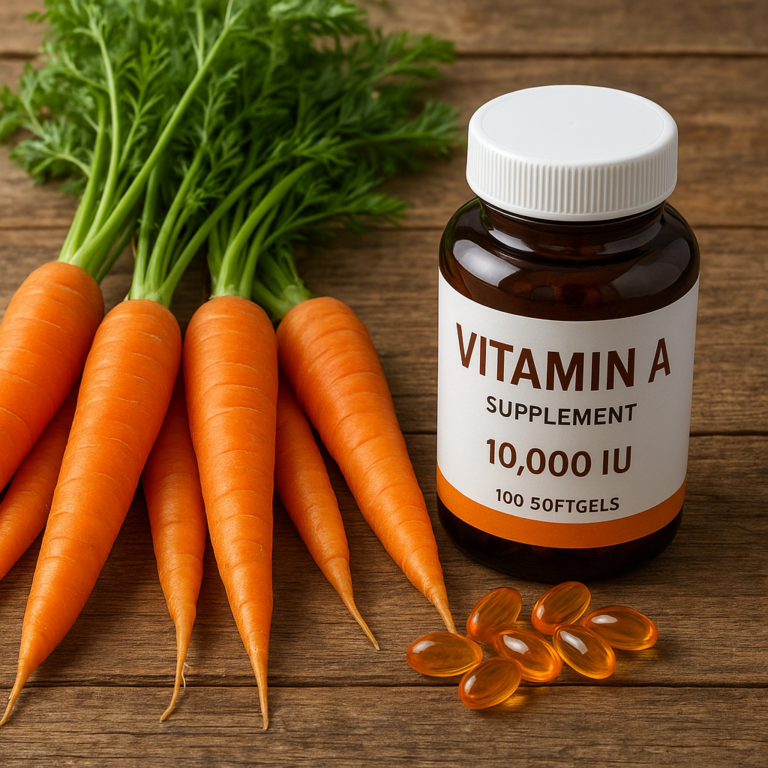
This fat-soluble vitamin is a true multitasker, crucial for sharp vision, a robust immune system, and healthy cell growth.
- Why you need it: It helps you see in low light and keeps your skin and mucous membranes (your body’s first line of defense against germs) healthy.
- Food Sources: Look for it in orange and yellow veggies like carrots and sweet potatoes, leafy greens like spinach, and in animal products like eggs and liver.
- Deficiency Signs: Poor night vision, dry eyes, and frequent infections.
2. Vitamin B Complex: Energy and Brain Power
The B vitamins are a group of eight individual nutrients that work together as your body’s energy production crew. They are essential for converting food into fuel and keeping your brain and nervous system running smoothly.
- Key Players:
- B1 (Thiamine): Essential for energy metabolism and nerve function.
- B3 (Niacin): Supports healthy skin and nerves.
- B6 (Pyridoxine): Helps create red blood cells and maintain brain function.
- B9 (Folate): Crucial for cell growth and preventing birth defects during pregnancy.
- B12 (Cobalamin): Vital for nerve function and forming red blood cells. Vegans and vegetarians often need to supplement with B12 as it’s primarily found in animal products.
- Deficiency Signs: Fatigue, confusion, skin rashes, and cracks at the corners of the mouth are common signs of B vitamin deficiencies.
✅ Our Pick: For a comprehensive B-Complex, we love the Garden of Life Mykind Organics B-Complex because it’s made from whole foods and is certified organic and non-GMO.
- 👉 Shop Garden of Life on: Amazon | Walmart | Garden of Life Official Website
3. Vitamin C: The Immunity Superstar
This is the vitamin everyone reaches for during cold season, and for good reason! Vitamin C is a powerful antioxidant that supports your immune system and is essential for healthy skin, bones, and blood vessels.
- Why you need it: It helps your body produce collagen, absorb iron, and protect cells from damage.
- Food Sources: Citrus fruits, strawberries, bell peppers, and broccoli are packed with Vitamin C.
- Did you know? Smokers need an extra 35 mg of Vitamin C per day to combat the oxidative stress from smoking.
4. Vitamin D: The Sunshine Vitamin
This unique vitamin is produced by your body when your skin is exposed to sunlight. It’s crucial for absorbing calcium and maintaining strong bones.
- Why you need it: Without enough Vitamin D, you can’t effectively absorb calcium, which can lead to weak bones (osteoporosis). It also plays a key role in immune function.
- The Problem: Many people are deficient, especially those who live in northern latitudes or spend a lot of time indoors.
- The D3 + K2 Combo: As highlighted in our featured video, taking Vitamin D3 with Vitamin K2 is a game-changer. Vitamin D helps you absorb calcium, while K2 helps direct that calcium to your bones and teeth, rather than your arteries where it can cause problems.
✅ Our Pick: Thorne Vitamin D/K2 Liquid is a fantastic, highly absorbable option. Thorne is a brand trusted by health professionals for its rigorous testing and quality.
- 👉 Shop Thorne on: Amazon | Thorne Official Website
5. Vitamin E: The Antioxidant Guardian
Vitamin E is a fat-soluble antioxidant that helps protect your cells from oxidative damage caused by free radicals.
- Why you need it: It supports immune function and helps prevent clots from forming in heart arteries.
- Food Sources: Find it in nuts, seeds, and vegetable oils.
6. Vitamin K: The Blood Clotting Hero
Vitamin K is essential for blood clotting and plays a vital role in bone health.
- Why you need it: Without it, your blood wouldn’t be able to clot properly. As mentioned, its partnership with Vitamin D is also crucial for directing calcium to your bones.
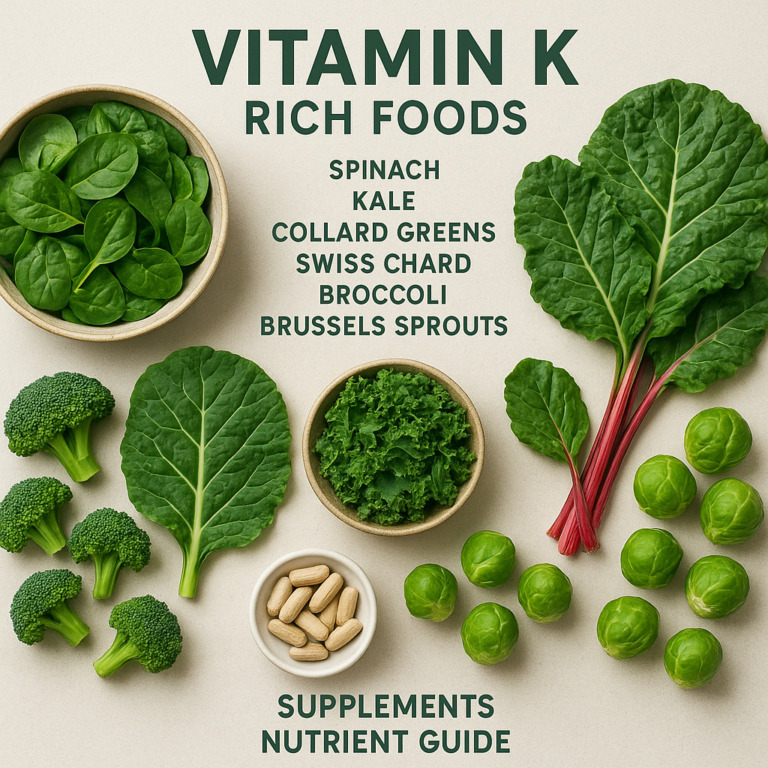
- Food Sources: Leafy green vegetables like kale and spinach are excellent sources of Vitamin K1, while fermented foods and animal products provide K2.
7. Other Vital Micronutrients: Minerals and More
Vitamins don’t work in a vacuum! They need minerals and other nutrients to do their jobs effectively. Here are a few more daily must-haves:
- Calcium: The building block of strong bones and teeth. It also plays a role in muscle function and nerve signaling.
- Iron: Essential for creating hemoglobin, the protein in red blood cells that carries oxygen throughout your body. Iron deficiency can lead to anemia and fatigue.
- Magnesium: This mineral is a powerhouse, involved in over 300 bodily processes! It helps with muscle relaxation, nerve function, and energy production. Many people are deficient, especially athletes.
- Zinc: Crucial for immune function and wound healing.
- Omega-3 Fatty Acids (EPA & DHA): These aren’t vitamins, but they are essential fats that act as powerful anti-inflammatories, supporting heart and brain health. Most health organizations recommend a minimum of 250-500 mg of combined EPA and DHA daily for healthy adults.
✅ Our Picks for Minerals & More:
-
Magnesium: We recommend Pure Encapsulations Magnesium Glycinate. The glycinate form is highly absorbable and gentle on the stomach, making it great for promoting relaxation and sleep.
-
Omega-3: Look for a high-quality fish oil like Nordic Naturals Ultimate Omega. It provides a potent dose of EPA and DHA and is tested for purity.
-
👉 Shop Pure Encapsulations on: Amazon | Walmart | Pure Encapsulations Official Website
-
👉 Shop Nordic Naturals on: Amazon | Walmart | Nordic Naturals Official Website
🍽️ How to Get Your Daily Vitamins: Food vs. Supplements
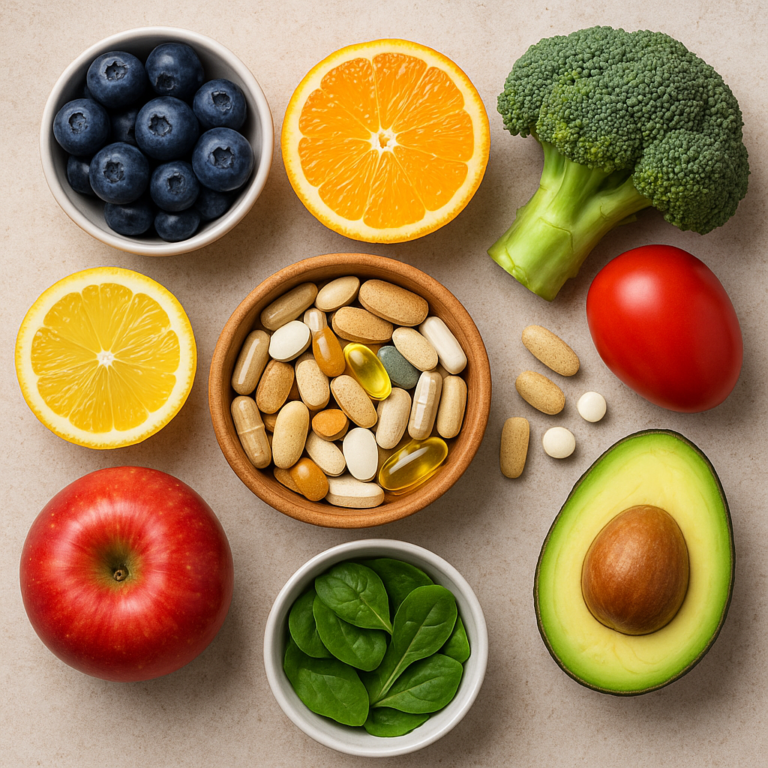
Here at Vitamin Brands™, we are huge proponents of a “food-first” philosophy. A colorful, varied diet rich in fruits, vegetables, lean proteins, and healthy fats should always be your primary source of nutrients. However, let’s be realistic. Modern life can make it tough to get everything you need from diet alone. Soil depletion, food processing, and restrictive diets can create nutritional gaps.
This is where Health Supplements come in. A high-quality Multivitamin Supplement can be an excellent insurance policy to ensure you’re covering all your bases.
| Source | Pros | Cons |
|---|---|---|
| Whole Foods | ✅ Contains fiber, phytonutrients, and other beneficial compounds. ✅ Better absorption of some nutrients. ✅ Delicious! | ❌ Can be difficult to get therapeutic doses of certain nutrients. ❌ Nutrient content can vary. |
| Supplements | ✅ Provides concentrated, specific doses. ✅ Convenient way to fill nutritional gaps. ✅ Essential for certain deficiencies or dietary restrictions (e.g., B12 for vegans). | ❌ Lacks the synergistic compounds found in whole foods. ❌ Risk of over-consumption and toxicity. ❌ Quality can vary widely between brands. |
The bottom line: Use food as your foundation and supplements as your support system.
🧑 ⚕️ Personalized Vitamin Needs: Age, Gender, Lifestyle, and Health Conditions
Your vitamin needs are as unique as your fingerprint! They can fluctuate significantly based on several factors:
- Age: As we get older, our ability to absorb certain nutrients, like Vitamin B12, can decrease. Older adults may also need more Vitamin D and Calcium to maintain bone health.
- Gender: Men and women have different needs. For example, premenopausal women typically require more iron than men due to menstruation. Men, on the other hand, may have different needs for nutrients that support prostate health. Check out our category on the Best Vitamins for Men for more tailored advice.
- Pregnancy: Nutrient needs skyrocket during pregnancy. Folic acid (Vitamin B9) is especially critical to prevent neural tube defects in the developing fetus.
- Lifestyle: Are you a high-performance athlete? You’re likely burning through minerals like magnesium and may need more antioxidants to combat exercise-induced stress.
- Dietary Choices: Vegans and vegetarians need to be particularly mindful of getting enough Vitamin B12, iron, calcium, and omega-3s.
As our expert in the featured video points out, certain supplements are non-negotiable for many men. He recommends Vitamin D3 with K2, Magnesium Glycinate, Creatine Monohydrate, and a high-potency Fish Oil with at least 2,000 mg of combined EPA and DHA. This is a powerful stack for supporting everything from bone health and muscle recovery to heart health and cognitive function.
💊 Choosing the Right Vitamin Supplements: What to Look For
The supplement aisle can be overwhelming. With so many brands and formulations, how do you choose? Here’s our expert checklist:
- Look for Third-Party Certifications: This is non-negotiable! Seals from organizations like USP (United States Pharmacopeia), NSF International, or ConsumerLab.com verify that the product contains what it says on the label, is free from harmful contaminants, and has been manufactured properly.
- Check the Form: Bioavailability is key! This refers to how well your body can absorb and use a nutrient. For example:
- Magnesium: Glycinate and citrate forms are generally better absorbed than oxide.
- Folate: Look for methylfolate (5-MTHF) instead of folic acid, as many people have a genetic variation that makes it difficult to convert folic acid into its active form.
- Read the “Other Ingredients”: Avoid products with unnecessary fillers, artificial colors, sweeteners, and common allergens if you’re sensitive. Brands like Pure Encapsulations are known for being hypoallergenic.
- Consider the Delivery Method: Capsules, tablets, gummies, liquids… oh my! Gummies can have added sugars, but they’re a great option if you have trouble swallowing pills. Choose what you’ll be most consistent with.
- Trust Reputable Brands: Brands that invest in research and transparency are usually a good bet. We consistently recommend brands like Thorne, Ritual, Pure Encapsulations, and Nature Made because of their commitment to quality and efficacy.
⚠️ Vitamin Overdose and Deficiency: Warning Signs and Prevention
While vitamin deficiencies can cause a host of problems, it’s also possible to get too much of a good thing. This is known as hypervitaminosis, or vitamin toxicity.
- Deficiency: A lack of essential nutrients can lead to a wide range of symptoms, from subtle to severe. Common signs include fatigue, brittle hair and nails, mouth ulcers, bleeding gums, and poor night vision. If you’re experiencing persistent, unexplained symptoms, it’s always a good idea to chat with your healthcare provider.
- Toxicity: The risk of toxicity is highest with fat-soluble vitamins (A, D, E, and K) because your body stores the excess. For example, extremely high doses of Vitamin A can cause dizziness, nausea, and even liver damage over time. Always stick to the recommended dosage on the label unless advised otherwise by a professional. Water-soluble vitamins are less likely to cause toxicity because your body excretes what it doesn’t use, but extremely high doses can still cause issues like digestive upset.
The key is balance. Pay attention to the Tolerable Upper Intake Level (UL), which is the maximum daily intake unlikely to cause adverse health effects.
📊 Daily Vitamin Intake Chart: Your Handy Reference Table
To make things easier, we’ve compiled a quick-reference chart of some key vitamins and minerals, their RDAs for adults, and some of the best food sources. (Note: These are general guidelines; your individual needs may vary).
| Nutrient | RDA (Men, 19-50) | RDA (Women, 19-50) | Top Food Sources |
|---|---|---|---|
| Vitamin A | 900 mcg | 700 mcg | Sweet potatoes, carrots, spinach, beef liver |
| Vitamin C | 90 mg | 75 mg | Bell peppers, oranges, strawberries, broccoli |
| Vitamin D | 15 mcg (600 IU) | 15 mcg (600 IU) | Sunlight, fatty fish (salmon, mackerel), fortified milk |
| Vitamin E | 15 mg | 15 mg | Almonds, sunflower seeds, spinach, avocado |
| Vitamin K | 120 mcg | 90 mcg | Kale, spinach, broccoli, Brussels sprouts |
| Thiamin (B1) | 1.2 mg | 1.1 mg | Pork, whole grains, fortified cereals |
| Folate (B9) | 400 mcg | 400 mcg | Lentils, asparagus, spinach, fortified grains |
| Vitamin B12 | 2.4 mcg | 2.4 mcg | Clams, beef liver, salmon, fortified nutritional yeast |
| Calcium | 1,000 mg | 1,000 mg | Dairy products, fortified plant milks, sardines, kale |
| Iron | 8 mg | 18 mg | Oysters, beef, spinach, lentils, fortified cereals |
| Magnesium | 400-420 mg | 310-320 mg | Pumpkin seeds, almonds, spinach, black beans |
| Zinc | 11 mg | 8 mg | Oysters, beef, pumpkin seeds, chickpeas |
Source: Adapted from the National Institutes of Health and Harvard T.H. Chan School of Public Health data.
🧪 Testing Your Vitamin Levels: When and How to Do It
Feeling “off” but can’t pinpoint why? A nutrient deficiency could be the culprit. While you don’t need to test for every vitamin under the sun, checking your levels for a few common culprits can be incredibly insightful.
Common deficiencies worth testing for:
- Vitamin D: The most common deficiency we see.
- Vitamin B12: Especially important for older adults and those on plant-based diets.
- Iron (Ferritin): Key for energy levels, particularly in menstruating women.
- Magnesium: Often depleted by stress and exercise.
How to get tested:
- Talk to Your Doctor: This is the best first step. They can order a blood test based on your symptoms and health history.
- At-Home Testing Kits: Companies like Everlywell and LetsGetChecked offer convenient finger-prick tests you can do at home. While they’re a great way to get a snapshot of your health, always discuss the results with a healthcare professional.
🌍 Global Perspectives: How Daily Vitamin Needs Vary Worldwide
It’s fascinating how geography and culture can influence nutritional needs!
- Sunshine & Vitamin D: People living in regions with less sunlight, like the UK or the Pacific Northwest, are at a much higher risk of Vitamin D deficiency and often require supplementation.
- Soil & Iodine: In mountainous regions where the soil is iodine-poor, iodine deficiency was once rampant, leading to goiter. This is why many countries started fortifying salt with iodine.
- Dietary Habits: Traditional diets can have a huge impact. For example, the Mediterranean diet, rich in fish, provides ample omega-3s, while a standard Western diet often lacks them.
This just goes to show that there’s no single “perfect” vitamin plan for everyone on the planet. Context is everything!
📚 Recommended Resources and Tools for Tracking Vitamins
Want to geek out on your nutrient intake? (We do!) Here are some of our favorite tools and resources:
- Tracking Apps:
- Cronometer: This is our top pick for detailed micronutrient tracking. It’s incredibly comprehensive.
- MyFitnessPal: Great for tracking calories and macros, and it also provides basic vitamin and mineral information.
- Authoritative Websites:
- NIH Office of Dietary Supplements: An incredible resource with detailed fact sheets on virtually every vitamin and mineral.
- Linus Pauling Institute: A research institute at Oregon State University that provides science-based information on micronutrients.
- The Nutrition Source by Harvard T.H. Chan School of Public Health: Trustworthy, evidence-based nutritional information.
🎯 Expert Tips for Maintaining Optimal Vitamin Balance
Feeling overwhelmed? Don’t be! Here are our top five simple, actionable tips from the Vitamin Brands™ team:
- Eat the Rainbow: Don’t just eat your greens—eat your reds, oranges, purples, and yellows, too! Each color provides different vitamins and antioxidants.
- Get 15 Minutes of Midday Sun: When possible, expose your arms and legs to direct sunlight for about 15 minutes a day to boost your body’s natural Vitamin D production.
- Consider a “Core Four” Supplement Stack: If you’re going to take anything, a high-quality Multivitamin, Vitamin D3+K2, Magnesium, and Omega-3 Fish Oil is a fantastic foundation for most people.
- Listen to Your Body: Fatigue, skin issues, and mood changes can be early warning signs of a deficiency. Don’t ignore them!
- Don’t Guess, Test! If you suspect a deficiency, get tested. It’s the only way to know for sure and supplement intelligently.
🔄 Common Myths and Misconceptions About Daily Vitamins
Let’s bust some myths, shall we?
- Myth #1: “Expensive vitamins are always better.”
- Reality: Not necessarily! Price doesn’t always equal quality. What matters most is third-party testing, bioavailable ingredients, and a clean formula. A budget-friendly, USP-verified brand like Nature Made can be just as effective as a pricey boutique brand.
- Myth #2: “If I eat a healthy diet, I don’t need any supplements.”
- Reality: While a great diet is the goal, it’s very difficult to get optimal levels of every single nutrient from food alone in today’s world. Think of supplements as a bridge to fill any potential gaps.
- Myth #3: “More is always better.”
- Reality: This is a dangerous misconception. As we discussed, you can reach toxic levels of certain vitamins, especially fat-soluble ones. Always follow the recommended dosage.
- Myth #4: “All multivitamins are basically the same.”
- Reality: Far from it! The quality, forms of nutrients, and dosages can vary dramatically. A well-formulated multi like Ritual Essential for Women 18+, which uses traceable ingredients and bioavailable forms like methylated folate, is worlds apart from a generic brand packed with fillers and less effective nutrient forms.
🧩 Integrating Vitamins into a Holistic Health Routine
Remember, vitamins are just one piece of the wellness puzzle. They aren’t magic pills that can undo a poor diet, lack of sleep, or a stressful lifestyle. To truly thrive, you need to integrate your smart supplementation into a holistic routine.
- Synergize with Sleep: Nutrients like magnesium can promote relaxation and improve sleep quality. In turn, quality sleep helps your body repair itself and better utilize the nutrients you consume.
- Fuel Your Fitness: Exercise increases your need for certain nutrients like B vitamins for energy and magnesium for muscle function. Proper vitamin intake helps you recover faster and perform better.
- Support Stress Management: Chronic stress can deplete your body of B vitamins, Vitamin C, and magnesium. Replenishing these nutrients can help improve your resilience to stress.
Think of it as a beautiful feedback loop. Your healthy habits make your vitamins work better, and your vitamins support your ability to maintain those healthy habits. It all works together
Conclusion: Your Daily Vitamin Roadmap to Wellness

Phew! That was quite the vitamin voyage, wasn’t it? From the origins of vitamins to the nitty-gritty of daily requirements, and even busting myths along the way — we hope you’re feeling empowered to take charge of your micronutrient game.
Remember, there’s no one-size-fits-all answer to “what vitamins do I need daily?” Your unique age, lifestyle, diet, and health status shape your needs. But the core essentials — Vitamins A, C, D, E, K, B-complex, plus key minerals like calcium, magnesium, and iron — form the foundation of good health.
If you’re considering supplements, choose wisely. Look for trusted brands like Thorne, Garden of Life, Pure Encapsulations, and Nordic Naturals that prioritize quality, bioavailability, and transparency. Our personal favorite combo for most adults includes a solid multivitamin, Vitamin D3 + K2, magnesium glycinate, and omega-3 fish oil — a powerhouse stack that supports immunity, bone health, energy, and brain function.
And remember: supplements are just that — a supplement to a balanced, colorful diet and a healthy lifestyle. They’re your insurance policy, not a magic bullet.
So, next time you wonder if you’re getting enough vitamins, ask yourself: “Am I eating a varied diet? Am I mindful of my unique needs? Am I listening to my body?” If the answer is yes, you’re already on the right track. If not, now’s the perfect time to start.
Ready to level up your vitamin game? Dive into our recommended picks below and start fueling your wellness journey today! 🚀
Recommended Links for Further Reading & Shopping
Shop Our Top Vitamin Picks
-
Garden of Life Mykind Organics B-Complex:
Amazon | Walmart | Garden of Life Official Website -
Thorne Vitamin D3 + K2 Liquid:
Amazon | Thorne Official Website -
Pure Encapsulations Magnesium Glycinate:
Amazon | Walmart | Pure Encapsulations Official Website -
Nordic Naturals Ultimate Omega:
Amazon | Walmart | Nordic Naturals Official Website -
Ritual Essential for Women 18+ Multivitamin:
Amazon | Ritual Official Website
Recommended Books on Vitamins & Nutrition
-
“The Vitamin Solution: Two Doctors Clear the Confusion About Vitamins and Your Health” by Dr. Romy Block and Dr. Arielle Levitan
Amazon Link -
“Eat to Beat Disease: The New Science of How Your Body Can Heal Itself” by Dr. William W. Li
Amazon Link -
“The Micronutrient Miracle: The 28-Day Plan to Lose Weight, Increase Your Energy, and Reverse Disease” by Jayson Calton and Mira Calton
Amazon Link
❓ Frequently Asked Questions (FAQ) About Daily Vitamins

Should vitamins be taken everyday?
Yes, generally daily intake is recommended because many vitamins, especially water-soluble ones like Vitamin C and B-complex, are not stored in the body and need regular replenishment. Fat-soluble vitamins (A, D, E, K) can be stored but still require consistent intake to maintain optimal levels. However, the exact frequency and dosage depend on your individual needs, diet, and health status. Always consult your healthcare provider before starting any supplement regimen.
Read more about “Is it Good to Take a Multivitamin Everyday? … 💊”
What vitamin do you need daily?
You need all 13 essential vitamins daily to support various bodily functions. The most critical include Vitamins A, C, D, E, K, and the B vitamins (B1, B2, B3, B5, B6, B7, B9, B12). Minerals like calcium, magnesium, and iron are also vital. The exact amounts vary by age, sex, and lifestyle. For example, Vitamin D is especially important if you have limited sun exposure.
Read more about “Can I Take Multiple Vitamins at Once? 7 Key Interactions to Know! 🧐”
Do adults need daily vitamins?
Yes, adults need daily vitamins to maintain health, support metabolism, and prevent deficiencies. While a balanced diet can provide most nutrients, many adults benefit from supplements due to dietary gaps, lifestyle factors, or increased needs (e.g., pregnancy, aging). The National Institutes of Health and NHS both emphasize the importance of meeting daily vitamin requirements for optimal health.
Read more about “What Do Vitamins Do? 7 Surprising Benefits You Need to Know (2025) 🌟”
What are the 5 vitamins we need?
While all vitamins are important, the “big five” often highlighted for daily health are:
- Vitamin A – vision and immunity
- Vitamin C – antioxidant and immune support
- Vitamin D – bone health and immune function
- Vitamin E – antioxidant protection
- Vitamin K – blood clotting and bone metabolism
These work synergistically with B vitamins and minerals to keep your body running smoothly.
Read more about “Top 10 Vitamin A Tablets Reviewed & Compared (2025) 🌟”
What vitamins should be taken on a daily basis?
Daily vitamins should include the essential ones your body cannot produce or store adequately. This typically means:
- A multivitamin covering the 13 essential vitamins and key minerals
- Vitamin D3 + K2 for bone and cardiovascular health
- Magnesium for muscle and nerve function
- Omega-3 fatty acids (EPA and DHA) to support brain and heart health
Your healthcare provider can tailor recommendations based on your specific needs.
How can I determine which vitamins I need daily?
The best way to determine your vitamin needs is to:
- Assess your diet: Are you eating a variety of nutrient-rich foods?
- Consider your lifestyle: Sun exposure, activity level, age, and health conditions affect needs.
- Get tested: Blood tests for Vitamin D, B12, iron, and others can reveal deficiencies.
- Consult a healthcare professional: They can interpret your results and recommend appropriate supplements.
Read more about “What Is the No 1 Supplement in the World? Top 5 Revealed! 🌟 (2025)”
What are the benefits of taking daily vitamin supplements?
Daily vitamin supplements can:
- Fill nutritional gaps from diet
- Support immune function and energy metabolism
- Promote bone, skin, and brain health
- Reduce risk of chronic diseases related to deficiencies
- Improve overall well-being and vitality
However, supplements should complement, not replace, a healthy diet.
Read more about “💊 The 18 Best Vitamins for Immune Support & Disease Prevention (2025)”
Can I get all my daily vitamins from food alone?
In an ideal world, yes! A well-balanced, varied diet rich in fruits, vegetables, whole grains, lean proteins, and healthy fats can provide all necessary vitamins and minerals. However, due to modern agricultural practices, soil depletion, food processing, restrictive diets, and lifestyle factors, many people fall short. Supplements can help bridge these gaps safely and effectively.
Read more about “Which Brand is Best for Multivitamins? Top 12 Picks for 2025! 🏆”
📖 Reference Links and Scientific Sources
- NHS Vitamins and Minerals Guide
- Harvard T.H. Chan School of Public Health – The Nutrition Source: Vitamins
- National Institutes of Health Office of Dietary Supplements
- Linus Pauling Institute Micronutrient Information Center
- National Institute on Aging – Vitamins and Minerals for Older Adults
- Garden of Life Official Website
- Thorne Research Official Website
- Pure Encapsulations Official Website
- Nordic Naturals Official Website
- Ritual Official Website
Ready to take your health to the next level? Remember, knowledge is power — and now you’re armed with the best vitamin wisdom from the pros at Vitamin Brands™! 🌟