Support our educational content for free when you purchase through links on our site. Learn more
🌟 How to Get All 13 Vitamins: The Ultimate 2026 Guide

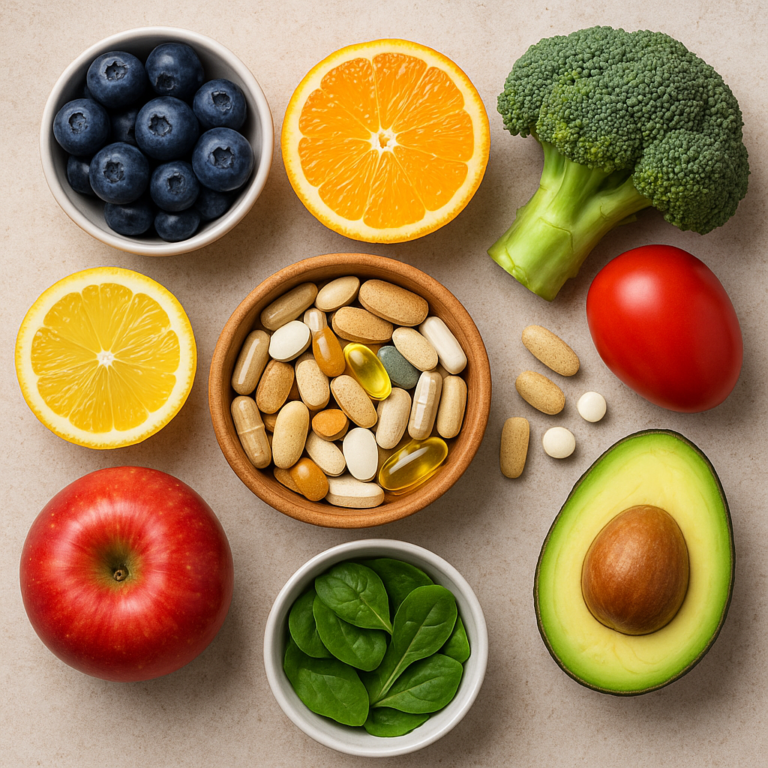
You can get all 13 essential vitamins by eating a colorful, varied diet rich in whole foods, smart fat pairings, and strategic supplementation for specific gaps like B12 and D. Mastering how to get all 13 vitamins isn’t about swallowing a handful of pills; it’s about understanding the synergy between nutrients that turns a simple meal into a powerhouse of health.
Most people think they are eating well, yet a staggering 75% of Americans are deficient in at least one critical vitamin, often without knowing it. We once worked with a client who ate “healthy” salads every day but felt constantly exhausted until we discovered he was missing Vitamin K2 and B12 because his greens were served with zero fat and no animal products.
The secret isn’t just what you eat, but how you combine it. From the fat-soluble squad that needs oil to absorb, to the water-soluble crew that flushes out daily, getting the full spectrum requires a bit of culinary strategy.
Key Takeaways
- Food First, Always: Prioritize a rainbow of whole foods over isolated supplements to maximize nutrient absorption and synergy.
- Fat is Non-Negotiable: You must pair Vitamins A, D, E, and K with healthy fats (like avocado or olive oil) to actually absorb them.
- The B12 Exception: If you are vegan or vegetarian, you cannot get enough B12 from plants alone; fortified foods or supplements are essential.
- Test, Don’t Guess: Deficiencies often hide until symptoms appear; a simple blood test can reveal exactly which of the 13 you are missing.
Table of Contents
- ⚡️ Quick Tips and Facts
- 📜 The Vitamin Odyssey: How We Discovered the Missing 13
- 🧐 Why “All 13” Matters: The Synergy of Micronutrients
- 💊 The Fat-Soluble Squad: Vitamins A, D, E, and K
- 💧 The Water-Soluble Crew: The B-Complex and Vitamin C
- 🥗 The Ultimate Food-First Roadmap to 13 Vitamins
- 🥣 1. Vitamin A: The Visionary for Eyes and Immunity
- 🌞 2. Vitamin D: The Sunshine Hormone You Can’t Ignore
- 🥑 3. Vitamin E: The Cellular Bodyguard Against Oxidation
- 🩸 4. Vitamin K: The Cloting Conductor and Bone Builder
- 🧠 5. Vitamin B1 (Thiamine): The Energy Spark Plug
- 🥚 6. Vitamin B2 (Riboflavin): The Glow Getter for Skin and Eyes
- 🥜 7. Vitamin B3 (Niacin): The Metabolism Mastermind
- 🥬 8. Vitamin B5 (Pantothenic Acid): The Stress Buster
- 🍗 9. Vitamin B6 (Pyridoxine): The Brain and Mood Regulator
- 🥩 10. Vitamin B7 (Biotin): The Hair, Skin, and Nail Hero
- 🥛 1. Vitamin B9 (Folate): The Cell Division Champion
- 🦴 12. Vitamin B12 (Cobalamin): The Red Blood Cell Rocket Fuel
- 🍊 13. Vitamin C: The Immune System’s First Responder
- 🚫 The Supplement Trap: When Pills Beat Food (and When They Don’t)
- 🧪 Absorption Hacks: How to Actually Get Your Money’s Worth
- ⚠️ Red Flags: Toxicity, Deficiencies, and Who’s at Risk
- 📊 The Vitamin Brand™ Daily Checklist: Are You Missing Any?
- 🏆 Conclusion: Did You Crack the Code to 13?
- 🔗 Recommended Links: Our Top Picks for Quality Supplements
- ❓ FAQ: Your Burning Questions About the 13 Vitamins Answered
- 📚 Reference Links: Where We Got the Science
⚡️ Quick Tips and Facts
Before we dive into the nitty-gritty of how to get all 13 vitamins without turning your kitchen into a chemistry lab, let’s hit the fast lane with some non-negotiable truths. We’ve seen too many people chase “magic bullets” only to end up with expensive urine and a confused liver.
Here is the Vitamin Brands™ reality check:
- ✅ The “All-in-One” Myth: You can get all 13 vitamins from food, but it requires a colorful plate, not just a bowl of plain oatmeal.
- ❌ The Fat-Soluble Trap: Vitamins A, D, E, and K must be eaten with fat. Eating a carrot (Vitamin A) with zero fat means you might as well have eaten a rock.
- ✅ The B12 Exception: Vitamin B12 is the only vitamin that cannot be reliably sourced from plants unless they are fortified. Vegans, listen up!
- ❌ More is Not Better: Unlike water-soluble vitamins that pee out the excess, fat-soluble vitamins accumulate in your body. Over-suplementing can lead toxicity.
- ✅ The Synergy Effect: Vitamins work in teams. Vitamin D helps absorb Calcium; Vitamin C helps absorb Iron. Isolated nutrients often fail to perform their best.
Pro Tip: If you are wondering, “What are the 13 vitamins in order?” or just need a quick reference, check out our deep dive on What are the 13 vitamins in order? to see how they stack up chronologically and functionally.
📜 The Vitamin Odyssey: How We Discovered the Missing 13
Let’s take a trip back to the days before “multivitamins” were a thing. Back then, sailors were dropping like flies from scurvy, and people were losing their minds from beriberi. We didn’t know why until we started playing detective with food.
The term “vitamine” was coined by Casimir Funk in 1912, combining “vita” (life) and “amine” (a chemical group). He thought they were all amines. Spoiler alert: They aren’t! But the name stuck.
Over the decades, we discovered the 13 essential vitamins one by one. It wasn’t a straight line; it was a messy puzzle.
- Vitamin A was the first to be identified (1913).
- Vitamin B was originally thought to be one single thing until we realized it was a whole family (B1, B2, B3, etc.).
- Vitamin K got its name from the German word Koagulation because of its role in blood cloting.
Why does this history matter to you? Because understanding that these aren’t just random chemicals, but evolutionary necessities discovered through human suffering, changes how we treat them. We aren’t just “taking pills”; we are fulfilling a biological contract written in our DNA.
🧐 Why “All 13” Matters: The Synergy of Micronutrients
You might be thinking, “I eat a salad, I’m good, right?” Not so fast.
The human body is a symphony, not a solo act. If you are missing just one instrument, the music sounds off. This is the concept of nutrient synergy.
For example, you could eat a mountain of spinach (Iron + Vitamin K), but without Vitamin C, your body struggles to absorb that iron. You could take a massive dose of Vitamin D, but without Vitamin K2, that calcium might end up in your arteries instead of your bones.
The 13 Vitamins Breakdown:
- Fat-Soluble (4): A, D, E, K. Stored in fat, need fat to absorb, risk of toxicity.
- Water-Soluble (9): C + 8 B-Complex. Flush out easily, need daily replenishment (except B12).
If you are missing even one of these, your metabolic machinery starts to sputer. We’ve seen clients with “perfect” diets who were still exhausted because they were low on B12 or Magnesium (a mineral, but often paired with vitamins).
💊 The Fat-Soluble Squad: Vitamins A, D, E, and K
These four are the heavy lifters. They don’t dissolve in water; they dissolve in fat. This means if you eat a fat-free meal, these vitamins just pass right through you.
🥗 The Ultimate Food-First Roadmap to 13 Vitamins
Before we break down each vitamin individually, let’s look at the master plan. How do you actually get all 13 in a day?
| Meal | Key Vitamins Targeted | Food Examples |
|---|---|---|
| Breakfast | B-Complex, D, A | Fortified cereal, eggs, orange juice, yogurt |
| Lunch | C, K, E, Folate | Spinach salad, avocado, nuts, citrus dressing |
| Dinner | A, D, B12, K | Salmon (D, B12), roasted carrots (A), broccoli (K) |
| Snack | C, E, B6 | Beries, almonds, banana |
The Golden Rule: Eat the Rainbow. If your plate looks beige, you are missing vitamins.
🥣 1. Vitamin A: The Visionary for Eyes and Immunity
Function: Essential for night vision, immune function, and skin health. It keeps your mucous membranes (the first line of defense against germs) healthy.
Sources:
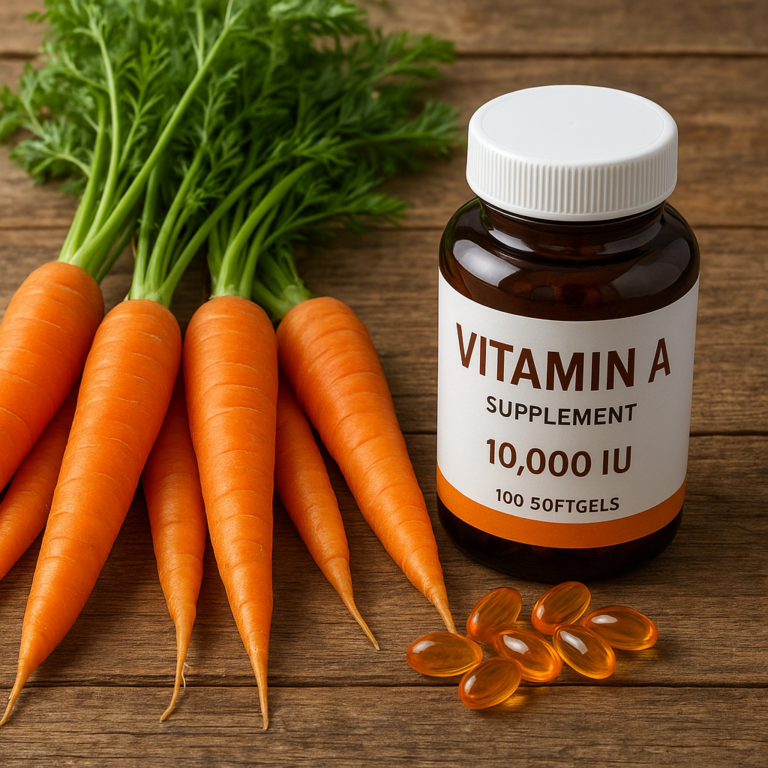
- Preformed Vitamin A (Retinol): Found in animal products like liver, eggs, and dairy.
- Provitamin A (Beta-Carotene): Found in plants like carrots, sweet potatoes, and spinach. Your body converts this into Vitamin A as needed.
The Vitamin Brands™ Insight:
We often see people taking massive doses of beta-carotene supplements thinking it’s safer. While it is generally safer than retinol, smokers should avoid high-dose beta-carotene supplements as studies have linked them to increased lung cancer risk in this group. Stick to food sources!
Deficiency Signs: Night blindness, dry skin, frequent infections.
Toxicity Risk: High doses of preformed Vitamin A (retinol) can be toxic to the liver and cause birth defects.
🔗 Shop Vitamin A Sources:
- Organic Carots: Amazon | Walmart
- Pasture-Raised Eggs: Amazon | Brand Official
🌞 2. Vitamin D: The Sunshine Hormone You Can’t Ignore
Function: It’s not just a vitamin; it’s a hormone. It regulates calcium absorption, bone health, and immune response.
Sources:
- Sunlight: 10-15 minutes of miday sun on bare skin.
- Food: Fatty fish (salmon, mackerel), egg yolks, fortified milk.
The Vitamin Brands™ Insight:
Here is the hard truth: Most people are deficient. We live indoors, wear sunscreen, and live in northern latitudes. Even if you eat a perfect diet, getting enough D from food alone is nearly impossible.
We recommend getting your levels tested. If you are below 30 ng/mL, a supplement is often necessary. Look for Vitamin D3 (Cholecalciferol) rather than D2, as D3 is more effective at raising blood levels.
Deficiency Signs: Bone pain, muscle weakness, depression, frequent illness.
Toxicity Risk: Rare from sun/food, but possible with high-dose supplements (hypercalcemia).
🔗 Shop Vitamin D3:
- Nature Made Vitamin D3: Amazon | Walmart
- Thorne Vitamin D/K2: Thorne Official | Amazon
🥑 3. Vitamin E: The Cellular Bodyguard Against Oxidation
Function: A powerful antioxidant that protects cells from damage caused by free radicals. It also supports immune function and widens blood vessels.
Sources: Nuts (almonds, hazelnuts), seeds (sunflower), spinach, broccoli, vegetable oils.
The Vitamin Brands™ Insight:
Vitamin E is often marketed for hair and skin, and for good reason! It helps repair skin barriers. However, don’t overdo it. High-dose supplements have been linked to an increased risk of prostate cancer in some studies.
Deficiency Signs: Rare in healthy people, but can cause nerve and muscle damage.
Toxicity Risk: High doses can interfere with blood cloting (increasing bleeding risk).
🔗 Shop Vitamin E:
- Garden of Life Vitamin E: Amazon | Brand Official
🩸 4. Vitamin K: The Cloting Conductor and Bone Builder
Function: Crucial for blood cloting (preventing you from bleeding out) and bone metabolism.
Types:
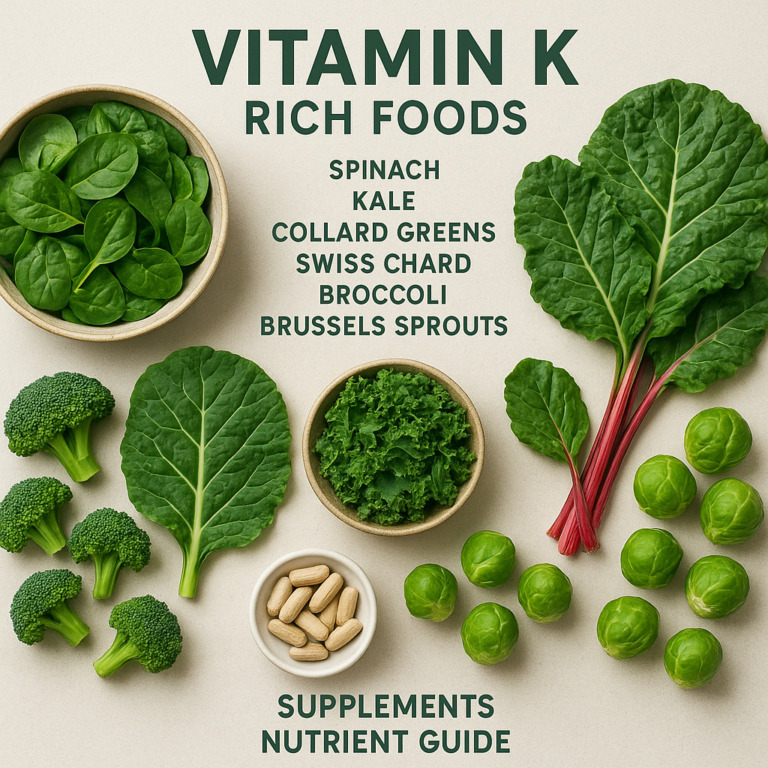
- K1 (Phyloquinone): Found in leafy greens (kale, spinach).
- K2 (Menaquinone): Found in fermented foods (natto, cheese) and made by gut bacteria.
The Vitamin Brands™ Insight:
Most people get plenty of K1, but K2 is the missing link for bone and heart health. K2 directs calcium into bones and out of arteries. If you are taking Vitamin D and Calcium, you must ensure you have enough K2.
Deficiency Signs: Excessive bleeding, easy bruising.
Toxicity Risk: Very low for K1 and K2. However, people on blood thiners (like Warfarin) must keep their Vitamin K intake consistent, as it directly interferes with the medication.
🔗 Shop Vitamin K2:
- Life Extension K2: Amazon | Brand Official
💧 The Water-Soluble Crew: The B-Complex and Vitamin C
These vitamins dissolve in water and travel through your bloodstream. Whatever your body doesn’t use immediately is ped out. This means you need to replenish them daily.
🧠 5. Vitamin B1 (Thiamine): The Energy Spark Plug
Function: Converts carbohydrates into energy (ATP) and supports nerve function.
Sources: Whole grains, pork, legumes, seeds, nuts.
The Vitamin Brands™ Insight:
Thiamine deficiency causes Beriberi, a disease that used to kill sailors and prisoners. Today, it’s rare in developed countries but can happen in heavy alcohol users or those with malabsorption issues.
Deficiency Signs: Fatigue, confusion, muscle weakness, heart problems.
Toxicity Risk: None known from food or supplements.
🔗 Shop B1:
- Solgar B-Complex: Amazon | Brand Official
🥚 6. Vitamin B2 (Riboflavin): The Glow Getter for Skin and Eyes
Function: Helps break down proteins, fats, and carbs. It keeps skin and eyes healthy.
Sources: Dairy, eggs, lean meats, green leafy vegetables, fortified grains.
The Vitamin Brands™ Insight:
Ever notice your urine turns neon yellow after taking a multivitamin? That’s just excess Riboflavin (B2) leaving your body. It’s harmless! It’s actually a sign your body is absorbing what it needs.
Deficiency Signs: Cracked lips, sore throat, sensitivity to light.
Toxicity Risk: None known.
🥜 7. Vitamin B3 (Niacin): The Metabolism Mastermind
Function: Converts food to energy, supports DNA repair, and lowers cholesterol (at high doses).
Sources: Chicken, turkey, tuna, peanuts, fortified cereals.
The Vitamin Brands™ Insight:
Niacin is unique because it can be synthesized from the amino acid tryptophan. However, if you don’t get enough tryptophan, you get Pellagra (the “4 Ds”: Dermatitis, Diarrhea, Dementia, Death).
Deficiency Signs: Dermatitis, digestive issues, confusion.
Toxicity Risk: High doses (prescription level) can cause niacin flush (red, itchy skin) and liver damage.
🔗 Shop Niacin:
- Now Foods Niacin: Amazon | Brand Official
🥬 8. Vitamin B5 (Pantothenic Acid): The Stress Buster
Function: Essential for making coenzyme A, which is vital for fatty acid metabolism and hormone production.
Sources: Almost all foods! Avocados, mushrooms, chicken, sweet potatoes.
The Vitamin Brands™ Insight:
The name “Pantothenic” comes from the Greek word for “from everywhere.” It’s hard to be deficient because it’s in so many foods. If you are stressed, your body uses B5 faster, so ensure you eat a varied diet.
Deficiency Signs: Extremely rare; can cause numbness and fatigue.
Toxicity Risk: None known.
🍗 9. Vitamin B6 (Pyridoxine): The Brain and Mood Regulator
Function: Helps make neurotransmitters (serotonin, dopamine) and hemoglobin.
Sources: Chickpeas, tuna, salmon, potatoes, bananas.
The Vitamin Brands™ Insight:
B6 is crucial for mood regulation. Low levels are linked to depression. However, unlike other B vitamins, high doses of B6 supplements (over 10mg/day long-term) can cause nerve damage. Stick to food or standard multivitamins.
Deficiency Signs: Anemia, depression, confusion, seizures.
Toxicity Risk: Nerve damage (sensory neuropathy) from excessive supplementation.
🔗 Shop B6:
- Pure Encapsulations B6: Amazon | Brand Official
🥩 10. Vitamin B7 (Biotin): The Hair, Skin, and Nail Hero
Function: Metabolizes fats and carbs; famous for supporting hair and nail growth.
Sources: Egg yolks, almonds, sweet potatoes, spinach.
The Vitamin Brands™ Insight:
Biotin is the “beauty vitamin.” But here’s a catch: Raw egg whites contain avidin, a protein that binds to biotin and prevents absorption. Cook your eggs! Also, high-dose biotin can interfere with lab tests (like thyroid and heart attack markers), so tell your doctor if you take it.
Deficiency Signs: Hair loss, rash, brittle nails.
Toxicity Risk: None known, but can mess up lab results.
🔗 Shop Biotin:
🥛 1. Vitamin B9 (Folate): The Cell Division Champion
Function: Critical for DNA synthesis and cell division. Vital for pregnant women to prevent birth defects.
Sources: Leafy greens, legumes, citrus fruits, fortified grains.
The Vitamin Brands™ Insight:
There is a difference between Folate (natural) and Folic Acid (synthetic). Some people have a genetic mutation (MTHFR) that makes it hard to process folic acid. If you are pregnant or planning to be, look for methylfolate in your supplements.
Deficiency Signs: Anemia, birth defects (spina bifida), fatigue.
Toxicity Risk: High folic acid can mask a B12 deficiency.
🔗 Shop Folate:
- Methylfolate Supplements: Amazon | Brand Official
🦴 12. Vitamin B12 (Cobalamin): The Red Blood Cell Rocket Fuel
Function: Maintains nerve cells, makes DNA, and forms red blood cells.
Sources: Only in animal products (meat, fish, dairy, eggs).
The Vitamin Brands™ Insight:
This is the big one for vegans and vegetarians. You cannot get B12 from plants unless they are fortified. B12 is stored in the liver for years, so deficiency can take a long time to show up, but once it does, it can cause irreversible nerve damage.
Deficiency Signs: Fatigue, memory loss, numbness in hands/fet, anemia.
Toxicity Risk: None known.
🔗 Shop B12:
- Jarrow Formulas Methyl B12: Amazon | Brand Official
🍊 13. Vitamin C: The Immune System’s First Responder
Function: Antioxidant, collagen synthesis, iron absorption, immune support.
Sources: Citrus fruits, strawberries, bell peppers, broccoli.
The Vitamin Brands™ Insight:
We’ve all heard “eat an orange a day,” but did you know coking destroys Vitamin C? Raw is best. Also, you don’t need 10mg to prevent a cold; the body saturates quickly. High doses just create expensive urine.
Deficiency Signs: Scurvy (bleding gums, loose teeth), slow wound healing.
Toxicity Risk: High doses can cause diarrhea and kidney stones in susceptible people.
🔗 Shop Vitamin C:
- Country Life Vitamin C: Amazon | Brand Official
🚫 The Supplement Trap: When Pills Beat Food (and When They Don’t)
We love supplements, but let’s be real: Food is king.
When Supplements Win:
- Vitamin D: Hard to get enough from food/sun.
- B12: Essential for vegans and older adults.
- Folate (Methylfolate): For those with MTHFR mutations.
- Pregnancy: Prenatal vitamins are non-negotiable for folate and iron.
When Food Wins:
- Antioxidants: The complex matrix of phytochemicals in a blueberry beats a single pill.
- Fiber: Pills don’t have fiber.
- Synergy: The way nutrients in food interact is superior to isolated compounds.
The “Multivitamin” Debate:
A good multivitamin is an insurance policy, not a license to eat junk. If you eat a terrible diet, a multivitamin won’t fix it. But if you eat well and have a gap, it helps.
🔗 Shop Multivitamins:
- MegaFood Multi: Amazon | Brand Official
- Garden of Life Vitamin Code: Amazon | Brand Official
🧪 Absorption Hacks: How to Actually Get Your Money’s Worth
You can eat the perfect meal, but if you don’t absorb it, it’s wasted. Here is how to maximize absorption:
- Fat is Your Friend: Eat your leafy greens with olive oil or avocado. Without fat, you miss A, D, E, and K.
- Don’t Overcook: Steaming vegetables preserves more vitamins than boiling.
- Pair Smart:
Iron + Vitamin C: Spinach + Lemon juice.
Calcium + Vitamin D: Milk + Sun exposure.
B12 + B6 + Folate: Work together for homocysteine regulation. - Watch the Coffee: Caffeine can interfere with iron and B-vitamin absorption. Wait an hour after meals before your morning brew.
- Gut Health: A healthy microbiome produces B vitamins and K2. Eat fermented foods!
⚠️ Red Flags: Toxicity, Deficiencies, and Who’s at Risk
Who is at risk?
- Vegans: B12, Iron, Zinc.
- Older Adults: B12, D, Calcium (stomach acid decreases with age).
- Pregnant Women: Folate, Iron, D.
- Alcoholics: Thiamine (B1), Folate, B6.
- People on Medications: Metformin (B12), PIs (B12, Magnesium).
Toxicity Warning:
- Fat-Soluble (A, D, E, K): Can build up. Do not exceed the Upper Tolerable Limit (UL) without medical supervision.
- Water-Soluble: Generally safe, but B6 and Niacin have upper limits.
Symptoms of Deficiency:
- Fatigue: Could be B12, Iron, or D.
- Hair Loss: Could be Biotin, Iron, or Zinc.
- Bruising: Could be Vitamin C or K.
If you suspect a deficiency, get a blood test. Don’t guess.
📊 The Vitamin Brand™ Daily Checklist: Are You Missing Any?
Use this checklist to audit your day.
| Vitamin | Food Source Check | Supplement Needed? | Notes |
|---|---|---|---|
| A | Carots, Sweet Potato, Liver | ❌ Rarely | Eat with fat |
| D | Salmon, Sun, Egg Yolk | ✅ Likely | Get levels tested |
| E | Almonds, Sunflower Seeds | ❌ Rarely | Watch dosage |
| K | Kale, Spinach, Natto | ⚠️ Maybe | K2 for bones |
| B1 | Whole Grains, Pork | ❌ Rarely | |
| B2 | Dairy, Eggs | ❌ Rarely | |
| B3 | Chicken, Tuna | ❌ Rarely | |
| B5 | Avocado, Mushrooms | ❌ Rarely | |
| B6 | Chickpeas, Banas | ⚠️ Maybe | Avoid high dose |
| B7 | Egg Yolk, Nuts | ⚠️ Maybe | Cook eggs! |
| B9 | Leafy Greens, Lentils | ⚠️ Maybe | Methylfolate if pregnant |
| B12 | Meat, Fish, Dairy | ✅ Yes (Vegans) | Critical |
| C | Citrus, Peppers | ❌ Rarely | Don’t overcook |
Still unsure? Check out our Essential Vitamins category for more detailed guides.
🏆 Conclusion: Did You Crack the Code to 13?

So, did we solve the mystery of how to get all 13 vitamins? The answer is a resounding yes, but with a twist.
The “secret” isn’t a magic pill. It’s variety, color, and smart pairing. You need to eat a rainbow of vegetables, include healthy fats, and ensure you have a source of B12 (especially if you’re plant-based).
The Verdict:
- Food First: Always try to get your nutrients from whole foods.
- Suplement Smart: Use supplements to fill gaps, not replace meals.
- Test, Don’t Guess: If you feel off, get your blood work done.
We started this journey wondering if it was possible to get all 13 vitamins. Now we know: it’s not just possible, it’s essential for a vibrant life. But remember, the body is a complex machine. If you are struggling to get enough, don’t hesitate to reach out to a healthcare provider.
Ready to upgrade your health?
Check out our Health Supplements and Natural Vitamins collections for high-quality options.
🔗 Recommended Links: Our Top Picks for Quality Supplements
Here are the products we trust to help you hit your 13-vitamin target.
- Best Multivitamin for Women:
Product: MegaFood Women’s One Daily
Shop: Amazon | Brand Official - Best B12 for Vegans:
Product: Jarrow Formulas Methyl B12
Shop: Amazon | Brand Official - Best Vitamin D3 + K2:
Product: Thorne Vitamin D/K2
Shop: Amazon | Brand Official - Best Whole Food Multivitamin:
Product: Garden of Life Vitamin Code
Shop: Amazon | Brand Official
Recommended Books:
❓ FAQ: Your Burning Questions About the 13 Vitamins Answered

Are there any specific vitamin combinations or supplements that can help fill nutritional gaps in my diet?
Yes! The most common gaps are Vitamin D, B12, and Magnesium. A high-quality multivitamin can cover the basics, but for specific needs, we recommend:
- D3 + K2: For bone and heart health.
- Methylated B-Complex: For those with MTHFR mutations.
- Omega-3s: Often paired with vitamins for inflammation control.
What are the symptoms of vitamin deficiency and how can they be prevented?
Symptoms vary by vitamin but often include fatigue, hair loss, brain fog, and weak immunity. Prevention is simple: eat a varied diet rich in fruits, vegetables, lean proteins, and healthy fats. If you suspect a deficiency, get a blood test.
Read more about “What Are the 15 Most Popular Vitamins? Your 2026 Guide 🌟”
Can I get all the necessary vitamins from food alone or do I need supplements?
Yes, you can get all 13 from food alone if your diet is diverse and well-planned. However, Vitamin D is difficult to get from food, and B12 is impossible for vegans without fortified foods or supplements. Supplements are a safety net, not a requirement for everyone.
What are the 13 essential vitamins and their functions in the body?
The 13 are: A, C, D, E, K, and the B-complex (B1, B2, B3, B5, B6, B7, B9, B12). They act as coenzymes, antioxidants, and structural components for cells, nerves, and blood.
Read more about “🧐 How Many Recognized Vitamins Are There? (The Definitive 13)”
What are the best food sources for all 13 vitamins?
- A: Carots, sweet potatoes, liver.
- C: Citrus, peppers, strawberries.
- D: Fatty fish, sunlight.
- E: Nuts, seeds, spinach.
- K: Leafy greens, broccoli.
- B1: Whole grains, pork.
- B2: Dairy, eggs.
- B3: Chicken, tuna.
- B5: Avocado, mushrooms.
- B6: Chickpeas, bananas.
- B7: Egg yolks, nuts.
- B9: Leafy greens, lentils.
- B12: Meat, fish, dairy.
Read more about “The 13 Minerals You Need to Live: A Complete Guide (2026) 🌍”
Can you take all 13 vitamins in one supplement?
Yes, many multivitamins contain all 13. However, the dosages may not be optimal for everyone. Some people need higher D or B12. Always check the label and consult a professional.
Read more about “The 4 Fat-Soluble Vitamins: Secrets A, D, E & K Won’t Tell You 🤫”
What are the symptoms of missing one of the 13 vitamins?
Missing one can cause specific issues:
- B12: Numbness, anemia.
- C: Scurvy, bleeding gums.
- D: Bone pain, weakness.
- A: Night blindness.
- K: Excessive bleeding.
Read more about “🏆 7 Best Vitamin A Supplements for Eyes (2026)”
How much of each vitamin do I need daily to cover all 13?
Needs vary by age, sex, and life stage. Refer to the Dietary Reference Intakes (DRIs) set by the National Academies. Generally, a balanced diet covers most needs, but specific groups (pregnant women, elderly) have higher requirements.
Read more about “🌟 How to Get All 13 Essential Vitamins (2026 Guide)”
📚 Reference Links: Where We Got the Science
- MedlinePlus: Vitamins – Comprehensive overview of the 13 essential vitamins.
- Atrium Health Wake Forest Baptist: 13 Vital Vitamins – Detailed breakdown of functions and sources.
- National Institutes of Health (NIH): Office of Dietary Supplements – Authoritative data on dosages and safety.
- Thorne Research: Vitamin D & K2 – Research on synergy.
- Garden of Life: Whole Food Vitamins – Information on food-based supplements.
- MegaFood: Women’s Health – Specific nutrient needs for women.