Support our educational content for free when you purchase through links on our site. Learn more
What Are the 13 Vitamins in Order? Your Ultimate Guide (2026) 🥦

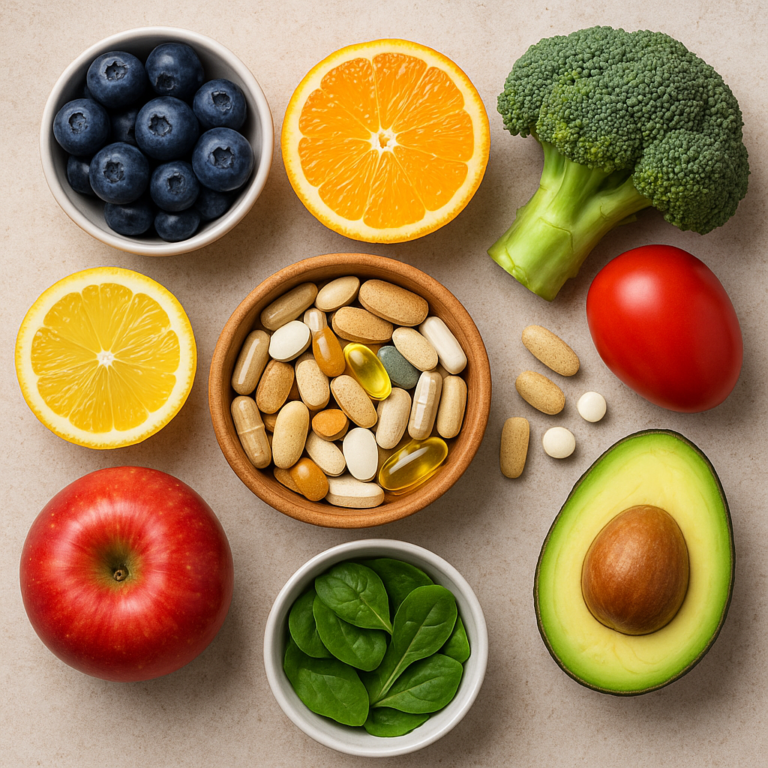
Did you know that your body relies on exactly 13 essential vitamins to keep everything from your brain to your bones functioning like a well-oiled machine? Yet, many people get confused about which vitamins are essential, what order they come in, and why some are fat-soluble while others are water-soluble. Whether you’re a nutrition newbie or a health enthusiast, understanding the full lineup of these nutritional superheroes can transform how you approach your diet and supplements.
In this guide, we’ll break down the 13 vitamins in order—from Vitamin A, the visionary nutrient, to Vitamin K, the clotting commander. Along the way, you’ll discover surprising facts like why Vitamin D is technically a hormone, the secret behind the “missing” vitamins in the alphabet, and how your lifestyle affects your vitamin levels. Plus, we’ll share expert tips on food sources, deficiency symptoms, and the best multivitamins to cover your bases. Ready to unlock the power of vitamins and boost your health? Let’s dive in!
Key Takeaways
- There are 13 essential vitamins, each with unique roles and absorption methods (fat-soluble vs. water-soluble).
- Vitamin B-complex includes 8 different vitamins, each critical for energy, brain function, and cell health.
- Vitamin D is a hormone, not just a vitamin, and many people are deficient due to lack of sunlight.
- Balanced diet is the best source, but high-quality multivitamins like Ritual and Garden of Life can help fill gaps.
- Overdosing on fat-soluble vitamins can be toxic, so moderation and expert guidance are key.
- Lifestyle factors such as smoking, veganism, and indoor living significantly impact vitamin needs.
Curious about which foods pack the biggest vitamin punch or how to spot deficiency symptoms early? Keep reading to become a vitamin pro!
Table of Contents
- ⚡️ Quick Tips and Facts About the 13 Essential Vitamins
- 🌱 The Vitamin Voyage: A Brief History and Science of Vitamins
- 🔍 What Are the 13 Vitamins in Order? The Ultimate Breakdown
- 1. Vitamin A (Retinol) – The Visionary Nutrient
- 2. Vitamin B1 (Thiamine) – The Energy Booster
- 3. Vitamin B2 (Riboflavin) – The Skin and Eye Protector
- 4. Vitamin B3 (Niacin) – The Cholesterol Controller
- 5. Vitamin B5 (Pantothenic Acid) – The Metabolism Maestro
- 6. Vitamin B6 (Pyridoxine) – The Brain Booster
- 7. Vitamin B7 (Biotin) – The Beauty Vitamin
- 8. Vitamin B9 (Folate) – The Cell Builder
- 9. Vitamin B12 (Cobalamin) – The Nervous System Guardian
- 10. Vitamin C (Ascorbic Acid) – The Immunity Champion
- 11. Vitamin D (Calciferol) – The Sunshine Vitamin
- 12. Vitamin E (Tocopherol) – The Antioxidant Warrior
- 13. Vitamin K (Phylloquinone and Menaquinone) – The Clotting Commander
- 🍽️ Top Food Sources to Get Your Daily Dose of Each Vitamin
- ⚠️ Vitamin Deficiency Symptoms: What to Watch Out For
- 💊 Vitamin Overdose and Side Effects: When More Is Not Merrier
- 📋 Expert Recommendations: How Much Vitamin Do You Really Need?
- 🔬 The Science Behind Vitamin Absorption and Bioavailability
- 🛒 Best Multivitamin Brands to Cover All 13 Vitamins
- 🧠 Vitamins and Mental Health: Boost Your Brainpower Naturally
- 👶 Vitamins for Pregnancy and Child Development: What to Prioritize
- 🌞 How Sunlight and Lifestyle Affect Your Vitamin Levels
- 📊 Visual Guide: Infographics and Tables of the 13 Vitamins
- 🧪 Related MedlinePlus Health Topics on Vitamins and Nutrition
- ✅ Was This Page Helpful? Your Feedback Matters!
- 🎯 Conclusion: Mastering Your Vitamin Knowledge for Better Health
- 🔗 Recommended Links for Further Vitamin Exploration
- ❓ Frequently Asked Questions About the 13 Vitamins
- 📚 Reference Links and Scientific Sources
⚡️ Quick Tips and Facts About the 13 Essential Vitamins
Before we dive into the alphabet soup of nutrition, let’s get the “CliffsNotes” version of what your body actually needs to stay upright and functional. If you’ve ever wondered how to get all 13 essential vitamins: your ultimate guide (2025) 🥗, you’re in the right place!
| Fact Category | The “Need-to-Know” |
|---|---|
| The Magic Number | There are exactly 13 essential vitamins. No more, no less. |
| Solubility Split | 9 are water-soluble (C and all the Bs); 4 are fat-soluble (A, D, E, and K). |
| Storage Wars | Fat-soluble vitamins hang out in your liver/fat; water-soluble ones are “use it or lose it” (via urine). |
| The Hormone Imposter | Vitamin D is technically a hormone, not just a vitamin! ☀️ |
| The Vegan Challenge | Vitamin B12 is naturally found only in animal products. |
| Cooking Caution | Heat and light can destroy B vitamins and Vitamin C. Steam, don’t boil! 🥦 |
✅ Do: Eat a rainbow of foods. Diversity is the secret sauce of Essential Vitamins. ❌ Don’t: Assume “more is better.” Toxicity is real, especially with fat-soluble vitamins like A and D.
🌱 The Vitamin Voyage: A Brief History and Science of Vitamins

We haven’t always known about these microscopic powerhouses. In fact, for most of human history, people just thought they were cursed or possessed when they got scurvy or rickets. It wasn’t until the early 20th century that Polish biochemist Casimir Funk coined the term “vitamine” (vital amines).
We’ve come a long way since then! Today, we know that vitamins are organic compounds that act as coenzymes—basically the “keys” that start the chemical “engines” in your cells. According to the Better Health Channel, most of these cannot be manufactured by the body and must be consumed regularly.
But here’s a teaser for you: Did you know that one of the most famous vitamins was actually discovered by accident while trying to cure a disease in chickens? And why did we skip from Vitamin E all the way to Vitamin K? We’ll reveal the “missing” vitamins later!
🔍 What Are the 13 Vitamins in Order? The Ultimate Breakdown
Let’s get down to business. Here are the 13 essentials, categorized by how your body absorbs them.
1. Vitamin A (Retinol) – The Visionary Nutrient
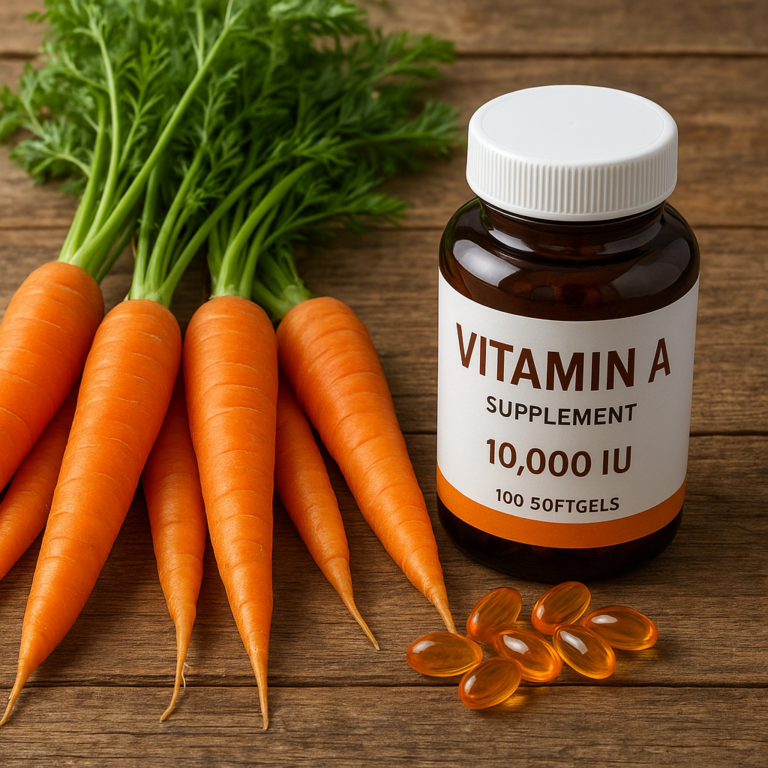
Vitamin A is the “night vision” specialist. It maintains your retina and keeps your skin looking like you actually slept 8 hours.
- Key Benefit: Immune defense and eye health.
- Pro Tip: Pair your carrots with a little fat (like olive oil) to help absorption!
2. Vitamin B1 (Thiamine) – The Energy Booster
Thiamine is the spark plug for your metabolism. It helps convert those carbs you love into actual fuel.
- Deficiency Danger: Can lead to Beriberi or Wernicke-Korsakoff syndrome (often seen in chronic alcohol use).
3. Vitamin B2 (Riboflavin) – The Skin and Eye Protector
Ever noticed your urine turns neon yellow after a multivitamin? That’s the Riboflavin! It’s harmless but shows your body is processing it.
- Function: Crucial for red blood cell production.
4. Vitamin B3 (Niacin) – The Cholesterol Controller
Niacin is a heavy hitter for heart health.
- The “3 Ds”: As noted in our featured video, a severe deficiency causes Pellagra, marked by Dermatitis, Diarrhea, and Dementia.
5. Vitamin B5 (Pantothenic Acid) – The Metabolism Maestro
This one is found in almost everything (the name comes from the Greek pantothen, meaning “from everywhere”). It’s essential for making hormones and cholesterol.
6. Vitamin B6 (Pyridoxine) – The Brain Booster
B6 is your brain’s best friend, helping create neurotransmitters like serotonin and dopamine.
- Watch out: Taking over 200mg daily can actually cause nerve damage (neuropathy), according to LloydsPharmacy.
7. Vitamin B7 (Biotin) – The Beauty Vitamin
If you want “Instagram-ready” hair and nails, Biotin is your go-to. It’s a staple in Natural Vitamins circles.
8. Vitamin B9 (Folate) – The Cell Builder
Folate (or the synthetic Folic Acid) is non-negotiable for DNA synthesis.
- Pregnancy Essential: Prevents neural tube defects.
9. Vitamin B12 (Cobalamin) – The Nervous System Guardian
This is the big one for energy and nerves.
- Fun Fact: Only bacteria can synthesize B12! We get it by eating animals that ate the bacteria (or by taking a supplement like Garden of Life Vitamin Code B12).
10. Vitamin C (Ascorbic Acid) – The Immunity Champion
The ultimate antioxidant. It helps with collagen synthesis (hello, youthful skin!) and iron absorption.
- Check Price on:
- Emergen-C 1000mg: Amazon | Walmart | Emergen-C Official
11. Vitamin D (Calciferol) – The Sunshine Vitamin
Your body makes this when sunlight hits your skin. It’s vital for calcium absorption and bone health.
- Expert Insight: Most people in northern climates are deficient in winter.
12. Vitamin E (Tocopherol) – The Antioxidant Warrior
Vitamin E protects your cells from “oxidative stress” (think of it as anti-rust for your body).
13. Vitamin K (Phylloquinone and Menaquinone) – The Clotting Commander
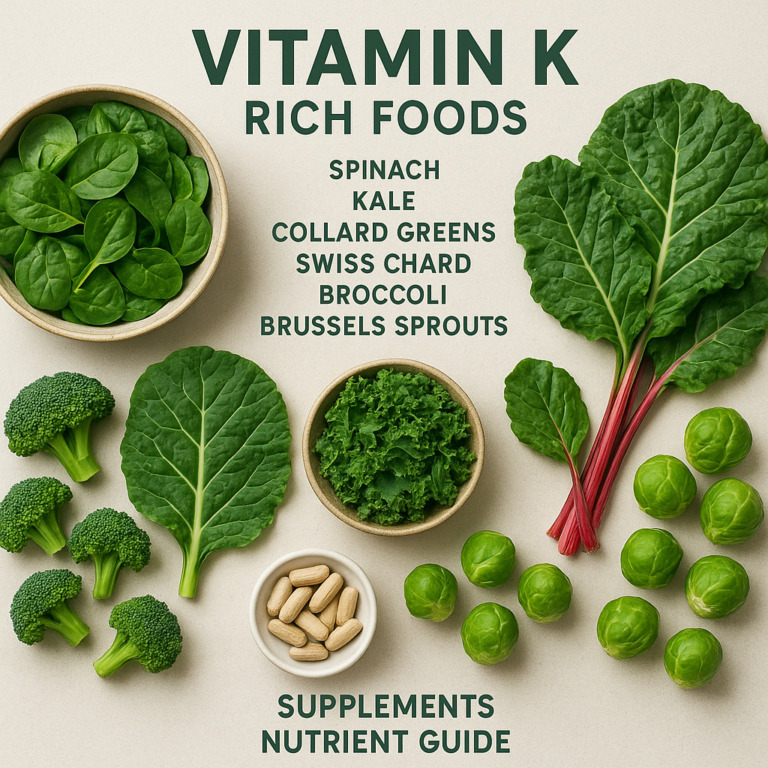
Without Vitamin K, a papercut would be a major medical emergency. It’s the “glue” that helps your blood clot.
🍽️ Top Food Sources to Get Your Daily Dose of Each Vitamin
We always say: Food first, supplements second. Here is where to find your essentials:
| Vitamin | Best Food Sources |
|---|---|
| Vitamin A | Sweet potatoes, carrots, spinach, liver. |
| B Vitamins | Whole grains, eggs, legumes, meat, leafy greens. |
| Vitamin C | Citrus fruits, bell peppers, strawberries, broccoli. |
| Vitamin D | Fatty fish (salmon), fortified milk, egg yolks. |
| Vitamin E | Sunflower seeds, almonds, vegetable oils. |
| Vitamin K | Kale, spinach, Brussels sprouts. |
👉 Shop Whole Food Supplements on:
⚠️ Vitamin Deficiency Symptoms: What to Watch Out For
Your body is great at sending “check engine” lights. Don’t ignore them!
- Bleeding gums? Might be a lack of Vitamin C (Scurvy isn’t just for pirates!).
- Poor night vision? Check your Vitamin A levels.
- Tingling in hands/feet? This is a classic sign of B12 deficiency.
- Brittle hair and nails? You might need more Biotin (B7).
According to MedlinePlus, a diet lacking in fruits and vegetables is the fastest way to hit a deficiency wall. If you’re a man looking to optimize your health, check out our guide on the Best Vitamins for Men.
💊 Vitamin Overdose and Side Effects: When More Is Not Merrier
“If one pill is good, two must be better!” Wrong. ❌ Fat-soluble vitamins (A, D, E, K) are stored in your tissues. If you take too much, they can build up to toxic levels.
- Vitamin A Toxicity: Can cause dizziness, nausea, and even hair loss.
- Vitamin D Overdose: Can lead to “hypercalcemia,” where too much calcium builds up in your blood, damaging your heart and kidneys.
- Vitamin C Excess: While water-soluble, taking over 2,000mg can lead to diarrhea and stomach cramps.
📋 Expert Recommendations: How Much Vitamin Do You Really Need?
The RDA (Recommended Dietary Allowance) is the amount needed to keep 98% of healthy people from getting sick.
- Vitamin C: 75-90mg daily.
- Vitamin D: 600-800 IU (though many experts now suggest 1,000-2,000 IU).
- Vitamin B12: 2.4mcg (a tiny amount, but crucial!).
We recommend checking the NIH Office of Dietary Supplements for the most up-to-date charts based on your age and gender.
🔬 The Science Behind Vitamin Absorption and Bioavailability
This is where it gets nerdy (and important!).
- Water-Soluble (B & C): These enter your bloodstream directly. They are easy to absorb but leave the body quickly. You need them daily.
- Fat-Soluble (A, D, E, K): These require bile acids and dietary fat to be absorbed. If you’re on a “zero-fat” diet, you might be starving your body of these vitamins even if you’re taking them!
Personal Story: I once had a client who took a high-end Vitamin D supplement every morning with just black coffee. Her levels never went up. Why? No fat! Once she started taking it with her morning eggs, her levels soared. 🍳
🛒 Best Multivitamin Brands to Cover All 13 Vitamins
If you can’t get everything from food, Multivitamin Supplements are a great insurance policy.
Vitamin Brands™ Rating Table
| Brand | Ingredient Quality | Transparency | Value | Overall Rating |
|---|---|---|---|---|
| Ritual | 10/10 | 10/10 | 7/10 | 9.0 |
| Nature Made | 7/10 | 8/10 | 10/10 | 8.3 |
| Garden of Life | 9/10 | 9/10 | 8/10 | 8.7 |
| Centrum | 6/10 | 7/10 | 10/10 | 7.6 |
Detailed Analysis:
- Ritual: We love their “traceable” ingredients. You know exactly where their Vitamin K2 comes from (Oslo, Norway!).
- Nature Made: The “Old Reliable.” They are USP verified, meaning what’s on the label is actually in the bottle.
- Garden of Life: Best for those who want organic, non-GMO, whole-food-based nutrients.
👉 Shop Multivitamins on:
- Ritual Essential for Men/Women: Ritual Official | Amazon
- Nature Made Multi: Amazon | Walmart
🧠 Vitamins and Mental Health: Boost Your Brainpower Naturally
Can vitamins make you smarter? Maybe not “Einstein-level,” but they certainly prevent “brain fog.”
- B12 and Folate: Essential for maintaining the myelin sheath (the insulation on your brain’s “wires”).
- Vitamin D: Low levels are strongly linked to seasonal depression (SAD).
- Vitamin C: Helps produce norepinephrine, which affects your attention and response actions.
If you’re feeling sluggish, it might not be the Monday Blues—it might be a Health Supplement deficiency!
👶 Vitamins for Pregnancy and Child Development: What to Prioritize
This is the one time where supplementation isn’t just “recommended”—it’s vital.
- Folic Acid (B9): Must be taken before and during early pregnancy to prevent brain and spine defects.
- Vitamin D: Crucial for the baby’s bone development.
- Iron: (Technically a mineral, but often paired with Vitamin C for absorption) to prevent anemia.
Check Price on:
🌞 How Sunlight and Lifestyle Affect Your Vitamin Levels
Your environment dictates your needs.
- The Office Worker: If you spend 9-5 under fluorescent lights, you are almost certainly low on Vitamin D.
- The Smoker: Smoking depletes Vitamin C rapidly. Experts suggest smokers need an extra 35mg per day!
- The Vegan: As mentioned, B12 is the missing link. You must supplement or eat fortified foods like nutritional yeast.
📊 Visual Guide: Infographics and Tables of the 13 Vitamins
To wrap your head around all 13, use this master reference table:
| Vitamin | Name | Type | Main Role |
|---|---|---|---|
| A | Retinol | Fat-Soluble | Vision & Immune |
| B1 | Thiamine | Water-Soluble | Energy Metabolism |
| B2 | Riboflavin | Water-Soluble | Cell Function |
| B3 | Niacin | Water-Soluble | Digestion & Nerves |
| B5 | Pantothenic Acid | Water-Soluble | Hormone Production |
| B6 | Pyridoxine | Water-Soluble | Brain Health |
| B7 | Biotin | Water-Soluble | Hair, Skin, Nails |
| B9 | Folate | Water-Soluble | DNA & Pregnancy |
| B12 | Cobalamin | Water-Soluble | Nerve Function |
| C | Ascorbic Acid | Water-Soluble | Antioxidant & Collagen |
| D | Calciferol | Fat-Soluble | Bone Health |
| E | Tocopherol | Fat-Soluble | Cell Protection |
| K | Quinones | Fat-Soluble | Blood Clotting |
🧪 Related MedlinePlus Health Topics on Vitamins and Nutrition
For those who want to dive even deeper into the clinical side, we recommend these high-authority resources:
✅ Was This Page Helpful? Your Feedback Matters!
We strive to be the most entertaining and accurate source for your Essential Vitamins journey.
- Did we answer “What are the 13 vitamins in order?” clearly?
- Is there a specific brand you want us to review next?
- Drop us a comment or share this guide with a friend who still thinks Vitamin C is only for colds!
🎯 Conclusion: Mastering Your Vitamin Knowledge for Better Health

Phew! That was quite the vitamin voyage, wasn’t it? From the visionary Vitamin A to the clotting commander Vitamin K, you now hold the ultimate cheat sheet to the 13 essential vitamins in order. Remember, these tiny molecules are powerhouses that keep your body’s engines running smoothly—supporting everything from energy metabolism to immune defense and brain health.
We also unraveled some myths: more vitamins don’t always mean better health, and balance is key. Whether you’re a sun-deprived office worker, a vegan navigating B12, or a busy parent prioritizing prenatal folate, understanding your vitamin needs empowers you to make smarter choices.
If you’re considering supplements, brands like Ritual, Nature Made, and Garden of Life offer trustworthy options that cover all 13 vitamins with transparency and quality. Just remember: supplements are insurance, not a substitute for a colorful, nutrient-rich diet.
And about that mystery of the missing vitamins? The reason we jump from Vitamin E to K is historical—some vitamins were reclassified or found non-essential. So, the 13 vitamins we covered are the true essentials your body can’t live without.
So, what’s next? Time to check your pantry, plan your meals, and maybe grab a multivitamin that suits your lifestyle. Your body will thank you!
🔗 Recommended Links for Further Vitamin Exploration
Ready to shop or learn more? Here are some top picks and resources to keep your vitamin game strong:
-
👉 Shop Multivitamins and Supplements:
-
Recommended Books for Deep Dives:
❓ Frequently Asked Questions About the 13 Vitamins
How do vitamins interact with common supplements?
Vitamins can interact synergistically or antagonistically with other supplements. For example, Vitamin C enhances iron absorption, while excessive Vitamin E may interfere with blood-thinning medications. Always consult a healthcare professional before mixing supplements, especially if you take prescription drugs.
Can you take too many vitamins and what are the risks?
Yes! Overdosing on vitamins, especially fat-soluble ones (A, D, E, K), can cause toxicity. Symptoms range from nausea and headaches to serious organ damage. Water-soluble vitamins are less risky but can cause side effects in very high doses (e.g., Vitamin B6 neuropathy). Stick to recommended dosages.
How much of each vitamin do adults need daily?
Daily needs vary by vitamin, age, gender, and life stage. For example:
- Vitamin C: 75-90 mg
- Vitamin D: 600-800 IU (15-20 mcg)
- Vitamin B12: 2.4 mcg
Refer to the NIH Office of Dietary Supplements for detailed RDAs.
What are the symptoms of deficiencies in the 13 vitamins?
Deficiency symptoms vary but include:
- Vitamin A: Night blindness
- B1 (Thiamine): Fatigue, nerve issues
- B12: Anemia, numbness
- Vitamin C: Bleeding gums, scurvy
- Vitamin D: Bone pain, muscle weakness
- Vitamin K: Excessive bleeding
Which foods are rich in each of the 13 vitamins?
- Vitamin A: Carrots, liver, spinach
- B Vitamins: Whole grains, meat, eggs, legumes
- Vitamin C: Citrus fruits, peppers, broccoli
- Vitamin D: Fatty fish, fortified milk
- Vitamin E: Nuts, seeds, vegetable oils
- Vitamin K: Leafy greens, broccoli
How do fat-soluble and water-soluble vitamins differ?
Fat-soluble vitamins (A, D, E, K) dissolve in fats, are stored in the body, and can accumulate to toxic levels. Water-soluble vitamins (C and B-complex) dissolve in water, are not stored, and excess is excreted via urine, requiring regular intake.
What are the functions of the 13 essential vitamins?
Each vitamin supports specific bodily functions, such as:
- Energy metabolism (B vitamins)
- Immune defense (A, C, D)
- Bone health (D, K)
- Antioxidant protection (C, E)
- Blood clotting (K)
Are vitamin supplements necessary for most people?
Most healthy individuals can get sufficient vitamins from a balanced diet. Supplements are helpful for certain groups: pregnant women, elderly, vegans, or those with medical conditions affecting absorption.
What are the best ways to ensure you’re getting enough vitamins in your diet?
Eat a diverse diet rich in fruits, vegetables, whole grains, lean proteins, and healthy fats. Minimize processed foods and consider fortified foods or supplements if needed.
What is the difference between vitamins and minerals?
Vitamins are organic compounds essential for metabolism and health. Minerals are inorganic elements (like calcium, iron) that support structure and function. Both are vital but differ chemically and functionally.
Are there any risks associated with taking too much of any vitamin?
Yes. Excessive intake, especially of fat-soluble vitamins, can cause toxicity. For example, too much Vitamin A can cause liver damage, while excess Vitamin D can lead to calcium buildup.
How to get all 13 vitamins?
Focus on a balanced diet with varied whole foods, including fruits, vegetables, meats, dairy, nuts, and fortified products. Supplement wisely if dietary intake is insufficient.
What are the names of the 13 vitamins?
- Vitamin A (Retinol)
- Vitamin B1 (Thiamine)
- Vitamin B2 (Riboflavin)
- Vitamin B3 (Niacin)
- Vitamin B5 (Pantothenic Acid)
- Vitamin B6 (Pyridoxine)
- Vitamin B7 (Biotin)
- Vitamin B9 (Folate)
- Vitamin B12 (Cobalamin)
- Vitamin C (Ascorbic Acid)
- Vitamin D (Calciferol)
- Vitamin E (Tocopherol)
- Vitamin K (Phylloquinone and Menaquinone)
📚 Reference Links and Scientific Sources
- MedlinePlus: Vitamins
- NIH Office of Dietary Supplements
- Better Health Channel: Vitamin B
- LloydsPharmacy: 13 Essential Vitamins
- Nature Made Official Website
- Ritual Official Website
- Garden of Life Official Website
- Emergen-C Official Website
We hope this comprehensive guide has illuminated the vital world of vitamins for you. Stay curious, stay healthy, and remember: your body is your best investment! 🌟