Support our educational content for free when you purchase through links on our site. Learn more
What Is the Most Popular Vitamin? 🏆

What is the most popular vitamins? In U.S. survey data, the most commonly used supplement category is multivitamin-mineral products, followed by vitamin D and omega-3 supplements. But popular doesn’t automatically mean necessary: the best choice depends on your diet, health, and individual nutrient needs.
In one national survey, 57.6% of U.S. adults reported taking at least one dietary supplement in the previous 30 days. Multivitamins led across adult age groups—a handy habit for some, but not a universal ticket to better health. (CDC/NCHS)
Key Takeaways
- Multivitamin-mineral supplements are the most commonly used supplement category in the CDC’s U.S. adult data; vitamin D and omega-3s are also popular.
- Popularity is not proof of benefit. A supplement may help address a specific need, but it isn’t automatically right for everyone.
- Food is a practical starting point. Consider supplements for a clear dietary gap, higher need, or clinician recommendation.
- Check labels and avoid accidental overlap. A multivitamin combined with separate vitamins or minerals can add up quickly.
- Ask a clinician or pharmacist before starting supplements if you take medicines, have a health condition, are pregnant, or suspect a deficiency.
Table of Contents
- ⚡️ Quick Tips and Facts
- 🌿 What Does “Most Popular Vitamins” Really Mean?
- 📚 Background: How Vitamins and Supplements Became Everyday Essentials
- 🔎 How We Ranked the Most Popular Vitamins and Supplements
- 🏆 The Most Popular Vitamins and Supplements: Benefits, Evidence, and Who May Need Them
- 1. Multivitamins: A Convenient Nutrient Backstop
- 2. Vitamin D: The “Sunshine Vitamin”
- 3. Vitamin C: The Immune-System Favorite
- 4. Magnesium: A Popular Mineral for Muscles and More
- 5. Fish Oil and Omega-3s: Heart and Brain Support
- 6. Probiotics: Live Microbes for Gut Health
- 7. Protein Powder: A Convenient Way to Boost Protein
- 8. Vitamin B12: Essential for Blood and Nerve Health
- 9. Iron: An Essential Mineral, but Not for Everyone
- 10. Calcium: Bone Health from Food and Supplements
- 11. Collagen: What the Research Says About Skin and Joints
- 12. Ashwagandha: A Popular Adaptogen Under the Microscope
- 13. Fiber and Psyllium: Practical Support for Digestive Health
- 14. Prebiotics: Fuel for Beneficial Gut Bacteria
- 15. Green Powders: What’s in the Scoop?
- 🥗 Food First: Can You Get Popular Vitamins from Your Diet?
- 🧪 What the Evidence Can—and Can’t—Tell Us
- 🩺 Who May Benefit Most from Supplements?
- Pregnancy, Breastfeeding, and Prenatal Vitamins
- Vegan and Vegetarian Diets
- Older Adults and Changing Nutrient Needs
- People with Food Restrictions or Diagnosed Deficiencies
- ⚠️ Safety, Side Effects, and Vitamin Interactions
- Can You Take Too Many Vitamins?
- Supplements That Can Interact with Medicines
- When to Ask a Doctor or Pharmacist
- 🛒 How to Choose a Quality Vitamin or Supplement
- Reading Supplement Facts and Serving Sizes
- Third-Party Testing and Quality Seals
- Gummies, Capsules, Powders, and Liquids
- 💡 Quick Tips for Taking Vitamins and Supplements
- ❓ Frequently Asked Questions About Popular Vitamins
- What is the most popular vitamin in the United States?
- What vitamins do most people take daily?
- Are multivitamins worth taking?
- Which vitamins should not be taken together?
- Is it better to get vitamins from food or supplements?
- How can you tell if you have a vitamin deficiency?
- Do vitamins need to be taken with food?
- ✅ Conclusion
- 🔗 Recommended Links
- 📖 Reference Links
⚡️ Quick Tips and Facts
- Multivitamin-mineral supplements are the most commonly used supplement category in U.S. adults in CDC data—not a single standalone vitamin. Vitamin D and omega-3 supplements follow. Popularity, however, doesn’t prove a product is necessary or effective for everyone. (CDC/NCHS)
- In 2017–2018, 57.6% of U.S. adults reported using at least one dietary supplement in the previous 30 days. Use was higher among women than men and increased with age. (CDC/NCHS)
- Food first is a sensible default. Supplements can help fill a specific nutrient gap, but they don’t replace a varied eating pattern. (NIH Office of Dietary Supplements)
- Vitamin D, B12, iron, calcium, magnesium, and omega-3s aren’t one-size-fits-all. Your diet, age, health conditions, medications, pregnancy status, and lab results can change what makes sense.
- Check for overlap. A multivitamin plus separate vitamin D, iron, or “beauty” supplements may push total intake higher than intended. The CDC notes that supplements may help address shortfalls while also increasing the risk of excessive intake. (CDC/NCHS)
- To compare supplement brands and learn what pharmacists look for, see our guide, Do Pharmacists Play Favorites with Vitamins?.
- For additional reading, browse our guides to essential vitamins, health supplements, and multivitamin supplements.
At a glance: popular doesn’t automatically mean right for you
| Supplement category | Why people commonly take it | A useful reality check |
|---|---|---|
| Multivitamin-mineral | Convenient coverage across several nutrients | It may not improve health outcomes for everyone; check the formula for unnecessary or overlapping ingredients. |
| Vitamin D | Bone health and correction of low levels | Need depends on age, diet, sun exposure, health, and sometimes blood testing. |
| Omega-3 / fish oil | To increase EPA and DHA intake | Food sources such as oily fish can provide omega-3s; supplements can interact with some medicines. |
| Vitamin C | General nutrition and immune function | Most people can meet needs through foods; high doses can cause digestive effects. |
| Calcium | Bone health | Count calcium from food and supplements together; more is not automatically better. |
| B12 | Red blood cell and nerve function | Risk of low B12 is higher in some older adults, vegans, and people with absorption issues. |
🌿 What Does “Most Popular Vitamins” Really Mean?
When someone asks, “What is the most popular vitamin?”, they might mean the supplement most people buy, the nutrient most often recommended, or the vitamin with the strongest evidence for a particular health goal. Those are three different questions—and they don’t always have the same answer.
The clearest U.S. population data point to multivitamin-mineral products as the most commonly used category. The CDC report tracks supplement use by category, so it can tell us what people report taking. It does not prove that the most-used supplement is the most beneficial, best tested, or best choice for you. (CDC/NCHS)
Popularity, sales, recommendations, and evidence: four different scoreboards
| “Most popular” could mean… | What it tells you | What it doesn’t tell you |
|---|---|---|
| Most commonly used in surveys | How many people say they take it | Whether it improves outcomes for everyone |
| Best-selling product | What shoppers purchase | Whether a product is well matched to individual needs |
| Frequently recommended by clinicians | What may be appropriate for a particular patient group | That every person should take it |
| Strongest research support | What evidence suggests for a defined use | That it works for every person or every claim |
The CDC’s data showed multivitamin-mineral products ranked first in each adult age group, followed by vitamin D and omega-3 fatty acids. A separate video’s top-five list—vitamin D, magnesium, CoQ10, omega-3, and multivitamins—reflects that video’s own selection, not a nationally representative survey. The video’s “vitamin D is number one” claim is therefore a ranking, not a population-use statistic. (CDC/NCHS; featured video)
Our practical takeaway: use popularity as a clue about what people ask about, not as your personal supplement plan. The better question is: What, if anything, are you trying to address—and is there evidence that this supplement is appropriate for that purpose?
📚 Background: How Vitamins and Supplements Became Everyday Essentials

Vitamins are essential nutrients: the body needs them in small amounts for normal function, and most must come from food or, in some circumstances, supplements. Dietary supplements are a broader category that also includes minerals, herbs, amino acids, enzymes, and other ingredients. (NIH Office of Dietary Supplements)
Supplement use is common, but it has not always been so widespread. CDC data found that 57.6% of U.S. adults aged 20 and older used at least one dietary supplement in the prior 30 days in 2017–2018, up from 48.4% in 2007–2008. Multivitamin-mineral products were the most commonly reported type across adult age groups. (CDC/NCHS)
What supplement surveys can—and can’t—tell us
A survey can show which products people report taking, and how use varies by age or sex. It cannot tell us that a product caused better health. People may take supplements because of a clinician’s advice, a diet pattern, a diagnosis, a family habit, advertising, or a hope that a capsule will make up for a hectic week of meals.
That distinction matters. A popular product can be useful for people with a specific need and unnecessary for many others. “Common” and “clinically indicated” are not synonyms.
🔎 How We Ranked the Most Popular Vitamins and Supplements
We use national use data first when answering a question about popularity, then separate that evidence from clinical guidance and product marketing.
Our evidence checklist
- Look at population data. The CDC/National Center for Health Statistics report provides estimates of supplement use among U.S. adults, including age-group comparisons. (CDC/NCHS)
- Separate categories from individual nutrients. The top category is multivitamin-mineral supplements; vitamin D and omega-3s are distinct categories.
- Check clinical context. Guidance from the NIH Office of Dietary Supplements, the U.S. Preventive Services Task Force (USPSTF), and other medical organizations can clarify who may benefit and where evidence is uncertain. (NIH ODS; USPSTF)
- Avoid treating a survey ranking as a recommendation. A product’s popularity is not proof that you need it, that it prevents disease, or that a higher dose is better.
- Consider safety and quality. Dietary supplements are not FDA-approved for safety and effectiveness before marketing in the same way as prescription medicines. Independent quality seals can offer useful checks, but they do not prove a supplement works. (FDA)
U.S. adult supplement-use snapshot
The following figures are the percentage of adults in each age group reporting use in 2017–2018. They are not the percentage of products sold or a clinical ranking.
| Supplement category | Ages 20–39 | Ages 40–59 | Ages 60+ |
|---|---|---|---|
| Multivitamin-mineral | 24.0% | 29.8% | 39.4% |
| Vitamin D | 6.7% | 17.4% | 36.9% |
| Omega-3 fatty acids | 5.4% | 12.5% | 21.8% |
| Vitamin C | 5.2% | — | — |
| Botanicals | 5.1% | 8.3% | — |
| Calcium | — | 7.7% | 19.2% |
| Vitamin B12 | — | — | 12.4% |
— indicates figures not listed in the supplied age-group summary. Source: CDC/NCHS Data Brief 399.
🏆 The Most Popular Vitamins and Supplements: Benefits, Evidence, and Who May Need Them
These are popular supplement categories, not a prescription list. For each, we’ll distinguish what the nutrient does, who might need extra attention, and what to check before buying.
A note on brands: Brand names below are examples of products consumers may encounter, not endorsements or a claim that one brand is right for everyone. Check the label, serving size, ingredients, and independent testing status. A seal such as USP Verified or NSF Certified can support quality assessment, but it does not establish health benefits. (USP; NSF)
1. Multivitamins: A Convenient Nutrient Backstop
A multivitamin-mineral combines several vitamins and minerals in one product. It is the most commonly used supplement category in the CDC’s adult survey, but that doesn’t mean it prevents chronic disease or replaces a balanced diet. (CDC/NCHS)
The USPSTF has concluded that evidence is insufficient to determine the balance of benefits and harms of multivitamin supplements for preventing cardiovascular disease or cancer in the general adult population. That is not the same as saying no one should use one; it means the evidence does not support a broad preventive promise for everyone. (USPSTF recommendation)
Potential advantages
- May help fill a nutrient gap when diet is limited or needs are higher.
- Can be simpler than taking several separate products.
- Formulas are available for different life stages, including pregnancy.
Potential drawbacks
- Ingredients and doses vary widely.
- It may include nutrients you do not need.
- It can overlap with other supplements or fortified foods.
- It is not a substitute for food, medical care, or treatment of a diagnosed deficiency.
When comparing brands, inspect the label rather than the front-of-bottle promises. Products such as Centrum and Nature Made offer multiple formulas, but formulations differ across products and markets. For more options, see our multivitamin supplements category.
2. Vitamin D: The “Sunshine Vitamin”
Vitamin D helps the body absorb calcium and supports bone health. The body can make it after sun exposure, and it is also found in some foods and supplements. Sunshine is not a predictable dosing plan: season, latitude, skin pigmentation, age, clothing, and sun protection all affect production. (NIH ODS: Vitamin D)
Vitamin D is especially popular among older adults in CDC data. Use was reported by 36.9% of adults aged 60 and older, compared with 6.7% of those aged 20–39. That difference describes use, not the percentage who are deficient. (CDC/NCHS)
Considerations
- Ask a clinician whether testing or supplementation makes sense based on your health and risk factors.
- Avoid high-dose “more is better” routines unless medically directed.
- Vitamin D supplements can interact with some medicines, and excessive intake can be harmful. (NIH ODS)
Brands such as Nature Made Vitamin D and NOW Foods offer vitamin D products. Compare the amount per serving and the full ingredient list; product strength varies.
3. Vitamin C: The Immune-System Favorite
Vitamin C supports normal immune function and helps the body make collagen. It also acts as antioxidant and improves absorption of non-heme iron from plant foods. Good food sources include citrus fruit, peppers, kiwi, strawberries, tomatoes, and broccoli. (NIH ODS: Vitamin C)
What it can and can’t do: Vitamin C is necessary for health, but taking extra does not guarantee that you will avoid a cold. For most people, regular supplementation does not prevent colds, although it may modestly shorten their duration. (NIH ODS)
High doses can cause diarrhea, nausea, and stomach cramps. People with a history of kidney stones or iron-overload disorders should ask a clinician before using large amounts. (NIH ODS)
Examples include Nature Made Vitamin C and NOW Foods Vitamin C. Food is often an easy first choice: a bell pepper is not a supplement, but it does come with a crunch and fewer label puzzles.
4. Magnesium: A Popular Mineral for Muscles and More
Magnesium is involved in hundreds of body processes, including muscle and nerve function, blood glucose regulation, and bone health. It is found in nuts, seeds, legumes, whole grains, and leafy greens. (NIH ODS: Magnesium)
Magnesium supplements come in different forms, including magnesium citrate, oxide, glycinate, and chloride. Their absorption and effects can vary. Do not assume a form is best simply because it is trending online. Supplements can cause diarrhea and abdominal cramping; risk may be greater with kidney disease or when taking certain medicines. (NIH ODS)
If you’re considering a product such as Nature Made Magnesium or NOW Foods Magnesium, check the amount of elemental magnesium, not just the compound’s total weight. Ask a pharmacist about timing if you take antibiotics, osteoporosis medicines, or other prescriptions.
5. Fish Oil and Omega-3s: Heart and Brain Support
Omega-3s include ALA, EPA, and DHA. ALA occurs in foods such as flaxseed, chia, walnuts, and canola oil; EPA and DHA are found in oily fish and some supplements. Fish oil is one way to increase EPA and DHA intake, but it is not the only route. (NIH ODS: Omega-3 Faty Acids)
Food and supplement perspectives
- Eating fish can provide protein and other nutrients alongside omega-3s.
- Fish-oil capsules can be convenient for people who do not eat fish.
- Evidence and recommendations depend on the health outcome and the dose; routine supplementation is not a universal heart-health requirement.
- High doses may affect bleeding risk and interact with medicines, so discuss them with a clinician, especially if you take anticoagulants. (NIH ODS)
Examples include Nordic Naturals Ultimate Omega and Nature Made Fish Oil. Compare EPA and DHA amounts per serving, not merely the headline “fish oil” amount.
6. Probiotics: Live Microbes for Gut Health
Probiotics are live microorganisms that may provide health benefits when consumed in adequate amounts. Effects are strain- and condition-specific; one product’s evidence does not automatically apply to another product or to every digestive complaint. (NIH ODS: Probiotics)
Some people use probiotics for antibiotic-associated diarrhea or particular gut symptoms, but results vary. People who are severely ill or immunocompromised should seek medical advice before taking them. (NIH ODS)
Examples include Culturelle and Align. Check the label for strain identification, storage instructions, and expiration date. A big “billions” number alone does not establish that the product matches the research for your concern.
7. Protein Powder: A Convenient Way to Boost Protein
Protein powder is a protein supplement, not a vitamin—but it often appears in the same supplement conversation. It can make protein convenient when appetite, schedule, dietary preference, or training demands make food-based options difficult. Many people can meet protein needs through foods such as beans, lentils, dairy, eggs, fish, tofu, and meat.
Potential drawbacks
- Added sugars, sweeteners, flavors, and extra ingredients vary by product.
- A scoop can add calories and protein you may not need.
- People with kidney disease or other medical conditions should ask a clinician about an appropriate protein intake.
- Protein powder does not replace a varied diet.
Examples include Orgain Organic Protein and Optimum Nutrition Gold Standard 100% Whey. Check allergen statements and serving details, especially if you have lactose, soy, or other food sensitivities.
8. Vitamin B12: Essential for Blood and Nerve Health
Vitamin B12 is needed for red blood cell formation and normal nervous-system function. It occurs naturally in animal foods, including fish, meat, eggs, and dairy; some plant-based foods are fortified. (NIH ODS: Vitamin B12)
Groups who may need particular attention include:
- Vegans and some vegetarians.
- Older adults, who may have difficulty absorbing food-bound B12.
- People with certain digestive disorders or a history of gastrointestinal surgery.
- People using some medicines, including metformin and long-term acid-reducing medicines, which can affect B12 status. Discuss personal risk with a clinician rather than stopping a prescribed medicine. (NIH ODS)
B12 is not a reliable energy booster for people who already have adequate levels. If fatigue is the reason you’re considering it, a proper assessment may uncover a different cause. Examples include Nature Made B12 and Solgar Vitamin B12.
9. Iron: An Essential Mineral, but Not for Everyone
Iron helps carry oxygen in the blood. Needs vary by age, sex, pregnancy status, diet, and health. People with heavy menstrual bleeding, pregnancy, certain medical conditions, or restricted diets may be at higher risk of low iron—but symptoms alone cannot confirm deficiency. (NIH ODS: Iron)
Iron supplements can cause constipation, nausea, and abdominal discomfort. Excess iron can be dangerous, especially for children, and can harm people with certain iron-overload conditions. Do not start iron simply because you feel tired; ask a clinician whether testing is appropriate. (NIH ODS)
Examples include Nature Made Iron and Solgar Gentle Iron. Check the amount of elemental iron and keep supplements securely away from children.
10. Calcium: Bone Health from Food and Supplements
Calcium supports bones and teeth, muscle contraction, and nerve signaling. Food sources include dairy products, calcium-set tofu, canned fish with edible bones, and some fortified plant beverages. (NIH ODS: Calcium)
Supplement needs depend on how much calcium you get from food and your age and health. The UCHealth article, quoting registered dietitian Erin “Wren” Cahoon, emphasizes getting nutrition from food first, while noting supplements can have a role when intake or individual needs warrant it. (UCHealth)
Calcium carbonate is generally taken with food; calcium citrate can be taken with or without food. Some people experience constipation or other digestive effects. Calcium can interfere with absorption of certain medicines, so ask a pharmacist about spacing. (NIH ODS)
11. Collagen: What the Research Says About Skin and Joints
Collagen supplements are popular for skin, hair, nails, and joints. Collagen is a protein, not a vitamin, and study results depend on the product, dose, study design, and outcome. Evidence should be interpreted cautiously; claims on a tub or social post may run well ahead of what research can establish.
Vitamin C is required for collagen synthesis. Some collagen studies also include vitamin C, which can make it difficult to isolate the contribution of collagen alone—a point raised in the UCHealth discussion of supplements. (UCHealth; NIH ODS: Vitamin C)
If you’re considering Vital Proteins Collagen Peptides, review the ingredient list, source, allergens, and any third-party testing information. Collagen is not a complete substitute for dietary protein.
12. Ashwagandha: A Popular Adaptogen Under the Microscope
Ashwagandha is an herb used in some traditional practices and sold in supplements marketed for stress, sleep, and other outcomes. The evidence is still developing, and product studies may use different extracts and doses. A result from one standardized extract does not automatically apply to every bottle labeled “ashwagandha.” (NIH NCCIH: Ashwagandha)
It may cause drowsiness or digestive upset and may interact with medicines. NCCIH cautions that it may not be safe during pregnancy and may affect thyroid function or liver health in some cases. Ask a clinician before using it, particularly if you have a health condition or take medication. (NCCIH)
13. Fiber and Psyllium: Practical Support for Digestive Health
Fiber is found in foods such as beans, oats, fruit, vegetables, nuts, and whole grains. Psyllium is a soluble fiber used in some supplements and can support regularity when taken as directed. Increase fiber gradually and drink enough fluid; a sudden jump can leave your gut sounding like it has joined a marching band.
Psyllium may affect how some medicines are absorbed. Follow the product label and ask a pharmacist about timing if you take prescriptions. People with swallowing difficulties or certain bowel conditions should get medical guidance before using it. (MedlinePlus: Psyllium)
Examples include Metamucil and Konsyl. Check whether a flavored product contains sweeteners or other ingredients you prefer to avoid.
14. Prebiotics: Fuel for Beneficial Gut Bacteria
Prebiotics are substances—often certain types of fiber—that gut microbes can use. You can find prebiotic fibers in foods such as onions, garlic, asparagus, oats, beans, and bananas. A supplement may be convenient, but it is not automatically better than a fiber-rich diet.
Some prebiotic fibers can cause gas or bloating, particularly when intake rises quickly. If you have a digestive condition, adjust intake cautiously and ask a healthcare professional for individualized advice. For a general supplement-safety overview, see the NIH Office of Dietary Supplements.
15. Green Powders: What’s in the Scoop?
“Grens” powders may contain dried vegetables, algae, herbs, digestive enzymes, probiotics, or added vitamins and minerals. There is no single standard formula, so two products with the same front-label category can have very different ingredients.
Use a greens powder as a convenience product only if it suits your needs—not as a replacement for vegetables, fruit, or medical treatment. Check for:
- Total vitamin and mineral amounts, especially if you already take a multivitamin.
- Herbal ingredients that may interact with medicines.
- Allergen and contamination-testing information.
- Serving size and directions.
Products such as Amazing Grass Greens Blend illustrate how multi-ingredient formulas can vary. If you take medication or have a chronic condition, review the full label with a clinician or pharmacist.
🥗 Food First: Can You Get Popular Vitamins from Your Diet?
For many nutrients, food is the simplest starting point. It delivers vitamins and minerals alongside fiber, protein, fats, and other compounds. That does not mean supplements are never useful; it means they work best when they address a real need rather than trying to outsmart lunch.
| Nutrient | Food sources to consider |
|---|---|
| Vitamin D | Faty fish, fortified milk or plant beverages, some fortified cereals, egg yolks |
| Vitamin C | Citrus, berries, peppers, kiwi, tomatoes, broccoli |
| B12 | Fish, meat, eggs, dairy, fortified foods |
| Magnesium | Nuts, seeds, beans, whole grains, leafy greens |
| Calcium | Dairy, fortified beverages, calcium-set tofu, canned fish with bones |
| Iron | Meat and seafood; beans, lentils, spinach, and fortified cereals |
| Omega-3s | Oily fish; flaxseed, chia, walnuts, and selected oils |
A dietitian interviewed by UCHealth put the general principle plainly: “we should get our nutrition from our food first.” That advice is compatible with targeted supplementation when food alone cannot meet a person’s needs or when a clinician recommends it. (UCHealth)
A practical food-first check
- Write down what you eat and drink for several typical days. Include fortified foods and beverages.
- Identify the nutrient you’re concerned about. Avoid buying a broad supplement just because an online list says it is popular.
- Look for realistic food options. Choose foods that fit your budget, culture, preferences, and health needs.
- Review your risk factors. Vegan diets, pregnancy, absorption problems, some medicines, or restricted eating may call for tailored advice.
- Ask whether testing or a clinician’s assessment is appropriate. A supplement may be helpful—but the reason should be clear.
🧪 What the Evidence Can—and Can’t—Tell Us
The CDC data answer “What do adults report using?” They do not answer “Which supplement prevents disease?” Clinical trials and evidence reviews address different questions, and their conclusions can depend on who was studied, what dose was used, how long people took it, and what outcome researchers measured.
For example, UCHealth’s article notes that multivitamins are generally safe for many people but are usually unnecessary for those eating a balanced diet, and that evidence does not establish that multivitamins improve longevity or prevent cardiovascular disease or cancer for people without a specific indication. The USPSTF’s review likewise finds insufficient evidence to determine the balance of benefits and harms of multivitamins for preventing cardiovascular disease or cancer in the general adult population. (UCHealth; USPSTF)
Those statements do not erase established roles for individual nutrients. Vitamin D supports calcium absorption; B12 is essential for normal blood and nerve function; iron is needed to make hemoglobin. The key is matching the nutrient to a person’s need, rather than assuming a general benefit from a popular label. (NIH ODS: Vitamin D; Vitamin B12; Iron)
How to weigh conflicting rankings
- Trust surveys for popularity. They describe reported use, not effectiveness.
- Trust evidence reviews for specific health claims. Look for the population, intervention, and outcome studied.
- Treat marketing claims as claims, not proof. “Supports” on a label does not mean “prevents” or “treats.”
- Ask whether evidence applies to you. Results from a group with a diagnosed deficiency may not apply to someone with adequate levels.
- Be cautious with broad promises. No single vitamin is a universal fix for energy, immunity, aging, or every nutrient gap.
The quiz-style featured video names vitamin D, magnesium, CoQ10, omega-3, and multivitamins as its top five. That list is useful as a snapshot of supplement conversations—but the CDC’s nationally representative use data place multivitamin-mineral products first, followed by vitamin D and omega-3s. The sources differ because they are measuring or ranking different things; for population popularity, the CDC data are the stronger reference. (CDC/NCHS)
🩺 Who May Benefit Most from Supplements?
Some people are more likely to need targeted supplementation because their nutrient requirements, food intake, or ability to absorb nutrients differs. This is a conversation about individual risk, not a reason for everyone to take the same “daily essentials” stack.
Pregnancy, Breastfeeding, and Prenatal Vitamins
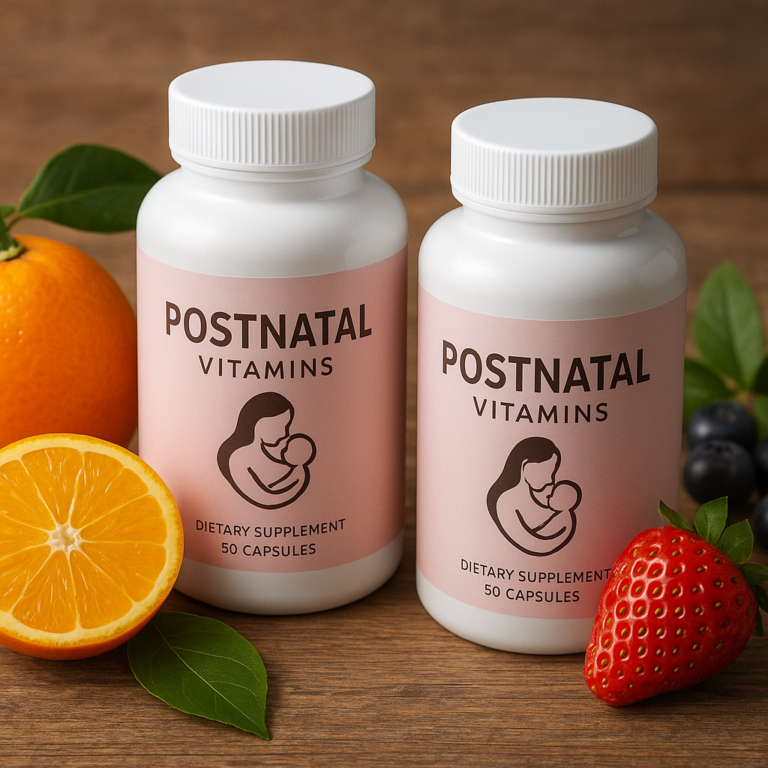
Pregnancy changes nutrient needs. A prenatal supplement may be recommended to support specific requirements, including folic acid before and during early pregnancy. The right product and timing should be discussed with an obstetric clinician; some ingredients and doses need special care. (CDC: Folic Acid; NIH ODS: Dietary Supplements and Pregnancy)
Do not combine several prenatal, multivitamin, and single-nutrient products without checking totals. More iron, vitamin A, or other nutrients is not automatically safer or better.
Vegan and Vegetarian Diets
People following a vegan diet need a dependable source of B12, such as fortified foods or a supplement. Other nutrients—including iron, calcium, vitamin D, iodine, and omega-3s—may warrant attention depending on food choices and health circumstances. (NIH ODS: Vitamin B12; NHS: The vegan diet)
A well-planned vegetarian diet can meet many nutrient needs, but planning matters. A clinician or registered dietitian can help identify the specific gaps without turning your kitchen into a supplement aisle.
Older Adults and Changing Nutrient Needs
Age can affect appetite, absorption, medication use, and vitamin D production in skin. CDC data show higher reported use of multivitamin-mineral and vitamin D supplements among older adults, but higher use does not mean every older person needs the same product. (CDC/NCHS)
Older adults may benefit from discussing B12, vitamin D, calcium, and overall dietary intake with a clinician—especially when there are absorption concerns, limited food intake, or multiple medicines. (NIH ODS: B12; Vitamin D)
People with Food Restrictions or Diagnosed Deficiencies
A diagnosed deficiency, malabsorption condition, gastrointestinal surgery, food allergy, or highly restricted diet may call for a targeted supplement plan. The dose and duration should reflect the underlying reason and any relevant test results. A supplement can correct a gap; it cannot diagnose why the gap exists.
For tailored reading, see our guides to vitamins for women and vitamins for men. These categories can help you compare topics, but individual needs still depend on health history and diet.
⚠️ Safety, Side Effects, and Vitamin Interactions
Vitamins and supplements can have side effects, interact with medicines, or provide excessive amounts when several products overlap. The FDA advises consumers to discuss supplements with a healthcare professional and to report suspected adverse events. (FDA: Dietary Supplements)
Can You Take Too Many Vitamins?
Yes. Some nutrients can accumulate or cause harm at high intakes. Fat-soluble vitamins A, D, E, and K are stored in the body to varying degrees, while high doses of some water-soluble vitamins can also cause adverse effects. (NIH ODS: Vitamins and Minerals)
Common routes to accidental excess include:
- Taking a multivitamin plus individual nutrient supplements.
- Using several “beauty,” “immune,” or “energy” products with overlapping ingredients.
- Combining supplements with heavily fortified foods without checking totals.
- Following high-dose advice from social media instead of a clinician.
Supplements That Can Interact with Medicines
Examples of interactions include:
- Vitamin K can affect how warfarin works; people taking warfarin should keep vitamin K intake consistent and follow medical advice. (NIH ODS: Vitamin K)
- Calcium, iron, and magnesium can interfere with absorption of some medicines; timing may matter. (NIH ODS: Calcium; Iron; Magnesium)
- Fish oil and other omega-3 products may require added caution with medicines that affect bleeding. (NIH ODS: Omega-3s)
- Herbal products, including ashwagandha, may interact with medications or be unsuitable in some health conditions. (NCCIH)
This list is not exhaustive. Tell your pharmacist or clinician about every supplement you take, including gummies, powders, herbal blends, and products you use only occasionally.
When to Ask a Doctor or Pharmacist
Check with a professional before starting a supplement if you:
- Are pregnant, breastfeeding, planning pregnancy, or giving a supplement to a child.
- Have kidney, liver, thyroid, blood, or digestive conditions.
- Take prescription medicines or several over-the-counter products.
- Suspect a deficiency or have persistent fatigue, numbness, weakness, bleeding, or other unexplained symptoms.
- Are considering a high dose, combining multiple products, or replacing prescribed treatment.
Bring the bottle or a clear photo of its Supplement Facts panel. That tiny panel can answer a surprising number of questions.
🛒 How to Choose a Quality Vitamin or Supplement
A good supplement choice starts with the purpose, not the packaging. Decide what gap you are trying to address, then compare the ingredients and dose with professional guidance.
Reading Supplement Facts and Serving Sizes
Check:
- Serving size: The labeled amount may be two or more capsules, not one.
- Amount per serving: Compare the nutrient amount with your intended need.
- Form: Different forms may have different uses or tolerability.
- Other ingredients: Look for sweeteners, allergens, herbs, and unnecessary duplicates.
- Warnings and directions: Follow storage and use instructions.
- Total intake: Add up the same nutrient from your multivitamin, single-nutrient products, and fortified foods.
The NIH’s consumer guide to dietary supplements explains how to read labels and evaluate supplement information.
Third-Party Testing and Quality Seals
Independent programs can test whether a product contains ingredients consistent with its label and screen for certain quality concerns. Examples include USP Verified and NSF Certified. These seals do not prove a supplement is effective for a health outcome or appropriate for your personal circumstances. (USP; NSF)
UCHealth’s dietitian recommends considering NSF- or USP-tested products as a way to check purity and dosage. That is a quality-control point, not a reason to take a supplement you do not need. (UCHealth)
Gummies, Capsules, Powders, and Liquids
| Format | Potential upside | Watch-outs |
|---|---|---|
| Gummies | Easy for some people to take | May contain sugar or flavorings; can resemble candy |
| Capsules/tablets | Familiar, portable, often precise | May be difficult to swallow; ingredient amounts vary |
| Powders | Flexible for drinks or food | Serving measurement and mixing can vary |
| Liquids | Useful for people who struggle with pills | Check dose measurement, storage, and expiration |
| Softgels | Often used for oil-based ingredients | Check for allergens and actual active nutrient content |
The best format is the one you can use correctly and safely—provided the product itself is appropriate.
💡 Quick Tips for Taking Vitamins and Supplements
- ✅ Start with a reason: identify a dietary gap, higher need, or clinician recommendation.
- ✅ Use one change at a time when practical, so you can notice side effects.
- ✅ Follow the label and professional advice. Don’t copy a dose from an influencer.
- ✅ Keep a current supplement list and share it with your pharmacist and healthcare team.
- ✅ Store supplements safely, especially iron and gummy products, away from children.
- ❌ Don’t assume natural means harmless. Herbs and concentrated extracts can have risks.
- ❌ Don’t stack products blindly. Check the combined amount of vitamins and minerals.
- ❌ Don’t use supplements to delay medical care for persistent symptoms.
- ✅ Review the plan periodically. Your needs can change with age, diet, pregnancy, medicines, or health conditions.
❓ Frequently Asked Questions About Popular Vitamins
Are there any risks associated with taking popular vitamins?
Yes. Possible risks include side effects, excessive intake, allergic reactions, contamination or quality issues, and interactions with medicines. Risk depends on the nutrient, dose, product, and your health. A multivitamin plus individual supplements can create overlapping doses, so review all products together. The FDA also advises discussing supplements with a healthcare professional. (FDA; NIH ODS)
What should I do if I think a supplement is causing a reaction?
Stop and seek medical advice if you develop concerning symptoms; seek urgent care for severe reactions. Keep the container or photograph the label so clinicians can identify the product and ingredients.
What are the benefits of taking vitamin D supplements?
Vitamin D helps the body absorb calcium and supports bone health. Supplementation may be useful when a person’s intake or status is inadequate or when a clinician recommends it for a specific reason. It is not a universal solution for fatigue, mood, or disease prevention, and taking more than needed can be harmful. (NIH ODS: Vitamin D)
Should everyone take vitamin D?
No single rule fits everyone. Age, diet, health, sun exposure, and clinical circumstances matter. Ask a clinician whether testing or supplementation is appropriate for you.
How do multivitamins compare to individual vitamins?
A multivitamin provides several nutrients in one product; an individual supplement targets a specific nutrient. A multivitamin may be convenient, but its formula might include nutrients you do not need. A single-nutrient product can be more targeted but still requires the correct reason and dose.
Which is the better choice?
Neither is automatically better. Choose based on a demonstrated need or professional guidance, then check the label for overlap with foods and other supplements. Evidence does not establish that multivitamins prevent cardiovascular disease or cancer for the general adult population. (USPSTF)
What vitamins help boost the immune system?
Vitamins A, C, D, and E and minerals such as zinc contribute to normal immune function. That does not mean taking extra will “boost” immunity beyond normal function or prevent infection. Correcting a deficiency may matter; megadosing is not a substitute for recommended medical care, vaccination, sleep, or a varied diet. (NIH ODS: Immune Function)
Does vitamin C prevent colds?
For most people, regular vitamin C supplementation does not prevent colds, though it may modestly reduce their duration. High doses can cause digestive side effects. (NIH ODS: Vitamin C)
Which vitamins are essential for daily health?
The essential vitamins are A, C, D, E, K, and the B vitamins: thiamin, riboflavin, niacin, pantothenic acid, B6, biotin, folate, and B12. “Essential” means the body needs them; it does not mean every adult needs a supplement containing all of them each day. Needs are usually met through food, with supplementation considered for specific situations. (NIH ODS: Vitamins and Minerals)
Do adults need a daily vitamin?
Not necessarily. Some people benefit from a targeted supplement or a multivitamin based on diet, life stage, or health circumstances; many others can meet needs through food.
What are the top vitamins recommended by doctors?
There is no universal “top” list that applies to every patient. Clinicians may recommend a specific nutrient based on pregnancy, a diagnosed deficiency, restricted diet, medication effects, absorption problems, or another health need. The right recommendation depends on the person and the evidence for that nutrient and purpose.
Why do recommendations differ?
Guidance can differ because people have different risks, studies examine different groups, and recommendations address different outcomes. A population survey measures use; a clinician’s recommendation is individualized care.
What are the most common vitamin deficiencies and how can they be prevented?
There is no single deficiency list that applies equally to every country or person. Risk varies with diet, age, health, absorption, and life stage. Vitamin D, B12, iron, and folate are among nutrients clinicians may assess in relevant situations, but symptoms overlap with many other conditions. (NIH ODS)
Prevention may involve a varied diet, fortified foods, or targeted supplementation when needed. Testing and clinical assessment are more reliable than diagnosing yourself from fatigue, hair loss, or online symptom charts.
Should I take iron to prevent anemia?
Not without considering your risk and getting appropriate advice. Iron deficiency is one cause of anemia, but iron can be harmful when taken unnecessarily or in excess. A clinician can decide whether testing is warranted. (NIH ODS: Iron)
What is the difference between fat-soluble and water-soluble vitamins?
Fat-soluble vitamins are A, D, E, and K. They are absorbed with dietary fat and can be stored in the body. Water-soluble vitamins include vitamin C and the B vitamins; many are not stored in large amounts, though B12 is an important exception. Both groups can cause harm at excessive intakes, so “water-soluble” does not mean “take as much as you want.” (NIH ODS)
Does taking vitamins with food matter?
It can. Some products are better tolerated or absorbed when taken with food, while certain medicines need separation from minerals. Follow product instructions and ask a pharmacist if you take regular medication.
Can you take too many vitamins and what are the potential side effects?
Yes. Depending on the nutrient and dose, excessive intake can cause nausea, diarrhea, nerve problems, organ harm, or other serious effects. The risk rises when people combine a multivitamin with separate products or use high-dose supplements without guidance. Check total intake and consult a clinician before taking high doses. (NIH ODS)
Are supplements regulated like prescription drugs?
No. The FDA regulates dietary supplements as a category of food and does not approve each supplement for safety and effectiveness before it is marketed, as it does prescription medicines. Manufacturers are responsible for product compliance; consumers should check labels and discuss risks with a professional. (FDA)
Which vitamin supplements are best for boosting energy and endurance?
No vitamin reliably boosts energy in someone who already gets enough of that nutrient. B12, iron, and other nutrients are essential, and correcting a deficiency may improve deficiency-related symptoms—but unexplained fatigue can have many causes. Avoid using “energy” formulas to mask persistent symptoms; seek medical evaluation when fatigue continues.
What about B12 for energy?
B12 is essential for blood and nerve function, but supplements are not an established energy booster for people who are not deficient. (NIH ODS: B12)
What are the benefits of taking a multivitamin supplement every day?
A multivitamin may provide convenient amounts of several nutrients and can help some people address dietary shortfalls. But it does not guarantee better health, replace a balanced diet, or prevent chronic disease for everyone. The USPSTF says evidence is insufficient to determine the balance of benefits and harms for preventing cardiovascular disease or cancer in the general adult population. (USPSTF)
How do I decide whether one makes sense?
Review your diet, health circumstances, medicines, and life stage with a clinician or dietitian. If you choose one, compare the formula with your needs and check for overlap with other products.
What are the top 5 essential vitamins for adults to take daily?
There is no evidence-based universal top five that every adult should take as a supplement. All essential vitamins matter, but the goal is adequate intake—not automatically swallowing five pills. A person with a specific risk may need one targeted nutrient, while another may need none.
How should I choose instead?
Start with food and personal risk factors. Ask whether a clinician recommends a supplement based on a diagnosed deficiency, restricted diet, pregnancy, age, medicine use, or absorption issue.
What are the top 3 supplements for health?
There is no defensible universal top three for “health” because the answer depends on the outcome and the individual. Population use data identify multivitamin-mineral products, vitamin D, and omega-3s as common choices, but that ranking describes use, not proof that these are the three best supplements. (CDC/NCHS)
What should guide a shortlist?
A clear need, evidence for that need, a suitable dose, safety with your medicines, and product quality. If none of those boxes is checked, popularity alone is a weak reason to buy.
What is the best vitamin to take for everything?
There is no vitamin that does everything. Vitamins have specific functions, and a supplement cannot replace adequate food, sleep, physical activity, preventive care, or treatment for a medical condition. A broad multivitamin may be convenient for some people, but it is not a universal health insurance policy in capsule form.
What are the 3 best vitamins?
There are no three “best” vitamins for every adult. Vitamin D, B12, and vitamin C are widely discussed, but each has different roles and different reasons someone might supplement. For one person, a targeted B12 supplement may be appropriate; for another, food may adequately cover all three.
What is the most popular vitamin in the United States?
The most commonly used supplement category in CDC adult data is multivitamin-mineral products. Vitamin D follows, with omega-3 fatty acids also among the most commonly reported categories. These figures are based on 2017–2018 survey data and should not be read as a recommendation or a current sales ranking. (CDC/NCHS)
Do vitamins need to be taken with food?
It depends on the product. Some supplements may be easier on the stomach with food, and fat-soluble vitamins are absorbed along with dietary fat. Other products have specific instructions, and minerals may need to be separated from certain medicines. Read the label and ask a pharmacist about timing when medications are involved. (NIH ODS)
Sources and further reading
- CDC/NCHS: Dietary Supplement Use Among Adults in the United States, 2017–2018
- UCHealth: Dietary supplements—beneficial or a waste of money?
- NIH Office of Dietary Supplements: Dietary Supplements—What You Need to Know
- U.S. Preventive Services Task Force: Vitamin supplementation to prevent cardiovascular disease and cancer
- FDA: Dietary Supplements
- Northside Hospital: From A to Zinc: Top 10 Most Common Supplements Explained