Support our educational content for free when you purchase through links on our site. Learn more
10 Factors for Judging a Supplement Brand’s Reputation 🔍


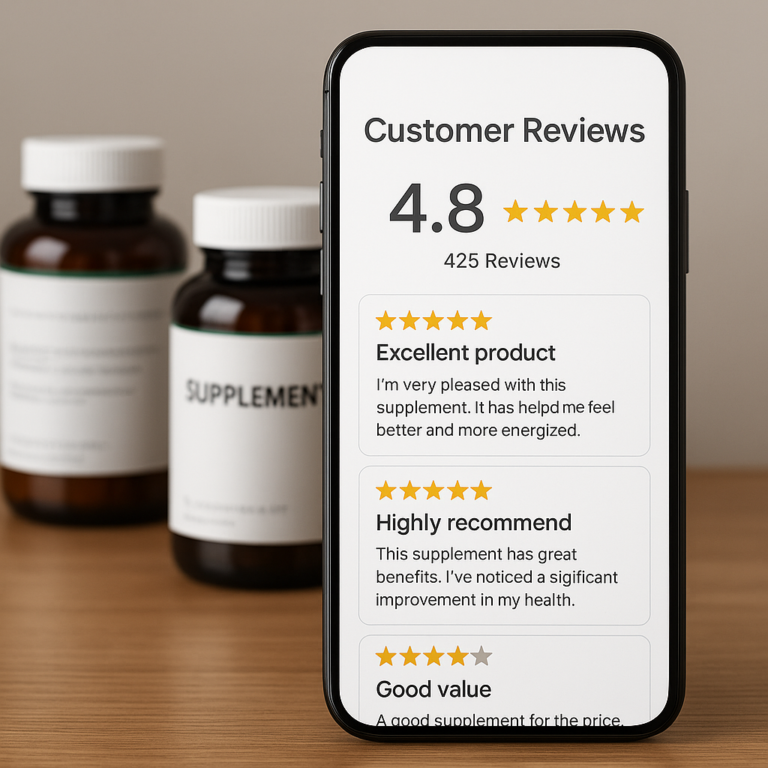
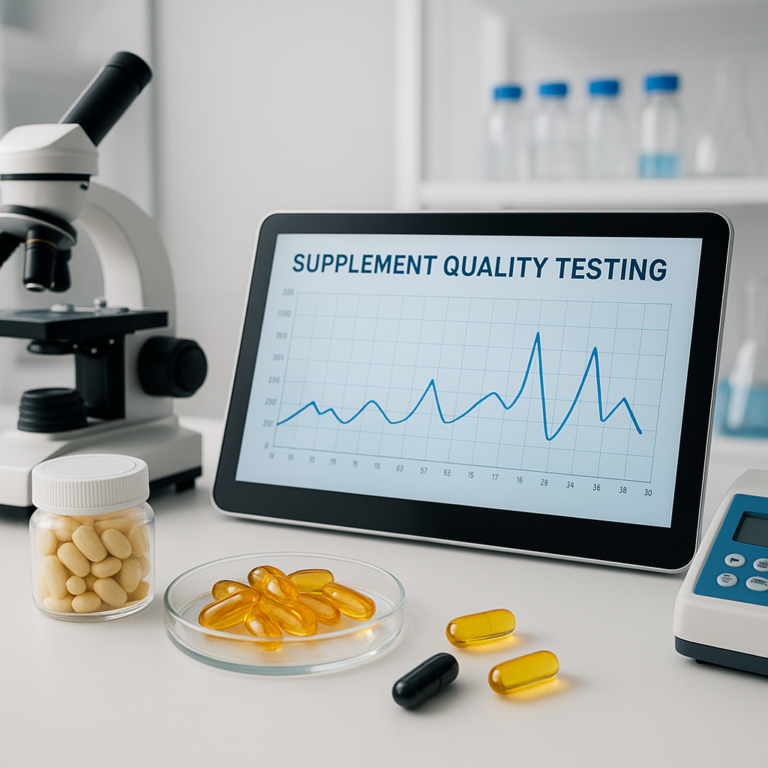
When asking, “What factors should I consider when evaluating a supplement brand’s reputation?”, start with the evidence: check independent quality testing, ingredient and label transparency, manufacturing practices, safety history, and whether the brand’s health claims match credible science. A polished website or a wall of five-star reviews can’t replace verifiable quality controls.
That matters because dietary supplements generally aren’t approved by the FDA for safety and effectiveness before they’re sold. The FDA can take action against unsafe or misbranded products, but shoppers still need to scrutinize brands and products themselves. Our guide to the top supplement brands in the USA can help you start comparing, but the label and product-specific evidence deserve the final say.
We’ve seen how easy it is to be impressed by a familiar logo, a dramatic testimonial, or a claim that sounds almost too good to be true. The useful question is what sits behind the promise: Can the company show who made the product, how it was tested, and what the evidence actually supports? Here are 10 practical factors to help you tell the difference between a trustworthy supplement brand and a very convincing label. ✨
Key Takeaways
- Look for product-specific proof: Independent testing, clear ingredient amounts, and accessible quality information matter more than broad brand claims.
- Check the science: Be cautious of claims to cure, prevent, or treat disease; supplement claims should not outrun the evidence.
- Review safety and accountability: Search for recalls and regulatory warnings, and see whether the company responds clearly to concerns.
- Treat reviews as clues, not proof: Look for recurring patterns, but don’t rely on testimonials to establish safety or effectiveness.
- Match the product to your needs: A reputable brand’s supplement may still be unsuitable for your health conditions, medications, age, or pregnancy status.
Table of Contents
- ⚡ Quick Tips and Facts
- 🧭 What a Supplement Brand’s Reputation Really Tells You
- 📜 How Supplement Oversight and Brand Trust Have Evolved
- 🔎 10 Factors to Consider When Evaluating a Supplement Brand’s Reputation
- 1. Ingredient quality, identity, and potency
- 2. Third-party testing and certificates of analysis
- 3. Manufacturing standards and quality controls
- 4. Scientific evidence behind health claims
- 5. Label accuracy and product transparency
- 6. Safety record, recalls, and regulatory history
- 7. Sourcing, traceability, and sustainability
- 8. Customer reviews and complaint patterns
- 9. Customer service, returns, and accountability
- 10. Business history, expertise, and reputation over time
- 🧪 What Third-Party Certifications Can—and Can’t—Prove
- USP, NSF, and ConsumerLab: understanding the differences
- How to verify a certification or testing claim
- 🚩 Supplement Brand Red Flags to Watch For
- 🛒 How to Compare Supplement Brands and Products
- A practical brand-reputation scorecard
- Questions to ask before buying
- 👥 Reputation Factors That Matter for Different Shoppers
- Vitamins and minerals
- Herbal supplements and botanicals
- Probiotics, sports supplements, and specialty formulas
- ✅ Quick Checklist for Choosing a Trustworthy Supplement Brand
- 🔗 Recommended Links
- ❓ FAQ
- Are supplements FDA-approved before they are sold?
- Does third-party testing mean a supplement is safe and effective?
- How can I check whether a supplement brand has been recalled?
- Are online supplement reviews reliable?
- Can a reputable brand still sell a product that is not right for me?
- 📚 Reference Links
- 🏁 Conclusion
Table of Contents
- ⚡ Quick Tips and Facts
- 🧭 What a Supplement Brand’s Reputation Really Tells You
- 📜 How Supplement Oversight and Brand Trust Have Evolved
- 🔎 10 Factors to Consider When Evaluating a Supplement Brand’s Reputation
- 1. Ingredient quality, identity, and potency
- 2. Third-party testing and certificates of analysis
- 3. Manufacturing standards and quality controls
- 4. Scientific evidence behind health claims
- 5. Label accuracy and product transparency
- 6. Safety record, recalls, and regulatory history
- 7. Sourcing, traceability, and sustainability
- 8. Customer reviews and complaint patterns
- 9. Customer service, returns, and accountability
- 10. Business history, expertise, and reputation over time
- 🧪 What Third-Party Certifications Can—and Can’t—Prove
- USP, NSF, and ConsumerLab: understanding the differences
- How to verify a certification or testing claim
- 🚩 Supplement Brand Red Flags to Watch For
- 🛒 How to Compare Supplement Brands and Products
- A practical brand-reputation scorecard
- Questions to ask before buying
- 👥 Reputation Factors That Matter for Different Shoppers
- Vitamins and minerals
- Herbal supplements and botanicals
- Probiotics, sports supplements, and specialty formulas
- ✅ Quick Checklist for Choosing a Trustworthy Supplement Brand
- 🏁 Conclusion
- 🔗 Recommended Links
- ❓ FAQ
- How can I tell if a supplement brand is trustworthy?
- What certifications should I look for when choosing a supplement brand?
- How do third-party tests help verify supplement quality?
- Where can I check for recalls or safety warnings about a supplement brand?
- 📚 Reference Links