Support our educational content for free when you purchase through links on our site. Learn more
How to Choose a Safe Supplement Brand: 7 Checks 🔎


To answer “How do I choose a safe and effective supplement brand?”, check the exact product’s ingredients and doses, verify any third-party certification, look for credible evidence, and ask a doctor or pharmacist about safety if you take medication or have a health condition. No brand name or quality seal can guarantee that a supplement will work for you.
Here’s a detail worth remembering: Harvard Health reported research in which tested melatonin gummies contained as much as 347% more melatonin than their labels stated. That doesn’t mean all supplements are unreliable—but it’s a good reason to check the product, not just the brand’s polished promises.
Key Takeaways
- Check the product, not just the company. Quality, testing, and evidence can vary across a brand’s lineup.
- Verify certifications through the certifier’s own directory; a logo alone proves little.
- Read the Supplement Facts panel for ingredient amounts, serving size, allergens, warnings, and proprietary blends.
- Separate quality from effectiveness. Independent testing can help verify what’s in a product, but doesn’t prove it will deliver a health benefit.
- Review safety with a clinician or pharmacist if you take medication, have a medical condition, are pregnant or breastfeeding, or are choosing a product for a child.
- Be wary of miracle claims. The FDA does not approve dietary supplements for safety and effectiveness before they reach the market.
Table of Contents
- ⚡️ Quick Tips and Facts
- 🧭 What Makes a Supplement Brand Safe and Effective?
- Dietary supplements, defined: what the label does—and doesn’t—mean
- How supplement quality, safety, and effectiveness differ
- 📜 Supplement Regulation and Quality: The Background
- What the FDA does—and doesn’t—approve before sale
- What current good manufacturing practices (cGMPs) require
- 🔎 The 102-Point Supplement Brand Veting Checklist
- Company identity, contact details, and manufacturing transparency
- Ingredient identity, forms, amounts, and doses
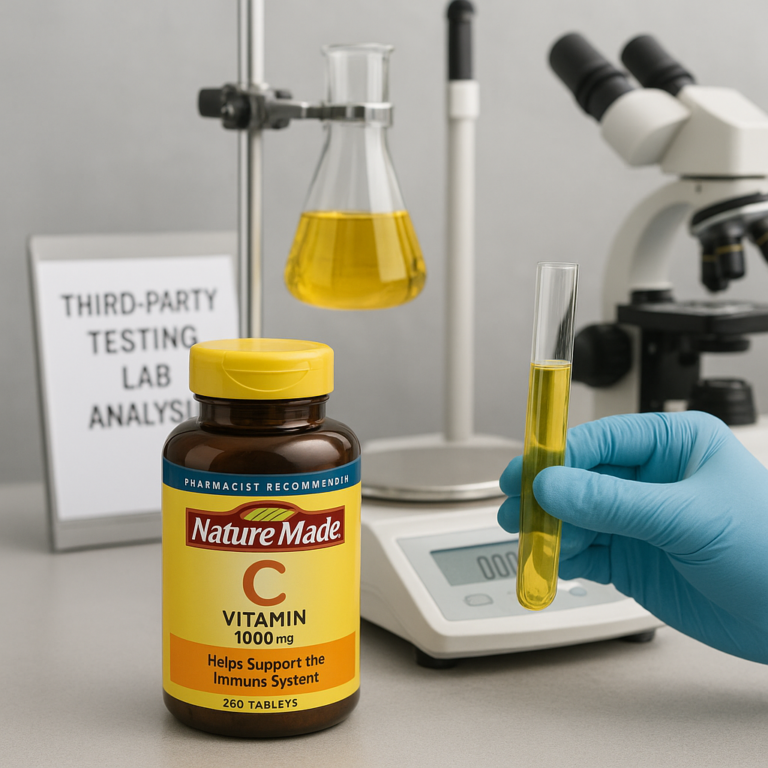
- Third-party testing and certifications
- Label accuracy, allergens, and other ingredients
- Safety policies, recalls, and customer support
- Marketing claims, reviews, and red flags
- 🏅 Third-Party Testing: USP, NSF, and ConsumerLab Explained
- What USP Verified and NSF certifications can tell you
- What third-party testing can’t guarantee
- How to verify a product’s certification or test results
- 🧪 How to Read a Supplement Facts Label
- Serving size, active ingredients, and daily value
- Proprietary blends, fillers, and hidden doses
- Expiration dates, lot numbers, and storage instructions
- 📚 Check the Evidence: Does the Ingredient Actually Work?
- Clinical studies, systematic reviews, and evidence quality
- Dose, ingredient form, and realistic benefits
- Why testimonials and influencer endorsements aren’t proof
- ⚠️ Supplement Safety: Side Effects, Interactions, and Special Considerations
- Medication and supplement interactions
- Pregnancy, breastfeeding, surgery, and chronic conditions
- High doses, overlapping ingredients, and nutrient upper limits
- When to ask a doctor or pharmacist before taking a supplement
- 🚩 Supplement Brand Red Flags and Misleading Health Claims
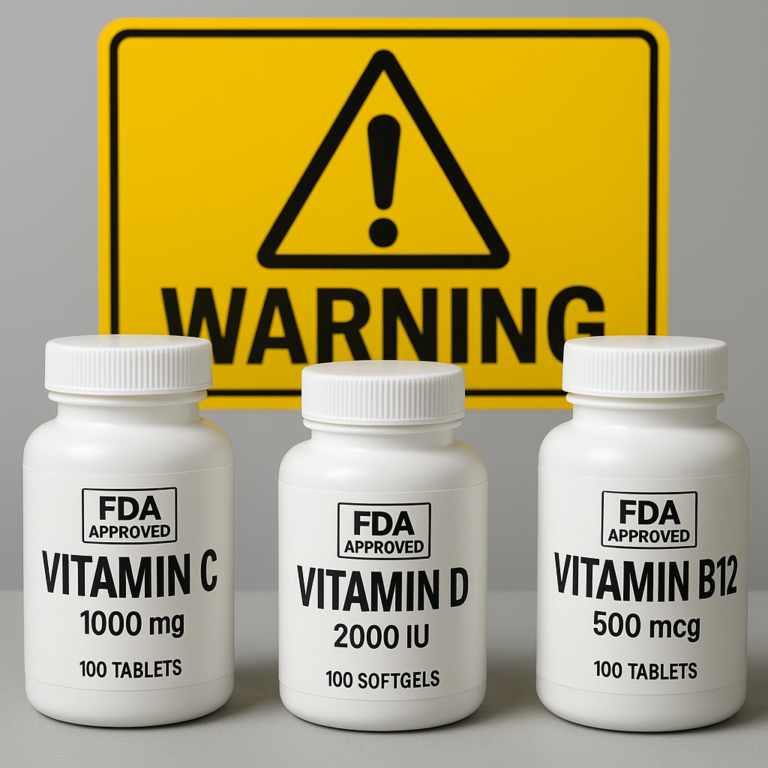
- “FDA approved,” disease-cure claims, and miracle promises
- Fake badges, undisclosed testing, and suspicious review patterns
- Proprietary blends and pressure-selling tactics
- 🛒 Where to Buy Supplements—and How to Avoid Counterfeits
- Buying from brand websites, pharmacies, and reputable retailers
- Marketplace sellers, tamper evidence, and product authenticity
- What to do if a product is recalled or causes a reaction
- 📋 Compare Supplement Brands Side by Side
- A practical supplement brand comparison table
- Questions to ask before choosing a product
- 🌿 Choosing a Supplement for Your Needs
- Vitamins and minerals
- Herbal supplements and botanical extracts
- Probiotics, protein powders, and sports supplements
- Vegan, allergen-friendly, and other dietary preferences
- 🔗 Trusted Supplement Research and Brand-Checking Resources
- NIH Office of Dietary Supplements and fact sheets
- FDA safety alerts, recalls, and adverse event reporting
- How to find reliable information when a website is unavailable
- ✅ Quick Decision Guide: A Safe Supplement Brand Checklist
- Conclusion
- Recommended Links
- FAQ
- Are any supplement brands FDA approved?
- Is third-party-tested always the same as effective?
- Which supplement certifications should I look for?
- How can I tell if a supplement brand is legitimate?
- Are expensive supplements safer or better?
- Can I trust supplement reviews and rankings?
- What should I do if a supplement causes side effects?
- Reference Links
⚡️ Quick Tips and Facts
The best supplement brand isn’t necessarily the one with the prettiest bottle, the loudest influencer, or the most heroic-sounding mushroom blend. It’s the one that can show what’s in the product, how quality is checked, and why the ingredient makes sense for you.
If you’re comparing companies, our guide to the top 10 supplement brands in the USA can help you build a shortlist. Use it as a starting point, not a substitute for checking a specific product’s label and evidence.
| Quick check | What to look for | Why it matters |
|---|---|---|
| Independent quality verification | A verifiable USP Verified, NSF, or other credible product-specific certification | Helps verify certain aspects of identity, strength, contaminants, or manufacturing quality |
| Clear label | Exact ingredient names and amounts, serving size, and directions | Lets you assess the dose and avoid undisclosed blends |
| Evidence for the ingredient | Human research relevant to the ingredient, dose, and intended use | A well-made product can still contain an ingredient that doesn’t help |
| Sensible claims | Specific, qualified language rather than promises to cure or prevent disease | Disease-treatment claims may indicate an unlawful or misleading marketing claim |
| Safety check | Review with a doctor or pharmacist if you take medications, have a condition, or are pregnant or breastfeeding | Supplements can cause side effects or interact with medicines |
| Traceability | Lot number, expiration or best-by date, manufacturer contact details | Useful for questions, quality concerns, and recalls |
A seal is a helpful clue, not a magic force field. Certification programs vary, and a quality seal does not prove that an ingredient will deliver the advertised health benefit. The FDA explains that dietary supplements are not approved for safety and effectiveness before they are marketed. So what should you check first: the brand, the product, or the ingredient? Start with the exact product label, then check the evidence and the company behind it.
🧭 What Makes a Supplement Brand Safe and Effective?
A supplement brand earns our confidence through transparent labeling, credible quality controls, responsible marketing, and an ingredient that has a plausible reason to be used. “Safe” and “effective” are separate questions: a product could be manufactured consistently yet offer little benefit for your goal; an ingredient with promising evidence could still be a poor choice for you because of a medication interaction or unsuitable dose.
Dietary supplements, defined: what the label does—and doesn’t—mean
Dietary supplements include products such as vitamins, minerals, herbs, amino acids, and other substances intended to supplement the diet. They are not a replacement for prescription treatment, a varied diet, or a medical evaluation.
The NIH Office of Dietary Supplements (ODS) consumer guide and the FDA’s supplement overview explain how these products fit within U.S. regulation. A label may tell you what a manufacturer says is in a serving, but the label alone is not independent proof of the product’s contents or benefits.
How supplement quality, safety, and effectiveness differ
| Question | What you’re evaluating | Helpful evidence |
|---|---|---|
| Is it made consistently? | Ingredient identity, amount, purity, and manufacturing controls | Product-specific third-party verification, transparent quality practices |
| Is it appropriate for me? | Your age, health, medicines, allergies, and reason for taking it | Guidance from a clinician or pharmacist |
| Is it likely to work? | Evidence for the ingredient, form, dose, and intended use | Human studies, NIH fact sheets, systematic reviews |
| Is the brand accountable? | Whether it answers questions and handles concerns responsibly | Clear contact information, lot details, safety notices, recall cooperation |
A credible brand can help reduce quality uncertainty. It cannot promise a personal result or make a weakly supported ingredient effective by putting it in a premium capsule.
📜 Supplement Regulation and Quality: The Background
The U.S. supplement system is not identical to the drug-approval system. That distinction explains why doing your own checks matters—and why “FDA registered” or “made in an FDA-inspected facility” should not be mistaken for FDA approval of a product.
What the FDA does—and doesn’t—approve before sale
The FDA generally does not approve dietary supplements for safety, effectiveness, or label accuracy before sale. Manufacturers and distributors are responsible for ensuring products meet applicable requirements. The FDA can take action against products that violate the law, including through warnings, seizures, or recalls. See the agency’s FDA 101: Dietary Supplements.
That means these statements are not interchangeable:
- ✅ “Third-party certified” may mean a named independent organization assessed particular quality criteria.
- ❌ “FDA approved” is not a valid general endorsement for a dietary supplement.
- ❌ “FDA registered facility” does not mean the FDA approved the products made there.
- ❌ “Natural” does not guarantee purity, safety, or effectiveness.
What current good manufacturing practices (cGMPs) require
FDA regulations require dietary supplement manufacturers to follow current good manufacturing practice (cGMP) requirements. These rules address processes such as quality control, production, packaging, and recordkeeping. Compliance is essential, but it does not mean every product has been independently verified or clinically shown to work.
Practical takeaway: Treat cGMP language as one part of the picture. Ask what quality checks apply to the specific product, whether the testing is independent, and whether the results or certification can be verified.
🔎 The 102-Point Supplement Brand Veting Checklist
That heading sounds like a marathon, but the 102 checks below are grouped into six manageable passes. You don’t need to interrogate every bottle like a detective in a lab coat. Focus on the product you plan to use and the risks that matter to you.
Company identity, contact details, and manufacturing transparency
Check whether the brand provides:
- A real company name and a way to contact customer support.
- Clear product information, directions, and warnings.
- A lot or batch number and a best-by or expiration date.
- A way to ask about manufacturing, testing, and quality procedures.
- A specific explanation of its certifications instead of a vague “tested for purity” badge.
A brand does not have to publish every proprietary manufacturing detail. But if it cannot explain who is responsible for the product or how to ask a basic safety question, that’s a reason to pause.
Ingredient identity, forms, amounts, and doses
Look for the precise ingredient name and the amount per serving. For example, the label should let you distinguish the stated nutrient or botanical from a vague “complex” or proprietary blend.
Ask:
- What is the ingredient? Check its common and scientific name when relevant.
- How much is in each serving? Compare the amount with reputable guidance for your intended use.
- What form is it? Different forms can have different evidence, absorption, or safety considerations.
- How many servings are recommended? Calculate the daily total, not just the amount in one capsule.
- Are you getting the same ingredient elsewhere? Add up multivitamins, fortified foods, powders, and single-ingredient products.
The NIH’s vitamin and mineral fact sheets are useful starting points for understanding nutrient forms, benefits, and safety.
Third-party testing and certifications
A credible, product-specific certification can help verify parts of a product’s quality. Check whether the certifier lists the exact product, not merely the company or facility.
| Program or resource | What it may help assess | What it does not establish by itself |
|---|---|---|
| USP Verified | Certain quality attributes, including label accuracy and manufacturing practices under the program | That a supplement is right for you or clinically effective for every claimed benefit |
| NSF Certified for Sport | Product testing relevant to sport, including screening for substances prohibited in sport | A guarantee against every possible contamination or a general health endorsement |
| NSF dietary supplement certification | Certain product and manufacturing checks under NSF programs | Proof that the product treats a health condition |
| ConsumerLab | Independent product testing and reports for selected products | Certification of every brand or every product on the market |
| FDA Dietary Supplement Ingredient Directory | FDA notices and information about selected ingredients | A complete database of every unsafe or questionable product |
Harvard Health highlights the value of credible independent certification and quotes Dr. Pieter Cohen warning, “Most seals of approval are meaningless.” That warning is a useful reminder: a seal only helps if you can identify the organization and verify the product in its directory. Read the Harvard Health supplement-vetting overview alongside the certifier’s own criteria.
Label accuracy, allergens, and other ingredients
Read both the Supplement Facts panel and the other-ingredients list. Check for:
- Allergens and possible cross-contact warnings.
- Sweeteners, colorings, preservatives, capsule materials, and flavorings.
- Sugar alcohols or other ingredients that may bother your digestion.
- A full list of active ingredients and amounts.
- Serving size, directions, warnings, and storage instructions.
A striking example of why label accuracy matters: Harvard Health’s review discusses research finding that 25 brands of melatonin gummies contained as much as 347% more melatonin than stated on the label, and some samples also contained CBD. That finding concerns the tested products, not every melatonin product—but it makes a strong case for choosing verified products and being cautious with children’s supplements. See the study summary linked through Harvard Health.
Safety policies, recalls, and customer support
Before buying, search the exact product name with terms such as “recall,” “warning,” or “adverse event.” Check FDA recalls, market withdrawals, and safety alerts and its Health Fraud Product Database.
A clean search result is not proof of safety: the FDA notes that its databases cover identified cases, not every product or concern. If the brand has a safety issue, look for clear instructions, prompt customer support, and transparent communication.
Marketing claims, reviews, and red flags
Be wary of claims that a supplement:
- Cures, treats, or prevents a disease.
- Works instantly or guarantees a dramatic outcome.
- Is “risk-free,” “secret,” or “clinically proven” without pointing to relevant evidence.
- Replaces prescribed medicine or medical care.
- Is safe for everyone because it is “natural.”
Reviews can help you learn about taste, ease of use, packaging, or customer service. They cannot reliably confirm the contents of a capsule or prove a health benefit. Look for patterns across independent sources, and give more weight to verifiable quality records than to star ratings.
🏅 Third-Party Testing: USP, NSF, and ConsumerLab Explained
Third-party testing is one of the most useful quality clues—but the phrase itself can be stretched like a supplement label at a marketing meeting.
What USP Verified and NSF certifications can tell you
The meaning depends on the program. Some assess ingredient identity, strength, contaminants, manufacturing processes, or label accuracy; sport-focused programs also screen for substances prohibited by athletic organizations. Always check the certifier’s own description and searchable product list.
For athletes, NSF Certified for Sport is designed for sport-related risk reduction. It is a particularly relevant option if your sport organization restricts substances. For everyday use, a recognizable seal can support confidence in quality, but it does not replace medical advice or ingredient research.
What third-party testing can’t guarantee
A certification does not automatically establish:
- That the supplement will work for your health goal.
- That it is safe with your medications or medical conditions.
- That every product in a brand’s range is certified.
- That every possible contaminant or banned substance was tested for.
- That a product’s marketing claims are clinically proven.
We often put it this way: testing can help tell you what’s in the bottle; research helps tell you what it may do. You need both questions answered.
How to verify a product’s certification or test results
- Find the exact certification mark on the package or official product page.
- Identify the organization behind the mark.
- Search that organization’s product directory for the exact product name and formulation.
- Check the certification’s scope and any stated limitations.
- Ask the brand for a product-specific certificate or test information if needed.
- Confirm the lot number and product match the document you receive.
If a company displays a logo but the organization cannot verify the product, treat the logo as decoration—not evidence.
🧪 How to Read a Supplement Facts Label
Labels are easier to understand when you read them in the same order every time: identity, serving, ingredients, dose, warnings, and traceability.
Serving size, active ingredients, and daily value
| Label detail | What it means | Your check |
|---|---|---|
| Serving size | The amount the manufacturer calls one serving | Does one serving mean one capsule, two gummies, or a scoop? |
| Servings per container | Approximate number of servings in the package | Does the package duration match the directions? |
| Ingredient amount | Amount per serving, not necessarily per capsule | Multiply by the number of servings you take |
| % Daily Value | Comparison with the established Daily Value where applicable | It is not a personalized target or a guarantee of benefit |
| Directions and warnings | How the company says to use the product and who should avoid it | Follow them and ask a clinician if your situation is not covered |
The FDA describes required label information in its dietary supplement overview. For nutrient-specific context, consult the relevant NIH ODS fact sheet.
Proprietary blends, fillers, and hidden doses
A proprietary blend may list its ingredients without revealing the amount of each one. That makes it harder to check whether the formula provides a meaningful dose or stacks too much of an ingredient with other products.
Not every blend is automatically unsafe, but undisclosed amounts reduce your ability to make an informed decision. Prefer products that clearly state the quantity of each active ingredient, especially for botanicals, stimulants, and ingredients with known interaction risks.
Expiration dates, lot numbers, and storage instructions
Check for a legible lot number and date, and follow storage instructions. Heat, moisture, or light can affect product quality; a supplement that lives in a steamy bathroom cabinet is having a rougher life than it needs.
Keep products in their original packaging when possible. Don’t use a product with damaged seals, unusual odor or appearance, or an unreadable label. Contact the manufacturer or a pharmacist if you’re unsure.
📚 Check the Evidence: Does the Ingredient Actually Work?
A beautifully tested product can still be a beautiful way to spend your attention on an ingredient that may not help. Start by defining the goal, then evaluate the research—not the testimonial.
Clinical studies, systematic reviews, and evidence quality
Look for human studies that match the product’s:
- Ingredient and form
- Dose and frequency
- Intended population
- Health outcome
- Duration of use
A single small study is a clue, not a verdict. Systematic reviews and well-designed randomized trials generally provide more useful evidence than anecdotes, animal studies, or a brand’s summary of its own research. Search PubMed and review relevant NIH ODS consumer fact sheets.
Harvard Health advises caution with botanicals and encourages consumers to ask whether credible research exists, particularly larger randomized controlled trials. That’s a sensible standard: the more dramatic the promise, the stronger the evidence you should expect.
Dose, ingredient form, and realistic benefits
A study one dose or form doesn’t automatically support every product using the same ingredient name. Compare the label with the evidence and ask whether the study outcome is meaningful for your goal.
For example, a product may use a nutrient form that is common in research, but its dose, serving schedule, or delivery format may differ. A clinician or pharmacist can help you interpret this if you have a diagnosed deficiency, chronic condition, or medication regimen.
Why testimonials and influencer endorsements aren’t proof
Testimonials are personal experiences, not controlled comparisons. People may improve for unrelated reasons, and people who have noticeable effect are less likely to post a dramatic before-and-after.
Use reviews for practical details—taste, capsule size, packaging, shipping, and customer service. For health claims, look for independent evidence and check whether the reviewer has disclosed a financial relationship.
⚠️ Supplement Safety: Side Effects, Interactions, and Special Considerations
“Available without a prescription” does not mean “safe for everyone.” The supplement aisle may be over the counter, but your liver, kidneys, and medication list don’t read the aisle sign.
Medication and supplement interactions
Supplements can affect how medicines work, increase side effects, or interfere with treatment. Bring your clinician or pharmacist a complete list of products, including powders, teas, gummies, and “ocasional” remedies.
A useful routine:
- Share the exact product name and a photo of the Supplement Facts panel.
- Include your prescription and over-the-counter medicines.
- Mention how much you take and how often.
- Ask about interactions, timing, and whether the supplement affects lab tests or procedures.
- Recheck when your medicines or supplement dose changes.
The FDA advises consumers to discuss supplements with a health professional. For ingredient-specific concerns, the NIH’s ODS fact sheets provide background, but they do not replace personalized medication advice.
Pregnancy, breastfeeding, surgery, and chronic conditions
Get professional guidance before using supplements if you are pregnant, breastfeeding, preparing for surgery, managing a chronic condition, or choosing a product for a child. These situations can change the risk-benefit balance, and “standard adult use” may not apply.
Tell your surgeon and care team about every supplement you take. Some products may affect bleeding risk, blood pressure, sedation, or medication management. Do not stop a prescribed treatment or delay care in favor of a supplement.
High doses, overlapping ingredients, and nutrient upper limits
More is not automatically better. Add amounts from multivitamins, single-nutrient products, fortified foods, and combination powders before starting another supplement.
| Potential issue | Why it deserves a check |
|---|---|
| Duplicate ingredients | Two products may together provide more than intended |
| High-dose nutrients | Some nutrients can cause harm at excessive intake |
| Stimulant combinations | Multiple products may add up to a substantial stimulant exposure |
| Long-term use | The risks of ongoing use may differ from short-term use |
| Unclear serving directions | A scoop, capsule, or “serving” may not match your assumption |
Use NIH nutrient fact sheets for upper-limit and safety information where available, and consult a clinician for your own circumstances.
When to ask a doctor or pharmacist before taking a supplement
Ask first if you:
- Take prescription medicines or multiple over-the-counter drugs.
- Have a chronic health condition or a history of allergies.
- Are pregnant, breastfeeding, preparing for surgery, or choosing a supplement for a child.
- Plan to take a high dose or combine several products.
- Want to use a supplement instead of prescribed care.
- Have symptoms that are new, severe, or unexplained.
A registered dietitian can also help assess whether a nutrient gap is best addressed through food, a supplement, or further evaluation.
🚩 Supplement Brand Red Flags and Misleading Health Claims
A trustworthy company doesn’t need to promise the moon. Watch for claims that sound like a shortcut around evidence, safety checks, and ordinary biology.
“FDA approved,” disease-cure claims, and miracle promises
Be cautious if a product claims to diagnose, treat, cure, or prevent a disease. The FDA explains that such claims can place a product under drug requirements rather than ordinary supplement marketing rules. Read the agency’s supplement consumer guidance.
Also be wary of:
- “FDA-approved supplement” claims.
- Promises to work for everyone.
- Guaranteed rapid weight loss, dramatic detoxification, or disease reversal.
- “Secret formula” language paired with undisclosed quantities.
- Claims that a product has no side effects or cannot interact with medicines.
Fake badges, undisclosed testing, and suspicious review patterns
A badge is only useful if you can trace it to a real program and verify the product. Ask:
- Who performed the testing?
- What exactly was tested?
- Was the testing done on the finished product?
- Does the certification cover the exact product and formulation?
- Can the organization confirm the claim?
For online reviews, look for detailed, varied experiences rather than a flood of near-identical praise. Reviews may reflect taste or shipping—not laboratory analysis.
Proprietary blends and pressure-selling tactics
Pressure to buy immediately, automatic subscriptions that are difficult to cancel, or claims that you must purchase a multi-product “protocol” are reasons to slow down.
A company should let you review the full ingredient list, serving amounts, safety information, and cancellation terms before you commit. If the sales pitch makes careful questions feel unwelcome, step away.
🛒 Where to Buy Supplements—and How to Avoid Counterfeits
Buy from a source that helps you confirm the product’s identity and condition. The same brand name on two listings does not guarantee the same seller, storage, or supply chain.
Buying from brand websites, pharmacies, and reputable retailers
A brand’s official website, a licensed pharmacy, or an established retailer can make it easier to contact the seller if something goes wrong. For online marketplaces, check the seller name, fulfillment details, seal integrity, label images, and return policy.
Look for product-specific verification rather than relying on a retailer’s general claim that its selection is “trusted.”
Marketplace sellers, tamper evidence, and product authenticity
When a package arrives:
- Check that the seal is intact.
- Compare the label and lot details with the brand’s official information.
- Don’t use a product with a damaged, altered, or suspicious package.
- Contact the brand if the product looks or smells different from expected.
- Keep the receipt and packaging until you are confident the product is suitable.
Counterfeit or adulterated products can appear in online channels. The FDA warns consumers about health fraud products and ingredient risks; marketplace availability is not a safety certification.
What to do if a product is recalled or causes a reaction
If you suspect a serious reaction, seek urgent medical help. Otherwise, stop using the product and contact a healthcare professional for advice. Keep the bottle, label, lot number, and purchase details.
You can report a problem through the FDA’s Safety Reporting Portal. The FDA says companies must report serious adverse events they receive within 15 days; reporting helps the agency identify potential safety concerns. Check FDA recalls and safety alerts for product updates.
📋 Compare Supplement Brands Side by Side
Brand comparison is useful only when you compare the same type of product for the same purpose. A basic vitamin D product and a multi-ingredient “energy” blend are not apples to apples; they’re more like apples to a blender full of mystery fruit.
A practical supplement brand comparison table
Use this scorecard for any product—whether you’re considering Nature Made, Thorne, NOW Foods, Garden of Life, or another company. These are examples of widely available brands, not blanket endorsements of every product they sell.
| Comparison point | Product A | Product B | Product C |
|---|---|---|---|
| Exact product and serving size | |||
| Ingredients and amount per serving | |||
| Product-specific third-party verification | |||
| Evidence for the ingredient and dose | |||
| Allergens and other ingredients | |||
| Warnings and interaction concerns | |||
| Lot number and date on package | |||
| Company contact and quality information | |||
| Fits your goal and clinician’s advice |
Brands such as Nature Made, Thorne, NOW Foods, and Garden of Life offer a range of products. Certification, formulations, and evidence can differ by product, so check the specific item rather than assuming a brand-wide status.
For help with product categories, browse essential vitamins, health supplements, and multivitamin supplements. Readers comparing life-stage products may also find our guides to vitamins for women and vitamins for men useful.
Questions to ask before choosing a product
- What problem am I trying to solve? A specific goal is better than “I heard this is good.”
- Is there evidence for this ingredient and dose? Check independent sources.
- Does it fit my health situation? Review medications, allergies, pregnancy, and conditions.
- Can I verify the quality claim? Search the certifier’s directory.
- Does the label disclose the full dose? Be cautious with opaque blends.
- Can I contact the company? Quality questions deserve real answers.
- How will I judge whether it’s helping? Agree on a sensible timeframe and measure with professional guidance where appropriate.
🌿 Choosing a Supplement for Your Needs
The right product depends on your reason for taking it, your diet, health history, and the evidence for the specific ingredient. “One bottle for everyone” is a convenient slogan, not individualized care.
Vitamins and minerals
Vitamins and minerals can be useful when dietary intake is insufficient, a deficiency is diagnosed, or a clinician identifies a need. They can also be unnecessary or risky in excess.
Start with the NIH’s vitamin and mineral fact sheets and discuss testing or supplementation with your healthcare professional if you suspect a deficiency. Browse our essential vitamins and multivitamin supplements categories for product education—not as a diagnosis.
Herbal supplements and botanical extracts
Botanicals can vary by species, plant part, extraction method, and concentration. Check the exact plant name, standardized extract details where relevant, dose, and interaction warnings.
The FDA’s Dietary Supplement Ingredient Directory can provide information about selected ingredients and agency notices. A database search is only one step; absence of a warning does not prove an ingredient is safe or effective.
Probiotics, protein powders, and sports supplements
Different categories need different checks:
- Probiotics: Look for strain names and viable count information relevant to the product, and verify storage directions.
- Protein powders: Review protein per serving, allergens, sweeteners, and any sport-related certification if relevant.
- Sports supplements: Check every active ingredient, stimulant content, and banned-substance risk. Athletes may consider products listed by NSF Certified for Sport.
- Combination formulas: Add up overlapping ingredients across products instead of treating each label in isolation.
A supplement’s category does not determine its quality. The product-specific label and verification still do the heavy lifting.
Vegan, allergen-friendly, and other dietary preferences
Check whether the product is actually certified or clearly documented as vegan, vegetarian, gluten-free, or free of a particular allergen. A claim on the front label may not answer questions about manufacturing cross-contact.
If you have a severe allergy, contact the company directly and ask about its manufacturing controls. For dietary preferences, verify the capsule shell, flavorings, vitamin source, and other ingredients—not just the headline ingredient.
🔗 Trusted Supplement Research and Brand-Checking Resources
When a website is blocked or a page won’t load, don’t guess from the URL. Use the organization’s search function or another primary source, and keep the original source’s limitations in mind.
NIH Office of Dietary Supplements and fact sheets
The NIH ODS consumer fact sheets cover benefits, evidence, safety, and recommended intake for many ingredients. For vitamins and minerals, use the dedicated fact-sheet list.
If the consumer guide page is temporarily unavailable, search the ODS website for the ingredient or use a fact sheet linked from the ODS main site. A temporary access problem is not a reason to substitute a brand’s marketing page for independent information.
FDA safety alerts, recalls, and adverse event reporting
Use the FDA’s:
- Dietary Supplement Ingredient Directory
- Health Fraud Product Database
- Recalls and safety alerts
- Safety Reporting Portal
These tools can help identify known concerns, but they are not complete safety guarantees. No listing does not equal FDA approval.
How to find reliable information when a website is unavailable
Try these steps:
- Search the organization’s own site for the page title or ingredient.
- Look for a current page from another primary authority, such as the FDA or NIH.
- Use PubMed to find the research cited by a secondary article.
- Check the publication date and whether the source discusses the exact product or only the ingredient.
- Don’t rely on cached excerpts or search snippets as a complete source.
For the clearest overview of U.S. supplement oversight, use the FDA’s FDA 101: Dietary Supplements and the NIH ODS consumer guide.
✅ Quick Decision Guide: A Safe Supplement Brand Checklist
Before buying, see how many of these you can answer confidently:
- ✅ I know why I’m considering this product.
- ✅ The label lists each ingredient and its amount.
- ✅ I’ve checked the dose, directions, warnings, and other ingredients.
- ✅ I can verify any certification on the certifier’s website.
- ✅ There is credible evidence for the ingredient and intended use.
- ✅ I’ve checked for medication interactions and overlapping ingredients.
- ✅ The company provides a contact method, lot number, and date.
- ✅ The marketing avoids miracle cures and disease-treatment promises.
- ✅ I know where to check for recalls and how to report a reaction.
If several answers are “no,” pause before purchasing. A responsible supplement decision is not about finding a perfect brand; it’s about reducing uncertainty enough to make a sensible, personalized choice.