Support our educational content for free when you purchase through links on our site. Learn more
Top 10 Supplement Brands in USA: 10 Worth Knowing 🌿

The top 10 supplement brands in USA include Thorne, Nature Made, MegaFood, Garden of Life, New Chapter, Nature’s Bounty, NOW Foods, Solgar, Pure Encapsulations, and Mt. Angel Vitamins. But no brand is automatically best for everyone: check the specific product’s ingredients, quality verification, and fit for your health needs before you buy.
We’ve seen shoppers reach for a familiar bottle because it’s on sale or a friend swears by it, only to discover the dose overlaps with another supplement they already take. A quick label check—and, when needed, a pharmacist’s advice—can be more valuable than a famous logo.
Supplement use is common: the CDC found that 57.6% of U.S. adults aged 20 and older reported using at least one dietary supplement in 2017–2018. That statistic tells us supplements are popular, not that everyone needs them or that one brand works best.
Key Takeaways
- Compare individual products, not just brand names. Formulas, testing, and certifications can vary within the same company.
- Look for product-specific quality evidence. A USP or NSF mark can help verify certain quality standards, but it does not prove a supplement is effective for you.
- “Made in the USA” does not necessarily mean every ingredient is American-grown or sourced.
- Check doses, ingredients, and interactions—especially if you take medication, are pregnant or breastfeeding, or have a health condition.
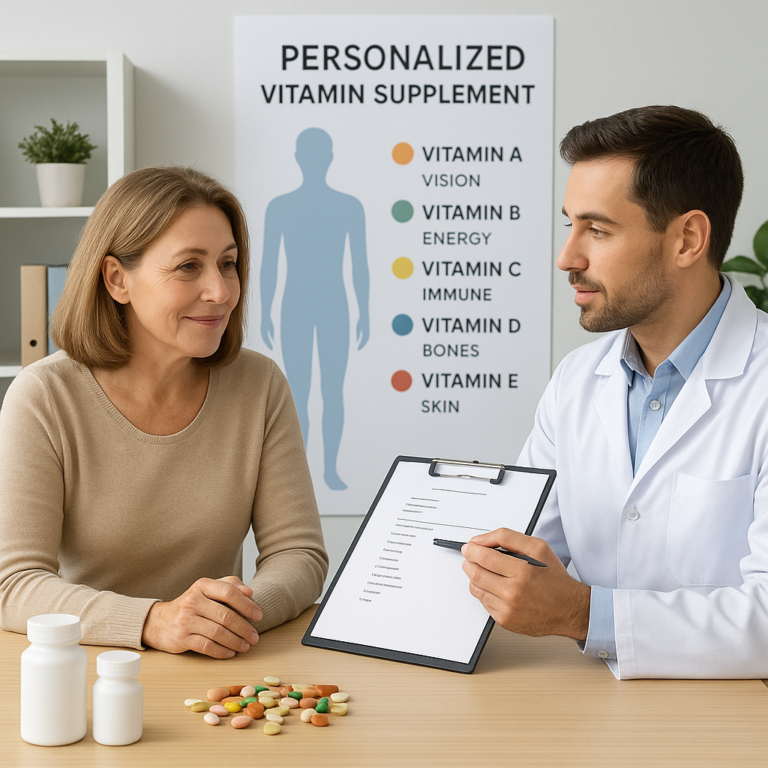
- Ask a healthcare professional whether you need a supplement before adding one to your routine.
👉 Shop the brands: Thorne | Nature Made | MegaFood | Garden of Life | New Chapter | Nature’s Bounty | NOW Foods | Solgar | Pure Encapsulations | Mt. Angel Vitamins
Table of Contents
- ⚡️ Quick Tips and Facts: Choosing a Supplement Brand
- 🏆 Top 10 Supplement Brands in the USA: At a Glance
- 🧭 How We Chose These Top Supplement Brands
- Quality testing, certifications, and transparency
- Product range, availability, and consumer reputation
- 📚 The U.S. Supplement Industry: Background and What Shoppers Should Know
- How dietary supplements are regulated in the United States
- What third-party testing can—and can’t—tell you
- 🌿 Top 10 Supplement Brands in the USA: Detailed Reviews
- 1. Thorne: Practitioner-focused formulas and testing
- 2. Nature Made: Widely available vitamins with USP verification
- 3. MegaFood: Food-based supplements and sourcing practices
- 4. Garden of Life: Organic, plant-based, and probiotic options
- 5. New Chapter: Fermented ingredients and whole-food-inspired formulas
- 6. Nature’s Bounty: A broad range of everyday supplements
- 7. NOW Foods: Extensive selection and value-oriented choices
- 8. Solgar: Long-running brand with distinctive product lines
- 9. Pure Encapsulations: Specialty formulas and allergen-conscious options
- 10. Mt. Angel Vitamins: U.S.-based manufacturing and supplement variety
- 🇺🇸 Vitamins Made in the United States: What “Made in USA” Really Means
- Manufacturing location versus ingredient origin
- How to check a brand’s sourcing and manufacturing claims
- 🔎 How to Choose the Best Supplement Brand for Your Needs
- Match the product to your health goal
- Read the Supplement Facts label
- Compare ingredient forms, doses, and serving sizes
- Check allergens, additives, and dietary preferences
- 🧪 Supplement Quality: Certifications, Testing, and Red Flags
- USP, NSF, and other independent quality programs
- When proprietary blends deserve a closer look
- Warning signs of misleading health claims
- 💊 Popular Supplement Categories and What to Consider
- Multivitamins and minerals
- Vitamin D, vitamin C, and B-complex supplements
- Probiotics, omega-3s, and herbal supplements
- Protein powders and sports nutrition
- ⚠️ Supplement Safety: Interactions, Testing, and When to Ask a Clinician
- Medication interactions and duplicate ingredients
- Pregnancy, breastfeeding, and health conditions
- How to report a supplement-related problem
- 🛒 Where to Buy Supplements Safely
- Buying from brand websites, pharmacies, and authorized sellers
- Online marketplace checks that can help protect you
- ✅ Quick Tips for Comparing Supplement Brands
- Conclusion
- Recommended Links
- FAQ
- What are the top 10 supplement brands in the USA?
- Which supplement brands are third-party tested?
- Are supplements made in the USA automatically better?
- What does USP Verified mean on a supplement?
- How can I tell if a supplement brand is reputable?
- Should I take supplements every day?
- Reference Links
⚡️ Quick Tips and Facts: Choosing a Supplement Brand
Looking for a trustworthy starting point? Our guide to 15 top nutritional supplement brands around the world gives a wider international view; here, we focus on ten prominent U.S. supplement brands and what their strengths—and trade-offs—actually mean for you.
A quick reality check before we get to the brand list: there is no official government ranking of the “best” supplement companies. “Top 10” is a practical comparison, not a medical endorsement or a guarantee that one brand’s product will work better for you.
| Quick question | Helpful answer |
|---|---|
| What matters most? | The specific product’s label, quality controls, dose, and fit for your needs—not brand fame alone. |
| Are supplements approved by the FDA before sale? | Generally, no. The FDA regulates dietary supplements, but manufacturers are responsible for product safety and labeling before products reach the market. |
| Does “made in the USA” mean all ingredients are American? | No. A product may be manufactured domestically while using globally sourced ingredients. |
| Does third-party testing prove a supplement works? | No. Testing can help verify identity, strength, purity, or manufacturing quality; it does not establish that a product treats or prevents disease. |
| Do you need a multivitamin? | Not necessarily. It depends on your diet, health, life stage, and clinician’s advice. |
| What’s the easiest quality shortcut? | Look for product-specific verification from programs such as USP or NSF, then confirm the exact product appears in the certifier’s directory. |
The U.S. National Institutes of Health’s Office of Dietary Supplements (ODS) recommends talking with a health professional before starting supplements, especially if you use medication or have a medical condition. That advice may sound less exciting than a shiny bottle promising “total wellness,” but it can save you from taking something unnecessary—or inappropriate.
For more on foundational nutrients, browse our essential vitamins, health supplements, and multivitamin supplements guides.
Our fast take: Thorne and Pure Encapsulations stand out for practitioner-oriented products and quality positioning; Nature Made and NOW Foods offer broad availability; MegaFood, Garden of Life, and New Chapter appeal to shoppers drawn to organic or food-inspired formulas. But the best brand is still the one whose individual product suits your needs and has credible quality information.
🏆 Top 10 Supplement Brands in the USA: At a Glance
This list compares brand characteristics, not clinical effectiveness. Brand-wide ratings are necessarily broad: one company may make an excellent vitamin D product and a less compelling herbal blend. We score transparency and quality signals as shoppers’ aids—not as proof of health benefit.
| Rank | Brand | Quality and transparency* | Best known for | Potential drawback |
|---|---|---|---|---|
| 1 | Thorne | 9/10 | Practitioner-focused formulas and sports certifications on select products | Not every product has the same certification or testing claim |
| 2 | Nature Made | 8/10 | Widely available everyday vitamins; many USP-verified products | Verification is product-specific, not automatically brand-wide |
| 3 | MegaFood | 8/10 | Food-inspired formulas and sourcing information | “Food-based” language does not mean the food replaces the nutrient dose |
| 4 | Garden of Life | 8/10 | Organic and plant-based options in selected lines | Formulas may include many ingredients and may not suit everyone |
| 5 | New Chapter | 7/10 | Fermented, whole-food-inspired products | Fermentation is not a guarantee of superior absorption or benefit |
| 6 | Nature’s Bounty | 7/10 | A broad range of commonly available supplements | Verify quality claims and certifications for the exact product |
| 7 | NOW Foods | 8/10 | Extensive selection across vitamins, minerals, and sports nutrition | Large catalog means formulation and certifications vary by product |
| 8 | Solgar | 7/10 | Long-running brand and distinctive amber glass packaging | Packaging and heritage alone do not verify product performance |
| 9 | Pure Encapsulations | 8/10 | Practitioner-oriented formulas and allergen-conscious options | Specialty positioning may mean fewer mainstream retail choices |
| 10 | Mt. Angel Vitamins | 7/10 | Oregon-based manufacturing and a range of supplement products | Less familiar to many shoppers; check each product’s current documentation |
*A comparative editorial score based on publicly described brand features and quality signals, not a laboratory test, clinical study, or endorsement. Certification status and product details can change; check the manufacturer and certifier directly.
A useful consumer backdrop comes from the CDC’s Dietary Supplement Use Among Adults: United States, 2017–2018. In that period, 57.6% of U.S. adults age 20 and older reported using at least one dietary supplement in the prior 30 days. The report measures supplement use—not which brands are best—so popularity should never be confused with proof of quality or effectiveness.
🧭 How We Chose These Top Supplement Brands
“Best” depends on what you’re shopping for. A parent seeking a children’s vitamin, a competitive athlete needing a sport-certified product, and someone avoiding common allergens may need three different shortlists.
We considered a brand’s public information, product range, recognized third-party programs, and consumer practicality. We did not treat a brand’s own marketing claims as independent proof.
Quality testing, certifications, and transparency
We looked for clear explanations of manufacturing and quality practices, plus product-specific certifications where available. A certification can support confidence in certain quality criteria, but it is not a gold star for every aspect of a supplement. It does not mean the product is clinically effective for every person.
Useful checks include:
- Product verification: Does USP or another program list the exact product?
- Sport certification: Does the specific product carry NSF Certified for Sport or another recognized sports program?
- Ingredient disclosure: Are the forms and amounts listed clearly?
- Manufacturing information: Does the company explain its quality systems and where products are made?
- Testing scope: Does the company say what it tests—identity, potency, microbes, contaminants—or only use vague phrases such as “tested for purity”?
The FDA’s current good manufacturing practice requirements set standards for dietary supplement manufacturing, packaging, labeling, and holding. Compliance is important, but it does not mean that FDA approved each supplement before sale.
Product range, availability, and consumer reputation
A useful brand should make it reasonably easy to find a product’s label, serving instructions, warnings, and contact information. We also considered whether the brand offers options across common needs—such as multivitamins, single nutrients, and specialized formulas.
Consumer reviews can highlight practical details: capsule size, taste, packaging, shipping, or whether a product is easy to take consistently. They cannot reliably confirm nutrient absorption, clinical results, or purity. Reviews are anecdotes, not controlled testing.
In a supplied consumer-video summary, one speaker described relying on a small set of brands: Thorne, Pure Encapsulations, and Life Extension were her top three go-to choices, and she mentioned Metagenics fish oil. That personal routine is one shopper’s perspective—not a universal professional consensus or proof of superiority. We use such views as a conversation starter, then look to product labels, evidence, and quality verification.
📚 The U.S. Supplement Industry: Background and What Shoppers Should Know
The shelves can make supplements look like a simple shopping category: choose a bottle, take a capsule, feel better. In real life, products differ ingredients, amounts, testing, and intended use—and some people do not need them at all.
National use data helps explain why this topic attracts so much attention. The CDC report found that supplement use increased with age in 2017–2018, and multivitamin-mineral products, vitamin D, and omega-3 supplements were among the most commonly used categories across adult age groups. Those are usage patterns, not recommendations. A popular supplement is not automatically needed by you.
How dietary supplements are regulated in the United States
In the United States, the FDA regulates dietary supplements as a category of food under the Dietary Supplement Health and Education Act of 1994. In general:
- Companies are responsible for ensuring their products are safe and their labels are truthful and not misleading.
- Manufacturers must follow applicable current good manufacturing practice requirements.
- The FDA can take action against unsafe or improperly labeled products.
- Dietary supplements are not generally approved by the FDA for safety and effectiveness before they are marketed, unlike many medicines.
That distinction is easy to miss. A bottle sold legally in a pharmacy is not automatically FDA-approved to treat a condition. Be cautious of products claiming to diagnose, cure, mitigate, treat, or prevent disease; the FDA explains how it regulates health claims and dietary supplements.
What third-party testing can—and can’t—tell you
Independent programs can check specific quality attributes, but the exact scope depends on the program and product. For instance, USP’s Verified Mark is associated with criteria including ingredient identity, strength, quality, and manufacturing practices. NSF’s dietary supplement certification information describes programs that assess supplement quality; NSF Certified for Sport also addresses substances prohibited in sport.
| Quality question | What a certification or test may help establish | What it does not establish by itself |
|---|---|---|
| Is the listed ingredient present? | Identity checks may help verify that ingredients match the label | That the ingredient improves your health |
| Is the amount close to the label claim? | Potency testing may check ingredient strength | That the dose is right for you |
| Are certain contaminants controlled? | Testing may check specified contaminants | That every possible contaminant was tested |
| Is manufacturing quality monitored? | Audits or GMP programs can assess processes and facilities | FDA premarket approval or clinical effectiveness |
| Is it suitable for tested athletes? | A sport-specific program may screen against its prohibited-substance criteria | That every batch or product from the brand is certified |
Always check the exact product and certification. A company may have one certified product, a certified facility, or a certified sport line; those statements are not interchangeable.
🌿 Top 10 Supplement Brands in the USA: Detailed Reviews
Below, each brand gets a quick scorecard and a more useful question: Who might find it a fit, and what should you verify before buying? Ratings describe brand-level shopping considerations, not the medical value of a particular supplement.
1. Thorne: Practitioner-focused formulas and testing
| Aspect | Rating (1–10) | Shopper’s read |
|---|---|---|
| Product range | 9 | Broad selection of vitamins, minerals, and specialty formulas |
| Quality transparency | 8 | Public information on testing and select certifications |
| Product-specific verification | 8 | Some products have recognized certifications; check each listing |
| Ease of finding products | 8 | Available through the brand and selected retailers |
| Best fit | — | Shoppers seeking a practitioner-oriented brand and clear product details |
Thorne is often associated with practitioner recommendations, specialty formulas, and athlete-focused products. The company describes its quality practices on its quality and manufacturing information page. Some products carry NSF Certified for Sport, but do not assume the whole catalog carries that mark.
Potential benefits
- The brand offers a wide selection, including single nutrients and combination products.
- Some products are designed for sport-conscious shoppers; check the exact product in the certification directory.
- Product information is generally presented in a practitioner-oriented format.
Potential drawbacks
- Specialist positioning may be more than a shopper needs for a basic nutrient.
- Some formulations may have multiple active ingredients; review the full label and interactions.
- A brand reputation is not a substitute for checking your dose or medical context.
Our take: Thorne is worth considering if you want detailed formulas or need a sport-certified option. If the goal is simply to correct a nutrient deficiency, ask your clinician which nutrient and dose are appropriate before choosing a premium-branded bottle.
- 👉 Shop Thorne: Amazon search | Thorne official website
2. Nature Made: Widely available vitamins with USP verification
| Aspect | Rating (1–10) | Shopper’s read |
|---|---|---|
| Product range | 9 | Everyday vitamins, minerals, and specialty products |
| Retail availability | 10 | Commonly found through pharmacies and major retailers |
| Quality transparency | 8 | Many products display USP verification; confirm product-specific status |
| Label clarity | 8 | Common formats and familiar nutrient categories |
| Best fit | — | Shoppers seeking widely available basics |
Nature Made is a familiar name for everyday vitamins. Some products carry the USP Verified Mark, which is a useful quality signal when it appears on the exact product. The USP Verified Products directory can help confirm whether a particular product is listed.
Potential benefits
- Broad retail availability can make it easier to replace a product consistently.
- The brand offers common single nutrients and multivitamins.
- Product-specific USP verification provides a more concrete reference point than a general “quality tested” claim.
Potential drawbacks
- Not every Nature Made product is necessarily USP verified.
- A widely available multivitamin can still contain nutrients you do not need.
- Compare serving size, nutrient forms, and upper intake limits—not just the front-label headline.
Our take: A practical option for shoppers looking for mainstream vitamins, especially when the product they want appears in USP’s directory. For women’s vitamin options or men’s vitamins, compare formulas to your actual needs rather than assuming gender-specific marketing means a formula is necessary.
- 👉 Shop Nature Made: Amazon search | Walmart search | Nature Made official website
3. MegaFood: Food-based supplements and sourcing practices
| Aspect | Rating (1–10) | Shopper’s read |
|---|---|---|
| Product range | 8 | Multivitamins and targeted nutrient products |
| Sourcing transparency | 8 | Food-focused messaging and brand sourcing information |
| Organic options | 8 | Organic ingredients in selected products |
| Convenience | 7 | Formulas may not fit shoppers seeking the simplest label |
| Best fit | — | People drawn to food-inspired formulations |
MegaFood emphasizes food-inspired formulas and ingredient sourcing. The company provides product and sourcing information through its our story and quality pages. “Food-based” is a formulation description, not proof that a product is more effective, more absorbable, or a substitute for a nutrient-rich diet.
Potential benefits
- The range includes multivitamins and life-stage-specific products.
- Some products use organic food ingredients.
- Shoppers who prefer food-inspired formulas may find the brand appealing.
Potential drawbacks
- A longer ingredient list can make it harder to identify the amount and role of each component.
- “Food-based” marketing may create expectations that research has not established for every formula.
- Check for allergens and interactions, especially in blends with herbs or botanical ingredients.
Our take: MegaFood may suit shoppers who value food-inspired ingredients, but judge the product by its Supplement Facts panel and substantiated quality information—not by an appealing orchard-on-the-label story.
- 👉 Shop MegaFood: Amazon search | MegaFood official website
4. Garden of Life: Organic, plant-based, and probiotic options
| Aspect | Rating (1–10) | Shopper’s read |
|---|---|---|
| Product range | 9 | Vitamins, probiotics, protein, and specialty products |
| Organic choices | 9 | Organic certification on selected lines and products |
| Plant-based options | 8 | Some products use plant-derived ingredients |
| Label simplicity | 6 | Some formulas contain many components |
| Best fit | — | Shoppers seeking selected organic or plant-based products |
Garden of Life offers several product families, including organic-focused options. The USDA Organic seal is relevant only to products certified under the organic program; check the specific label and certification. The company’s quality and certification information provides more details about its product lines.
Potential benefits
- A broad selection includes vitamins, probiotics, and protein products.
- Selected products are certified organic or designed for plant-based preferences.
- Some product lines offer alternatives for shoppers avoiding animal-derived ingredients.
Potential drawbacks
- Organic certification concerns production standards, not proof that a supplement is more effective.
- Multi-ingredient products can complicate interaction checks.
- “Whole-food” descriptions do not replace checking the individual nutrient amounts.
Our take: A reasonable brand to explore if organic or plant-based sourcing matters to you. Confirm the specific product’s certifications and check whether its complete ingredient list fits your diet and health needs.
- 👉 Shop Garden of Life: Amazon search | Garden of Life official website
5. New Chapter: Fermented, whole-food-inspired formulas
| Aspect | Rating (1–10) | Shopper’s read |
|---|---|---|
| Product range | 7 | Multivitamins and selected targeted formulas |
| Formulation identity | 8 | Known for fermented and whole-food-inspired products |
| Organic choices | 7 | Organic ingredients or certification on selected products |
| Evidence clarity | 6 | Fermentation claims should not be confused with proven superiority |
| Best fit | — | Shoppers interested in fermented formulas |
New Chapter offers multivitamins and other products built around fermented or whole-food-inspired ingredients. Its product and quality information can help you inspect current formulas and claims.
Potential benefits
- Offers distinct formulations for shoppers who prefer a fermented-product approach.
- Has options for different life stages and product categories.
- Some products may appeal to people who dislike conventional supplement marketing or formats.
Potential drawbacks
- Fermentation does not automatically mean better absorption or fewer stomach symptoms.
- Some formulas contain multiple ingredients, so checking interactions remains important.
- Product descriptions can sound more definitive than the evidence for an individual formula allows.
Our take: Choose New Chapter if the specific formulation suits your needs and you tolerate it well—not because fermentation is a magic shortcut. If a multivitamin causes nausea, food timing and nutrient dose may matter just as much as brand.
- 👉 Shop New Chapter: Amazon search | New Chapter official website
6. Nature’s Bounty: A broad range of everyday supplements
| Aspect | Rating (1–10) | Shopper’s read |
|---|---|---|
| Product range | 9 | Broad selection of vitamins, minerals, and herbs |
| Availability | 9 | Commonly stocked by retailers |
| Ingredient variety | 8 | Includes single nutrients and combination products |
| Product-level transparency | 6 | Check the exact label and quality documentation |
| Best fit | — | Shoppers looking for familiar, accessible products |
Nature’s Bounty has a large selection of common supplements. Its extensive catalog is handy, but it also means that quality signals and ingredients should be checked product by product.
Potential benefits
- A wide product lineup makes it easy to compare common nutrient formats.
- Products are often available through mainstream retailers.
- Single-ingredient options can make it easier to avoid unnecessary nutrient combinations.
Potential drawbacks
- Brand recognition alone does not confirm third-party verification.
- Herbal products can interact with medicines and may not be suitable for everyone.
- Compare the exact dose, serving size, and warnings rather than relying on a familiar label.
Our take: Nature’s Bounty can be a convenient everyday option when a product’s label and quality details meet your needs. For botanicals or products used alongside medication, check with a pharmacist or clinician first.
- 👉 Shop Nature’s Bounty: Amazon search | Walmart search | Nature’s Bounty official website
7. NOW Foods: Extensive selection and value-oriented choices
| Aspect | Rating (1–10) | Shopper’s read |
|---|---|---|
| Product range | 10 | Large catalog across supplements and wellness products |
| Availability | 8 | Available through brand and selected retailers |
| Quality information | 8 | Publishes quality and testing information |
| Ease of comparing products | 7 | A large catalog takes a little label-reading |
| Best fit | — | Shoppers who want many formats and ingredient choices |
NOW Foods offers vitamins, minerals, sports nutrition, and other wellness products. The company shares information about its quality systems on its quality and testing page. Certifications and testing claims still need to be checked at the facility or product level.
Potential benefits
- Its catalog includes many forms and combinations, which can help shoppers find a specific ingredient.
- The brand publishes information about quality systems.
- A broad selection makes it possible to compare single-ingredient products with combination formulas.
Potential drawbacks
- A large catalog can make product-to-product comparisons confusing.
- Certification one product or facility does not necessarily apply to every SKU.
- More options also mean more opportunity to accidentally double up on a nutrient.
Our take: NOW Foods is worth considering when you want a specific ingredient or format and are comfortable checking labels carefully. Keep a list of all products you take; with a catalog this large, “just one more bottle” can quietly become a duplicate-dose problem.
- 👉 Shop NOW Foods: Amazon search | NOW Foods official website
8. Solgar: Long-running brand with distinctive amber glass packaging
| Aspect | Rating (1–10) | Shopper’s read |
|---|---|---|
| Brand heritage | 9 | Long-established supplement brand |
| Product range | 8 | Vitamins, minerals, and specialty products |
| Packaging distinction | 8 | Many products use amber glass |
| Product-specific verification | 6 | Confirm the exact product’s quality claims |
| Best fit | — | Shoppers who value a familiar brand and glass packaging |
Solgar has been in the supplement business for decades and is known for amber glass bottles. Packaging can help protect some products from light exposure, but a glass bottle does not prove potency, purity, or effectiveness. Check the label, storage instructions, and product documentation.
Potential benefits
- The brand offers a broad selection of vitamins and minerals.
- Amber packaging may appeal to shoppers who prefer glass bottles.
- Product details and ingredient forms can be reviewed on the official site.
Potential drawbacks
- Brand history and packaging are not quality certifications.
- Glass can be heavier and more breakable than other packaging.
- Individual products differ ingredients, forms, and verification.
Our take: Solgar is a credible option to compare, especially if you prefer its packaging or a particular formula. Let the current product label and quality evidence—not nostalgia for a handsome brown bottle—make the final call.
- 👉 Shop Solgar: Amazon search | Solgar official website
9. Pure Encapsulations: Practitioner-focused, allergen-conscious options
| Aspect | Rating (1–10) | Shopper’s read |
|---|---|---|
| Specialty formulas | 8 | Offers products for targeted nutrient needs |
| Allergen-conscious choices | 8 | Brand describes exclusions on selected products |
| Practitioner positioning | 8 | Commonly associated with clinician-led supplement plans |
| Mainstream availability | 6 | Some shoppers may find it less widely stocked |
| Best fit | — | People who need a targeted formula or have ingredient sensitivities |
Pure Encapsulations focuses on supplements often used in practitioner settings. Its quality information and product labels can help shoppers evaluate ingredients and manufacturing claims.
Potential benefits
- The brand offers targeted formulas and several nutrient forms.
- Some products are designed with common allergens or additives in mind.
- It may fit a clinician-guided plan where specific ingredients and doses are selected.
Potential drawbacks
- “Hypoallergenic” or allergen-conscious positioning does not mean no person can react.
- A specialty formula can be unnecessary if you do not have a defined need.
- Check the specific product for current ingredients, warnings, and certification details.
Our take: Pure Encapsulations may be a sensible choice when your clinician recommends a specific product or when ingredient restrictions matter. Don’t build a complicated stack because the brand looks clinical; a clean-looking label can still include nutrients you do not need.
- 👉 Shop Pure Encapsulations: Amazon search | Pure Encapsulations official website
10. Mt. Angel Vitamins: U.S.-based manufacturing and supplement variety
| Aspect | Rating (1–10) | Shopper’s read |
|---|---|---|
| Product range | 7 | Vitamins, minerals, and selected specialty products |
| U.S. manufacturing identity | 8 | Brand describes Oregon-based production |
| Independent visibility | 7 | Check current product-level testing and certifications |
| Familiarity and availability | 6 | Less widely recognized than large national brands |
| Best fit | — | Shoppers interested in a U.S.-based manufacturer |
Mt. Angel Vitamins is associated with Highland Laboratories in Oregon. The brand describes its products and manufacturing on its official website. As with every company, verify the current product’s label and any certification rather than relying on a broad brand claim.
Potential benefits
- The brand may appeal to shoppers looking for a U.S.-based manufacturer.
- Product information can be reviewed directly with the company.
- A smaller or less familiar name may still be worth considering when its specific documentation checks out.
Potential drawbacks
- It may be less available in local retail stores.
- “Made in the USA” does not tell you the origin of every raw ingredient.
- Check current product testing, allergen statements, and certification scope.
Our take: Mt. Angel Vitamins is an option for shoppers who value its U.S. manufacturing profile, provided the exact product has the documentation you want. “Made here” can be useful information—but it is not the whole quality story.
- 👉 Shop Mt. Angel Vitamins: Amazon search | Mt. Angel Vitamins official website
🇺🇸 Vitamins Made in the United States: What “Made in USA” Really Means
A domestic address can be reassuring, but the phrase “made in the USA” has a specific consumer-protection context. The FTC says an unqualified U.S.-origin claim generally requires that “all or virtually all” of a product be made in the United States. The FTC’s Made in USA labeling guidance explains how companies should support those claims.
Manufacturing location versus ingredient origin
A supplement can be manufactured, packaged, or labeled in the United States while some ingredients come from other countries. These statements are different:
| Label or claim | What it may mean | What to check |
|---|---|---|
| “Made in USA” | An unqualified U.S.-origin claim subject to FTC standards | Whether the company explains ingredient sourcing and supports the claim |
| “Manufactured in the USA” | Production or manufacturing occurred domestically | Where key ingredients are sourced |
| “Made in USA with globally sourced ingredients” | U.S. manufacturing with at least some imported ingredients | Which ingredients are domestic versus imported |
| “Manufactured for [U.S. company]” | A company may have commissioned manufacturing | Where the actual production took place |
| “U.S.-based company” | The company has a U.S. location or headquarters | This does not confirm U.S. manufacturing |
The competitor article from Elchemy makes a helpful distinction: “The key is transparency.” It profiles U.S.-manufacturing brands and notes that many companies source some nutrients globally. That nuance matters: a U.S. factory and globally sourced ingredients can coexist. We would trust a clear sourcing explanation and independent quality controls over a vague flag graphic on a bottle.
How to check a brand’s sourcing and manufacturing claims
Use this quick sequence:
- Read the exact wording. “Made,” “manufactured,” and “formulated” do not mean the same thing.
- Check the product page and label. Look for a manufacturing address, country-of-origin statement, and sourcing details.
- Ask about the specific product. Ingredient sourcing may differ by nutrient, product, or batch.
- Verify certifications independently. Use the USP verification directory or NSF product and facility resources.
- Separate origin from quality. A product’s country of manufacture alone cannot establish that it is pure, correctly labeled, or effective.
U.S. manufacturing can be one useful part of a quality picture. But it isn’t a substitute for clear labeling, appropriate testing, and a product that makes sense for your health goal.
🔎 How to Choose the Best Supplement Brand for Your Needs
Before shopping, answer one question: What are you trying to address? “I want to feel healthier” is understandable—but too broad to guide a safe supplement choice. Start with a specific need, then work through the label and quality checks.
Match the product to your health goal
A supplement may be appropriate when it helps meet a known nutrient need, supports a clinician-directed plan, or fits a documented life-stage requirement. It may be unnecessary if your diet already provides enough.
Ask yourself:
- Is there a diagnosed deficiency or a risk factor?
- Is a clinician recommending a particular nutrient or dose?
- Is the product intended for general intake, sports use, pregnancy, or another specific context?
- Can food meet the need, or is a supplement more practical?
- What outcome would tell us whether this is helping?
For evidence-based nutrient information, use NIH ODS fact sheets for consumers. For targeted resources across life stages, explore our women’s vitamin guide and men’s vitamin guide.
Read the Supplement Facts label
Don’t let the front of the bottle do all the talking. Turn it around and check:
- Serving size: One capsule? Three gummies? Two scops?
- Amount per serving: How much of each active nutrient is included?
- Percent Daily Value: Useful context, but not a personalized target.
- Other ingredients: Fillers, flavors, sweeteners, capsule materials, and allergens.
- Directions and warnings: Timing, maximum daily use, and who should avoid it.
- Manufacturer contact details: A trustworthy label should make it possible to contact the company.
The FDA explains how to read a dietary supplement label. A product’s front label may say “high potency,” “whole food,” or “immune support,” but the Supplement Facts panel tells you what is actually inside.
Compare ingredient forms, doses, and serving sizes
Two bottles can list the same nutrient while differing in form, dose, and delivery. That does not automatically mean the more complicated or more expensive-sounding form is better. Compare:
- Form: For example, which specific mineral salt or vitamin form is listed?
- Dose: Is the amount appropriate for your need?
- Daily total: Does it overlap with another product or fortified food?
- Serving size: Are you comfortable taking the recommended number of pills?
- Release type: Does the label specify an extended-release or other delivery format?
- Evidence: Is the claim supported for that ingredient and the amount in the product?
When the label uses a proprietary blend, check whether individual ingredient amounts are disclosed. If not, it can be difficult to compare doses or assess interactions.
Check allergens, additives, and dietary preferences
Consider your own restrictions instead of assuming a “clean” or “natural” claim means a product fits.
- Check for common allergens and cross-contact warnings.
- Confirm whether a product is vegan, vegetarian, gluten-free, or certified organic if you need that specific assurance.
- Look at sweeteners, colors, coatings, flavorings, and capsule materials.
- If you have a food allergy or a severe sensitivity, contact the manufacturer to ask about its controls.
A label can be short and still not suit you; a longer ingredient list can also be perfectly appropriate. The right list is the one you understand and can safely use.
🧪 Supplement Quality: Certifications, Testing, and Red Flags
“Tested for quality” sounds reassuring. The next question is: tested for what, by whom, and against which criteria? That is where useful quality information separates itself from attractive marketing.
USP, NSF, and other independent quality programs
| Program or mark | What to look for | Important limit |
|---|---|---|
| USP Verified | Product appears in USP’s verification program and carries the mark | Check the exact product; a brand name alone is not enough |
| NSF certification | Product or facility appears in an NSF program | Different NSF programs have different scopes |
| NSF Certified for Sport | Product is listed for sport-specific screening | Does not certify every product from the brand |
| GMP compliance | Manufacturing follows applicable good practices | GMP does not prove clinical benefit |
| Organic certification | Product meets the applicable organic standard | Organic status does not prove higher nutrient effectiveness |
Use the certifier’s own resources where possible: USP Verified Mark, NSF dietary supplements, and USDA organic standards.
When proprietary blends deserve a closer look
A blend may group several ingredients under one total amount without showing each ingredient’s individual dose. That can make it harder to judge whether a meaningful amount is present—and harder for a clinician to assess interactions.
A blend isn’t automatically bad, but pause if:
- You cannot identify the amount of a key active ingredient.
- The product combines many herbs, stimulants, or high-dose nutrients.
- The label makes a dramatic promise without explaining evidence.
- You already take a multivitamin or another product with overlapping ingredients.
Warning signs of misleading health claims
Be wary of a product or seller that:
- Promises to cure, treat, or prevent a disease without appropriate authorization.
- Claims “no side effects” or “works for everyone.”
- Uses “doctor recommended” without naming the basis or scope of the claim.
- Hides key ingredients or refuses to explain testing.
- Pushes urgent, fear-based claims such as “detox before it’s too late.”
- Has no clear manufacturer contact information or lot details.
The FDA maintains information about tainted products marketed as dietary supplements. If a claim sounds like a miracle, ask for the evidence. If the answer is a countdown timer, put the bottle down.
💊 Popular Supplement Categories and What to Consider
The CDC’s 2017–2018 analysis found multivitamin-mineral products, vitamin D, and omega-3 supplements among commonly used types. Again, common use does not equal a personal recommendation. Here’s what to consider when you shop across popular categories.
Multivitamins and minerals
A multivitamin can be a convenient way to fill some dietary gaps, but formulas vary widely. They may be designed for adults, children, pregnancy, older adults, or particular dietary patterns.
Check:
- Whether you actually have a likely nutrient gap.
- Whether iron is included and whether that is appropriate for you.
- Whether the product contains high doses that overlap with other supplements.
- Whether a “complete” formula provides amounts that fit your needs.
The NIH ODS has consumer fact sheets on multivitamins and mineral supplements. For more options and label considerations, see our multivitamin supplement category.
Vitamin D, vitamin C, and B-complex supplements
Single-nutrient supplements can be useful when a clinician identifies a need, but they are not automatically helpful for everyone.
| Category | What to check | Good next step |
|---|---|---|
| Vitamin D | Dose, total from all products, and whether you have a known need | Review the NIH vitamin D fact sheet |
| Vitamin C | Amount per serving and whether other products also contain it | Review the NIH vitamin C fact sheet |
| B-complex | Amounts of individual B vitamins, including high-dose B6 or niacin | Review the relevant NIH vitamin and mineral fact sheets |
“More” is not a universal upgrade. Some nutrients have upper intake levels or specific cautions, so check both the label and your full daily intake.
Probiotics, omega-3s, and herbal supplements
These categories are especially product-specific. Probiotic effects depend on the strains and product; omega-3 products differ in the amount and type of fatty acids; herbal products may interact with medication.
- Probiotics: Look for genus, species, and strain when available, plus storage and expiry information. NIH ODS summarizes evidence in its probiotics fact sheet.
- Omega-3s: Check the amount of EPA and DHA rather than only the total “fish oil” amount. Review the NIH omega-3 fact sheet.
- Herbals: Confirm the plant part, extract details, warnings, and possible drug interactions. NIH’s National Center for Complementary and Integrative Health provides evidence summaries for many herbs.
If you’re taking anticoagulant, blood-pressure medication, diabetes medicine, or other prescription treatment, ask a pharmacist or clinician before starting an herbal product.
Protein powders and sports nutrition
Protein powders can be convenient, but they are foods or supplements—not a substitute for a varied diet or a personalized nutrition plan. Compare:
- Protein per serving and source (for example, whey, soy, or pea).
- Added sugars, sweeteners, and allergens.
- Serving size and whether it fits your total daily intake.
- Independent sport certification if you compete and need a screened product.
The NIH ODS exercise and athletic performance fact sheet covers evidence and safety considerations for sports supplements. Competitive athletes should check the exact product in a recognized directory such as NSF Certified for Sport.
⚠️ Supplement Safety: Interactions, Testing, and When to Ask a Clinician
Supplements can affect your health and interact with medicines. The risk is not limited to obscure herbs: even familiar vitamins and minerals can be inappropriate at certain doses or in particular medical situations.
Medication interactions and duplicate ingredients
Before adding a supplement, write down everything you take—including prescriptions, over-the-counter medicines, powders, gummies, and fortified drinks. Then:
- Bring the full list to a doctor or pharmacist.
- Check for duplicate ingredients across multivitamins and single-nutrient products.
- Ask about interactions with your medication and the timing of doses.
- Confirm the planned dose and how long to use it.
- Agree on how to assess benefit or side effects.
The FDA advises consumers to discuss supplements with a health professional and provides a consumer guide to dietary supplements. Don’t stop a prescribed medicine to replace it with a supplement without medical advice.
Pregnancy, breastfeeding, and health conditions
Ask a clinician before using supplements if you are pregnant, trying to become pregnant, breastfeeding, managing a chronic condition, preparing for surgery, or taking several medications. Some products may be unsuitable, and nutrient needs can differ substantially by life stage.
For pregnancy-related guidance, the NIH ODS provides a dietary supplements and life stages resource. For women’s health products, our women’s vitamins category can help you compare options—but it does not replace prenatal or medical advice.
How to report a supplement-related problem
If you think a supplement caused an adverse event:
- Stop using it and seek urgent care for severe symptoms.
- Keep the bottle, receipt, lot number, and remaining product.
- Contact your health professional and the manufacturer.
- Report the problem through the FDA’s Safety Reporting Portal.
Good documentation helps a clinician evaluate what happened and helps regulators identify potential product issues.
🛒 Where to Buy Supplements Safely
Buying from a familiar retailer is a good start, but a marketplace listing can still involve third-party sellers and variable storage conditions. Check the seller as carefully as the label.
Buying from brand websites, pharmacies, and authorized sellers
Consider buying from:
- The brand’s official site.
- A pharmacy or established retailer.
- A seller listed as authorized by the manufacturer.
Before purchasing, check the product’s seal, expiration date, lot number, label, and return policy. If the packaging looks altered or the seller cannot explain the product’s origin, choose another source.
Online marketplace checks that can help protect you
For Amazon, Walmart, or another marketplace:
- Confirm who sells the product and who ships it.
- Compare the listing to the brand’s official product page.
- Be cautious of unusually dramatic claims or listings with inconsistent photos.
- Check that the label, serving size, and ingredients match the official version.
- Avoid products with missing expiration or lot details.
- Don’t use customer reviews as a substitute for safety verification.
Marketplace reviews can be helpful for practical details, but they cannot confirm a product’s identity or laboratory results. If in doubt, contact the brand directly.
✅ Quick Tips for Comparing Supplement Brands
Keep this checklist handy the next time a bottle tries to charm you with a waterfall, a doctor’s coat, and twelve different claims:
- ✅ Choose a defined purpose before shopping.
- ✅ Compare the full Supplement Facts panel, not just the front label.
- ✅ Confirm the amount per serving and your total daily intake.
- ✅ Verify certifications for the exact product in the certifier’s directory.
- ✅ Check manufacturing and ingredient-origin claims separately.
- ✅ Review interactions with a pharmacist or clinician.
- ✅ Treat consumer reviews as personal experiences—not clinical evidence.
- ❌ Don’t assume “natural,” “organic,” or “made in USA” means safer or more effective.
- ❌ Don’t stack multiple products without checking for duplicate nutrients.
- ❌ Don’t use a supplement to replace prescribed treatment without medical advice.
One last question before you pick a brand: does a popular product automatically deserve a place in your cabinet? The CDC’s numbers tell us many adults use supplements—but they don’t tell us who needs which product. That distinction is the thread tying this whole guide together: quality matters, but personal need comes first.