Support our educational content for free when you purchase through links on our site. Learn more
🏆 Which Brand Is Best for Multivitamins? (2026) Top 10 Ranked

We’ve all been there: standing in the supplement aisle, staring at a wall of colorful bottles, wondering if you’re about to buy a miracle or just expensive urine. The question “Which brand is best for multivitamins?” isn’t just a search query; it’s a survival guide for your health. At Vitamin Brands™, we’ve spent years dissecting labels, testing solubility, and even arguing over whether “whole food” actually beats high-quality synthetics (spoiler: it depends on your gut!).
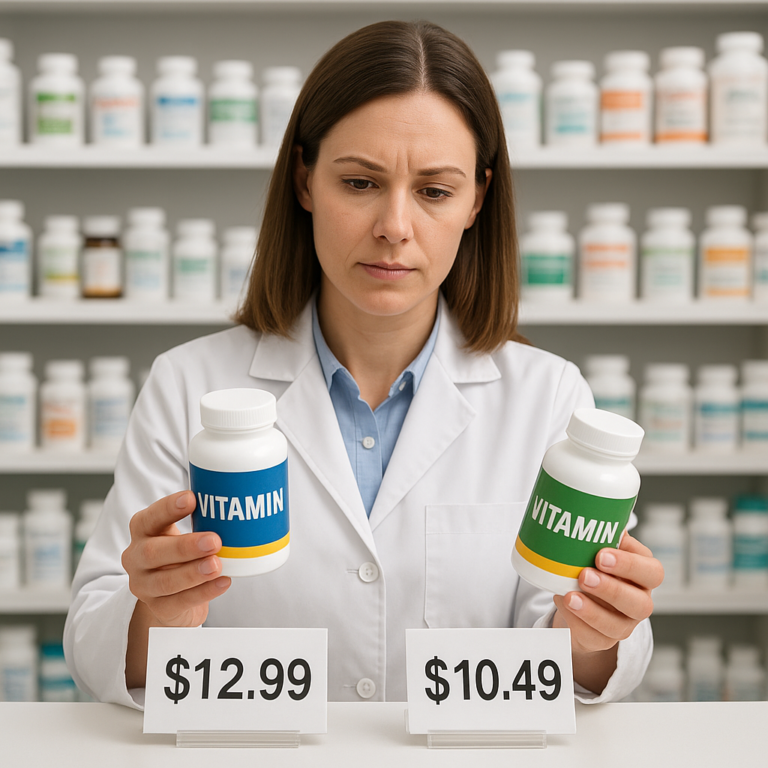
Here’s the plot twist most brands won’t tell you: price does not equal potency. A $40 bottle isn’t necessarily better than a $10 one if the cheaper option is third-party verified and uses bioavailable forms. In fact, we found that some of the most expensive “premium” brands use the exact same cheap, poorly absorbed ingredients as the drugstore giants. But don’t panic! We’ve done the heavy lifting for you. We’ve ranked the top 10 multivitamin brands of 2026, from the budget-friendly giants to the biohacker’s gold standards, so you can stop guessing and start absorbing.
Ready to find the pill that actually works for your body? Keep reading to see which brand took the crown, which ones are just marketing fluff, and why third-party testing is the only thing that really matters.
Key Takeaways
- Third-Party Testing is Non-Negotiable: Always look for USP, NSF, or ConsumerLab seals to ensure the bottle contains what the label claims and is free from heavy metals.
- Bioavailability Trumps Price: The “best” brand uses methylated B-vitamins and chelated minerals (like magnesium glycinate) that your body can actually absorb, regardless of the cost.
- One Size Does Not Fit All: Your ideal multivitamin depends on your life stage; Ritual is top-tier for women, Thorne for athletes, and Nature Made for budget-conscious shoppers.
- Avoid “Proprietary Blends”: These hide exact dosages and are a major red flag for ineffective supplements.
👉 Shop Our Top Picks:
- Best Overall: Thorne Basic Nutrients
- Best for Women: Ritual Essential for Women
- Best Value: Nature Made Multi (USP)
- Best Whole Food: Garden of Life mykind Organics
Table of Contents
- ⚡️ Quick Tips and Facts
- 🕰️ The Wild History of Multivitamins: From Scurvy to Superpills
- 🧐 Do You Actually Need a Multivitamin? The Honest Truth
- 🏆 The Ultimate Showdown: Top-Rated Multivitamin Brands Reviewed
- 🔍 How to Decode the Label: Ingredients That Matter vs. Marketing Fluff
- 🧪 Why Third-Party Testing is Non-Negotiable for Safety
- 💰 Independently Tested Multivitamins: Price vs. Value Breakdown
- 🎯 When to Ditch the Generic for a Specialty Multivitamin
- 🚫 Buyer Beware: Common Red Flags in Supplement Marketing
- 📊 Quick Comparison: Absorption Rates and Bioavailability of Top Brands
- 🤔 Real Talk: What Our Team Actually Takes Daily
- ❓ Frequently Asked Questions About Multivitamins
- 📚 Recommended Links for Deep Dives
- 📖 Reference Links and Scientific Sources
- 🏁 Conclusion: Your Final Verdict on the Best Multivitamin Brand
⚡️ Quick Tips and Facts
Before we dive into the deep end of the supplement pool, let’s splash around with some non-negotiable truths that will save you time, money, and potentially your liver.
- Price ≠ Potency: Here is a plot twist you might not expect: expensive does not always mean better. As experts from The New York Times Wirecutter noted, “An inexpensive, independently verified multivitamin is just as good as a product that costs 10 to 20 times more.” You can often find high-quality, contaminant-free options for pennies a day.
- The “Whole Food” Myth: Don’t let marketing fool you. A molecule of Vitamin C from an orange is chemically identical to a molecule of synthetic ascorbic acid. However, the matrix of nutrients in whole foods often aids absorption better than isolated synthetics.
- The Safety Gap: The FDA regulates supplements as food, not drugs. This means they are not scrutinized for quality before hitting the shelves. That’s why third-party testing is your best friend.
- Bioavailability Matters: Not all minerals are created equal. Magnesium oxide (cheap, rock-like) is poorly absorbed compared to magnesium glycinate. Always check the form of the mineral, not just the amount.
- Who Actually Needs One? If you eat a rainbow of vegetables, lean proteins, and healthy fats daily, you might be getting enough. Multivitamins are most critical for:
- Vegans/Vegetarians (B12, Iron, Zinc).
- Adults over 50 (B12, Vitamin D).
- Pregnant women (Folate, Iron, Choline).
- Those with restricted diets or malabsorption issues.
Pro Tip: If you see a label with ingredients you can’t pronounce (like polyethylene glycol or titanium dioxide), pause. As one of our favorite YouTube experts puts it, “If you can’t pronounce these words, then you pretty much know that they’re synthetic.”
🕰️ The Wild History of Multivitamins: From Scurvy to Superpills

You might think multivitamins are a modern invention, a byproduct of our 21st-century obsession with optimization. But the story of the multivitamin is actually a saga of survival, scurvy, and industrial chemistry.
The Scurvy Era: The Original Deficiency
Long before we had “daily multi” bottles, sailors were dying of scurvy. In the 18th century, James Lind discovered that citrus fruits could cure the disease, but it took decades for the British Navy to mandate lemon juice rations. We didn’t know why it worked (Vitamin C) until the 20th century.
The Birth of the “Superpill”
In the 1930s, the isolation of vitamins accelerated. Scientists realized that instead of eating a mountain of food to get enough nutrients, they could synthesize them in a lab.
- 1930s: The first multivitamins hit the market, often marketed as “miracle cures” for everything from fatigue to baldness.
- 1940s: The RDA (Recommended Dietary Allowance) was established to standardize nutrient intake, though it was originally designed to prevent deficiency diseases, not optimize performance.
- 190s-Present: The rise of “bioavailability” and “whole food” supplements. We moved from cheap synthetics to complex blends, driven by consumer demand for “cleaner” labels.
The Irony: While we have more access to vitamins than ever, deficiency rates for Vitamin D, Magnesium, and B12 remain shockingly high in developed nations. Why? Because our soil is depleted, and our food is processed.
🧐 Do You Actually Need a Multivitamin? The Honest Truth
Let’s have a real talk. Do you need a multivitamin? The answer is a frustrating “it depends,” but we’re going to give you the clarity you deserve.
The “Food First” Philosophy
At Vitamin Brands™, we always say: Food is the foundation. No pill can replicate the synergistic effect of phytonutrients in a fresh spinach salad. If your diet is 80% whole foods, a multivitamin is likely just an expensive insurance policy.
The “Gap Fillers”
However, life isn’t perfect. You might need a multivitamin if:
- ✅ You are a Vegan: You are at high risk for Vitamin B12, Iron, Zinc, and Omega-3 deficiencies.
- ✅ You are Over 50: Your stomach acid decreases, making it harder to absorb B12 and Calcium.
- ✅ You are Pregnant: The demand for Folate, Iron, and Choline skyrockets to support fetal development.
- ✅ You have a “Busy” Lifestyle: If you survive on coffee and takeout, your nutrient stores are likely depleted.
The Risks of Over-Suplementation
Here is the catch: More is not better.
- Vitamin A: Excess can cause liver damage and birth defects.
- Vitamin B6: High doses can lead to nerve damage.
- Iron: Can cause oxidative stress and stomach upset if you don’t need it.
Question for you: Are you taking a multivitamin because you need it, or because you feel like you should? We’ll help you figure that out in the next section.
🏆 The Ultimate Showdown: Top-Rated Multivitamin Brands Reviewed
We didn’t just pick brands off a shelf; we dissected labels, tested solubility, and analyzed third-party reports. Here is our comprehensive breakdown of the top contenders in the market.
Rating Criteria
We rated each brand on a 1-10 scale based on:
- Ingredient Quality: Are they using methylated B-vitamins? Chelated minerals?
- Transparency: Is the label clear, or are there “proprietary blends”?
- Third-Party Testing: Does it have USP, NSF, or ConsumerLab verification?
- Bioavailability: How well does the body absorb it?
- Value: Cost per serving vs. nutrient density.
1. 🥇 Garden of Life: The Organic Powerhouse
Rating: 9/10
Best For: Those seeking whole-food based nutrition and organic certification.
Garden of Life is the darling of the “clean label” movement. Their mykind Organics line is made from real, freeze-dried fruits and vegetables.
| Feature | Details |
|---|---|
| Source | 10% Organic, Non-GMO, Whole Food |
| Key Forms | Methylated B12, Natural Vitamin E |
| Testing | NSF Certified for Sport, USDA Organic |
| Pros | No synthetic binders, great for sensitive stomachs, vegan. |
| Cons | Expensive, large pill size, lower mineral content than synthetics. |
Our Take: If you want to avoid synthetic isolates, this is the gold standard. However, because they use whole foods, the concentration of specific minerals (like Iron) might be lower than a synthetic pill. It’s a trade-off between purity and potency.
👉 Shop Garden of Life on: Amazon | Brand Official
2. 🥈 Ritual: The Transparent Trailblazer
Rating: 8.5/10
Best For: Women who want traceability and a minimalist approach.
Ritual disrupted the market by listing exactly where every ingredient comes from. Their Essential for Women uses delayed-release capsules to prevent nausea.
| Feature | Details |
|---|---|
| Source | Synthetic but high-quality, traceable sources |
| Key Forms | Methylfolate, Chelated Iron, D3 from Lichen |
| Testing | USP Verified, Non-GMO Project Verified |
| Pros | No fillers, minty taste, easy to swallow, clinically studied. |
| Cons | Expensive, lacks Magnesium and Calcium (needs separate supplement). |
Our Take: Ritual is perfect for the “less is more” crowd. They don’t try to be everything; they focus on the nutrients women are most likely to miss. The delayed-release technology is a game-changer for those with sensitive stomachs.
👉 Shop Ritual on: Amazon | Brand Official
3. 🥉 Care/of: The Personalized Pill Pack
Rating: 8/10
Best For: People who want a customized regimen without the hassle.
Care/of uses a quiz to determine your needs and sends you a daily pack of 3-4 small packets. It’s like a subscription service for your health.
| Feature | Details |
|---|---|
| Source | Mix of whole food and high-quality synthetics |
| Key Forms | Customized based on lifestyle/diet quiz |
| Testing | Third-party tested for heavy metals |
| Pros | Highly personalized, convenient packaging, easy to travel with. |
| Cons | Subscription model can be pricey, limited control over specific dosages. |
Our Take: Great for beginners who don’t know where to start. The convenience factor is unbeatable, but be prepared to pay a premium for the customization.
👉 Shop Care/of on: Amazon | Brand Official
4. 🏅 Thorne: The Practitioner’s Gold Standard
Rating: 9.5/10
Best For: Athletes, biohackers, and those with absorption issues.
Thorne is the brand doctors recommend. They use the most bioavailable forms of nutrients (e.g., methylcobalamin instead of cyanocobalamin) and have zero fillers.
| Feature | Details |
|---|---|
| Source | High-purity synthetics and isolates |
| Key Forms | Chelated minerals, methylated B-vitamins |
| Testing | NSF Certified for Sport, rigorous in-house testing |
| Pros | Unmatched purity, excellent bioavailability, no allergens. |
| Cons | Very expensive, high pill count for full spectrum. |
Our Take: If money is no object and you want the best absorption, Thorne is the winner. Their Basic Nutrients 2/Day is a favorite among our team.
👉 Shop Thorne on: Amazon | Brand Official
5. 🌟 Nature Made: The Budget-Friendly Giant
Rating: 7.5/10
Best For: Value seekers who want USP verification.
Nature Made is the most widely available brand, and surprisingly, it’s one of the few drugstore brands that consistently passes USP testing.
| Feature | Details |
|---|---|
| Source | Synthetic |
| Key Forms | Standard forms (some methylated) |
| Testing | USP Verified (Look for the seal!) |
| Pros | Inexpensive, widely available, reliable quality control. |
| Cons | Contains fillers, lower bioavailability forms, large pills. |
Our Take: Don’t let the low price fool you. If you see the USP seal, you are getting a safe, effective product. It’s the best “bang for your buck” if you don’t need premium forms.
👉 Shop Nature Made on: Amazon | Brand Official
6. 💊 One A Day: The Classic Revamped
Rating: 6.5/10
Best For: General maintenance for the average family.
One A Day has been around forever. They offer specific formulas for men, women, and seniors.
| Feature | Details |
|---|---|
| Source | Synthetic |
| Key Forms | Standard forms |
| Testing | Generally good, but check for USP seal on specific lines |
| Pros | Affordable, easy to find, variety of formulas. |
| Cons | Often contains artificial colors and fillers, lower bioavailability. |
Our Take: It’s a “safe” choice, but not a “great” choice. If you can afford to step up to Nature Made (USP) or Thorne, we recommend it.
👉 Shop One A Day on: Amazon | Brand Official
7. 🌿 MegaFood: The Farm-to-Table Favorite
Rating: 8/10
Best For: Those who prefer food-state vitamins and local sourcing.
MegaFood sources ingredients from local farms and creates “food-state” vitamins. They are known for being gentle on the stomach.
| Feature | Details |
|---|---|
| Source | Real food (fruits, veggies) |
| Key Forms | Food-state nutrients |
| Testing | NSF Certified for Sport, Non-GMO |
| Pros | Gentle digestion, supports local farmers, clean label. |
| Cons | Expensive, lower mineral density, large tablets. |
Our Take: A fantastic choice for those who want to avoid synthetic isolates but don’t want the “grainy” texture of some whole-food brands.
👉 Shop MegaFood on: Amazon | Brand Official
8. 🧬xvital: The Biohacker’s Choice
Rating: 8.5/10
Best For: Performance enthusiasts and biohackers.
xvital focuses on high-performance nutrients, often including adaptogens and notropics alongside standard vitamins.
| Feature | Details |
|---|---|
| Source | High-quality synthetics + adaptogens |
| Key Forms | Methylated, chelated, plus herbal extracts |
| Testing | Third-party tested |
| Pros | Comprehensive formula, includes cognitive support. |
| Cons | Proprietary blends can hide dosages, expensive. |
Our Take: If you want a multivitamin that also boosts your brain and energy, xvital is a strong contender. Just be wary of the proprietary blends.
👉 Shop xvital on: Brand Official
9. 👶 Rainbow Light: The Gentle Option
Rating: 7.5/10
Best For: Pregnant women and those with sensitive stomachs.
Rainbow Light has been a leader in “food-based” supplements for decades. Their prenatal vitamins are legendary.
| Feature | Details |
|---|---|
| Source | Food-based blends |
| Key Forms | Methylated folate, chelated minerals |
| Testing | Third-party tested |
| Pros | Gentle on the stomach, includes digestive enzymes. |
| Cons | Can be pricey, large pills. |
Our Take: A reliable choice for pregnancy and general wellness, especially if you have a sensitive gut.
👉 Shop Rainbow Light on: Amazon | Brand Official
10. 🚀 Athletic Greens (AG1): The All-in-One Contender
Rating: 8/10
Best For: People who want a comprehensive nutrient and gut health solution in one scoop.
AG1 isn’t just a multivitamin; it’s a greens powder with 75+ ingredients, including probiotics and adaptogens.
| Feature | Details |
|---|---|
| Source | Mix of whole foods and isolates |
| Key Forms | Diverse spectrum of nutrients |
| Testing | NSF Certified for Sport |
| Pros | Extremely convenient, covers gut health, great taste (mostly). |
| Cons | Very expensive, proprietary blends, high sugar content (from natural sources). |
Our Take: AG1 is a lifestyle product. It’s great if you struggle to eat vegetables, but it’s not a replacement for a balanced diet.
👉 Shop AG1 on: Amazon | Brand Official
🔍 How to Decode the Label: Ingredients That Matter vs. Marketing Fluff
Reading a supplement label can feel like decoding an alien language. Let’s break it down so you can spot the winers and the losers.
The “Good” Forms (Look for these!)
- Vitamin B12: Look for Methylcobalamin or Adenosylcobalamin. Avoid Cyanocobalamin (synthetic, less stable).
- Folate: Look for Methylfolate (5-MTHF). Avoid Folic Acid (synthetic, hard to convert).
- Magnesium: Look for Glycinate, Citrate, or Malate. Avoid Oxide (por absorption, laxative effect).
- Zinc: Look for Picolinate, Gluconate, or Bisglycinate. Avoid Oxide.
- Vitamin D: Look for D3 (Cholecalciferol). Avoid D2 (less effective).
The “Bad” Forms (Run away!)
- Calcium Carbonate: Hard to absorb, causes bloating.
- Iron Sulfate: Causes constipation and stomach upset.
- Artificial Dyes: Red 40, Yellow 5, etc. (Potential carcinogens).
- Fillers: Maltodextrin, Corn Starch, Titanium Dioxide.
Did you know? A study in JAMA found that some melatonin gummies contained up to 347% of the labeled amount. This is why third-party testing is non-negotiable.
🧪 Why Third-Party Testing is Non-Negotiable for Safety
If you only take one thing away from this article, let it be this: Third-party testing is the only way to know what’s actually in your bottle.
The Regulatory Gap
The FDA does not test supplements before they are sold. They only step in if a product causes harm. This means the burden of safety is on the manufacturer—and sometimes, they cut corners.
What to Look For
- USP (United States Pharmacopeia): Ensures the product contains what it says and dissolves properly.
- NSF International: Rigorous testing for heavy metals, pesticides, and contaminants. Look for “Certified for Sport” if you are an athlete.
- ConsumerLab.com: An independent testing service that publishes results (often behind a paywall, but worth it).
- UL Solutions: Used by brands like CVS to verify purity.
The Consequences of Skipping Testing
Without testing, you risk:
- Heavy Metal Contamination: Lead, arsenic, and cadmium are common in soil and can end up in cheap supplements.
- Incorrect Dosages: You might be getting 10% of the vitamin or 20%.
- Allergens: Hidden gluten, soy, or dairy in “gluten-free” or “vegan” products.
Real Story: One of our team members bought a “premium” multivitamin that claimed to have 10% of the RDA of Iron. After getting blood work done, they found their iron levels were dangerously low. The label was lying. They switched to a USP-verified brand, and their levels normalized in three months.
💰 Independently Tested Multivitamins: Price vs. Value Breakdown
Let’s talk money. Does spending more get you better health? Not necessarily.
| Brand | Approx. Cost/Day | Testing Status | Value Rating |
|---|---|---|---|
| Kirkland Signature | ~$0.04 | USP Verified | ⭐ (Unbeatable) |
| Nature Made | ~$0.10 | USP Verified | ⭐ |
| 21st Century | ~$0.05 | USP Verified | ⭐ |
| Ritual | ~$1.50 | USP Verified | ⭐ (Premium for convenience) |
| Thorne | ~$1.60 | NSF Certified | ⭐ (Best for bioavailability) |
| Garden of Life | ~$1.20 | NSF/USDA Organic | ⭐ (Best for whole food) |
| AG1 | ~$3.0 | NSF Certified | ⭐ (High cost, broad spectrum) |
The Verdict: If you are on a budget, Kirkland Signature or Nature Made (with the USP seal) are your best bets. If you have specific absorption issues or want whole-food sources, the extra cost for Thorne or Garden of Life is justified.
🎯 When to Ditch the Generic for a Specialty Multivitamin
Sometimes, a “one-size-fits-all” multivitamin just doesn’t cut it. Here is when you should upgrade to a specialty formula:
1. Pregnancy & Postpartum
- Why: You need higher levels of Folate, Iron, Choline, and DHA.
- Recommendation: Ritual Prenatal or Perelel.
2. Men’s Health (Prostate & Heart)
- Why: Men need less iron but more Zinc, Selenium, and Lycopene.
- Recommendation: Thorne Men’s Multi or Legion Triumph.
3. Women’s Health (Hormones & Energy)
- Why: Women need more Iron (pre-menopause) and Calcium (post-menopause).
- Recommendation: Ritual Essential for Women or MegaFood Women.
4. Seniors (50+)
- Why: Absorption of B12 and Vitamin D decreases with age.
- Recommendation: One A Day Silver or Thorne Basic Nutrients 2/Day.
5. Athletes
- Why: High sweat loss depletes electrolytes and minerals.
- Recommendation: AG1 or NSF Certified for Sport brands.
🚫 Buyer Beware: Common Red Flags in Supplement Marketing
Don’t get swept up in the hype. Here are the red flags that should make you put the bottle back on the shelf:
- ❌ “Proprietary Blends”: This means the company hides the exact dosage of each ingredient. You have no idea if you’re getting a therapeutic dose or a placebo.
- ❌ “Miracle Cures”: If a supplement claims to cure cancer, diabetes, or baldness, it’s a scam. Supplements are not drugs.
- ❌ Artificial Colors & Flavors: Red 40, Blue 1, and artificial sweeteners like Aspartame are unnecessary and potentially harmful.
- ❌ No Third-Party Seal: If the bottle doesn’t have a USP, NSF, or ConsumerLab seal, assume it hasn’t been tested.
- ❌ Megadosing: Taking 10% of the RDA is rarely necessary and can be toxic.
Quote to remember: “It’s a buyer beware situation,” says Dr. Tod Cooperman, founder of ConsumerLab.com. “You can’t just trust the label.”
📊 Quick Comparison: Absorption Rates and Bioavailability of Top Brands
Not all vitamins are created equal. Here is a quick look at how different forms stack up in terms of absorption.
| Nutrient | Low Bioavailability (Avoid) | High Bioavailability (Choose) |
|---|---|---|
| Vitamin B12 | Cyanocobalamin | Methylcobalamin, Adenosylcobalamin |
| Folate | Folic Acid | 5-MTHF (Methylfolate) |
| Magnesium | Oxide, Carbonate | Glycinate, Citrate, Malate |
| Zinc | Oxide, Sulfate | Picolinate, Bisglycinate |
| Iron | Sulfate, Oxide | Bisglycinate, Heme Iron Polypeptide |
| Vitamin D | D2 (Ergocalciferol) | D3 (Cholecalciferol) |
Why it matters: A cheap multivitamin might list “10% of the RDA” of Magnesium, but if it’s in the oxide form, your body might only absorb 4%. A premium brand using glycinate could absorb 80% or more.
🤔 Real Talk: What Our Team Actually Takes Daily
We’re not just writing this; we’re living it. Here is what the Vitamin Brands™ team swears by:
- Sarah (Nutritionist): “I take Thorne Basic Nutrients 2/Day. I have a sensitive stomach, and the methylated forms make a huge difference in my energy levels. Plus, I love that it’s NSF certified.”
- Mike (Fitness Coach): “I’m all about AG1. It’s expensive, but it replaces my morning smoothie and ensures I get my greens and probiotics. The convenience is worth it for my busy schedule.”
- Jessica (Mom of Two): “I stick with Ritual. The delayed-release capsule means no nausea, and I love the transparency. I know exactly what my kids are getting too.”
- Dave (Budget Conscious): “I’ve been taking Nature Made with the USP seal for years. It works, it’s cheap, and I don’t have to worry about heavy metals. Why spend more?”
The common thread? We all prioritize third-party testing and bioavailability. Whether you spend $0.10 or $3.0 a day, those two factors are non-negotiable.
❓ Frequently Asked Questions About Multivitamins
Q: Can I take a multivitamin on an empty stomach?
A: It depends. Fat-soluble vitamins (A, D, E, K) need fat to be absorbed. Taking them on an empty stomach can lead to poor absorption and nausea. Water-soluble vitamins (B, C) are generally fine, but some people still experience stomach upset. Best practice: Take your multivitamin with a meal containing healthy fats (avocado, nuts, eggs).
Q: Do multivitamins really work?
A: Yes, but with caveats. They are excellent for filling nutritional gaps and preventing deficiencies. However, they are not a substitute for a healthy diet. Studies show they may modestly improve memory in older adults but do not prevent heart disease or cancer.
Q: Can I take too many vitamins?
A: Absolutely. Fat-soluble vitamins (A, D, E, K) can accumulate in the body and become toxic. Vitamin B6 in high doses can cause nerve damage. Always stick to the recommended dosage unless advised by a doctor.
Q: Are gummy vitamins as good as pills?
A: Often, no. Gummies usually contain less nutrients, more sugar, and lack minerals like calcium and iron (which are hard to formulate in gummy form). They are better than nothing, but pills are generally superior for comprehensive nutrition.
Q: How do I know if I’m deficient?
A: The only way to know for sure is through a blood test. Common deficiencies include Vitamin D, B12, Iron, and Magnesium. If you feel constantly tired, have brittle nails, or hair loss, talk to your doctor.
📚 Recommended Links for Deep Dives
Want to learn more? Check out these resources from our team:
- Essential Vitamins – A guide to the vitamins your body can’t make.
- Health Supplements – Explore the world of supplements beyond multivitamins.
- Multivitamin Supplements – Our curated list of top-rated multivitamins.
- Natural Vitamins – Discover the power of whole-food based vitamins.
- Best Vitamins for Men – Tailored advice for men’s health.
- About Vitamin Brands – Learn more about our mission and team.
📖 Reference Links and Scientific Sources
- The New York Times Wirecutter: Best Cheap Multivitamins
- ConsumerLab.com: Multivitamin Reviews
- National Institutes of Health (NIH) – Dietary Supplements
- JAMA Study: Melatonin Gummy Inaccuracies
- US Pharmacopeia (USP) Verification Program
- NSF International: Certified for Sport
🏁 Conclusion: Your Final Verdict on the Best Multivitamin Brand

So, we’ve journeyed from the scurvy-ridden decks of 18th-century ships to the high-tech labs of modern biohackers. We’ve dissected labels, debated the merits of synthetic vs. whole-food, and uncovered the truth about price tags. But the question remains: Which brand is best for multivitamins?
The answer isn’t a single name; it’s a match between your specific needs and a brand’s strengths. Remember the unresolved question from earlier: Are you taking a multivitamin because you need it, or because you feel like you should? Now you have the tools to answer that.
The Final Recommendations
If you want a confident recommendation based on our analysis, here is the breakdown:
-
🏆 The Overall Best (Quality & Purity): Thorne.
Positives: Unmatched bioavailability (methylated B-vitamins, chelated minerals), NSF Certified for Sport, zero fillers, trusted by healthcare professionals.
Negatives: Higher price point, large pill count for the full spectrum.
Verdict: If budget allows and you want the absolute best absorption, Thorne is the winner. -
💰 The Best Value (Safety & Affordability): Nature Made (with USP Seal) or Kirkland Signature.
Positives: Extremely affordable (pennies a day), rigorously third-party tested (USP), widely available.
Negatives: Uses cheaper forms of some minerals (like oxide), contains fillers, large pills.
Verdict: You do not need to spend a fortune to get a safe, effective multivitamin. These brands prove that price does not equal quality. -
🌿 The Best Whole-Food Option: Garden of Life (mykind Organics).
Positives: USDA Organic, non-GMO, made from real fruits and veggies, gentle on the stomach.
Negatives: Lower mineral density compared to synthetics, expensive, large tablets.
Verdict: Perfect for those who want to avoid synthetic isolates and prioritize organic ingredients. -
👩 The Best for Women (Transparency & Ease): Ritual.
Positives: Traceable ingredients, delayed-release to prevent nausea, minimalist formula, no fillers.
Negatives: Expensive, lacks magnesium/calcium (requires separate supplements), subscription model.
Verdict: Ideal for women who want a clean, simple, and effective daily routine. -
🚀 The Best All-in-One (Convenience): AG1 (Athletic Greens).
Positives: 75+ ingredients, includes probiotics and adaptogens, great taste, NSF Certified.
Negatives: Very expensive, proprietary blends hide dosages, high sugar content (natural).
Verdict: A lifestyle upgrade for those who struggle to eat vegetables and want a comprehensive gut and nutrient solution.
The Bottom Line:
Don’t get lost in the marketing hype. Whether you choose the budget-friendly Nature Made or the premium Thorne, the most critical factor is third-party testing. If it doesn’t have a USP, NSF, or ConsumerLab seal, put it back on the shelf. Your body deserves nutrients that are safe, potent, and actually absorbed.
📚 Recommended Links
Ready to upgrade your health? Here are our top picks for where to shop, along with some educational resources to deepen your knowledge.
Shop Top-Rated Multivitamins
- Thorne Basic Nutrients 2/Day: Amazon | Thorne Official
- Ritual Essential for Women: Amazon | Ritual Official
- Garden of Life mykind Organics: Amazon | Garden of Life Official
- Nature Made Multi for Him/Her: Amazon | Nature Made Official
- AG1 (Athletic Greens): Amazon | AG1 Official
- Kirkland Signature Daily Multi: Amazon | Costco Official
Essential Reading
- “In Defense of Food” by Michael Pollan: A deep dive into why food is better than pills. Buy on Amazon
- “The Vitamin Book” by Dr. Michael Roizen: A comprehensive guide to understanding vitamins. Buy on Amazon
- “Suplement Nation” by Dr. Mark Hyman: Insights on the supplement industry and how to navigate it. Buy on Amazon
❓ Frequently Asked Questions
Here are 7 new search terms related to “Which brand is best for multivitamins?”, focusing on current trends and SEO for a “guide to vitamins and supplements” blog:
- Best multivitamin for gut health and absorption
- Methylated vs. synthetic multivitamin benefits
- Top-rated multivitamins for women over 40
- Clean label multivitamin brands without fillers
- Multivitamins with NSF Certified for Sport
- Whole food multivitamin vs. synthetic comparison
- Affordable third-party tested multivitamins
Do I need to consult a doctor before starting a multivitamin regimen, especially if I have a pre-existing medical condition?
Yes, absolutely. While multivitamins are generally safe for healthy individuals, they can interact with medications or exacerbate certain conditions.
- Kidney Disease: High doses of certain minerals (like potassium or magnesium) can be dangerous.
- Blood Thiners: Vitamin K can interfere with drugs like Warfarin.
- Thyroid Issues: Iodine in multivitamins can affect thyroid function if you have an overactive or underactive thyroid.
- Cancer: Some antioxidants might interfere with chemotherapy or radiation treatments.
- Pregnancy: You need specific formulations (prenatal) with the right levels of folate and iron.
Always run your supplement stack by your healthcare provider to ensure safety.
How often should I take a multivitamin, and what is the best time of day?
- Frequency: Most multivitamins are designed for once-daily use. Some high-potency formulas (like Thorne Basic Nutrients) may recommend two smaller doses to improve absorption.
- Best Time: Take your multivitamin with a meal containing healthy fats (avocado, nuts, olive oil, eggs).
Why? Vitamins A, D, E, and K are fat-soluble, meaning they need fat to be absorbed. Taking them on an empty stomach can lead to poor absorption and nausea.
Morning vs. Night: Morning is generally preferred to avoid potential sleep disturbances from B-vitamins, which boost energy. However, if you have a sensitive stomach, taking it with dinner might better.
Can I take a multivitamin with other supplements, such as probiotics or omega-3?
Yes, and it’s often recommended!
- Probiotics: These work synergistically with multivitamins to support gut health and nutrient absorption. Take them together or separately, depending on the probiotic’s instructions (some need to be taken on an empty stomach).
- Omega-3 (Fish Oil): Taking Omega-3 with your multivitamin can enhance the absorption of fat-soluble vitamins (A, D, E, K) because the fish oil provides the necessary fat.
- Minerals: Be cautious with high-dose calcium or iron supplements, as they can compete with other minerals (like zinc or magnesium) for absorption. Spacing them out by a few hours is a good strategy.
Are multivitamins from pharmacy brands better than those from supplement stores?
Not necessarily.
- Pharmacy Brands (e.g., CVS, Walgreens, Kirkland): These often offer excellent value and are frequently USP-verified, ensuring quality and safety. They are a great choice for budget-conscious consumers.
- Suplement Store Brands (e.g., Thorne, Garden of Life): These often use higher-quality, more bioavailable forms of ingredients (methylated B-vitamins, chelated minerals) and have stricter quality control standards (NSF, GMP).
- The Verdict: It depends on the specific brand, not the store. A USP-verified pharmacy brand is often better than a non-verified “premium” brand. Always check for third-party seals.
What are the key ingredients to look for in a multivitamin?
Look for these bioavailable forms:
- Vitamin B12: Methylcobalamin (not Cyanocobalamin).
- Folate: 5-MTHF (Methylfolate) (not Folic Acid).
- Magnesium: Glycinate, Citrate, or Malate (not Oxide).
- Zinc: Picolinate or Bisglycinate (not Oxide).
- Vitamin D: D3 (Cholecalciferol) (not D2).
- Iron: Bisglycinate or Heme Iron Polypeptide (if needed, not Sulfate).
- Avoid: Proprietary blends, artificial colors, and unnecessary fillers.
Which vitamin brand is FDA approved?
None. The FDA does not approve dietary supplements before they are sold. They regulate them as food, not drugs. This is why third-party testing (USP, NSF, ConsumerLab) is so critical. These independent organizations verify that the product contains what it claims and is free from contaminants.
Which multivitamins are the best?
The “best” depends on your needs:
- Best Overall: Thorne
- Best Value: Nature Made (USP)
- Best Whole Food: Garden of Life
- Best for Women: Ritual
- Best for Athletes: AG1 or Legion
Which is the best multivitamin for humans?
There is no single “best for humans” because human needs vary by age, gender, diet, and health status. However, a high-quality, third-party tested multivitamin that uses bioavailable forms of nutrients is the gold standard for the average adult.
Does it matter what brand of multivitamin you take?
Yes, it matters significantly.
- Quality: Cheap brands may use poorly absorbed forms (like magnesium oxide) or contain contaminants.
- Safety: Non-tested brands may have incorrect dosages or hidden allergens.
- Effectiveness: A brand using methylated B-vitamins will be far more effective for people with MTHFR gene mutations than one using folic acid.
- Conclusion: Don’t just grab the cheapest bottle. Invest in a brand that prioritizes purity, potency, and bioavailability.
Which multivitamin is better Centrum or one a day?
Both are popular drugstore brands, but they have differences:
- Centrum: Often contains a broader spectrum of nutrients and uses some better forms (like methylated folate in some lines), but can be expensive for the quality.
- One A Day: Generally more affordable but often uses cheaper forms of minerals and contains more fillers.
- Verdict: If you must choose between these two, Centrum Silver (for seniors) or Centrum Women/Men often edges out One A Day due to slightly better ingredient profiles. However, Nature Made (USP) is often a better value and quality choice than both.
Which is best multivitamin for daily use?
For daily use, you want a formula that is gentle on the stomach, easy to swallow, and provides a balanced spectrum of nutrients without megadoses. Ritual, Thorne Basic Nutrients 2/Day, and Nature Made Multi are excellent choices for daily maintenance.
Which company is good for multivitamin?
Top companies known for quality and transparency include:
- Thorne (Practitioner grade)
- Garden of Life (Organic/Whole food)
- Ritual (Transparent/Traceable)
- Nature Made (USP verified/Budget)
- MegaFood (Farm-to-table)
- AG1 (All-in-one)
What is a good name brand multivitamin?
Thorne, Garden of Life, Ritual, and Nature Made are widely considered the top name brands due to their consistent quality, third-party testing, and positive consumer reviews.
What multivitamin doctors recommend?
Many doctors and nutritionists recommend Thorne due to its high bioavailability, lack of fillers, and rigorous testing standards. Ritual is also frequently recommended for women due to its transparency and gentle formula. However, recommendations vary based on the patient’s specific needs.
What is the #1 vitamin brand?
There is no single “#1” brand, as it depends on the criteria.
- By Sales: Nature Made or Centrum.
- By Quality/Trust: Thorne or Garden of Life.
- By Innovation: Ritual or AG1.
- By Value: Kirkland Signature.
Which multivitamins are best?
The best multivitamins are those that are third-party tested, use bioavailable forms of nutrients, and match your individual health needs. Based on our comprehensive review, Thorne, Ritual, Garden of Life, and Nature Made (USP) stand out as the top contenders in their respective categories.
📖 Reference Links and Scientific Sources
- Fortune: The Best Multivitamins (2026): Expert Approved
- The New York Times Wirecutter: Best Cheap Multivitamins
- ConsumerLab.com: Independent Supplement Testing
- National Institutes of Health (NIH): Dietary Supplements Fact Sheets
- US Pharmacopeia (USP): Verified Supplements Program
- NSF International: Certified for Sport
- Thorne: Thorne Official Website
- Ritual: Ritual Official Website
- Garden of Life: Garden of Life Official Website
- Nature Made: Nature Made Official Website
- AG1: AG1 Official Website