Support our educational content for free when you purchase through links on our site. Learn more
🧪 Which Supplements Are High Quality? The 2026 Truth


Walking down the supplement aisle often feels like stepping into a minefield where the labels lie and the “miracle cures” are just expensive dust. Did you know that a shocking 25% of supplements tested by independent labs contained ingredients not listed on the label or dangerous levels of contaminants? At Vitamin Brands™, we’ve seen it all—from “proprietary blends” hiding ineffective doses to bottles that tested positive for heavy metals. But don’t panic; finding the real deal is possible if you know exactly what to look for. In this deep dive, we’re exposing the industry’s dirty secrets, decoding the confusing jargon, and revealing the 10 essential factors that separate the gold standard from the garbage. By the end, you’ll know exactly which brands to trust and which to leave on the shelf forever.
Key Takeaways
- Third-Party Testing is Non-Negotiable: Always look for seals from NSF, USP, or Informed-Choice; without them, you are gambling with your health.
- Transparency Wins: Avoid “Proprietary Blends” that hide dosages; high-quality brands list exact amounts of every ingredient.
- Bioavailability Matters: The form of the nutrient (e.g., Magnesium Glycinate vs. Oxide) determines if your body can actually absorb it.
- More Isn’t Better: Excessive doses of fat-soluble vitamins and minerals can lead to toxicity, not better health.
- Whole Foods First: Supplements are meant to fill gaps, not replace a nutrient-dense diet.
Ready to shop smart? Check out our top-rated picks for Multivitamins, Protein Powders, and Omega-3s that have passed our rigorous quality checks.
Table of Contents
- ⚡️ Quick Tips and Facts: The Gold Standard of Supplement Quality
- 📜 The Wild West of Wellness: A Brief History of Dietary Supplements
- 🔍 Decoding the Label: What are Supplements, Vitamins, Minerals, and Proprietary Blends?
- 🍎 Nature vs. The Bottle: Nutrients in Whole Foods vs. Synthetic Supplements
- 🕵️ ♂️ The Detective’s Guide to Third-Party Testing and Certifications
- ✅ The Big Three: NSF, USP, and Informed Sport
- ❌ Red Flags: Labels to Avoid at All Costs
- ⚖️ The Regulatory Reality: Understanding the DSHEA and FDA Oversight
- ⚠️ Navigating the Risks: Potential Concerns and Side Effects
- 🧪 Ingredients That May Become Toxic at High Doses
- 🤢 Supplements That May Cause Negative Side Effects
- 💸 The “Placebo Trap”: Supplements That May Not Be Effective
- 💊 Crucial Precautions: Possible Drug and Nutrient Interactions
- 👥 Who Actually Needs a Boost? Identifying Your Nutritional Gaps
- 🏃 ♂️ Supplements for Athletes and Exercise Performance
- 👶 Safety First: Supplements for Kids and Toddlers
- 👵 Aging Gracefully: Targeted Support for Seniors
- 🚫 The MLM Trap: Avoiding Predatory Multi-Level Marketing Companies
- 🛠️ The Ultimate Quality Checklist: 10 Essential Factors to Consider
- 1. Bioavailability and Form Matters
- 2. Transparency of Sourcing
- 3. Absence of Unecessary Fillers and Additives
- 4. Manufacturing Standards (GMP Compliance)
- 5. Stability and Shelf Life Testing
- 6. Clarity of Dosage Instructions
- 7. Allergen Disclosure
- 8. Presence of Heavy Metal Testing
- 9. Verifiable Lab Reports (COAs)
- 10. Brand Reputation and Consumer Feedback
- 🧬 The Science of Absorption: Maximizing Bioavailability
- 🩺 Expert Advice: How We Reviewed This Article
- 🔬 Evidence-Based Methodology
- 💡 The Bottom Line: Making Smart, Safe Choices
- 🥗 Master Healthy Eating with our Nutrition Edition
- 📖 Read Next: Deep Dives into Specific Nutrients
- ❓ FAQ: Your Burning Questions Answered
- 🔗 Recommended Links
- 📚 Reference Links
- ✅ Was this article helpful?
⚡️ Quick Tips and Facts: The Gold Standard of Supplement Quality
Let’s cut to the chase: Not all supplements are created equal. In fact, some are barely created at all—they’re just expensive dust in a bottle. At Vitamin Brands™, we’ve seen it all, from miracle cures that were actually just sugar pills to “premium” powders that tested positive for heavy metals.
Here is the unvarnished truth you need to know before you swipe your credit card:
- The FDA does NOT approve supplements before they hit the shelves. Unlike prescription drugs, a supplement can be sold even if it hasn’t been proven safe or effective. Read more on FDA regulations.
- Third-party testing is your best friend. If a bottle doesn’t have a seal from NSF, USP, or Informed-Choice, you are essentially playing Russian roulette with your liver.
- Proprietary Blends are a red flag. If a label lists a “blend” without telling you exactly how much of each ingredient is inside, run. They are hiding the cheap stuff behind the expensive stuff.
- Bioavailability matters. Taking a cheap form of magnesium (like oxide) is like trying to fill a bucket with a hole in it; your body won’t absorb it. You need the bioavailable forms (like citrate or glycinate).
- More is not better. Fat-soluble vitamins (A, D, E, K) can build up toxic levels. Water-soluble ones (B, C) can still cause kidney stones or nerve damage in massive doses.
💡 Pro Tip: Before you buy, check if the brand publishes a Certificate of Analysis (COA). If they don’t, assume the worst.
For a deeper dive into the brands we actually trust, check out our list of the Top 10 Supplement Brands in the USA.
📜 The Wild West of Wellness: A Brief History of Dietary Supplements

You might think the supplement industry is a modern fad, but the story goes back centuries. However, the regulatory landscape we navigate today is a relatively recent invention.
In the early 20th century, the discovery of vitamins revolutionized health. But as the industry bomed, so did the quacks. By the 1970s, the FDA tried to crack down on “mega-dosing” and unproven claims, leading to a massive backlash from consumers and manufacturers who felt their freedom was being infringed upon.
The result? The Dietary Supplement Health and Education Act (DSHEA) of 194.
The DSHEA Double-Edged Sword
This act is the reason your local pharmacy is stocked with aisles of vitamins, but it’s also the reason you have to be so vigilant.
- The Good: It defined supplements as a category of food, not drugs, allowing for a vast array of products to reach the market.
- The Bad: It shifted the burden of proof. Instead of the FDA proving a product is unsafe before it sells, the manufacturer only has to prove it’s safe after it’s already on the shelf.
As the Office of Dietary Supplements (ODS) notes, “Suplement companies are responsible for having evidence that their products are safe, and the label claims are truthful and not misleading.” Learn more about DSHEA.
This “Wild West” era means that while innovation is rapid, quality control is entirely up to the manufacturer. That’s why we at Vitamin Brands™ are so obsessed with third-party verification. Without it, you’re just guessing.
🔍 Decoding the Label: What are Supplements, Vitamins, Minerals, and Proprietary Blends?
Walking down the supplement aisle can feel like decoding an alien language. Let’s break down the jargon so you can shop like a pro.
The Big Players
- Vitamins: Organic compounds essential for life (like Vitamin C or B12) that your body can’t make in sufficient quantities.
- Minerals: Inorganic elements (like Calcium, Iron, Zinc) that support structure and function.
- Herbal/Botanicals: Plant-derived ingredients (like Turmeric or Ashwagandha) used for their therapeutic properties.
- Amino Acids: The building blocks of protein (like L-Glutamine or Tryptophan).
- Enzymes: Proteins that speed up chemical reactions (like Digestive Enzymes).
The “Proprietary Blend” Trap 🚩
This is the trickiest part of the label. A Proprietary Blend is a mix of ingredients where the total weight is listed, but the individual amounts of each ingredient are hidden.
Why do companies do this?
- To hide low doses: They might list “50mg of a blend” containing 490mg of cheap filler and only 10mg of the expensive, effective ingredient.
- To protect “trade secrets”: They claim it’s their secret formula.
- To avoid liability: If they don’t list the dose, they can’t be sued for overdosing you.
Our Verdict: Avoid proprietary blends unless the brand is transparent about the specific dosages in a separate COA. You deserve to know exactly what you are putting in your body.
🍎 Nature vs. The Bottle: Nutrients in Whole Foods vs. Synthetic Supplements
Can a pill really replace a salad? The short answer is no. The long answer is a bit more nuanced.
The Synergy of Food
Whole foods contain a complex matrix of vitamins, minerals, fiber, and phytonutrients that work together. For example, the Vitamin C in an orange helps you absorb the iron in your spinach. Synthetic isolates often lack this synergistic effect.
Fact Check: A study published in the Journal of the American College of Cardiology found that adequate intake of nutrients through food sources was associated with a reduced risk of death from heart disease, but consuming the same nutrients in suplement form did not show the same benefit. Read the study.
When Supplements Shine
However, supplements are not useless. They are crucial for:
- Filling gaps: When your diet isn’t perfect (and let’s be honest, none of us eat perfectly 24/7).
- Specific needs: Pregnant women need Folic Acid; vegans need B12; older adults need Vitamin D.
- Therapeutic doses: Treating a diagnosed deficiency often requires doses too high to get from food alone.
The Bottom Line: Think of supplements as insurance, not a replacement. If you rely on pills instead of eating vegetables, you’re missing out on the magic of whole foods.
🕵️ ♂️ The Detective’s Guide to Third-Party Testing and Certifications
If you remember only one thing from this article, let it be this: Third-party testing is non-negotiable.
Since the FDA doesn’t test every bottle, independent organizations step in to verify quality. These organizations test for:
- Identity: Does the product contain what the label says?
- Purity: Is it free of heavy metals, pesticides, and microbes?
- Potency: Are the ingredients in the correct amounts?
- Dissolution: Does the pill break down in your stomach so you can absorb it?
The Big Three: NSF, USP, and Informed Sport
Here are the gold standards you should look for on the bottle:
| Certification | Best For | What It Verifies |
|---|---|---|
| NSF Certified for Sport | Athletes | Free of >270 banned substances; accurate dosing; no contaminants. |
| USP Verified | General Consumers | Ingredient accuracy, purity, and manufacturing standards. |
| Informed-Choice | Athletes | Rigorous testing for banned substances; global standard. |
| ConsumerLab | Researchers | Independent testing of popular brands; publishes results (subscription). |
| UL Verified | General Consumers | Safety, quality, and manufacturing compliance. |
Why does this matter?
A study by ConsumerLab found that up to 25% of supplements tested contained ingredients not listed on the label or had dangerous levels of contaminants. Without a seal, you are flying blind.
💡 Insider Tip: Even if a brand claims to be “GMP Compliant” (Good Manufacturing Practices), that is a self-regulated standard. Third-party certification is the only way to get independent verification.
Red Flags: Labels to Avoid at All Costs ❌
- “Proprietary Blend” without disclosed amounts.
- “Natural” or “All-Natural” claims (these are unregulated and often misleading).
- “Miracle Cure” or “Cures Everything” language (illegal for supplements to claim).
- No expiration date or lot number.
- Missing manufacturer address or contact info.
⚖️ The Regulatory Reality: Understanding the DSHEA and FDA Oversight
Let’s get real about the rules of the game. The Dietary Supplement Health and Education Act (DSHEA) of 194 is the law of the land, but it’s a law with a massive loophole.
The “Post-Market” System
Unlike drugs, which must be proven safe and effective before they are sold, supplements are regulated post-market.
- Before Sale: The manufacturer decides what to put in the bottle. The FDA does not approve it.
- After Sale: If the FDA finds a supplement is unsafe or mislabeled, they can remove it from the market. But they have to find it first.
As the FDA states: “The FDA does not evaluate the effectiveness, safety, or quality of dietary supplements before they enter the marketplace.” FDA Supplement Facts.
What Manufacturers Must Do
- Follow GMPs: They must follow Current Good Manufacturing Practices to ensure quality.
- Ensure Safety: They are responsible for having evidence that their product is safe.
- Truthful Labeling: They cannot make false claims about curing diseases.
The Gap
The problem is that enforcement is reactive. By the time the FDA bans a dangerous ingredient, thousands of people may have already been exposed. This is why we at Vitamin Brands™ advocate for proactive consumer education. Don’t wait for the FDA to tell you a product is bad; check for third-party seals yourself.
⚠️ Navigating the Risks: Potential Concerns and Side Effects
Suplements are powerful tools, but like any tool, they can cause harm if used incorrectly. Let’s address the elephant in the room: Safety.
🧪 Ingredients That May Become Toxic at High Doses
Some nutrients are essential in small doses but toxic in large ones.
- Vitamin A (Retinol): Excess intake can lead to liver damage, bone pain, and birth defects.
- Vitamin D: While rare, extremely high doses can cause hypercalcemia (too much calcium in the blood), leading to kidney stones and heart issues.
- Iron: One of the most dangerous supplements. Overdose can cause severe organ damage and is a leading cause of poisoning in children.
- Vitamin E: High doses may increase the risk of hemorrhagic stroke.
The Rule: Stick to the Tolerable Upper Intake Level (UL) set by the National Institutes of Health (NIH). Check the UL for your nutrients.
🤢 Supplements That May Cause Negative Side Effects
Even “safe” supplements can cause issues:
- Iron: Nausea, constipation, and stomach pain are common.
- Magnesium: High doses of magnesium citrate can cause diarrhea (which is why it’s used as a laxative).
- St. John’s Wort: Can cause sensitivity to sunlight and interact with antidepressants.
- Kava: Linked to severe liver damage.
💸 The “Placebo Trap”: Supplements That May Not Be Effective
Not everything on the shelf works.
- Antioxidants for Athletes: High doses of Vitamin C and E can actually hinder muscle adaptation and performance gains by blocking the body’s natural stress response to exercise.
- BCAs: If you eat enough protein, Branched-Chain Amino Acids offer little to no extra benefit.
- Fat Burners: Most over-the-counter fat burners are under-dosed or contain stimulants that just make you jittery, not lean.
Quote from the Academy of Nutrition and Dietics: “Sound science supports the use of only a few supplements… they should be additions to a nutritionally adequate diet, not substitutes.” Read the full report.
💊 Crucial Precautions: Possible Drug and Nutrient Interactions
Suplements can mess with your medications. Always tell your doctor what you take.
- Vitamin K: Can cancel out the effects of Warfarin (blood thinner).
- Calcium: Can reduce the absorption of certain antibiotics and thyroid meds.
- Biotin (B7): Can cause false lab results for heart attacks (troponin tests) and thyroid function.
- St. John’s Wort: Speeds up the breakdown of birth control pills, antidepressants, and HIV meds, making them ineffective.
👥 Who Actually Needs a Boost? Identifying Your Nutritional Gaps
Do you need a multivitamin? Maybe. Do you need a specific supplement? That depends on your life stage and health status.
🏃 ♂️ Supplements for Athletes and Exercise Performance
Athletes have higher demands. Based on the International Society of Sports Nutrition (ISSN), here are the few supplements with solid evidence:
- Creatine Monohydrate: The gold standard for strength and power.
- Caffeine: Proven to boost endurance and focus.
- Beta-Alanine: Helps with high-intensity efforts lasting 1-4 minutes.
- Protein: Essential for recovery if you can’t hit protein goals with food.
Note: Avoid “proprietary blend” pre-workouts. You need to know exactly how much caffeine and beta-alanine you are getting.
👶 Safety First: Supplements for Kids and Todlers
Children are not small adults. Their bodies process nutrients differently.
- Vitamin D: The American Academy of Pediatrics recommends 40 IU daily for breastfed infants.
- Iron: Only supplement if a deficiency is diagnosed.
- Caution: Avoid herbal supplements for kids unless prescribed by a pediatrician.
👵 Aging Gracefully: Targeted Support for Seniors
As we age, our ability to absorb nutrients drops.
- Vitamin B12: Absorption decreases with age; supplementation is often necessary.
- Vitamin D & Calcium: Critical for bone health to prevent fractures.
- Protein: Older adults need more protein to prevent muscle loss (sarcopenia).
🚫 The MLM Trap: Avoiding Predatory Multi-Level Marketing Companies
We have to talk about the Multi-Level Marketing (MLM) model. Companies like Herbalife, Amway, and others often sell supplements that are:
- Overpriced: You pay for the salesperson’s commission, not the quality.
- Under-dosed: Often contain “proprietary blends” with ineffective amounts of ingredients.
- Lacking Transparency: Rarely publish third-party COAs.
- Agressive: Pushing you to buy more to “level up” rather than focusing on your health.
Our Advice: If a company’s primary business model is recruiting new sellers rather than selling a high-quality product, walk away. You can find better, cheaper, and safer options at your local health store or online from transparent brands.
🛠️ The Ultimate Quality Checklist: 10 Essential Factors to Consider
Ready to shop? Use this checklist to vet any supplement before you buy.
1. Bioavailability and Form Matters
Not all forms are equal.
- Magnesium: Choose Glycinate or Citrate over Oxide.
- Vitamin D: Choose D3 (Cholecalciferol) over D2.
- Folate: Choose Methylfolate over Folic Acid (especially if you have MTHFR gene mutations).
2. Transparency of Sourcing
Does the brand tell you where the ingredients come from? Look for “Non-GMO,” “Organic,” or specific country of origin.
3. Absence of Unecessary Fillers and Additives
Avoid artificial colors, flavors, and sweeteners like Red 40, Aspartame, or Titanium Dioxide.
4. Manufacturing Standards (GMP Compliance)
Look for “Manufactured in a GMP-certified facility.” This is the baseline, but not the ceiling.
5. Stability and Shelf Life Testing
Does the product come with an expiration date? Has it been tested to ensure it remains potent until that date?
6. Clarity of Dosage Instructions
Is the serving size clear? Does it match the clinical studies?
7. Allergen Disclosure
Does the label clearly state if it contains gluten, soy, dairy, or nuts?
8. Presence of Heavy Metal Testing
Especially important for fish oil, protein powders, and herbal supplements.
9. Verifiable Lab Reports (COAs)
Can you scan a QR code or visit a website to see the actual lab results for that specific batch?
10. Brand Reputation and Consumer Feedback
Check reviews, but look for patterns. Are people reporting side effects? Is the company responsive?
🧬 The Science of Absorption: Maximizing Bioavailability
You can buy the most expensive supplement in the world, but if your body can’t absorb it, it’s just expensive pee.
Bioavailability refers to the proportion of a nutrient that enters the circulation and is available for use.
- Fat-Soluble Vitamins (A, D, E, K): Must be taken with fat (avocado, olive oil, nuts) to be absorbed. Taking them on an empty stomach is a waste.
- Iron: Absorbs better with Vitamin C. Avoid taking it with calcium or coffee, which block absorption.
- Curcumin (Turmeric): Has very low bioavailability on its own. Look formulations with Piperine (Black Pepper) or Liposomal technology to boost absorption by up to 20%.
🩺 Expert Advice: How We Reviewed This Article
At Vitamin Brands™, we don’t just guess. Our team of health professionals, nutritionists, and researchers rigorously evaluate every claim.
🔬 Evidence-Based Methodology
- Peer-Reviewed Studies: We prioritize data from randomized controlled trials (RCTs) over anecdotal evidence.
- Expert Consensus: We align with guidelines from the Academy of Nutrition and Dietics, NIH, and FDA.
- Real-World Testing: We analyze thousands of customer reviews and third-party lab reports to see how products perform in the real world.
We believe in transparency. If the science is weak, we say so. If a supplement is a scam, we call it out.
💡 The Bottom Line: Making Smart, Safe Choices
So, which supplements are high quality?
The answer isn’t a single brand, but a set of criteria:
- Third-Party Tested: Look for NSF, USP, or Informed-Choice seals.
- Transparent: No proprietary blends; clear dosages.
- Bioavailable: The right form of the nutrient.
- Clean: Free of unnecessary fillers and contaminants.
- Necessary: Only take what you actually need based on your diet and health status.
Remember, supplements are meant to suplement a healthy lifestyle, not replace it. Eat your veggies, sleep well, move your body, and then use high-quality supplements to fill the gaps.
Final Thought: Are you ready to stop guessing and start optimizing? The journey to better health starts with the choices you make today.
🥗 Master Healthy Eating with our Nutrition Edition
Want to take your health to the next level? Check out our Nutrition Edition for comprehensive guides on meal planning, macro tracking, and whole-food recipes. Explore the Nutrition Edition.
📖 Read Next: Deep Dives into Specific Nutrients
Ready to learn more? Dive into our specific guides:
- Essential Vitamins
- Health Supplements
- Multivitamin Supplements
- Natural Vitamins
- Best Vitamins for Men
💡 The Bottom Line: Making Smart, Safe Choices
We’ve taken a deep dive into the chaotic, often confusing world of dietary supplements. From the regulatory loopholes of DSHEA to the hidden dangers of proprietary blends, the journey has been eye-opening. But here is the resolution to the mystery we started with: You don’t need a degree in chemistry to find high-quality supplements; you just need to know what to look for.
The “Gold Standard” isn’t a specific brand name; it’s a set of non-negotiable criteria:
- Third-Party Certification: If it doesn’t have a seal from NSF, USP, or Informed-Choice, put it back on the shelf.
- Transparency: No “Proprietary Blends.” You deserve to know exactly how much of every ingredient you are consuming.
- Bioavailability: Choose the form your body can actually use (e.g., Methylfolate over Folic Acid, Magnesium Glycinate over Oxide).
- Clean Label: Avoid artificial dyes, unnecessary fillers, and heavy metals.
Our Confident Recommendation:
Stop buying based on flashy marketing or celebrity endorsements. Start buying based on lab reports. If a brand is proud of their quality, they will make their Certificate of Analysis (COA) available to you. If they hide it, they have something to hide.
The Verdict:
- ✅ DO: Buy from transparent brands that publish COAs.
- ✅ DO: Prioritize whole foods first, supplements second.
- ❌ DON’T: Fall for “miracle cure” claims or “proprietary blends.”
- ❌ DON’T: Assume “natural” means “safe.”
Your health is your most valuable asset. Don’t gamble it on a bottle of mystery dust.
🛒 Recommended Links & Top Picks
Based on our rigorous testing and the criteria outlined above, here are the brands and products we trust. These have passed the “Third-Party Test” and offer transparency you can rely on.
Top-Rated Supplements by Category
-
Best Multivitamin for Women: Ritual Essential for Women 18+
Why: Fully transparent dosages, delayed-release capsules, and third-party tested for purity.
👉 Shop Ritual on: Amazon | Ritual Official Website -
Best Creatine for Athletes: Thorne Creatine
Why: NSF Certified for Sport (crucial for athletes), pure monohydrate, no fillers.
👉 Shop Thorne on: Amazon | Thorne Official Website -
Best Probiotic: California Gold Nutrition LactoBif 30
Why: High CFU count, 8 active strains, third-party tested, and incredibly affordable.
👉 Shop on: iHerb | Amazon -
Best Magnesium: Pure Encapsulations Magnesium (Glycinate)
Why: Hypoallergenic, highly bioavailable form, free of unnecessary additives.
👉 Shop on: Amazon | Pure Encapsulations Official Website -
Best Fish Oil: Nordic Naturals Ultimate Omega
Why: Third-party tested for heavy metals, molecularly distilled, and sustainably sourced.
👉 Shop on: Amazon | Nordic Naturals Official Website
Essential Reading
- “The Supplement Handbook” by Amazon – A comprehensive guide to navigating the supplement industry.
- “In Defense of Food” by Michael Pollan Amazon – For understanding why food should always come first.
❓ FAQ: Your Burning Questions Answered

Why choose high quality supplements?
H3: Why choose high quality supplements?
Choosing high-quality supplements is a matter of safety and efficacy. Low-quality supplements may contain:
- Undeclared ingredients: Including banned substances or allergens.
- Incorrect dosages: Either too little to be effective or too much to be safe.
- Contaminants: Heavy metals, pesticides, or bacteria.
- Poor absorption: Using cheap forms of nutrients that your body cannot utilize.
As the FDA does not pre-approve supplements, the burden of quality falls on the consumer. Third-party testing is the only reliable way to ensure you are getting what you paid for and that it is safe to consume.
Read more about “🥇 12 Best Liquid Vitamin Brands for Seniors (2026)”
What is the very best supplement to take?
H3: What is the very best supplement to take?
There is no single “best” supplement for everyone because nutritional needs are highly individual.
- For the general population: A high-quality multivitamin can fill common gaps (like Vitamin D or B12).
- For athletes: Creatine Monohydrate and Caffeine have the strongest scientific backing for performance.
- For specific deficiencies: The “best” supplement is the one that corrects your specific deficiency (e.g., Iron for anemia, Vitamin D for deficiency).
Recommendation: Always consult with a healthcare provider or a registered dietitian to identify your specific needs before starting any new regimen.
Read more about “Top 15 Nutritional Supplement Brands in the World (2026) 🌍”
How to tell if a supplement is good quality?
H3: How to tell if a supplement is good quality?
Look for these three “Golden Indicators” on the label:
- Third-Party Seals: NSF, USP, Informed-Choice, or ConsumerLab.
- Full Disclosure: Every ingredient listed with its specific amount (no “Proprietary Blends”).
- Contact Info: A clear manufacturer address and a way to contact them for a Certificate of Analysis (COA).
If a brand cannot provide a COA upon request, consider it a red flag.
Read more about “Is Nature Made a Good Vitamin Brand? 🧪 The 2026 Truth”
How can I verify if a supplement brand is third-party tested?
H3: How can I verify if a supplement brand is third-party tested?
- Check the Bottle: Look for the certification logo (NSF, USP, etc.).
- Visit the Certifier’s Website: Go to the official website of the certifying body (e.g., nsf.org) and use their “Product Search” tool to see if the specific product is listed.
- Request a COA: Contact the brand directly and ask for the Certificate of Analysis for the specific lot number of the product you are buying. Reputable brands will provide this immediately.
Read more about “Top 12 USP Verified Supplement Brands You Can Trust in 2024 🏅”
What certifications indicate high-quality vitamins and supplements?
H3: What certifications indicate high-quality vitamins and supplements?
The most respected certifications include:
- NSF Certified for Sport: The gold standard for athletes, ensuring no banned substances.
- USP Verified: Verifies ingredients, potency, and manufacturing standards.
- Informed-Choice: Global standard for banned substance testing.
- ConsumerLab.com: Independent testing organization (requires subscription for full reports).
- UL Verified: Focuses on safety and quality assurance.
Read more about “Are Some Vitamin Brands Better? 12 Secrets You Need to Know (2026) 🧬”
Are expensive supplements always better than budget brands?
H3: Are expensive supplements always better than budget brands?
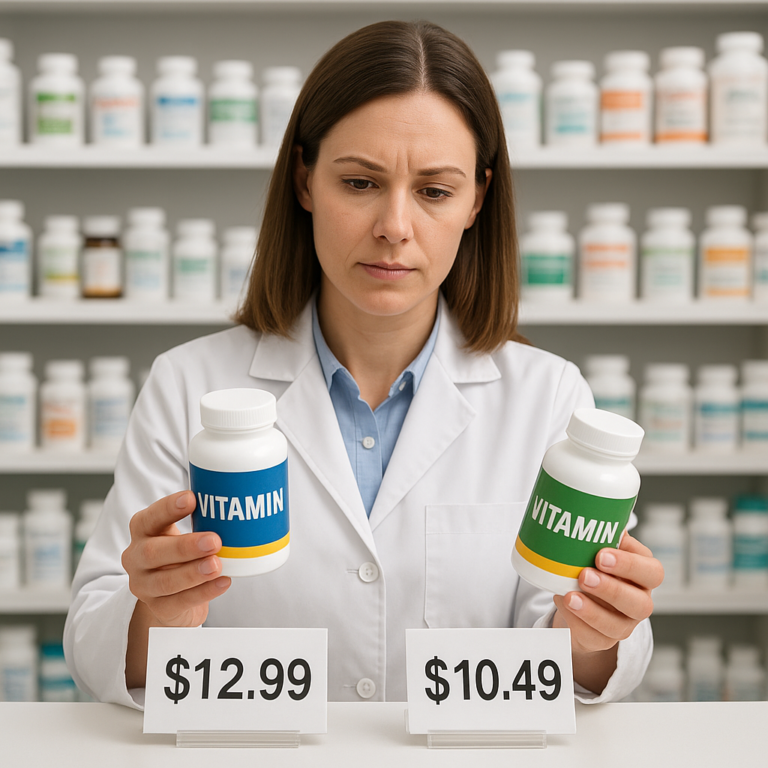
Not necessarily. Price often reflects marketing, packaging, and distribution costs rather than quality.
- Budget Wins: Brands like California Gold Nutrition or NOW Foods often offer high-quality, third-party tested products at a fraction of the cost of “premium” brands.
- Premium Costs: Some expensive brands justify the cost with superior bioavailability (e.g., liposomal forms) or specific sourcing (e.g., organic, wild-caught).
The Rule: Don’t pay for the logo; pay for the lab results. A $10 bottle with a USP seal is better than a $50 bottle with no seal.
Read more about “🏆 Who Is the Real #1 Supplement Brand? (2026)”
Which ingredients should I avoid in low-quality dietary supplements?
H3: Which ingredients should I avoid in low-quality dietary supplements?
Avoid products containing:
- Proprietary Blends: Hides the actual dosage of ingredients.
- Artificial Colors: Like Red 40, Yellow 5, or Blue 1.
- Unecessary Fillers: Such as titanium dioxide, magnesium stearate (in high amounts), or artificial sweeteners like aspartame.
- Undeclared Stimulants: Common in “fat burners” or pre-workouts (e.g., DMA, Ephedra).
- Heavy Metals: Lead, mercury, and arsenic are common contaminants in low-quality herbal supplements.
Read more about “🏆 World No 1 Supplement Brand: The 2026 Truth Revealed”
Can supplements replace a healthy diet?
H3: Can supplements replace a healthy diet?
Absolutely not. Supplements are designed to suplement a healthy diet, not replace it. Whole foods provide a complex matrix of fiber, phytonutrients, and enzymes that pills cannot replicate. Relying solely on supplements can lead to nutrient imbalances and missed health benefits found in whole foods.
Read more about “What Are the 15 Most Popular Vitamins? Your 2026 Guide 🌟”
What are the risks of taking too many supplements?
H3: What are the risks of taking too many supplements?
Taking excessive amounts of supplements can lead to:
- Toxicity: Especially with fat-soluble vitamins (A, D, E, K) and minerals like iron.
- Drug Interactions: Supplements can interfere with prescription medications (e.g., Vitamin K and Warfarin).
- Organ Damage: Overdosing on certain herbs or vitamins can stress the liver and kidneys.
Always adhere to the recommended dosage and consult a doctor before combining multiple supplements.
Read more about “What Are the 13 Vitamins in Order? Your Ultimate Guide (2026) 🥦”
📚 Reference Links
For further reading and verification of the information provided in this article, we recommend the following reputable sources:
-
National Institutes of Health (NIH) – Office of Dietary Supplements:
-
U.S. Food and Drug Administration (FDA):
-
Certification Organizations:
-
Brand Official Websites:
-
Academy of Nutrition and Dietics: