Support our educational content for free when you purchase through links on our site. Learn more
Best Vitamins: 14 Supplements, Benefits & Safety Tips 🌿

The best vitamins are the ones that fill a real nutritional gap—not a one-size-fits-all pill. Food is the foundation, while targeted supplements may help when your diet, life stage, health conditions, or medicines make it harder to meet a specific need.
We often hear people describe a cupboard full of bottles they started after seeing a friend’s routine or a persuasive ad. The better first move is less glamorous but more useful: check what you eat, consider your health history, and ask a qualified professional whether a supplement is actually warranted.
This guide compares 14 commonly discussed vitamins and supplements, including vitamin D, B12, iron, magnesium, multivitamins, fish oil, and probiotics. We’ll look at what evidence supports, where it’s uncertain, and how to choose products more safely—because “popular” and “right for you” are not the same thing.
Key Takeaways
- There is no single best vitamin for everyone. Needs vary with age, diet, pregnancy, health conditions, and medications.
- Start with food, then target specific gaps. Supplements can help in some circumstances, but they don’t replace a balanced diet or medical care.
- More is not better. High doses can cause side effects, toxicity, or medication interactions.
- Choose products carefully. Read the full label, check serving sizes, and look for independently verifiable quality testing.
- Ask before combining supplements. A multivitamin plus separate products can unintentionally stack nutrients.
Table of Contents
- ⚡ Quick Tips and Facts About the Best Vitamins
- 🧭 How to Choose the Best Vitamins for Your Needs
- What vitamins and minerals do
- Who may benefit from supplements?
- Food first: Can you get enough vitamins from diet alone?
- 📚 Vitamins and Supplements: Background, Benefits, and Limits
- Dietary supplements versus medications
- What the evidence can—and can’t—tell us
- 🔎 Best Vitamins and Supplements: Evidence-Based Guide
- 1. Ashwagandha: Stress support and safety
- 2. Calcium: Bone health and daily needs
- 3. Collagen: Skin, joints, and what research shows
- 4. Fish oil and omega-3s: Heart and brain health
- 5. Green powders: Convenience, ingredients, and caveats
- 6. Iron: When supplementation may help
- 7. Magnesium: Forms, benefits, and side effects
- 8. Multivitamins: Who may need one?
- 9. Prebiotics: Feeding beneficial gut bacteria
- 10. Probiotics: Strains, uses, and limitations
- 11. Protein powder: Choosing a type and serving
- 12. Psyllium: A fiber supplement for digestion and cholesterol
- 13. Vitamin B12: Energy, nerves, and deficiency risk
- 14. Vitamin D: Bone health, sources, and testing
- 🥗 Vitamins and Minerals by Life Stage
- Best vitamins for women
- Best vitamins for men
- Pregnancy and breastfeeding supplements
- Vitamins for babies, children, and teens
- Best vitamins for older adults
- Supplements for vegan and vegetarian diets
- 🩺 Vitamins for Common Health Goals
- Immune health
- Energy and fatigue
- Hair, skin, and nails
- Bone and joint health
- Heart, brain, and eye health
- Sleep, stress, and mood
- 🥤 Easy Ways to Get More Fiber
- Fiber Super Smoothie Recipe
- 🛒 How to Choose a Safe, High-Quality Supplement
- Reading supplement labels and serving sizes
- Third-party testing and quality seals
- Forms, absorption, and bioavailability
- How to spot misleading health claims
- ⚠️ Supplement Safety, Side Effects, and Interactions
- Can you take too many vitamins?
- Vitamins that interact with medications
- Fat-soluble versus water-soluble vitamins
- When to ask a doctor or pharmacist
- ❓ Frequently Asked Questions About the Best Vitamins
- What are the best vitamins to take every day?
- Should I take a multivitamin or individual supplements?
- What time of day should I take vitamins?
- Do vitamins work if you’re not deficient?
- How can I tell if I need a vitamin supplement?
- ✅ Quick Tips for a Smarter Supplement Routine
- Conclusion
- Recommended Links
- Reference Links
Table of Contents
- ⚡️ Quick Tips and Facts About the Best Vitamins
- 🧭 How to Choose the Best Vitamins for Your Needs
- What vitamins and minerals do
- Who may benefit from supplements?
- Food first: Can you get enough vitamins from diet alone?
- 📚 Vitamins and Supplements: Background, Benefits, and Limits
- Dietary supplements versus medications
- What the evidence can—and can’t—tell us
- 🔎 Best Vitamins and Supplements: Evidence-Based Guide
- 1. Ashwagandha: Stress support and safety
- 2. Calcium: Bone health and daily needs
- 3. Collagen: Skin, joints, and what research shows
- 4. Fish oil and omega-3s: Heart and brain health
- 5. Green powders: Convenience, ingredients, and caveats
- 6. Iron: When supplementation may help
- 7. Magnesium: Forms, benefits, and side effects
- 8. Multivitamins: Who may need one?
- 9. Prebiotics: Feeding beneficial gut bacteria
- 10. Probiotics: Strains, uses, and limitations
- 11. Protein powder: Choosing a type and serving
- 12. Psyllium: A fiber supplement for digestion and cholesterol
- 13. Vitamin B12: Energy, nerves, and deficiency risk
- 14. Vitamin D: Bone health, sources, and testing
- 🥗 Vitamins and Minerals by Life Stage
- Best vitamins for women
- Best vitamins for men
- Pregnancy and breastfeeding supplements
- Vitamins for babies, children, and teens
- Best vitamins for older adults
- Supplements for vegan and vegetarian diets
- 🩺 Vitamins for Common Health Goals
- Immune health
- Energy and fatigue
- Hair, skin, and nails
- Bone and joint health
- Heart, brain, and eye health
- Sleep, stress, and mood
- 🥤 Easy Ways to Get More Fiber
- Fiber Super Smoothie Recipe
- 🛒 How to Choose a Safe, High-Quality Supplement
- Reading supplement labels and serving sizes
- Third-party testing and quality seals
- Forms, absorption, and bioavailability
- How to spot misleading health claims
- ⚠️ Supplement Safety, Side Effects, and Interactions
- Can you take too many vitamins?
- Vitamins that interact with medications
- Fat-soluble versus water-soluble vitamins
- When to ask a doctor or pharmacist
- ❓ Frequently Asked Questions About the Best Vitamins
- What vitamins should women or men over 50 take?
- Are natural vitamins better than synthetic ones?
- Can vitamins improve energy and immunity?
- What are the benefits of taking multivitamins?
- How do I choose the right vitamin supplements?
- Which vitamins are essential for daily intake?
- What are recommended daily amounts for vitamins C, D, and B12?
- What side effects or risks can vitamins and supplements have?
- How do I choose a vitamin brand and read its label?
- What supplements support immune health, and can they prevent disease?
- Can I take multiple vitamins at once?
- Which supplements may help energy and endurance?
- What is the best vitamin for overall health?
- ✅ Quick Tips for a Smarter Supplement Routine
- Conclusion
- Recommended Links
- Reference Links
⚡️ Quick Tips and Facts About the Best Vitamins
The best vitamin is the one that fills a real nutritional gap—not the one with the flashiest label. There is no single supplement that is best for everybody. Needs depend on your diet, age, pregnancy status, medical conditions, medications, and—sometimes—lab results.
If you’re looking for skin-focused nutrition, start with our guide to 🌟 12 Best Vitamins for Skin: The Ultimate 2026 Glow Guide. For broader evidence-based guides, browse Essential Vitamins and Health Supplements.
| Quick fact | What it means for you |
|---|---|
| Food first is a sound default | A varied eating pattern supplies vitamins alongside fiber, protein, and other beneficial compounds. Supplements can help when a specific need exists. |
| Supplements are not FDA-approved for safety and effectiveness before sale | The FDA regulates dietary supplements differently from prescription drugs. Check ingredients, claims, and independent quality testing. |
| More is not automatically better | High doses can cause harm, especially with nutrients such as iron and fat-soluble vitamins A, D, E, and K. |
| Some people are more likely to need targeted supplements | Pregnancy, restrictive diets, malabsorption, certain medicines, and older age can change nutrient needs. |
| A multivitamin is not a substitute for a healthful diet | It may help cover some intake gaps, but it cannot reliably prevent or treat disease. |
| Ask before combining products | A multivitamin plus separate “energy,” “bone,” or “hair” supplements can quietly stack the same nutrients. |
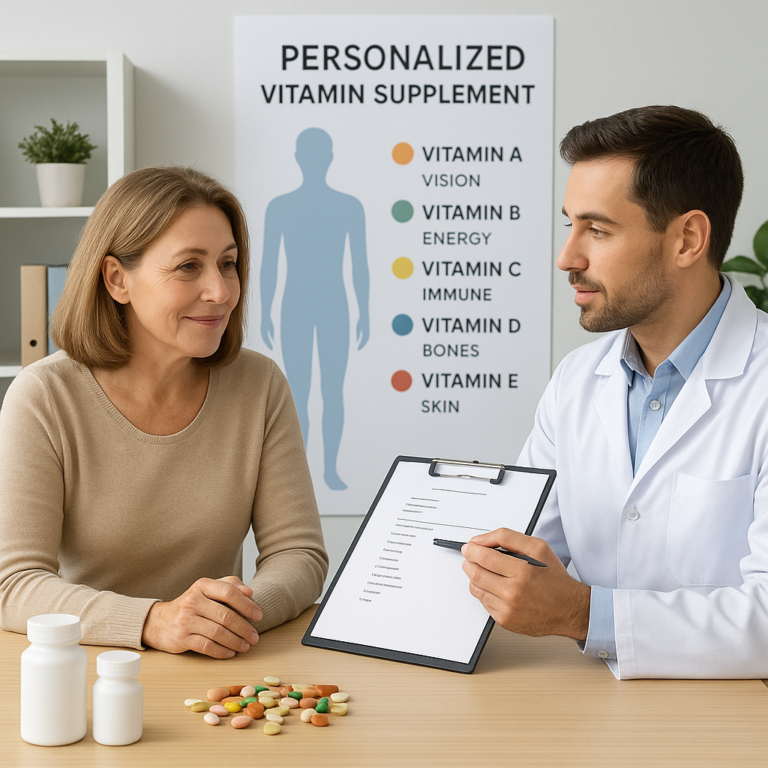
A practical starting point: write down what you eat, any symptoms or dietary restrictions, and every medicine and supplement you use. Then ask a clinician or registered dietitian which gaps—if any—are worth addressing. That simple inventory can prevent an expensive supplement cabinet from becoming a game of nutritional Jenga. 🧱
🧭 How to Choose the Best Vitamins for Your Needs
What vitamins and minerals do
Vitamins and minerals are essential nutrients: your body needs them in small amounts to support functions such as energy metabolism, blood-cell formation, immune function, nerve signaling, and bone maintenance. They do not all provide energy themselves, and taking extra does not necessarily make those processes work faster.
| Nutrient group | Examples | Common roles |
|---|---|---|
| Vitamins | A, C, D, E, K, and B vitamins | Vision, tissue maintenance, antioxidant functions, bone health, blood cloting, metabolism, and nervous-system support |
| Minerals | Calcium, iron, magnesium, zinc, iodine | Bone structure, oxygen transport, muscle and nerve function, thyroid hormones, and immune processes |
For reliable nutrient overviews and recommended intakes, use the National Institutes of Health Office of Dietary Supplements’ fact sheets for consumers. Individual requirements vary; a general reference value is not a personalized prescription.
Who may benefit from supplements?
A targeted supplement may be useful when food intake, absorption, or life stage makes it hard to meet a need. Examples include:
- People who are pregnant or planning pregnancy: folic acid is recommended before and during early pregnancy to reduce the risk of neural tube defects. Follow prenatal-care guidance rather than assembling a supplement stack yourself.
- Vegans and some vegetarians: vitamin B12 deserves particular attention because reliable natural food sources are limited in vegan diets.
- Older adults: absorption, appetite, medication use, and sun exposure can affect some nutrient levels. The National Institute on Aging’s guidance for older adults is a useful starting point.
- People with diagnosed deficiencies or absorption problems: conditions affecting the gut, bariatric surgery, or specific medical treatments may change nutrient needs.
- People with limited diets or food access: a clinician or dietitian can help identify a sensible way to cover shortfalls.
A supplement is not a diagnostic test. Fatigue, hair changes, cramps, and low mood can have many causes, so avoid treating symptoms with high doses before checking what is actually going on.
Food first: Can you get enough vitamins from diet alone?
Many people can meet most nutrient needs with a varied diet, but “food first” does not mean “supplements are never useful.” It means foods are the usual foundation, and supplements are chosen for a reason.
A practical plate can include:
- Vegetables and fruit in a range of colors
- Beans, lentils, nuts, and seeds
- Whole grains
- Protein foods such as eggs, fish, tofu, poultry, or dairy
- Fortified foods when appropriate, such as fortified plant beverages or breakfast cereals
The Harvard Healthy Eating Plate offers a simple visual guide. If you cannot meet a nutrient need through food because of allergies, budget, preferences, or medical restrictions, that is a reason to seek tailored advice—not a reason to feel you have failed at eating.
📚 Vitamins and Supplements: Background, Benefits, and Limits

Dietary supplements versus medications
Dietary supplements can contain vitamins, minerals, herbs, amino acids, and other ingredients. In the United States, the FDA generally does not approve supplements for safety and effectiveness before they are marketed in the same way it approves drugs. Manufacturers are responsible for product quality and labeling, and the FDA can take action against unsafe or misbranded products.
That difference matters. A supplement label can look clinical while a claim remains unproven. The FDA’s overview of dietary supplements explains regulation, labeling, and safety reporting.
What the evidence can—and can’t—tell us
Evidence varies by nutrient and by the question being asked. A supplement can correct a deficiency without preventing disease in people who already get enough. A product may also show promise in small studies without having strong evidence for broad use.
A University of Colorado Health article emphasizes that “Broadly speaking, we should get our nutrition from our food first,” while also recognizing that supplements may be appropriate for specific needs. That is a useful distinction, not a blanket ban. The U.S. Preventive Services Task Force, for example, says evidence is insufficient to recommend most vitamin and mineral supplements for preventing cardiovascular disease or cancer in generally healthy, nonpregnant adults; see its recommendation statement.
One more useful perspective: a doctor in the featured video names vitamin D, magnesium, CoQ10, omega-3, and multivitamins when asked about commonly used supplements—then reacts with surprise to part of the list. A popularity list is interesting, but common use is not proof of benefit. We’ll keep separating “many people take it” from “you have a reason to take it.”
🔎 Best Vitamins and Supplements: Evidence-Based Guide
The options below are not a universal ranking. We’re looking at potential uses, evidence limits, and safety, because the best choice depends on the person and the goal.
1. Ashwagandha: Stress support and safety
Ashwagandha is an herb used in some traditional practices. Small studies suggest certain preparations may help with perceived stress or sleep, but products and study designs vary. It is not a proven treatment for anxiety, insomnia, or other medical conditions.
Potential drawbacks: it may cause stomach upset or drowsiness, interact with medicines, and has been linked to rare liver injury. It may affect thyroid function. Avoid it during pregnancy; people who are breastfeeding, preparing for surgery, or living with autoimmune or thyroid conditions should seek professional advice first. The National Center for Complementary and Integrative Health (NCCIH) reviews current evidence and safety concerns.
2. Calcium: Bone health and daily needs
Calcium is needed for bones and teeth, as well as muscle contraction and nerve signaling. Food is generally the first choice; supplements may be considered when dietary intake is low or a clinician identifies a need.
| Life stage | Recommended calcium intake per day |
|---|---|
| Adults ages 19–50 | 1,000 mg |
| Women ages 51–70 | 1,200 mg |
| Men ages 51–70 | 1,000 mg |
| Adults ages 71 and older | 1,200 mg |
These figures are U.S. National Academies reference intakes summarized by the NIH calcium fact sheet. Calcium needs vary by age and sex; supplement only the shortfall, rather than automatically adding a full-dose tablet to food intake.
Good food sources: dairy products, calcium-fortified plant beverages, tofu made with calcium, some fish eaten with bones, and selected vegetables. Supplements can cause constipation and may interact with medicines; large supplemental doses may not suit everyone. Ask a clinician if you have kidney stones or kidney disease.
3. Collagen: Skin, joints, and what research shows
Collagen supplements are usually hydrolyzed collagen peptides. Some studies suggest possible modest effects on skin hydration or joint symptoms, but study quality, products, and outcomes differ. Collagen is a protein—not a complete substitute for dietary protein—and evidence does not establish it as a treatment for arthritis or a guaranteed route to younger-looking skin.
Vitamin C is needed for collagen formation, but that does not mean a collagen powder must be combined with a high-dose vitamin C supplement. A balanced diet with vitamin-C-rich foods—such as citrus, kiwi, bell peppers, and broccoli—can supply the nutrient. For skin-focused nutrition, see our vitamins for skin guide.
If you try it: check the source (bovine, marine, or other), allergen statements, serving size, and independent testing. Skip it if you have a relevant allergy or if the product’s claims sound more like a fountain of youth than a supplement label.
4. Fish oil and omega-3s: Heart and brain health
Omega-3 fats include EPA and DHA, found mainly in seafood, and ALA, found in some plants. Eating fish is not the same as taking a high-dose fish-oil capsule; the evidence and intended use differ.
- If you eat little or no seafood, discuss whether food choices or a supplement make sense.
- Algae-based DHA can be an option for people who avoid fish.
- Prescription omega-3 medicines may be used for high triglycerides under medical supervision. They are not interchangeable with over-the-counter supplements.
- Fish oil can interact with medications and may cause gastrointestinal effects. Higher doses can affect bleeding risk or heart rhythm in some people.
The NIH omega-3 fact sheet explains food sources, supplement forms, and safety. If you take fish oil for triglycerides, do so with your clinician’s plan; it may not lower LDL cholesterol and can affect lab results.
5. Green powders: Convenience, ingredients, and caveats
Grens powders often combine dried vegetables, algae, herbs, enzymes, and other ingredients. They may be convenient, but they are not equivalent to eating vegetables: fiber, amounts of ingredients, and nutrient content can differ widely.
Before buying, inspect:
- The full ingredient list and amounts, not only the front label
- Added caffeine, herbs, or concentrated extracts
- Allergen and contamination testing information
- Vitamin K content if you take warfarin
- Whether the product promises detoxification, disease treatment, or “complete” nutrition
A powder may be a useful convenience for some people, but it cannot replace the variety and food structure of vegetables, fruit, beans, and whole grains. If you already eat well, the grocery produce aisle may offer more dependable value.
6. Iron: When supplementation may help
Iron helps make hemoglobin, the protein in red blood cells that carries oxygen. Do not take iron “just in case.” Too much can be harmful, and fatigue alone cannot confirm iron deficiency.
Groups more likely to need assessment include people with heavy menstrual bleeding, pregnant people, some young children, people with certain gastrointestinal conditions, and those with a diagnosed deficiency. A clinician may use blood tests to evaluate iron status and look for the cause.
The NIH iron fact sheet outlines needs and risks. Iron can cause nausea, constipation, and abdominal discomfort, and it can interfere with some medicines. Keep it away from children; accidental overdose can be dangerous.
7. Magnesium: Forms, benefits, and side effects
Magnesium supports muscle and nerve function, blood glucose regulation, and many other processes. Food sources include legumes, nuts, seeds, whole grains, and leafy greens.
Supplement claims for sleep, energy, mood, and cramps often go beyond the evidence. Magnesium may be used in specific clinical contexts, including some migraine-prevention approaches, but ask a clinician whether it fits your situation. Forms such as citrate can loosen stools; glycinate is often marketed as gentler, but personal tolerance varies.
The NIH magnesium fact sheet notes that supplemental magnesium can interact with medications and cause diarrhea, nausea, and cramping. People with kidney disease should seek medical guidance before taking it.
8. Multivitamins: Who may need one?
A multivitamin can help cover selected dietary shortfalls, especially when a person has restrictive intake or a clinician recommends one. It does not make up for a poor diet or guarantee disease prevention.
The USPSTF has found insufficient evidence to recommend most single or paired vitamin supplements for preventing heart disease or cancer in generally healthy adults. It specifically recommends against beta-carotene and vitamin E supplements for that purpose. Read its guidance.
If choosing one:
- Match the formula to your age and life stage.
- Check whether it contains iron; not everyone needs it.
- Compare amounts with daily values and upper limits.
- Avoid “megadose” blends unless prescribed.
- Look for credible third-party quality testing.
Browse our multivitamin supplements for more label-reading guidance. Brand recognition alone does not prove a product is right for you.
9. Prebiotics: Feeding beneficial gut bacteria
Prebiotics are substances—often certain fibers—that gut microbes can use. They occur naturally in foods such as onions, garlic, oats, legumes, and some fruits. Supplements may contain inulin, fructooligosaccharides (FOS), or other fibers.
A gradual increase is key. A sudden jump can trigger gas, bloating, or discomfort, particularly for people with iritable bowel symptoms. Start with a small amount, drink enough fluids, and stop or seek advice if symptoms worsen.
The International Scientific Association for Probiotics and Prebiotics provides accessible background on prebiotics and related terms.
10. Probiotics: Strains, uses, and limitations
Probiotics are live microorganisms studied for specific health effects. A result from one strain cannot automatically be applied to every product with “probiotic” on the label. Effects may depend on the strain, dose, condition, and person.
Check for the genus, species, and strain, plus storage instructions and expiration date. Evidence is mixed for many uses; probiotics are not a general fix for digestive problems. The American Gastroenterological Association’s clinical guidance recommends probiotics only in limited, specific circumstances for gastrointestinal conditions.
People who are severely ill or immunocompromised should talk to a clinician before using live-microbe products.
11. Protein powder: Choosing a type and serving
Protein powders can be convenient when food alone does not meet a person’s protein needs. Options include whey, casein, soy, pea, and blended plant proteins. The right one depends on dietary preferences, allergies, tolerance, and overall diet.
| Type | Typical fit | Things to check |
|---|---|---|
| Whey | Dairy consumers seeking a convenient complete protein | Milk allergy, lactose tolerance, added sweeteners |
| Casein | Dairy consumers who prefer a slower-digesting protein | Milk allergy and texture |
| Soy | Plant-based diets | Soy allergy and product ingredients |
| Pea or plant blends | Vegan diets or dairy avoidance | Protein per serving, added ingredients, allergen statements |
Use the powder as a convenient food ingredient, not a mandatory post-workout ritual. Choose a product with transparent testing and avoid blends that hide amounts in proprietary formulas. People with kidney disease or a prescribed protein restriction should ask their care team first.
12. Psyllium: A fiber supplement for digestion and cholesterol
Psyllium is a soluble fiber that absorbs water and forms a gel. It can help with bowel regularity and may help lower LDL cholesterol when used as part of an appropriate diet. It is not a vitamin, but it is a well-studied supplement ingredient.
How to use it carefully:
- Follow the product label; do not guess a dose.
- Mix it with the specified amount of fluid and drink promptly.
- Maintain adequate hydration.
- Take it separately from medicines if the label or pharmacist advises, since fiber can affect absorption.
- Do not use it if you have swallowing difficulty or suspected intestinal blockage without medical advice.
The MedlinePlus psyllium information covers use and precautions. Start gradually to reduce gas or bloating.
13. Vitamin B12: Energy, nerves, and deficiency risk
Vitamin B12 supports red blood-cell formation and nervous-system function. Deficiency can cause anemia and neurological problems; symptoms may develop gradually.
People at higher risk include vegans, some vegetarians, older adults, people with certain stomach or intestinal disorders, and those who have had relevant surgery. Some medicines—including metformin and acid-suppressing drugs—may affect B12 status in some people. Ask a clinician whether testing is appropriate; tiredness alone does not diagnose a deficiency.
The NIH B12 fact sheet explains food sources, risk factors, and intake. B12 is not a proven energy booster for people who already get enough. If it helps a deficient person, it is correcting a need—not acting like a nutritional espresso.
14. Vitamin D: Bone health, sources, and testing
Vitamin D helps the body absorb calcium and supports bone health. It comes from some foods, fortified products, supplements, and skin production after sun exposure. Sun exposure is not a reliable or risk-free prescription; skin tone, season, location, age, clothing, and sunscreen all affect production.
The NIH vitamin D fact sheet lists recommended intakes and food sources. Many adults ages 19–70 are advised to get 15 micrograms (600 IU) daily from all sources; adults over 70 are advised to get 20 micrograms (800 IU). These are general reference values, not a personalized treatment dose.
Guidance on routine testing and supplementation can differ because organizations weigh age, deficiency risk, outcomes, and evidence differently. The Endocrine Society’s updated guideline, for example, addresses particular life stages and risk groups; it does not mean everyone should take high-dose vitamin D. Ask whether testing or supplementation is useful for you, especially if you have osteoporosis, malabsorption, kidney disease, or a history of deficiency. Avoid megadoses unless prescribed.
🥗 Vitamins and Minerals by Life Stage
Best vitamins for women
There is no single “women’s vitamin.” Nutrient needs may shift with menstruation, pregnancy, menopause, dietary patterns, and medical history.
- Iron: Heavy menstrual bleeding can raise deficiency risk; test or seek advice rather than taking iron automatically.
- Folic acid: Recommended for people who could become pregnant, including before pregnancy, to reduce neural tube defect risk.
- Calcium and vitamin D: Support bone health; needs depend on age, diet, and risk factors.
- B12: Consider dietary pattern and absorption risks.
- Biotin and hair formulas: High-dose biotin can interfere with some lab tests; tell your care team before blood work.
For more tailored reading, see Best Vitamins for Women. Pregnancy, breastfeeding, and medical conditions call for individualized advice.
Best vitamins for men
Men also do not need a special supplement by default. Focus on dietary gaps and health risks, not marketing labels.
- Vitamin D: Consider age, diet, sun exposure, and clinician advice.
- B12: Risk depends on diet, absorption, and medicines—not sex alone.
- Calcium: Intake needs vary by age.
- Iron: Men generally should not take iron unless a clinician identifies a reason.
- Zinc and “testosterone boosters”: High-dose supplements or herbal blends may interact with medicines and are not proven fixes for low testosterone.
Browse Best Vitamins for Men for additional guidance. Persistent fatigue, reduced libido, or strength changes deserve medical assessment rather than an unverified hormone supplement.
Pregnancy and breastfeeding supplements
Pregnancy changes nutrient needs, and supplement selection should be coordinated with prenatal care. Folic acid is especially time-sensitive: the CDC recommends 400 micrograms daily for people who could become pregnant, in addition to folate from food; see the CDC folic acid guidance.
A prenatal supplement may be recommended, but formulas differ. Check iron, iodine, vitamin D, folate, and vitamin A form and amount with a clinician. Avoid high-dose retinol vitamin A and herbal products unless your care team approves them.
Breastfeeding can also affect nutrition needs. A prenatal may or may not remain appropriate; ask your clinician rather than assuming the same formula suits every stage.
Vitamins for babies, children, and teens
Children’s needs are age-specific, and adult products are not interchangeable with children’s products. Keep supplements locked away: colorful gummies can look like candy, and accidental overdoses—especially iron—can be dangerous.
- Ask a pediatric clinician about vitamin D for infants and children.
- Use iron only when recommended; too much can be harmful.
- Choose age-appropriate products and follow labeled serving sizes.
- Avoid products with exaggerated focus, immunity, or growth claims.
The American Academy of Pediatrics offers family guidance; your child’s clinician can account for diet, growth, and health history.
Best vitamins for older adults
Older adults may have different needs because of changes in appetite, absorption, medicines, or sun exposure. Some may need attention to vitamin B12, vitamin D, calcium, or other nutrients, but age alone does not mean everyone needs a multivitamin.
Review all medicines and supplements with a pharmacist or clinician, especially if you take blood thinners or have kidney disease. The National Institute on Aging’s vitamins and minerals guide is a helpful reference.
Supplements for vegan and vegetarian diets
A well-planned plant-based diet can be nutritious, but some nutrients need extra attention. B12 is the clearest planning priority for vegans; fortified foods or a supplement may be needed. Depending on diet and individual factors, consider discussing vitamin D, iodine, calcium, iron, zinc, and omega-3 sources with a registered dietitian.
Food fortification varies by brand and country. Read labels rather than assuming plant milks, cereals, or nutritional yeast provide a particular nutrient.
🩺 Vitamins for Common Health Goals
Immune health
A deficiency in certain nutrients can impair normal immune function, but taking extra vitamins when you are not deficient has not been shown to make your immune system invincible. No supplement replaces vaccination, sleep, nutritious food, hand hygiene, or appropriate medical care.
Vitamin C, vitamin D, zinc, and other nutrients have been studied for immune-related outcomes, but results depend on the condition, dose, timing, and baseline status. The NIH Office of Dietary Supplements summarizes evidence in its immune function fact sheet. Avoid claims that a product “prevents infections” or “boosts immunity” without credible evidence.
Energy and fatigue
Vitamins do not supply calories. They help the body use nutrients, and correcting a deficiency can improve symptoms caused by that deficiency. But fatigue can also stem from sleep problems, anemia, thyroid disease, infection, medication effects, depression, or many other causes.
If fatigue persists, worsens, or comes with shortness of breath, fainting, chest pain, or unexplained weight change, seek medical care. Don’t mask a symptom with high-dose B12 or iron before finding its cause.
Hair, skin, and nails
Nutrient deficiencies can affect skin, hair, and nails, but supplements are not a universal beauty treatment. Biotin is often promoted for hair and nails, yet evidence for benefit in people without deficiency is limited—and high doses can distort certain lab tests.
For a practical, evidence-aware overview, visit 🌟 12 Best Vitamins for Skin. A dermatologist can help distinguish nutritional issues from common conditions such as eczema, acne, or pattern hair loss.
Bone and joint health
Calcium and vitamin D are relevant to bone health, but bone strength also depends on weight-bearing activity, adequate protein, smoking status, and medical factors. Supplements are not a substitute for osteoporosis screening or prescribed treatment.
For joint symptoms, collagen and other supplements may offer uncertain or modest benefits for some people. If pain is persistent, swollen, or limiting movement, get an assessment rather than relying on a supplement label’s promise to “rebuild cartilage.”
Heart, brain, and eye health
A heart-healthy dietary pattern and management of blood pressure, cholesterol, diabetes, and tobacco use have stronger foundations than a supplement stack. Omega-3 prescription products may be used for specific lipid conditions; over-the-counter fish oil is not a substitute for medical treatment.
For eye health, certain formulas are used in specific cases such as age-related macular degeneration under eye-care guidance. Ask an eye-care professional before starting high-dose products. Supplements marketed for memory or focus should be judged by the same standard: clinical evidence, not a dramatic brain graphic. 🧠
Sleep, stress, and mood
Correcting a deficiency may help symptoms linked to that deficiency, but vitamins are not stand-alone treatments for insomnia, depression, or anxiety. Magnesium and ashwagandha are often promoted for sleep or stress; evidence and product quality vary, and each has safety considerations.
If sleep or mood symptoms persist, speak with a health professional. Seek urgent help for thoughts of self-harm or inability to stay safe. Supplements should not delay proven care.
🥤 Easy Ways to Get More Fiber
Fiber supports bowel regularity and can help with fullness and cholesterol management. Adults are generally advised to get about 14 grams per 1,000 calories, though individual needs vary. Good sources include beans, lentils, oats, berries, vegetables, nuts, seeds, and whole grains.
Increase fiber gradually and drink enough fluids. If you have a bowel condition, swallowing difficulty, or a prescribed diet, ask a clinician before adding concentrated fiber supplements.
Fiber Super Smoothie Recipe
This smoothie is a food-first way to add fiber; it is not a detox drink or a meal replacement.
Ingredients
- 1 cup berries, fresh or frozen
- ½ banana
- ½ cup plain yogurt or unsweetened fortified soy yogurt
- ¼ cup rolled oats
- 1 tablespoon chia seeds
- ½ cup milk or unsweetened fortified plant beverage
- Water or ice as needed
Directions
- Add the liquid and yogurt to a blender.
- Add berries, banana, oats, and chia seeds.
- Blend until smooth, adding water or ice to adjust thickness.
- Drink soon after blending, since chia thickens the mixture.
Nutritional facts
Nutrition varies by ingredients and serving size. This recipe provides fiber from berries, oats, and chia, plus protein from yogurt or fortified soy yogurt. Check product labels if you need specific amounts for a medical nutrition plan.
🛒 How to Choose a Safe, High-Quality Supplement
Reading supplement labels and serving sizes
Treat the “Supplement Facts” panel as the product’s small-print biography. Check:
- The amount per serving and how many capsules or gummies make a serving
- The % Daily Value, while remembering that it is a general reference
- The full ingredient list, including sweeteners, allergens, herbs, and fillers
- The form of the nutrient
- Warnings, storage directions, and expiration date
- Whether you already get the same nutrient in other products
Keep a current list of every product you take. That list can reveal duplicates that are easy to miss when one bottle says “bone,” another says “immune,” and a third says “daily wellness.”
Third-party testing and quality seals
Independent quality programs can help verify identity, strength, or contaminants, though they do not prove a product works for a health outcome. Look for seals or searchable certification details from organizations such as USP or NSF.
A seal is a quality signal, not a personal recommendation. Still check ingredients, dose, and safety—and remember that no certification can make an inappropriate supplement appropriate.
Forms, absorption, and bioavailability
Different forms can behave differently, but “most absorbable” is not always the same as “best for you.” The choice may depend on tolerance, interactions, dosage, and the reason for use. For example, some people tolerate one magnesium form better than another, while calcium carbonate and calcium citrate have different practical considerations.
Do not pay extra solely for a claim such as “maximum absorption” without evidence relevant to the exact product and outcome. A pharmacist can help assess medicine interactions and timing.
How to spot misleading health claims
Be cautious when a product claims to:
- Cure, prevent, or reverse a disease
- Detox the body or “balance” hormones without a clear medical meaning
- Work for everyone with no side effects
- Replace prescribed treatment
- Use a secret blend with no ingredient amounts
- Provide instant results based on testimonials alone
The FDA explains how to report a problem with a dietary supplement. If a claim sounds too sweeping to be true, ask what evidence supports it—and whether that evidence applies to the actual product.
⚠️ Supplement Safety, Side Effects, and Interactions
Can you take too many vitamins?
Yes. Vitamins and minerals can cause harm when taken in excessive amounts. Fat-soluble vitamins can build up in the body, and minerals such as iron can be toxic at high doses. Combining a multivitamin with separate products is a common way to overshoot without realizing it.
Do not exceed the label or a clinician’s instructions. Keep supplements away from children and contact poison control or emergency services if an accidental overdose occurs.
Vitamins that interact with medications
Supplements can affect medicines, and medicines can affect nutrient levels. Examples include:
- Vitamin K and warfarin: changes in vitamin K intake can affect anticoagulation; consistency and clinician guidance matter.
- St. John’s wort: can interact with many prescription medicines.
- Iron, calcium, and magnesium: may interfere with absorption of some medications.
- Vitamin E, fish oil, and anticoagulants: may require individualized safety review, especially at higher doses.
- B12 and some medicines: metformin and acid-suppressing drugs may affect B12 status in some people.
Bring every bottle—or a clear photo of every label—to a pharmacist or clinician. “Natural” does not mean interaction-free.
Fat-soluble versus water-soluble vitamins
| Group | Examples | Practical safety point |
|---|---|---|
| Fat-soluble | Vitamins A, D, E, K | Stored in the body; excessive intake can accumulate and cause harm |
| Water-soluble | Vitamin C and most B vitamins | Often excreted more readily, but high doses can still cause side effects or interactions |
Water-soluble does not mean “safe at any dose.” High-dose vitamin C can cause gastrointestinal effects and may be unsuitable for some people; excess B6 can cause nerve problems. Check the NIH Office of Dietary Supplements fact sheets for nutrient-specific upper limits and warnings.
When to ask a doctor or pharmacist
Get professional advice before starting a supplement if you:
- Are pregnant, breastfeeding, or planning pregnancy
- Have kidney, liver, heart, thyroid, or gastrointestinal disease
- Take prescription medicines, especially anticoagulants or medicines with narrow dosing ranges
- Have a diagnosed nutrient deficiency or unexplained symptoms
- Are considering high-dose products, herbs, or multiple supplements
- Are preparing for surgery
A registered dietitian can help assess food intake; a pharmacist can check interactions; a clinician can evaluate symptoms and order appropriate tests. That team approach is often more useful than guessing from an online symptom checklist.
❓ Frequently Asked Questions About the Best Vitamins
What vitamins should women or men over 50 take?
There is no age-50 supplement that everyone needs. Depending on diet and health history, older adults may need attention to B12, vitamin D, calcium, or other nutrients. Ask about individual risk factors and medicines; see the National Institute on Aging’s older-adult guidance.
Are natural vitamins better than synthetic ones?
Not automatically. “Natural” and “synthetic” describe sources or manufacturing, not whether a product is effective, safe, or appropriate. The nutrient form, dose, quality, and your health needs matter more than the marketing category.
Can vitamins improve energy and immunity?
They can help correct symptoms caused by a deficiency, but extra vitamins do not reliably boost energy or immunity in people who already get enough. Persistent fatigue or frequent infections deserve medical evaluation rather than escalating supplement doses.
What are the benefits of taking multivitamins?
A multivitamin may help cover some dietary shortfalls for people with limited intake or specific needs. It is not proven to replace a healthy diet or reliably prevent heart disease or cancer in generally healthy adults. Choose a formula that fits your life stage and avoids unnecessary high doses.
How do I choose the right vitamin supplements?
Start with the reason you are considering one. Review your diet, medicines, conditions, and possible deficiency risks with a clinician or dietitian. Select a product with transparent ingredient amounts and credible independent testing, then use the dose recommended for your situation.
Which vitamins are essential for daily intake?
The body needs vitamins A, C, D, E, K, and the B vitamins, but that does not mean every person needs a pill containing all of them every day. Aim to meet needs through food where possible, and supplement only when a dietary or medical reason supports it.
What are recommended daily amounts for vitamins C, D, and B12?
Recommended amounts depend on age, sex, pregnancy, and life stage. For most adults, reference intakes include 75–90 mg vitamin C, 15 micrograms (600 IU) vitamin D through age 70 and 20 micrograms (800 IU) after 70, and 2.4 micrograms vitamin B12 daily. These are general U.S. reference amounts, not treatment doses; consult the NIH fact sheets for vitamin C, vitamin D, and vitamin B12.
What side effects or risks can vitamins and supplements have?
Possible risks include nausea, constipation, diarrhea, allergic reactions, drug interactions, misleading labels, contamination, and toxicity from excessive doses. Iron and fat-soluble vitamins deserve particular caution. Tell your care team about every product you use.
How do I choose a vitamin brand and read its label?
Look for clear amounts per serving, a complete ingredient list, appropriate warnings, and credible third-party testing such as USP or NSF verification. A quality seal can support confidence in manufacturing and contents, but it does not prove a health benefit or guarantee a product is right for you.
What supplements support immune health, and can they prevent disease?
Nutrients such as vitamins C and D and zinc play roles in normal immune function, but supplementation is most useful when intake or status is inadequate. No vitamin supplement is a substitute for vaccination, preventive care, or treatment, and broad disease-prevention claims should be treated skeptically.
Can I take multiple vitamins at once?
Sometimes, but check for overlapping ingredients and medicine interactions first. A multivitamin plus separate vitamin D, calcium, magnesium, or “hair and nails” products can add up quickly. Ask a pharmacist to review your full list.
Which supplements may help energy and endurance?
Correcting a confirmed deficiency—such as iron deficiency—may help related symptoms. Protein powder can be convenient when food intake is insufficient, while caffeine and other performance ingredients have their own risks and rules. If fatigue or reduced exercise capacity is new or persistent, look for the cause instead of self-prescribing a stack.
What is the best vitamin for overall health?
There is no single best vitamin for everyone. The most useful supplement is the one that addresses a demonstrated need safely; for many people, the strongest foundation is a varied diet, regular preventive care, and supplements chosen with a clear purpose.
What is the number-one vitamin brand?
There is no universally “number-one” brand that is best for every nutrient, formula, and person. Compare the exact product’s ingredient amounts, testing, allergen information, and fit for your needs—not just brand popularity or customer ratings.
✅ Quick Tips for a Smarter Supplement Routine
- Name the goal first: a supplement should have a clear reason.
- Check food sources: see whether a diet change can meet the need.
- Avoid megadoses: more is not a shortcut to better health.
- Check for overlap: compare every label, including fortified drinks and powders.
- Use credible testing: look for independently verifiable quality certification.
- Review interactions: ask a pharmacist or clinician, especially if you take medicine.
- Reassess regularly: needs can change with age, pregnancy, diet, and health status.
- Keep a simple log: product, dose, start date, reason, and any side effects.
The teaser from earlier has a practical answer: a list of popular supplements may help you spot what people are curious about, but it cannot tell you what you need. Your best next step is to match the nutrient to your circumstances—and leave the “one magic vitamin” hunt to the marketing department.