Support our educational content for free when you purchase through links on our site. Learn more
🧐 How Many Recognized Vitamins Are There? (The Definitive 13)

There are exactly 13 recognized vitamins essential for human health, a number that has remained constant since the mid-20th century despite decades of nutritional research. If you’ve ever wondered how many recognized vitamins are there, the answer is a definitive thirteen, split between nine water-soluble and four fat-soluble compounds.
Many people get confused by the “B-complex” numbering or hear about “Vitamin F” and “B15” in supplement ads, but those are historical ghosts or marketing fluff. Science has drawn a hard line: anything your body can make in sufficient quantities, or anything that isn’t strictly essential, doesn’t get a spot on the official list.
Imagine a world where your body’s engine runs on 13 specific types of premium fuel; miss just one, and the whole machine sputers. From the sunshine-powered Vitamin D to the B-vitamins that turn your food into energy, each plays a non-negotiable role in keeping you alive and thriving.
Key Takeaways
- The Magic Number: There are 13 officially recognized vitamins: A, C, D, E, K, and the B-complex family (B1, B2, B3, B5, B6, B7, B9, B12).
- Two Distinct Teams: 9 are water-soluble (B-complex and C) and must be replenished daily, while 4 are fat-soluble (A, D, E, K) and are stored in the body.
- No “New” Vitamins: Compounds like Choline and Inositol are vital nutrients but are not classified as vitamins because the body can synthesize them.
- Quality Matters: Not all supplements are created equal; look for third-party testing to ensure you’re getting the real deal.
👉 Shop Top-Rated Vitamins on:
- Best Multivitamins: Amazon | iHerb
- Best Vitamin D3: Amazon | Thorne Official
- Best B-Complex: Amazon | Garden of Life Official
Table of Contents
- ⚡️ Quick Tips and Facts
- 📜 The Vitamin Census: A Brief History of How We Counted Them
- 🧐 The Big Reveal: How Many Recognized Vitamins Are There?
- 💧 The Water-Soluble Squad: B-Complex and Vitamin C
- 1. Vitamin B1 (Thiamine): The Energy Spark Plug
- 2. Vitamin B2 (Riboflavin): The Glow Getter
- 3. Vitamin B3 (Niacin): The Metabolism Master
- 4. Vitamin B5 (Pantothenic Acid): The Stress Buster
- 5. Vitamin B6 (Pyridoxine): The Brain Booster
- 6. Vitamin B7 (Biotin): The Hair, Skin, and Nails Hero
- 7. Vitamin B9 (Folate): The Cell Builder
- 8. Vitamin B12 (Cobalamin): The Nerve Protector
- 9. Vitamin C (Ascorbic Acid): The Immune Defender
- 🧈 The Fat-Soluble Four: A, D, E, and K
- 10. Vitamin A (Retinol): The Visionary
- 1. Vitamin D (Calciferol): The Sunshine Vitamin
- 12. Vitamin E (Tocopherol): The Antioxidant Shield
- 13. Vitamin K (Phyloquinone & Menaquinone): The Cloting Commander
- 🚫 The “Almost” Vitamins: Compounds That Didn’t Make the Cut
- 🤔 Vitamins vs. Minerals: What’s the Real Difference?
- 🥗 Top Food Sources for Every Recognized Vitamin
- ⚠️ Deficiency Signs and Toxicity Risks You Should Know
- 💊 Supplement Smarts: When Do You Actually Need a Pill?
- 🧪 The Science of Absorption: Why Your Body Might Reject Your Multivitamin
- 🌍 Global Perspectives: How Different Countries Define Vitamin Needs
- 📊 Vitamin Deficiency Statistics: Who’s at Risk?
- 🔬 Future of Nutrition: Are New Vitamins on the Horizon?
- 🏆 Expert Recommendations: Our Top Picks for Quality Supplements
- 📸 Visual Guide: What Do Vitamin Deficiencies Look Like?
- ✅ Conclusion
- 🔗 Recommended Links
- ❓ FAQ: Your Burning Questions About Vitamins Answered
- 📚 Reference Links
⚡️ Quick Tips and Facts
Before we dive into the nitty-gritty of counting vitamins like a grocery store inventory clerk, let’s hit the highlights. If you’re in a rush, here’s the 13-vitamin truth you need to know:
- The Magic Number: There are exactly 13 recognized essential vitamins for the human body. No more, no less.
- The Split: They aren’t all created equal. 9 are water-soluble (they hang out in your blood and pee out the excess), and 4 are fat-soluble (they hide in your fat cells and liver, which means you can overdose on them).
- The “Almost” Club: Choline and Carnitine are often called “vitamin-like,” but they don’t make the official cut because your body can make enough of them (usually).
- The B-Complex Confusion: You might hear about B4, B8, or B10. Those are historical ghosts! They were reclassified as non-essential or just other compounds. Stick to the current B1, B2, B3, B5, B6, B7, B9, and B12.
- Sunshine is a Vitamin: Vitamin D is unique because your skin can manufacture it from sunlight, making it the only vitamin you don’t strictly need to eat (though getting enough is tricky for many).
For those curious about the sheer volume of companies trying to sell you these nutrients, check out our deep dive on how many vitamin brands are there? to see the crowded marketplace we navigate daily.
📜 The Vitamin Census: A Brief History of How We Counted Them

You might think counting vitamins is as simple as 1, 2, 3, but the history of this discovery reads like a detective novel filled with dead ends, false leads, and a few lucky accidents.
In the early 190s, scientists were baffled. People were dying of scurvy, beriberi, and rickets, but no bacteria or virus was to blame. It was Casimir Funk in 1912 who coined the term “vitamine” (vital amine) to describe these mysterious life-saving compounds. He thought they all contained an amine group. Spoiler alert: they don’t. When they realized that, the “e” was dropped, and we got vitamin.
The counting game began in earnest as researchers isolated these compounds.
- Vitamin A was the first to be identified (1913).
- Vitamin B was originally thought to be a single substance. It wasn’t until the 1930s that scientists realized “Vitamin B” was actually a complex of several distinct nutrients. This led to the chaotic numbering system we have today (B1, B2, B3, etc.).
- Vitamin C was isolated in 1928, famously saving sailors from scurvy.
- Vitamin D was discovered in the 1920s, solving the riddle of rickets.
- The B-complex family continued to expand with B5, B6, B7, B9, and B12 being identified through the 1930s and 40s.
- Vitamin K was discovered in 1929 (the “K” stands for Koagulation in German).
By the 1950s, the list seemed complete. But why did some numbers get skipped? Why is there no B4, B8, or B10? Because as science advanced, compounds once thought to be essential vitamins were found to be either non-essential (your body makes them) or just other types of molecules. The 13-vitamin standard was solidified by major health organizations like the National Institutes of Health (NIH) and the MedlinePlus database, which we’ll reference throughout this guide.
🧐 The Big Reveal: How Many Recognized Vitamins Are There?
So, here is the moment you’ve been waiting for. The answer is 13.
That’s right. Despite the marketing hype of “super-vitamins” and “mega-complexes,” the human body officially recognizes only 13 essential vitamins. These are the non-negotiables. If you miss one, your body’s machinery starts to sputer.
Why only 13? It comes down to essentiality. A vitamin is defined as an organic compound that:
- Is essential for normal growth and nutrition.
- Is required in small quantities in the diet.
- Cannot be synthesized by the body in sufficient amounts (or at all).
If your body can make it (like Vitamin D from sun, or Choline from the liver), it’s not strictly a “vitamin” in the dietary sense, though we still need it. If it’s not essential (like the old “Vitamin B4”), it gets kicked off the list.
The Two Teams: Water vs. Fat
To understand these 13, you have to know their two distinct teams. This isn’t just a fun fact; it dictates how you take them, how they work, and how dangerous they can be if you overdo it.
| Feature | Water-Soluble Vitamins (9) | Fat-Soluble Vitamins (4) |
|---|---|---|
| Members | B1, B2, B3, B5, B6, B7, B9, B12, C | A, D, E, K |
| Absorption | Dissolve in water; travel freely in blood | Need dietary fat to be absorbed |
| Storage | Not stored (mostly); excess ped out | Stored in liver and fatty tissues |
| Toxicity Risk | Low (hard to overdose) | High (can accumulate toxic levels) |
| Frequency | Need daily replenishment | Can be taken less frequently |
| Exception | Vitamin B12 (stored for years) | None |
Source: MedlinePlus
💧 The Water-Soluble Squad: B-Complex and Vitamin C
These are the high-maintenance friends of the vitamin world. They don’t like to stick around. If you have too much, your kidneys flush it out in your urine. This is great because it means you rarely get toxic, but it means you must eat them regularly.
1. Vitamin B1 (Thiamine): The Energy Spark Plug
Function: Thiamine is the key that unlocks energy from carbohydrates. Without it, your nerves and heart can’t function properly.
Deficiency: Leads to Beriberi (weakness, nerve damage) or Wernicke-Korsakoff syndrome (often seen in chronic alcoholism).
Sources: Whole grains, pork, legumes, seeds.
Pro Tip: If you love white bread and pasta, you’re missing out. Thiamine is stripped during refining. Look for “enriched” labels.
2. Vitamin B2 (Riboflavin): The Glow Getter
Function: Essential for energy production and keeping your skin and eyes healthy. It also helps activate other B vitamins.
Deficiency: Cracks at the corners of the mouth (cheilosis), sore throat, and sensitivity to light.
Sources: Dairy, eggs, lean meats, green leafy vegetables.
Fun Fact: Riboflavin is fluorescent! If you drink a lot of B-vitamin supplements, your urine might glow neon yellow. That’s just the excess B2 leaving the building.
3. Vitamin B3 (Niacin): The Metabolism Master
Function: Crucial for DNA repair, metabolism, and nervous system health.
Deficiency: Pellagra (the “4 Ds”: Dermatitis, Diarrhea, Dementia, Death).
Sources: Chicken, turkey, tuna, peanuts, fortified cereals.
Note: High doses of niacin are sometimes prescribed to lower cholesterol, but this should only be done under medical supervision due to liver risks.
4. Vitamin B5 (Pantothenic Acid): The Stress Buster
Function: Helps make coenzyme A, which is vital for breaking down fats and carbs. It’s also involved in making hormones.
Deficiency: Extremely rare. Symptoms include fatigue, numbness, and burning feet.
Sources: Found in almost every food! Avocados, mushrooms, chicken, and broccoli are great sources.
5. Vitamin B6 (Pyridoxine): The Brain Booster
Function: Helps make neurotransmitters (like serotonin) and hemoglobin. It’s a multitasker for protein metabolism.
Deficiency: Anemia, depression, confusion, and weakened immune function.
Sources: Chickpeas, tuna, salmon, potatoes, bananas.
Warning: Long-term high-dose supplementation can cause nerve damage. Stick to the recommended dose!
6. Vitamin B7 (Biotin): The Hair, Skin, and Nails Hero
Function: Famous for hair growth, but it’s actually essential for metabolizing fats and carbs.
Deficiency: Hair loss, skin rashes, and brittle nails. Rare in healthy people.
Sources: Egg yolks, nuts, seeds, sweet potatoes.
Myth Buster: While biotin supplements are huge for hair, if you aren’t deficient, they won’t make your hair grow faster.
7. Vitamin B9 (Folate/Folic Acid): The Cell Builder
Function: Critical for DNA synthesis and cell division.
Deficiency: Megaloblastic anemia and, crucialy, birth defects (neural tube defects) in developing fetuses.
Sources: Leafy greens, beans, citrus fruits, fortified grains.
Important: Pregnant women need extra folate. Many prenatal vitamins use “folic acid” (the synthetic form) to ensure absorption.
8. Vitamin B12 (Cobalamin): The Nerve Protector
Function: Keeps nerve cells healthy and helps make red blood cells.
Deficiency: Can cause irreversible nerve damage, memory loss, and anemia.
Sources: Only found naturally in animal products (meat, dairy, eggs). Vegans must supplement or eat fortified foods.
The Storage Exception: Unlike other water-soluble vitamins, B12 is stored in the liver for years. This is why deficiency can take a long time to show up in vegetarians who stop eating meat.
9. Vitamin C (Ascorbic Acid): The Immune Defender
Function: Powerful antioxidant, builds collagen (skin, bones, blood vessels), and boosts immunity.
Deficiency: Scurvy (bleding gums, loose teeth, poor wound healing).
Sources: Citrus fruits, strawberries, bell peppers, broccoli.
Fun Fact: Humans, along with guinea pigs and some bats, are one of the few mammals that cannot make their own Vitamin C. We have to eat it!
🧈 The Fat-Soluble Four: A, D, E, and K
These are the hoarders. They love to hide in your fat cells and liver. This is great for long-term storage, but it means toxicity is a real risk if you over-suplement. You generally don’t need to take these every single day, but you do need to eat them with a little fat (avocado, oil, nuts) for your body to absorb them.
10. Vitamin A (Retinol): The Visionary
Function: Essential for vision (especially night vision), immune function, and skin health.
Forms: Preformed Vitamin A (Retinol) from animals vs. Provitamin A (Beta-carotene) from plants.
Deficiency: Night blindness, dry skin, increased infection risk.
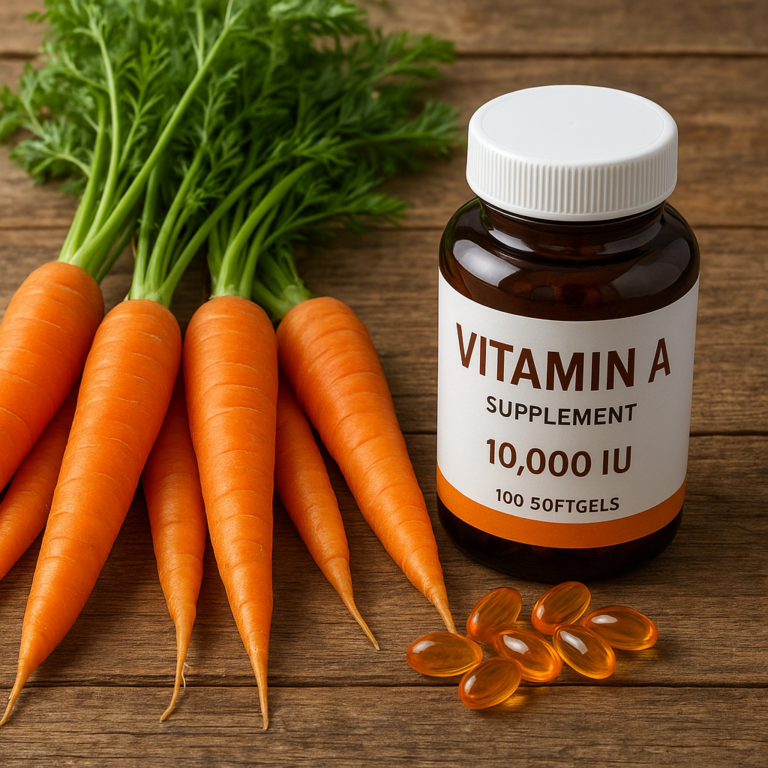
Toxicity: Too much preformed Vitamin A can cause liver damage and birth defects. Beta-carotene is safer (you just turn orange, like a carrot).
Sources: Liver, carrots, sweet potatoes, spinach.
1. Vitamin D (Calciferol): The Sunshine Vitamin
Function: Regulates calcium and phosphorus for strong bones and teeth. Also supports immune and muscle function.
Unique Trait: Your skin makes it when exposed to UVB rays.
Deficiency: Rickets in children, osteomalacia in adults, and increased fracture risk.
Sources: Fatty fish (salmon, mackerel), fortified milk, egg yolks.
The Reality Check: Most people are deficient, especially in winter or if they wear sunscreen. Many experts recommend a supplement.
12. Vitamin E (Tocopherol): The Antioxidant Shield
Function: Protects cells from damage caused by free radicals. Supports immune function.
Deficiency: Rare, but can cause nerve and muscle damage.
Sources: Nuts, seeds, vegetable oils, spinach.
Note: High doses of Vitamin E supplements can increase bleeding risk, especially if you take blood thiners.
13. Vitamin K (Phyloquinone & Menaquinone): The Cloting Commander
Function: Essential for blood cloting (stops you from bleeding out) and bone health.
Forms: K1 (plants) and K2 (bacteria/fermented foods).
Deficiency: Excessive bleeding or bruising.
Sources: Leafy greens (K1), natto, cheese, egg yolks (K2).
Warning: If you are on blood thiners like Warfarin, keep your Vitamin K intake consistent. Don’t suddenly eat a giant salad or stop eating greens!
🚫 The “Almost” Vitamins: Compounds That Didn’t Make the Cut
You might have heard of Vitamin B4, B8, or Vitamin F. What happened to them? They were demoted.
- Vitamin B4 (Adenine): Once thought to be a vitamin, it was found to be a component of DNA that the body makes itself.
- Vitamin B8 (Adenosine): Similarly, reclassified as a non-essential compound.
- Vitamin B10 (Pteroylglutamic acid): Confused with Folate (B9).
- Choline: Often called the “missing vitamin.” It’s essential for brain health and liver function, but since the body can make small amounts, it’s not officially a vitamin. However, many people don’t get enough!
- Carnitine: Helps transport fat into cells for energy. Essential, but the body synthesizes it from amino acids.
These “almosts” are still important nutrients, but they don’t fit the strict definition of a vitamin.
🤔 Vitamins vs. Minerals: What’s the Real Difference?
It’s a common mix-up. Both are micronutrients, but they are fundamentally different.
- Vitamins are organic (carbon-based). They come from plants and animals. They are fragile and can be destroyed by heat, air, or acid.
- Minerals are inorganic (no carbon). They come from the earth (soil and water). They are sturdy and don’t break down easily.
Think of vitamins as the software that runs your body’s programs, and minerals as the hardware that builds the structure. You need both!
| Feature | Vitamins | Minerals |
|---|---|---|
| Origin | Plants, Animals | Soil, Water |
| Chemical Structure | Organic (Carbon-based) | Inorganic |
| Stability | Fragile (heat/light sensitive) | Stable (don’t break down) |
| Examples | A, C, D, E, K, B-Complex | Calcium, Iron, Zinc, Magnesium |
🥗 Top Food Sources for Every Recognized Vitamin
You don’t need a pharmacy to get your 13 vitamins. Nature has a better delivery system. Here is your cheat sheet for hitting your targets:
- Vitamin A: Sweet potatoes, carrots, spinach, liver.
- Vitamin B1: Pork, sunflower seeds, whole grains.
- Vitamin B2: Almonds, yogurt, mushrooms.
- Vitamin B3: Chicken breast, tuna, peanuts.
- Vitamin B5: Avocado, chicken, mushrooms.
- Vitamin B6: Chickpeas, salmon, potatoes.
- Vitamin B7: Eggs, almonds, sweet potatoes.
- Vitamin B9: Lentils, spinach, asparagus.
- Vitamin B12: Clams, beef, fortified nutritional yeast (for vegans).
- Vitamin C: Oranges, bell peppers, kiwi.
- Vitamin D: Fatty fish, egg yolks, fortified milk (and sun!).
- Vitamin E: Sunflower seeds, almonds, spinach.
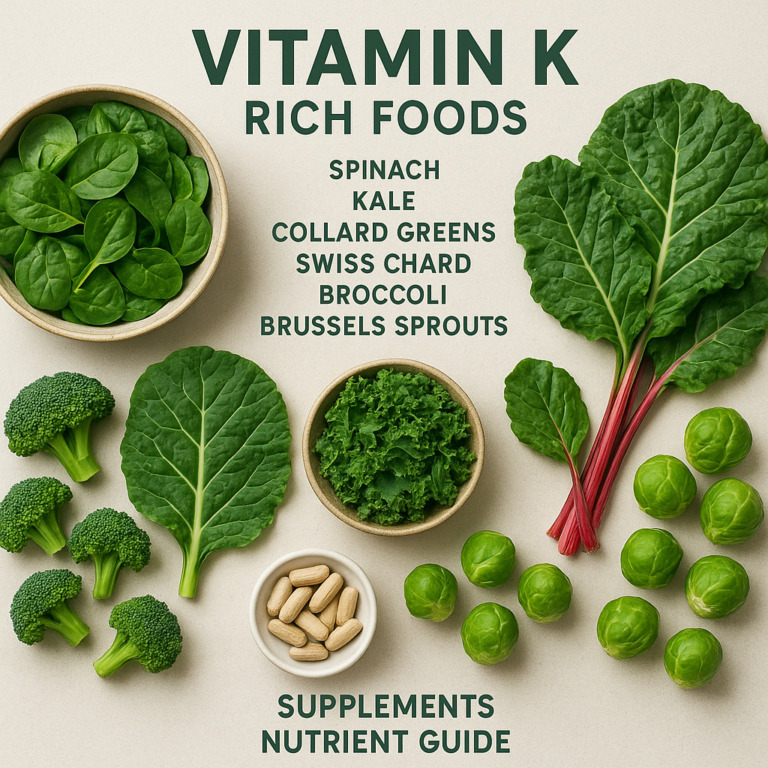
- Vitamin K: Kale, broccoli, Brussels sprouts.
Pro Tip: Eat a rainbow! Different colors often indicate different vitamins and antioxidants.
⚠️ Deficiency Signs and Toxicity Risks You Should Know
We’ve talked about what happens when you don’t get enough, but what happens when you get too much?
Deficiency Red Flags
- Fatigue: Could be B12, B6, or Iron (mineral).
- Bleding Gums: Classic sign of Vitamin C deficiency.
- Night Blindness: Vitamin A.
- Bone Pain: Vitamin D.
- Bruising Easily: Vitamin K.
Toxicity Traps (Hypervitaminosis)
Because fat-soluble vitamins (A, D, E, K) are stored, over-suplementation is dangerous.
- Vitamin A Toxicity: Liver damage, birth defects, bone pain.
- Vitamin D Toxicity: High calcium levels, kidney stones, heart issues.
- Vitamin E Toxicity: Increased bleeding risk.
- Vitamin K Toxicity: Rare, but can interfere with blood thiners.
Water-soluble vitamins are generally safer, but B6 and Niacin (B3) can cause nerve damage and liver issues respectively at very high doses.
Rule of Thumb: Unless a doctor tells you otherwise, do not exceed 10% of the Daily Value (DV) on supplements. More is not better!
💊 Supplement Smarts: When Do You Actually Need a Pill?
At Vitamin Brands™, we get asked this daily: “Do I need a multivitamin?”
The Short Answer: If you eat a balanced diet with plenty of fruits, veggies, lean proteins, and whole grains, you probably don’t.
The Long Answer: Life is messy. You might need a supplement if:
- You are vegan (B12 is a must).
- You have limited sun exposure (Vitamin D).
- You are pregnant (Folate is critical).
- You have a malabsorption condition (Celiac, Crohn’s).
- You are older (B12 absorption decreases with age).
- You have a restricted diet (keto, low-calorie).
Choosing a Supplement:
Look for third-party testing seals like USP, NSF, or ConsumerLab. These ensure the label is accurate and the product is free of contaminants.
Our Top Picks for Quality Supplements
- Best Multivitamin: Nature Made Multi for Her/Him – Reliable, third-party tested.
- Best Vitamin D: Nordic Naturals Vitamin D3 – High quality, great absorption.
- Best B12: Jarrow Formulas Methyl B12 – Sublingual for better absorption.
- Best Prenatal: Thorne Basic Prenatal – Clean ingredients, no fillers.
👉 CHECK PRICE on:
- Nature Made Multi: Amazon | Walmart | Nature Made Official
- Nordic Naturals D3: Amazon | iHerb | Nordic Naturals Official
- Jarrow B12: Amazon | Vitacost | Jarrow Official
🧪 The Science of Absorption: Why Your Body Might Reject Your Multivitamin
You bought the expensive pill, but is it working? Not necessarily.
Bioavailability is the key. Some forms of vitamins are absorbed better than others.
- Vitamin B12: Cyanocobalamin is cheap and stable, but Methylcobalamin is often better absorbed, especially for older adults.
- Vitamin D: D3 (cholecalciferol) is superior to D2 (ergocalciferol) for raising blood levels.
- Magnesium (Mineral): Citrate and glycinate are better absorbed than oxide.
The Fat Factor: Remember those fat-soluble vitamins? Taking a multivitamin on an empty stomach with just water? You’re wasting your money. Take it with a meal containing fat (avocado, eggs, nuts) to trigger bile production and absorption.
🌍 Global Perspectives: How Different Countries Define Vitamin Needs
While the “13 vitamins” rule is standard in the US and Europe, guidelines vary slightly.
- USA: Uses the Dietary Reference Intakes (DRIs) set by the National Academies.
- Europe: Uses EFSA (European Food Safety Authority) values, which sometimes differ slightly on RDAs.
- Japan: Has its own Dietary Reference Intakes (DRIs) which can be higher for certain B vitamins due to dietary habits.
Despite these differences, the core list of 13 remains consistent globally. The variations are usually in the amount recommended, not the identity of the vitamins.
📊 Vitamin Deficiency Statistics: Who’s at Risk?
Deficiency isn’t just a “third-world problem.” It’s a global issue.
- Vitamin D: Up to 40-50% of the US population may be deficient.
- Vitamin B12: Affects about 15% of older adults and is common in vegans.
- Iron (Mineral): The most common deficiency worldwide, affecting billions.
- Vitamin A: Still a major cause of blindness in developing nations.
Source: CDC Nutrition Data and WHO Global Health Observatory.
🔬 Future of Nutrition: Are New Vitamins on the Horizon?
Will we discover a Vitamin E13? Unlikely. The scientific consensus is that we’ve found them all. However, research is shifting from “what is a vitamin” to “how do they interact.”
The study on Jun-Fos and receptors for vitamins A and D (PubMed: 2159384) highlights that vitamins don’t work in isolation. They share genetic pathways. Future supplements might focus on synergistic blends rather than isolated mega-doses. We might also see more focus on choline and inositol being re-evaluated as essential nutrients for specific populations.
🏆 Expert Recommendations: Our Top Picks for Quality Supplements
At Vitamin Brands™, we believe in quality over quantity. Here is our “Gold Standard” list for the 13 vitamins:
- Vitamin A: Look for beta-carotene sources if you want to avoid toxicity.
- Vitamin D: Always choose D3.
- Vitamin E: Look for mixed tocopherols (not just alpha-tocopherol).
- Vitamin K: A blend of K1 and K2 is ideal.
- B-Complex: Ensure it includes methylated forms of B12 and Folate (5-MTHF) for better absorption.
- Vitamin C: Buffered or liposomal forms are gentler on the stomach.
👉 Shop
- Thorne: Amazon | Thorne Official
- Garden of Life: Amazon | Garden of Life Official
- Life Extension: Amazon | Life Extension Official
📸 Visual Guide: What Do Vitamin Deficiencies Look Like?
(Note: While we can’t display images here, imagine these classic signs)
- Scurvy (C): Bleding gums, purple spots on skin.
- Rickets (D): Bowed legs, soft skull in children.
- Pellagra (B3): Rough, scaly skin on sun-exposed areas.
- Beriberi (B1): Swollen legs, heart failure.
- Night Blindness (A): Difficulty seeing in low light.
If you notice these symptoms, see a doctor before self-diagnosing. Blood tests are the only way to confirm a deficiency.
✅ Conclusion

So, there you have it. The mystery is solved. There are 13 recognized vitamins that your body absolutely needs to function. From the water-soluble B-complex and C that keep your energy up and immune system strong, to the fat-soluble A, D, E, and K that build bones and protect your cells, each one plays a unique and ireplaceable role.
We started this journey wondering if there were more hidden vitamins out there, but science has drawn the line at 13. The “almosts” like choline are important, but they don’t make the cut. The key takeaway? Balance is everything. You don’t need a pharmacy full of pills if you’re eating a colorful, varied diet. But if you have gaps—like a vegan skipping B12 or a sun-deprived office worker needing D—smart supplementation is a powerful tool.
Remember, more is not better. Overdoing it on fat-soluble vitamins can be dangerous. Always listen to your body, get blood work done if you’re unsure, and consult a healthcare professional before starting high-dose regimens.
Final Thought: The next time you see a supplement labeled “Vitamin B15” or “Vitamin F,” you’ll know it’s just marketing fluff. Stick to the 13, eat your veggies, and let your body do the rest.
🔗 Recommended Links
Ready to stock up on quality? Here are our top picks for the 13 essential vitamins:
- Best Multivitamin: Nature Made Multi – Amazon | Walmart
- Best Vitamin D3: Nordic Naturals – Amazon | iHerb
- Best B12: Jarrow Formulas Methyl B12 – Amazon
- Best Prenatal: Thorne Basic Prenatal – Amazon
- Best Vitamin C: Life Extension Vitamin C – Amazon
Books to Read:
❓ FAQ: Your Burning Questions About Vitamins Answered

How do vitamin supplements compare to getting vitamins from food?
Food wins, hands down. Whole foods contain a complex matrix of fiber, antioxidants, and phytonutrients that work together to help your body absorb vitamins. Supplements are great for filling gaps, but they can’t replicate the synergy of a whole apple or a spinach salad.
Read more about “🌟 How to Get All 13 Essential Vitamins (2026 Guide)”
Which vitamins are most commonly deficient in adults?
Vitamin D is the big one, followed by Vitamin B12 (especially in older adults and vegans) and Vitamin C in people with poor diets. Iron (a mineral) is also very common.
Read more about “🏆 15 Best Vitamin Brands Ranked for 2026: The Ultimate Scorecard”
What are the essential functions of each recognized vitamin?
- A: Vision, skin, immune.
- B1-B12: Energy, nerve function, red blood cells, DNA.
- C: Immunity, collagen, antioxidant.
- D: Bone health, immune.
- E: Antioxidant, cell protection.
- K: Blood cloting, bone health.
Read more about “What Vitamins Help Skin Conditions? Top 12 Must-Know Nutrients (2026) ✨”
What is the recommended daily allowance for each vitamin?
RDA varies by age, sex, and life stage. For example, adult men need 90mg of Vitamin C, while women need 75mg. Pregnant women need more Folate (60mcg). Check the NIH Office of Dietary Supplements for specific charts.
Read more about “Are Grocery Store Vitamins Effective? The 2026 Truth 🧪”
What are the symptoms of a deficiency in the most common vitamins?
- D: Bone pain, muscle weakness.
- B12: Fatigue, numbness, memory loss.
- C: Bleding gums, slow healing.
- A: Night blindness.
Read more about “The 13 Minerals You Need to Live: A Complete Guide (2026) 🌍”
Can you get all 13 vitamins from a balanced diet alone?
Yes, absolutely. A diet rich in fruits, vegetables, whole grains, lean proteins, and healthy fats can provide all 13. However, modern soil depletion and lifestyle factors (like limited sun) make it harder for some people.
Read more about “🏆 5 Best Vitamin A Companies (2026): Who Wins?”
What are the 13 essential vitamins for the human body?
A, C, D, E, K, B1 (Thiamine), B2 (Riboflavin), B3 (Niacin), B5 (Pantothenic Acid), B6 (Pyridoxine), B7 (Biotin), B9 (Folate), B12 (Cobalamin).
Read more about “🏆 7 Best Vitamin A & Retinol Supplements for 2026”
Which vitamins are fat-soluble and which are water-soluble?
- Fat-Soluble: A, D, E, K.
- Water-Soluble: B-complex (B1, B2, B3, B5, B6, B7, B9, B12) and C.
Can you take too many vitamins and what are the risks?
Yes. Fat-soluble vitamins (A, D, E, K) can build up toxic levels. High doses of B6 can cause nerve damage, and too much Niacin can hurt the liver. Always follow the label or your doctor’s advice.
Read more about “🌟 Nature Made Magnesium: The Ultimate 2026 Guide to Sleep & Recovery”
How do fat-soluble and water-soluble vitamins differ?
Fat-soluble vitamins are stored in the body and need fat to be absorbed. Water-soluble vitamins are not stored (mostly) and are excreted in urine, requiring daily intake.
Read more about “What Are the 13 Vitamins in Order? Your Ultimate Guide (2026) 🥦”
What are some common deficiencies of essential vitamins and how can they be prevented or treated with supplements?
Deficiencies are prevented by a varied diet. If diagnosed, supplements are used to restore levels. For example, B12 injections for severe deficiency, or high-dose D3 for low levels.
What is the difference between fat-soluble and water-soluble vitamins, and which ones fall into each category?
See the table above. Fat-soluble: A, D, E, K. Water-soluble: B-complex and C.
How do vitamins interact with each other and with other nutrients in the diet?
They work in teams! Vitamin D helps absorb Calcium. Vitamin C helps absorb Iron. B vitamins work together for energy. Taking them in isolation can sometimes reduce effectiveness.
Read more about “The 4 Fat-Soluble Vitamins: Secrets A, D, E & K Won’t Tell You 🤫”
What are the different types of vitamins and their functions in the body?
Covered in detail above. They act as coenzymes, antioxidants, and structural components for growth and repair.
Read more about “🌟 The 13 Types of Vitamins & Their Sources (2026 Guide)”
📚 Reference Links
- MedlinePlus: Vitamins
- NIH Office of Dietary Supplements: Vitamins Overview
- FDA: Generally Recognized as Safe (GRAS)
- PubMed: Jun-Fos and receptors for vitamins A and D recognize a common response element
- CDC: Nutrition and Physical Activity
- World Health Organization: Micronutrients
- Nature Made Official Website: Products
- Thorne Official Website: Suplements
- Garden of Life Official Website: Vitamins
- Jarrow Formulas Official Website: Products