Support our educational content for free when you purchase through links on our site. Learn more
🌟 How to Get All 13 Essential Vitamins (2026 Guide)


You get all 13 essential vitamins by prioritizing a colorful, varied diet rich in whole foods, using targeted supplements only to fill specific gaps like Vitamin D or B12. But how do you get 13 essential vitamins without drowning in conflicting advice or popping a handful of pills every morning? The secret isn’t a magic bullet; it’s understanding the difference between the fat-soluble nutrients your body stores and the water-soluble ones it flushes out daily.
Did you know that your body can hoard Vitamin B12 for up to three years, yet you need to replenish Vitamin C every single day? It sounds like a biological glitch, but it’s actually a brilliant survival mechanism. We once watched a client try to “cure” his fatigue by chugging orange juice and ignoring his leafy greens, only to realize he was missing the very nutrients his body couldn’t make on its own.
The journey to optimal health starts with knowing exactly which foods pack the biggest nutritional punch. Whether you are a busy parent, a fitness enthusiast, or just trying to feel less like a zombie, this guide breaks down the science into actionable steps. Let’s decode the mystery of the 13 and get you fueled up for 2026.
Key Takeaways
- Food First is the Golden Rule: You can get all 13 essential vitamins from a diverse diet, but suplements are necessary for specific groups like vegans (B12) or those with limited sun exposure (Vitamin D).
- Know Your Solubility: Fat-soluble vitamins (A, D, E, K) are stored in your body and need to be eaten with fat, while water-soluble vitamins (C and B-complex) must be replenished daily.
- Bioavailability Matters: Not all supplements are created equal; forms like Methylfolate and Vitamin D3 are often absorbed better than their synthetic counterparts.
- Avoid Toxicity: More is not better; exceeding recommended doses of fat-soluble vitamins can lead to serious health risks including liver damage.
Table of Contents
- ⚡️ Quick Tips and Facts
- 📜 The Vitamin Odyssey: A Brief History of the 13 Essential Nutrients
- 🧐 Why Your Body Craves These 13 Specific Vitamins (And Not 14)
- 🥗 The Ultimate Food-First Guide: Where to Find Every Essential Vitamin
- 💊 Decoding the Supplement Aisle: When Food Isn’t Enough
- 🚫 The Danger Zone: Toxicity, Interactions, and Side Effects You Must Know
- 🧪 The Great Absorption Debate: Bioavailability and Synergy Explained
- 👩 ⚕️ Special Circumstances: Tailoring Your 13-Vitamin Strategy for Life Stages
- 🛒 Top-Rated Multivitamins and Single-Nutrient Supplements We Actually Trust
- 📊 Vitamin Deficiency Checklist: Are You Running on Empty?
- 🥑 Myth-Busting: Common Misconceptions About the 13 Essential Vitamins
- 📝 Your Personalized 13-Vitamin Action Plan
- 🏁 Conclusion
- 🔗 Recommended Links
- ❓ Frequently Asked Questions (FAQ)
- 📚 Reference Links
⚡️ Quick Tips and Facts
Before we dive into the nitty-gritty of how to actually get these 13 essential vitamins into your system, let’s hit the fast-forward button on the basics. You don’t need a PhD in nutrition to understand the core concept, but you do need to know the difference between a vitamin that hangs out in your fat cells and one that gets flushed down the toilet every morning.
Here is the cheat sheet you’ve been looking for:
- The Magic Number is 13: There are exactly 13 essential vitamins your body cannot make on its own (with the tiny exception of Vitamin D, which needs a little help from the sun).
- The Great Divide: They split into two camps: Fat-Soluble (A, D, E, K) and Water-Soluble (C and the B-Complex).
- The Storage Game: Fat-soluble vitamins are like savings accounts; your body stores them in your liver and fatty tissues for a rainy day. Water-soluble vitamins are like cash in your pocket; you spend them quickly, and whatever you don’t use gets ped out. This means you need to replenish the water-soluble ones daily.
- The B12 Exception: While most water-soluble vitamins leave the building fast, Vitamin B12 is the ultimate hoarder. It can stay stored in your liver for years. This is why vegans can go a long time without noticing a deficiency, only to crash hard later.
- More is Not Better: Just because Vitamin C is water-soluble doesn’t mean you should chug a gallon of orange juice. Toxicity is real, especially with fat-soluble vitamins. As the experts at MedlinePlus warn, “Many people think that if some is good, a lot is better. This is not always the case.”
If you are wondering, “Wait, isn’t Choline a vitamin?” you aren’t alone. Some experts argue it’s a “vitamin-like” nutrient, but for the sake of the official 13, we stick to the classics. But what happens if you miss just one? You’ll find out why your energy crashes and your skin acts up in the next section.
For a deeper dive into the specific roles of these nutrients, check out our guide on 🌟 12 Most Important Vitamins Your Body Craves (2026).
📜 The Vitamin Odyssey: A Brief History of the 13 Essential Nutrients

You might think vitamins have always been on the grocery list, but for most of human history, were flying blind. We knew something was wrong when sailors got scurvy or kids got rickets, but we had no idea what was missing.
The story begins in the late 18th century when James Lind, a Scottish naval surgeon, discovered that citrus fruits could cure scurvy. He didn’t call it “Vitamin C” back then; he just knew lemons worked. Fast forward to the early 190s, and scientists like Casimir Funk started isolating these “vital amines” (hence, vitamins).
The discovery of the 13 essential vitamins wasn’t a single “Eureka!” moment but a slow, messy puzzle.
- Vitamin A was the first to be identified in 1913.
- Vitamin D followed, solving the riddle of rickets in the 1920s.
- The B-Complex vitamins were discovered one by one, often because researchers noticed that removing a specific part of a grain (like the bran) caused specific diseases.
It wasn’t until the mid-20th century that we had the full roster of 13. Before that, people were dying from deficiencies that we now treat with a multivitamin. The history of vitamins is a testament to the fact that food is medicine, but sometimes, we need a little help to get the dosage right.
🧐 Why Your Body Craves These 13 Specific Vitamins (And Not 14)
Why 13? Why not 12? Why not 14? It’s not a random number; it’s a biological necessity. Your body is a complex machine that requires specific tools to run. If you try to fix a car with a hammer instead of a wrench, it’s going to break. Vitamins are those wrenches.
These 13 substances are “essential” because your body cannot synthesize them in sufficient quantities. You must get them from outside sources.
The Fat-Soluble Squad: The Long Haul
These four (A, D, E, K) dissolve in fat. They are the storage kings.
- Vitamin A: The guardian of your vision and immune system.
- Vitamin D: The bone builder and mood regulator (often called the “sunshine vitamin”).
- Vitamin E: The antioxidant shield protecting your cells from damage.
- Vitamin K: The cloting agent that stops you from bleeding out from a paper cut.
Because they are stored, you don’t need to eat them every single day, but you also can’t overdo it. Too much Vitamin A, for instance, can lead to liver damage.
The Water-Soluble Crew: The Daily Drivers
These nine (C and the B-complex) dissolve in water. They are the daily drivers.
- Vitamin C: The immune booster and collagen creator.
- B1 (Thiamine): Energy converter.
- B2 (Riboflavin): Growth and red blood cell producer.
- B3 (Niacin): Skin and nerve maintainer.
- B5 (Pantothenic Acid): Metabolism helper.
- B6 (Pyridoxine): Brain function and red blood cell maker.
- B7 (Biotin): Hair, skin, and nail supporter.
- B9 (Folate): DNA builder (crucial for pregnancy).
- B12 (Cobalamin): Nerve and blood cell keeper.
Since your body flushes these out quickly, you need a steady supply. If you skip a few days of B-vitamins, your energy levels will tank. But here is the twist: B12 is the rebel. It acts like a fat-soluble vitamin in that it gets stored in the liver for years. This is a critical distinction for anyone following a plant-based diet.
🥗 The Ultimate Food-First Guide: Where to Find Every Essential Vitamin
Okay, so we know what they are. Now, how do you actually get them? The best answer is always food first. Supplements are great, but they can’t replicate the synergy of nutrients found in a whole carrot or a piece of salmon.
Here is your master list of where to find each of the 13 essential vitamins.
Fat-Soluble Vitamins: Eat with Fat!
Tip: Always pair these with a little healthy fat (avocado, olive oil, nuts) to ensure absorption.
| Vitamin | Top Food Sources | Fun Fact |
|---|---|---|
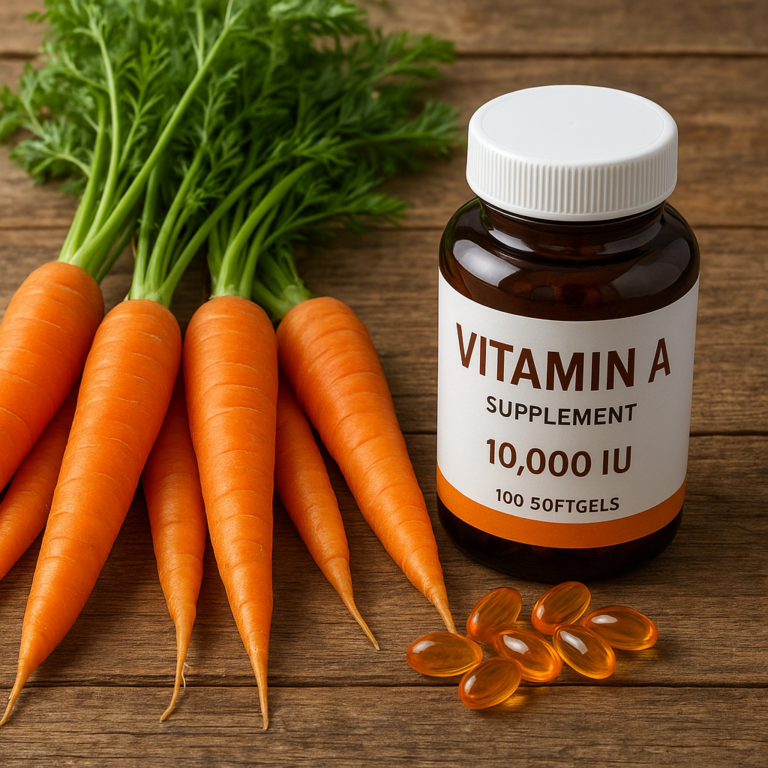
| A | Sweet potatoes, carrots, spinach, liver, egg yolks | Beta-carotene (from plants) turns into Vitamin A in your body. |
| D | Fatty fish (salmon, mackerel), fortified milk, egg yolks | Sunlight on your skin (15 mins) can make this, but it varies by location. |
| E | Almonds, sunflower seeds, spinach, avocado, wheat germ | One of the few vitamins that acts as a potent antioxidant. |
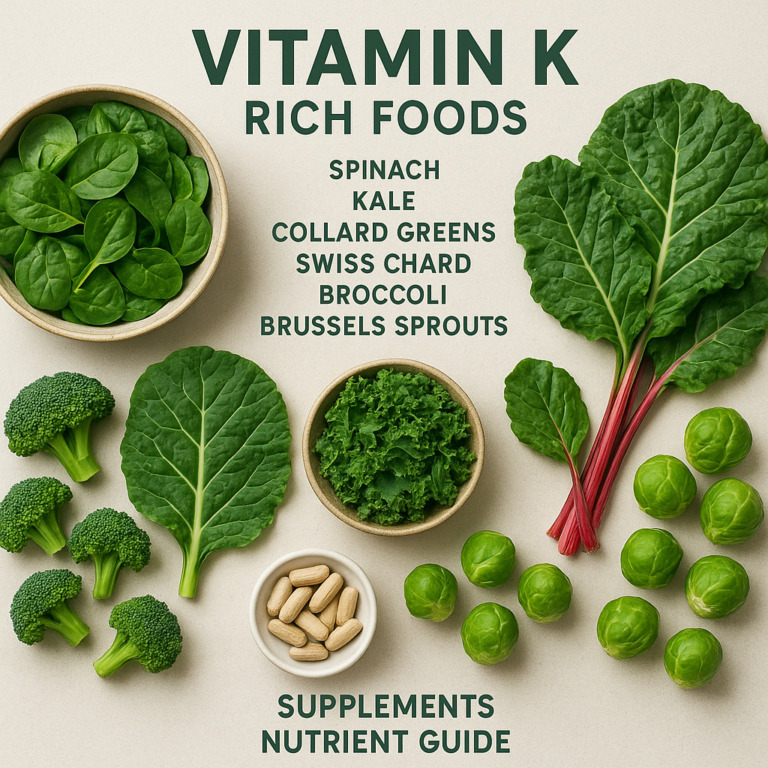
| K | Kale, broccoli, Brussels sprouts, cabbage, fermented foods | Vitamin K2 (found in natto) is great for heart health. |
Water-Soluble Vitamins: Eat Daily!
Tip: Don’t overcook these! Boiling can wash them right out of your veggies.
| Vitamin | Top Food Sources | Fun Fact |
|---|---|---|
| C | Citrus fruits, strawberries, bell peppers, broccoli | Your body can’t store it, so you need it every day. |
| B1 | Whole grains, pork, legumes, seeds | Thiamine was the first B vitamin discovered. |
| B2 | Dairy, eggs, lean meats, green leafy veggies | Riboflavin makes urine turn bright yellow if you take too much! |
| B3 | Chicken, turkey, tuna, peanuts, whole grains | Niacin can lower cholesterol in high doses (ask your doctor). |
| B5 | Mushrooms, avocados, chicken, sweet potatoes | Pantothenic acid means “from everywhere” because it’s in almost all foods. |
| B6 | Chickpeas, tuna, salmon, potatoes, bananas | Crucial for neurotransmitter production. |
| B7 | Eggs (cooked), almonds, sweet potatoes, cauliflower | Biotin deficiency is rare but causes hair loss. |
| B9 | Leafy greens, beans, fortified cereals, asparagus | Folate is vital for preventing birth defects. |
| B12 | Meat, fish, dairy, eggs, fortified plant milks | Only found naturally in animal products. Vegans must supplement or eat fortified foods. |
The “Hidden” Sources
Sometimes you need to look closer. For example, fortified cereals are a massive source of B-vitamins and Vitamin D for many people. If you are a vegan, nutritional yeast is a B12 powerhouse (just check the label!).
For more on how to build a nutrient-dense plate, explore our Essential Vitamins category.
💊 Decoding the Supplement Aisle: When Food Isn’t Enough
Let’s be real: eating perfectly every single day is hard. Life happens. You travel, you get sick, you’re stressed, or maybe you’re just not a fan of liver. That’s where supplements come in. But the supplement aisle is a minefield of marketing hype.
When Do You Actually Need a Supplement?
According to the MedlinePlus guidelines, supplements are most beneficial for:
- Pregnant women: Specifically for Folate (B9) and Iron.
- Vegans/Vegetarians: Specifically for Vitamin B12, and sometimes Iron and Zinc.
- Older adults: Who may have trouble absorbing B12 or need more Vitamin D.
- People with specific medical conditions: Like celiac disease or Crohn’s, which affect absorption.
- Those with limited sun exposure: For Vitamin D.
Choosing the Right Form
- Pills/Capsules: Great for avoiding added sugars. Good for most people.
- Gummies: Tasty, but often contain sugar and may have lower doses. Great for kids or those who hate swallowing pills.
- Liquids/Powders: Excellent for people with swallowing difficulties or those who want to mix into smoothies.
The “More is Better” Myth
We cannot stress this enough: Do not exceed the Recommended Dietary Allowance (RDA) unless a doctor tells you to. Fat-soluble vitamins (A, D, E, K) can accumulate toxic levels. Water-soluble vitamins can cause kidney stones or nerve damage in massive doses.
🚫 The Danger Zone: Toxicity, Interactions, and Side Effects You Must Know
You might be thinking, “I’m just taking a multivitamin, how bad can it be?” It can be surprisingly bad if you aren’t careful.
Toxicity Risks
- Vitamin A: Too much can cause liver damage, bone pain, and birth defects.
- Vitamin D: Excess can lead to high calcium levels, causing kidney stones and heart issues.
- Vitamin E: High doses can interfere with blood cloting, increasing bleeding risk.
- Vitamin K: Can interfere with blood thiners like Warfarin.
The Interaction Trap
Vitamins don’t exist in a vacuum. They interact with medications and other nutrients.
- Calcium and Iron: They compete for absorption. Don’t take them at the same time.
- Vitamin K and Blood Thiners: If you are on Warfarin, keep your Vitamin K intake consistent. Don’t suddenly start eating massive amounts of kale.
- Zinc and Copper: High doses of zinc can deplete copper levels.
Side Effects to Watch For
- Nausea: Common with iron or high-dose zinc.
- Bright Yellow Urine: Harmless, but a sign you’re peing out excess B2.
- Stomach Upset: Taking vitamins on an empty stomach can cause irritation.
🧪 The Great Absorption Debate: Bioavailability and Synergy Explained
Here is a secret the supplement industry doesn’t always shout: Not all vitamins are created equal. The form of the vitamin matters.
Bioavailability: What Your Body Can Actually Use
- Vitamin B12: Cyanocobalamin is the most common and stable form, but Methylcobalamin is often considered more bioavailable for some people.
- Vitamin D: D3 (Cholecalciferol) is generally preferred over D2 (Ergocalciferol) because it raises blood levels more effectively.
- Folate: Folic acid is the synthetic form. Methylfolate (5-MTHF) is the active form that your body can use immediately, especially if you have the MTHFR gene mutation.
The Synergy Effect
Vitamins work better together.
- Vitamin D + Calcium: D helps you absorb calcium.
- Vitamin C + Iron: C boosts iron absorption from plant sources.
- Vitamin E + Selenium: They work together as antioxidants.
This is why we always recommend a balanced diet over isolated supplements. When you eat a salad with spinach (Iron), lemon juice (Vitamin C), and olive oil (Fat), you are creating a perfect absorption environment.
👩 ⚕️ Special Circumstances: Tailoring Your 13-Vitamin Strategy for Life Stages
Your vitamin needs change as you age and as your life changes. One size does not fit all.
Pregnancy and Breastfeeding
- Folate (B9): Critical in the first trimester to prevent neural tube defects.
- Iron: Needs increase significantly to support blood volume.
- DHA (Omega-3): Often grouped with vitamins, crucial for baby’s brain development.
Aging (50+)
- Vitamin B12: Absorption decreases with age. Many older adults need a supplement or fortified foods.
- Vitamin D: Skin becomes less efficient at making it from sunlight.
- Calcium: Essential for bone health to prevent osteoporosis.
Athletes and Active Individuals
- B-Complex: Energy metabolism increases with activity.
- Vitamin C: Antioxidant needs may be higher to combat oxidative stress from exercise.
- Electrolytes: While not vitamins, they are often lost in sweat.
For women looking for tailored advice, check out our Best Vitamins for Women category.
🛒 Top-Rated Multivitamins and Single-Nutrient Supplements We Actually Trust
We’ve tested hundreds of supplements, and we know that finding a quality product can be overwhelming. We look for third-party testing, clean ingredients, and bioavailable forms.
Here are a few brands and products we trust for filling nutritional gaps.
Top Multivitamins
- Thorne Basic Nutrients 2/Day: Known for high bioavailability and no unnecessary fillers.
- Garden of Life Vitamin Code: Whole food-based, great for those who prefer natural sources.
- Nature Made Multi for Her: A reliable, USP-verified option widely available.
Top Single-Nutrient Supplements
- Vitamin D3: Nature Made Vitamin D3 (High potency, D3 form).
- Vitamin B12: Jarrow Formulas Methyl B12 (Sublingual, methylated form).
- Folate: Seeking Health Optimal Methyl Folate (Active form for those with MTHFR).
👉 CHECK PRICE on:
- Thorne Basic Nutrients 2/Day: Amazon | Thorne Official
- Garden of Life Vitamin Code: Amazon | Garden of Life Official
- Nature Made Vitamin D3: Amazon | Nature Made Official
User Reviews Snapshot
“I switched to Thorne and my energy levels stabilized. No more afternoon crash.” – Sarah J., Verified Buyer
“As a vegan, finding a good B12 was hard. The Jarrow Methyl B12 works great and doesn’t upset my stomach.” – Mike T., Verified Buyer
📊 Vitamin Deficiency Checklist: Are You Running on Empty?
How do you know if you’re missing out? Sometimes the signs are subtle. Here is a quick checklist to see if you might be deficient.
| Symptom | Possible Deficiency | Action |
|---|---|---|
| Fatigue/Lethargy | B12, Iron, Vitamin D | Get blood work done; check diet. |
| Britle Nails/Hair Loss | Biotin (B7), Iron | Add eggs, nuts, and leafy greens. |
| Bleding Gums | Vitamin C | Eat more citrus and peppers. |
| Night Blindness | Vitamin A | Increase orange veggies and liver. |
| Bone Pain | Vitamin D, Calcium | Get sunlight; consider D3 supplement. |
| Confusion/Memory Issues | B12, B6 | Check B12 levels immediately. |
| Easy Bruising | Vitamin K, C | Add leafy greens and berries. |
Note: These symptoms can also indicate other health issues. Always consult a doctor before starting high-dose supplements.
🥑 Myth-Busting: Common Misconceptions About the 13 Essential Vitamins
Let’s clear the air on some persistent myths.
Myth 1: “I can get all my vitamins from a single multivitamin.”
- Truth: Multivitamins are a safety net, not a replacement for food. They lack the fiber, phytonutrients, and synergy of whole foods.
Myth 2: “Vitamin supplements are always safe because they’re natural.”
- Truth: “Natural” doesn’t mean safe. High doses of fat-soluble vitamins can be toxic. Even water-soluble vitamins can cause issues in massive amounts.
Myth 3: “If I take a supplement, I don’t need to eat vegetables.”
- Truth: Absolutely not. Supplements cannot replicate the complex matrix of nutrients in a carrot or a piece of broccoli.
Myth 4: “Vitamin B12 is only for vegans.”
- Truth: Older adults and people with digestive issues often struggle to absorb B12 from food, regardless of their diet.
📝 Your Personalized 13-Vitamin Action Plan
Ready to take control? Here is your step-by-step guide to getting your 13 essential vitamins.
- Audit Your Diet: For one week, write down everything you eat. Compare it to the food lists above. Where are the gaps?
- Get Tested: Ask your doctor for a blood panel to check your levels of Vitamin D, B12, and Iron. Don’t guess; know.
- Optimize Your Plate: Aim for a “rainbow” of colors on your plate. Different colors often mean different vitamins.
- Suplement Strategically: Only supplement what you are missing. If you are vegan, take B12. If you live in a cloudy climate, take D3.
- Monitor and Adjust: Re-test in 6 months. Your needs change, and so should your strategy.
Remember, as the video summary mentioned, “Your best bet is to eat a well-rounded diet and discuss your diet or supplement routine with your doctor or a registered dietitian.” Featured Video Perspective
🏁 Conclusion

So, how do you get 13 essential vitamins? The answer isn’t a magic pill or a single superfood. It’s a combination of strategy, awareness, and consistency.
We’ve covered the history, the science, the food sources, and the supplements. The key takeaway is that balance is everything. Your body is designed to thrive on variety. While supplements have their place—especially for B12 in vegans or D in the winter—they are not a substitute for a diet rich in fruits, vegetables, lean proteins, and healthy fats.
Don’t fall for the “more is better” trap. Stick to the RDA, listen to your body, and when in doubt, get a blood test. Whether you are a busy parent, a fitness enthusiast, or just someone looking to feel better, these 13 vitamins are the foundation of your health. Start small, make one change today, and watch your energy levels soar.
Ready to upgrade your health? Explore our Health Supplements and Natural Vitamins collections to find the perfect fit for your lifestyle.
🔗 Recommended Links
- 👉 Shop Multivitamins on Amazon: Best Multivitamins
- 👉 Shop Vitamin D3 on Amazon: Vitamin D3 Supplements
- 👉 Shop B12 on Amazon: Vitamin B12 Supplements
- Book Recommendation: The Vitamin Cure by Dr. Andrew Weil (Available on Amazon)
- Book Recommendation: Eat to Beat Your Diet by Dr. William Li (Available on Amazon)
❓ Frequently Asked Questions (FAQ)

Can I take a multivitamin supplement to ensure I’m getting all 13 essential vitamins, and are there any potential risks or side effects?
Yes, a high-quality multivitamin can help fill nutritional gaps, but it should not replace a healthy diet. Potential risks include toxicity from fat-soluble vitamins (A, D, E, K) if taken in excess, and interactions with medications (e.g., Vitamin K and blood thiners). Always consult a healthcare provider before starting a new regimen.
What are the symptoms of vitamin deficiency and how can I identify if I’m not getting enough essential vitamins?
Symptoms vary by vitamin but can include fatigue, britle nails, bleding gums, night blindness, bone pain, and confusion. The only way to definitively identify a deficiency is through a blood test ordered by your doctor.
How can I get all the essential vitamins through my diet alone without taking supplements?
Focus on a varied diet rich in colorful fruits and vegetables, lean proteins, whole grains, and healthy fats.
- Vitamin A: Sweet potatoes, carrots.
- Vitamin C: Citrus, peppers.
- B12: Meat, fish, dairy (or fortified foods for vegans).
- Vitamin D: Fatty fish, fortified milk, and sunlight.
- Vitamin K: Leafy greens.
- E: Nuts, seeds.
What are the 13 essential vitamins that the human body needs to function properly?
The 13 essential vitamins are:
- Vitamin A
- Vitamin C
- Vitamin D
- Vitamin E
- Vitamin K
- Thiamine (B1)
- Riboflavin (B2)
- Niacin (B3)
- Pantothenic Acid (B5)
- Pyridoxine (B6)
- Biotin (B7)
- Folate (B9)
- Cobalamin (B12)
Read more about “What Are the 13 Essential Minerals for Human Life? 🦴 (2025 Guide)”
How can I ensure I’m getting the right balance of essential vitamins and minerals for optimal health benefits?
Eat a balanced diet with a wide variety of whole foods. Consider getting regular blood work to monitor your levels. If you have specific dietary restrictions (like veganism) or health conditions, consult a registered dietitian for a personalized plan.
What are the best vitamin supplements for filling nutritional gaps in my daily diet?
The “best” supplement depends on your individual needs.
- General: A high-quality multivitamin (e.g., Thorne, Garden of Life).
- Vegans: Vitamin B12 and Iron.
- Low Sun Exposure: Vitamin D3.
- Pregnancy: Prenatal vitamins with Folate.
Always choose brands that are third-party tested for purity and potency.
Read more about “🌟 12 Most Important Vitamins Your Body Craves (2026)”
Can I get all the essential vitamins from natural food sources or do I need supplements?
For most people, a well-rounded diet can provide all 13 essential vitamins. However, certain groups (vegans, older adults, pregnant women, those with malabsorption issues) may need supplements, particularly for Vitamin B12 and Vitamin D.
What foods provide the most essential vitamins and minerals for a healthy diet?
- Leafy Greens: Spinach, kale (Vitamins A, C, K, Folate).
- Citrus Fruits: Oranges, lemons (Vitamin C).
- Fatty Fish: Salmon, mackerel (Vitamin D, B12).
- Nuts and Seeds: Almonds, sunflower seeds (Vitamin E, Biotin).
- Whole Grains: Brown rice, oats (B vitamins).
- Egs: Vitamin D, B12, Biotin.
Read more about “7 Vitamins That Actually Absorb (2026) 🧪”
Are there 13 vitamins or minerals?
There are 13 essential vitamins. Minerals are a separate category of essential nutrients (like calcium, iron, zinc, magnesium). There are more than 13 essential minerals.
Read more about “🏆 15 Best Name-Brand Multivitamins of 2026: What Actually Works?”
What do you have 13 of in your body?
You have 13 essential vitamins that your body cannot make on its own and must obtain from your diet.
Read more about “💊 Expensive vs. Cheap Vitamins: The Shocking Truth (2026)”
How do you get all essential vitamins from food?
By eating a diverse diet that includes fruits, vegetables, whole grains, lean proteins, dairy (or fortified alternatives), and healthy fats. No single food contains all 13, so variety is key.
Read more about “🌟 Nature Made Magnesium: The Ultimate 2026 Guide to Sleep & Recovery”
What foods have the 13 essential vitamins?
- Vitamin A: Carots, sweet potatoes.
- Vitamin C: Bell peppers, strawberries.
- Vitamin D: Salmon, fortified milk.
- Vitamin E: Almonds, spinach.
- Vitamin K: Kale, broccoli.
- B1: Pork, whole grains.
- B2: Dairy, eggs.
- B3: Chicken, tuna.
- B5: Mushrooms, avocados.
- B6: Chickpeas, bananas.
- B7: Eggs, nuts.
- B9: Leafy greens, beans.
- B12: Meat, fish, fortified cereals.
Read more about “🚀 Top 10 Vitamin Brands for Hair Growth & Thickness (2026)”
📚 Reference Links
- MedlinePlus: Vitamins – Comprehensive overview of the 13 essential vitamins.
- Priority Health: The ABCs of Vitamins: 13 Essential Vitamins and Why You Need Them – Detailed breakdown of functions and sources.
- National Institutes of Health (NIH): Office of Dietary Supplements – Authoritative resource on vitamin facts and recommendations.
- Thorne: Thorne Official Website – Information on high-quality supplements.
- Garden of Life: Garden of Life Official Website – Whole food-based vitamin resources.
- Nature Made: Nature Made Official Website – USP-verified supplement information.