Support our educational content for free when you purchase through links on our site. Learn more
🏆 Which Vitamin Is Most Important for the Body? (2026)

The hard truth is that no single vitamin reigns supreme; your body needs all 13 essential vitamins working in harmony to function correctly. When you ask which vitamin is most important for the body, the answer depends entirely on your unique biology, diet, and lifestyle gaps.
While Vitamin D is the most commonly deficient nutrient in the modern world, ignoring B12 or Iron can be just as dangerous. Think of your health like a high-performance engine: you can’t run on premium fuel if the spark plugs are missing.
Did you know that over 40% of Americans are estimated to be deficient in Vitamin D due to indoor lifestyles and sunscreen use? This widespread gap often makes it the first suspect, but a deficiency in Folate or B12 can silently damage your nerves and DNA just as effectively.
Key Takeaways
- There is no single “most important” vitamin; your body requires a balanced symphony of all 13 essential vitamins to thrive.
- Vitamin D is the most frequently deficient vitamin globally, making it a critical priority for many, especially those with limited sun exposure.
- B12 and Iron are the most common deficiencies for vegans and women of childbearing age, respectively.
- Whole foods are the best source of nutrients, but targeted suplements are necessary when specific deficiencies are confirmed by blood work.
- Toxicity is real: Over-suplementing fat-soluble vitamins (A, D, E, K) can be harmful, so always test before you guess.
Table of Contents
- ⚡️ Quick Tips and Facts
- 📜 The Great Vitamin Debate: A Brief History of Nutritional Discovery
- 🏆 The Crown Jewel: Why There Is No Single “Most Important” Vitamin
- 🌞 Vitamin D: The Sunshine Savior for Immunity and Bones
- 🧪 The B-Complex Squad: Your Body’s Daily Energy Engines
- 🍊 Vitamin C: The Ultimate Immune System Bodyguard
- 🥕 Vitamin A: Vision, Skin, and Cellular Communication
- 🥑 Vitamin E & K: The Antioxidant and Cloting Powerhouses
- 🥛 Essential Minerals: The Unsung Heroes of Body Function
- 🥗 Top 10 Nutrient-Dense Foods to Cover All Your Bases
- 💊 Supplements vs. Whole Foods: When to Pop a Pill
- 🚩 Red Flags: Signs of Deficiency You Should Never Ignore
- 🧬 Personalized Nutrition: How Age, Lifestyle, and Genetics Change the Game
- ❓ Common Myths About Vitamins Debunked by Science
- 📊 Quick Comparison: Water-Soluble vs. Fat-Soluble Vitamins
- 🎯 Conclusion: Finding Your Personal Nutritional Sweet Spot
- 🔗 Recommended Links
- 📚 Reference Links
⚡️ Quick Tips and Facts
Before we dive into the deep end of the nutritional ocean, let’s hit the pause button and grab a life raft of essential truths. You might be scrolling for a magic bullet, a single pill that fixes everything, but here is the hard truth: there is no single “most important” vitamin. 🚫
Think of your body like a high-performance race car. You wouldn’t say the fuel is more important than the tires, the engine, or the brakes, right? If one fails, the car stops. It’s the same with your micronutrients. However, some are running low in the general population more than others, and that’s where the drama begins.
- The Big 13: Your body needs exactly 13 essential vitamins to function. Miss one, and the machinery sputers.
- The B-Team: 8 of those 13 are part of the B-complex family. They are the workhorses of energy production.
- The Fat Trap: Vitamins A, D, E, and K are fat-soluble. This means they store in your body. Too much of a good thing can actually be toxic. 🛑
- The Flush Out: Vitamins C and the B-vitamins are water-soluble. Your body uses what it needs and pes out the rest. You need to replenish them daily.
- The Sun Secret: Vitamin D is unique because your skin makes it from sunlight. It’s often the hardest to get from food alone.
If you’re wondering which specific nutrient your body is screaming for right now, stick around. We’re about to break down the 12 Most Important Vitamins Your Body Craves and explain why the answer isn’t as simple as you think. 🌟 12 Most Important Vitamins Your Body Craves (2026)
📜 The Great Vitamin Debate: A Brief History of Nutritional Discovery

How did we even figure out that tiny, invisible molecules could keep us alive? It wasn’t always “eat your greens.” For centuries, sailors were dropping like flies from scurvy, a disease that made their gums bleed and their teeth fall out. They thought it was bad luck or bad air.
It wasn’t until the 18th century that James Lind, a Scottish naval surgeon, noticed that sailors eating citrus fruits didn’t get scurvy. He didn’t know about “Vitamin C” yet (the term wasn’t coined until the 1910s), but he knew lemons worked. 🍋
Fast forward to the early 190s, and scientists like Casimir Funk were isolating these “vital amines” (later shortened to vitamins). They realized that deficiency diseases were the key to understanding function. No Vitamin B1? You get beriberi (heart failure and nerve damage). No Vitamin D? You get rickets (soft, deformed bones).
The debate over “which is most important” has raged since then. Some argue for Vitamin C because of its immune-boosting fame. Others scream for Vitamin D due to its hormonal role. But history teaches us a valuable lesson: balance is everything. As the experts at Better Health Victoria state, “Eating plenty of fruits, vegetables, wholegrains and cereals… will give your body the vitamins and minerals it needs, at the right level and in the right balance.”
🏆 The Crown Jewel: Why There Is No Single “Most Important” Vitamin
Let’s address the elephant in the room. You asked, “Which vitamin is most important?” and we’re going to tell you the answer you probably don’t want to hear: It’s a trick question. 🤷 ♂️
Imagine a symphony orchestra. Is the violin more important than the cello? If the violin stops, the melody is gone. If the cello stops, the harmony collapses. Your body is that orchestra.
- Interdependence: Many vitamins work in tandem. Vitamin D needs Vitamin K to direct calcium to your bones instead of your arteries. Vitamin C is needed to absorb Iron. B-vitamins need each other to create energy.
- The Domino Effect: A deficiency in one often triggers a deficiency in another. If you lack Magnesium, your body can’t activate Vitamin D properly.
- Context Matters: For a pregnant woman, Folate (B9) is arguably the “most important” to prevent birth defects. For a vegan, Vitamin B12 is the critical lifeline. For someone living in a dark, cloudy city, Vitamin D takes the crown.
As noted by MedlinePlus, “Each of the vitamins listed below has an important job in the body.” To treat one as superior is to ignore the complex web of life inside you.
However, if we had to pick the one that causes the most widespread issues in the modern world, the spotlight often falls on Vitamin D and the B-Complex. Let’s dig into why.
🌞 Vitamin D: The Sunshine Savior for Immunity and Bones
If there were a “Most Wanted” poster for vitamins, Vitamin D would be at the top. Why? Because a staggering number of people are deficient.
The Unique Superpower
Unlike other vitamins, Vitamin D acts more like a hormone. It travels through your bloodstream, binds to receptors in almost every cell, and tells your genes what to do. It’s crucial for:
- Calcium Absorption: Without it, you can’t build strong bones, no matter how much milk you drink.
- Immune Function: It helps your body fight off viruses and bacteria.
- Mood Regulation: Low levels are linked to depression and seasonal affective disorder (SAD).
The Deficiency Crisis
Modern life is a Vitamin D trap. We wear sunscreen (which blocks production), we work indoors, and we live in northern latitudes with weak sun.
- Symptoms: Fatigue, bone pain, frequent infections, and low mood.
- Who’s at Risk? Older adults, people with darker skin, and those who cover up for cultural or religious reasons.
How to Get It
- Sunlight: 10–30 minutes of miday sun, several times a week.
- Food: Fatty fish (salmon, mackerel), egg yolks, and fortified dairy.
- Suplements: Often necessary. Look for Vitamin D3 (cholecalciferol) as it’s more effective than D2.
Pro Tip: Always pair Vitamin D with Vitamin K2 and Magnesium for optimal bone health and to prevent calcium buildup in arteries.
🧪 The B-Complex Squad: Your Body’s Daily Energy Engines
If Vitamin D is the CEO, the B-Complex vitamins are the entire management team running the daily operations. There are 8 of them, and they are the reason you don’t feel like a potato on the couch.
The B-Team Roster
- B1 (Thiamine): Converts carbs to energy. Essential for nerve function.
- B2 (Riboflavin): Protects cells from damage and helps with growth.
- B3 (Niacin): Keeps skin and nerves healthy; lowers triglycerides.
- B5 (Pantothenic Acid): Makes hormones and cholesterol.
- B6 (Pyridoxine): Crucial for brain development and making neurotransmitters like serotonin.
- B7 (Biotin): Famous for hair, skin, and nail health.
- B9 (Folate): Vital for DNA synthesis and preventing birth defects.
- B12 (Cobalamin): The powerhouse for red blood cells and nerve health.
The B12 Problem
Vitamin B12 is the odd one out. It’s found only in animal products. If you are vegan or vegetarian, you must supplement or eat fortified foods.
- The Danger: B12 deficiency can cause ireversible nerve damage and cognitive decline.
- The Myth: “I eat eggs, so I’m fine.” Not necessarily. Absorption decreases with age.
Why They Matter
A lack of B-vitamins leads to chronic fatigue, brain fog, and anemia. In the video summary we mentioned earlier, it was highlighted that B12 deficiency can severely impact motivation and cognition. Supplementing can be a “game-changer” for mental clarity.
🍊 Vitamin C: The Ultimate Immune System Bodyguard
Ah, Vitamin C. The celebrity of the vitamin world. When you hear “cold,” you think “orange juice.” But its role goes far beyond sniffles.
Beyond the Cold
- Collagen Production: It’s the glue that holds your skin, tendons, and ligaments together. No Vitamin C = scurvy = falling apart.
- Antioxidant: It neutralizes free radicals that damage cells.
- Iron Absorption: It helps your body absorb iron from plant sources (non-heme iron).
The Water-Soluble Reality
Your body cannot store Vitamin C. You need to eat it every single day. If you skip a day, your levels drop.
- Deficiency Signs: Bleding gums, slow wound healing, easy bruising.
- Sources: Citrus fruits, bell peppers, strawberries, broccoli, and kiwi.
Fun Fact: You don’t need a massive dose to prevent scurvy. Just a small amount daily does the trick. But for immune support during flu season, many experts recommend slightly higher doses (up to 10mg), though megadoses don’t necessarily prevent colds, they might shorten them.
🥕 Vitamin A: Vision, Skin, and Cellular Communication
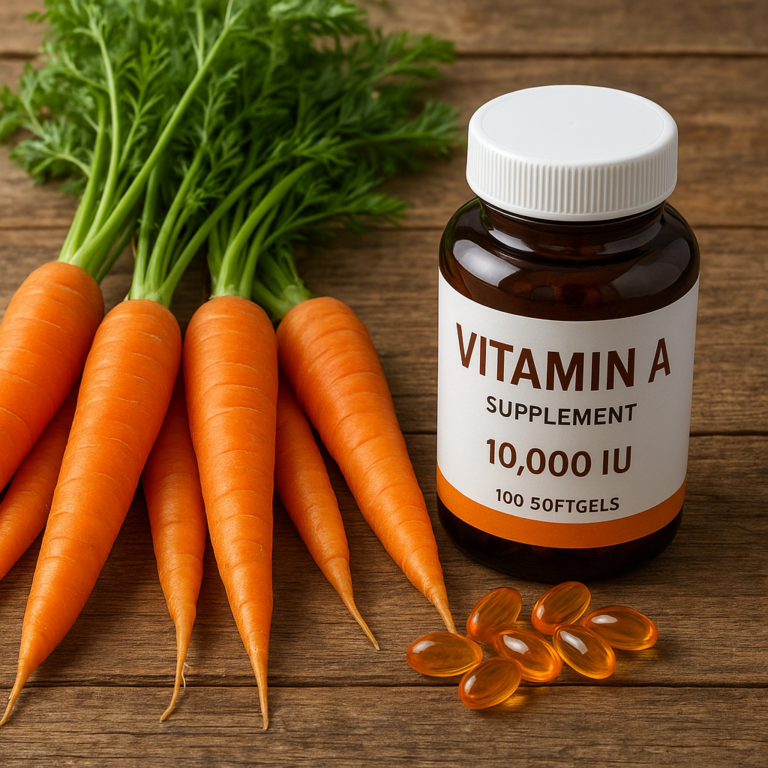
Vitamin A is the guardian of your eyes and the architect of your skin. It comes in two forms:
- Preformed Vitamin A (Retinol): Found in animal products (liver, eggs, dairy).
- Provitamin A (Carotenoids): Found in plants (carots, sweet potatoes, spinach). Your body converts these into active Vitamin A.
The Balancing Act
- Vision: Essential for low-light vision.
- Immunity: Maintains the integrity of mucous membranes (your first line of defense).
- Cell Growth: Helps cells divide and specialize.
⚠️ Warning: Toxicity Risk
Because Vitamin A is fat-soluble, it accumulates in the liver. Taking too much preformed Vitamin A (retinol) can be toxic, causing liver damage and birth defects.
- Safe Bet: Get your Vitamin A from beta-carotene (plant sources). Your body only converts what it needs, so you can’t overdose on carrots!
🥑 Vitamin E & K: The Antioxidant and Cloting Powerhouses
These two are the unsung heroes, often overshadowed by C and D.
Vitamin E: The Protector
- Function: A powerful antioxidant that protects cell membranes from oxidative damage.
- Sources: Nuts, seeds, vegetable oils, and leafy greens.
- Deficiency: Rare, but can cause nerve and muscle damage.
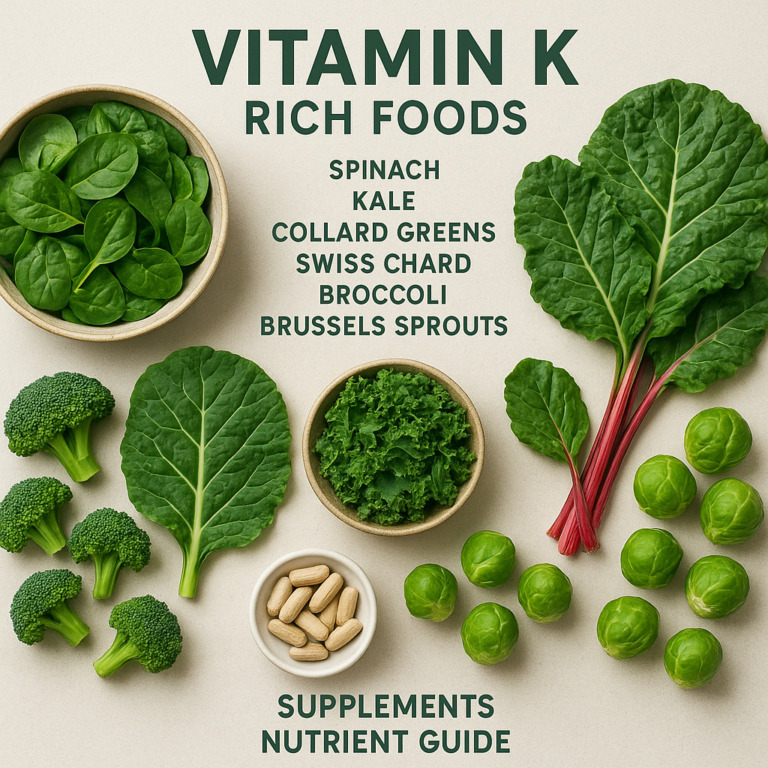
Vitamin K: The Cloting Commander
- Function: Essential for blood cloting (preventing you from bleeding to death from a paper cut) and bone health.
- Types: K1 (plants) and K2 (fermented foods, animal products).
- The Interaction: Vitamin K works with Vitamin D to ensure calcium goes to bones, not arteries.
- Caution: If you are on blood thiners (like Warfarin), you must keep your Vitamin K intake consistent. Sudden changes can mess up your medication.
🥛 Essential Minerals: The Unsung Heroes of Body Function
We can’t talk about the “most important” nutrients without mentioning minerals. They are inorganic elements that your body can’t make.
| Mineral | Primary Function | Top Food Sources |
|---|---|---|
| Calcium | Bone health, muscle contraction | Dairy, leafy greens, fortified plant milk |
| Iron | Oxygen transport in blood | Red meat, spinach, lentils, fortified cereals |
| Magnesium | 30+ enzyme reactions, sleep, muscle relaxation | Nuts, seeds, whole grains, dark chocolate |
| Zinc | Immune function, wound healing | Oysters, beef, pumpkin seeds |
| Iodine | Thyroid hormone production | Iodized salt, seaweed, fish |
| Potassium | Blood pressure regulation, heart function | Banas, potatoes, avocados |
Magnesium is often called the “relaxation mineral.” A deficiency here can lead to muscle cramps, anxiety, and insomnia. It’s also required to activate Vitamin D.
🥗 Top 10 Nutrient-Dense Foods to Cover All Your Bases
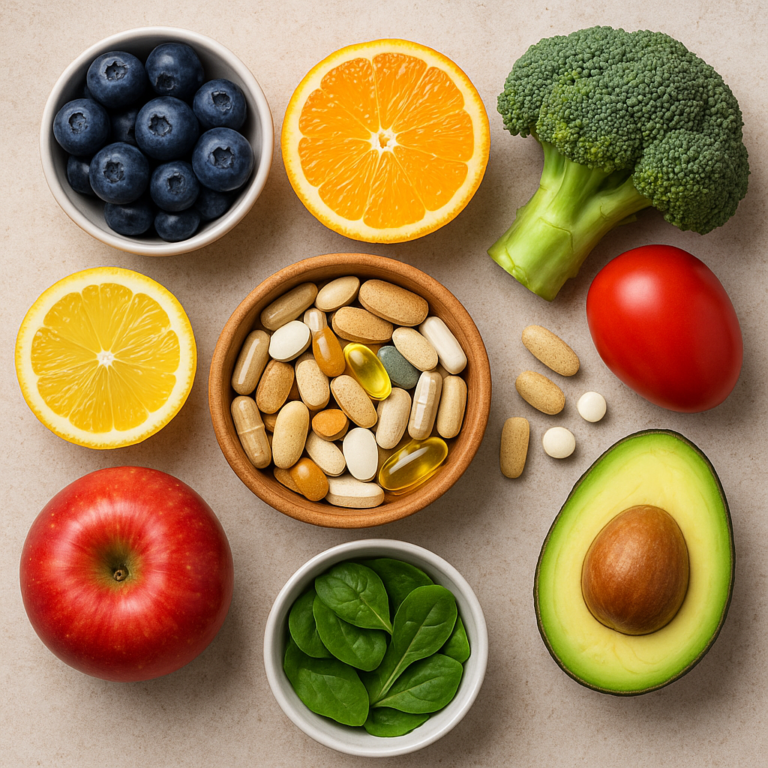
If you want to avoid the “which vitamin is most important” headache, just eat these foods. They are the multivitamins of nature.
- Salmon: Packed with Vitamin D, B12, and Omega-3s.
- Spinach: A powerhouse of Vitamin K, Magnesium, Iron, and Folate.
- Egs: Contain B12, Vitamin D, Choline, and Lutein.
- Sweet Potatoes: Loaded with Beta-carotene (Vitamin A) and Potassium.
- Almonds: Great source of Vitamin E and Magnesium.
- Citrus Fruits: The classic Vitamin C source.
- Lentils: High in Folate, Iron, and Magnesium.
- Greek Yogurt: Rich in Calcium, Protein, and B12.
- Broccoli: Contains Vitamin C, K, and Folate.
- Sunflower Seeds: Excellent for Vitamin E and Selenium.
💊 Supplements vs. Whole Foods: When to Pop a Pill
We love supplements here at Vitamin Brands™, but let’s be real: food is king. 🍎👑
Why Food Wins
- Synergy: Nutrients in food work together. The fiber in an orange helps regulate the sugar absorption; the fat in avocado helps absorb the Vitamin E in the salad.
- Safety: It’s nearly impossible to overdose on vitamins from food alone.
- Bioavailability: Your body absorbs nutrients from food better than from synthetic pills.
When Supplements Are Necessary
Sometimes, life gets in the way. You might need a supplement if:
- You have a deficiency: Confirmed by a blood test.
- You have dietary restrictions: Vegans need B12; gluten-free eaters might lack B vitamins.
- You have absorption issues: Conditions like Celiac or Crohn’s can block nutrient uptake.
- Life stages: Pregnant women need Folate; older adults often need B12 and Vitamin D.
Expert Insight: Don’t self-prescribe high doses. As MedlinePlus warns, “High doses of certain vitamins can be toxic.” Always consult a healthcare provider.
🚩 Red Flags: Signs of Deficiency You Should Never Ignore
Your body is a master of communication. If it’s screaming for help, it’s usually through symptoms.
- Fatigue: Could be Iron, B12, or Vitamin D.
- Hair Loss: Often linked to Biotin, Iron, or Zinc.
- Bruising Easily: A sign of Vitamin C or Vitamin K deficiency.
- Bone Pain: Classic Vitamin D or Calcium issue.
- Brain Fog: Could be B12, B6, or Magnesium.
- Night Blindness: A clear sign of Vitamin A deficiency.
If you notice these, don’t just grab a random multivitamin. Get a blood test. Knowing your baseline is the only way to know what you actually need.
🧬 Personalized Nutrition: How Age, Lifestyle, and Genetics Change the Game
One size does not fit all. Your “most important” vitamin depends entirely on who you are.
- Age: As we age, our stomach acid decreases, making it harder to absorb B12. Older adults also produce less Vitamin D from sunlight.
- Lifestyle:
Athletes: Need more B-vitamins for energy and Magnesium for muscle recovery.
Night Shift Workers: Miss out on sun, so Vitamin D is critical.
Vegans: Must prioritize B12, Iron, Zinc, and Omega-3s. - Genetics: Some people have genetic variations (like MTHFR) that make it hard to process Folate. They need the active form (5-MTHF) instead of synthetic folic acid.
This is why personalized testing is the future of nutrition. We aren’t just guessing anymore; we’re tailoring.
❓ Common Myths About Vitamins Debunked by Science
Let’s bust some myths that are floating around the internet.
- Myth: “More is better.”
Truth: False. Fat-soluble vitamins (A, D, E, K) can build up toxic levels. Even water-soluble vitamins can cause kidney stones or nerve damage in massive doses. - Myth: “Multivitamins replace a bad diet.”
Truth: False. A pill cannot replicate the fiber, antioxidants, and phytochemicals in a bowl of broccoli. - Myth: “Organic vitamins are always better.”
Truth: Debatable. While organic sourcing is great, the chemical structure of Vitamin C is the same whether it’s from an orange or a lab. What matters is bioavailability (how well your body absorbs it). - Myth: “You can get all vitamins from sunlight.”
Truth: False. Only Vitamin D is made by the sun. You still need to eat for the other 12.
📊 Quick Comparison: Water-Soluble vs. Fat-Soluble Vitamins
Understanding the difference is key to safe supplementation.
| Feature | Water-Soluble Vitamins | Fat-Soluble Vitamins |
|---|---|---|
| Vitamins | C, B-Complex (B1, B2, B3, B5, B6, B7, B9, B12) | A, D, E, K |
| Storage | Not stored (excess ped out) | Stored in liver and fat tissue |
| Frequency | Need daily intake | Can be stored for weeks/months |
| Toxicity Risk | Low (unless mega-dosed) | High (can accumulate) |
| Absorption | Needs water | Needs dietary fat |
| Best Time to Take | Morning (energy boost) | With a meal containing fat |
🎯 Conclusion: Finding Your Personal Nutritional Sweet Spot

So, we’ve come full circle. You asked, “Which vitamin is most important?” and the answer is a resounding all of them. Your body is a symphony, and every vitamin plays a critical note.
However, if you are looking for the most common gap in the modern diet, Vitamin D and Vitamin B12 are the usual suspects. If you are feeling tired, check your Iron and B-vitamins. If you are worried about bones, look at D, K, and Calcium.
The “most important” vitamin is the one you are deficient in.
Our Final Recommendation:
- Eat the Rainbow: Prioritize whole foods first.
- Test, Don’t Guess: Get a blood panel to identify specific deficiencies.
- Suplement Smart: Use high-quality supplements like those found in our Essential Vitamins or Multivitamin Supplements categories only when necessary.
- Listen to Your Body: It knows what it needs better than any algorithm.
Remember, as the experts at MedlinePlus said, “Many people think that if some is good, a lot is better. This is not always the case.” Balance is the true secret to vitality.
🔗 Recommended Links
- Best Multivitamins for Women – Tailored formulations for female health needs.
- Natural Vitamins – Explore our range of organic and non-GMO options.
- Health Supplements – Comprehensive guide to boosting your wellness.
- Garden of Life Vitamin Code – A popular brand for whole-food based multivitamins.
- Nature Made Vitamin D3 – Highly rated for affordable, effective Vitamin D supplementation.
- Thorne Basic Nutrients 2/Day – A top-tier multivitamin recommended by many health professionals.
📚 Reference Links
- National Institute on Aging: Vitamins and Minerals for Older Adults – Essential reading for aging populations.
- MedlinePlus: Vitamins – Detailed breakdown of the 13 essential vitamins.
- Better Health Victoria: Vitamins and Minerals – Balanced perspective on dietary sources.
- Office of Dietary Supplements (NIH) – Government resource for supplement facts.
- Mayo Clinic: Vitamin Deficiency Anemia – Understanding the impact of low levels.
FAQ

Can I get all the necessary vitamins through a balanced diet or do I need supplements?
Ideally, yes, a balanced diet rich in fruits, vegetables, whole grains, lean proteins, and healthy fats should provide all the vitamins you need. However, modern soil depletion, lifestyle factors (like indoor work), and specific dietary restrictions (like veganism) can make it difficult to get optimal levels of certain nutrients, particularly Vitamin D, B12, and Iron. Supplements are a useful tool to fill these gaps, but they should not replace a healthy diet.
What are the consequences of vitamin deficiency and how can I prevent them?
Consequences range from mild (fatigue, hair loss, brain fog) to severe (scurvy, rickets, irreversible nerve damage, anemia). Prevention involves eating a varied diet and getting regular blood work to catch deficiencies early. If you have risk factors (e.g., pregnancy, age, dietary restrictions), targeted supplementation under medical supervision is key.
Read more about “Which Multivitamins Are Best? Top 10 Picks (2024) ✨”
How do I choose the best vitamin supplement for my specific needs?
Start by identifying your specific needs based on your diet, age, and health goals. Look for third-party tested brands (like USP or NSF certified) to ensure quality. For example, if you are vegan, look for B12 and Iron supplements. If you have trouble absorbing nutrients, consider methylated forms of B-vitamins. Always consult a healthcare provider before starting a new regimen.
Read more about “Are Grocery Store Vitamins Effective? The 2026 Truth 🧪”
What are the essential vitamins for overall health and wellness?
All 13 essential vitamins are crucial. However, the B-complex group is vital for energy and brain function, Vitamin D is critical for immunity and bones, Vitamin C supports the immune system and collagen production, and Vitamin A is essential for vision and skin health. A high-quality multivitamin can help cover the basics.
Read more about “🌍 What Is the Number 1 Supplement in the World? (2026)”
What is the most important vitamin for immune system health?
While all vitamins play a role, Vitamin C and Vitamin D are often cited as the most critical for immune function. Vitamin C supports the production of white blood cells, while Vitamin D regulates the immune response and helps fight off infections. Zinc is also a mineral that is essential for immune health.
Read more about “🌟 How to Get All 13 Essential Vitamins (2026 Guide)”
Which vitamin deficiency is most common in adults?
Vitamin D deficiency is widely considered the most common, affecting billions globally due to limited sun exposure. Vitamin B12 deficiency is also very common, especially among older adults and vegans. Iron deficiency is the most common mineral deficiency, particularly in women of childbearing age.
Read more about “🏆 15 Best Multivitamin Companies (2026): Who Actually Wins?”
Can taking too many vitamins be harmful to your body?
Yes, absolutely. Fat-soluble vitamins (A, D, E, K) can accumulate in the body and reach toxic levels, causing liver damage, nerve issues, or other serious health problems. Even water-soluble vitamins can cause issues in mega-doses (e.g., kidney stones from too much Vitamin C). Always stick to the recommended daily allowance (RDA) unless directed otherwise by a doctor.
Read more about “🌟 12 Most Important Vitamins Your Body Craves (2026)”
What are the best food sources for essential vitamins?
- Vitamin A: Sweet potatoes, carrots, spinach.
- B-Complex: Whole grains, eggs, meat, legumes.
- Vitamin C: Citrus fruits, bell peppers, strawberries.
- Vitamin D: Fatty fish, egg yolks, fortified milk.
- Vitamin E: Almonds, sunflower seeds, avocado.
- Vitamin K: Leafy greens (kale, spinach), broccoli.
- Iron: Red meat, lentils, spinach.
- Calcium: Dairy, fortified plant milk, sardines.
Read more about “🚀 Top 10 Vitamin Brands for Hair Growth & Thickness (2026)”