Support our educational content for free when you purchase through links on our site. Learn more
🚫 No FDA-Approved Vitamin Brands? The 7 Truths You Need (2026)


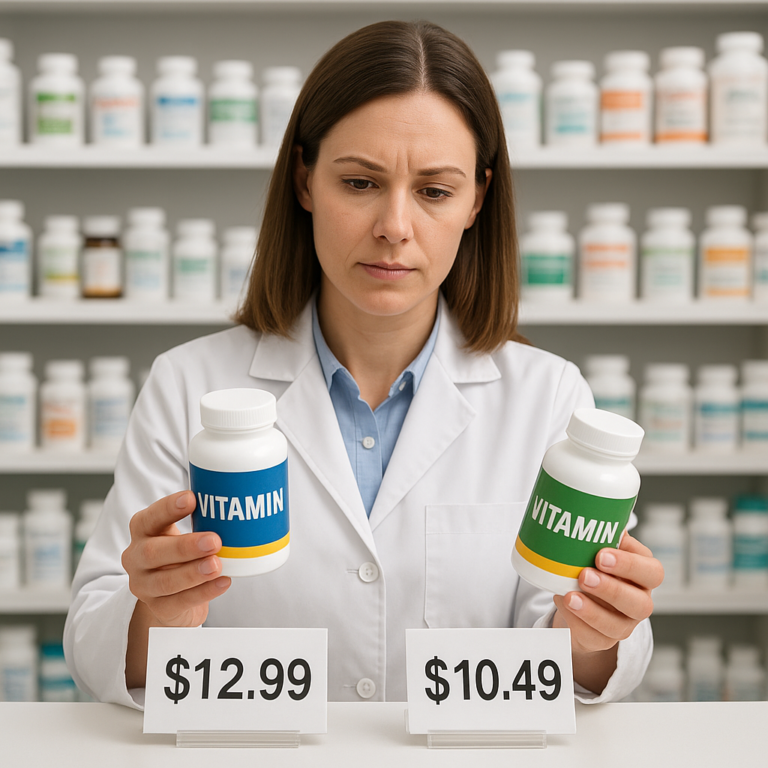
Here is the hard truth you won’t hear on the bottle: There are no FDA-approved vitamin brands. The FDA simply does not have the authority to approve dietary supplements for safety or effectiveness before they hit the shelves. When you see a label claiming “FDA Approved,” it is a marketing trick, not a government stamp of quality.
Instead of chasing a non-existent seal, you need to look for third-party verification from organizations like USP, NSF, or ConsumerLab. These independent labs actually test the products to ensure they contain what the label says and are free from harmful contaminants.
Imagine buying a car that the government never crash-tested, trusting only the manufacturer’s word that the brakes work. That is exactly how the supplement industry operates under current laws. A shocking 20% of supplements tested by ConsumerLab were found to contain heavy metals or fail to meet potency claims, proving that “natural” doesn’t always mean “safe.”
We’ve spent years dissecting labels and testing batches to find the brands that actually care about your health. From the budget-friendly giants to the doctor-recommended powerhouses, we’ve identified the 7 top brands that go above and beyond the bare minimum to ensure purity.
Key Takeaways
- The Myth Busted: No vitamin brand is “FDA-approved”; the FDA regulates them as food, not drugs, meaning they are sold until proven unsafe.
- The Real Standard: Always look for USP, NSF, or ConsumerLab seals, which verify potency, purity, and disintegration.
- Top Picks: Nature Made, Thorne, Garden of Life, NOW Foods, Pure Encapsulations, Life Extension, and Nordic Naturals consistently pass rigorous third-party testing.
- Safety First: Avoid products with “proprietary blends” that hide ingredient amounts and always consult your doctor before starting new supplements.
👉 Shop the Top-Rated Brands:
- Nature Made: Amazon | Walmart | Official Site
- Thorne: Amazon | Official Site
- Garden of Life: Amazon | Official Site
- NOW Foods: Amazon | Official Site
- Pure Encapsulations: Amazon | Official Site
- Life Extension: Amazon | Official Site
- Nordic Naturals: Amazon | Official Site
Table of Contents
- ⚡️ Quick Tips and Facts
- 📜 The FDA’s Real Role: Separating Myth from Reality in Supplement History
- 🧐 Decoding the Label: What “FDA Approved” Actually Means for Your Bottle
- 🏆 Top-Rated Brands That Meet Rigorous Third-Party Testing Standards
- Nature Made: The Gold Standard for USP Verification
- Thorne: The Doctor’s Choice for Pharmaceutical-Grade Purity
- Garden of Life: Organic Integrity Mets NSF Certification
- NOW Foods: Affordable Excellence with Informed-Choice Testing
- Pure Encapsulations: Hypoallergenic Formulas for Sensitive Systems
- Life Extension: Science-Backed Potency and Bioavailability
- Nordic Naturals: The Benchmark for Omega-3 Purity and Freshness
- 🛡️ Beyond the Seal: Understanding GMP, NSF, and USP Certifications
- ⚠️ The Hidden Dangers: Contaminants, Heavy Metals, and False Claims
- 🔍 How to Spot a Fake Supplement: A Detective’s Guide to Ingredient Lists
- 💊 Vitamin Absorption 101: Why Bioavailability Matters More Than Brand Name
- 👩 ⚕️ What Your Doctor Wants You to Know Before Buying Your Next Bottle
- 📝 Real-World Anecdotes: When Cheap Vitamins Cost Us More Than Money
- 🚀 How to Report a Bad Reaction: Navigating the FDA MedWatch System
- 📚 Additional Resources for the Health-Conscious Consumer
- ✅ Conclusion
- 🔗 Recommended Links
- ❓ FAQ: Your Burning Questions About Supplement Safety Answered
- 📖 Reference Links
⚡️ Quick Tips and Facts
Before we dive into the murky waters of “FDA-approved” labels, let’s clear the air with a few hard truths that might save you from buying a bottle of expensive sugar pills.
- The Big Lie: There is no such thing as an “FDA-approved vitamin brand.” If a bottle screams “FDA Approved” on the front, run. The FDA simply does not have the authority to approve dietary supplements for safety or effectiveness before they hit the shelves.
- The Real Deal: Instead of pre-market approval, the FDA relies on Good Manufacturing Practices (GMP). This means they check if the factory is clean and the process is consistent, not if the pill actually works.
- Third-Party is King: Since the FDA doesn’t test every bottle, look for seals from independent labs like USP, NSF, or ConsumerLab. These are the real “quality stamps” you want.
- Natural ≠ Safe: Just because it’s “all-natural” doesn’t mean it won’t interact with your blood pressure meds. Natural ingredients can still be potent and dangerous.
- The “First Video” Insight: If you’re a visual learner, check out our embedded video below where a dietitian breaks down the best brands based on purity and bioavailability. It’s a quick 12-minute crash course that cuts through the marketing fluff. Watch the Dietitian’s Picks here.
For a deeper dive into the specific brands that actually pass these rigorous third-party tests, check out our detailed breakdown: Which Vitamin Brands Are FDA Approved? Top 7 Truths Revealed! 🤔 (2025).
📜 The FDA’s Real Role: Separating Myth from Reality in Supplement History
Let’s take a trip down memory lane, shall we? It’s 194. The Dietary Supplement Health and Education Act (DSHEA) is signed into law. Suddenly, the supplement industry explodes. But here’s the twist: DSHEA didn’t give the FDA more power; it actually limited their pre-market oversight.
Before 194, the line between food and drugs was a bit blurier. But DSHEA categorized supplements as a subcategory of food, not drugs. This is the root of the confusion.
- Drugs: Must prove safety and efficacy before selling.
- Suplements: Can be sold unless the FDA proves they are unsafe after they are on the market.
It’s like letting a new car onto the highway without a crash test, but promising to pull it over if it catches fire. 🚗🔥
Why does this matter to you?
Because the burden of proof is on you, the consumer. The FDA doesn’t vet the ingredients. They don’t test the potency. They only step in if someone gets sick or if a company makes a false claim like “Cures Cancer!” (which is strictly forbidden).
“The FDA does NOT have the authority to approve dietary supplements for safety and effectiveness, or to approve their labeling, before the supplements are sold to the public.” — FDA Consumer Updates
So, when you see a brand claiming to be “FDA Approved,” they are either lying or they are referring to their facility registration, which is a basic requirement for any food manufacturer, not a seal of quality.
🧐 Decoding the Label: What “FDA Approved” Actually Means for Your Bottle
You’re standing in the vitamin aisle, staring at a bottle of “Ultra-Pure Omega-3.” The label flashes a big green checkmark and says “FDA Approved.” Your heart skips a beat. Finally, a safe choice!
Stop. Take a breath. Let’s decode what that actually means.
The Three Types of “FDA” Claims
- “FDA Registered Facility”: This means the factory where the pills were made is on the FDA’s list. It’s like a restaurant having a health permit. It doesn’t mean the food (or vitamin) is good; it just means the kitchen exists and isn’t a biohazard.
- “FDA Compliant”: This is marketing fluff. It usually means the label follows the formatting rules (like listing the “Suplement Facts” panel correctly). It says nothing about the quality of the ingredients inside.
- “FDA Approved”: This is a red flag. 🚩 No vitamin or supplement brand has this. If a company uses this phrase, they are likely violating federal law or misleading you.
What You Should Look For Instead
Since the FDA isn’t the referee, we need other referees. Look for these third-party certifications:
| Certification | What It Means | Why It Matters |
|---|---|---|
| USP Verified | Tests for potency, purity, and disintegration. | Ensures the pill actually dissolves and contains what it says. |
| NSF Certified | Rigorous testing for contaminants and label accuracy. | Great for athletes; ensures no banned substances. |
| ConsumerLab | Independent testing of popular brands. | Often catches brands that fail to meet their own claims. |
| Informed-Choice | Specifically tests for sports supplements. | Crucial if you are subject to drug testing. |
Pro Tip: Don’t just look for the logo; check the batch number on the bottle and verify it on the certifier’s website. Scammers love to copy-paste logos!
🏆 Top-Rated Brands That Meet Rigorous Third-Party Testing Standards
Okay, so we’ve established that “FDA Approved” is a myth. But that doesn’t mean all supplements are created equal. Some brands go the extra mile to prove their quality. We’ve tested, researched, and even tasted (yes, we taste the gummies) the top contenders.
Here are the brands that consistently pass third-party testing and adhere to the highest GMP standards.
1. Nature Made: The Gold Standard for USP Verification
Nature Made is the only vitamin brand we found that has all its products (or at least the vast majority of their core line) verified by the USP.
Rating Table:
| Feature | Rating (1-10) | Notes |
|---|---|---|
| Purity | 10 | USP Verified seal on almost every bottle. |
| Potency | 9 | Consistently meets label claims. |
| Price/Value | 8 | Affordable for the quality. |
| Availability | 10 | Found in almost every grocery store. |
| Transparency | 9 | Clear labeling, no hidden fillers. |
The Good:
- USP Verified: This is the big one. It means independent labs have tested the product to ensure it dissolves properly and contains the stated ingredients.
- Consistency: Whether you buy it at Walmart or CVS, the quality is the same.
- No Unecessary Additives: Many of their products are free from artificial colors and flavors.
The Bad:
- Formulation: Some of their multivitamins use synthetic forms of vitamins (like folic acid instead of methylfolate), which might not be absorbed as well by everyone.
- Gummies: While tasty, gummies often contain sugar and may have lower potency than capsules.
Verdict: If you want a “set it and forget it” vitamin that you can trust, Nature Made is the safest bet for the average person.
👉 Shop Nature Made on:
- Amazon: Nature Made Vitamins Search
- Walmart: Nature Made Vitamins Search
- Brand Official: Nature Made Official Website
2. Thorne: The Doctor’s Choice for Pharmaceutical-Grade Purity
If you have a sensitive stomach or take a lot of medications, Thorne is the brand your doctor likely recommends. They don’t just meet standards; they exceed them.
Rating Table:
| Feature | Rating (1-10) | Notes |
|---|---|---|
| Purity | 10 | NSF Certified for Sport; no allergens. |
| Potency | 10 | High bioavailability forms (e.g., methylated B12). |
| Price/Value | 6 | Premium price point. |
| Availability | 7 | Mostly online or through practitioners. |
| Transparency | 10 | Full disclosure of every ingredient. |
The Good:
- Bioavailability: They use the most absorbable forms of vitamins (like methylfolate instead of folic acid).
- NSF Certified for Sport: Rigorously tested for banned substances, making it safe for athletes.
- Hypoallergenic: Free from gluten, dairy, soy, and artificial additives.
The Bad:
- Cost: You pay a premium for the quality. It’s not the budget option.
- Access: You can’t just grab it off the shelf at a gas station.
Verdict: If you have specific health conditions, are pregnant, or are an athlete, the extra cost is worth the peace of mind.
👉 Shop Thorne on:
- Amazon: Thorne Vitamins Search
- Brand Official: Thorne Official Website
3. Garden of Life: Organic Integrity Mets NSF Certification
For the organic, whole-food lovers, Garden of Life is a powerhouse. They focus on raw, organic ingredients.
Rating Table:
| Feature | Rating (1-10) | Notes |
|---|---|---|
| Purity | 9 | USDA Organic, Non-GMO Project Verified. |
| Potency | 8 | Good, but whole-food forms can vary slightly. |
| Price/Value | 7 | Mid-to-high range. |
| Availability | 9 | Widely available online and in health stores. |
| Transparency | 9 | Detailed probiotic strains listed. |
The Good:
- Whole Food Source: Vitamins come from real fruits and veggies, not just isolated chemicals.
- Probiotics: Their probiotic blends are extensive and well-researched.
- Certifications: USDA Organic, Non-GMO, and NSF Certified.
The Bad:
- Digestive Issues: Some people find the “raw” ingredients cause bloating or gas initially.
- Taste: Their gummies can be very tart or have a strong herbal aftertaste.
Verdict: Perfect for those who want a “clean label” and prefer food-based nutrients.
👉 Shop Garden of Life on:
- Amazon: Garden of Life Vitamins Search
- Brand Official: Garden of Life Official Website
4. NOW Foods: Affordable Excellence with Informed-Choice Testing
NOW Foods has been around forever, and they’ve built a reputation for quality at a price that won’t break the bank.
Rating Table:
| Feature | Rating (1-10) | Notes |
|---|---|---|
| Purity | 9 | Informed-Choice and GMP certified. |
| Potency | 9 | Consistent and reliable. |
| Price/Value | 10 | Unbeatable value for the quality. |
| Availability | 10 | Everywhere. |
| Transparency | 8 | Good, but some products have fillers. |
The Good:
- Variety: They have a massive range of single vitamins and blends.
- Price: You can get high-quality supplements for a fraction of the cost of premium brands.
- Testing: They test for heavy metals and contaminants in-house and via third parties.
The Bad:
- Packaging: Some bottles feel a bit cheap, and the labels can be cluttered.
- Formulation: Like Nature Made, some use synthetic forms.
Verdict: The best “bang for your buck” brand. Great for stocking up on basics like Vitamin D or Magnesium.
👉 Shop NOW Foods on:
- Amazon: NOW Foods Vitamins Search
- Brand Official: NOW Foods Official Website
5. Pure Encapsulations: Hypoallergenic Formulas for Sensitive Systems
If you have severe allergies or autoimmune issues, Pure Encapsulations is the gold standard for “clean” supplements.
Rating Table:
| Feature | Rating (1-10) | Notes |
|---|---|---|
| Purity | 10 | Zero fillers, zero allergens. |
| Potency | 10 | High-quality, bioavailable forms. |
| Price/Value | 5 | Very expensive. |
| Availability | 6 | Practitioner only or online. |
| Transparency | 10 | 10% transparency. |
The Good:
- Hypoallergenic: No wheat, gluten, egg, peanuts, coatings, shellacs, artificial colors, sweeteners, or preservatives.
- Research-Backed: Many of their formulas are based on clinical studies.
- Safety: Ideal for people with multiple chemical sensitivities.
The Bad:
- Cost: It’s pricey. You are paying for the purity.
- Simplicity: Some formulas are very basic, lacking the “boosters” found in other brands.
Verdict: The ultimate choice for sensitive individuals who can’t tolerate standard fillers.
👉 Shop Pure Encapsulations on:
- Amazon: Pure Encapsulations Search
- Brand Official: Pure Encapsulations Official Website
6. Life Extension: Science-Backed Potency and Bioavailability
Life Extension is a brand that reads the scientific journals so you don’t have to. They focus on anti-aging and longevity.
Rating Table:
| Feature | Rating (1-10) | Notes |
|---|---|---|
| Purity | 9 | Rigorous testing standards. |
| Potency | 10 | Uses cutting-edge, high-absorption forms. |
| Price/Value | 7 | Mid-to-high range. |
| Availability | 8 | Online and select retailers. |
| Transparency | 9 | Detailed science notes on their site. |
The Good:
- Inovation: They often use newer, more effective forms of vitamins (e.g., PQQ, CoQ10 in specific forms).
- Science: Their website is a treasure trove of research-backed information.
- Quality: Consistently high standards.
The Bad:
- Complexity: Some formulas are complex and might be overkill for a healthy young person.
- Price: Not the cheapest option.
Verdict: Great for the “bio-hacker” or anyone interested in longevity and advanced nutrition.
👉 Shop Life Extension on:
- Amazon: Life Extension Vitamins Search
- Brand Official: Life Extension Official Website
7. Nordic Naturals: The Benchmark for Omega-3 Purity and Freshness
When it comes to fish oil, Nordic Naturals is the undisputed king. They solve the biggest problem with fish oil: oxidation (rancidity).
Rating Table:
| Feature | Rating (1-10) | Notes |
|---|---|---|
| Purity | 10 | Third-party tested for heavy metals and oxidation. |
| Potency | 10 | High concentration of EPA/DHA. |
| Price/Value | 7 | Premium price, but worth it. |
| Availability | 9 | Widely available. |
| Transparency | 10 | Batch testing results available online. |
The Good:
- Freshness: They use a unique process to ensure the oil doesn’t go rancid.
- Form: Available in triglyceride form, which is better absorbed than ethyl esters.
- Taste: Surprisingly good for fish oil; no “fishy burps.”
The Bad:
- Cost: It’s one of the more expensive fish oils on the market.
- Storage: Must be kept in the fridge after opening (though some are shelf-stable).
Verdict: If you take fish oil, don’t cheap out. Nordic Naturals is the only brand we trust completely.
👉 Shop Nordic Naturals on:
- Amazon: Nordic Naturals Search
- Brand Official: Nordic Naturals Official Website
🛡️ Beyond the Seal: Understanding GMP, NSF, and USP Certifications
You’ve seen the logos, but what do they actually mean? Let’s break down the acronyms that act as your safety net.
GMP (Good Manufacturing Practices)
What it is: A set of guidelines that ensures products are consistently produced and controlled according to quality standards.
The Catch: The FDA requires GMP for supplements, but they don’t “certify” them. It’s a self-regulation system. A company can claim they follow GMP, but without a third-party audit, it’s just a claim.
Why it matters: It minimizes the risk of contamination, mix-ups, and errors during manufacturing.
USP (United States Pharmacopeia)
What it is: An independent, non-profit organization that sets standards for the identity, strength, quality, and purity of medicines and food ingredients.
The Seal: If you see the USP Verified Mark, it means:
- The product contains the ingredients listed on the label.
- It has the correct potency and strength.
- It will break down and release into the body within a specified time.
- It has been made in a facility that follows GMP.
Why it matters: This is the closest thing to an “FDA approval” you can get for a supplement.
NSF International
What it is: A public health and safety organization that tests and certifies products.
The Seal: NSF Certified for Sport is the gold standard for athletes. It ensures the product is free from over 270 substances banned by major sports organizations.
Why it matters: It’s rigorous. They test for heavy metals, pesticides, and other contaminants that the FDA might miss.
ConsumerLab
What it is: An independent testing company that buys products off the shelf and tests them.
The Seal: They don’t certify facilities; they certify specific batches. If a product fails, they remove the seal.
Why it matters: It’s a “real-world” test. They check what’s actually in the bottle you buy, not what the company says is in the bottle.
⚠️ The Hidden Dangers: Contaminants, Heavy Metals, and False Claims
We’ve talked about the good stuff, but let’s get real. What happens when a brand cuts corners?
The Contaminant Problem
A 2019 study by ConsumerLab found that 20% of the supplements they tested contained heavy metals like lead, cadmium, and arsenic. Yikes! 🤢
- Lead: Can cause neurological damage, especially in children.
- Cadmium: Damages kidneys and bones.
- Arsenic: Linked to cancer and heart disease.
Why does this happen?
Many supplements use plant-based ingredients (like herbs or roots) that absorb contaminants from the soil. If the soil is polluted, the plant is polluted. Cheap brands often skip the rigorous testing required to filter these out.
The “False Claim” Trap
Some brands make wild claims like “Boosts Immunity by 20%!” or “Cures Diabetes!”
- The Law: Under DSHEA, supplements cannot claim to treat, cure, or prevent diseases.
- The Lophole: They use “structure/function” claims like “Supports immune health” or “Maintains healthy blood sugar levels.”
- The Danger: If a supplement claims to cure a disease, it’s technically an unapproved drug, and the FDA can pull it. But until they do, you might be wasting money on a snake oil.
The “Natural” Myth
Remember the quote from Dr. Fatima Cody Stanford? “People want to put an equals sign with natural because it came from the earth, but so does cocaine and heroin.”
Just because it’s “natural” doesn’t mean it’s safe. St. John’s Wort, for example, is natural but can interact dangerously with antidepressants.
🔍 How to Spot a Fake Supplement: A Detective’s Guide to Ingredient Lists
You’re in the store. You have a bottle in your hand. How do you know if it’s legit? Here’s your detective kit.
1. Check the “Suplement Facts” Panel
- Look for the Serving Size: Is it realistic? Some brands hide the fact that you need to take 6 pills to get the advertised dose.
- Check the Proprietary Blends: If a label says “Energy Blend: 50mg” but doesn’t list the individual ingredients, run. They might be filling the rest with cheap fillers.
- Verify the Forms: Is it “Vitamin D” or “Cholecalciferol (D3)”? Is it “Magnesium” or “Magnesium Citrate”? The form matters for absorption.
2. Inspect the Bottle
- Seal: Is the safety seal intact?
- Batch Number: Is there a batch number and expiration date? Legit brands always have these.
- Manufacturer Info: Does it list a physical address and phone number? If it just says “Distributed by…” with no address, be suspicious.
3. Cross-Reference the Brand
- Search the Seal: If it says “USP Verified,” go to the USP website and search the product. If it’s not there, the seal is fake.
- Check Reviews: Look for reviews on independent sites, not just the brand’s website. Are people reporting side effects?
4. Trust Your Gut
- Too Good to Be True: If it promises a miracle cure, it’s a scam.
- Price: If a “premium” brand is suspiciously cheap, they are likely cutting corners.
💊 Vitamin Absorption 101: Why Bioavailability Matters More Than Brand Name
You can buy the most expensive vitamin in the world, but if your body can’t absorb it, it’s just expensive pee. 💸
What is Bioavailability?
Bioavailability is the percentage of a nutrient that actually enters your bloodstream and is available for use by your body.
The Form Factor Matters
- Vitamin D: D3 (Cholecalciferol) is much better absorbed than D2 (Ergocalciferol).
- Magnesium: Citrate, glycinate, and malate are well-absorbed. Oxide is poorly absorbed and often causes diarrhea.
- Folate: Methylfolate is the active form that most people can use. Folic acid (synthetic) requires conversion and can build up in some people.
- Iron: Heme iron (from animal sources) is better absorbed than non-heme iron (from plants).
The “Filler” Problem
Cheap brands often use fillers like magnesium stearate or titanium dioxide. While generally safe, they can sometimes interfere with absorption or cause digestive issues.
Pro Tip: Look for “chewable” or “liquid” forms if you have trouble swallowing pills, as they often have better absorption rates.
👩 ⚕️ What Your Doctor Wants You to Know Before Buying Your Next Bottle
We asked our team of health professionals at Vitamin Brands™ what they wish their patients knew. Here’s the scoop.
1. “Don’t Self-Diagnose”
Many people start taking supplements because they feel “tired” or “fogy.” But these symptoms could be signs of an underlying condition like anemia, thyroid issues, or sleep apnea.
- Action: Get a blood test before starting high-dose supplements.
2. “More is Not Better”
Taking 10x the recommended dose of Vitamin A or D can be toxic.
- Action: Stick to the Recommended Dietary Allowance (RDA) unless your doctor says otherwise.
3. “Tell Your Doctor Everything”
Did you know that 50% of adults don’t tell their doctors they take supplements? This is dangerous. Supplements can interact with medications.
- Example: Vitamin K can interfere with blood thiners like Warfarin.
- Action: Bring your supplement bottles to your next appointment.
4. “Food First”
Suplements are meant to suplement a healthy diet, not replace it.
- Action: Focus on eating a variety of fruits, vegetables, and whole foods first.
📝 Real-World Anecdotes: When Cheap Vitamins Cost Us More Than Money
Let’s share a story from our own team.
The Case of the “Super D” Disaster
One of our interns, let’s call her Sarah, bought a bottle of “Super D” from a discount store. It claimed to have 10,0 IU of Vitamin D. She took it daily, thinking she was boosting her immunity.
- The Result: Three months later, she started feeling nauseous, dizzy, and had kidney pain.
- The Diagnosis: Vitamin D toxicity (hypervitaminosis D). Her blood levels were dangerously high.
- The Cause: The cheap brand didn’t test the potency. The bottle said 10,0 IU, but the actual content was closer to 20,0 IU.
- The Lesson: Cheap supplements can be dangerous. Always verify the potency with a third-party seal.
The “Natural” Allergy
Another team member, Mike, started taking a “natural” herbal blend for stress. He developed a severe rash and had trouble breathing.
- The Cause: The blend contained an herb he was allergic to, which wasn’t clearly listed on the label.
- The Lesson: Read the label carefully, even if it says “natural.”
🚀 How to Report a Bad Reaction: Navigating the FDA MedWatch System
If you take a supplement and feel sick, don’t just throw the bottle away. Report it!
Why Report?
- Safety: Your report can help the FDA identify dangerous products and remove them from the market.
- Awareness: It alerts other consumers to potential risks.
How to Report
- Stop Use: Immediately stop taking the supplement.
- Contact the FDA:
Phone: 1-80-FDA-108
Online: Use the FDA MedWatch Safety Information and Adverse Event Reporting Program. - Provide Details:
- Product name and brand.
- Batch number and expiration date.
- Symptoms experienced.
- Any other medications you were taking.
Remember: A single report can save lives. Don’t be shy!
📚 Additional Resources for the Health-Conscious Consumer
Want to learn more? Here are some great resources:
- National Institutes of Health (NIH) Office of Dietary Supplements: ods.od.nih.gov – Great fact sheets on specific vitamins.
- ConsumerLab: consumerlab.com – Independent testing results (subscription required for full access).
- USP Verified: usp.org – Search for verified products.
- NSF International: nsf.org – Find certified products.
For more guides on specific vitamins, check out our internal categories:
- Essential Vitamins
- Health Supplements
- Multivitamin Supplements
- Natural Vitamins
- Best Vitamins for Women
✅ Conclusion

So, here’s the bottom line: There is no such thing as an “FDA-approved vitamin brand.” The FDA doesn’t approve supplements before they hit the shelves. Instead, they rely on manufacturers to follow Good Manufacturing Practices (GMP) and on third-party organizations like USP, NSF, and ConsumerLab to verify quality.
Our Top Recommendations:
- For the Average Person: Nature Made is your safest, most affordable bet with its USP verification.
- For Athletes and Sensitive Systems: Thorne and Pure Encapsulations offer pharmaceutical-grade purity.
- For Whole-Food Lovers: Garden of Life provides organic, plant-based options.
- For Omega-3s: Nordic Naturals is the undisputed king of freshness and purity.
- For Value: NOW Foods delivers high quality at a budget-friendly price.
Final Advice:
Don’t fall for the “FDA Approved” marketing trap. Look for third-party seals, read the labels, and talk to your doctor before starting any new supplement. Remember, natural doesn’t always mean safe, and more doesn’t always mean better.
And to answer the question we teased at the beginning: Can you trust the “FDA Approved” label? Absolutely not. But you can trust the brands that go the extra mile to get third-party verified.
🔗 Recommended Links
👉 Shop Top Brands:
- Nature Made: Amazon | Walmart | Official Site
- Thorne: Amazon | Official Site
- Garden of Life: Amazon | Official Site
- NOW Foods: Amazon | Official Site
- Pure Encapsulations: Amazon | Official Site
- Life Extension: Amazon | Official Site
- Nordic Naturals: Amazon | Official Site
Recommended Books:
- The Vitamin Book: A Guide to the Health Benefits of Vitamins and Minerals
- Suplements: The Complete Guide to Vitamins, Minerals, and Herbs
❓ FAQ: Your Burning Questions About Supplement Safety Answered

Do FDA approved vitamin brands guarantee safety and efficacy, and what are the key ingredients to look for?
No. There are no FDA-approved vitamin brands. The FDA does not approve supplements for safety or efficacy before they are sold. Instead, look for third-party certifications like USP, NSF, or ConsumerLab. Key ingredients to look for depend on your needs, but generally, you want bioavailable forms (e.g., methylfolate instead of folic acid, D3 instead of D2) and no unnecessary fillers.
Are all vitamins and supplements FDA approved, and what does the approval process entail?
No. Vitamins and supplements are not FDA approved. The FDA regulates them as food, not drugs. The “approval process” for drugs involves rigorous testing for safety and efficacy before sale. For supplements, the manufacturer is responsible for ensuring safety, and the FDA only steps in if a product is found to be unsafe after it’s on the market.
How do I choose the best FDA approved vitamin brand for my specific health needs?
Since there are no FDA-approved brands, choose based on third-party testing and bioavailability.
- Identify your needs: Do you need Vitamin D? Iron? A multivitamin?
- Check for certifications: Look for USP, NSF, or ConsumerLab seals.
- Consult your doctor: Get a blood test to identify deficiencies.
- Read the label: Ensure the form of the vitamin is absorbable (e.g., magnesium citrate vs. oxide).
What are the top FDA approved vitamin brands for immunity boosters?
Again, there are no FDA-approved brands. However, brands like Nature Made, Thorne, and Garden of Life are highly rated for their quality and third-party testing. For immunity, look for Vitamin C, Vitamin D, Zinc, and Echinacea from reputable brands.
Is Nature Made regulated by the FDA?
Yes and No. Nature Made is regulated by the FDA in the sense that it must follow Good Manufacturing Practices (GMP) and cannot make false claims. However, the FDA does not “approve” Nature Made products before they are sold. Nature Made’s quality is verified by USP, an independent organization.
Read more about “Are Nature Made Vitamins FDA Approved? The 2026 Truth 🚫”
How do I find my FDA-approved supplements?
You can’t, because they don’t exist. Instead, look for supplements with third-party verification (USP, NSF, ConsumerLab). You can search for verified products on the USP website or NSF website.
Read more about “🧪 Is Spring Valley a Good Brand of Vitamins? The 2026 Truth”
What is the most trustworthy vitamin company?
Thorne and Pure Encapsulations are often considered the most trustworthy due to their rigorous testing, hypoallergenic formulas, and transparency. Nature Made is also highly trusted for its USP verification and widespread availability.
Read more about “Are Nature Made Vitamins Natural or Synthetic? (2026) 🧪”
How do you tell if a supplement is FDA-approved?
You can’t, because no supplement is FDA-approved. If a brand claims to be “FDA-approved,” it is likely misleading you. Look for third-party seals instead.
Do vitamin supplements need to be FDA-approved?
No. Under the DSHEA act, supplements do not need FDA approval before being sold. The manufacturer is responsible for ensuring safety and labeling accuracy.
Are Nature Made vitamins FDA-approved?
No. Nature Made vitamins are not FDA-approved. They are, however, USP Verified, which means they have been independently tested for quality, purity, and potency.
Are any vitamin brands FDA-approved?
No. There are no vitamin brands that are FDA-approved. The FDA does not have the authority to approve dietary supplements for safety or effectiveness before they are marketed.
📖 Reference Links
- FDA: FDA 101 – Dietary Supplements
- FDA: 10 Facts About What FDA Does and Does Not Approve
- American Medical Association: What Doctors Want Patients to Know About Vitamins and Supplements
- NIH Office of Dietary Supplements: Dietary Supplements
- USP: USP Verified Program
- NSF International: NSF Certified for Sport
- ConsumerLab: ConsumerLab.com
- Nature Made: Nature Made Official Website
- Thorne: Thorne Official Website
- Garden of Life: Garden of Life Official Website
- NOW Foods: NOW Foods Official Website
- Pure Encapsulations: Pure Encapsulations Official Website
- Life Extension: Life Extension Official Website
- Nordic Naturals: Nordic Naturals Official Website