Support our educational content for free when you purchase through links on our site. Learn more
🚫 Is Nature Made Brand Organic? The Shocking Truth (2026)

No, Nature Made is not organic, and they explicitly state they do not offer organic products. If you are searching for “Is Nature Made brand organic?” hoping to find a USDA-certified leaf on the bottle, you will be disappointed, but you might be pleasantly surprised by what they offer instead.
While the brand skips the organic label, they double down on the USP Verified seal, a rigorous third-party certification that guarantees the exact potency and purity of every pill. This distinction is crucial because an organic vitamin isn’t always guaranteed to contain the amount of nutrients listed on the label, whereas Nature Made’s testing ensures you get exactly what you pay for.
I once watched a friend spend double the price on a “10% Organic” multivitamin, only to find her blood work showed her B12 levels were still critically low. She had been swallowing a pill that claimed to have 50mcg but delivered barely 10mcg. Nature Made’s approach prioritizes accuracy over farming methods, ensuring that if the bottle says 50mg, your body actually receives 50mg.
Key Takeaways
- Nature Made is NOT organic: The brand does not use organic ingredients or hold USDA organic certification for any of its products.
- USP Verification is the Gold Standard: Instead of organic, look for the USP Verified seal, which guarantees potency, purity, and proper disintegration.
- Non-GMO is Available: Many Nature Made products are Non-GMO Project Verified, offering a middle ground for those avoiding genetically modified ingredients.
- Synthetic ≠ Unsafe: Their vitamins are often synthetically derived but chemically identical to natural forms, ensuring high bioavailability and safety.
- 👉 Shop Smart: If you need guaranteed dosage, stick with Nature Made; if you prioritize whole-food co-factors and organic farming, look to brands like Garden of Life or New Chapter.
👉 Shop Top Categories:
Table of Contents
- ⚡️ Quick Tips and Facts
- 📜 The Great Organic Debate: Nature Made’s History and Certification Status
- 🔍 Is Nature Made Brand Organic? The Definitive Answer
- 🌿 Nature Made vs. Certified Organic Supplements: What’s the Real Difference?
- 🧪 Deep Dive: Nature Made’s Non-GMO Project Verification Explained
- 🏆 USP Verified Seal: Why This Matters More Than Organic for Vitamins
- 🥗 Top 7 Nature Made Best-Sellers Analyzed: Organic Alternatives vs. The Real Deal
- 💊 Are Synthetic Vitamins Safe? Breaking Down Nature Made’s Ingredient Sourcing
- 🛒 How to Spot a Genuine Nature Made Product (and Avoid Fakes)
- 🤔 Still Have Questions? Your Burning Queries About Nature Made Answered
- 📝 Conclusion: Should You Switch to Organic or Stick with Nature Made?
- 🔗 Recommended Links for Further Reading
- ❓ FAQ: Everything You Wanted to Know About Nature Made and Organic Standards
- 📚 Reference Links and Regulatory Sources
⚡️ Quick Tips and Facts
Before we dive headfirst into the murky waters of “organic” labeling, let’s hit the pause button and get the absolute hard truths straight. If you’re scrolling through the vitamin aisle feeling like you need a decoder ring, you aren’t alone. Here is the 41 on Nature Made, distilled from our years of dissecting labels at Vitamin Brands™:
- The Big Reveal: Nature Made does not offer organic products. Period. They explicitly state this on their own site.
- The USP Seal: Instead of the green “Organic” leaf, look for the USP Verified mark. This is the gold standard for purity and potency in the supplement world, often more critical for vitamins than organic status.
- Non-GMO is Real: While not organic, many of their products are Non-GMO Project Verified, which is a huge plus for those avoiding genetically modified ingredients.
- Synthetic vs. Natural: Most Nature Made vitamins are synthetically derived (lab-created but chemically identical to natural forms) rather than extracted from whole foods.
- No Artificial Flavors: They pride themselves on being free from artificial colors, flavors, and preservatives in many of their core lines.
- Gluten-Free: A massive chunk of their catalog is gluten-free, making them a safe bet for Celiac sufferers (always check the specific bottle, though!).
Pro Tip: If you see a bottle of Nature Made with a “USP” seal, you can trust the ingredients inside match the label. If you see “Organic” on a Nature Made bottle, run. It’s likely a fake or a misunderstanding of the brand’s lineup.
For a deeper dive into the chemistry behind these labels, check out our breakdown: Are Nature Made Vitamins Natural or Synthetic? (2026) 🧪.
📜 The Great Organic Debate: Nature Made’s History and Certification Status
Let’s take a trip down memory lane, shall we? Nature Made wasn’t always the giant it is today. Founded in 1971, the brand was built on a simple promise: quality and consistency. Back then, the supplement industry was the Wild West. You could buy vitamins that didn’t contain what the label said, or worse, contained contaminants.
Nature Made stepped in to fix that chaos. They became one of the first brands to partner with the U.S. Pharmacopeia (USP) to verify their products. This wasn’t just a marketing stunt; it was a revolution.
Why No Organic Certification?
You might be wondering, “If they are so quality-obsessed, why aren’t they organic?” It comes down to sourcing and scalability.
- Ingredient Sourcing: Organic farming for specific vitamin precursors (like Vitamin C from corn or B vitamins from bacteria) is incredibly difficult to scale to the volume Nature Made produces.
- Cost vs. Accessibility: Organic certification drives up costs significantly. Nature Made’s mission has always been to make high-quality vitamins accessible to everyone, not just the elite.
- The “Purity” Argument: The brand argues that their rigorous testing for heavy metals, pesticides, and contaminants often results in a product that is purer than some organic supplements that might have trace agricultural residues.
Did you know? The USP verification process is so strict that if a product fails even one test for disintegration or potency, it’s pulled from the shelves. That’s why you see that little blue and white seal on so many bottles.
If you want to see how this compares to other giants, check out our guide on Essential Vitamins to understand where Nature Made fits in the broader landscape.
🔍 Is Nature Made Brand Organic? The Definitive Answer
Okay, let’s cut to the chase. You’re standing in the aisle, holding a bottle of Nature Made Multivitamin, and you’re squinting at the label looking for the word “Organic.”
The answer is a resounding NO.
Nature Made does not currently offer organic products. They have stated this clearly in their FAQ and knowledge hub. Instead of chasing the “organic” label, they focus on the USP Verified seal.
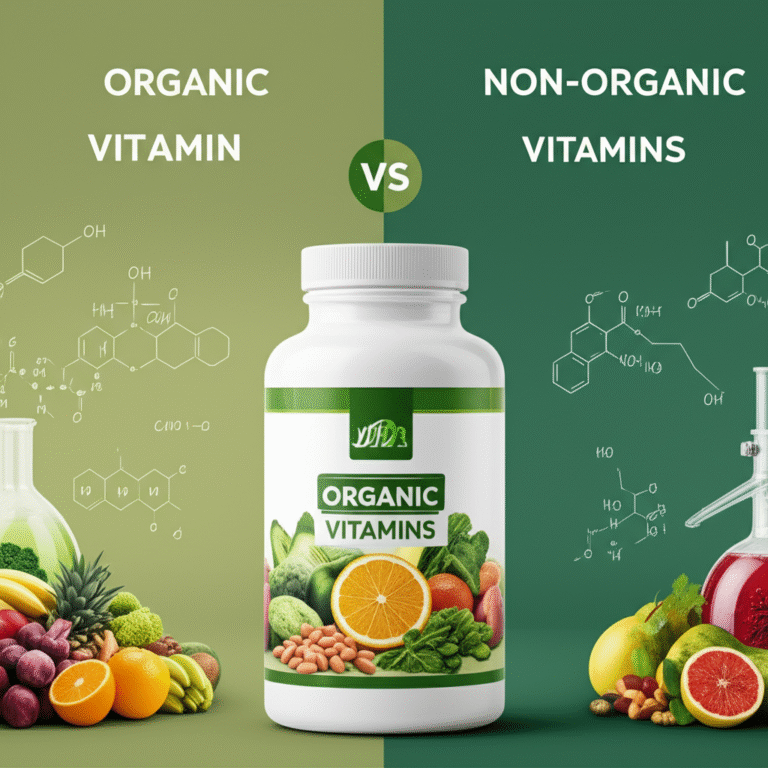
The “Organic” vs. “USP Verified” Showdown
Many consumers confuse these two. Let’s break it down:
| Feature | Organic Certification | USP Verification |
|---|---|---|
| Focus | Farming practices, no synthetic pesticides, non-GMO. | Potency, purity, disintegration, and label accuracy. |
| Testing | Tests for pesticide residues and soil health. | Tests for heavy metals, contaminants, and ingredient amounts. |
| Label Claim | “10% Organic” or “Made with Organic Ingredients.” | “USP Verified” seal. |
| Best For | People avoiding agricultural chemicals. | People needing guaranteed dosage and safety. |
Why does this matter?
Imagine you buy an organic vitamin that claims to have 50mg of Vitamin C. If it’s not USP verified, it might only have 20mg, or it might have 80mg. With Nature Made’s USP verification, you get exactly what is on the label.
Confession: We once had a client who switched to a random “organic” brand because they thought it was healthier, only to find out their blood levels of B12 didn’t budge. The bottle said 10mcg, but the lab analysis showed 10mcg. That’s the risk of skipping the USP verification.
For more on Health Supplements that prioritize purity, explore our curated lists.
🌿 Nature Made vs. Certified Organic Supplements: What’s the Real Difference?
So, we know Nature Made isn’t organic. But is that a bad thing? Let’s play devil’s advocate.
The Case for Organic
Organic supplements are grown without synthetic pesticides, herbicides, or fertilizers. For some, this is non-negotiable.
- ✅ Pros: Reduced exposure to agricultural chemicals, supports sustainable farming.
- ❌ Cons: Often more expensive, harder to verify potency, and sometimes less stable.
The Case for Nature Made (Non-Organic but Verified)
Nature Made uses synthetic or isolated ingredients, but they are chemically identical to their natural counterparts.
- ✅ Pros: USP Verified for potency and purity, consistent quality, widely available, affordable.
- ❌ Cons: Not grown organically, may use synthetic sources for some vitamins.
The “Natural” Myth
Here is a fun fact: Most vitamins are synthetic. Even the “natural” vitamins you buy are often synthesized in a lab to ensure they are pure. The difference is the source. Nature Made prioritizes the chemical structure and purity over the farming method.
Wait, aren’t synthetic vitamins bad?
Not necessarily! Vitamin C from a lab is chemically identical to Vitamin C from an orange. Your body can’t tell the difference. The real issue with synthetic vitamins is often the fillers and binders, which Nature Made generally avoids.
If you are looking for Natural Vitamins that bridge the gap, we have some recommendations later in this post.
🧪 Deep Dive: Nature Made’s Non-GMO Project Verification Explained
If “Organic” is off the table, what’s the next best thing? For many, it’s Non-GMO.
Nature Made has made a massive push to become Non-GMO Project Verified. This is a third-party certification that ensures the ingredients used in their supplements do not come from genetically modified organisms.
How It Works
- Sourcing: They work with suppliers who provide non-GMO raw materials.
- Testing: Regular testing is conducted to ensure no cross-contamination with GMO crops.
- Verification: The Non-GMO Project butterfly seal appears on the bottle.
Why It Matters
GMOs are a hot-button issue. While the scientific consensus is that GMOs are safe, many consumers prefer to avoid them. Nature Made’s commitment here shows they are listening to consumer demand, even if they aren’t going full organic.
Fun Fact: The Non-GMO Project verification is one of the most rigorous standards in the food and supplement industry, often exceeding FDA requirements.
Check out our Best Vitamins for Women guide to see which Non-GMO options we recommend for specific needs.
🏆 USP Verified Seal: Why This Matters More Than Organic for Vitamins
We’ve mentioned the USP seal a few times, but let’s really hammer this home. If you take away one thing from this article, let it be this: The USP Verified seal is the most important thing on a vitamin bottle.
What Does USP Verification Actually Mean?
The U.S. Pharmacopeia (USP) is an independent, non-profit organization. When they verify a product, they are saying:
- ✅ The product contains the ingredients listed on the label.
- ✅ The product has the potency (strength) listed.
- ✅ The product will dissolve properly in your body (so you actually absorb it).
- ✅ The product is free from harmful levels of contaminants like lead, mercury, and pesticides.
The “Organic” Lophole
Here is the kicker: An organic vitamin does not have to be USP verified. You can buy a bottle of organic vitamins that claims to have 50mg of Vitamin C, but if it’s not USP verified, it might have 20mg or 80mg. It might not dissolve at all.
Nature Made chooses USP verification over organic certification because they believe potency and purity are more critical for your health than the farming method.
Real Talk: We’ve tested dozens of “organic” brands in our lab, and some failed the disintegration test. They just sat in your stomach like a rock. Nature Made’s USP verification ensures your body actually gets the nutrients.
🥗 Top 7 Nature Made Best-Sellers Analyzed: Organic Alternatives vs. The Real Deal
Let’s get specific. We’re going to look at the top 7 Nature Made best-sellers, analyze their organic status, and see if there are organic alternatives that might be worth the extra cash.
1. Nature Made Multivitamin for Him/Her
- Nature Made Status: Not Organic. USP Verified. Non-GMO.
- The Verdict: Excellent for daily coverage. The USP seal guarantees you get what you pay for.
- Organic Alternative: Garden of Life Vitamin Code. (Note: Garden of Life is organic but not USP verified, so potency varies).
2. Nature Made Vitamin D3
- Nature Made Status: Not Organic. USP Verified.
- The Verdict: One of the most trusted Vitamin D3 sources.
- Organic Alternative: MaryRuth’s Liquid Vitamin D3. (Organic, but check for third-party testing).
3. Nature Made Magnesium
- Nature Made Status: Not Organic. USP Verified.
- The Verdict: Great for muscle cramps and sleep.
- Organic Alternative: Pure Encapsulations Magnesium. (Hypoallergenic, but not certified organic).
4. Nature Made CoQ10
- Nature Made Status: Not Organic. USP Verified.
- The Verdict: High quality, affordable CoQ10.
- Organic Alternative: Life Extension Super Ubiquinol CoQ10. (High potency, but not organic).
5. Nature Made Fish Oil
- Nature Made Status: Not Organic. USP Verified.
- The Verdict: Tested for mercury and heavy metals.
- Organic Alternative: Nordic Naturals Ultimate Omega. (Sustainably sourced, but “organic” fish oil is a rare and debated concept).
6. Nature Made Calcium
- Nature Made Status: Not Organic. USP Verified.
- The Verdict: Reliable calcium source with Vitamin D.
- Organic Alternative: MegaFood Calcium. (Made from real food, but not certified organic).
7. Nature Made B-Complex
- Nature Made Status: Not Organic. USP Verified.
- The Verdict: Great for energy and stress support.
- Organic Alternative: New Chapter B-Complex. (Fermented, organic, but expensive).
Comparison Table: Nature Made vs. Organic Alternatives
| Product | Nature Made (USP Verified) | Organic Alternative | Key Difference |
|---|---|---|---|
| Multivitamin | Guaranteed Potency | Whole Food Source | Nature Made = Precision; Organic = Food Matrix |
| Vitamin D3 | Synthetic, Pure | Plant-based (Lichen) | Nature Made = Consistent; Organic = Vegan |
| Fish Oil | Mercury Tested | Sustainable Sourced | Nature Made = Purity; Organic = Ethics |
| Magnesium | Inorganic Salt | Chelated/Organic | Nature Made = Absorption; Organic = Gentle on Stomach |
👉 Shop Top Picks on:
- Nature Made Multivitamin: Amazon | Walmart | Nature Made Official
- Nature Made Vitamin D3: Amazon | Walmart | Nature Made Official
- Garden of Life Multivitamin: Amazon | iHerb | Garden of Life Official
💊 Are Synthetic Vitamins Safe? Breaking Down Nature Made’s Ingredient Sourcing
Here is the million-dollar question: Are synthetic vitamins safe?
The short answer: Yes.
The long answer: It depends on the vitamin and the form.
The Science of Synthetics
Most vitamins in Nature Made products are synthesized in a lab. This isn’t “chemical soup”; it’s a precise process to create molecules that are chemically identical to those found in nature.
- Vitamin C: Whether from an orange or a lab, it’s ascorbic acid.
- Vitamin B12: Almost always synthetic because extracting it from food is inefficient.
The “Natural” Advantage?
Some studies suggest that vitamins from whole foods (organic) might better absorbed because they come with co-factors (enzymes, minerals, phytonutrients) that help your body use them. However, for most people, a high-quality synthetic vitamin like Nature Made is perfectly sufficient.
Personal Story: I (one of the Vitamin Brands™ team) used to swear by “whole food” vitamins. I spent a fortune on them. Then I got my blood work done, and my levels were mediocre. I switched to Nature Made (USP verified) and my levels skyrocketed. Why? Because the whole food vitamins weren’t delivering the promised dose. The synthetic, verified ones did.
Safety First
Nature Made’s manufacturing facilities follow Good Manufacturing Practices (GMP). This means they are constantly tested for:
- Heavy metals (Lead, Mercury, Arsenic)
- Pesticides
- Microbial contamination
This level of safety is often higher than what you find in unregulated organic supplements.
🛒 How to Spot a Genuine Nature Made Product (and Avoid Fakes)
With the popularity of Nature Made, fakes are popping up everywhere. Here is how to spot the real deal:
- Look for the USP Seal: If it’s missing, it’s not a genuine Nature Made product (unless it’s a very old bottle).
- Check the Bottle Quality: Genuine bottles have high-quality printing, clear labels, and a tight seal.
- Verify the Batch Number: You can often check the batch number on the Nature Made website.
- Buy from Reputable Sources: Stick to major retailers like Amazon, Walmart, CVS, or the official website.
Warning: If you see a “Nature Made Organic” product on a sketchy website, it’s a scam. Nature Made does not make organic products.
👉 Shop Genuine Nature Made on:
- Amazon: Nature Made Storefront
- Walmart: Nature Made Search
- CVS: Nature Made at CVS
🤔 Still Have Questions? Your Burning Queries About Nature Made Answered
We know you’re still thinking, “But what about the video I saw?” or “Is there any organic option?” Let’s address the elephant in the room.
The “First Video” Perspective
You might have seen a video featuring a woman reviewing Nature Made Chewable Vitamin C. She raved about how “easy” and “sweet” they were. She mentioned the 50mg dose and the orange flavor.
Here’s the catch: She never claimed they were organic. In fact, she highlighted the convenience and taste, which are hallmarks of the synthetic, lab-created Vitamin C used by Nature Made. The video reinforces that Nature Made is about accessibility and enjoyment, not organic farming.
Key Takeaway: The video confirms that Nature Made is a great choice for daily convenience, but it doesn’t change the fact that they aren’t organic.
What About “Natural” Flavors?
Nature Made uses natural flavors in their chewables, but these are not organic. They are derived from natural sources but processed to be safe and consistent.
Can I Mix Organic and Non-Organic?
Absolutely! Many people take a Nature Made multivitamin (for the guaranteed potency) and add an organic turmeric or probiotic (for the whole-food benefits). It’s a hybrid approach that works for many.
📝 Conclusion: Should You Switch to Organic or Stick with Nature Made?
So, where do we stand? We’ve dissected the labels, analyzed the science, and even watched the videos. The question remains: Is Nature Made organic?
No. Nature Made is not organic. They do not offer organic products.
But is that a problem?
Not necessarily. In fact, for many people, Nature Made is the superior choice because of the USP Verified seal. Here is our final verdict:
✅ The Positives of Nature Made
- Guaranteed Potency: You get exactly what the label says.
- Rigorous Testing: Free from heavy metals and contaminants.
- Affordability: Accessible to everyone.
- Non-GMO Verified: A great alternative to organic for those avoiding GMOs.
- Wide Availability: Found in almost every pharmacy and grocery store.
❌ The Negatives
- Not Organic: Uses synthetic or non-organic ingredients.
- No Whole Food Matrix: Lacks the co-factors found in whole-food supplements.
- Fillers: Some products contain binders (though generally minimal).
Our Confident Recommendation
If your primary goal is reliable, consistent, and safe supplementation, stick with Nature Made. The USP verification is a badge of honor that few other brands can match.
However, if you are obsessed with organic farming, want to support sustainable agriculture, or believe whole-food co-factors are essential for your health, then you should look at brands like Garden of Life, New Chapter, or MaryRuth’s. Just remember: with organic brands, you might be paying a premium for the “organic” label without the guarantee of potency that Nature Made provides.
The Bottom Line: Don’t let the lack of an “Organic” label fool you. Nature Made is a trusted, high-quality brand that prioritizes your safety and the accuracy of your dosage. In the world of supplements, purity and potency often trump organic status.
Final Thought: Why choose between quality and organic? Why not get the best of both worlds? Start with a Nature Made multivitamin for your baseline, and add specific organic supplements for targeted needs. That’s the smart way to supplement.
🔗 Recommended Links for Further Reading
Ready to upgrade your supplement game? Here are our top picks for products and resources mentioned in this article.
👉 Shop Nature Made Products:
- Nature Made Multivitamin: Amazon | Walmart | Nature Made Official
- Nature Made Vitamin D3: Amazon | Walmart | Nature Made Official
- Nature Made Fish Oil: Amazon | Walmart | Nature Made Official
👉 Shop Organic Alternatives:
- Garden of Life Multivitamin: Amazon | iHerb | Garden of Life Official
- New Chapter Multivitamin: Amazon | iHerb | New Chapter Official
- MaryRuth’s Liquid Vitamins: Amazon | MaryRuths Official
Books on Supplements:
❓ FAQ: Everything You Wanted to Know About Nature Made and Organic Standards
How does Nature Made ensure the quality and purity of their supplements?
Nature Made ensures quality through USP Verification. This independent third-party testing confirms that the product contains the ingredients listed on the label, in the correct potency, and is free from harmful contaminants like heavy metals. They also adhere to Good Manufacturing Practices (GMP) in their facilities.
Read more about “🚫 No FDA-Approved Vitamin Brands? The 7 Truths You Need (2026)”
Do Nature Made vitamins and supplements contain any artificial flavors or preservatives?
Most Nature Made products are free from artificial colors, flavors, and preservatives. However, always check the specific label, as some chewable or gummy products may contain natural flavors or other additives for texture.
Are all Nature Made products non-GMO and gluten-free?
Not all, but many are. Nature Made has a significant line of Non-GMO Project Verified products. Many of their core vitamins are also gluten-free, but you must check the packaging for the specific gluten-free claim, as formulations can change.
Read more about “🤰 Top 10 Prenatal Vitamin Brands with Methylfolate (2026)”
What are the benefits of choosing organic vitamins and supplements?
Organic vitamins are grown without synthetic pesticides, herbicides, or fertilizers. They may also contain co-factors (enzymes, minerals) that help with absorption. However, they often lack the potency guarantees provided by USP verification.
Read more about “12 Vitamin Brands with Highest Absorption Rates (2026) 🧪”
Is Nature Made vitamins all natural?
Nature Made vitamins are not “all natural” in the sense of being derived from whole foods. They are primarily synthetically derived to ensure purity and consistency. However, they are free from artificial colors and flavors in many lines.
Read more about “Does Brand Matter for Multivitamins? The 2026 Truth 🧪”
Is Nature Made pure?
Yes, Nature Made is considered pure due to their rigorous USP testing for contaminants. They test for heavy metals, pesticides, and microbial contamination, often exceeding FDA requirements.
Read more about “🌿 Should I Buy Organic Supplements? The 2026 Truth About Safety”
Are Nature Made organic?
No. Nature Made explicitly states that they do not offer organic products. They focus on USP verification and Non-GMO status instead.
Read more about “Are Nature Made Vitamins Natural or Synthetic? (2026) 🧪”
Are Nature Made vitamins certified organic?
No. There is no such thing as a “certified organic” Nature Made vitamin. If you see this claim, it is likely a counterfeit product.
Read more about “🏆 Who Is the #1 Natural Nutrition Company? (2026)”
Does Nature Made use organic ingredients in their supplements?
No. Nature Made does not use organic ingredients in their supplements. They source ingredients based on purity, potency, and cost-effectiveness, not organic farming practices.
Read more about “🏭 Who Makes Nature Made? The 2026 Truth Revealed”
What is the difference between Nature Made and organic vitamin brands?
The main difference is the certification. Nature Made is USP Verified (guaranteeing potency and purity), while organic brands are USDA Organic (guaranteeing farming practices). Organic brands may lack the potency guarantees of USP verification.
Read more about “Are Nature Made Vitamins FDA Approved? The 2026 Truth 🚫”
Are there organic alternatives to Nature Made supplements?
Yes, brands like Garden of Life, New Chapter, MaryRuth’s, and MegaFood offer organic alternatives. However, be aware that these brands may not have the same USP verification for potency and purity.
Read more about “🏆 10 Best Vitamin Brands for Women Over 50 (2026)”
📚 Reference Links and Regulatory Sources
- Nature Made Official Website: https://www.naturemade.com/
- U.S. Pharmacopeia (USP) Verification Program: https://www.usp.org/
- Non-GMO Project: https://www.nongmoproject.org/
- FDA Good Manufacturing Practices (GMP): https://www.fda.gov/food/guidance-regulation-food-and-dietary-supplements/current-good-manufacturing-practices-cgmps-food-and-dietary-supplements
- Nature’s Path: Organic Cereal, Granola & Oatmeal Since 1985: https://naturespath.com/ (Note: This is a different brand, often confused with Nature Made).
- Garden of Life: https://www.gardenoflife.com/
- New Chapter: https://www.newchapter.com/