Support our educational content for free when you purchase through links on our site. Learn more
What Do Vitamins Do? 7 Surprising Benefits You Need to Know (2025) 🌟


Ever wondered what those colorful little pills or vibrant veggies actually do inside your body? Vitamins aren’t just buzzwords on supplement bottles—they’re the unsung heroes orchestrating everything from your energy levels to your immune defenses. Did you know that a single vitamin deficiency once caused scurvy to wipe out entire naval crews? That’s how powerful these tiny nutrients are!
In this article, we’ll unravel the mystery behind what vitamins do, exploring the 7 astounding ways they supercharge your health. From boosting brain function to protecting your cells against damage, vitamins are more than just “nice to have.” Plus, we’ll share expert tips on how to get the most from your diet and supplements, and reveal common myths that might be holding you back. Ready to become a vitamin virtuoso? Let’s dive in!
Key Takeaways
- Vitamins are essential organic compounds your body needs for growth, energy, immunity, and repair.
- There are two main types: fat-soluble (A, D, E, K) and water-soluble (C and B-complex), each with unique roles and absorption needs.
- Seven key benefits include immune support, energy production, bone health, brain function, skin and hair vitality, vision support, and antioxidant protection.
- Deficiencies can cause serious health issues, but balanced diets and quality supplements help fill nutritional gaps.
- Beware of myths like “more is always better” — excess vitamins can be harmful.
- Tailor your vitamin intake to your lifestyle, age, and dietary needs for optimal health.
Stay tuned for our expert recommendations on trusted vitamin brands and practical tips to maximize absorption and benefits!
Table of Contents
- ⚡️ Quick Tips and Facts: Your Vitamin Cheat Sheet!
- 🕰️ A Journey Through Time: Unearthing the Secrets of Essential Nutrients
- 🔬 The Grand Symphony Inside You: How Vitamins Orchestrate Health
- 🌈 The Dynamic Duo: Understanding Fat-Soluble vs. Water-Soluble Vitamins
- 🌟 Beyond the Basics: 7 Astounding Ways Vitamins Supercharge Your Life
- 1. Boosting Your Immune System: Your Body’s Invisible Shield
- 2. Powering Up Your Energy Levels: Ditching the Afternoon Slump
- 3. Nurturing Bone Health: Building a Strong Foundation
- 4. Sharpening Brain Function: Fueling Your Mental Edge
- 5. Enhancing Skin, Hair, and Nails: Your Glow-Up Gurus
- 6. Supporting Vision Health: Seeing the World Clearly
- 7. Protecting Your Cells: The Antioxidant Army
- 🔍 A Closer Look: The Star Players and Their Unique Talents
- 📉 The Vitamin Void: Recognizing the Red Flags of Deficiency
- 🍎 Feast Your Way to Health: Top Food Sources for Essential Vitamins
- 💊 To Supplement or Not to Supplement? Navigating the World of Vitamin Pills
- 🧬 The Absorption Game: How Your Body Actually Uses Those Vitamins
- 🚫 Busted! Separating Vitamin Fact from Fiction
- ⚠️ Too Much of a Good Thing? Understanding Vitamin Toxicity and Side Effects
- 👤 Your Unique Vitamin Blueprint: Tailoring Your Intake to Your Lifestyle
- 💡 Our Expert Take: Confident Recommendations from Vitamin Brands™
- ✨ The Vitamin Verdict: Empowering Your Health Journey
- 🔗 Dive Deeper: Recommended Resources for Your Health Quest
- ❓ Your Burning Questions Answered: Vitamin FAQs
- 📚 The Evidence Base: Reliable Sources We Trust
⚡️ Quick Tips and Facts: Your Vitamin Cheat Sheet!
Welcome to the ultimate vitamin crash course! If you’ve ever wondered what do vitamins do and why they’re the VIPs of your health squad, you’re in the right place. Here’s a quick rundown before we dive deep:
- Vitamins are essential organic compounds your body needs to function, grow, and repair itself. Unlike plants or bacteria, humans can’t make them — so you’ve got to eat or supplement them.
- There are 13 essential vitamins, split into two groups:
- Fat-soluble: A, D, E, K (stored in fat and liver)
- Water-soluble: C and B-complex (need daily replenishment)
- Vitamins act as coenzymes, antioxidants, immune boosters, and more — each with unique superpowers.
- Deficiency or excess can cause health issues — balance is key!
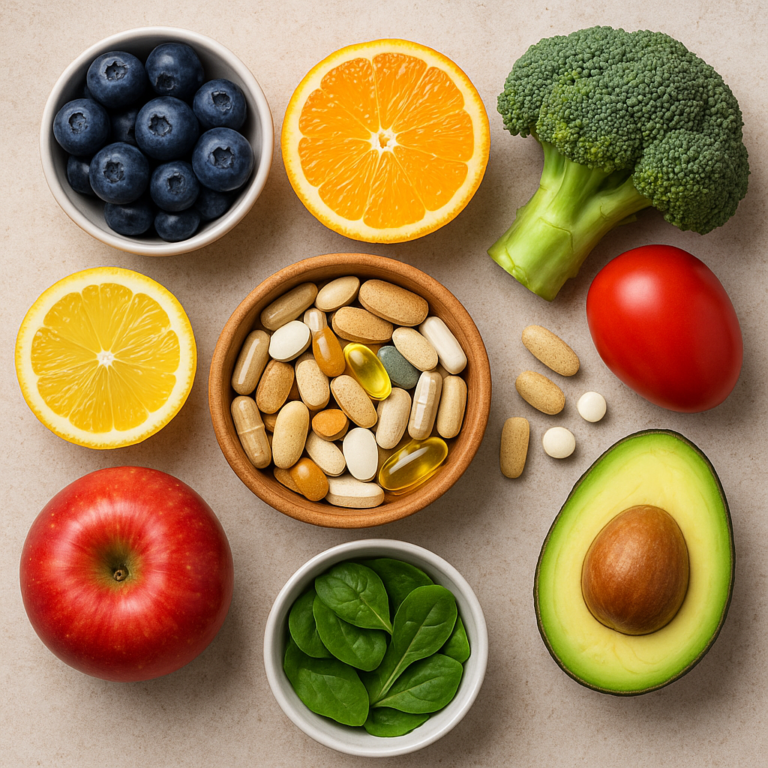
- Best sources? A colorful, balanced diet rich in fruits, veggies, whole grains, dairy, and lean protein.
- Supplements can help fill gaps but aren’t magic bullets.
For a detailed breakdown of Nature Made vitamins, check out our related article: Are Nature Made Vitamins Good or Bad? Our 7-Point Breakdown (2025) 🌿.
Ready to become a vitamin virtuoso? Let’s roll!
🕰️ A Journey Through Time: Unearthing the Secrets of Essential Nutrients
Did you know sailors once suffered from scurvy — a deadly disease caused by vitamin C deficiency? This historical hiccup was the first clue that vitamins are life-savers. Over centuries, scientists identified 13 essential vitamins, each with a unique role in keeping us ticking.
- Early discoveries: Vitamin A’s role in vision, Vitamin D’s link to rickets, and Vitamin C’s power against scurvy.
- Modern science: Vitamins are now recognized as crucial for cell growth, immune defense, energy metabolism, and tissue repair.
- The first YouTube video embedded in this article (#featured-video) brilliantly explains how vitamins act as your body’s builders, defenders, and maintenance crew — a must-watch for vitamin newbies!
This historical context sets the stage for understanding why vitamins are indispensable today.
🔬 The Grand Symphony Inside You: How Vitamins Orchestrate Health
Think of your body as an orchestra. Vitamins are the conductors ensuring every instrument (cell, tissue, organ) plays in harmony. Here’s how:
- Cell function: Vitamins like B-complex help cells convert food into energy.
- Growth & development: Vitamin A supports bone and tooth formation.
- Immune system: Vitamins C and D boost your defenses against infections.
- Antioxidant protection: Vitamins E and C neutralize harmful free radicals.
- Blood health: Vitamin K is essential for clotting to stop bleeding.
Without these conductors, your body’s symphony would be out of tune — leading to fatigue, illness, or worse.
🌈 The Dynamic Duo: Understanding Fat-Soluble vs. Water-Soluble Vitamins
Vitamins come in two flavors, and knowing the difference helps you get the most from your diet and supplements.
1. The Fat-Soluble Four: Vitamins A, D, E, K – Your Body’s Long-Term Savers
- Stored in liver and fat tissue — your body’s pantry for lean times.
- Absorbed best with dietary fat (think avocado toast or olive oil drizzle).
- Risk of toxicity if taken in excess since they accumulate.
| Vitamin | Key Functions | Food Sources | Storage | Toxicity Risk |
|---|---|---|---|---|
| A | Vision, immune, skin, bone | Liver, carrots, spinach, dairy | High | ✅ Possible with excess |
| D | Calcium absorption, bone health | Fatty fish, fortified milk, sun exposure | High | ✅ Possible with excess |
| E | Antioxidant, skin health | Nuts, seeds, vegetable oils | High | ✅ Possible with excess |
| K | Blood clotting, bone metabolism | Leafy greens, broccoli, liver | High | ❌ Rare |
2. The Water-Soluble Wonders: B-Complex and Vitamin C – Your Daily Refreshers
- Not stored; excess excreted in urine — daily intake is essential.
- Absorbed directly into the bloodstream.
- Lower risk of toxicity but can occur with mega-doses.
| Vitamin | Key Functions | Food Sources | Storage | Toxicity Risk |
|---|---|---|---|---|
| B1 (Thiamine) | Energy metabolism, nerve function | Whole grains, pork, legumes | Low | ❌ Rare |
| B2 (Riboflavin) | Energy production, red blood cells | Dairy, eggs, green veggies | Low | ❌ Rare |
| B3 (Niacin) | Skin, nerves, cholesterol | Meat, fish, nuts | Low | ✅ Possible at high doses |
| B6 (Pyridoxine) | Brain function, red blood cells | Bananas, poultry, potatoes | Low | ✅ Possible at high doses |
| B12 (Cobalamin) | Nerve, red blood cells | Meat, dairy, fortified cereals | Moderate (liver) | ❌ Rare |
| C (Ascorbic Acid) | Immunity, collagen, antioxidant | Citrus, berries, peppers | Low | ✅ Possible at very high doses |
🌟 Beyond the Basics: 7 Astounding Ways Vitamins Supercharge Your Life
Vitamins aren’t just “nice to have” — they’re your body’s secret weapons. Here are seven ways they elevate your health game:
1. Boosting Your Immune System: Your Body’s Invisible Shield
- Vitamin C supports white blood cells and antibody production.
- Vitamin D modulates immune responses, reducing infection risk.
- Anecdote: One of our team members swears by a daily vitamin C boost during cold season — no sick days for her!
2. Powering Up Your Energy Levels: Ditching the Afternoon Slump
- B vitamins convert carbs, fats, and proteins into usable energy.
- Deficiency can cause fatigue and brain fog.
3. Nurturing Bone Health: Building a Strong Foundation
- Vitamins D and K work together to maintain bone density and prevent fractures.
- Calcium absorption depends heavily on vitamin D.
4. Sharpening Brain Function: Fueling Your Mental Edge
- B6, B12, and folate support neurotransmitter synthesis and nerve health.
- Low levels linked to memory issues and mood disorders.
5. Enhancing Skin, Hair, and Nails: Your Glow-Up Gurus
- Vitamins A, C, and E promote collagen production and protect against oxidative damage.
- Biotin (B7) is famous for strengthening hair and nails.
6. Supporting Vision Health: Seeing the World Clearly
- Vitamin A maintains retinal health and prevents night blindness.
- Lutein and zeaxanthin (carotenoids) also protect eyes from blue light damage.
7. Protecting Your Cells: The Antioxidant Army
- Vitamins C and E neutralize free radicals that cause cellular aging and disease.
- Antioxidants help reduce inflammation and support longevity.
🔍 A Closer Look: The Star Players and Their Unique Talents
Let’s spotlight the vitamins that steal the show and what makes them indispensable.
Vitamin A: The Visionary & Immune Booster
- Supports retinal function for clear vision and night sight.
- Maintains skin and mucous membranes, your first line of defense.
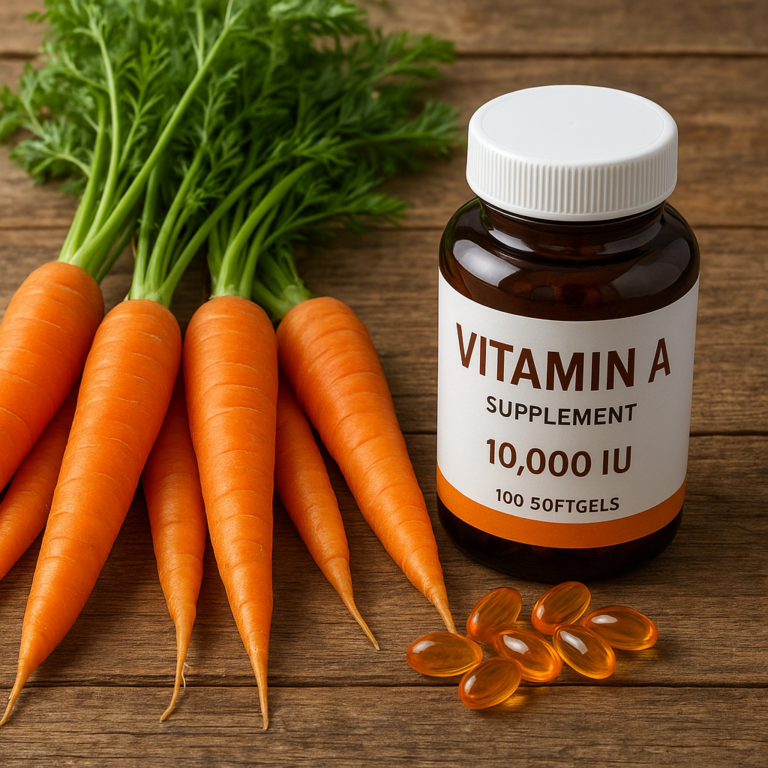
- Found in liver, carrots, sweet potatoes, and spinach.
- Beware of excess: too much preformed vitamin A can be toxic, but beta-carotene (plant form) is safer.
Vitamin D: The Sunshine Vitamin & Bone Builder
- Produced in skin via sunlight exposure — hence the nickname!
- Crucial for calcium and phosphorus absorption.
- Deficiency linked to rickets, osteoporosis, and immune dysfunction.
- Food sources include fatty fish, fortified dairy, and egg yolks.
- Supplements like Nature Made Vitamin D3 are popular for those with limited sun exposure.
- 👉 CHECK PRICE on:
Vitamin E: The Cellular Protector
- A potent antioxidant protecting cell membranes from damage.
- Supports immune function and skin health.
- Found in nuts, seeds, spinach, and vegetable oils.
- Excess supplementation can interfere with blood clotting.
Vitamin K: The Clotting Champion
- Essential for blood coagulation — without it, cuts wouldn’t stop bleeding.
- Also supports bone metabolism.
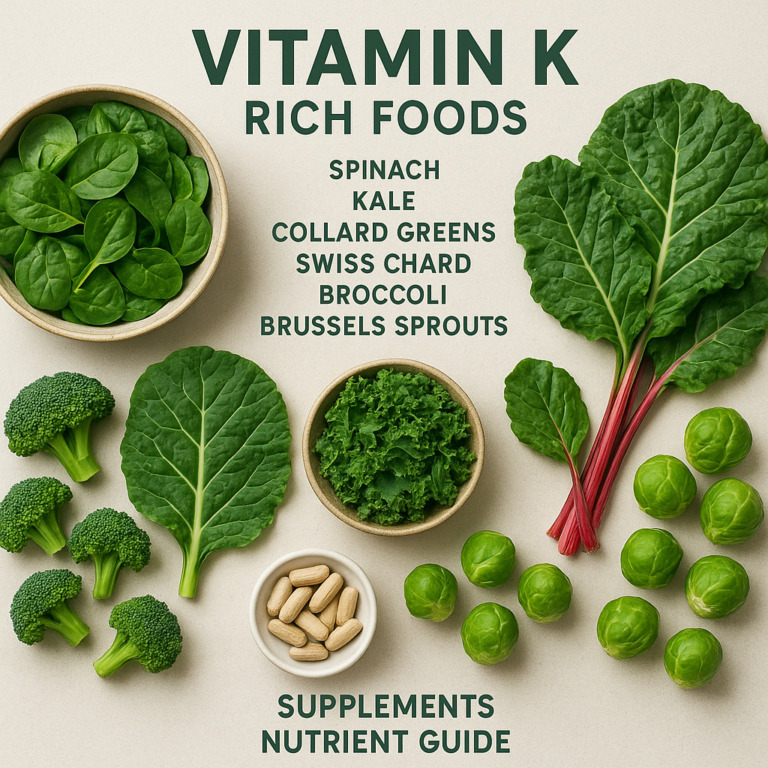
- Found in leafy greens like kale, spinach, and broccoli.
- Deficiency is rare but can cause bleeding issues.
Vitamin C: The Immunity Powerhouse & Collagen Creator
- Boosts immune defenses and acts as an antioxidant.
- Vital for collagen synthesis, supporting skin, bones, and wound healing.
- Found in citrus fruits, strawberries, bell peppers, and broccoli.
- Water-soluble, so daily intake is important.
- Anecdote: Our nutritionist swears by vitamin C gummies during flu season — tasty and effective!
B Vitamins: The Energy Engine & Nerve Nurturers
- Includes B1, B2, B3, B5, B6, B7, B9 (folate), and B12.
- Work as coenzymes in energy metabolism and red blood cell formation.
- Support nervous system health and brain function.
- Found in whole grains, meat, dairy, legumes, and leafy greens.
- Vegans should monitor B12 intake carefully, as it’s mostly in animal products.
📉 The Vitamin Void: Recognizing the Red Flags of Deficiency
Ignoring vitamin needs can lead to a host of problems. Here’s what to watch for:
Common Deficiency Symptoms: What Your Body is Trying to Tell You
| Vitamin | Deficiency Signs | Possible Consequences |
|---|---|---|
| A | Night blindness, dry skin | Vision loss, infections |
| B12 | Fatigue, numbness, memory issues | Anemia, nerve damage |
| C | Bleeding gums, slow wound healing | Scurvy, infections |
| D | Bone pain, muscle weakness | Rickets, osteoporosis |
| K | Easy bruising, bleeding | Hemorrhage risk |
If you experience unexplained fatigue, skin changes, or frequent infections, it might be time to check your vitamin levels.
Who’s at Risk? Understanding Vulnerable Populations
- Older adults with reduced absorption.
- Vegans and vegetarians (especially for B12).
- People with malabsorption disorders (e.g., celiac, Crohn’s).
- Pregnant and breastfeeding women.
- Individuals with limited sun exposure (Vitamin D).
🍎 Feast Your Way to Health: Top Food Sources for Essential Vitamins
Want to get your vitamins the natural way? Here’s how to eat smart:
Eating the Rainbow: A Colorful Guide to Nutrient-Rich Foods
| Color | Vitamins Abundant | Food Examples |
|---|---|---|
| Orange/Yellow | A, C, B6 | Carrots, sweet potatoes, mango, bananas |
| Green | K, A, C, Folate | Spinach, kale, broccoli, asparagus |
| Red | C, Folate | Strawberries, tomatoes, red peppers |
| White/Brown | B vitamins, K | Mushrooms, onions, whole grains |
Eating a variety of colors ensures a broad spectrum of vitamins.
Cooking for Retention: Maximizing Vitamin Content in Your Meals
- Steam or microwave veggies to preserve water-soluble vitamins.
- Avoid overcooking — vitamin C and B vitamins are heat-sensitive.
- Use healthy fats (olive oil, avocado) to enhance absorption of fat-soluble vitamins.
- Store produce properly to prevent nutrient loss.
💊 To Supplement or Not to Supplement? Navigating the World of Vitamin Pills
Supplements can be confusing. Here’s how to decide if you need them and how to choose wisely.
When Are Supplements Necessary? Bridging Nutritional Gaps
- If your diet lacks variety or you have dietary restrictions.
- During pregnancy (folic acid, iron, vitamin D).
- For older adults or those with absorption issues.
- In cases of diagnosed deficiency.
Decoding Labels: What to Look for in a Quality Supplement
- Check dosage against Recommended Dietary Allowance (RDA).
- Prefer third-party tested brands (USP, NSF).
- Avoid unnecessary fillers, artificial colors, or excessive sugars.
- Consider form: gummies, capsules, liquids — choose what fits your lifestyle.
Our Top Picks: Trusted Brands We Stand By
| Brand | Highlights | Availability |
|---|---|---|
| Nature Made | USP verified, wide range | Amazon |
| Garden of Life | Organic, whole food-based | Amazon |
| NOW Foods | Affordable, extensive options | Amazon |
👉 Shop Multivitamin Supplements on:
🧬 The Absorption Game: How Your Body Actually Uses Those Vitamins
Taking vitamins is one thing — absorbing and using them is another. Here’s how your body handles the goods:
Factors Affecting Absorption: From Gut Health to Food Pairings
- Gut health: Conditions like IBS or low stomach acid reduce absorption.
- Fat intake: Fat-soluble vitamins need dietary fat to be absorbed.
- Interactions: Calcium can inhibit iron absorption; vitamin C enhances iron uptake.
- Age: Absorption efficiency declines with age.
- Medications: Some drugs interfere with vitamin metabolism.
Tip: Pair iron-rich plant foods with vitamin C sources (e.g., spinach salad with orange slices) to boost absorption.
🚫 Busted! Separating Vitamin Fact from Fiction
Let’s bust some common myths that might be holding you back from vitamin wisdom.
Myth #1: More is Always Better
❌ Taking mega-doses of vitamins doesn’t equal better health — it can cause toxicity, especially with fat-soluble vitamins. Stick to recommended amounts unless supervised by a healthcare provider.
Myth #2: All Supplements Are Created Equal
❌ Quality varies widely. Look for reputable brands with third-party testing to avoid ineffective or unsafe products.
Myth #3: You Can Get Everything from Food Alone
✅ While a balanced diet is best, some people (e.g., vegans, elderly, pregnant women) may need supplements to meet their needs.
⚠️ Too Much of a Good Thing? Understanding Vitamin Toxicity and Side Effects
Excessive vitamin intake can backfire. Here’s what you need to know:
Recognizing the Signs of Over-Supplementation
- Nausea, headaches, dizziness
- Fatigue or irritability
- Skin rashes or itching
- Abnormal blood clotting (Vitamin K or E)
- Nerve damage (excess B6)
Safe Upper Limits: Knowing Your Boundaries
Refer to the Tolerable Upper Intake Levels (ULs) set by the Institute of Medicine. For example:
| Vitamin | UL (Adults) | Notes |
|---|---|---|
| A (preformed) | 3,000 mcg (10,000 IU) | Excess causes liver damage |
| D | 100 mcg (4,000 IU) | Excess causes calcium buildup |
| E | 1,000 mg (1,500 IU) | Excess affects blood clotting |
| B6 | 100 mg | Excess causes nerve damage |
Always consult your healthcare provider before high-dose supplementation.
👤 Your Unique Vitamin Blueprint: Tailoring Your Intake to Your Lifestyle
No two bodies are alike. Your vitamin needs depend on many factors:
Age, Gender, and Life Stages: Different Needs for Different Folks
- Children: Need vitamins for growth and development.
- Pregnant women: Extra folate, iron, and calcium to support baby.
- Older adults: Higher vitamin D and B12 needs due to absorption changes.
- Men vs. Women: Differences in iron requirements, for example.
Dietary Restrictions & Lifestyle Choices: Vegans, Athletes, and Beyond
- Vegans: Watch B12, vitamin D, iron, and calcium.
- Athletes: Increased needs for B vitamins, antioxidants, and electrolytes.
- People with allergies or intolerances: May miss out on fortified foods.
Personalized nutrition advice is gold — consider consulting a dietitian.
💡 Our Expert Take: Confident Recommendations from Vitamin Brands™
At Vitamin Brands™, we believe in balance, quality, and informed choices. Here’s our expert advice:
- Prioritize a nutrient-dense diet rich in whole foods.
- Use supplements strategically to fill gaps, not replace food.
- Choose trusted brands with transparent labeling and third-party testing.
- Avoid chasing trends or mega-doses — more isn’t always better.
- Monitor your health and consult professionals for personalized plans.
We stand behind brands like Nature Made, Garden of Life, and NOW Foods for their quality and efficacy.
✨ The Vitamin Verdict: Empowering Your Health Journey
Vitamins are your body’s essential partners in health — from boosting immunity to powering energy and protecting cells. Understanding their roles, sources, and how to balance intake empowers you to make smart choices.
Remember, vitamins are not magic pills but vital nutrients that work best when combined with a healthy lifestyle. So, eat the rainbow, listen to your body, and supplement wisely.
🔗 Dive Deeper: Recommended Resources for Your Health Quest
For more expert insights and detailed guides, check out these trusted resources:
- MedlinePlus Vitamins and Minerals
- NHS Vitamins and Minerals Guide
- KidsHealth Vitamins and Minerals
- Vitamin Brands™ Essential Vitamins Category
- Vitamin Brands™ Multivitamin Supplements
❓ Your Burning Questions Answered: Vitamin FAQs

Q: Can I get all my vitamins from food alone?
A: Ideally, yes — but supplements help certain groups or those with dietary gaps.
Q: How do I know if I have a vitamin deficiency?
A: Symptoms vary; blood tests and professional advice are best.
Q: Are gummy vitamins as effective as pills?
A: They can be, but watch for added sugars and lower doses.
Q: Can I take multiple vitamin supplements together?
A: Usually yes, but avoid exceeding RDAs and watch for interactions.
Q: What’s the best time to take vitamins?
A: Fat-soluble vitamins with meals containing fat; water-soluble anytime.
📚 The Evidence Base: Reliable Sources We Trust
Our insights are grounded in authoritative sources including:
- MedlinePlus: Vitamins
- NHS: Vitamins and Minerals
- KidsHealth: Vitamins and Minerals
- Institute of Medicine Dietary Reference Intakes
- Peer-reviewed nutrition journals and clinical guidelines
We continuously update our content to reflect the latest science and expert consensus.
Conclusion

After unpacking the fascinating world of vitamins, it’s clear that these tiny nutrients pack a mighty punch in supporting your overall health. From boosting immunity and energy to protecting your cells and maintaining vision, vitamins are indispensable players in your body’s orchestra.
If you’re considering supplements, remember: quality and balance are key. Brands like Nature Made, Garden of Life, and NOW Foods offer reliable options that we at Vitamin Brands™ confidently recommend for bridging nutritional gaps. However, supplements should complement—not replace—a nutrient-rich diet.
So, what about those lingering questions? Can you get all vitamins from food alone? For most healthy individuals, yes — but certain groups (vegans, pregnant women, older adults) may need supplements to meet their unique needs. And while mega-dosing sounds tempting, more isn’t always better; toxicity risks exist, especially with fat-soluble vitamins.
In short, embrace a colorful, balanced diet, listen to your body’s signals, and use supplements wisely. Your health journey deserves nothing less than informed, expert-backed choices!
Recommended Links
👉 Shop Trusted Vitamin Brands:
- Nature Made Vitamins: Amazon | Walmart | Nature Made Official Website
- Garden of Life Supplements: Amazon | Walmart | Garden of Life Official Website
- NOW Foods Vitamins: Amazon | Walmart | NOW Foods Official Website
Recommended Books for Deep Dives:
- “The Vitamin Book” by Harold M. Silverman — a comprehensive guide to vitamin science and supplementation.
- “Eat to Beat Disease” by William W. Li — explores how nutrition, including vitamins, supports health and disease prevention.
- “Nutrition Essentials for Mental Health” by Leslie Korn — focuses on the role of vitamins and nutrients in brain function.
FAQ

What happens to your body when you start taking vitamins?
When you begin taking vitamins, your body starts replenishing essential nutrients it may have been lacking. This can lead to improved energy, better immune function, enhanced skin health, and more efficient metabolic processes. However, effects depend on your baseline nutritional status; if you’re already sufficient, benefits may be subtle. It’s important to take vitamins as directed and monitor for any side effects.
Read more about “⚡️ Which Vitamin Supplements Are Best for Energy and Endurance? Top 5 Picks (2025)”
What are 5 benefits of vitamins?
- Immune Support: Vitamins C and D enhance your body’s defense against infections.
- Energy Production: B-complex vitamins help convert food into usable energy.
- Bone Health: Vitamins D and K promote strong bones and prevent fractures.
- Skin and Tissue Repair: Vitamins A and C support collagen synthesis and skin regeneration.
- Antioxidant Protection: Vitamins E and C protect cells from oxidative damage.
Read more about “The Ultimate Vitamin List A-Z: 13 Essentials You Must Know (2025) 🌈”
What do vitamins do to your body?
Vitamins act as catalysts and cofactors in biochemical reactions essential for life. They help your body grow, repair tissues, produce energy, maintain vision, support immune function, and protect against cellular damage. Without adequate vitamins, these processes falter, leading to deficiency diseases and impaired health.
Read more about “How to Choose the Right Vitamin A Supplement for Your Skin ✨ (2025)”
How do vitamins support immune health?
Vitamins such as C, D, A, and E modulate immune responses by enhancing the function of white blood cells, promoting antibody production, and reducing inflammation. For example, vitamin C supports the activity of phagocytes that engulf pathogens, while vitamin D influences immune cell signaling. Together, they help your body fight infections effectively.
Read more about “What Are the 3 Most Important Vitamins? Unlock the Truth in 2025! 🔍”
What are the benefits of taking vitamin supplements?
Supplements can fill nutritional gaps when diet alone is insufficient, support increased needs during life stages like pregnancy or aging, and help manage or prevent deficiencies. They offer convenience and precise dosing but should be chosen carefully to avoid excess intake and interactions.
Read more about “Top 10 Vitamin A Tablets Reviewed & Compared (2025) 🌟”
Which vitamins are essential for energy production?
The B-complex vitamins — including B1 (thiamine), B2 (riboflavin), B3 (niacin), B5 (pantothenic acid), B6 (pyridoxine), B7 (biotin), B9 (folate), and B12 (cobalamin) — are crucial for converting carbohydrates, fats, and proteins into energy your cells can use.
Can vitamins improve mental clarity and focus?
Yes! Vitamins B6, B9 (folate), and B12 support neurotransmitter synthesis and nerve health, which are vital for cognitive function. Deficiencies in these vitamins have been linked to memory problems, mood disorders, and decreased concentration. Adequate intake can help maintain mental clarity and focus.
Read more about “💊 Top 15 Best Selling Supplements to Try in 2025”
Reference Links
- MedlinePlus: Vitamins
- NHS: Vitamins and minerals
- KidsHealth: Vitamins and Minerals
- Nature Made Official Website
- Garden of Life Official Website
- NOW Foods Official Website
- Institute of Medicine Dietary Reference Intakes