Support our educational content for free when you purchase through links on our site. Learn more
The Ultimate Vitamin List A-Z: 13 Essentials You Must Know (2025) 🌈

Did you know that vitamins are tiny superheroes your body can’t live without — yet many people don’t get enough of them? Whether you’re struggling with low energy, skin issues, or just want to boost your overall wellness, understanding the full vitamin list A-Z can transform your health game. At Vitamin Brands™, we’ve compiled the most comprehensive, expert-backed guide to all 13 essential vitamins, their benefits, food sources, and smart supplementation tips for 2025.
Stick around to discover surprising facts — like why vitamin K is the unsung hero of blood clotting, or how B-complex vitamins team up to fuel your brain and body. Plus, we’ll bust common myths and share insider hacks from our health pros to help you make confident, personalized choices. Ready to unlock the secrets of vitamins and feel your best? Let’s dive in!
Key Takeaways
- Vitamins are essential organic compounds your body needs in small amounts but can’t produce enough of on its own.
- The 13 essential vitamins include fat-soluble (A, D, E, K) and water-soluble (B-complex and C) types, each with unique roles.
- Balanced intake from a varied diet is best; supplements help fill gaps but should be chosen carefully.
- Overdosing on fat-soluble vitamins can cause toxicity, so moderation and expert guidance are crucial.
- Vitamins work synergistically with minerals and other nutrients for optimal health.
- Our expert guide includes detailed A-Z profiles, historical insights, and practical tips for absorption and supplementation.
Explore our full vitamin A-Z guide to empower your wellness journey with science-backed knowledge and real-world advice!
Table of Contents
- ⚡️ Quick Tips and Facts for Vitamin Enthusiasts
- 🕰️ The Vitamin Voyage: A Historical Expedition into Essential Nutrients
- 🔬 What Exactly ARE Vitamins? Decoding the Micronutrient Mystery
- 💧🥑 Classifying Our Tiny Titans: Fat-Soluble vs. Water-Soluble Vitamins
- 🌟 The Grand Tour: Your A-Z Guide to Essential Vitamins for Optimal Wellness
- 1. Vitamin A (Retinol & Carotenoids): Vision, Immunity, and Skin Health
- 2. Vitamin B Complex: The Energy Powerhouse & Nerve Nurturers
- B1 (Thiamine): Fueling Your Metabolism
- B2 (Riboflavin): Cellular Energy & Antioxidant Support
- B3 (Niacin): Cholesterol Management & DNA Repair
- B5 (Pantothenic Acid): Stress Support & Hormone Production
- B6 (Pyridoxine): Brain Health & Mood Regulation
- B7 (Biotin): Hair, Skin, Nails, and Metabolic Function
- B9 (Folate/Folic Acid): Crucial for Cell Growth & Pregnancy
- B12 (Cobalamin): Red Blood Cells, Nerves, and Energy
- Why B-Complex Matters: Synergy for Stress & Vitality
- 3. Vitamin C (Ascorbic Acid): Your Immune System’s Best Friend & Collagen Builder
- 4. Vitamin D (Calciferol): The Sunshine Vitamin for Bones, Mood, and Immunity
- 5. Vitamin E (Tocopherols & Tocotrienols): The Master Antioxidant for Cell Protection
- 6. Vitamin K (Phylloquinone & Menaquinones): Crucial for Blood Clotting & Bone Density
- ➕ Beyond the Alphabet: Other Vitamin-Like Compounds & Essential Cofactors
- ⚙️ The Inner Workings: How Vitamins Fuel Your Body’s Biochemical Symphony
- 📊 Getting Your Daily Dose: Recommended Dietary Allowances (RDAs) & Optimal Intake
- 💊 When Food Isn’t Enough: Navigating the World of Vitamin Supplementation
- ⚔️ The Dark Side of Nutrition: Anti-Vitamins and Nutrient Antagonists
- 🏷️ Decoding the Names: A Peek into Vitamin Nomenclature & Etymology
- 🧐 Vitamin Myths Busted: Separating Fact from Fiction for Smarter Choices
- 🧑 ⚕️💬 Our Team’s Top Vitamin Hacks & Personal Anecdotes from Vitamin Brands™
- 🕸️ Synergy & Balance: The Interconnected Web of Nutrients for Holistic Health
- ✅ Quick Tips for Optimal Vitamin Intake & Absorption
- 🚀 Conclusion: Charting Your Personalized Vitamin Journey to Vibrant Health
- 🔗 Recommended Links: Dive Deeper into the World of Vitamins!
- 🔥 FAQ: Your Burning Vitamin Questions Answered by Our Experts
- 📚 Reference Links: Our Sources & Further Reading for Informed Choices
Quick Tips and Facts for Vitamin Enthusiasts
Welcome to the ultimate vitamin A-Z guide, brought to you by the health pros at Vitamin Brands™! Before we dive into the alphabet soup of essential nutrients, here are some quick, must-know facts to kickstart your vitamin savvy:
- ✅ Vitamins are organic compounds your body needs in tiny amounts but can’t make enough of on its own. That means you gotta get them from food or supplements. Source: Wikipedia
- ✅ There are 13 essential vitamins recognized globally, including the famous A, B-complex, C, D, E, and K. Each plays unique roles in your health.
- ✅ Vitamins are classified as fat-soluble (A, D, E, K) or water-soluble (B-complex and C). This affects how your body absorbs and stores them.
- ✅ Overdosing on fat-soluble vitamins can cause toxicity, but water-soluble vitamins are usually flushed out if you take too much. Still, moderation is key!
- ✅ Cooking can affect vitamin content: Vitamin C and B vitamins are heat-sensitive, while vitamins A and D are more stable.
- ✅ Supplements are helpful for some but not a magic bullet. A balanced diet is your best bet for getting vitamins naturally. NHS.uk
- ✅ Always check for third-party testing seals like USP or NSF on supplements to ensure quality and safety. Mayo Clinic
Curious about which vitamins do what, how to spot deficiency, or whether you really need that multivitamin? Stick around — we’ll unravel it all with expert insights, real stories, and practical tips!
The Vitamin Voyage: A Historical Expedition into Essential Nutrients
Let’s jump into our vitamin time machine! The story of vitamins is a fascinating journey from ancient remedies to modern science.
Ancient Wisdom Meets Modern Science
- Ancient Egyptians knew liver helped with night blindness — now we know it’s rich in Vitamin A.
- In 1747, James Lind discovered citrus fruits prevented scurvy, a deadly disease caused by Vitamin C deficiency.
- The late 19th and early 20th centuries saw pioneers like Nikolai Lunin and Christiaan Eijkman uncover “accessory factors” in foods — the first clues to vitamins.
- The term “vitamine” was coined by Casimir Funk in 1912, later shortened to “vitamin” by Jack Drummond in 1920.
- Commercial vitamin supplements started rolling out in the 1930s-1950s, revolutionizing public health.
Why History Matters
Understanding this history helps us appreciate why vitamins are so crucial and how fortification programs (like adding folic acid to flour) have prevented birth defects and deficiency diseases worldwide.
For a deeper dive, check out our Essential Vitamins category.
What Exactly Are Vitamins? Decoding the Micronutrient Mystery
Think of vitamins as your body’s tiny biochemical helpers — organic compounds that assist enzymes, protect cells, and regulate growth.
Vitamins vs. Minerals: Not the Same!
- Vitamins are organic (carbon-based), while minerals are inorganic elements like calcium or iron.
- Vitamins often act as coenzymes or precursors to coenzymes, enabling metabolic reactions.
- Minerals usually serve structural or electrical roles (think bones and nerve impulses).
Vitamers: The Vitamin Family Reunion
Many vitamins aren’t just one molecule but groups of related compounds called vitamers. For example, Vitamin E includes eight different tocopherols and tocotrienols, each with unique antioxidant properties.
Classifying Our Tiny Titans: Fat-Soluble vs. Water-Soluble Vitamins
Understanding how vitamins dissolve and behave in your body is key to optimizing intake and avoiding toxicity.
The Differences That Matter for Absorption and Storage
| Feature | Fat-Soluble Vitamins (A, D, E, K) | Water-Soluble Vitamins (B-complex, C) |
|---|---|---|
| Absorption | Requires dietary fat | Absorbed directly into bloodstream |
| Storage | Stored in liver and fat tissues | Not stored; excess excreted in urine |
| Risk of Toxicity | Higher (can accumulate) | Lower (usually flushed out) |
| Frequency of Intake | Less frequent needed | Daily intake recommended |
Understanding Excretion and Toxicity Risks
Fat-soluble vitamins can build up, so mega-dosing can cause issues like hypervitaminosis A (liver damage, headaches) or vitamin D toxicity (calcium imbalance). Water-soluble vitamins are safer but still can cause side effects if taken excessively (e.g., nerve damage from too much B6).
The Grand Tour: Your A-Z Guide to Essential Vitamins for Optimal Wellness
Ready for the main event? Let’s explore each essential vitamin, what it does, where to find it, and how to avoid pitfalls.
1. Vitamin A (Retinol and Carotenoids): Vision, Immunity, and Skin Health
Benefits and Key Roles in the Body
- Supports night vision and overall eye health.
- Regulates immune function and skin cell growth.
- Acts as an antioxidant, protecting cells from damage.
- Helps bone development and reproduction.
Top Food Sources & Dietary Considerations
- Animal sources: liver, eggs, dairy products.
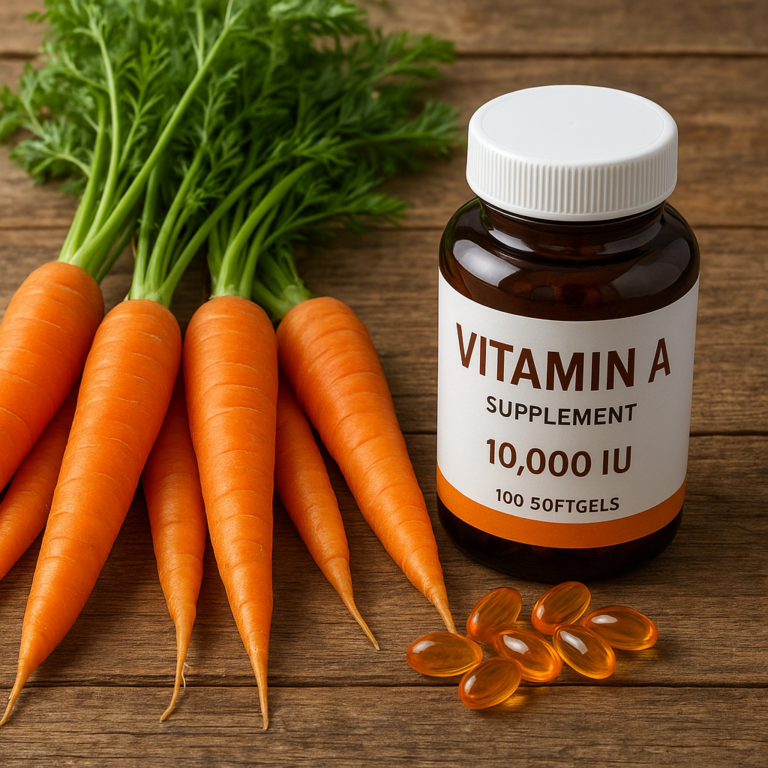
- Plant sources: carrots, sweet potatoes, spinach (as beta-carotene, a provitamin A).
- Provitamin A needs conversion in the body, so absorption varies.
Signs of Deficiency & Potential Toxicity
- Deficiency: night blindness, dry skin, increased infection risk.
- Toxicity: headaches, dizziness, nausea, liver damage (usually from supplements, not food).
Check out our detailed review of the Best Vitamin A Brands in 2025 🌟 for top supplement picks.
2. Vitamin B Complex: The Energy Powerhouse & Nerve Nurturers
The B vitamins are a family of eight water-soluble vitamins that work synergistically to keep your metabolism humming and nerves happy.
| Vitamin | Key Functions | Food Sources | Deficiency Symptoms | Toxicity Concerns |
|---|---|---|---|---|
| B1 (Thiamine) | Energy metabolism, nerve function | Pork, whole grains, nuts | Beriberi, Wernicke-Korsakoff syndrome | Rare, high doses cause drowsiness |
| B2 (Riboflavin) | Energy production, antioxidant | Dairy, eggs, leafy greens | Ariboflavinosis (mouth sores) | None significant |
| B3 (Niacin) | DNA repair, cholesterol control | Meat, fish, nuts | Pellagra (dermatitis, diarrhea) | Liver damage at high doses |
| B5 (Pantothenic Acid) | Hormone synthesis, stress response | Chicken, broccoli, avocado | Rare, fatigue, numbness | Diarrhea at high doses |
| B6 (Pyridoxine) | Brain function, mood regulation | Fish, potatoes, bananas | Anemia, neuropathy | Nerve damage >100 mg/day |
| B7 (Biotin) | Hair, skin, metabolism | Eggs, nuts, soy | Dermatitis, hair loss | None known |
| B9 (Folate) | Cell growth, pregnancy health | Leafy greens, beans | Anemia, birth defects | Masks B12 deficiency |
| B12 (Cobalamin) | Red blood cells, nerve health | Meat, dairy, eggs | Pernicious anemia, neuropathy | None known |
Why B-Complex Matters: Synergy for Stress & Vitality
Taking B vitamins together often yields better results than isolated doses, especially for energy and cognitive support.
3. Vitamin C (Ascorbic Acid): Your Immune System’s Best Friend & Collagen Builder
Immunity, Antioxidant Power, & Skin Elasticity
- Potent antioxidant protecting cells from free radicals.
- Essential for collagen synthesis — keeps skin firm and wounds healing.
- Supports immune defenses and iron absorption.
Citrus & Other Rich Sources of Vitamin C
- Oranges, lemons, strawberries, bell peppers, broccoli.
Understanding Vitamin C Deficiency (Scurvy)
- Symptoms: bleeding gums, bruising, fatigue.
- Rare today but still possible with poor diet or malabsorption.
4. Vitamin D (Calciferol): The Sunshine Vitamin for Bones, Mood, and Immunity
Sunshine Superpowers: Bone Health & Beyond
- Regulates calcium and phosphorus for strong bones.
- Supports immune system and mood regulation.
Sources, Supplementation, & The D-Deficiency Dilemma
- Sunlight exposure triggers vitamin D synthesis in skin.
- Food sources: fatty fish, fortified milk, egg yolks.
- Deficiency common in low sunlight areas; supplements often needed.
5. Vitamin E (Tocopherols and Tocotrienols): The Master Antioxidant for Cell Protection
Antioxidant Ace: Protecting Your Cells from Damage
- Protects cell membranes from oxidative stress.
- Supports immune function and skin health.
Nutty Sources & Dietary Fats
- Nuts, seeds, vegetable oils, leafy greens.
Rare Deficiencies & Supplement Considerations
- Deficiency rare but can cause nerve and muscle damage.
- Supplements should be taken cautiously; excessive intake linked to heart issues.
6. Vitamin K (Phylloquinone and Menaquinones): Crucial for Blood Clotting & Bone Density
Clotting Factors & Bone Mineralization
- Activates proteins essential for blood clotting.
- Supports bone mineral density and cardiovascular health.
Leafy Greens, Fermented Foods, & Gut Health
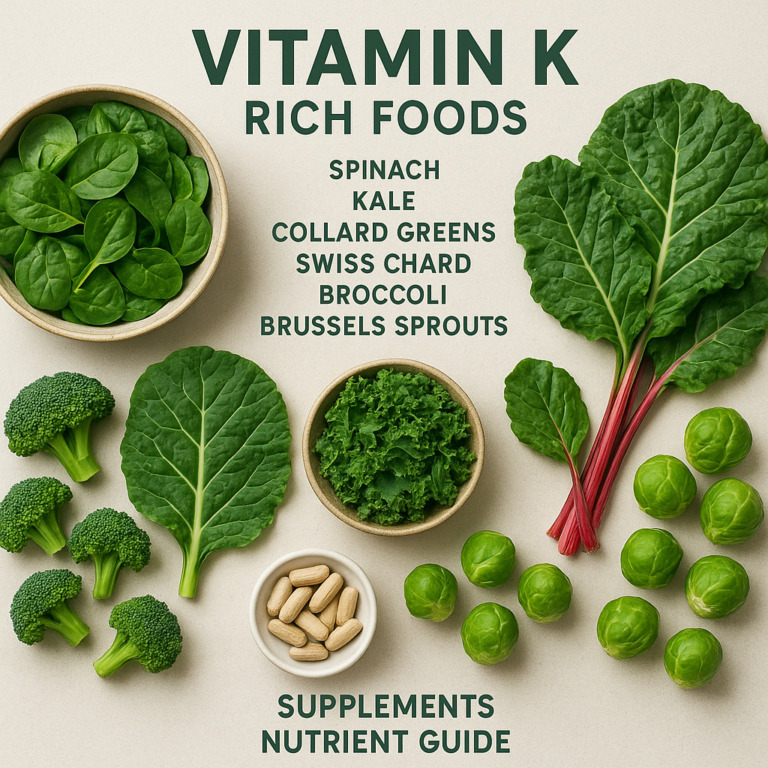
- Kale, spinach, broccoli, natto (fermented soy).
K-Deficiency Concerns & Interactions
- Deficiency leads to bleeding problems.
- Interacts with blood thinners like warfarin — consult your doctor!
Beyond the Alphabet: Other Vitamin-Like Compounds and Essential Cofactors
Not all essential nutrients fit neatly into the A-Z vitamin list, but they’re just as important.
Choline: The Brain Booster and Liver Protector
- Supports neurotransmitter synthesis and liver function.
- Found in eggs, liver, and soybeans.
Coenzyme Q10 (CoQ10): Cellular Energy Sparkplug & Heart Health
- Vital for mitochondrial energy production.
- Present in meat, fish, and supplements.
Alpha-Lipoic Acid (ALA): The Universal Antioxidant
- Works in both fat- and water-soluble environments.
- Supports glucose metabolism and nerve health.
The Inner Workings: How Vitamins Fuel Your Body’s Biochemical Symphony
Enzyme Cofactors & Metabolic Pathways Explained
Vitamins often act as coenzymes, binding to enzymes to catalyze reactions essential for:
- Energy production (B vitamins).
- DNA synthesis (folate, B12).
- Antioxidant defense (C, E).
Antioxidant Defense & Cellular Protection Strategies
Vitamins C and E neutralize free radicals, preventing oxidative damage linked to aging and chronic diseases.
Getting Your Daily Dose: Recommended Dietary Allowances (RDAs) and Optimal Intake
Understanding the Numbers: What Do RDAs Really Mean?
RDAs represent the average daily intake sufficient for nearly all healthy individuals in a group. They vary by age, sex, and life stage.
Individual Needs & Life Stages: Tailoring Your Vitamin Plan
Pregnant women, older adults, and people with certain conditions may need more or less of specific vitamins.
For personalized advice, always consult a healthcare professional.
When Food Isn’t Enough: Navigating the World of Vitamin Supplementation
Who Truly Needs Supplements? Identifying Gaps
- People with restricted diets (vegans, elderly).
- Those with absorption issues (e.g., celiac disease).
- Pregnant women (folic acid).
- Individuals with limited sun exposure (vitamin D).
Choosing Quality: Our Vitamin Brands™ Promise and What to Look For
- Look for third-party testing seals like USP, NSF, or ConsumerLab.com.
- Choose reputable brands like Nature Made, Garden of Life, or Thorne Research.
- Avoid mega-doses unless prescribed.
Dosage Dilemmas and Expert Advice for Safe Supplementation
- Stick to recommended doses.
- Beware of interactions with medications.
- Monitor for side effects.
👉 CHECK PRICE on:
- Nature Made Multivitamin: Amazon | Walmart | Nature Made Official Website
- Garden of Life Vitamin B Complex: Amazon | Walmart | Garden of Life Official Website
The Dark Side of Nutrition: Anti-Vitamins and Nutrient Antagonists
What Are Anti-Vitamins and How Do They Work?
Anti-vitamins are compounds that block vitamin absorption or function, potentially causing deficiency even with adequate intake.
Common Examples & Dietary Interactions to Watch Out For
- Avidin in raw egg whites binds biotin (B7), preventing absorption.
- Vitamin K antagonists like warfarin interfere with clotting.
- Excess alcohol impairs absorption of multiple B vitamins.
- Some medications reduce vitamin levels (e.g., metformin and B12).
Decoding the Names: A Peek into Vitamin Nomenclature and Etymology
From A to K: The Alphabetical Journey of Discovery
- Vitamins were named in order of discovery: A, B, C, D, E, K (from the Danish “Koagulation” for blood clotting).
- Some letters (like B4, B8) were later reclassified or dropped.
Chemical Names & Their Meanings: Beyond the Letters
- Vitamin A = Retinol.
- Vitamin C = Ascorbic acid.
- Vitamin D = Calciferol.
- Vitamin E = Tocopherols and tocotrienols.
- Vitamin K = Phylloquinone and menaquinones.
Vitamin Myths Busted: Separating Fact from Fiction for Smarter Choices
Can Vitamins Cure Everything? The Truth About Health Claims
- Vitamins support health but are not miracle cures.
- Overhyped claims can mislead consumers.
- Evidence shows limited benefit of supplements in healthy individuals for preventing chronic diseases. Mayo Clinic
More is Always Better? Understanding Optimal vs. Excessive Doses
- Taking mega-doses can be harmful.
- Balance and moderation are key.
- Follow expert guidance and RDAs.
Our Team’s Top Vitamin Hacks and Personal Anecdotes from Vitamin Brands™
Real Stories, Real Results: Our Journey with Essential Nutrients
At Vitamin Brands™, we’ve personally tested dozens of supplements. For example, our nutritionist Sarah noticed a boost in energy and mood after adding a high-quality B-complex supplement during a stressful project. Meanwhile, our founder John overcame seasonal fatigue with vitamin D supplementation during winter months.
Consumer Insights: What You’ve Taught Us About Your Vitamin Needs
You’ve told us that clarity on vitamin labels, trustworthy brands, and practical dosing advice are your top priorities. We’re here to deliver just that — no fluff, just facts and friendly guidance.
Synergy and Balance: The Interconnected Web of Nutrients for Holistic Health
Vitamins, Minerals, and Beyond: A Symphony of Support
Vitamins rarely work alone. Minerals like magnesium, zinc, and calcium interact with vitamins to optimize absorption and function.
The Importance of a Holistic Approach to Micronutrient Intake
Eating a varied, colorful diet rich in whole foods is the best way to ensure you get the full spectrum of nutrients your body craves.
Quick Tips for Optimal Vitamin Intake and Absorption
- Eat healthy fats to absorb fat-soluble vitamins (A, D, E, K).
- Avoid overcooking vegetables to preserve vitamin C and B vitamins.
- Pair vitamin C-rich foods with iron sources to boost absorption.
- Consider timing supplements (e.g., B vitamins in the morning for energy).
- Consult your healthcare provider before starting new supplements.
Stay tuned for our conclusion and expert recommendations coming up next!
Conclusion: Charting Your Personalized Vitamin Journey to Vibrant Health

Wow, what a whirlwind tour through the alphabet of essential vitamins! From the eye-opening powers of Vitamin A to the clotting magic of Vitamin K, we’ve unpacked the science, history, and practical wisdom behind these tiny but mighty nutrients.
Positives of Embracing the Vitamin A-Z Approach
- Comprehensive understanding: Knowing each vitamin’s role helps you tailor your diet and supplements intelligently.
- Balanced intake: Recognizing fat- vs. water-soluble vitamins guides safe consumption and absorption.
- Informed supplementation: Choosing quality brands like Nature Made or Garden of Life with third-party testing seals ensures safety and efficacy.
- Holistic health: Appreciating nutrient synergy encourages a varied, nutrient-rich diet over quick fixes.
Potential Drawbacks to Watch For
- Over-supplementation risks, especially with fat-soluble vitamins.
- Confusing myths and marketing hype that can mislead.
- Individual variability in absorption and needs, meaning one-size-fits-all doesn’t always work.
Our Confident Recommendation
At Vitamin Brands™, we wholeheartedly recommend starting with a balanced diet rich in colorful fruits, veggies, healthy fats, and quality protein to meet most vitamin needs naturally. When supplementation is necessary, opt for reputable brands with transparent labeling and third-party certification.
Remember Sarah’s story? Her energy boost from a well-chosen B-complex supplement shows the power of personalized vitamin strategies. And John’s winter vitamin D routine highlights the importance of adapting to your environment and lifestyle.
So, ready to take charge of your vitamin journey? Use this A-Z guide as your trusty map, consult healthcare professionals when needed, and embrace the vibrant health that comes from nourishing your body with the right vitamins — in the right amounts.
Recommended Links: Dive Deeper into the World of Vitamins!
👉 Shop Trusted Vitamin Brands:
-
Nature Made Multivitamin:
Amazon | Walmart | Nature Made Official Website -
Garden of Life Vitamin B Complex:
Amazon | Walmart | Garden of Life Official Website
Recommended Books for Vitamin Enthusiasts:
-
“The Vitamin Book: The Complete Guide to Vitamins, Minerals, and the Most Effective Herbal Remedies and Dietary Supplements” by Harold M. Silverman & Joseph Romano
Amazon Link -
“Vitamins and Minerals Demystified” by Steve Blake
Amazon Link -
“The Supplement Handbook: A Trusted Expert’s Guide to What Works & What’s Worthless for More Than 100 Conditions” by Mark Moyad, MD
Amazon Link
FAQ: Your Burning Vitamin Questions Answered by Our Experts

What are AZ vitamins?
AZ vitamins refer to the full spectrum of essential vitamins listed from A to Z, encompassing all the key nutrients your body needs for optimal function. This includes fat-soluble vitamins (A, D, E, K), water-soluble B-complex vitamins, vitamin C, and sometimes vitamin-like compounds such as choline. The term helps organize and simplify understanding of these micronutrients.
Read more about “What Are the 3 Most Important Vitamins? Unlock the Truth in 2025! 🔍”
What does vitamin A to Z contain?
The vitamin A to Z list contains all essential vitamins recognized by health authorities, including:
- Vitamin A (Retinol and carotenoids)
- B vitamins (B1, B2, B3, B5, B6, B7, B9, B12)
- Vitamin C (Ascorbic acid)
- Vitamin D (Calciferol)
- Vitamin E (Tocopherols and tocotrienols)
- Vitamin K (Phylloquinone and menaquinones)
It may also include vitamin-like nutrients such as choline and coenzyme Q10. Each vitamin has unique biochemical roles and health benefits.
Read more about “⚡️ Which Vitamin Supplements Are Best for Energy and Endurance? Top 5 Picks (2025)”
What are the 13 types of vitamins?
The 13 essential vitamins are:
- Fat-soluble: A, D, E, K
- Water-soluble: B1 (Thiamine), B2 (Riboflavin), B3 (Niacin), B5 (Pantothenic acid), B6 (Pyridoxine), B7 (Biotin), B9 (Folate), B12 (Cobalamin), and C (Ascorbic acid).
These vitamins are vital for metabolism, immune function, growth, and cellular protection.
Read more about “What Is the Difference Between Synthetic and Natural Vitamin A? 🌿💊 (2025)”
What vitamins are in A to Z?
The A to Z vitamins include the full set of essential vitamins listed above, organized alphabetically for easy reference. This comprehensive approach ensures no key nutrient is overlooked in your diet or supplementation plan.
Read more about “💥 Top 10 Most Popular Supplements for Athletes (2025) Revealed!”
What are the essential vitamins from A to Z and their benefits?
Each vitamin offers distinct benefits:
- Vitamin A: Vision, immunity, skin health
- B Vitamins: Energy metabolism, nerve function, red blood cell formation
- Vitamin C: Antioxidant, immune support, collagen synthesis
- Vitamin D: Bone health, immune modulation
- Vitamin E: Antioxidant, skin and cell protection
- Vitamin K: Blood clotting, bone mineralization
Together, they support nearly every physiological process.
Read more about “How to Choose the Right Vitamin A Supplement for Your Skin ✨ (2025)”
How do vitamins from A to Z support overall health and wellness?
Vitamins act as cofactors for enzymes, antioxidants, and regulators of gene expression. They:
- Enable energy production
- Support immune defenses
- Maintain skin, bone, and nerve health
- Protect against oxidative damage
- Facilitate growth and repair
Without adequate vitamins, your body’s systems falter, leading to deficiency diseases and chronic health issues.
Read more about “Top 10 Organic 🌿”
Which supplements correspond to each vitamin in an A to Z guide?
Supplements are available for each vitamin, often as single nutrients or combined complexes:
- Vitamin A: Retinyl palmitate or beta-carotene supplements
- B-complex: Multivitamins or individual B vitamin capsules
- Vitamin C: Ascorbic acid tablets or powders
- Vitamin D: D3 (cholecalciferol) capsules or drops
- Vitamin E: Mixed tocopherols capsules
- Vitamin K: K1 (phylloquinone) or K2 (menaquinone) supplements
Choose supplements with third-party verification and appropriate dosages.
How can I create a daily vitamin and supplement plan using an A to Z list?
- Assess your diet: Identify gaps or deficiencies.
- Consult a healthcare professional: Get personalized recommendations.
- Choose quality supplements: Look for reputable brands with testing seals.
- Follow recommended dosages: Avoid megadoses unless prescribed.
- Monitor your health: Adjust intake based on symptoms and lab tests.
- Prioritize food first: Supplements are to complement, not replace, a balanced diet.
Read more about “The Complete List of 13 Essential Vitamins You Need in 2025! 🌟”
Reference Links: Our Sources and Further Reading for Informed Choices
- Vitamin – Wikipedia
- Vitamins and Minerals – NHS.uk
- Drugs and Supplements – Mayo Clinic
- Nature Made Official Website
- Garden of Life Official Website
- USP Verified Supplements
- ConsumerLab.com
- NSF International Dietary Supplement Certification
Thank you for joining us on this vitamin odyssey! Stay curious, stay healthy, and remember — your best health is always worth the investment. 🌟