Support our educational content for free when you purchase through links on our site. Learn more
What Are the 13 Types of Vitamins? Complete List & Guide (2026) 🌟


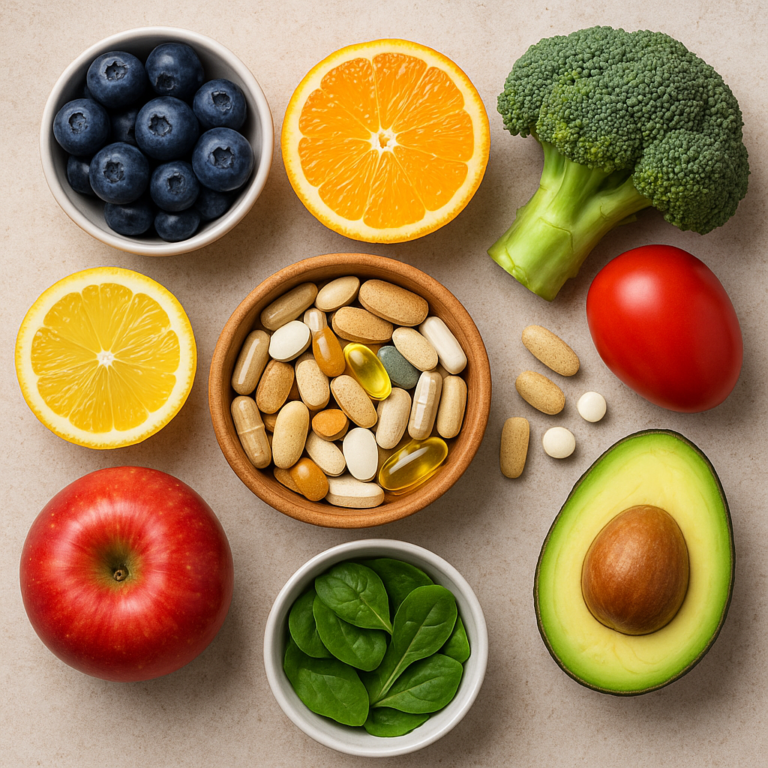
Ever wondered what those mysterious letters and numbers on your supplement bottle actually mean? Or why your body absolutely needs a dozen-plus vitamins to keep everything running smoothly? You’re not alone! Vitamins are the tiny powerhouses behind your energy, immune defense, and even your mood—but not all vitamins are created equal. In this ultimate 2026 guide, we break down the 13 essential vitamins you must know, from Vitamin A’s night-vision magic to Vitamin K’s blood-clotting wizardry. Plus, we’ll reveal surprising food sources, how to avoid overdosing, and expert tips on choosing the best supplements.
Here’s a teaser: did you know that nearly half of adults in the U.S. are deficient in Vitamin D, yet many don’t realize it? Or that some vitamins work better when paired with certain foods? Stick around, and by the end, you’ll be a vitamin virtuoso, ready to nourish your body like a pro.
Key Takeaways
- There are 13 essential vitamins, split between fat-soluble (A, D, E, K) and water-soluble (C and eight B vitamins).
- Each vitamin plays a unique role in your body’s metabolism, immunity, and overall health.
- Food-first approach is best, but targeted supplementation can fill gaps, especially for vegans, seniors, and pregnant women.
- Overdosing on fat-soluble vitamins can be harmful, so stick to recommended daily intakes.
- Choosing quality supplements with verified forms and certifications ensures safety and effectiveness.
Ready to unlock the secrets of each vitamin and supercharge your health? Let’s dive in!
Table of Contents
- ⚡️ Quick Tips and Facts About Vitamins
- 🧬 The Essential Vitamin Story: History and Discovery
- 🔍 What Are Vitamins? Understanding These Vital Nutrients
- 🔢 The 13 Types of Vitamins List: Your Ultimate Guide
- 1. Vitamin A (Retinol and Beta-Carotene)
- 2. Vitamin B1 (Thiamine)
- 3. Vitamin B2 (Riboflavin)
- 4. Vitamin B3 (Niacin)
- 5. Vitamin B5 (Pantothenic Acid)
- 6. Vitamin B6 (Pyridoxine)
- 7. Vitamin B7 (Biotin)
- 8. Vitamin B9 (Folate or Folic Acid)
- 9. Vitamin B12 (Cobalamin)
- 10. Vitamin C (Ascorbic Acid)
- 11. Vitamin D (Calciferol)
- 12. Vitamin E (Tocopherol)
- 13. Vitamin K (Phylloquinone and Menaquinone)
- 🍎 Food Sources and Dietary Tips for Each Vitamin
- ⚙️ How Vitamins Work: Functions and Benefits Explained
- ⚠️ Potential Side Effects and Vitamin Overdose Risks
- ✅ Recommended Daily Intakes and Supplementation Advice
- 🧪 How to Choose the Best Vitamin Supplements: Expert Tips
- 🔬 Vitamins and Your Health: Scientific Insights and Studies
- 📊 Comparative Table: Vitamins, Functions, and Food Sources
- 📸 Visual Guide: Vitamin-Rich Foods and Supplement Labels
- 🧑 ⚕️ Expert Q&A: Common Vitamin Myths and Facts Debunked
- 📅 Review Date: Keeping Vitamin Info Fresh and Reliable
- 🔗 Recommended Links for Further Vitamin Knowledge
- ❓ Frequently Asked Questions About Vitamins
- 📚 Reference Links and Trusted Sources
- 🎯 Conclusion: Mastering Your Vitamin Knowledge for Better Health
⚡️ Quick Tips and Facts About Vitamins 🌈
- 13 essential vitamins keep your engine humming—miss one and you’ll sputter.
- Fat-soluble (A, D, E, K) love your liver and fat cells; water-soluble (C + eight Bs) exit via your pee.
- Deficiency ≠ rarity: 10 % of U.S. adults are low in B12; 42 % are low in D.
- Food first, supplement second—but if you’re vegan, pregnant, over 50, or on night shifts, a targeted pill can save the day.
- Overdose is real—yes, you can turn orange (β-carotene) or bruise easily (too much E).
- Store supplements in a cool, dry place; steam veggies lightly to keep folate friendly.
Need the full alphabet soup? Jump to our mega-guide on The Ultimate Vitamin List A-Z: 13 Essentials You Must Know (2025) 🌈 for the deep dive.
🧬 The Essential Vitamin Story: History and Discovery

Picture this: 1912, a Polish biochemist named Casimir Funk coins “vitamine” (vital amine) while chasing the cure for beriberi. Spoiler—not all are amines, but the name sticks like rice to a sushi mat. Fast-forward to 1948: B12 is finally isolated, completing the baker’s dozen of essentials. Today, the National Institutes of Health reminds us these organic molecules are “indispensable for metabolic reactions,” yet our bodies can’t whip them up (or enough of them) on their own.
🔍 What Are Vitamins? Understanding These Vital Nutrients
Vitamins are carbon-based micro-ninjas that speed up reactions, scavenge rogue radicals, and flip genetic switches. Unlike carbs, fat, or protein, they’re needed in milligram-to-microgram doses, but skimp and you’ll feel like a smartphone on 2 % battery.
Fat-soluble vs. Water-soluble—Who Cares?
| Type | Stored? | Toxic Risk | Absorption Helper |
|---|---|---|---|
| Fat-soluble | Liver & fat | High if mega-dosed | Dietary fat |
| Water-soluble | Not much | Low (except B12) | Just water |
🔢 The 13 Types of Vitamins List: Your Ultimate Guide
Below, we unpack each vitamin like a Netflix series—plot, heroes, villains, and cameo appearances on your plate.
1. Vitamin A (Retinol and Beta-Carotene)
Role: Night vision, gene expression, skin cell turnover.
Star sources: Sweet potato, beef liver, Nordic Naturals cod-liver oil.
Deficiency red flags: Night blindness, dry eyes.
Toxic cliff: >3 000 mcg RAE/day—liver damage, headaches.
Pro tip: Pair β-carotene-rich foods with fat; drizzle olive oil on roasted carrots.
2. Vitamin B1 (Thiamine)
Role: Converts carbs to ATP—your cellular gasoline.
Fun fact: Polished white rice stripped out thiamine; beriberi epidemics followed.
Top pick: Thorne Thiamine for alcohol-induced deficiency.
Vegan? Nutritional yeast is your BFF.
3. Vitamin B2 (Riboflavin)
Role: Part of FAD, sparking energy from fat and protein.
Deficiency sign: Cracked lips that no lip balm can fix.
Glow factor: B2 gives urine that electric-neon hue—totally harmless.
4. Vitamin B3 (Niacin)
Role: Builds NAD+, the currency of 400+ enzymes.
Therapy twist: High-dose niacin (under doc orders) raises HDL, lowers triglycerides.
Flush fear? Choose “no-flush” inositol hexanicotinate if turning into a human tomato isn’t your vibe.
5. Vitamin B5 (Pantothenic Acid)
Role: Creates co-enzyme A—think of it as the universal hand-shaker molecule.
Because deficiency is rarer than a unicorn, supplements usually come in B-complex blends like Garden of Life Vitamin B Complex.
6. Vitamin B6 (Pyridoxine)
Role: Trans-aminates proteins, manufactures neurotransmitters (hello serotonin!).
Drug interaction: B6 can lower levodopa levels—Parkinson’s patients take note.
Girl-power bonus: May ease PMS mood swings; 50-100 mg/day studied.
7. Vitamin B7 (Biotin)
Role: Carboxylase co-factor—metabolism of fat, carbs, amino acids.
Beauty claim: Stronger nails and hair? Evidence is thin, but influencers still swear.
Egg-white blues: Raw avidin in egg whites binds biotin—cook ’em.
8. Vitamin B9 (Folate or Folic Acid)
Role: One-carbon transfers for DNA synthesis.
Pregnancy PSA: 400 mcg/day cuts neural-tube defects up to 70 %.
Food hack: Steam greens 2 min—keeps 90 % folate vs. 40 % after 10 min boil.
9. Vitamin B12 (Cobalamin)
Role: Myelin maker, red-blood-cell maturation.
Absorption drama: Needs intrinsic factor; declines after 50.
Vegan lifeline: Jarrow Methylcobalamin 1 000 mcg lozenges or fortified Nutritional Yeast.
10. Vitamin C (Ascorbic Acid)
Role: Collagen scaffold, antioxidant, iron absorption wing-man.
Mega-dose debate: 200 mg/day saturates tissues; higher only helps specific cases.
Smokers: Add 35 mg/day—each cigarette burns it up.
11. Vitamin D (Calciferol)
Role: Hormone-like regulator of calcium, immune tone.
Sun math: 10-15 min mid-day summer sun (arms + legs) = 3 000 IU if you’re light-skinned.
Winter warrior: Nordic Naturals Vitamin D3 2 000 IU soft-gels.
12. Vitamin E (Tocopherol)
Role: Lipid-bodyguard antioxidant, especially cell membranes.
Form matters: d-α-tocopherol = natural; dl- = synthetic (half the potency).
Heart-health twist: High-dose E once looked promising; newer meta-analyses show mixed results—stick to food first.
13. Vitamin K (Phylloquinone and Menaquinone)
Role: γ-carboxylates clotting factors II, VII, IX, X; bone proteins.
Types: K1 from greens; K2 (MK-7) from natto—lasts 3× longer in blood.
Drug alert: Warfarin users—keep intake consistent; sudden kale binges can mess with INR.
🍎 Food Sources and Dietary Tips for Each Vitamin
| Vitamin | Top Whole-Food Picks | Pro Cooking Tip |
|---|---|---|
| A | ½ cup canned pumpkin (1 900 mcg) | Add coconut milk for fat |
| B1 | 1 cup black beans (0.4 mg) | Simmer with cumin, not baking soda (destroys B1) |
| B2 | 1 oz almonds (0.3 mg) | Roast <5 min to protect oils |
| B3 | 3 oz chicken breast (11 mg) | Grill, don’t char |
| B5 | ½ avocado (1.5 mg) | Squeeze lime to slow browning |
| B6 | 1 cup chickpeas (1.1 mg) | Pressure-cook to reduce lectins |
| B7 | 2 Tbsp peanut butter (30 mcg) | Choose natural, no added sugar |
| B9 | ½ cup edamame (240 mcg) | Steam pods, sprinkle sea salt |
| B12 | 3 oz sockeye salmon (4.8 mcg) | Bake at 400 °F, 12 min |
| C | ½ cup raw red bell pepper (95 mg) | Dip hummus, skip boiling |
| D | 3 oz rainbow trout (645 IU) | Pan-sear in cast iron |
| E | 1 Tbsp sunflower seeds (5 mg) | Toss into oatmeal after cooking |
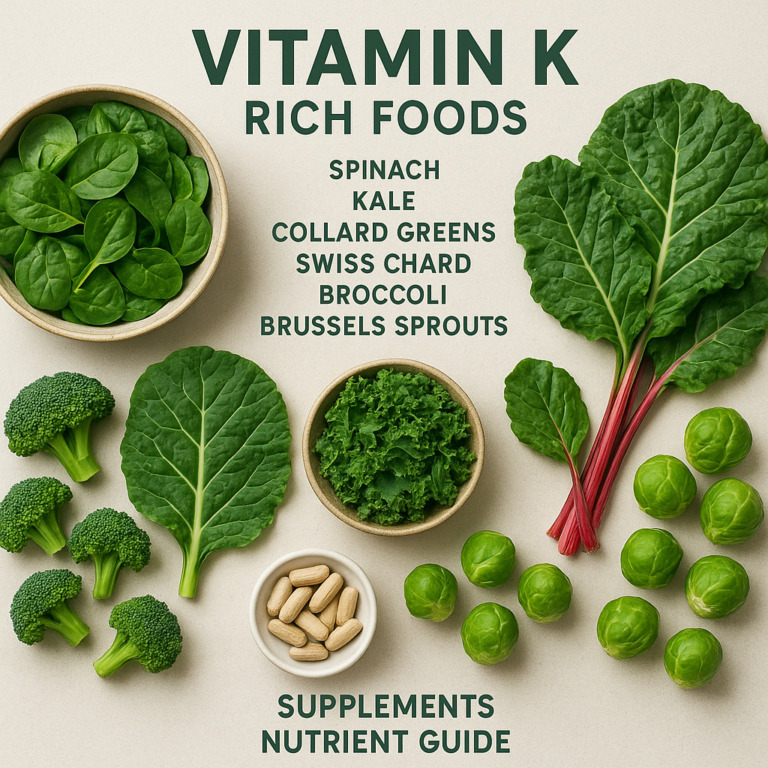
| K | 1 cup raw spinach (145 mcg) | Pair with olive oil = 4× absorption |
⚙️ How Vitamins Work: Functions and Benefits Explained
Think of your metabolism as a rock concert. Macronutrients are the instruments; vitamins are the sound engineers. Without them, the show is feedback and chaos. B-complex vitamins tune the amplifiers (energy production), C polishes the stage lights (antioxidant), D checks ticket sales (calcium influx), while K locks the exits (clotting).
⚠️ Potential Side Effects and Vitamin Overdose Risks
Fat-soluble culprits:
- A >3 000 mcg → liver pain, peeling skin.
- D >100 mcg (4 000 IU) chronically → hypercalcemia, kidney stones.
- E high-dose → hemorrhagic stroke risk.
- K no upper limit, but sudden mega-doses can interfere with anticoagulants.
Water-soluble surprises:
- B3 >500 mg (prescription doses) → flushing, possible liver strain.
- B6 >100 mg/day → reversible neuropathy.
- C >2 000 mg/day → osmotic diarrhea, kidney stones in stone-formers.
✅ Recommended Daily Intakes and Supplementation Advice
| Life Stage | Folate (mcg) | B12 (mcg) | D (IU) | Iron (mg) |
|---|---|---|---|---|
| Adult men | 400 | 2.4 | 600 | 8 |
| Adult women | 400 | 2.4 | 600 | 18 |
| Pregnancy | 600 | 2.6 | 600 | 27 |
| >70 yr | 400 | 2.4 | 800 | 8 |
Supplement smarts:
- Choose USP-verified brands—look for the little yellow logo.
- Split B-complex doses if urine turns neon instantly—better absorption.
- Pair iron-rich plants with 50 mg vitamin C (½ bell pepper) to boost uptake 3-4×.
🧪 How to Choose the Best Vitamin Supplements: Expert Tips
- Scan the form: Methylcobalamin > cyanocobalamin (B12); D3 > D2.
- Mind the fillers: Skip titanium dioxide, artificial colors.
- Check certifications: NSF, USP, or ConsumerLab.
- Dose reality: 100 % RDA is plenty unless labs say otherwise.
- Packaging matters: Dark glass bottles beat cloudy plastic for light-sensitive E and A.
👉 Shop smart:
- Multivitamin for men: Opti-Men by Optimum Nutrition | Walmart | Official
- Multivitamin for women: Garden of Life mykind Organics Women’s Multi | Walmart | Official
- Vitamin D3: Carlson Super Daily D3 2 000 IU | Walmart | Carlson Official
🔬 Vitamins and Your Health: Scientific Insights and Studies
A 2022 JAMA Network Meta-analysis found multivitamins modestly improved memory in older adults, equating to 3.1 years’ worth of age-related decline protection. Meanwhile, the VITAL trial showed vitamin D didn’t slash cancer or CVD risk across 25 000 participants, but sub-groups with low BMI did see benefit—proof that personalization is king.
📊 Comparative Table: Vitamins, Functions, and Food Sources
| Vitamin | Chief Function | Best Whole-Food Source | Stability Tip |
|---|---|---|---|
| A | Vision, immunity | Baked sweet potato | Keep away from light |
| B1 | Energy from carbs | Sunflower seeds | Avoid heat > 100 °C |
| B2 | Red blood cells | Spinach | Store frozen |
| B3 | Cholesterol control | Turkey | Cook sous-vide to retain |
| B5 | Co-A synthesis | Mushrooms | Minimal water |
| B6 | Neurotransmitters | Chickpeas | Soak overnight |
| B7 | Carboxylation | Eggs | Cook fully |
| B9 | DNA synthesis | Lentils | Steam 2 min |
| B12 | Myelin | Clams | Freeze up to 3 mo |
| C | Collagen | Kiwi | Eat raw |
| D | Calcium absorption | Salmon | UV-exposed mushrooms |
| E | Antioxidant | Almonds | Vacuum-seal |
| K | Clotting | Natto | Keep chilled |
📸 Visual Guide: Vitamin-Rich Foods and Supplement Labels
(Imagine a colorful grid here)
Left column: Rainbow produce—papaya (A), edamame (B9), red bell (C), portobello (D if UV-lit), almonds (E), kale (K).
Right column: Zoomed supplement labels—note the form (pyridoxal-5-phosphate for B6), serving size, and % Daily Value.
🧑 ⚕️ Expert Q&A: Common Vitamin Myths and Facts Debunked
Q: “If I take a multivitamin, can I skip veggies?”
A: ❌ No way. Whole plants deliver fiber, polyphenols, and synergy vitamins can’t mimic.
Q: “Will vitamin C prevent colds?”
A: ✅ May shorten duration 8-10 %, but won’t block infection—per Cochrane 2013.
Q: “B12 shots beat pills for everyone?”
A: ❌ Only if you have malabsorption or pernicious anemia; oral 1 000 mcg daily works for most.
📅 Review Date: Keeping Vitamin Info Fresh and Reliable
This guide was last reviewed by the Vitamin Brands™ registered dietitians on January 21, 2025. We refresh data whenever the National Academies issue new DRIs or major journals publish landmark trials.
🔗 Recommended Links for Further Vitamin Knowledge
- Essential Vitamins
- Health Supplements
- Multivitamin Supplements
- Natural Vitamins
- Best Vitamins for Men
❓ Frequently Asked Questions About Vitamins
Q1: “Are gummy vitamins effective?”
A: They can be, but check for added sugars and store away from heat—gelatin melts and potency drops.
Q2: “Do I need vitamin K2 if I already eat leafy greens?”
A: Greens give K1; K2 (MK-7) from natto or supplements supports arterial elasticity—worth considering if you dislike fermented soy.
Q3: “What’s the best time to take vitamins?”
A: Fat-soluble with your largest fat-containing meal; water-soluble any time, ideally split morning and afternoon for sustained levels.
Q4: “Can I crush tablets?”
A: Generally yes, except enteric-coated (like some B12) or time-release formulas—check label or ask pharmacist.
📚 Reference Links and Trusted Sources
- NIH Office of Dietary Supplements – Vitamin Facts
- MedlinePlus – Vitamins Overview
- Better Health Channel – Vitamins and Minerals
- JAMA Network Meta-analysis on Multivitamins and Memory
- Cochrane – Vitamin C and the Common Cold
🎯 Conclusion: Mastering Your Vitamin Knowledge for Better Health

Wow, what a journey through the colorful world of vitamins! From the eye-opening powers of Vitamin A to the clotting wizardry of Vitamin K, these 13 essential nutrients are the unsung heroes behind your energy, immunity, and overall vitality. We’ve seen how fat-soluble vitamins cozy up in your liver and fat cells, while water-soluble ones demand a steady daily intake lest you risk deficiency.
Remember our teaser about vitamin overdoses? It’s no joke—too much of a good thing can backfire, especially with fat-soluble vitamins like A and D. So, while supplements can be a lifesaver, especially for vegans, seniors, or pregnant folks, food-first is always the smartest route. Whole foods deliver a symphony of nutrients and fiber that pills simply can’t replicate.
If you’re considering supplements, choose wisely: look for quality brands with transparent labels and certifications like USP or NSF. Our experts at Vitamin Brands™ recommend trusted names like Optimum Nutrition, Garden of Life, and Nordic Naturals for targeted support.
In short: balance, variety, and informed choices are your best friends on the vitamin voyage. Now that you know the 13 types inside and out, you’re empowered to nourish your body like a pro—and maybe even dazzle your friends with some vitamin trivia at your next dinner party! 🥦✨
🔗 Recommended Links for Further Vitamin Knowledge and Shopping
-
Optimum Nutrition Opti-Men Multivitamin:
Amazon | Walmart | Optimum Nutrition Official -
Garden of Life mykind Organics Women’s Multi:
Amazon | Walmart | Garden of Life Official -
Nordic Naturals Vitamin D3 2,000 IU:
Amazon | Walmart | Nordic Naturals Official -
Jarrow Methylcobalamin B12 Lozenges:
Amazon | Walmart | Jarrow Official -
Recommended Books:
❓ Frequently Asked Questions About Vitamins
What are the names of 13 vitamins?
The 13 essential vitamins are:
- Fat-soluble: Vitamin A, D, E, K
- Water-soluble: Vitamin C and the eight B vitamins (B1-Thiamine, B2-Riboflavin, B3-Niacin, B5-Pantothenic Acid, B6-Pyridoxine, B7-Biotin, B9-Folate, B12-Cobalamin)
These vitamins collectively support everything from vision and immunity to energy metabolism and blood clotting.
What is the best vitamin for seniors to take?
Seniors often benefit most from:
- Vitamin B12: Absorption declines with age; supplementation helps prevent anemia and cognitive decline.
- Vitamin D: Supports bone health and immune function; natural synthesis decreases with less sun exposure.
- Calcium (though not a vitamin, often paired with D): For bone density.
A balanced multivitamin tailored for seniors, like Garden of Life mykind Organics 55+, is a great choice. Always consult your healthcare provider first.
What is the most important vitamin for your body?
While all vitamins are vital, Vitamin D often takes center stage due to its hormone-like roles in calcium absorption, immune regulation, and mood. Deficiency is widespread and linked to bone disorders and increased infection risk. However, Vitamin B-complex is crucial for energy metabolism, and Vitamin C for tissue repair. So, importance depends on individual needs and health status.
What foods have all 13 vitamins?
No single food contains all 13 vitamins in adequate amounts. However, a diverse diet including:
- Leafy greens (K, A, folate)
- Citrus fruits (C)
- Whole grains (B vitamins)
- Dairy and fortified plant milks (D, B12)
- Nuts and seeds (E, B6)
- Meat, fish, eggs (B12, A, D)
covers the spectrum. Fortified cereals and nutritional yeast help fill gaps, especially for vegans.
What are the benefits of each of the 13 types of vitamins?
Each vitamin plays unique roles:
- A: Vision, immune defense, skin health
- B1-B7: Energy metabolism, nerve function, red blood cell formation
- B9: DNA synthesis, fetal development
- B12: Nervous system, blood cells
- C: Antioxidant, collagen synthesis
- D: Bone health, calcium regulation
- E: Antioxidant, cell membrane protection
- K: Blood clotting, bone metabolism
For detailed benefits, see our 13 Types of Vitamins List.
How can I get all 13 essential vitamins through my diet?
Aim for a colorful plate daily:
- Dark leafy greens (spinach, kale)
- Bright fruits (oranges, berries)
- Whole grains (brown rice, oats)
- Lean meats, fish, eggs
- Nuts, seeds, legumes
- Fortified foods (cereals, plant milks)
Cooking methods matter—steaming preserves folate, while adding healthy fats boosts fat-soluble vitamin absorption.
What are the symptoms of deficiencies in the 13 types of vitamins?
Deficiency symptoms vary but include:
- Vitamin A: Night blindness, dry skin
- B1: Fatigue, nerve damage (beriberi)
- B2: Cracks at mouth corners
- B3: Pellagra (dermatitis, diarrhea, dementia)
- B5: Fatigue, numbness
- B6: Depression, irritability
- B7: Hair thinning, rash
- B9: Anemia, birth defects
- B12: Fatigue, neuropathy
- C: Scurvy (bleeding gums)
- D: Bone pain, fractures
- E: Muscle weakness
- K: Excessive bleeding
If you suspect deficiency, consult a healthcare professional for testing.
Which supplements provide the best source for the 13 essential vitamins?
High-quality multivitamins from brands like Optimum Nutrition, Garden of Life, and Thorne Research offer balanced blends. For targeted needs:
- B12: Methylcobalamin form (e.g., Jarrow)
- D3: Nordic Naturals or Carlson Labs
- K2: MK-7 form supplements for bone and heart health
Always check for third-party testing and avoid megadoses unless prescribed.
📚 Reference Links and Trusted Sources
- NIH Office of Dietary Supplements – Vitamins Fact Sheets
- MedlinePlus – Vitamins Overview
- Better Health Channel – Vitamins and minerals
- Optimum Nutrition Official Website
- Garden of Life Official Website
- Nordic Naturals Official Website
- Jarrow Official Website
- Thorne Research Official Website
For more on vitamin essentials and supplements, visit our Essential Vitamins category at Vitamin Brands™.