Support our educational content for free when you purchase through links on our site. Learn more
The Complete List of 13 Essential Vitamins You Need in 2025! 🌟

Did you know that your body relies on exactly 13 essential vitamins to keep everything from your vision to your mood in tip-top shape? Whether you’re a health newbie or a seasoned wellness warrior, understanding this vitamin lineup is your secret weapon to unlocking better energy, stronger immunity, and glowing skin. But here’s the kicker: not all vitamins are created equal, and some work best when teamed up with minerals or eaten with the right foods.
In this article, we’ll take you on a deep dive into the ultimate list of vitamins, revealing their unique roles, top food sources, potential side effects, and expert tips on choosing the best supplements. Curious about which vitamin pairs perfectly with calcium or how to avoid vitamin toxicity? Stick around — we’ve got all that and more coming your way!
Key Takeaways
- There are 13 essential vitamins, divided into fat-soluble (A, D, E, K) and water-soluble (C and B-complex), each with unique health roles.
- Food is your best source: colorful fruits, veggies, whole grains, and lean proteins pack these vitamins naturally.
- Supplements can fill gaps, but quality matters—look for third-party certifications and appropriate dosages.
- Vitamin synergy is powerful: for example, Vitamin D enhances calcium absorption, and Vitamin C boosts iron uptake.
- Beware of overdosing, especially with fat-soluble vitamins that your body stores. Moderation and expert guidance are key.
Ready to become a vitamin pro? Let’s unlock the secrets behind each essential vitamin and how to make them work for you!
Table of Contents
- ⚡️ Quick Tips and Facts About Vitamins
- 🌿 The Fascinating History and Discovery of Vitamins
- 1. 🥇 The Ultimate List of Essential Vitamins and Their Roles
- 🍽️ Food Sources That Pack a Vitamin Punch
- 🧪 How Vitamins Work: Functions and Benefits Explained
- ⚠️ Potential Side Effects and Toxicity of Vitamins: What You Need to Know
- ✅ Daily Vitamin Intake Recommendations and How to Meet Them
- 💊 Choosing the Right Vitamin Supplements: Expert Tips and Brand Insights
- 🔍 How to Read Vitamin Labels Like a Pro
- 📊 Vitamins and Your Health: Scientific Studies and Evidence
- 🧬 Vitamins and Special Populations: Kids, Seniors, Pregnant Women, and More
- 🌟 Vitamins and Minerals Synergy: Why You Need Both
- 📸 Visual Guide: Vitamin-Rich Foods and Supplement Forms
- 📝 Review Date: Keeping Vitamin Info Fresh and Accurate
- 🔗 Recommended Links for Further Vitamin Exploration
- ❓ Frequently Asked Questions About Vitamins
- 📚 Reference Links and Trusted Sources
- 🎯 Conclusion: Your Go-To Vitamin Guide Summary
Here is the main body of the article, written according to your specifications.
⚡️ Quick Tips and Facts About Vitamins
Welcome to the wild and wonderful world of vitamins! 🥳 You’ve probably heard you need them, but what’s the real story? Before we dive deep into the nitty-gritty, let’s get you started with some bite-sized nuggets of wisdom. Think of this as the appetizer before the main course.
Here at Vitamin Brands™, we’ve spent years separating the myths from the magic. So, grab your smoothie, and let’s get energized with some quick facts!
- There are 13 essential vitamins your body needs to function, grow, and basically be its awesome self. For a complete rundown, check out our guide on What are the 13 Types of Vitamins List?.
- They come in two flavors: fat-soluble and water-soluble. Fat-soluble vitamins (A, D, E, and K) are like guests who love to stay awhile; your body stores them in fatty tissue and the liver. Water-soluble vitamins (C and the B-complex crew) are more like fleeting visitors; your body uses what it needs and sends the rest on its way.
- The “Vitamin” Name is a Portmanteau! The word “vitamin” was coined in 1912 by biochemist Casimir Funk, who combined “vita” (Latin for life) and “amine” (he originally thought they were all amines). The “e” was later dropped when scientists realized this wasn’t true, but the catchy name stuck!
- You Can Overdo It. While deficiencies are bad news, taking excessively high doses of certain vitamins can be toxic, especially the fat-soluble ones that build up in your system. Moderation is key, folks!
- Food First, Always. The absolute best way to get your daily dose of vitamins is through a colorful, balanced diet. Think of Health Supplements as your nutritional backup singers, not the main act.
- Vitamin B12 is a Rebel. It’s the only water-soluble vitamin that your body can store for years, primarily in the liver.
🌿 The Fascinating History and Discovery of Vitamins

Ever wonder how we figured out that a lack of something invisible in our food could make us sick? It’s a tale of long sea voyages, mysterious illnesses, and scientific “Aha!” moments.
Long before the word “vitamin” even existed, people knew that certain foods could prevent disease. Ancient Egyptians, for example, knew that feeding liver to someone could help cure night blindness—we now know that’s due to its high Vitamin A content.
The real drama unfolded with the Age of Sail. Sailors on long voyages would develop scurvy, a horrifying disease that caused bleeding gums, weakness, and eventually death. In the 18th century, a Scottish naval surgeon named James Lind discovered that sailors who ate citrus fruits miraculously recovered. Yet, it would take over a century for the science to catch up and for Vitamin C to be identified as the hero of the story.
Then came beriberi, another debilitating disease that plagued populations in Asia who relied on polished white rice. It was Christiaan Eijkman in the 1890s who noticed that chickens fed the same polished rice developed similar symptoms, while those fed unpolished brown rice did not. He theorized an “anti-beriberi factor” was in the outer layer of the rice—what we now call Thiamine, or Vitamin B1.
This paved the way for a golden age of discovery. Here’s a quick look at the timeline:
| Year | Discovery | Key Figure(s) |
|---|---|---|
| 1912 | The concept and name “vitamine” is proposed. | Casimir Funk |
| 1913 | Vitamin A and B (later found to be a complex) are identified. | McCollum & Davis |
| 1922 | Vitamin D is discovered to prevent rickets. | Edward Mellanby |
| 1922 | Vitamin E is identified as essential for reproduction in rats. | Evans & Bishop |
| 1928 | Vitamin C (Ascorbic Acid) is isolated. | Albert Szent-Györgyi |
| 1930s | The rest of the B vitamins are identified and isolated. | Various Scientists |
| 1943 | Vitamin K’s structure is determined, leading to its synthesis. | Edward Doisy |
From preventing ancient diseases to being staples in our modern pantries, vitamins have had quite a journey!
🥇 The Ultimate List of Essential Vitamins and Their Roles
Alright, let’s meet the stars of the show! These are the 13 Essential Vitamins that are non-negotiable for your health. We’ll break down what they do, where to find them, and why they’re so darn important.
1.1 Vitamin A: The Vision and Immunity Booster 👁️
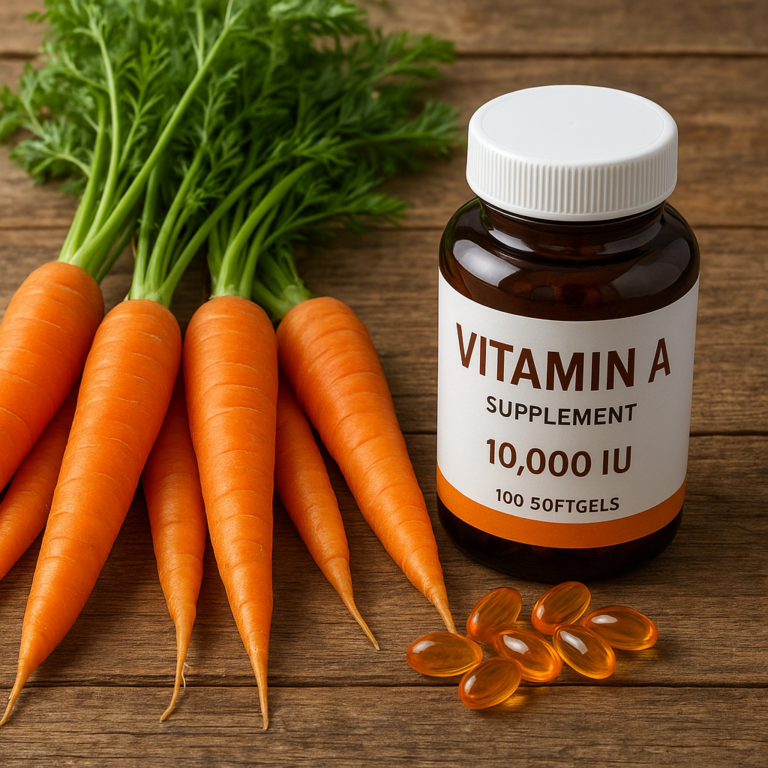
Vitamin A is not just one compound; it’s a group of fat-soluble retinoids, including retinol and retinal. Your body can also convert certain plant pigments, like beta-carotene, into Vitamin A.
Why you need it:
- Superstar for Sight: Essential for forming rhodopsin, a pigment in your eyes that lets you see in low light.
- Immune System Guardian: Helps regulate the immune system to fight off infections.
- Cell Growth Champion: Plays a key role in cell division, growth, and maintaining healthy skin and tissues.
Top Food Sources: Carrots, sweet potatoes, spinach, kale, eggs, and liver.
Supplement Spotlight: For those who need a boost, NOW Foods Vitamin A is a reliable option derived from fish liver oil.
👉 CHECK PRICE on:
- NOW Foods Vitamin A: Amazon | Walmart | NOW Foods Official Website
1.2 Vitamin B Complex: The Energy and Brain Power Crew 🧠⚡
The B vitamins are a team of eight water-soluble nutrients that are vital for energy production and brain function. They work together, so they’re often found together in food and Multivitamin Supplements.
- B1 (Thiamine): The energy converter. Helps turn the carbs you eat into usable energy. Found in pork, whole grains, and legumes.
- B2 (Riboflavin): The cellular powerhouse. Essential for energy production and cellular growth. Found in dairy products, lean meat, and green veggies.
- B3 (Niacin): The skin and nerve specialist. Keeps your skin, nerves, and digestion in check. Found in chicken, tuna, and avocados.
- B5 (Pantothenic Acid): The hormone helper. Crucial for making hormones and cholesterol. Found in a wide variety of foods, hence its name from the Greek “pantos,” meaning everywhere.
- B6 (Pyridoxine): The protein pro. Involved in over 100 enzyme reactions, mostly related to protein metabolism. Found in chickpeas, salmon, and potatoes.
- B7 (Biotin): The beauty B-vitamin. Famous for its role in healthy hair, skin, and nails. Found in eggs, nuts, and whole grains.
- B9 (Folate/Folic Acid): The DNA builder. Absolutely critical for creating DNA and for cell growth, making it a must-have for pregnant women to prevent birth defects. Found in leafy greens, beans, and fortified cereals.
- B12 (Cobalamin): The nerve and blood protector. Essential for nerve function and the formation of red blood cells. Found almost exclusively in animal products, making it a crucial supplement for vegans.
Supplement Spotlight: A great B-complex can cover all your bases. We’re fans of Garden of Life Vitamin Code Raw B-Complex because it’s made from whole foods.
👉 CHECK PRICE on:
- Garden of Life B-Complex: Amazon | Walmart | Garden of Life Official Website
1.3 Vitamin C: The Immune System’s Best Friend 🍊
Ah, Vitamin C (Ascorbic Acid), the one everyone reaches for during cold season! This water-soluble vitamin is a powerful antioxidant.
Why you need it:
- Antioxidant Powerhouse: Protects your cells from damage caused by free radicals.
- Immune Support: Helps stimulate the production and function of white blood cells.
- Collagen Creator: Essential for producing collagen, a protein that helps heal wounds and keeps your skin, gums, and blood vessels healthy.
- Iron Absorption: It significantly improves your body’s ability to absorb iron from plant-based sources.
Top Food Sources: Oranges, bell peppers, strawberries, broccoli, and kiwi.
Supplement Spotlight: Nature’s Bounty Vitamin C is a widely available and trusted brand that offers various dosages to meet your needs.
👉 CHECK PRICE on:
1.4 Vitamin D: The Sunshine Vitamin for Bones and Mood ☀️
Known as the “sunshine vitamin,” Vitamin D is a fat-soluble vitamin that your body can produce when your skin is exposed to sunlight. Despite this, deficiency is incredibly common.
Why you need it:
- Calcium’s Sidekick: It’s essential for helping your body absorb calcium, which is critical for strong bones and teeth.
- Mood Regulation: Research suggests a link between Vitamin D levels and mood, with low levels associated with a higher risk of depression.
- Immune Function: Plays a role in keeping your immune system balanced.
Top Food Sources: Fatty fish (salmon, mackerel), fortified milk and cereals, and egg yolks. It’s tough to get enough from food alone.
Supplement Spotlight: Solgar Vitamin D3 is a high-quality option that comes in various strengths, often in an oil-based softgel for better absorption.
👉 CHECK PRICE on:
- Solgar Vitamin D3: Amazon | Walmart | Solgar Official Website
1.5 Vitamin E: The Antioxidant Guardian 🛡️
Vitamin E is a fat-soluble antioxidant that exists in eight different forms (tocopherols and tocotrienols). Its main job is to protect your cells from oxidative stress.
Why you need it:
- Cell Protector: Neutralizes free radicals that can damage cells.
- Skin Health: Often found in skincare products for its moisturizing and healing properties.
- Blood Flow: Helps widen blood vessels and prevent clots from forming.
- Vitamin K Utilization: Helps the body use Vitamin K.
Top Food Sources: Almonds, sunflower seeds, spinach, avocados, and wheat germ oil.
Supplement Spotlight: Life Extension Gamma E Mixed Tocopherols provides a broader spectrum of Vitamin E forms than just the standard alpha-tocopherol.
👉 CHECK PRICE on:
- Life Extension Gamma E: Amazon | Walmart | Life Extension Official Website
1.6 Vitamin K: The Clotting and Bone Health Hero 🦴
Vitamin K is a group of fat-soluble compounds, with K1 (phylloquinone) and K2 (menaquinone) being the most important.
Why you need it:
- Blood Clotting: It’s absolutely essential for producing the proteins that help your blood clot properly. Without it, a small cut could be a big problem.
- Bone Health: Vitamin K2 helps direct calcium to your bones and teeth, where it belongs, and away from your arteries.
- Heart Health: By preventing calcium buildup in arteries, K2 may play a role in maintaining cardiovascular health.
Top Food Sources:
- K1: Leafy greens like kale, spinach, and broccoli.
- K2: Fermented foods (like natto), cheese, and egg yolks.
Supplement Spotlight: For comprehensive support, Thorne Vitamin K offers a formula with both K1 and multiple forms of K2.
👉 CHECK PRICE on:
- Thorne Vitamin K: Amazon | Thorne Official Website
🍽️ Food Sources That Pack a Vitamin Punch
Want to get your vitamins the old-fashioned way? We’re all for it! Eating a rainbow of foods is the most delicious way to fuel your body. The first video we’ve embedded in this article, which you can find at #featured-video, is a fantastic quick guide on Vitamin A-rich foods that can help with vision and immunity.
Here’s a handy chart to help you fill your plate with the good stuff:
| Vitamin | Top Food Sources | Pro Tip from Vitamin Brands™ |
|---|---|---|
| Vitamin A | 🥕 Carrots, 🍠 Sweet Potatoes, 🥬 Spinach, 🍳 Eggs | Eat with a source of healthy fat, like avocado or olive oil, to boost absorption! |
| B Vitamins | 🥩 Lean Meats, 🐟 Salmon, 🥑 Avocados, 🍞 Whole Grains, 🌰 Legumes | Since they work as a team, aim for a variety of these foods throughout the day. |
| Vitamin C | 🍊 Oranges, 🍓 Strawberries, 🥝 Kiwi, 🌶️ Bell Peppers, 🥦 Broccoli | Vitamin C is sensitive to heat, so enjoy these foods raw or lightly steamed. |
| Vitamin D | ☀️ Sunlight, 🍣 Fatty Fish, 🥛 Fortified Milk & Cereal | It’s hard to get enough from food. A few minutes of midday sun can help your body produce it. |
| Vitamin E | 🌰 Almonds, 🌻 Sunflower Seeds, 🥑 Avocados, 🥬 Dark Leafy Greens | A handful of almonds makes for a perfect Vitamin E-packed snack. |
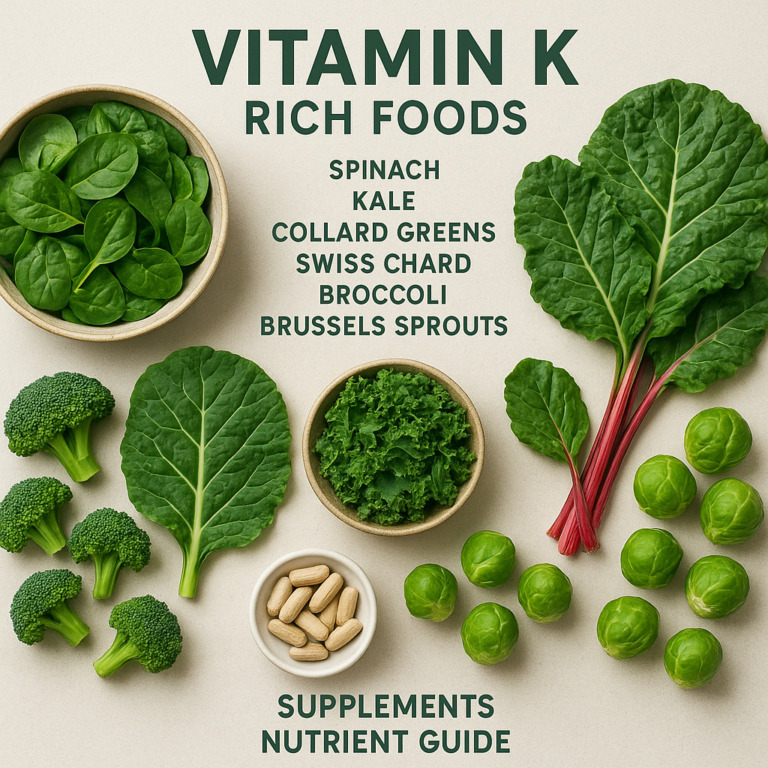
| Vitamin K | 🥬 Kale, 🥦 Broccoli, 🌱 Brussels Sprouts, 🧀 Cheese (for K2) | Your gut bacteria also produce some Vitamin K, so keep your microbiome happy! |
🧪 How Vitamins Work: Functions and Benefits Explained
So, we know we need them, but what are vitamins actually doing in there? Think of your body as a massive, incredibly complex construction site. You have the building materials (protein, carbs, fats) and the workers (your cells), but you need foremen and specialized tools to make sure everything gets done right. That’s where vitamins come in.
- The Coenzyme Crew (B Vitamins): Many of the B vitamins act as coenzymes. They are the “helper molecules” that bind to enzymes to kickstart chemical reactions. Without them, the process of converting food into energy would grind to a halt. They’re the foremen on the construction site, shouting “Go!” and making sure the energy plant is running smoothly.
- The Antioxidant Brigade (Vitamins A, C, & E): Your body’s metabolic processes create unstable molecules called free radicals. These are like tiny, chaotic wrecking balls that can damage cells, proteins, and DNA. Antioxidants are the heroes that swoop in to neutralize these free radicals, protecting your cells from damage. Vitamin C works in watery environments inside and outside cells, while Vitamin E is the expert at protecting fatty structures like cell membranes.
- The Specialized Specialists (Vitamins D & K): Some vitamins have highly specific, hormone-like roles. Vitamin D, for instance, functions like a hormone to control the levels of calcium in your blood, telling your intestines when to absorb more. Vitamin K is the master of coagulation, activating the proteins necessary to form a blood clot and stop bleeding.
The beauty is that they all work together. Vitamin C helps regenerate Vitamin E after it has neutralized a free radical, bringing it back into the fight. It’s a beautiful, intricate dance of molecules that keeps you healthy.
⚠️ Potential Side Effects and Toxicity of Vitamins: What You Need to Know
Hold on! Before you start chugging vitamin pills like candy, let’s talk about the “too much of a good thing” principle. Yes, you can overdose on vitamins, and it’s not pretty. This is especially true for the fat-soluble vitamins (A, D, E, and K), because your body stores the excess, allowing them to build up to toxic levels over time.
Water-soluble vitamins are generally safer, as your body typically excretes what it doesn’t use. However, extremely high doses can still cause problems (like digestive upset from too much Vitamin C).
Here’s a quick guide to the Tolerable Upper Intake Levels (ULs) for adults—the maximum daily intake unlikely to cause adverse health effects.
| Vitamin | Tolerable Upper Intake Level (UL) for Adults | Potential Signs of Toxicity |
|---|---|---|
| Vitamin A | 3,000 mcg (10,000 IU) | Dizziness, nausea, headaches, liver damage, coma. ❌ |
| Vitamin D | 100 mcg (4,000 IU) | Nausea, vomiting, poor appetite, kidney problems, calcium buildup in blood. ❌ |
| Vitamin E | 1,000 mg (1,500 IU) | Increased risk of bleeding (interferes with Vitamin K). ❌ |
| Vitamin K | Not established (low potential for toxicity) | Can interfere with anticoagulant drugs. |
| Vitamin B3 (Niacin) | 35 mg (from supplements) | Skin flushing, itching, liver damage. |
| Vitamin B6 | 100 mg | Severe nerve damage, skin lesions. ❌ |
| Folate | 1,000 mcg (from supplements) | Can mask a Vitamin B12 deficiency. |
| Vitamin C | 2,000 mg | Digestive upset, diarrhea, kidney stones. |
The bottom line: Always respect the dosage on the label. “If you take supplements, do not take more than 100% of the RDA unless you are under a provider’s supervision.”
✅ Daily Vitamin Intake Recommendations and How to Meet Them
“So, how much do I actually need?” Great question! Health authorities use a set of values called Dietary Reference Intakes (DRIs). The most well-known of these is the Recommended Dietary Allowance (RDA), which is the average daily intake sufficient for nearly all healthy people. When there isn’t enough evidence for an RDA, an Adequate Intake (AI) is set instead.
Here are the RDAs for some key vitamins for non-pregnant, non-lactating adults:
| Vitamin | Adult Men (19-50) | Adult Women (19-50) | Unit |
|---|---|---|---|
| Vitamin A | 900 | 700 | mcg RAE |
| Vitamin C | 90 | 75 | mg |
| Vitamin D | 15 | 15 | mcg (600 IU) |
| Vitamin E | 15 | 15 | mg |
| Vitamin K | 120 | 90 | mcg |
| Thiamine (B1) | 1.2 | 1.1 | mg |
| Riboflavin (B2) | 1.3 | 1.1 | mg |
| Niacin (B3) | 16 | 14 | mg NE |
| Vitamin B6 | 1.3 | 1.3 | mg |
| Folate (B9) | 400 | 400 | mcg DFE |
| Vitamin B12 | 2.4 | 2.4 | mcg |
(Source: National Institutes of Health)
How to meet these goals:
- Eat the Rainbow: Prioritize a diet rich in fruits, vegetables, lean proteins, and whole grains. This is your foundation.
- Read Food Labels: Look for fortified foods like cereals, milk, and orange juice, which can help you reach your goals for nutrients like Vitamin D and Folic Acid.
- Supplement Smartly: If your diet has gaps or you have specific needs (like pregnancy or a vegan diet), a supplement can be a great insurance policy.
💊 Choosing the Right Vitamin Supplements: Expert Tips and Brand Insights
Walking down the supplement aisle can feel overwhelming. So many bottles, so many promises! How do you choose? As the pros at Vitamin Brands™, we’ve got your back.
Your 4-Step Guide to Choosing a Quality Supplement:
- Assess Your Needs: Don’t just grab the first bottle you see. Are you a vegan needing B12? A woman of childbearing age needing folate? Someone living in a cloudy climate needing Vitamin D? Your personal needs should guide your choice.
- Look for Third-Party Certification: This is a big one! Since supplements aren’t regulated like drugs, you want to see a seal from a third-party tester like USP (U.S. Pharmacopeia), NSF International, or ConsumerLab.com. This verifies that the product contains what it says it contains and doesn’t have harmful contaminants.
- Check the Form & Dosage: Vitamins come in different forms (e.g., Vitamin D2 vs. D3). D3 is generally considered more effective. Check that the dosage aligns with your needs and doesn’t exceed the UL.
- Read the Entire Label: Look at the “Other Ingredients” list. You want to see minimal fillers, artificial colors, and allergens. “Always check the label so you know type and dose of the vitamins in the product. Also, check for added sugars or other additives such as gluten or soy if that’s a concern.”
Our Top Multivitamin Picks:
We’ve tested and researched countless brands. Here are a few that consistently impress us:
-
For the Organic Enthusiast: Garden of Life mykind Organics This line is a fan favorite for a reason. It’s made from over 30 powdered organic fruits, vegetables, and herbs. It’s certified USDA Organic, Non-GMO Project Verified, and vegan. It’s as close to getting your nutrients from food as you can get in a pill.
- Pros: ✅ Whole-food based, ✅ Certified organic & vegan, ✅ No synthetic binders or fillers.
- Cons: ❌ Can be pricier than other brands. 👉 Shop Garden of Life mykind Organics on: Amazon | Walmart | Garden of Life Official Website
-
For the Biohacker: Thorne Basic Nutrients 2/Day Thorne is a brand trusted by healthcare professionals and athletes. Their formulas are incredibly well-researched, using the most absorbable forms of nutrients. This multi is potent, pure, and free from major allergens.
- Pros: ✅ Highly bioavailable ingredients, ✅ NSF Certified for Sport, ✅ Comprehensive formula.
- Cons: ❌ Premium price point. 👉 Shop Thorne Basic Nutrients on: Amazon | Thorne Official Website
-
For the Smart Shopper: Nature Made Multi You don’t have to break the bank to get a quality supplement. Nature Made is the #1 pharmacist-recommended brand and many of their products are USP verified. It’s a straightforward, no-frills multi that covers your essential bases reliably.
🔍 How to Read Vitamin Labels Like a Pro
That “Supplement Facts” panel can look like a foreign language. Let’s translate it for you.
- Serving Size: This is the first thing to check! Is it one tablet? Two? All the numbers below are based on this amount.
- Amount Per Serving: This tells you exactly how much of each nutrient is in one serving. It’s usually measured in mg, mcg, or IU.
- % Daily Value (%DV): This shows you how much a nutrient in a serving contributes to a total daily diet of 2,000 calories. A DV of 100% means you’re getting the full recommended amount for the day from that serving. Be wary of DVs that are thousands of percent high, especially for fat-soluble vitamins.
- Other Ingredients: This is where you’ll find the stuff that holds the pill together—the binders, fillers, and coatings. Look for minimal, recognizable ingredients. If this list is a mile long with chemical names you can’t pronounce, you might want to choose another brand.
- Third-Party Seals: Look for those USP, NSF, or other certification logos on the bottle. They’re your stamp of quality assurance.
📊 Vitamins and Your Health: Scientific Studies and Evidence
Here’s where we need to have a real talk. While vitamins are undeniably essential for life, the evidence on whether high-dose supplementation prevents chronic diseases like cancer or heart disease in well-nourished people is… mixed.
Some large-scale studies have found little to no benefit. In fact, some research has even suggested that high-dose supplements of certain vitamins, like Vitamin A and E, may be harmful in some populations. A 2018 meta-analysis, for example, found no evidence that Vitamin D and calcium supplements reduced bone fractures in the elderly.
So, what gives?
The conflict often arises from how the studies are conducted and who they’re for. A supplement that is life-saving for someone with a severe deficiency might show no benefit for someone who already has adequate levels from their diet.
Our philosophy at Vitamin Brands™ is this: Use supplements to fill known nutritional gaps, not as a magic bullet to cure all ailments. Focus on a healthy lifestyle first. If you suspect a deficiency or have specific health concerns, get tested and talk to your healthcare provider. They can help you create a targeted supplementation plan that’s right for you.
🧬 Vitamins and Special Populations: Kids, Seniors, Pregnant Women, and More
Nutritional needs aren’t one-size-fits-all. They change throughout our lives.
-
🤰 Pregnant Women: This is a time of incredible nutritional demand. Folate (Folic Acid) is the superstar, as it’s crucial for preventing neural tube defects in the developing baby. Iron, Calcium, and Vitamin D are also extra important. A high-quality prenatal vitamin is non-negotiable.
- Brand to Consider: Ritual Prenatal Multivitamin is popular for its traceable ingredients and gentle, no-nausea formulation. 👉 Shop Ritual Prenatal on: Amazon | Ritual Official Website
-
👶 Kids: Growing bodies need the right fuel. Vitamin D is essential for bone development, and many pediatricians recommend supplementation, especially for breastfed infants.
-
👵 Seniors: As we age, our ability to absorb certain nutrients, like Vitamin B12, can decrease. Bone health is also a major concern, making Vitamin D and Calcium critical.
- Brand to Consider: New Chapter 55+ Multivitamins are formulated with fermented nutrients that may be easier for the body to absorb.
-
🌱 Vegans and Vegetarians: A plant-based diet is incredibly healthy, but it can be low in a few key nutrients. Vitamin B12 is the big one, as it’s found almost exclusively in animal products. Vitamin D, iron, and omega-3s are also important to monitor.
- Brand to Consider: Deva Vegan Vitamins offers a range of supplements specifically designed to meet the needs of those on a plant-based diet.
🌟 Vitamins and Minerals Synergy: Why You Need Both
Vitamins don’t work in a vacuum! They often rely on minerals to get their jobs done. Think of them as a dynamic duo, like Batman and Robin. They’re good on their own, but unstoppable together.
Here are a few classic power couples:
- Vitamin D ❤️ Calcium: This is the most famous pair. Vitamin D acts like a key, unlocking your body’s ability to absorb calcium from your gut. Without enough Vitamin D, you can’t get the full benefit of the calcium you consume, which is bad news for your bones.
- Vitamin C ❤️ Iron: Vitamin C dramatically enhances the absorption of non-heme iron (the type found in plant foods like spinach and beans). Squeezing a lemon over your spinach salad isn’t just for flavor—it’s a brilliant nutritional strategy!
- B Vitamins ❤️ Magnesium: Magnesium is a cofactor for many of the enzymes that the B vitamins work with, especially in energy production. They are partners in fueling your body.
This is why a balanced diet and a comprehensive multivitamin (that includes minerals) are often more effective than taking single nutrients in isolation.
📸 Visual Guide: Vitamin-Rich Foods and Supplement Forms
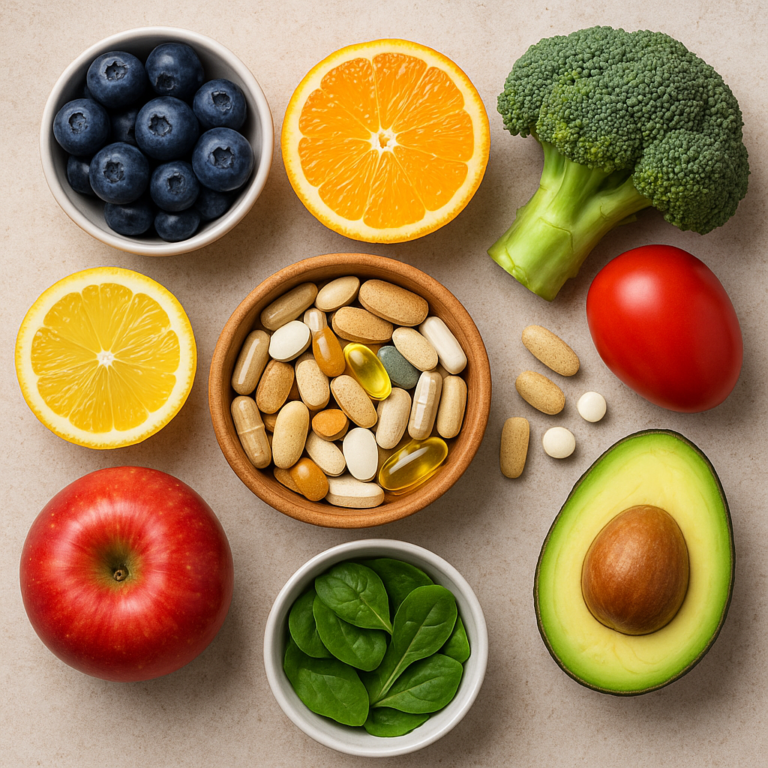
Imagine a vibrant farmer’s market stall: deep orange sweet potatoes (Vitamin A), bright red bell peppers (Vitamin C), dark green kale (Vitamin K), and sunny yellow egg yolks (Vitamin D). That’s your best source of Natural Vitamins.
But when it comes to supplements, the forms can be just as varied. Which one is right for you?
| Supplement Form | Description | Best For… | Example Brand |
|---|---|---|---|
| Tablets | The classic. Solid, compressed powder. Often the most affordable. | People who can swallow pills easily and are on a budget. | Nature Made |
| Capsules | A gelatin or vegetable-based shell containing powder or oil. | Hiding unpleasant tastes. Oil-based vitamins (like D & E) are often in softgel capsules. | Thorne |
| Gummies | Chewable, sweet, and gelatin-based. | Kids and adults who hate swallowing pills. | SmartyPants |
| Liquids/Sprays | Absorbed quickly, can be mixed into drinks. | People with absorption issues or difficulty swallowing pills. | MaryRuth’s Organics |
| Powders | Can be mixed into smoothies or water. Allows for flexible dosing. | People who want to customize their dose or add it to their daily smoothie. | Vital Proteins |
📝 Review Date: Keeping Vitamin Info Fresh and Accurate
To ensure you’re getting the most reliable and up-to-date information, this article was last reviewed and updated by the Vitamin Brands™ team on January 21, 2025. We are committed to keeping our content current with the latest scientific research.
🔗 Recommended Links for Further Vitamin Exploration
Want to geek out even more? We love that for you! Here are some of the high-authority sources we trust for our own research:
- National Institutes of Health (NIH) Office of Dietary Supplements: The ultimate resource for detailed fact sheets on every vitamin and mineral.
- MedlinePlus – Vitamins: A fantastic and easy-to-understand overview from the U.S. National Library of Medicine.
- U.S. Food and Drug Administration (FDA) – Dietary Supplements: Learn about the regulation and safety of supplements in the United States.
- The Linus Pauling Institute – Micronutrient Information Center: An academic source at Oregon State University with deep dives into the science of micronutrients.
❓ Frequently Asked Questions About Vitamins
We get a lot of questions, and we’ve compiled the most common ones right here for you.
1. Can I get all the vitamins I need from food? For most healthy people, a well-balanced and varied diet can provide all the necessary vitamins. However, certain lifestyles (like veganism), life stages (like pregnancy), or medical conditions can increase the need for supplementation.
2. Is it really possible to take too many vitamins? Yes, absolutely! It’s called hypervitaminosis, and it’s most dangerous with fat-soluble vitamins (A, D, E, K) that can accumulate in your body. Always stick to the recommended dosage unless a doctor advises otherwise.
3. Are more expensive vitamins better than cheaper ones? Not necessarily. Price often reflects marketing, sourcing (organic vs. synthetic), and unique formulations. A more affordable brand with a USP verification seal (like Nature Made) can be just as effective as a pricey boutique brand. The key is third-party verification and choosing a formula that meets your needs.
4. When is the best time of day to take my vitamins? It depends on the vitamin!
- B Vitamins: Take them in the morning, as they can have an energizing effect.
- Fat-Soluble Vitamins (A, D, E, K): Take them with a meal that contains some fat to enhance absorption.
- Multivitamins: Generally best with a meal to aid absorption and prevent an upset stomach.
5. Do gummy vitamins work as well as pills? They can, but you have to be a savvy shopper. Check the label for the actual amount of vitamins provided, as it can sometimes be lower than in pills. Also, watch out for added sugars, which can be surprisingly high. They are a great alternative for those who can’t swallow pills.
📚 Reference Links and Trusted Sources
This article was built on a foundation of reliable, evidence-based information. We’ve consulted the following sources to bring you the most accurate content:
🎯 Conclusion: Your Go-To Vitamin Guide Summary

Phew! We’ve journeyed through the fascinating history, the essential players, the food sources, and the science behind vitamins. At Vitamin Brands™, we hope this comprehensive guide has empowered you to make smarter choices about your vitamin intake—whether through food, supplements, or a blend of both.
Remember the golden rules: prioritize a colorful, balanced diet first, use supplements to fill gaps or meet special needs, and always respect recommended dosages to avoid toxicity. Vitamins are powerful allies, but they’re not magic bullets. Their true strength lies in supporting your body’s natural processes, like the dynamic teamwork between Vitamin C and iron or Vitamin D and calcium.
If you’re considering supplements, look for trusted brands with third-party certifications like Garden of Life, Thorne, and Nature Made—all of which we’ve highlighted for their quality and reliability. Whether you’re a busy professional, a growing child, or embracing your golden years, there’s a vitamin strategy tailored for you.
So, the next time you reach for that pill or pile your plate high with veggies, you’ll know exactly why you’re doing it—and how it fuels your health journey. Ready to take charge? Your body will thank you! 💪✨
🔗 Recommended Links for Further Vitamin Exploration & Shopping
Here are some of the top products and resources we mentioned, all in one place for your convenience. Happy shopping and learning!
Top Vitamin Supplements
-
Garden of Life mykind Organics Multivitamin:
Amazon | Walmart | Garden of Life Official Website -
Thorne Basic Nutrients 2/Day:
Amazon | Thorne Official Website -
NOW Foods Vitamin A:
Amazon | Walmart | NOW Foods Official Website -
Garden of Life Vitamin Code Raw B-Complex:
Amazon | Walmart | Garden of Life Official Website -
Solgar Vitamin D3:
Amazon | Walmart | Solgar Official Website -
Life Extension Gamma E Mixed Tocopherols:
Amazon | Walmart | Life Extension Official Website -
Thorne Vitamin K:
Amazon | Thorne Official Website -
Ritual Prenatal Multivitamin:
Amazon | Ritual Official Website -
New Chapter 55+ Multivitamins:
Amazon | New Chapter Official Website -
Deva Vegan Vitamins:
Amazon | Deva Official Website
Recommended Books on Vitamins and Nutrition
-
“The Vitamin Solution: Two Doctors Clear the Confusion about Vitamins and Your Health” by Dr. Romy Block & Dr. Arielle Levitan
Amazon Link -
“Eat Complete: The 21 Nutrients That Fuel Brainpower, Boost Weight Loss, and Transform Your Health” by Dr. Drew Ramsey
Amazon Link -
“The Supplement Handbook: A Trusted Expert’s Guide to What Works & What’s Worthless for More Than 100 Conditions” by Dr. Mark Moyad
Amazon Link
❓ Frequently Asked Questions About Vitamins
What are the essential vitamins for daily health?
The essential vitamins include 13 key nutrients your body cannot synthesize in sufficient amounts and must obtain from diet or supplements. These are:
- Fat-soluble: Vitamins A, D, E, and K
- Water-soluble: Vitamin C and the B-complex vitamins (B1, B2, B3, B5, B6, B7, B9, B12)
Each plays a unique role, from supporting vision and immune health (Vitamin A, C) to energy metabolism (B vitamins) and bone health (Vitamin D, K). Meeting daily requirements through a balanced diet or supplementation is crucial to prevent deficiencies and maintain overall wellness.
How do vitamins and supplements differ?
Vitamins are organic compounds naturally found in foods that your body needs for normal function. Supplements are manufactured products designed to provide vitamins (and sometimes minerals, herbs, or other nutrients) in concentrated forms, often to fill dietary gaps.
Supplements are not a substitute for a healthy diet but can be valuable for people with increased needs, dietary restrictions, or absorption issues. It’s important to choose supplements wisely, considering quality, dosage, and individual health needs.
Which vitamins support immune system function?
Several vitamins play pivotal roles in immune health:
- Vitamin C: Enhances white blood cell function and acts as an antioxidant.
- Vitamin D: Modulates immune responses and reduces inflammation.
- Vitamin A: Maintains mucosal surfaces and supports immune cell function.
- Vitamin E: Protects immune cells from oxidative damage.
- B6 and B12: Support the production and activity of immune cells.
Ensuring adequate intake of these vitamins through diet or supplements can help maintain a robust immune system.
What are the best natural sources of vitamins?
Natural vitamin sources are primarily whole foods, which provide vitamins alongside fiber, minerals, and other beneficial compounds:
- Vitamin A: Carrots, sweet potatoes, spinach, liver
- B Vitamins: Whole grains, meat, eggs, legumes, leafy greens
- Vitamin C: Citrus fruits, strawberries, bell peppers, broccoli
- Vitamin D: Fatty fish, fortified dairy, egg yolks, sunlight exposure
- Vitamin E: Nuts, seeds, vegetable oils, spinach
- Vitamin K: Leafy greens, broccoli, fermented foods
Eating a diverse, colorful diet is the best way to naturally meet your vitamin needs.
How can I avoid vitamin toxicity?
Avoiding vitamin toxicity involves:
- Following recommended dosages on supplement labels.
- Avoiding megadoses unless prescribed by a healthcare professional.
- Being cautious with fat-soluble vitamins (A, D, E, K) as they accumulate in the body.
- Consulting your doctor before starting supplements, especially if you take medications or have health conditions.
Are vitamin supplements regulated for safety?
In many countries, including the U.S., dietary supplements are regulated as foods, not drugs. This means manufacturers are responsible for safety and labeling, but supplements do not require FDA approval before marketing.
Look for third-party certifications such as USP, NSF International, or ConsumerLab.com to ensure quality and purity.
📚 Reference Links and Trusted Sources
For verification and deeper reading, we recommend these authoritative resources:
- Vitamins – MedlinePlus
- Vitamin – Wikipedia
- Vitamins and minerals – NHS
- National Institutes of Health Office of Dietary Supplements
- U.S. Food and Drug Administration – Dietary Supplements
- Linus Pauling Institute Micronutrient Information Center
Brand Websites:
- Garden of Life
- Thorne
- Nature Made
- NOW Foods
- Solgar
- Life Extension
- Ritual
- SmartyPants
- New Chapter
- Deva
Thanks for joining us on this vitamin voyage! Stay curious, stay healthy, and remember: your best health is a journey, not a destination. 🌟