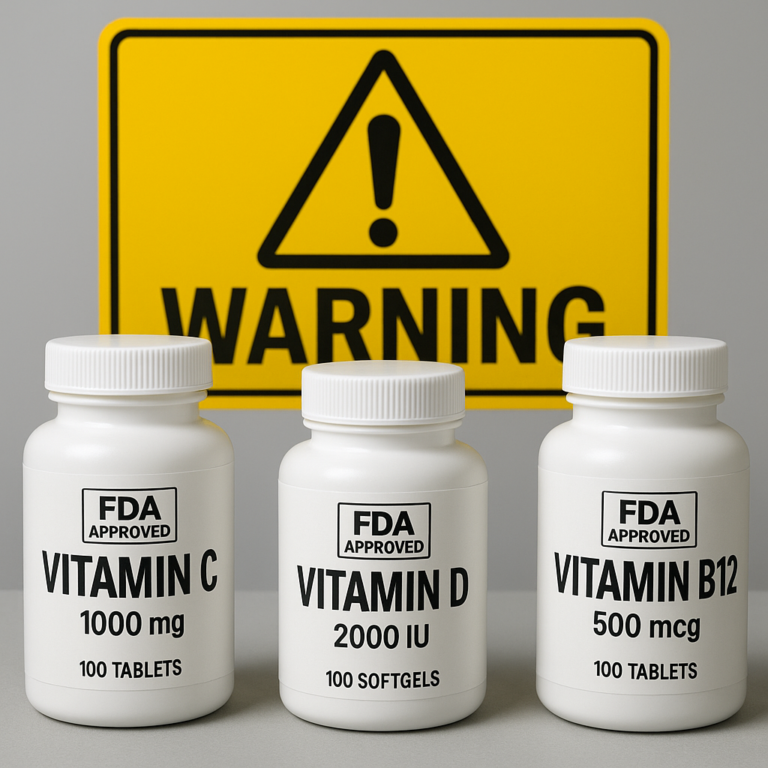
Support our educational content for free when you purchase through links on our site. Learn more
Can I Take Multiple Vitamins at Once? 7 Key Interactions to Know! 🧐

Ever found yourself staring at a cabinet full of colorful vitamin bottles wondering, “Can I just take them all at once and be done with it?” You’re not alone! Many of us want the convenience of a one-and-done vitamin routine, but the truth is, some vitamins and minerals just don’t mix well together. Taking them simultaneously can reduce their effectiveness or even cause unwanted side effects.
Did you know that calcium can block iron absorption? Or that vitamin C can boost it? And what about those sneaky interactions between supplements and prescription medications? In this article, we’ll unravel the mystery of vitamin interactions, reveal 7 critical pairings to avoid or embrace, and share expert tips on timing your supplements for maximum benefit. Stick around for our insider advice on how to orchestrate your supplement routine like a pro, so you get the most bang for your vitamin buck!
Key Takeaways
- Not all vitamins and minerals should be taken together; some compete for absorption while others enhance each other.
- Iron and calcium are classic antagonists—space them out to avoid absorption issues.
- Vitamin C boosts iron absorption, making them a perfect power duo.
- Timing matters: fat-soluble vitamins (A, D, E, K) need healthy fats and are best taken with meals.
- Consult your healthcare provider before mixing supplements with prescription medications to avoid dangerous interactions.
- Avoid megadosing; more isn’t always better and can lead to toxicity.
- Plan your supplement schedule thoughtfully to maximize benefits and minimize risks.
Ready to become a supplement scheduling superstar? Let’s dive in!
Table of Contents
- ⚡️ Quick Tips and Facts: Your Vitamin Cheat Sheet!
- 🤔 The Great Vitamin Conundrum: Can You Really Take Them All at Once?
- ❌ The Unfriendly Pairings: Vitamins and Minerals to Approach with Caution
- 1. Iron & Calcium: The Absorption Antagonists
- 2. Copper & Zinc: A Delicate Balance
- 3. Magnesium & Calcium (High Doses): When Too Much of a Good Thing…
- 4. Vitamin K & Vitamin E (High Doses): Blood Thinning Blues
- 5. Fat-Soluble Vitamins (A, D, E, K) Overload: A Word of Warning
- 6. Folic Acid & Vitamin B12: Masking Deficiencies
- 7. St. John’s Wort &… Well, Almost Everything!
- ✅ The Power Duos & Trios: Synergistic Supplement Stacks for Optimal Health
- ⏰ Timing is Everything: When to Pop Your Pills for Peak Performance
- 💊 Medication Mayhem: When Supplements Clash with Your Prescriptions
- ⚠️ Over-Supplementation: Are You Getting Too Much of a Good Thing?
- 🔍 The Vitamin Brands™ Guide to Smart Supplementation: Our Expert Advice
- Conclusion: Navigating Your Supplement Journey with Confidence
- Recommended Links: Dive Deeper into Your Health
- FAQ: Your Most Pressing Vitamin Questions Answered
- Authors: Meet the Vitamin Brands™ Experts
- Reference Links: Our Sources and Further Reading
Here is the main body of the article, from the “Quick Tips and Facts” section up to the section before the “Conclusion”.
⚡️ Quick Tips and Facts: Your Vitamin Cheat Sheet!
Welcome, health enthusiasts! You’ve got questions, and we, the team at Vitamin Brands™, have answers. You’re standing in your kitchen, a rainbow of supplement bottles in hand, wondering, “Can this happy little pill family all get along in my stomach?” It’s a fantastic question! Before we dive deep into the science, here’s a rapid-fire cheat sheet to get you started.
- Fat-Soluble vs. Water-Soluble: Remember this golden rule! Fat-soluble vitamins (A, D, E, K) love a good meal, especially one with healthy fats like avocado or olive oil. 🥑 Water-soluble vitamins (B vitamins, Vitamin C) are more flexible but are best taken with a glass of water.
- Mineral Competition is Real: Think of it like a cellular traffic jam. Minerals like Calcium, Iron, Magnesium, and Zinc often compete for the same absorption pathways. Taking high doses of them at the exact same time can mean some get left behind.
- Timing is Key: Some supplements are morning heroes (like B vitamins for energy), while others are nighttime ninjas (like magnesium for relaxation). 😴
- Don’t Mix Meds & Supps Blindly: This is a big one! As the U.S. Food and Drug Administration (FDA) warns, some supplements can seriously interfere with prescription medications. “Certain dietary supplements can change absorption, metabolism, or excretion of a medication,” which can be dangerous.
- Read the Label: The bottle isn’t just for decoration! Dosage instructions and ingredients are your first line of defense against unwanted interactions.
- When in Doubt, Ask a Pro: Your doctor or a registered dietitian is your best friend on this journey. They know your health history and can give you personalized advice.
🤔 The Great Vitamin Conundrum: Can You Really Take Them All at Once?
So, can you toss back a handful of Essential Vitamins with your morning coffee and call it a day? The short answer is… it’s complicated. While it’s generally fine for a standard Multivitamin Supplement, if you’re taking individual, high-dose supplements, you’ve got to be a bit more strategic. Think of yourself as the conductor of your body’s orchestra—each nutrient needs to play its part at the right time to create a beautiful symphony of health. 🎶
A Brief History of Supplement Stacks: Why We’re All Popping Pills
It wasn’t that long ago that a single, chalky multivitamin was the pinnacle of nutritional support. But as science has uncovered the unique roles of individual nutrients, from Vitamin D’s impact on immunity to Magnesium’s role in over 300 bodily functions, the game has changed. We’ve entered the era of “supplement stacking”—curating a personalized regimen of Health Supplements to target specific goals. It’s empowering! But with great power comes great responsibility… to not have your zinc and iron supplements start a turf war in your small intestine.
Decoding the “Why”: The Science Behind Nutrient Interactions
Why can’t all vitamins just get along? It boils down to a few key concepts:
- Competitive Absorption: Many minerals use the same protein “taxis” to get absorbed from your gut into your bloodstream. If you send a flood of calcium and iron at the same time, they’ll be fighting for the same limited seats. As one article puts it, “large amounts of minerals taken at the same time as other minerals will reduce absorption of each other.”
- Synergy vs. Antagonism: Some nutrients are best friends (synergy), helping each other work better. Vitamin C, for example, is Iron’s hype man, boosting its absorption. Others are rivals (antagonism), actively hindering one another.
- Biochemical Pathways: Once absorbed, vitamins and minerals don’t just float around. They are crucial cogs in complex biochemical machines. Too much of one can throw the whole machine out of whack. For instance, high doses of zinc can interfere with copper metabolism, a crucial process for nerve function and iron transport.
Now, let’s get to the nitty-gritty. Who are the friends, and who are the foes in the world of vitamins?
❌ The Unfriendly Pairings: Vitamins and Minerals to Approach with Caution
Navigating the world of supplements can feel like trying to solve a puzzle. To help you out, we’ve compiled a list of pairings that are best kept separate. Timing is everything, so a good rule of thumb is to space these out by at least 2-4 hours.
1. Iron & Calcium: The Absorption Antagonists
This is the classic frenemy situation. Both are vital minerals, but they are fierce competitors. Calcium can significantly inhibit the absorption of iron. This is a crucial interaction to be aware of, especially for those taking iron for anemia. As Nature Made’s experts advise, “it’s probably best if you take a Calcium supplement at a different time from your multivitamin (that may contain Iron) or an Iron-rich meal.”
- Our Advice: Take your iron supplement, like Garden of Life Vitamin Code Raw Iron, in the morning with a splash of orange juice (hello, Vitamin C!) and save your calcium supplement, such as Nature’s Bounty Calcium with Vitamin D3, for later in the day or with your evening meal.
2. Copper & Zinc: A Delicate Balance
Zinc is an immune-boosting superstar, but taking high doses over a long period can cause a copper deficiency. These two minerals compete for absorption in the small intestine. Many of the best vitamins are formulated to account for this, but if you’re taking them separately, be mindful.
- Our Advice: If you’re taking a high-dose zinc supplement like NOW Foods Zinc Picolinate, look for a formula that includes a small amount of copper to maintain balance, or take a separate copper supplement at a different time of day.
3. Magnesium & Calcium (High Doses): When Too Much of a Good Thing…
These two work together for bone and muscle health, but in a delicate dance. When taken in very high doses at the same time, they can compete for absorption. Some sources, like the expert in the featured video, suggest taking them separately for this reason. SingleCare notes that a calcium-to-magnesium ratio above 2:1 could be problematic.
- Our Advice: For general health, a combined supplement like Nature Made Calcium, Magnesium, Zinc with D3 is usually balanced and fine. If you’re taking high, therapeutic doses of either, separate them. Try taking magnesium in the morning to aid with energy metabolism and calcium in the evening, as it may help with sleep.
4. Vitamin K & Vitamin E (High Doses): Blood Thinning Blues
Here’s where things can get serious. Vitamin K is essential for blood clotting, while Vitamin E has a mild blood-thinning effect. Taking very high doses of Vitamin E can counteract the effects of Vitamin K. This is especially critical for anyone on blood-thinning medications like Warfarin. The FDA highlights that combining supplements like Vitamin E with blood thinners “may increase the potential for internal bleeding or stroke.”
- Our Advice: Stick to the recommended daily allowances unless advised by your doctor. If you are on any anticoagulant medication, you must speak with your healthcare provider before taking Vitamin E or K supplements.
5. Fat-Soluble Vitamins (A, D, E, K) Overload: A Word of Warning
While they all love a fatty meal, taking massive doses of different fat-soluble vitamins at once might lead to competition for absorption. The bigger concern here is toxicity. Unlike water-soluble vitamins that are easily flushed out, your body stores excess fat-soluble vitamins in the liver and fatty tissues, where they can build up to harmful levels.
- Our Advice: More is not better. Be mindful of the total amount you’re getting from all sources (food, multivitamins, individual supplements) to avoid exceeding the Tolerable Upper Intake Level (UL).
6. Folic Acid & Vitamin B12: Masking Deficiencies
This is a sneaky one. Taking high doses of folic acid (Vitamin B9) can “mask” a Vitamin B12 deficiency. The folic acid can correct the type of anemia associated with B12 deficiency, making you think you’re fine. However, the underlying nerve damage from the B12 deficiency can continue silently.
- Our Advice: Most B-complex supplements are formulated to prevent this. If you’re taking these separately, especially if you’re vegan or older (and thus at higher risk for B12 deficiency), ensure you’re getting adequate amounts of both. A good B-Complex like Garden of Life Vitamin Code Raw B-Complex is a great option.
7. St. John’s Wort &… Well, Almost Everything!
This herbal supplement, often used for mood support, is notorious for its interactions. The FDA specifically warns that St. John’s Wort can interfere with the effectiveness of medications for HIV/AIDS, heart disease, depression, organ transplants, and even birth control pills.
- Our Advice: If you take any prescription medication, do not take St. John’s Wort without consulting your doctor and pharmacist. The risk of rendering your essential medication ineffective is too high.
✅ The Power Duos & Trios: Synergistic Supplement Stacks for Optimal Health
Enough with the drama! Let’s talk about the dream teams—the nutrient pairings that work better together, enhancing each other’s benefits and helping you get the most out of your supplement routine. These are the pairings you want to see in your Natural Vitamins and supplements.
1. Vitamin D & Calcium: Bone Buddies Forever
This is the most famous synergistic pair, and for good reason. Vitamin D acts like a key that unlocks the door for calcium to be absorbed into your body. Without enough Vitamin D, you could be taking all the calcium in the world, and it wouldn’t do your bones much good. This is why you’ll almost always find them paired in supplements.
- Our Advice: Look for a supplement that combines both, like Thorne Cal-Mag Citrate + Vitamin D. It simplifies your routine and ensures you’re getting this one-two punch for bone health.
2. Vitamin C & Iron: Absorption Amplifiers
Vitamin C is a game-changer for iron absorption, especially for non-heme iron, the type found in plant-based foods. It converts the iron into a form that’s much easier for your body to absorb. While SingleCare mentions some mixed research, the general consensus in the nutrition world is that this pairing is beneficial, and there’s certainly no harm in it.
- Our Advice: Take your iron supplement with a glass of orange juice or with a Vitamin C supplement like Solgar Ester-C Plus. This is a fantastic strategy for vegetarians, vegans, and anyone struggling with low iron levels.
3. Magnesium & Vitamin D: The Dynamic Duo for More Than Just Bones
Here’s a partnership that’s getting more attention. Magnesium is required to convert Vitamin D into its active form in your body. As one source points out, without enough magnesium, Vitamin D metabolism is impaired. So, if you’re taking Vitamin D but are low on magnesium, you might not be getting the full benefit.
- Our Advice: Consider taking these two together. Many people, especially the Best Vitamins for Women formulas, are now including magnesium alongside Vitamin D. A great standalone magnesium is Doctor’s Best High Absorption Magnesium.
4. B Vitamins: The Team Players You Need
The B vitamins (B1, B2, B3, B5, B6, B7, B9, B12) are a true family. They often work together in the same metabolic pathways, particularly for energy production. Taking just one high-dose B vitamin can sometimes throw off the balance of the others.
- Our Advice: Unless you have a specific, diagnosed deficiency, a B-Complex supplement is usually the best way to go. It provides a balanced spectrum of these essential nutrients that are designed to work as a team.
5. Zinc & Quercetin: Immune System Allies
This is a powerful combo for immune support. Quercetin, a plant flavonoid, acts as a zinc ionophore, which means it helps transport zinc into your cells where it can do its job—namely, supporting your immune response.
- Our Advice: During times when you want to give your immune system some extra love, look for a supplement that combines both, like NOW Foods Quercetin with Bromelain, and take it with your zinc supplement.
6. Omega-3s & Vitamin E: Protecting Your Good Fats
Omega-3 fatty acids are delicate and prone to oxidation (going rancid). Vitamin E is a powerful antioxidant that helps protect these fragile fats from damage, both in the softgel and in your body.
- Our Advice: Most high-quality fish oil supplements, such as Nordic Naturals Ultimate Omega, will already include Vitamin E as a preservative. It’s a sign of a well-formulated product!
👉 Shop Top-Rated Combination Supplements:
- Nature Made Calcium, Magnesium, Zinc With D3: Amazon | Walmart | Nature Made Official Website
- Garden of Life Vitamin Code Raw B-Complex: Amazon | Walmart | Garden of Life Official Website
- Nordic Naturals Ultimate Omega: Amazon | Walmart | Nordic Naturals Official Website
⏰ Timing is Everything: When to Pop Your Pills for Peak Performance
You’ve figured out what to take, but now the big question is when? Does it matter if you take your Vitamin D with your morning latte or your evening tea? Absolutely! Aligning your supplement schedule with your body’s natural rhythm can make a world of difference in absorption and effectiveness.
Morning Glory: What to Take with Breakfast
The morning is all about setting the stage for a high-energy day.
- B Vitamins: These are your energy powerhouses. Taking them in the morning helps convert your breakfast into fuel to power you through the day.
- Iron: If you’re taking iron, the morning is often best, but on an empty stomach is not recommended as it can cause nausea. Taking it with a small breakfast that includes Vitamin C (like a few strawberries) is ideal. Just make sure that breakfast isn’t a calcium-fortified cereal or a big glass of milk!
- Vitamin C: It’s a great way to start the day, supporting your immune system from the get-go.
Lunchtime Boost: Midday Must-Haves
Your largest meal of the day is the perfect time for those supplements that need a little help from food.
- Multivitamins: As Nature Made’s experts suggest, “Take your daily multivitamin supplement with food and water,” ideally with your largest meal to help with the absorption of all the nutrients inside, especially the fat-soluble ones.
- Fat-Soluble Vitamins (A, D, E, K): If you’re taking these individually, lunch is a prime time. Your meal should contain some healthy fats (think avocado, nuts, olive oil dressing) to act as a carrier for these vitamins.
Evening Wind-Down: Supplements for Sleep and Recovery
As the day winds down, some supplements can help your body relax and repair.
- Magnesium: This mineral is a relaxation rockstar. It can have a calming effect on the nervous system, making it a popular choice to take before bed to support a restful night’s sleep.
- Calcium: Some evidence suggests calcium plays a role in helping the brain use tryptophan to manufacture melatonin, the sleep hormone. Taking it in the evening, separate from your iron, is a common and effective strategy.
The “Empty Stomach” vs. “With Food” Debate: A Digestive Dilemma
This is a common point of confusion. Here’s the breakdown:
-
✅ Take WITH Food:
- Fat-Soluble Vitamins (A, D, E, K): Non-negotiable. They need fat for absorption.
- Multivitamins: To maximize absorption of all components and minimize stomach upset.
- Iron: To prevent nausea and stomach irritation.
- Zinc: Can be hard on an empty stomach for many people.
-
🤔 Take on an EMPTY STOMACH (or between meals):
- Water-Soluble Vitamins (B’s, C): Technically, they don’t need food. Taking them with a glass of water 30 minutes before a meal or 2 hours after is often cited as optimal. However, if they upset your stomach, it’s perfectly fine to take them with a small snack.
- Probiotics: The jury is still out, but many experts recommend taking them on an empty stomach so they can pass through to the gut more quickly.
💊 Medication Mayhem: When Supplements Clash with Your Prescriptions
This is where we get serious. We’re not just talking about reduced absorption; we’re talking about potentially dangerous health outcomes. The FDA is clear: “Tens of millions of people in the U.S. take some kind of dietary supplement along with a prescription medication,” and many are unaware of the risks. Always, always, always talk to your doctor or pharmacist before adding any new supplement to your routine if you take prescription medication.
Anticoagulants (Blood Thinners) & Supplements: A Dangerous Dance
- The Meds: Warfarin (Coumadin), Aspirin, Clopidogrel (Plavix).
- The Culprits: Vitamin K (which promotes clotting), Vitamin E, Ginkgo Biloba, Fish Oil (in high doses), and Garlic (which can all increase bleeding risk).
- The Interaction: This is a recipe for disaster. Vitamin K can make your blood thinner less effective, while the others can amplify its effect, leading to a serious risk of uncontrolled bleeding.
Thyroid Medications & Nutrient Absorption: Timing is Key
- The Meds: Levothyroxine (Synthroid).
- The Culprits: Calcium, Iron, and even high-fiber supplements.
- The Interaction: These minerals can bind to the thyroid medication in your gut, preventing it from being absorbed properly. This can make your medication less effective, throwing your thyroid levels out of balance. The advice from the featured video to separate these is spot on.
- The Rule: Take thyroid medication on an empty stomach, and wait at least 4 hours before taking a calcium or iron supplement.
Antacids & Vitamin Absorption: The Unseen Blockers
- The Meds: Calcium carbonate (Tums), Proton Pump Inhibitors (e.g., Omeprazole).
- The Culprits: These medications reduce stomach acid.
- The Interaction: You need stomach acid to absorb certain nutrients, most notably Vitamin B12, Iron, and Magnesium. Long-term use of acid-reducing medications can potentially lead to deficiencies in these key nutrients.
Oral Contraceptives & B Vitamins: A Nutrient Drain?
- The Meds: Combination birth control pills.
- The Culprits: The hormones in these pills can affect the metabolism of several nutrients.
- The Interaction: Research suggests that oral contraceptives may deplete levels of certain B vitamins, including B6, B12, and Folate (B9), as well as Magnesium and Zinc. If you’re on the pill, it’s a good idea to ensure you’re getting enough of these nutrients, possibly through a high-quality B-Complex or multivitamin.
⚠️ Over-Supplementation: Are You Getting Too Much of a Good Thing?
In our quest for optimal health, it’s easy to adopt a “more is better” mindset. But when it comes to vitamins and minerals, that can be a dangerous path. Vitamin toxicity is real, and it’s crucial to respect the recommended dosages.
Signs and Symptoms of Vitamin Toxicity
Toxicity is most common with fat-soluble vitamins since your body stores them. Here are a few examples:
- Vitamin A Toxicity (Hypervitaminosis A): Can cause dizziness, nausea, headaches, and in severe cases, liver damage and coma.
- Vitamin D Toxicity: Leads to a buildup of calcium in your blood (hypercalcemia), which can cause nausea, vomiting, weakness, and serious kidney problems.
- Iron Overload: Can cause stomach pain, constipation, and in severe cases, can be fatal, especially in children.
The Dangers of Megadosing: More Isn’t Always Better
Megadosing—taking amounts far exceeding the Recommended Dietary Allowance (RDA)—should only ever be done under the strict supervision of a healthcare professional for a specific therapeutic reason. For everyday wellness, sticking to the dosages on the product label is the safest and most effective approach. Remember, the goal is to fill nutritional gaps, not to create new problems!
🔍 The Vitamin Brands™ Guide to Smart Supplementation: Our Expert Advice
Feeling a little overwhelmed? Don’t be! We’re here to help you tie it all together. Think of us as your personal supplement sommeliers. Here’s our expert advice for building a safe and effective routine.
Read the Labels, Folks! Understanding Supplement Facts
The “Supplement Facts” panel is your best friend. Look for:
- Serving Size: Is it one capsule or three?
- Amount Per Serving: The dosage of each nutrient.
- % Daily Value (%DV): This tells you how much a nutrient in a serving contributes to a total daily diet.
- “Other Ingredients”: Check for fillers, allergens, or artificial additives you may want to avoid.
Quality Over Quantity: Why Brand Matters (and Ours, of course!)
The supplement industry isn’t regulated in the same way as pharmaceuticals. This means quality can vary wildly. A reputable brand will:
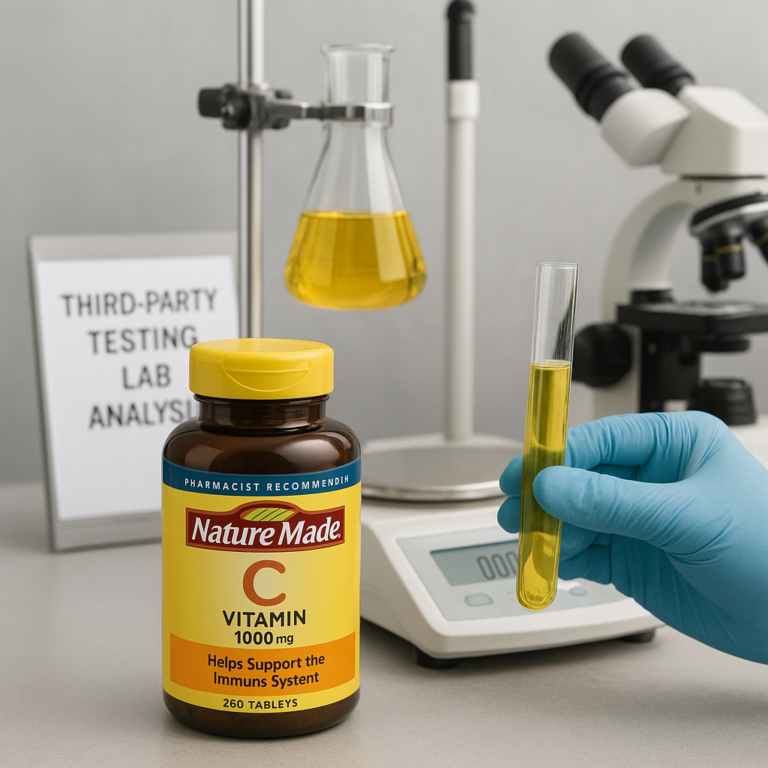
- Undergo Third-Party Testing: Look for certifications from organizations like NSF International, USP, or ConsumerLab.com. This verifies that what’s on the label is actually in the bottle.
- Use High-Quality Ingredients: Opt for bioavailable forms of nutrients (like magnesium glycinate instead of magnesium oxide) that your body can absorb and utilize more easily.
- Be Transparent: Good brands are happy to answer your questions about sourcing and manufacturing.
At Vitamin Brands™, we pride ourselves on adhering to the highest quality standards, because we believe your health is worth it.
Personalized Nutrition: Your Unique Needs and How to Meet Them
There is no one-size-fits-all supplement plan. Your ideal regimen depends on your age, sex, diet, lifestyle, and health goals. A vegan athlete will have different needs than a post-menopausal woman. Consider getting a blood test to check your nutrient levels for things like Vitamin D, B12, and iron. This takes the guesswork out of it and allows you to supplement intelligently.
The Role of Your Healthcare Professional: Don’t Go It Alone!
We can’t stress this enough. Before you start any new supplement, especially if you have a health condition or take medication, talk to your doctor, pharmacist, or a registered dietitian. They can review your full health picture and help you create a plan that is safe, effective, and tailored just for you. As the FDA wisely states, “Talk With Your Health Care Professional Before Using Supplements.” Bring a list of everything you take—prescriptions, OTC meds, and all supplements—to every appointment.
Conclusion: Navigating Your Supplement Journey with Confidence

Phew! That was quite the deep dive into the world of vitamins and supplements, wasn’t it? We started with the simple question: Can I take multiple vitamins at the same time, or are there interactions to consider? The answer, as you’ve discovered, is a nuanced yes—but with important caveats.
You’ve learned that not all vitamins and minerals play nicely together. Some compete for absorption, some can mask deficiencies, and others can dangerously interact with medications. But fear not! With a bit of savvy scheduling, understanding of synergistic combos, and a dash of expert advice, you can craft a supplement routine that truly supports your health goals.
Remember our metaphor of being the conductor of your body’s orchestra? Now you’re equipped to ensure every nutrient plays its part in harmony, rather than chaos. Whether it’s spacing out iron and calcium, pairing vitamin C with iron for better absorption, or timing your B vitamins for an energy boost, you hold the baton.
And when it comes to medications, don’t go solo. Your healthcare professional is your trusted co-conductor, guiding you safely through the complex interactions.
At Vitamin Brands™, we’re passionate about empowering you with knowledge and quality products to make your health journey joyful and effective. So, go ahead—take your supplements thoughtfully, listen to your body, and enjoy the benefits of a well-orchestrated wellness routine!
Recommended Links: Dive Deeper into Your Health
Ready to shop some of the top supplements we’ve discussed? Here are our expert picks to get you started on the right foot:
-
Nature Made Calcium, Magnesium, Zinc With D3:
Amazon | Walmart | Nature Made Official Website -
Garden of Life Vitamin Code Raw Iron:
Amazon | Walmart | Garden of Life Official Website -
NOW Foods Zinc Picolinate:
Amazon | Walmart | NOW Foods Official Website -
Thorne Cal-Mag Citrate + Vitamin D:
Amazon | Thorne Official Website -
Garden of Life Vitamin Code Raw B-Complex:
Amazon | Walmart | Garden of Life Official Website -
Nordic Naturals Ultimate Omega:
Amazon | Walmart | Nordic Naturals Official Website -
Doctor’s Best High Absorption Magnesium:
Amazon | Walmart | Doctor’s Best Official Website
Recommended Books for Further Reading
-
“The Supplement Handbook: A Trusted Expert’s Guide to What Works & What’s Worthless for More Than 100 Conditions” by Mark Moyad, MD, MPH
Amazon Link -
“Vitamin K2 and the Calcium Paradox” by Kate Rheaume-Bleue
Amazon Link
FAQ: Your Most Pressing Vitamin Questions Answered

What is the best way to schedule multiple vitamin supplements daily?
Answer:
The best approach is to space out supplements that compete for absorption and take fat-soluble vitamins with meals containing healthy fats. For example, take iron with vitamin C in the morning (away from calcium), multivitamins or fat-soluble vitamins with your largest meal, and magnesium in the evening for relaxation. Consistency is key, so try to take your supplements at the same time daily to build a habit.
Can taking too many vitamins at once cause side effects?
Answer:
✅ Yes, especially if you take high doses or combine supplements that interact negatively. Side effects can range from mild (nausea, stomach upset) to severe (toxicity, nutrient imbalances). For instance, too much vitamin A or D can cause toxicity since they are fat-soluble and stored in the body. Also, taking iron and calcium together can reduce absorption, making supplementation ineffective.
Read more about “Can You Trust Online Vitamin Brands? 7 Expert Tips to Know 🧐 (2025)”
How do multivitamins interact with prescription medications?
Answer:
Multivitamins can interact with medications by altering absorption, metabolism, or excretion. For example, calcium can reduce the effectiveness of thyroid medications, and vitamin K can interfere with blood thinners like warfarin. Always inform your healthcare provider about all supplements you take to avoid dangerous interactions.
Read more about “Top 10 Vitamin A Capsules Reviews and Ratings (2025) 🌟”
What are the risks of combining different vitamin supplements?
Answer:
Combining supplements without guidance can lead to nutrient competition, masking of deficiencies, or toxicity. For example, high folic acid intake can mask a vitamin B12 deficiency, and excessive zinc can cause copper deficiency. Overlapping supplements may also cause you to exceed safe upper intake levels.
Read more about “Top 10 Vitamin A Tablets Reviewed & Compared (2025) 🌟”
How do vitamin interactions affect absorption and effectiveness?
Answer:
Some vitamins and minerals share absorption pathways and compete, reducing the amount your body actually absorbs. For example, calcium inhibits iron absorption when taken together. Conversely, some nutrients enhance absorption, like vitamin C boosting non-heme iron uptake. Understanding these interactions helps optimize your supplement routine.
Read more about “Top 25 Vitamin Brands You Need to Know in 2025! 🌟”
Can taking multiple vitamins cause side effects or toxicity?
Answer:
Yes. While water-soluble vitamins are generally excreted if taken in excess, fat-soluble vitamins (A, D, E, K) can accumulate and cause toxicity. Symptoms vary but can include nausea, headaches, and serious organ damage. Always adhere to recommended dosages and consult a healthcare professional before megadosing.
Read more about “Top 12️⃣ Rated Vitamin A Brands to Boost Your Health in 2025 ✨”
What is the best way to schedule taking various supplements throughout the day?
Answer:
Schedule supplements based on their absorption needs and potential interactions:
- Morning: B vitamins, iron (with vitamin C, no calcium)
- Midday: Multivitamins, fat-soluble vitamins (with healthy fats)
- Evening: Magnesium, calcium (separate from iron)
Spacing conflicting minerals by 2-4 hours improves absorption and reduces side effects.
Read more about “Which Multivitamin Reigns Supreme: Centrum or One A Day? 🤔”
How can I safely combine supplements with medications?
Answer:
Always disclose all supplements to your healthcare provider. Some supplements like St. John’s Wort can reduce medication effectiveness, while others like vitamin K can interfere with blood thinners. Your provider can help you schedule doses or suggest alternatives to avoid interactions.
Are natural supplements always safe to take with medications?
Answer:
❌ No. “Natural” does not mean safe. Herbal supplements can interact with medications and cause serious side effects. For example, St. John’s Wort affects many medications, including birth control and antidepressants. Always consult your healthcare provider before starting any new supplement.
Read more about “What Are the 10 Best Vitamin A Brands in 2025? 🌟 Expert Picks & Reviews”
Reference Links: Our Sources and Further Reading
- Nature Made: What Vitamins Should Not Be Taken Together?
- FDA: Mixing Medications and Dietary Supplements Can Endanger Your Health
- SingleCare: What Vitamins Should Not Be Taken Together?
- Garden of Life Official Website
- Nature Made Official Website
- NOW Foods Official Website
- Thorne Official Website
- Nordic Naturals Official Website
- Doctor’s Best Official Website
We hope this guide lights your way to a smarter, safer, and more effective supplement routine. Remember, your health is your most valuable asset—treat it with care and curiosity! 🌟