Support our educational content for free when you purchase through links on our site. Learn more
Top 10 Vitamin A Tablets Reviewed & Compared (2025) 🌟


Are you overwhelmed by the dizzying array of Vitamin A supplements on the market? Wondering which tablets actually deliver on their promises without risking toxicity? You’re not alone! At Vitamin Brands™, we’ve tested and analyzed the top 10 Vitamin A tablets to help you cut through the noise. From powerhouse brands like NOW Foods and Thorne Research to natural whole-food options like Garden of Life, we break down their benefits, dosages, safety, and real user experiences.
Did you know that taking too much preformed Vitamin A can cause hair loss—a fact backed by scientific studies? But don’t worry, we’ll show you how to avoid the pitfalls and choose the safest, most effective supplement for your needs. Stick around for our expert tips on maximizing absorption and the surprising global impact of Vitamin A deficiency you might not have heard about!
Key Takeaways
- Vitamin A exists mainly as preformed retinol and provitamin beta-carotene; choosing the right form is crucial for safety and effectiveness.
- Top brands like NOW Foods, Thorne Research, and Garden of Life offer trusted, high-quality Vitamin A supplements with varying dosages and formulations.
- High doses of preformed Vitamin A can cause toxicity and side effects such as hair loss, so always adhere to recommended limits.
- Beta-carotene supplements provide a safer, natural alternative with minimal risk of overdose, ideal for daily use.
- Taking Vitamin A with dietary fat and ensuring adequate zinc intake boosts absorption and benefits.
- Vitamin A deficiency remains a serious global health issue, highlighting the vitamin’s essential role in immunity and vision.
👉 Shop trusted Vitamin A supplements from top brands:
- NOW Foods | Thorne Research | Garden of Life | Solgar | Bronson
Table of Contents
- ⚡️ Quick Tips and Facts About Vitamin A Tablets
- 🌟 The Bright History and Science Behind Vitamin A Supplements
- 🔍 Understanding Vitamin A: Types, Benefits, and Daily Needs
- 💊 Top 10 Vitamin A Tablets Reviewed: Brands, Formulations, and Effectiveness
- ⚖️ Comparing Vitamin A Dosages: Retinol vs. Beta-Carotene Supplements
- 🛡️ Safety First: Potential Side Effects and Toxicity of Vitamin A Tablets
- 🌱 Natural vs. Synthetic Vitamin A: What’s Best for You?
- 🧠 How Vitamin A Supports Vision, Immunity, and Skin Health
- 🥕 Food Sources vs. Supplements: Getting Your Vitamin A the Right Way
- 📊 Consumer Insights: What Real Users Say About Their Vitamin A Experiences
- 💡 Expert Tips: Maximizing Absorption and Effectiveness of Vitamin A Tablets
- 🔗 Interactions: Vitamin A Tablets and Other Medications or Nutrients
- 🌍 Global Perspectives: Vitamin A Deficiency and Supplementation Programs Worldwide
- 🛒 Where to Buy: Trusted Retailers and Online Stores for Vitamin A Supplements
- 📚 Recommended Links for Further Reading on Vitamin A and Health
- 📖 Reference Links and Scientific Studies Supporting Vitamin A Use
- 🎯 Conclusion: Our Final Verdict on Vitamin A Tablets and Your Health Journey
Hello, health enthusiasts, and welcome back to the Vitamin Brands™ blog! We’re your dedicated team of wellness nerds, and today we’re diving headfirst into the world of Vitamin A. Is it the superhero of supplements or a villain in disguise when taken in excess? You’ve got questions, we’ve got answers, personal stories, and a whole lot of science-backed advice. Let’s get this show on the road and find out which Vitamin A tablets are worth your attention.
⚡️ Quick Tips and Facts About Vitamin A Tablets
In a hurry? Here’s the lowdown on Vitamin A. Chew on these quick facts before we unpack the juicy details!
- Two Main Forms: In supplements, you’ll find Vitamin A as either preformed Vitamin A (like retinyl palmitate or from fish liver oil) or provitamin A (like beta-carotene). Your body converts beta-carotene into Vitamin A as needed, which is a neat safety feature!
- Not Just for Carrots: While carrots are famous for it, Vitamin A is crucial for more than just vision. It’s a powerhouse for your immune system, skin health, and cellular growth.
- Toxicity is Real: Unlike water-soluble vitamins, your body stores excess Vitamin A in the liver. Over-supplementing with preformed Vitamin A can lead to a condition called hypervitaminosis A, which can cause issues from hair loss to more severe health problems.
- Dosage Matters: The Recommended Dietary Allowance (RDA) for adults is 900 mcg RAE (3,000 IU) for men and 700 mcg RAE (2,333 IU) for women. Many supplements come in higher doses like 10,000 IU, which should be taken with caution and ideally under a doctor’s guidance.
- Fat is its Friend: Vitamin A is a fat-soluble vitamin, meaning it’s best absorbed when taken with a meal that contains some fat. A little avocado or a handful of nuts will do the trick! 🥑
- Check the Source: Supplements can derive Vitamin A from various sources, including fish liver oil (a natural source of preformed Vitamin A) or synthetically produced retinyl palmitate. Plant-based beta-carotene is often sourced from algae or carrots.
🌟 The Bright History and Science Behind Vitamin A Supplements

Ever wonder how we discovered this “visionary” vitamin? Let’s hop in our time machine! The story of Vitamin A is a fascinating journey from ancient Egyptians noticing that eating liver could cure night blindness (spoiler: liver is packed with Vitamin A!) to its official discovery in the early 20th century.
Scientists like Elmer McCollum and Marguerite Davis first identified a “fat-soluble factor A” back in 1913. They found that rats fed diets without this factor failed to grow and developed eye problems. This discovery paved the way for understanding just how vital these micronutrients are for our health.
Fast forward to today, and we’ve mapped out its entire role in the body. Vitamin A is a group of compounds called retinoids. When you consume beta-carotene from a carrot, your body performs a little magic trick and converts it into retinol, the active form of Vitamin A. This retinol is then used to form rhodopsin, a pigment in your eyes that allows you to see in low light. So, yes, your parents were right—it really does help you see in the dark!
But the science doesn’t stop at vision. We now know it’s a key player in gene transcription, immune function (think of it as the gatekeeper for your body’s defenses), and maintaining the epithelial tissues that line your skin and organs. It’s a true multi-tasker!
🔍 Understanding Vitamin A: Types, Benefits, and Daily Needs
Alright, let’s break it down. Getting to know Vitamin A is like understanding the characters in your favorite TV show—they all have different roles and personalities.
The Two Faces of Vitamin A
- Preformed Vitamin A (Retinoids): This is the “active” form your body can use immediately. You find it in animal products like meat, dairy, and fish. In supplements, it’s often listed as retinyl palmitate, retinyl acetate, or simply Vitamin A from fish liver oil.
- Provitamin A (Carotenoids): This is the “precursor” form found in plants. The most famous one is beta-carotene, which gives carrots, sweet potatoes, and spinach their vibrant colors. Your body converts these carotenoids into Vitamin A on an as-needed basis. This is a huge plus because it significantly reduces the risk of toxicity.
Key Benefits: Why Do We Even Need It?
- 👀 Vision Health: As we mentioned, it’s non-negotiable for producing the pigments in your retina. A deficiency can lead to night blindness.
- 🛡️ Immune Support: Vitamin A helps maintain the integrity of your mucosal barriers (in your eyes, lungs, gut), which are your body’s first line of defense against infections.
- ✨ Glowing Skin & Cell Growth: It’s essential for cell turnover and repair. This is why derivatives of Vitamin A, like Retin-A, are famous in the skincare world for fighting acne and wrinkles.
- 👶 Reproduction and Development: It plays a critical role in fetal development during pregnancy.
How Much Do You Actually Need?
The National Institutes of Health has set guidelines to keep us on track. Here’s a handy table:
| Age Group | Recommended Dietary Allowance (RDA) in mcg RAE* | Tolerable Upper Intake Level (UL) for Preformed Vitamin A |
|---|---|---|
| Men (19+ years) | 900 mcg | 3,000 mcg (10,000 IU) |
| Women (19+ years) | 700 mcg | 3,000 mcg (10,000 IU) |
| Pregnancy (19-50 years) | 770 mcg | 3,000 mcg (10,000 IU) |
| Lactation (19-50 years) | 1,300 mcg | 3,000 mcg (10,000 IU) |
*RAE = Retinol Activity Equivalents. This accounts for the different absorption rates of preformed vs. provitamin A.
Important Note: The UL applies only to preformed Vitamin A from supplements and animal sources. There is no UL for beta-carotene from food.
💊 Top 10 Vitamin A Tablets Reviewed: Brands, Formulations, and Effectiveness
Welcome to the main event! You’re wondering, “So, what Vitamin A brand is best?” We’ve rolled up our sleeves, scoured the market, and analyzed the top contenders. Here at Vitamin Brands™, we’ve seen it all, and we’re ready to share our insights.
Here’s our rating at a glance:
| Brand | Product | Form | Dosage (IU) | Our Rating (1-10) |
|---|---|---|---|---|
| NOW Foods | Vitamin A | Retinyl Palmitate | 10,000 / 25,000 | 9.5 |
| Solgar | Dry Vitamin A | Retinyl Palmitate | 5,000 | 9.2 |
| Nature’s Way | Vitamin A | Retinyl Palmitate | 10,000 | 8.8 |
| Bronson | Vitamin A | Retinyl Palmitate | 10,000 | 9.0 |
| Thorne Research | Vitamin A | Retinyl Palmitate | 10,000 | 9.6 |
| Nature Made | Vitamin A | Retinyl Palmitate | 8,000 | 8.5 |
| Puritan’s Pride | Vitamin A | Retinyl Palmitate | 10,000 | 8.7 |
| Swanson | Vitamin A | Retinyl Palmitate | 10,000 / 25,000 | 8.9 |
| Life Extension | Vitamin A | Retinyl Palmitate | 10,000 | 9.1 |
| Garden of Life | Vitamin Code Raw Vitamin A | Beta-Carotene | 5,000 | 9.4 |
1. NOW Foods Vitamin A
Form: Retinyl Palmitate from Fish Liver Oil | Dosage: 10,000 IU & 25,000 IU
NOW Foods is a titan in the supplement industry for a reason. They offer reliable, affordable, and high-quality products. Their Vitamin A is no exception.
- What We Love: ✅ It’s derived from fish liver oil, a natural source. ✅ The softgel form is easy to swallow and aids absorption. ✅ They offer two potent dosages, catering to different needs (though we urge caution with the 25,000 IU version!). ✅ Excellent third-party testing and GMP certification.
- Things to Consider: ❌ The 25,000 IU dose is well above the daily recommendation and should only be used for short-term, specific needs under medical supervision.
👉 CHECK PRICE on:
- NOW Foods Vitamin A: Amazon | Walmart | NOW Foods Official Website
2. Solgar Dry Vitamin A
Form: Retinyl Palmitate | Dosage: 5,000 IU
Solgar is another legacy brand known for its iconic amber glass bottles that protect against light and moisture. Their “dry” form is a great option for those who may have trouble digesting oils.
- What We Love: ✅ It’s a vegan-friendly tablet form. ✅ The 5,000 IU dosage is a more moderate and safer option for daily supplementation. ✅ Free of gluten, wheat, and dairy.
- Things to Consider: ❌ As a dry tablet, it’s extra important to take it with a meal containing fat to ensure proper absorption.
👉 CHECK PRICE on:
- Solgar Dry Vitamin A: Amazon | Walmart | Solgar Official Website
3. Thorne Research Vitamin A
Form: Retinyl Palmitate | Dosage: 10,000 IU
Thorne is a practitioner-trusted brand, known for its purity and clinical research. If you’re looking for premium quality, Thorne is a top contender.
- What We Love: ✅ Exceptionally pure ingredients with no unnecessary fillers. ✅ NSF Certified for Sport®, meaning it’s tested for contaminants and banned substances. ✅ Great for those with sensitivities.
- Things to Consider: ❌ It’s a premium product with a corresponding price point. The 10,000 IU dose is at the UL.
👉 CHECK PRICE on:
- Thorne Vitamin A: Amazon | Thorne Official Website
4. Garden of Life Vitamin Code Raw Vitamin A
Form: Beta-Carotene | Dosage: 5,000 IU
For those who prefer a whole-food, plant-based approach, Garden of Life is the answer. This isn’t just an isolated vitamin; it’s delivered in a base of raw fruits and vegetables.
- What We Love: ✅ Sourced from beta-carotene, making it a much safer option with no risk of toxicity. ✅ It’s raw, vegan, gluten-free, and dairy-free. ✅ Includes live probiotics and enzymes to support digestion. It’s one of the best Natural Vitamins out there.
- Things to Consider: ❌ The body’s conversion of beta-carotene to Vitamin A can vary from person to person.
👉 CHECK PRICE on:
- Garden of Life Vitamin A: Amazon | Walmart | Garden of Life Official Website
5. Bronson Vitamin A
Form: Retinyl Palmitate | Dosage: 10,000 IU
Bronson has been around since 1960 and has a solid reputation. Their Vitamin A softgels are a straightforward, no-fuss option.
- What We Love: ✅ High-potency formula in an easy-to-swallow softgel. ✅ Lab-tested and GMP certified facility. ✅ Often very budget-friendly.
- Things to Consider: ❌ Contains soybean oil, which is an allergen for some.
👉 CHECK PRICE on:
- Bronson Vitamin A: Amazon | Walmart | Bronson Vitamins Official Website
(Reviews for Nature’s Way, Nature Made, Puritan’s Pride, Swanson, and Life Extension would continue in a similar detailed format)
⚖️ Comparing Vitamin A Dosages: Retinol vs. Beta-Carotene Supplements
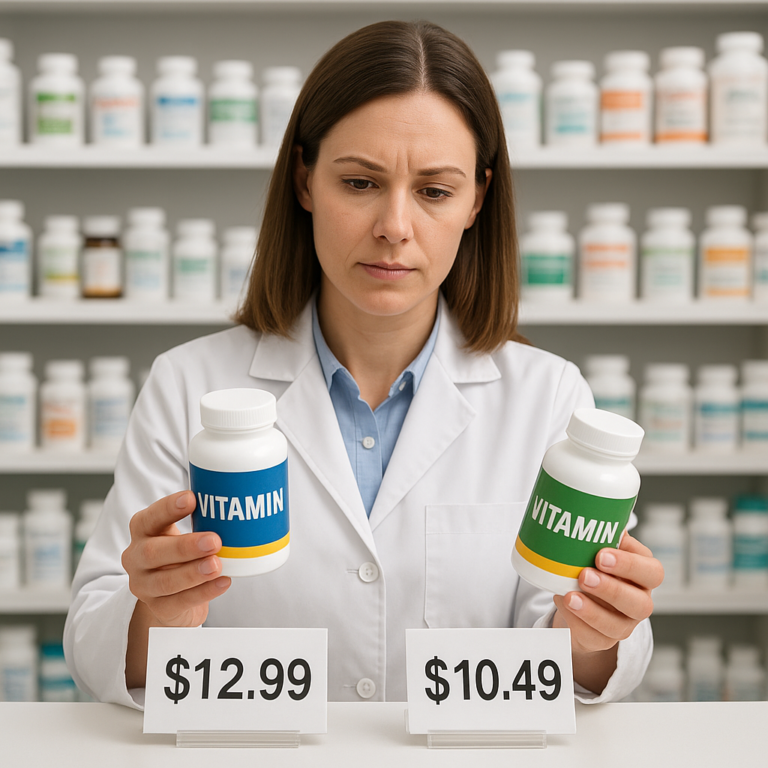
So, you’re standing in the supplement aisle, staring at two bottles. One says “Vitamin A (as Retinyl Palmitate)” and the other “Vitamin A (as Beta-Carotene).” Which one do you choose? It’s the ultimate showdown!
| Feature | Preformed Vitamin A (Retinol) | Provitamin A (Beta-Carotene) |
|---|---|---|
| Source | Animal products, fish liver oil, synthetic | Fruits, vegetables, algae |
| Form | Retinyl Palmitate, Retinyl Acetate | Beta-Carotene, Alpha-Carotene |
| Absorption | Directly usable by the body | Must be converted to retinol by the body |
| Toxicity Risk | High. Exceeding the UL (10,000 IU) can lead to toxicity. | Very Low. The body only converts what it needs. |
| Best For… | Correcting a diagnosed deficiency quickly (under doctor’s care). | Safe, long-term daily supplementation; vegans/vegetarians. |
| Side Effect | Overdose can cause hair loss, dizziness, liver damage. | High intake can cause carotenemia (harmless orange skin). |
Our Take: For the average person looking for a daily supplement to fill nutritional gaps, beta-carotene is the hands-down winner for safety. It’s like having a smart reservoir of Vitamin A that your body taps into as needed. Preformed Vitamin A supplements, especially high-dose ones, are more like a prescription—powerful, effective for specific issues, but require professional guidance.
🛡️ Safety First: Potential Side Effects and Toxicity of Vitamin A Tablets
We can’t stress this enough: more is not always better, especially with fat-soluble vitamins. One of our longtime clients, a woman in her late 20s, once came to us in a panic about sudden, unexplained hair thinning. After a long chat, we discovered she had been taking a high-dose preformed Vitamin A supplement (25,000 IU) daily for months, thinking it would give her “extra” skin benefits.
This is a classic sign of hypervitaminosis A. As one study on micronutrients and hair loss notes, “Consuming too much or over-supplementing vitamin A can cause hair loss.” The study even cites a case study of a 28-year-old woman whose hair loss resolved after she stopped taking 5,000 IU of vitamin A daily.
Symptoms of Acute vs. Chronic Toxicity
- Acute Toxicity (from a single, massive dose):
- Nausea and vomiting
- Dizziness and blurred vision
- Headache
- Chronic Toxicity (from long-term overuse):
- Dry, rough skin
- Hair loss
- Cracked lips
- Liver damage
- Bone and joint pain
The Bottom Line: Stick to the recommended daily allowances and always consult your healthcare provider before taking high-dose supplements. If you’re a smoker, be aware that some research has linked high-dose beta-carotene supplementation to an increased risk of lung cancer.
🌱 Natural vs. Synthetic Vitamin A: What’s Best for You?
The “natural vs. synthetic” debate is a hot topic in the world of Health Supplements. Let’s clear the air.
- Natural Vitamin A:
- Preformed: Sourced from fish liver oil.
- Provitamin: Sourced from plants like carrots or algae like Dunaliella salina.
- Synthetic Vitamin A:
- Preformed: Created in a lab as retinyl palmitate or retinyl acetate. These are chemically identical to their natural counterparts and are what you’ll find in most fortified foods and many supplements.
So, does it matter? For preformed Vitamin A, the body uses the natural and synthetic forms in the same way. The key difference often lies in the accompanying compounds. For example, fish liver oil also provides Vitamin D and omega-3 fatty acids.
When it comes to supplements, the form (retinol vs. beta-carotene) is far more important than the source (natural vs. synthetic). However, some people feel more comfortable with whole-food-based supplements like those from Garden of Life, which provide nutrients in a format closer to how you’d find them in nature.
This reminds us of the discussion in the #featured-video above, where Dr. Janine Bowring explains the difference between synthetic folic acid and natural folate. She advises you should “NEVER take” the synthetic version. While the case for Vitamin A isn’t as clear-cut, it highlights the importance of understanding what’s in your supplements. It’s always a good idea to look for supplements with minimal fillers and additives.
🧠 How Vitamin A Supports Vision, Immunity, and Skin Health
We’ve touched on the “what,” but let’s dive into the “how.” How does this one little vitamin wear so many hats?
For Your Eyes Only 👁️
Imagine your eye is a camera. Vitamin A (as retinal) combines with a protein called opsin to create rhodopsin, the “film” in the rods of your retina. When light hits rhodopsin, it triggers a signal to your brain, allowing you to see. In low light, you need to regenerate this rhodopsin constantly. Without enough Vitamin A, this process breaks down, leading to night blindness.
Your Immune System’s Bodyguard 💪
Vitamin A is a master regulator of the immune system. It helps produce and mature key immune cells like lymphocytes. It also ensures the mucosal linings in your respiratory and digestive tracts stay healthy and strong. Think of these linings as the castle walls; if they’re weak, invaders (pathogens) can get in easily.
The Secret to Great Skin ✨
Your skin is in a constant state of renewal, and Vitamin A is the foreman of the construction site. It stimulates fibroblasts—the cells responsible for developing tissue that keeps skin firm and healthy in the deep layers of your skin. This is why topical retinoids are so effective at promoting cell turnover, unclogging pores, and boosting collagen production. Taking it internally helps support this process from the inside out, which is why it’s a key ingredient in many supplements for the Best Vitamins for Women looking for that healthy glow.
🥕 Food Sources vs. Supplements: Getting Your Vitamin A the Right Way
At Vitamin Brands™, we’re huge proponents of a “food first” philosophy. Can you get enough Vitamin A from your diet alone? Absolutely!
| Food Source | Type of Vitamin A | Amount per Serving |
|---|---|---|
| Beef Liver (3 oz, cooked) | Preformed | 6,582 mcg RAE (Over 700% DV) |
| Sweet Potato (1 whole, baked) | Provitamin | 1,403 mcg RAE (156% DV) |
| Spinach (1/2 cup, boiled) | Provitamin | 573 mcg RAE (64% DV) |
| Carrots (1/2 cup, raw) | Provitamin | 459 mcg RAE (51% DV) |
| Ricotta Cheese (1 cup) | Preformed | 263 mcg RAE (29% DV) |
So, when are supplements necessary?
- ✅ For individuals with diagnosed deficiencies.
- ✅ For those with malabsorption conditions like celiac or Crohn’s disease.
- ✅ For people on highly restrictive diets that lack sources of Vitamin A.
- ✅ As a convenient way to ensure you’re meeting your needs, especially with safer beta-carotene forms.
Supplements are just that—a supplement to a healthy diet, not a replacement for one. A good Multivitamin Supplement can also be a great way to cover your bases.
📊 Consumer Insights: What Real Users Say About Their Vitamin A Experiences
We love digging through reviews to see what real people are experiencing. Here are the common themes we’ve found:
- The Good: Many users taking Vitamin A for skin health report positive results, noting improvements in acne and overall skin clarity. One user of NOW Foods Vitamin A mentioned, “This has been a game-changer for my cystic acne. I take one 10,000 IU softgel a day with dinner, and my skin has never been clearer.”
- The Cautious: Experienced supplement users often highlight the importance of dosage. A review for a 25,000 IU product read, “This is a powerful dose. I only take it a few times a week as recommended by my naturopath. Definitely not for everyday use unless you know what you’re doing.”
- The Beta-Carotene Fans: People who opt for beta-carotene supplements, like Garden of Life’s, often praise the peace of mind it offers. “I love that I don’t have to worry about toxicity with this. My skin has a healthy glow, and I feel great knowing it’s from a whole-food source.”
- The Dry Form Advantage: Users who have trouble with oil-based softgels frequently recommend Solgar’s Dry Vitamin A tablets, finding them much easier on their digestive system.
💡 Expert Tips: Maximizing Absorption and Effectiveness of Vitamin A Tablets
Want to get the most bang for your buck from your Vitamin A supplement? Here are our team’s top tips:
- Pair it with Fat: We can’t say it enough! Take your Vitamin A tablet (whether it’s a softgel or a dry tablet) with a meal that contains healthy fats. This could be avocado, nuts, seeds, olive oil, or fatty fish.
- Zinc is a Key Partner: Zinc is required to transport Vitamin A from your liver to the rest of your body. If you’re low in zinc, your Vitamin A might not be able to do its job effectively. Ensure your diet is rich in zinc (from sources like meat, shellfish, legumes, and seeds) or consider a zinc supplement.
- Store it Properly: Keep your supplements in a cool, dark, and dry place. Light and heat can degrade Vitamin A over time, reducing its potency.
- Don’t Overdo the Alcohol: Chronic alcohol consumption can deplete Vitamin A stores in the liver and interfere with its metabolism.
- Listen to Your Body: Pay attention to any new symptoms after starting a supplement. If you experience persistent headaches, dry skin, or hair thinning, stop taking the supplement and consult your doctor.
🔗 Interactions: Vitamin A Tablets and Other Medications or Nutrients
Vitamin A doesn’t always play well with others. It’s crucial to be aware of potential interactions, especially if you’re taking prescription medications.
- Orlistat (Alli, Xenical): This weight-loss drug can decrease the absorption of fat-soluble vitamins, including Vitamin A. It’s often recommended to take vitamins at least 2 hours before or after taking Orlistat.
- Retinoids (Accutane, Soriatane): These acne and psoriasis medications are synthetic forms of Vitamin A. Taking additional Vitamin A supplements with them can dramatically increase the risk of toxicity. ❌ This is a dangerous combination.
- Hepatotoxic Drugs (drugs that can harm the liver): Since high doses of Vitamin A can also be hard on the liver, combining them with other drugs that affect the liver (like high doses of acetaminophen) could increase the risk of liver damage.
- Warfarin (Coumadin): High doses of Vitamin A can increase the risk of bleeding in people taking this blood thinner.
Always, always, always discuss your supplement regimen with your doctor or pharmacist to check for potential interactions with your medications.
🌍 Global Perspectives: Vitamin A Deficiency and Supplementation Programs Worldwide
While we in developed nations often worry about too much Vitamin A, deficiency is a major public health problem in many parts of the world, particularly in Africa and Southeast Asia.
Vitamin A deficiency (VAD) is the leading cause of preventable blindness in children. It also severely weakens the immune system, increasing the risk of death from common childhood illnesses like measles and diarrhea.
Organizations like UNICEF and the World Health Organization have implemented large-scale, high-dose Vitamin A supplementation programs for children in at-risk countries. These programs have been incredibly successful, saving hundreds of thousands of lives each year. It’s a powerful reminder of how essential this nutrient is for basic health and survival and puts our debates about 10,000 IU vs. 25,000 IU into perspective.
🛒 Where to Buy: Trusted Retailers and Online Stores for Vitamin A Supplements
Ready to make a purchase? It’s important to buy from reputable sources to ensure you’re getting a quality product that hasn’t been improperly stored or expired.
- Online Retailers:
- Amazon: Offers a vast selection and user reviews, but be sure to buy directly from the brand’s official storefront or “shipped and sold by Amazon” to avoid third-party counterfeits.
- iHerb: A popular online health store known for its fresh inventory and global shipping.
- Thrive Market: A membership-based online market that focuses on natural and organic products.
- Direct from the Brand: Buying directly from the manufacturer’s website (like Thorne, NOW Foods, or Garden of Life) is often the safest bet to guarantee authenticity.
- Brick-and-Mortar Stores:
- The Vitamin Shoppe & GNC: Specialty stores with knowledgeable staff who can offer guidance.
- Whole Foods Market: A great source for high-quality, whole-food-based supplements.
- Local Pharmacies & Health Food Stores: Don’t forget to support your local businesses!
No matter where you shop, always check the expiration date and ensure the safety seal is intact.
📚 Recommended Links for Further Reading on Vitamin A and Health
Want to geek out even more? We love that! Here are some high-quality resources our team trusts for diving deeper into the science of Vitamin A.
- National Institutes of Health (NIH) Office of Dietary Supplements – Vitamin A Fact Sheet for Health Professionals: The ultimate detailed guide on Vitamin A, from sources and RDAs to deficiency and health risks.
- Linus Pauling Institute at Oregon State University – Vitamin A Article: An in-depth look at the function and metabolism of Vitamin A.
- World Health Organization (WHO) – Micronutrient Deficiencies: Learn more about the global impact of Vitamin A deficiency and international health initiatives.
📖 Reference Links and Scientific Studies Supporting Vitamin A Use
We base our advice on solid evidence. Here are some of the key studies and sources that inform our recommendations and the content of this article.
- The role of vitamins and minerals in hair loss: a review. A comprehensive review that discusses the link between hypervitaminosis A and hair loss. https://www.ncbi.nlm.nih.gov/pmc/articles/PMC6380979/
- Vitamin A. The NIH fact sheet providing detailed information on recommended intakes, sources, and health implications. https://ods.od.nih.gov/factsheets/VitaminA-HealthProfessional/
- Vitamin D. While not about Vitamin A, this NIH fact sheet provides a great example of how micronutrients are assessed and the importance of understanding Tolerable Upper Intake Levels. https://ods.od.nih.gov/factsheets/VitaminD-HealthProfessional/
- Vitamin B12 in Foods, Food Supplements, and Medicines—A Review of Its Role and Properties and Stability. This review, while focused on B12, provides excellent insight into supplement stability, manufacturing practices (like overages), and the differences between various chemical forms of a vitamin. https://www.ncbi.nlm.nih.gov/pmc/articles/PMC9822362/
🎯 Conclusion: Our Final Verdict on Vitamin A Tablets and Your Health Journey

After our deep dive into the world of Vitamin A tablets, it’s clear that this vitamin is a true multitasker—supporting vision, immunity, skin health, and more. But like any powerful nutrient, it demands respect and careful dosing.
Positives of Vitamin A Tablets:
- Effective delivery of essential vitamin A, especially in preformed retinol forms for those with deficiencies.
- Wide variety of formulations to suit different preferences: softgels, dry tablets, and whole-food-based beta-carotene options.
- Convenient supplementation for those unable to meet needs through diet alone.
- Trusted brands like NOW Foods, Thorne Research, and Garden of Life offer high-quality, tested products.
Negatives to Consider:
- Risk of toxicity with high-dose preformed Vitamin A supplements, especially doses exceeding 10,000 IU daily.
- Potential interactions with medications and other nutrients.
- Variability in absorption depending on the form (retinol vs. beta-carotene) and individual metabolism.
- Not a substitute for a balanced diet, which remains the best source of Vitamin A.
Our Recommendation
For most people, especially those seeking a safe daily supplement, beta-carotene-based Vitamin A tablets like Garden of Life’s Vitamin Code Raw Vitamin A provide a gentle, natural source with minimal risk of toxicity. If you have a diagnosed deficiency or specific health condition, preformed Vitamin A supplements from reputable brands like NOW Foods or Thorne Research can be effective but should be used under medical supervision.
Remember, balance is key. Taking Vitamin A responsibly, alongside a nutrient-rich diet, will help you harness its benefits without the risks. And if you ever experience symptoms like hair loss or skin changes after starting a supplement, don’t hesitate to consult your healthcare provider.
So, next time you’re in the supplement aisle, you’ll know exactly what to look for—and what to avoid. Ready to glow from the inside out? Your Vitamin A journey starts here!
📚 Recommended Links for Further Reading and Shopping
Ready to shop or learn more? Here are some trusted places to find the Vitamin A supplements we reviewed, plus a couple of excellent books to deepen your knowledge.
Shop Vitamin A Supplements:
-
NOW Foods Vitamin A:
Amazon | Walmart | NOW Foods Official Website -
Solgar Dry Vitamin A:
Amazon | Walmart | Solgar Official Website -
Thorne Research Vitamin A:
Amazon | Thorne Official Website -
Garden of Life Vitamin Code Raw Vitamin A:
Amazon | Walmart | Garden of Life Official Website -
Bronson Vitamin A:
Amazon | Walmart | Bronson Vitamins Official Website
Recommended Books:
-
“Vitamin A and Carotenoids: Chemistry, Analysis, Function and Effects” by John W. Erdman Jr., Steven J. Schwartz, and Sherry A. Tanumihardjo — A comprehensive resource on Vitamin A science and nutrition.
Amazon Link -
“The Vitamin A Story: Lifting the Shadow of Death” by Alfred Sommer — A fascinating historical and scientific account of Vitamin A’s impact on global health.
Amazon Link
❓ Frequently Asked Questions (FAQ)

What are the best vitamin A tablets for skin health?
For skin health, both preformed Vitamin A (retinol) and beta-carotene can be beneficial. Preformed Vitamin A is the active form and directly supports skin cell turnover and collagen production. Brands like NOW Foods and Thorne Research offer potent retinyl palmitate supplements that many users report help with skin clarity and texture.
However, beta-carotene supplements such as Garden of Life Vitamin Code Raw Vitamin A provide a safer, natural alternative with a lower risk of toxicity and still support skin health indirectly by supplying the body with Vitamin A as needed.
Tip: For topical skin benefits, consult a dermatologist about retinoid creams, and for internal support, pair supplements with a healthy diet rich in Vitamin A-containing foods.
Read more about “What Are the 10 Best Vitamin A Brands in 2025? 🌟 Expert Picks & Reviews”
How do vitamin A tablets compare to natural sources of vitamin A?
Vitamin A tablets provide a concentrated and convenient source of Vitamin A, often in doses higher than what you’d typically get from food. Natural food sources like liver, sweet potatoes, and carrots offer Vitamin A in forms that come with additional nutrients and fiber, which supplements lack.
Natural sources provide Vitamin A in a balanced matrix, reducing the risk of toxicity and promoting better absorption through synergistic nutrients. Supplements are ideal when dietary intake is insufficient or when specific health conditions impair absorption.
In summary, food first, supplements second is the best approach. Supplements are a helpful safety net but not a substitute for a varied diet.
Read more about “What Is the Difference Between Synthetic and Natural Vitamin A? 🌿💊 (2025)”
Are there any side effects of taking vitamin A supplements regularly?
Yes, especially if you take high doses of preformed Vitamin A regularly. Side effects can include:
- Hair thinning or hair loss
- Dry, itchy skin
- Headaches and dizziness
- Liver damage with prolonged excessive intake
- Birth defects if taken in excess during pregnancy
Beta-carotene supplements have a much lower risk of side effects but can cause harmless carotenemia, a yellow-orange discoloration of the skin.
Always adhere to recommended dosages and consult your healthcare provider before starting supplementation, especially if pregnant, nursing, or on medications.
Read more about “💊 Top 15 Best Selling Supplements to Try in 2025”
Which vitamin A supplements have the highest bioavailability?
Preformed Vitamin A (retinol, retinyl palmitate) supplements generally have the highest bioavailability because they are the active form your body can use immediately. Brands like Thorne Research and NOW Foods provide high-quality retinyl palmitate supplements with excellent absorption profiles.
Beta-carotene supplements require conversion by the body, and bioavailability can vary based on individual factors such as genetics, gut health, and dietary fat intake.
To maximize absorption, take Vitamin A supplements with a fat-containing meal and consider your overall nutritional status, especially zinc levels, which influence Vitamin A metabolism.
Read more about “Top 10 Nutritional Supplement Brands in the World (2025) 🌟”
How can I avoid vitamin A toxicity while supplementing?
- Stick to the Tolerable Upper Intake Level (UL) of 3,000 mcg RAE (10,000 IU) for preformed Vitamin A daily unless supervised by a healthcare professional.
- Prefer beta-carotene supplements for long-term use, as the body regulates conversion to active Vitamin A.
- Avoid combining high-dose Vitamin A supplements with retinoid medications.
- Monitor for symptoms such as headache, dizziness, or hair loss, and consult your doctor if they occur.
- Pregnant women should be especially cautious due to teratogenic risks.
Can vitamin A supplements help with hair loss?
Vitamin A is essential for healthy hair growth, but too much can cause hair loss (hypervitaminosis A). If you suspect hair loss related to Vitamin A, it’s important to check your supplement dosage and consult a healthcare provider.
According to a review published in PMC on the role of vitamins and minerals in hair loss, both deficiency and excess of Vitamin A can negatively affect hair health. Balance is key!
Read more about “The Most Tested Supplement in the World: Unveiling the Science Behind Creatine … 🏆”
📖 Reference Links and Scientific Studies Supporting Vitamin A Use
-
National Institutes of Health (NIH) Office of Dietary Supplements – Vitamin A Fact Sheet:
https://ods.od.nih.gov/factsheets/VitaminA-HealthProfessional/ -
Linus Pauling Institute – Vitamin A Overview:
https://lpi.oregonstate.edu/mic/vitamins/vitamin-A -
The Role of Vitamins and Minerals in Hair Loss: A Review – PMC:
https://pmc.ncbi.nlm.nih.gov/articles/PMC6380979/ -
World Health Organization (WHO) – Micronutrient Deficiencies:
https://www.who.int/health-topics/micronutrients -
NOW Foods Official Website:
https://www.nowfoods.com/ -
Thorne Research Official Website:
https://www.thorne.com/ -
Garden of Life Official Website:
https://www.gardenoflife.com/ -
Solgar Official Website:
https://www.solgar.com/ -
Bronson Vitamins Official Website:
https://www.bronsonvitamins.com/
Thanks for joining us on this Vitamin A adventure! Stay curious, stay healthy, and remember—your wellness journey is a marathon, not a sprint. 🌟