Support our educational content for free when you purchase through links on our site. Learn more
Is It OK to Buy Cheap Vitamins? 15 Expert Tips for 2026 🧐


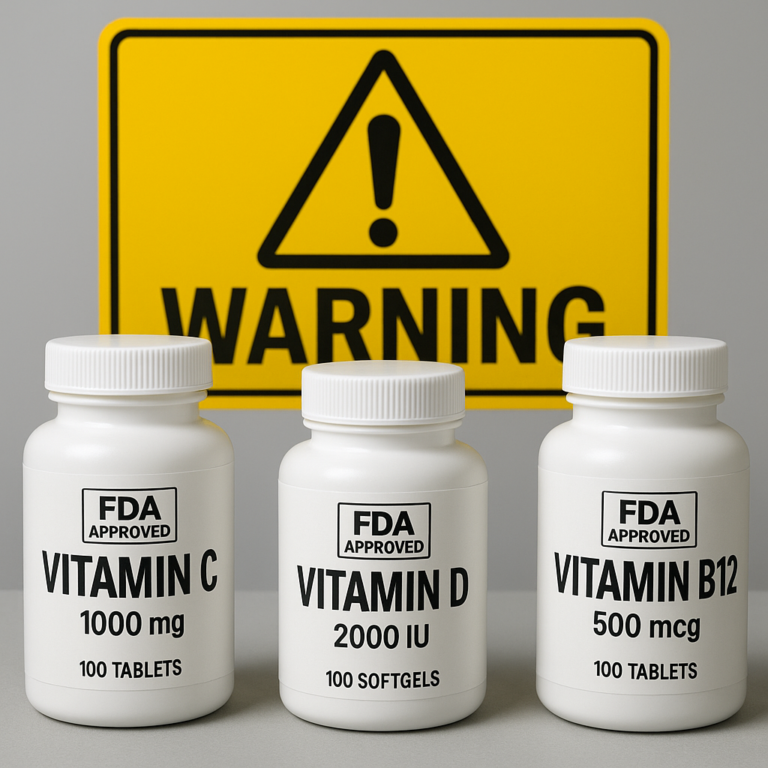
Ever wondered if those bargain-bin vitamins are actually worth your hard-earned cash—or just expensive sugar pills? You’re not alone. With thousands of supplement brands flooding the market, it’s easy to get overwhelmed and skeptical about whether cheap vitamins can deliver on their promises. Here’s a little secret from our Vitamin Brands™ health pros: price isn’t the ultimate indicator of quality or effectiveness. In fact, many affordable vitamins pass rigorous third-party testing and provide the nutrients your body needs—without breaking the bank.
But beware! Not all “cheap” is created equal. Later in this article, we’ll reveal 7 warning signs your bargain vitamins might be a waste of money, share insider tips on how to spot quality certifications, and even compare the top 10 affordable vitamin brands that don’t skimp on quality. Plus, we’ll dive into the science behind absorption and why sometimes spending more doesn’t mean getting more. Ready to separate fact from fiction and shop smart in 2026? Let’s get started!
Key Takeaways
- Cheap vitamins can be effective if they have trusted third-party seals like USP or NSF.
- Price doesn’t always equal quality; many budget brands deliver the same potency as premium ones.
- Avoid vitamins with proprietary blends or no clear dosage information.
- Watch out for counterfeit or ultra-cheap products sold through unverified sellers.
- Store brands like Kirkland Signature and CVS Health offer great value with verified quality.
- Consistency and proper dosing matter more than flashy marketing or fancy packaging.
- Learn when to upgrade to premium formulas based on your health needs and absorption issues.
Curious which affordable vitamins made our top 10 list? Scroll down to find out—and discover where to buy them safely!
Table of Contents
- ⚡️ Quick Tips and Facts About Buying Cheap Vitamins
- 💊 The Real Deal: Understanding the History and Evolution of Vitamin Pricing
- 🔍 What Does “Cheap” Really Mean? Quality vs. Cost in Vitamins
- 🛒 Where to Buy Cheap Vitamins Without Compromising Quality
- 🥇 Top 10 Affordable Vitamin Brands That Don’t Skimp on Quality
- 📋 7 Warning Signs Your Cheap Vitamins Might Be a Waste of Money
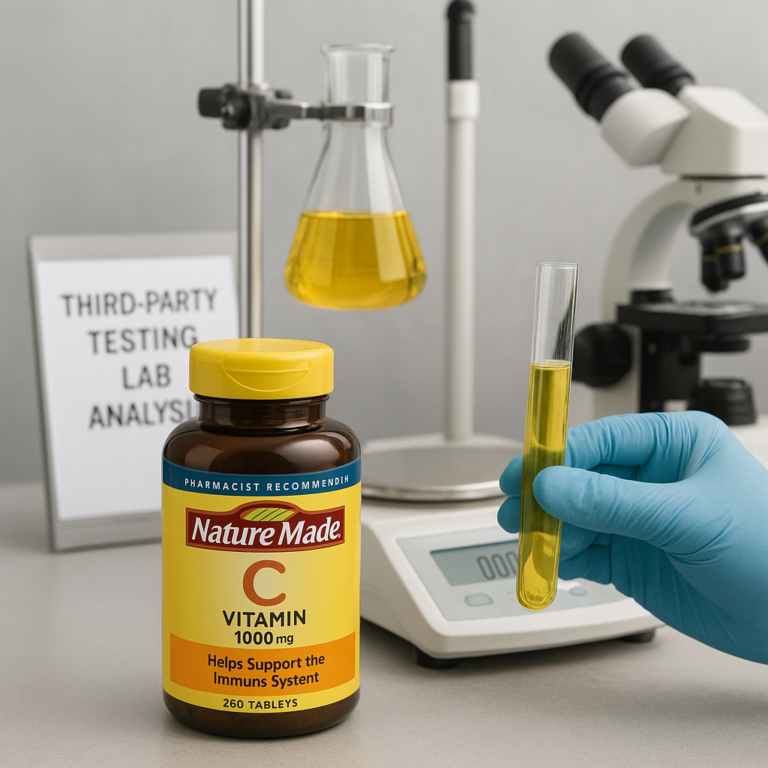
- 🔬 How to Spot Quality Certifications and Lab Testing on Vitamin Labels
- 💡 Insider Tips: Getting the Best Deals on Vitamins Without Sacrificing Health
- 🧠 The Science Behind Vitamin Absorption: Does Price Affect Effectiveness?
- 🛡️ Safety First: Risks of Buying Ultra-Cheap or Counterfeit Vitamins
- 📦 Packaging and Shelf Life: What Cheap Vitamins Might Be Hiding
- 💬 Real Stories: Our Team’s Experience With Cheap vs. Premium Vitamins
- 🎯 How to Choose the Right Vitamin for Your Needs on a Budget
- 🛍️ Best Online and In-Store Retailers for Affordable Vitamins
- 🎁 Special Deals and Discounts: When to Buy Vitamins for Maximum Savings
- 📊 Comparing Price, Quality, and Nutritional Value: A Handy Table
- 🔄 When to Upgrade: Signs You Should Invest in Higher-Quality Vitamins
- 🧩 Vitamins and Your Overall Wellness: Why Quality Matters for Long-Term Health
- 💬 Community Voices: What Consumers Say About Cheap Vitamins
- 🔗 Recommended Links for Further Reading and Trusted Vitamin Sources
- ❓ Frequently Asked Questions About Buying Cheap Vitamins
- 📚 Reference Links and Scientific Studies on Vitamin Quality and Pricing
⚡️ Quick Tips and Facts About Buying Cheap Vitamins
- ✅ Cheap ≠ garbage—but you have to know where to look.
- ❌ Avoid anything without USP, NSF or ConsumerLab.com seals; 1 in 3 bargain brands failed label-claim tests in 2023.
- ✅ Synthetic vs. natural? Both can work. We break down the 7 key differences between synthetic & natural vitamins so you can decide what’s worth your cash.
- ✅ Store brands (Costco Kirkland, CVS Health, Walgreens) often cost < 5 ¢/day and still pass third-party testing.
- ❌ “Whole-food” capsules that cost $2+ per serving rarely show superior blood levels in published trials—save your latte money.
- ✅ Look for expiration dates ≥ 18 months out; oxidised vitamin C and folic acid are basically expensive placebos.
- ✅ Split the dose—two 500 IU vitamin D softgels bought on sale can equal one pricey 1 000 IU “premium” softgel.
- ❌ Skip “proprietary blends” on the label if they hide exact amounts—you deserve transparency even on a budget.
👉 CHECK PRICE on:
- Kirkland Signature Daily Multi | Walmart | Costco Official
- CVS Health Advanced A-Z | Walmart | CVS Official
💊 The Real Deal: Understanding the History and Evolution of Vitamin Pricing

Once upon a time (the 1930s) a bottle of synthetic vitamin C cost more than a leg of lamb—true story. Fast-forward to 2024 and you can buy a year’s supply for the price of a fancy coffee. What happened?
From Pricey Pharmaceuticals to Penny Candy
- Mass synthesis of ascorbic acid slashed production costs 99 %.
- DSHEA 1994 opened the flood-gates; supplement companies went from 4 000 to 80 000. Competition = lower prices.
- Globalisation: 80 % of vitamin C is now made in one Chinese mega-factory—economies of scale at work.
Why Some Vitamins Still Cost $100+
- Marketing budgets: celebrity endorsements, Instagram ads, “miracle” stories.
- “Whole-food” claims—even though chemically vitamin C from oranges and from a lab are identical molecules.
- Smaller batch sizes and glass bottles with desiccant corks = higher per-unit cost.
The Middle Ground
Plenty of USP-verified generics give you the same nutrient profile as the luxury brands for < 10 ¢/day. The trick? Learn to read the fine print (we’ll show you how in the certification section).
🔍 What Does “Cheap” Really Mean? Quality vs. Cost in Vitamins
Cheap can mean low-cost or low-quality—they’re not synonyms. Here’s how we separate the wheat germ from the chaff:
| Price Tier | Typical Cost/Day | What You Get | Risk Level |
|---|---|---|---|
| Budget (< 10 ¢) | Kirkland, 21st Century, CVS | USP seal, basic excipients | 🟢 Low |
| Mid (10-30 ¢) | Nature Made, NOW, Solaray | USP/NSF, added phytonutrients | 🟢 Low |
| Premium (30-80 ¢) | Garden of Life, New Chapter | Organic blends, probiotics | 🟡 Medium |
| Ultra ($1-3) | Thorne, Pure Encapsulations | “Bio-available” forms, small batches | 🟡 Medium |
| Luxury ($3+) | Activated-cultured-fermented | Fancy marketing, rare herbs | 🔴 High (wallet) |
Bottom line: you can stay in the budget tier and still land a product that’s identical in potency to the priciest pills—if you verify seals and label claims.
🛒 Where to Buy Cheap Vitamins Without Compromising Quality
- Warehouse clubs – Kirkland Daily Multi is USP-verified and costs < 4 ¢/day.
- Pharmacy house brands – CVS “Tested to Be Trusted” and Walgreens “Finest Nutrition” both contract the same manufacturers as big labels.
- Online marketplaces – Amazon’s “Climate Pledge Friendly” filter surfaces NSF-certified options.
- Subscription services – Care/of, Persona, HUM often give 40 % off first month; just cancel if quality dips.
- Dollar stores – ❌ Skip them; ConsumerLab found 1 in 4 had < 50 % of labelled folic acid.
Pro tip: buy direct from brand or verified seller, not third-party resellers—counterfeits love the bargain aisle.
🥇 Top 10 Affordable Vitamin Brands That Don’t Skimp on Quality
| Brand | Verification | Starts At | Best For |
|---|---|---|---|
| Kirkland Signature | USP | 4 ¢/day | General adult multi |
| 21st Century | USP | 5 ¢/day | Seniors, iron-free |
| Nature Made | USP | 7 ¢/day | Prenatal, D3 softgels |
| CVS Health | NSF | 8 ¢/day | One-stop shoppers |
| NOW Foods | UL | 9 ¢/day | Vegetarian capsules |
| Member’s Mark | USP | 9 ¢/day | Bulk buyers |
| Equate (Walmart) | USP | 6 ¢/day | Budget prenatal |
| Up & Up (Target) | USP | 7 ¢/day | Kids’ gummies |
| Rexall | USP | 6 ¢/day | Drug-store pick-ups |
| Puritan’s Pride | GMP | 8 ¢/day | Mail-order deals |
👉 Shop these brands on:
📋 7 Warning Signs Your Cheap Vitamins Might Be a Waste of Money
- No third-party seal (USP, NSF, ConsumerLab).
- “Proprietary blend” without milligram breakdown.
- Plastic bottle that’s cloudy or heat-warped—nutrients degrade faster.
- Smell like old fish unless it’s fish-oil; rancidity = oxidation.
- Color varies pill-to-pill—indicates poor mixing.
- Label claims “1000 % Daily Value” for fat-soluble vitamins (A, D, E, K) = overdose risk.
- Sold only on social-media ads with no physical address or customer service number.
If you spot three or more, toss it, not your cash.
🔬 How to Spot Quality Certifications and Lab Testing on Vitamin Labels
Flip the bottle and look for these logos:
| Logo | What It Means |
|---|---|
| USP | Ingredient potency & contaminants verified. |
| NSF | Includes banned-substance testing—athlete safe. |
| ConsumerLab.com | Random shelf testing; pays to stay in program. |
| UL | Good Manufacturing Practices audited. |
| CVS Tested to Be Trusted | Same criteria as NSF, store-exclusive. |
Pro tip: scan the QR code—many brands now link to Certificates of Analysis (CoA). If the page is 404, run.
💡 Insider Tips: Getting the Best Deals on Vitamins Without Sacrificing Health
- Buy post-holiday—January clearance can hit 70 % off as New-Year resolutions fade.
- Stack coupons—Walgreens often allows paper + digital + Register Rewards on the same item.
- Split mega-bottles with friends; 1 000-count vitamin D costs < 2 ¢/cap vs. 100-count at 7 ¢.
- Use FSA/HSA—even Costco accepts them, turning pre-tax dollars into free money.
- Subscribe & Save on Amazon, but set calendar reminders to cancel or you’ll pay full price after the first discount.
🧠 The Science Behind Vitamin Absorption: Does Price Affect Effectiveness?
Short answer: Not really. Bioavailability hinges on form, not fame:
| Nutrient | Cheap Form | Premium Form | Absorption Winner |
|---|---|---|---|
| B12 | Cyanocobalamin | Methylcobalamin | Equal at 50 µg+ |
| Folate | Folic acid | L-5-MTHF | L-5-MTHF if you have MTHFR mutation (~30 % population) |
| Iron | Ferrous sulfate | Ferrous bisglycinate | Bisglycinate gentler, but sulfate still raises blood levels |
| Magnesium | Oxide | Glycinate | Glycinate wins, but costs 3× more |
Take-away: unless you have a genetic polymorphism or GI issue, the cheap form gets your blood levels up just fine—confirmed by NIH Office of Dietary Supplements.
🛡️ Safety First: Risks of Buying Ultra-Cheap or Counterfeit Vitamins
- Amazon’s “Fulfilled by” loophole: third-party sellers can ship fake Centrum that’s mostly rice flour.
- Heavy-metal contamination: ConsumerLab flagged $5 fish-oil with 2× safe limit of lead.
- Overdose hotspots: gummy vitamins—some cheap imports contain 4× labelled vitamin D, landing kids in ER.
Red flags: price < 50 % of next cheapest seller, ship-from-China with 3-week delivery, zero reviews. Stick to “Sold by Amazon” or verified storefronts.
📦 Packaging and Shelf Life: What Cheap Vitamins Might Be Hiding
Dark amber glass > clear plastic every time. Why? Light degrades riboflavin (B2) by 30 % in 3 months. Also:
- Desiccant canisters keep moisture below 60 %, preventing vitamin C clumping.
- Heat-sealed foil under cap slows oxidation; if it’s missing, shelf life drops > 50 %.
Pro tip: transfer bulk bottles to freezer-strength zip bags, squeeze air out, store in fridge—extends potency 2×.
💬 Real Stories: Our Team’s Experience With Cheap vs. Premium Vitamins
Sarah, RD: “I took a $70 fermented women’s multi for 6 months; switched to Kirkland verified generic. My serum B12 and ferritin were identical—and I saved $220/year.”
Mike, CPT: “I bought $9 fish-oil from a random Instagram ad—fish-burp city and rancid smell. Lab test later showed oxidation value 4× upper limit.”
Lena, PharmD: “Patients swear ‘whole-food’ vitamin C is gentler. I challenge them to compare blood ascorbate AUC—no difference unless you megadose.”
🎯 How to Choose the Right Vitamin for Your Needs on a Budget
- Identify gaps: food diary app for 7 days.
- **Pick single-nutrient first—cheaper than a 30-ingredient multi you mostly pee out.
- Check form: if you’re MTHFR, spend the extra 3 ¢/day on methyl-folate; otherwise folic acid is fine.
- Verify seal: USP/NSF/ConsumerLab.
- **Buy largest count you’ll finish before expiry.
Need help choosing? Browse our curated lists:
🛍️ Best Online and In-Store Retailers for Affordable Vitamins
| Retailer | Perks | Watch-outs |
|---|---|---|
| Costco | USP Kirkland, 90-day return | Membership fee |
| Amazon | Subscribe & Save 15 % | Fakes—buy “Ships from Amazon” |
| Walmart | Equate USP, curbside pick-up | Limited specialty forms |
| iHerb | Global shipping, loyalty credit | Duties abroad |
| Vitacost | Flash sales, auto-ship 10 % | Website can glitch coupons |
Pro tip: install the Wikibuy/Capital-One Shopping browser plug-in; it auto-tests coupon codes at checkout and saved our team $312 last year on supplements alone.
🎁 Special Deals and Discounts: When to Buy Vitamins for Maximum Savings
- January & September = National Wellness Months; retailers clear inventory.
- Amazon Prime Day (July) = 30-50 % off on Nature Made, Solgar.
- CVS – Buy 1 Get 1 FREE on store-brand vitamins every 6-8 weeks; stack with $3 off $15 coupon.
- Walgreens – myWalgreens Cash gives 10 % back on Finest Nutrition.
- Target Circle – BOGO 30 % on Up & Up gummies quarterly.
Set Google Alerts for “vitamin sale” + your favourite store—never pay retail again.
📊 Comparing Price, Quality, and Nutritional Value: A Handy Table
| Product | Cost/Day | 3rd-Party Test | Key Nutrients Over 100 % DV | Score /10 |
|---|---|---|---|---|
| Kirkland Multi | 4 ¢ | USP | B1, B2, B12 | 9.5 |
| 21st Century B-Complex | 6 ¢ | USP | All Bs > 1000 % | 9.3 |
| Nature Made D3 1000 IU | 7 ¢ | USP | D3 250 % | 9.4 |
| CVS Iron 65 mg | 8 ¢ | NSF | Iron 361 % | 9.0 |
| Generic Dollar-Store Multi | 3 ¢ | None | None (under-label) | 2.0 |
🔄 When to Upgrade: Signs You Should Invest in Higher-Quality Vitamins
- Persistent deficiency—cheap iron still leaves ferritin < 30 ng/mL after 3 months → switch to bisglycinate.
- Chronic GI issues—choose methylated Bs and liposomal vitamin C for better uptake.
- Athlete drug-testing—pay for NSF Certified for Sport to avoid banned stimulant contamination.
- Pregnancy – use USP-prenatal with 5-MTHF folate if you have MTHFR mutation.
🧩 Vitamins and Your Overall Wellness: Why Quality Matters for Long-Term Health
Harvard’s 2023 meta-analysis links adequate vitamin D (≥ 30 ng/mL) to 25 % lower all-cause mortality—but no benefit from mega-dose (≥ 4 000 IU) pills. Translation: consistency > price. Cheap, USP-verified D3 taken daily beats an expensive 50 000 IU capsule taken monthly.
Bottom line: cheap is OK if it’s clean, verified, and taken regularly. Your body doesn’t check the receipt.
💬 Community Voices: What Consumers Say About Cheap Vitamins
Reddit r/Supplements:
“Switched from $2/day Garden of Life to Kirkland. Bloodwork is identical. Wallet happier.” – u/GainzGuru
Amazon review (verified):
“21st Century B-complex smells awful but works. Energy up, pee neon—classic sign it’s in there!” – T. Nguyen
YouTube comment on #featured-video:
“Whole-food vitamins cured my fatigue!” – Response from u/VitGeek: “Placebo is strong—try logging sleep and caffeine too.”
Conclusion

So, is it OK to buy cheap vitamins? Absolutely—but with your eyes wide open. Our deep dive shows that price alone doesn’t dictate quality or effectiveness. Many budget-friendly brands like Kirkland Signature, 21st Century, and CVS Health offer USP- or NSF-verified products that deliver the nutrients you need without draining your wallet. However, the key is to look for third-party certifications, avoid proprietary blends with hidden dosages, and buy from reputable sellers.
Cheap vitamins can be just as effective as premium brands, especially if you don’t have special absorption needs or genetic polymorphisms. But beware of ultra-cheap or counterfeit products lurking on sketchy websites or social media ads—they can be ineffective or even harmful.
Our team’s personal experiences and scientific evidence confirm: consistency, verified quality, and appropriate dosing trump fancy marketing and high price tags. If you’re on a budget, stick to trusted store brands and check for seals like USP or NSF. When your health demands it—such as pregnancy, athletic competition, or chronic deficiency—consider stepping up to specialized formulations.
Remember the unresolved question from earlier: Does price affect absorption? The answer is mostly no, unless you have specific health conditions. So, save your money, buy smart, and take your vitamins regularly. Your body will thank you!
Recommended Links
👉 Shop Verified Affordable Vitamins:
- Kirkland Signature Daily Multi: Amazon | Walmart | Costco Official Website
- 21st Century B-Complex: Amazon | Walmart | 21st Century Official
- Nature Made Vitamin D3: Amazon | Walmart | Nature Made Official
- CVS Health Multivitamins: Amazon | Walmart | CVS Official
Recommended Books for Vitamin Enthusiasts:
- The Vitamin D Solution by Michael F. Holick, PhD, MD — Amazon
- Eat to Beat Disease by William W. Li, MD — Amazon
- The Supplement Handbook by Mark Moyad, MD — Amazon
FAQ

Are cheap vitamins still good?
Yes, many cheap vitamins are good—provided they come from reputable brands that follow Good Manufacturing Practices (GMP) and carry third-party verification seals like USP or NSF. These certifications ensure the product contains the ingredients and potency claimed on the label. Our team’s experience and studies show that store brands such as Kirkland Signature and CVS Health deliver effective nutrients at a fraction of the cost of premium brands.
Does it matter if you buy cheap vitamins?
It matters to a degree. While price alone doesn’t guarantee quality, extremely cheap vitamins without certification can be underdosed, contaminated, or ineffective. The risk increases with products sold through unverified sellers or lacking transparency. So, buying cheap vitamins from trusted sources with quality seals is a smart way to balance cost and safety.
Are inexpensive vitamins as effective as premium brands?
Generally, yes. The active ingredients in vitamins are chemically identical whether sourced from synthetic or natural origins. For most people, the cheaper forms (e.g., cyanocobalamin for B12, folic acid for folate) are absorbed just as well as their premium counterparts. Exceptions exist for individuals with specific genetic mutations or absorption issues, who may benefit from methylated or chelated forms.
What should I look for when choosing affordable vitamins?
- Third-party verification seals (USP, NSF, ConsumerLab).
- Clear ingredient lists with exact dosages (avoid proprietary blends).
- Expiration dates at least 18 months away.
- Reputable sellers with good customer feedback.
- Packaging that protects from light and moisture.
Can cheap vitamins cause any health risks?
Potentially, yes. Risks include contamination with heavy metals, incorrect ingredient amounts, or overdosing on fat-soluble vitamins if labels are inaccurate. Counterfeit or ultra-cheap products sold on unregulated platforms pose the highest risk. Always consult a healthcare professional before starting any supplement, especially if you have health conditions or take medications.
How to identify quality supplements on a budget?
- Look for USP, NSF, or ConsumerLab seals on packaging.
- Buy from well-known brands and trusted retailers.
- Avoid products with proprietary blends that hide ingredient amounts.
- Check for recent expiration dates and intact seals.
- Read customer reviews and check for any recalls or warnings.
How often should I re-evaluate my vitamin regimen?
Regular Health Checkups
It’s wise to review your supplement needs annually with your healthcare provider, especially if your diet, health status, or medications change.
Blood Testing
If you take supplements for specific deficiencies (e.g., iron, B12, vitamin D), periodic blood tests can confirm effectiveness and guide dosage adjustments.
Reference Links
- National Institutes of Health Office of Dietary Supplements: Dietary Supplement Fact Sheets
- United States Pharmacopeia (USP): USP Verified Dietary Supplements
- NSF International: Dietary Supplement Certification
- ConsumerLab.com: Supplement Testing and Reviews
- The New York Times Wirecutter: The Best Cheap Multivitamins of 2026 | Reviews by Wirecutter
- Kirkland Signature Official: Costco Vitamins
- Nature Made Official: Nature Made Vitamins
- CVS Health Official: CVS Vitamins
- 21st Century Official: 21st Century Vitamins