Support our educational content for free when you purchase through links on our site. Learn more
🌟 The 13 Types of Vitamins & Their Sources (2026 Guide)

The 13 essential vitamins are A, C, D, E, K, and the eight B-complex vitamins, found naturally in colorful whole foods like leafy greens, fatty fish, citrus fruits, and eggs. If you’ve ever wondered what are the 13 types of vitamins and their sources, the answer lies in a balanced diet rather than a single magic pill.
Most people assume they get enough nutrients just by eating, but modern soil depletion and busy lifestyles often leave gaps. Did you know that over 40% of adults in the US are deficient in Vitamin D alone? It’s a silent epidemic that affects everything from your mood to your bone strength.
We’ve broken down exactly where to find each of these life-sustaining compounds so you can stop guessing and start thriving. Whether you need a quick cheat sheet or a deep dive into nutrient synergy, you’re in the right place.
Key Takeaways
- The Big 13: You need Vitamins A, C, D, E, K, and B1, B2, B3, B5, B6, B7, B9, and B12 to function optimally.
- Fat vs. Water: Remember that A, D, E, and K need fat to absorb, while B and C are water-soluble and need daily replenishment.
- Food First: Whole foods provide a synergistic blend of nutrients that pills simply cannot replicate.
- Deficiency is Common: Signs like fatigue, hair loss, or night blindness often signal a specific vitamin gap.
- Suplement Smart: Use supplements only to fill verified gaps, not to replace a poor diet.
Table of Contents
- ⚡️ Quick Tips and Facts
- 📜 A Brief History of the Vitamin Hunt: From Scurvy to Supplements
- 🧐 Fat-Soluble vs. Water-Soluble: The Great Vitamin Divide
- 🌟 The 13 Essential Vitamins: Your Complete Guide to Sources and Benefits
- 1. Vitamin A (Retinol): The Visionary Protector
- 2. Vitamin B1 (Thiamine): The Energy Spark Plug
- 3. Vitamin B2 (Riboflavin): The Glow Getter
- 4. Vitamin B3 (Niacin): The Metabolism Master
- 5. Vitamin B5 (Pantothenic Acid): The Stress Buster
- 6. Vitamin B6 (Pyridoxine): The Brain Booster
- 7. Vitamin B7 (Biotin): The Beauty & Hair Hero
- 8. Vitamin B9 (Folate): The Cell Builder
- 9. Vitamin B12 (Cobalamin): The Nerve Guardian
- 10. Vitamin C (Ascorbic Acid): The Immune Shield
- 1. Vitamin D (Calciferol): The Sunshine Vitamin
- 12. Vitamin E (Tocopherol): The Antioxidant Warrior
- 13. Vitamin K (Phyloquinone & Menaquinone): The Cloting Commander
- 🥗 Top Food Sources for Every Vitamin: A Nutrient Density Cheat Sheet
- 💊 Supplements vs. Whole Foods: Can You Get Enough from Pills?
- ⚠️ Deficiency Signs: What Your Body is Screaming for Help
- 🚫 Toxicity Risks: When Too Much of a Good Thing Becomes Bad
- 🤝 Vitamin Synergy: How Nutrients Work Together (and Against Each Other)
- 👩 ⚕️ Special Considerations: Pregnancy, Aging, and Dietary Restrictions
- 🧪 How to Read Labels and Choose Quality Brands
- 📊 Daily Value Breakdown: How Much Do You Actually Need?
- 🧠 Myth-Busting: Common Misconceptions About Vitamins
- 🏆 Conclusion: Mastering Your Micronutrient Game
- 🔗 Recommended Links
- ❓ Frequently Asked Questions (FAQ)
- 📚 Reference Links
⚡️ Quick Tips and Facts
Before we dive into the nitty-gritty of the 13 essential vitamins, let’s hit the rewind button on some common misconceptions. You might think popping a giant pill every morning is the ultimate hack, but here’s the tea: whole foods almost always win. Why? Because nature packages vitamins with fiber, antioxidants, and co-factors that help your body actually use them.
Here are the rapid-fire truths you need to know right now:
- ✅ Fat-Soluble vs. Water-Soluble: This is the golden rule. Vitamins A, D, E, and K need fat to be absorbed. Eat your salad with olive oil! Vitamins B and C are water-soluble, meaning your body flushes out the excess (usually via urine), so you need to replenish them daily.
- ❌ More is Not Better: Taking 10x the recommended dose of Vitamin A or D can lead to toxicity, not superpowers.
- ✅ The B-Complex: There are 8 B vitamins, not just one. They work as a team, so if you’re low one, the others might not work as well.
- ❌ Suplements Cure Everything: They fill gaps; they don’t replace a diet of pizza and soda.
- ✅ Storage Matters: Vitamin C degrades quickly in light and heat. Keep those supplements cool and dark!
Curious about why your body screams for Vitamin C when you’re stressed? Or how Vitamin D is actually a hormone in disguise? We’ll unravel those mysteries as we go. First, let’s look at what do vitamins actually do? 7 Surprising Benefits You Need to Know (2025) 🌟 to get the full picture before we break down the specific types.
📜 A Brief History of the Vitamin Hunt: From Scurvy to Supplements

You might think vitamins are a modern invention, a product of 20th-century chemistry labs. But the story of vitamins is actually a saga of human survival, exploration, and a lot of sailors dying on ships.
Back in the 170s, the British Royal Navy was plagued by scurvy. Sailors would get weak, their gums would rot, and they’d bleed to death. It was a mystery. Then, in 1747, a Scottish doctor named James Lind conducted one of the first-ever controlled clinical trials. He gave different groups of sailors different treatments (cider, vinegar, seawater, and citrus fruits). The group eating lemons and oranges recovered almost immediately.
Fast forward to the early 190s. Scientists like Casimir Funk (who coined the term “vitamine,” thinking they were amines) and others started isolating these mysterious “life factors.” They realized that while proteins, fats, and carbs gave us energy, these tiny organic compounds were the spark plugs that kept the engine running.
The discovery of the 13 vitamins happened in waves. Vitamin A was found in 1913, Vitamin D in the 1920s (thanks to the discovery that sunlight cured rickets), and the B-complex group was unraveled over several decades. By the 1940s, we had identified all 13.
Why does this history matter to you?
Because it teaches us that deficiency is real, but so is toxicity. We went from dying of scurvy to accidentally overdosing on Vitamin A supplements. The goal isn’t just to avoid death; it’s to thrive.
🧐 Fat-Soluble vs. Water-Soluble: The Great Vitamin Divide
If you remember nothing else from this article, remember this distinction. It dictates how you eat, how you supplement, and how your body handles these nutrients.
The Fat-Soluble Squad (A, D, E, K)
Think of these as the hoarders.
- Storage: They dissolve in fat and are stored in your liver and adipose (fat) tissue.
- Absorption: They need dietary fat to be absorbed. Eating a fat-free carrot salad? You’re wasting the Vitamin A.
- Risk: Because they are stored, they can build up toxic levels if you take too many supplements.
- Frequency: You don’t need them every single day; your body has a reserve tank.
The Water-Soluble Crew (B-Complex & C)
Think of these as the spenders.
- Storage: They dissolve in water and travel through your bloodstream. Your body uses what it needs and flushes the rest out through urine (hence the bright yellow color of some supplements!).
- Absorption: They don’t need fat. They just need water.
- Risk: Toxicity is rare (though possible with massive doses of B6 or C), but deficiency is common because you can’t store them.
- Frequency: You need to replenish these daily.
Wait, what about Vitamin B12?
It’s the rebel. It’s water-soluble, but your liver can store it for 3 to 5 years! That’s why vegans might not show deficiency symptoms for a long time after switching diets.
🌟 The 13 Essential Vitamins: Your Complete Guide to Sources and Benefits
Here is the main event. We are breaking down every single one of the 13 essential vitamins, their superpowers, and where to find them.
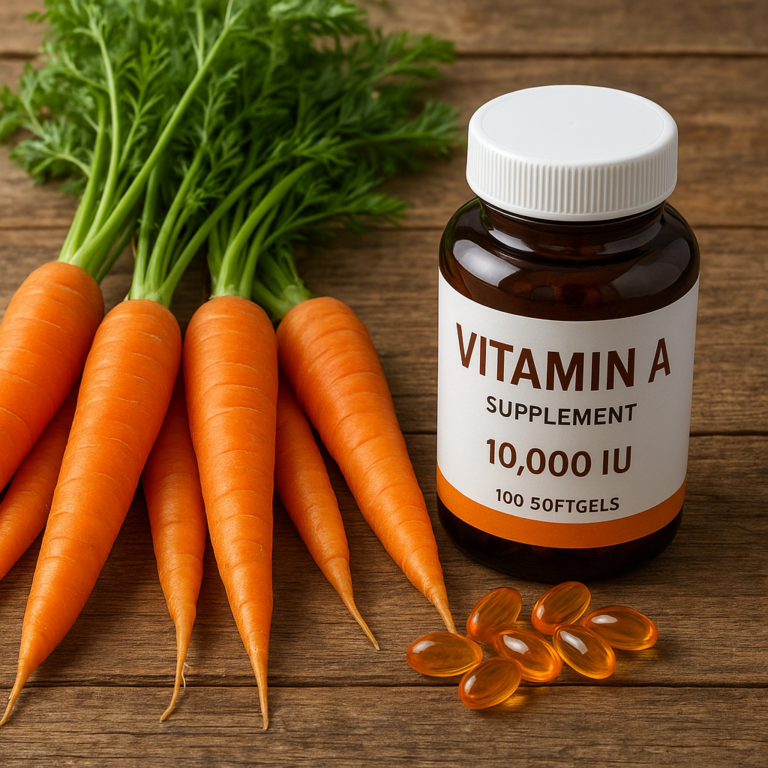
1. Vitamin A (Retinol): The Visionary Protector
Function: Essential for vision (especially night vision), immune function, and cell growth. It keeps your skin and mucous membranes healthy.
- Forms: Retinol (animal sources) and Beta-carotene (plant sources, which the body converts to Vitamin A).
- Sources:
Animal: Liver, egg yolks, dairy.
Plant: Sweet potatoes, carrots, spinach, kale. - Deficiency: Night blindness, dry skin, increased infection risk.
- Toxicity: High doses of pre-formed Vitamin A (retinol) can cause liver damage and birth defects. Beta-carotene is safer; it just turns your skin orange (harmless!).
2. Vitamin B1 (Thiamine): The Energy Spark Plug
Function: Helps convert carbohydrates into energy. Crucial for nerve function and heart health.
- Sources: Whole grains, pork, legumes, seeds, nuts.
- Deficiency: Beriberi (muscle weakness, nerve damage) and Wernicke-Korsakoff syndrome (often seen in chronic alcoholism).
- Fun Fact: Thiamine is easily destroyed by cooking and refined grains. That’s why we eat “enriched” flour!
3. Vitamin B2 (Riboflavin): The Glow Getter
Function: Vital for energy production, cell function, and metabolism. It helps keep your skin and eyes healthy.
- Sources: Milk, yogurt, eggs, lean meats, green leafy vegetables, fortified cereals.
- Deficiency: Cracks at the corners of the mouth (cheilosis), sore throat, and sensitivity to light.
- Note: Riboflavin is sensitive to light. That’s why milk is often sold in opaque cartons!
4. Vitamin B3 (Niacin): The Metabolism Master
Function: Converts food into energy, supports DNA repair, and keeps the nervous system healthy. High doses can lower cholesterol.
- Sources: Chicken, turkey, tuna, peanuts, whole grains, mushrooms.
- Deficiency: Pellagra (symptoms: “3 Ds” – Dermatitis, Diarrhea, Dementia).
- Side Effect: High-dose supplements can cause a “niacin flush” (red, itchy skin).
5. Vitamin B5 (Pantothenic Acid): The Stress Buster
Function: Essential for making coenzyme A, which is needed to break down fats and carbohydrates. It also helps make hormones.
- Sources: Almost every food! Chicken, beef, potatoes, oats, tomatoes, egg yolks.
- Deficiency: Extremely rare because it’s in so many foods. Symptoms include fatigue and numbness.
- Myth: Despite the name “pantothenic” (meaning “from everywhere”), you still need to eat a varied diet.
6. Vitamin B6 (Pyridoxine): The Brain Booster
Function: Helps make neurotransmitters (serotonin, dopamine) and hemoglobin. Crucial for brain development and immune function.
- Sources: Chickpeas, tuna, salmon, potatoes, bananas, poultry.
- Deficiency: Confusion, depression, weakened immune system, and anemia.
- Toxicity: Long-term high doses (from supplements) can cause nerve damage and loss of coordination.
7. Vitamin B7 (Biotin): The Beauty & Hair Hero
Function: Metabolizes fats and carbs; essential for hair, skin, and nail health.
- Sources: Egg yolks, almonds, cauliflower, cheese, salmon.
- Deficiency: Hair loss, skin rash, brittle nails.
- Warning: Raw egg whites contain avidin, a protein that blocks biotin absorption. Cook your eggs!
8. Vitamin B9 (Folate/Folic Acid): The Cell Builder
Function: Critical for DNA synthesis and cell division. Vital for preventing birth defects (neural tube defects) in pregnancy.
- Sources: Leafy greens (spinach, kale), beans, lentils, fortified cereals.
- Deficiency: Megaloblastic anemia, birth defects.
- Distinction: Folate is the natural form; Folic Acid is the synthetic form found in supplements and fortified foods.
9. Vitamin B12 (Cobalamin): The Nerve Guardian
Function: Keeps nerve cells healthy, makes DNA, and forms red blood cells.
- Sources: Only found naturally in animal products (meat, fish, dairy, eggs). Vegans must eat fortified foods or take supplements.
- Deficiency: Pernicious anemia, nerve damage, memory loss, fatigue.
- Absorption: Requires a protein called “intrinsic factor” to be absorbed. Older adults often lack this, leading to deficiency even with good diets.
10. Vitamin C (Ascorbic Acid): The Immune Shield
Function: Powerful antioxidant, helps make collagen (skin healing), and boosts iron absorption.
- Sources: Citrus fruits, strawberries, bell peppers, broccoli, kiwi.
- Deficiency: Scurvy (bleding gums, loose teeth, poor wound healing).
- Myth: Vitamin C prevents colds? Not exactly. It might shorten the duration, but it won’t stop you from catching one.
1. Vitamin D (Calciferol): The Sunshine Vitamin
Function: Helps absorb calcium and phosphorus for strong bones. Acts like a hormone, regulating immune function and mood.
- Sources: Sunlight (UVB rays), fatty fish (salmon, mackerel), fortified milk, egg yolks.
- Deficiency: Rickets in children, osteomalacia (soft bones) in adults, increased fracture risk.
- The Problem: Most people are deficient because we stay indoors and wear sunscreen.
12. Vitamin E (Tocopherol): The Antioxidant Warrior
Function: Protects cells from damage (oxidative stress) and supports immune function.
- Sources: Nuts (almonds, hazelnuts), seeds, vegetable oils, spinach.
- Deficiency: Rare, but can cause nerve and muscle damage.
- Toxicity: High doses can interfere with blood cloting, increasing bleeding risk.
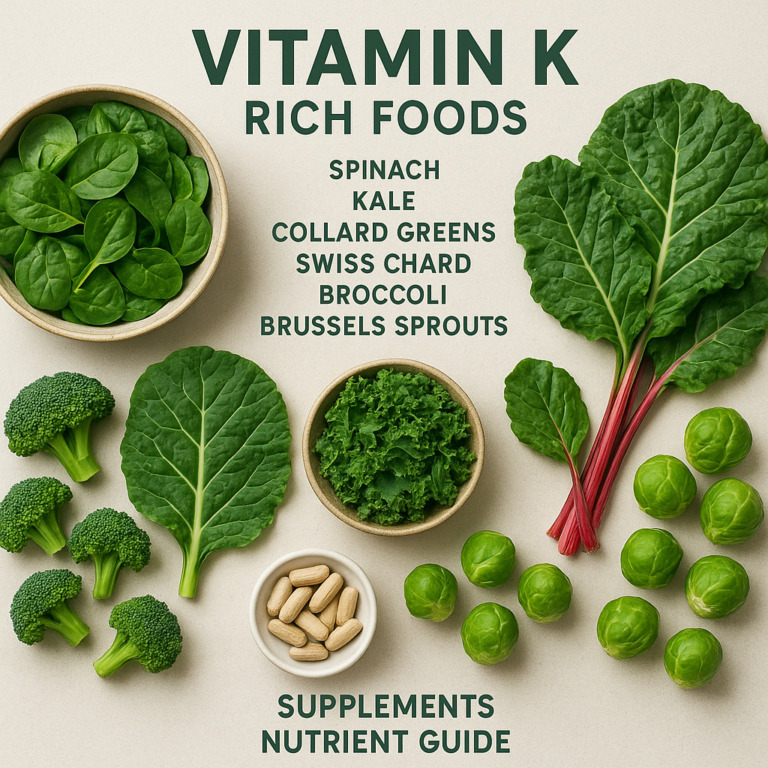
13. Vitamin K (Phyloquinone & Menaquinone): The Cloting Commander
Function: Essential for blood cloting and bone health.
- Sources:
K1 (Phyloquinone): Leafy greens (kale, spinach, broccoli).
K2 (Menaquinone): Fermented foods (natto, cheese), animal products. - Deficiency: Excessive bleeding, easy bruising.
- Warning: People on blood thiners (like Warfarin) must keep their Vitamin K intake consistent.
🥗 Top Food Sources for Every Vitamin: A Nutrient Density Cheat Sheet
Let’s get practical. You don’t need a chemistry set to get these vitamins; you need a grocery cart. Here is a quick reference table to help you build your plate.
| Vitamin | Top Food Sources | Best Pairing Tip |
|---|---|---|
| A | Sweet potato, Carots, Spinach, Liver | Eat with a little fat (avocado, oil) |
| B1 | Pork, Sunflower seeds, Whole grains | Avoid overcoking (heat destroys it) |
| B2 | Milk, Yogurt, Almonds, Eggs | Store in dark containers (light sensitive) |
| B3 | Tuna, Chicken breast, Peanuts | Great post-workout meal |
| B5 | Mushrooms, Avocado, Chicken | Found in almost everything! |
| B6 | Chickpeas, Salmon, Potatoes | Pair with protein for better absorption |
| B7 | Egg yolk, Almonds, Sweet potato | Cook your eggs to unlock biotin |
| B9 | Spinach, Lentils, Asparagus, Fortified cereal | Eat raw or lightly steamed |
| B12 | Clams, Beef, Trout, Fortified cereal | Vegans: Supplement or fortified foods |
| C | Bell Peppers, Kiwi, Strawberries, Broccoli | Eat raw (heat destroys Vitamin C) |
| D | Salmon, Mackerel, Egg yolk, Sunlight | Get 15 mins of sun or eat fatty fish |
| E | Almonds, Sunflower seeds, Wheat germ oil | Great for skin health |
| K | Kale, Spinach, Broccoli, Natto | Consistency is key if on blood thiners |
💊 Supplements vs. Whole Foods: Can You Get Enough from Pills?
This is the million-dollar question. We at Vitamin Brands™ love supplements, but let’s be real: a pill is not a magic wand.
The Case for Whole Foods
- Synergy: Foods contain thousands of compounds that work together. An orange has Vitamin C, but it also has flavonoids and fiber that help your body use that Vitamin C better.
- Safety: It is nearly impossible to overdose on vitamins from food alone.
- Satiety: Eating an apple is more filling than popping a tablet.
The Case for Supplements
- Gaps: Modern soil is depleted, and our busy lives lead to poor diets. Supplements fill the holes.
- Specific Needs: Pregnant women need extra Folate; vegans need B12; older adults need more B12 and D.
- Convenience: Sometimes, a multivitamin is the only way to ensure you get a baseline of nutrients.
The Verdict?
Aim for a rainbow diet first. Use supplements to suplement, not replace. If you’re thinking about jumping on the supplement train, check out our guide on Essential Vitamins to see which ones might be right for you.
Pro Tip: If you take a multivitamin, look for one that contains methylated B-vitamins (like methylfolate instead of folic acid) for better absorption, especially if you have the MTHFR gene mutation.
⚠️ Deficiency Signs: What Your Body is Screaming for Help
Your body is a brilliant communicator. It doesn’t speak in words, but in symptoms. Ignoring these signs is like ignoring the “Check Engine” light.
- Fatigue & Brain Fog: Could be B12, B6, or Iron deficiency.
- Bleding Gums: Classic sign of Vitamin C deficiency (Scurvy).
- Night Blindness: A red flag for Vitamin A.
- Bone Pain: Often linked to Vitamin D or Calcium issues.
- Hair Loss: Could be Biotin, Iron, or Zinc deficiency.
- Cracks at Mouth Corners: A tell-tale sign of Riboflavin (B2) deficiency.
- Numbness/Tingling: Common in B12 deficiency.
Don’t self-diagnose! If you suspect a deficiency, get a blood test. Taking supplements for a deficiency you don’t have can lead toxicity.
🚫 Toxicity Risks: When Too Much of a Good Thing Becomes Bad
We’ve established that vitamins are good. But more is not better.
Fat-Soluble Toxicity (A, D, E, K)
Since these are stored in fat, they can accumulate to dangerous levels.
- Vitamin A: High doses can cause liver damage, bone pain, and birth defects.
- Vitamin D: Too much can lead to hypercalcemia (high calcium in blood), causing kidney stones and heart issues.
- Vitamin E: High doses can increase bleeding risk.
Water-Soluble Toxicity (B & C)
Rare, but possible with mega-dosing.
- Vitamin B6: Long-term high doses can cause irreversible nerve damage.
- Vitamin C: Can cause kidney stones and digestive upset (diarrhea).
Rule of Thumb: Stick to the RDA (Recommended Dietary Allowance) unless your doctor tells you otherwise.
🤝 Vitamin Synergy: How Nutrients Work Together (and Against Each Other)
Vitamins are not solo artists; they are a band. Some play better together than others.
-
The Dream Team:
Vitamin D + Calcium: D helps absorb Calcium.
Vitamin C + Iron: C boosts iron absorption from plant sources.
Vitamin K + D: They work together for bone health.
B-Complex: They all need each other to function optimally. -
The Rivals:
Zinc vs. Copper: High zinc intake can block copper absorption.
Calcium vs. Iron: Taking them together can reduce iron absorption.
Vitamin E vs. Vitamin K: High E can interfere with K’s cloting ability.
Strategy: If you take multiple supplements, try to space them out or take a balanced multivitamin that has the right ratios.
👩 ⚕️ Special Considerations: Pregnancy, Aging, and Dietary Restrictions
One size does not fit all. Your life stage dictates your vitamin needs.
Pregnancy
- Folate (B9): Critical for preventing neural tube defects.
- Iron: Needed for increased blood volume.
- Choline: Often overlooked, but vital for baby’s brain development.
- Avoid: High doses of Vitamin A (retinol).
Aging (50+)
- Vitamin B12: Absorption decreases with age.
- Vitamin D: Skin becomes less efficient at making it from sunlight.
- Calcium: Essential for preventing osteoporosis.
Dietary Restrictions
- Vegans: Must supplement B12, and watch out for Iron, Zinc, and Omega-3s.
- Gluten-Free: Watch out for B-vitamin deficiencies if relying on processed GF foods that aren’t fortified.
- Dairy-Free: Need to find other sources of Calcium and Vitamin D.
For more tailored advice, check out our Best Vitamins for Women category.
🧪 How to Read Labels and Choose Quality Brands
Not all supplements are created equal. Here is how to spot the winners.
- Check the Form: Look for methylated B-vitamins (methylcobalamin instead of cyanocobalamin).
- Third-Party Testing: Look for seals from USP, NSF, or ConsumerLab. This ensures what’s on the label is actually in the bottle.
- Fillers: Avoid unnecessary fillers, artificial colors, and high sugar content (especially in gummies).
- Dosage: Does it provide 10% of the RDA? Or 10%? Unless prescribed, 10% is usually enough.
Recommended Brands:
- Thorne: Known for high purity and third-party testing.
- Garden of Life: Great for whole-food based vitamins.
- Nature Made: Reliable and widely available.
- Pure Encapsulations: Hypoallergenic and clean.
📊 Daily Value Breakdown: How Much Do You Actually Need?
The Daily Value (DV) is based on a 2,0-calorie diet. Here is a snapshot of the RDAs for adults (values vary by age/sex).
| Vitamin | Male (RDA) | Female (RDA) | Special Note |
|---|---|---|---|
| A | 90 mcg | 70 mcg | Avoid excess |
| C | 90 mg | 75 mg | Smokers need more |
| D | 15 mcg (60 IU) | 15 mcg (60 IU) | 15-70 yrs |
| E | 15 mg | 15 mg | |
| K | 120 mcg | 90 mcg | |
| B1 | 1.2 mg | 1.1 mg | |
| B2 | 1.3 mg | 1.1 mg | |
| B3 | 16 mg | 14 mg | |
| B5 | 5 mg | 5 mg | |
| B6 | 1.3-1.7 mg | 1.3-1.5 mg | |
| B7 | 30 mcg | 30 mcg | |
| B9 | 40 mcg | 40 mcg | 60 mcg if pregnant |
| B12 | 2.4 mcg | 2.4 mcg |
Source: National Institutes of Health (NIH)
🧠 Myth-Busting: Common Misconceptions About Vitamins
Let’s clear the air on some persistent myths.
- Myth: “If I take a multivitamin, I can eat whatever I want.”
Fact: Supplements don’t replace the fiber, phytonutrients, and satisfaction of real food. - Myth: “Vitamin C cures the common cold.”
Fact: It might shorten it by a day, but it won’t prevent it. - Myth: “Organic food has more vitamins.”
Fact: The difference is often negligible. The biggest factor is freshness. - Myth: “You can get Vitamin D from a tanning bed.”
Fact: UVB rays in tanning beds are often filtered out or insufficient, and the skin cancer risk is high. Get it from food or a supplement.
🏆 Conclusion: Mastering Your Micronutrient Game

So, there you have it. The 13 essential vitamins, their sources, their superpowers, and the pitfalls to avoid. We started with a question: Can you get everything you need from a pill? The answer is a resounding no, but a qualified yes for filling gaps.
Your body is a complex machine that thrives on variety. Think of your diet as a colorful palette. The more colors (fruits and veggies) you add, the more likely you are to hit the sweet spot of nutrient balance. Supplements are your safety net, not your foundation.
Final Recommendation:
- Eat the Rainbow: Aim for 5+ servings of fruits and veggies daily.
- Get Sun: 15 minutes a day for Vitamin D.
- Test, Don’t Guess: If you feel off, get a blood test.
- Choose Quality: If you supplement, pick reputable brands like Thorne or Garden of Life.
Remember, health isn’t a destination; it’s a daily practice. And now, you’re armed with the knowledge to make those daily choices count.
🔗 Recommended Links
Ready to take action? Here are some top-rated products and resources to help you on your journey.
Top Multivitamins for Men & Women
- Thorne Basic Nutrients 2/Day: Amazon | Thorne Official
- Garden of Life Vitamin Code: Amazon | Garden of Life Official
- Nature Made Multi for Her: Amazon | Nature Made Official
Specific Vitamin Supplements
- Vitamin D3 + K2: Amazon | Sports Research Official
- B-Complex: Amazon | Pure Encapsulations Official
- Vitamin C: Amazon | Country Life Official
Books for Further Reading
- The Vitamin Cure for All Seasons by Andrew W. Saul: Amazon
- Eat to Beat Your Diet by Dr. William Li: Amazon
❓ Frequently Asked Questions (FAQ)

Can taking vitamin supplements have adverse interactions with prescription medications?
Yes. Some vitamins can interact dangerously with medications. For example, Vitamin K can reduce the effectiveness of blood thiners like Warfarin. Vitamin E can also increase bleeding risk. Vitamin B6 can interact with certain Parkinson’s medications. Always consult your doctor before starting a new supplement regimen, especially if you are on prescription drugs.
Read more about “🧪 Can a Pharmacist Recommend Supplements? The 2026 Truth”
What are the most common vitamin deficiencies and their symptoms in adults?
The most common deficiencies globally and in developed nations include:
- Vitamin D: Fatigue, bone pain, muscle weakness.
- Vitamin B12: Anemia, fatigue, numbness, memory issues.
- Iron (mineral, but often grouped): Fatigue, pale skin, shortness of breath.
- Vitamin C: Bleding gums, slow wound healing.
- Folate (B9): Fatigue, irritability, mouth sores.
Read more about “🏆 Which Vitamin Is Most Important for the Body? (2026)”
How can I ensure I’m getting all the essential vitamins through my diet alone?
Focus on variety. Eat a “rainbow” of fruits and vegetables daily. Include whole grains, lean proteins, healthy fats (avocado, nuts, olive oil), and dairy or fortified alternatives. Cooking methods matter too; steaming or eating raw preserves more nutrients than boiling.
What are the daily recommended intake amounts for each of the 13 types of vitamins?
The amounts vary by age, sex, and life stage. Generally:
- A: 70-90 mcg
- C: 75-90 mg
- D: 15-20 mcg (60-80 IU)
- E: 15 mg
- K: 90-120 mcg
- B1: 1.1-1.2 mg
- B2: 1.1-1.3 mg
- B3: 14-16 mg
- B5: 5 mg
- B6: 1.3-1.7 mg
- B7: 30 mcg
- B9: 40 mcg (60 mcg if pregnant)
- B12: 2.4 mcg
Check the NIH Office of Dietary Supplements for detailed charts.
Read more about “🌟 How to Get All 13 Essential Vitamins (2026 Guide)”
What are the types of vitamins and their sources?
There are 13 types: A, C, D, E, K, and the 8 B vitamins (B1, B2, B3, B5, B6, B7, B9, B12). Sources range from animal products (B12, A, D) to plants (C, E, K, B-complex) and sunlight (D).
Read more about “🌱 Organic vs. Non-Organic Vitamins: The Real Scoop”
What are the 13 vitamins known till today?
The 13 essential vitamins are: Vitamin A, Vitamin C, Vitamin D, Vitamin E, Vitamin K, Thiamine (B1), Riboflavin (B2), Niacin (B3), Pantothenic Acid (B5), Pyridoxine (B6), Biotin (B7), Folate (B9), and Cobalamin (B12).
Read more about “🥇 7 Best Vitamin A Supplements to Buy in 2026”
What are the 13 official vitamins?
The term “official” refers to the 13 substances recognized by health authorities (like the NIH and FDA) as essential vitamins that the human body cannot synthesize in sufficient quantities.
Read more about “🌿 Should I Buy Organic Supplements? The 2026 Truth About Safety”
What are the best food sources for each of the 13 essential vitamins?
- A: Sweet potatoes, carrots.
- B1: Pork, sunflower seeds.
- B2: Milk, almonds.
- B3: Tuna, chicken.
- B5: Mushrooms, avocado.
- B6: Chickpeas, salmon.
- B7: Egg yolk, nuts.
- B9: Spinach, lentils.
- B12: Clams, beef.
- C: Bell peppers, citrus.
- D: Fatty fish, sunlight.
- E: Almonds, sunflower seeds.
- K: Kale, spinach.
Read more about “🚀 Top 10 Vitamin Brands for Hair Growth & Thickness (2026)”
How do water-soluble and fat-soluble vitamins differ in their sources?
Fat-soluble vitamins (A, D, E, K) are often found in fatty foods (oils, nuts, fatty fish, egg yolks). Water-soluble vitamins (B, C) are abundant in fruits, vegetables, and grains, and do not require fat for absorption.
Read more about “Can You Take Too Many Vitamins? 7 Shocking Side Effects Revealed! ⚠️ (2025)”
Can I get all 13 vitamins from a balanced diet without supplements?
Yes, it is possible for most people with a varied, whole-food diet. However, specific groups (vegans, pregnant women, older adults, those with malabsorption issues) may require supplements, particularly for B12, D, and Folate.
Read more about “7 Vitamins That Actually Absorb (2026) 🧪”
What are the symptoms of vitamin deficiencies for each of the 13 types?
- A: Night blindness.
- B1: Beriberi (nerve/muscle issues).
- B2: Cracked lips, light sensitivity.
- B3: Pellagra (diarrhea, dermatitis, dementia).
- B5: Fatigue, numbness.
- B6: Anemia, confusion.
- B7: Hair loss, rash.
- B9: Megaloblastic anemia.
- B12: Nerve damage, anemia.
- C: Scurvy (bleding gums).
- D: Rickets, bone pain.
- E: Muscle weakness, nerve damage.
- K: Excessive bleeding.
📚 Reference Links
- MedlinePlus: Vitamins – Overview of the 13 essential vitamins.
- Better Health Channel: Vitamins and minerals – Comprehensive guide from the Victorian government.
- National Institutes of Health (NIH) – Office of Dietary Supplements – Detailed fact sheets for each vitamin.
- Thorne Research – High-quality supplement brand.
- Garden of Life – Whole-food based supplements.
- Nature Made – USP-verified supplements.
- Pure Encapsulations – Hypoallergenic supplements.
Disclaimer: This article is for informational purposes only and does not constitute medical advice. Always consult with a healthcare professional before starting any new supplement regimen.