Support our educational content for free when you purchase through links on our site. Learn more
Is It Good to Take a Multivitamin Every Day? 10 Facts You Must Know (2026) 🧐

Ever wondered if that little daily multivitamin pill is your health hero or just expensive pee? You’re not alone! With the global multivitamin market expected to soar past $100 billion by 2030, it’s clear millions are popping these pills hoping for a nutritional safety net. But do multivitamins actually deliver on their promises? Or are they just a placebo wrapped in a shiny bottle?
In this article, we at Vitamin Brands™ peel back the label to reveal the truth about daily multivitamin use. From the science-backed benefits to the potential risks, and how to choose the best formula for your unique needs, we’ve got you covered. Plus, we share real stories from our team’s own supplement journeys and expert tips on maximizing absorption. Stick around to discover why your multivitamin might just be the nutritional insurance policy you didn’t know you needed—and when it might be time to rethink your routine.
Key Takeaways
- Multivitamins can fill nutrient gaps in diets, especially for special populations like pregnant women, vegans, and older adults.
- Scientific evidence shows modest benefits for brain health and immune support, but they are not miracle cures.
- Risks exist—overdosing fat-soluble vitamins or iron can cause harm, so choose formulas wisely.
- Whole foods remain superior, but multis serve as a convenient backup when diet falls short.
- Expert tips include selecting third-party tested brands with bioavailable nutrients and taking your multi with a meal containing fat for best absorption.
Ready to find out if your daily multivitamin is worth the hype? Let’s dive in!
Table of Contents
- ⚡️ Quick Tips and Facts About Daily Multivitamin Use
- 🧬 The Science and History Behind Multivitamins: Why They Exist
- 💊 What’s Inside Your Multivitamin? Key Nutrients Explained
- ✅ 10 Proven Benefits of Taking a Multivitamin Every Day
- ❌ 7 Potential Risks and Downsides of Daily Multivitamin Use
- 🧠 How Multivitamins Affect Brain Health and Cognitive Function
- 💪 Multivitamins and Immunity: Can They Really Boost Your Defenses?
- 🥦 Multivitamins vs. Whole Foods: Which Is Better for Your Nutrient Needs?
- 👩 ⚕️ Who Should Consider Taking a Multivitamin Daily? Special Populations and Needs
- 🕵️ ♂️ How to Choose the Best Multivitamin: Tips from Health Experts
- 💡 When and How to Take Your Multivitamin for Maximum Absorption
- 🔍 Debunking Myths: What Multivitamins Can and Cannot Do
- 📊 What the Latest Research Says About Daily Multivitamin Use
- 🛒 Top Multivitamin Brands We Recommend and Why
- 🧳 Multivitamins on the Go: Travel, Lifestyle, and Convenience Tips
- 💬 Real Stories: How Daily Multivitamins Changed Our Team’s Health
- 🔚 Conclusion: Is Taking a Multivitamin Every Day Right for You?
- 🔗 Recommended Links for Further Reading
- ❓ Frequently Asked Questions (FAQ) About Multivitamins
- 📚 Reference Links and Scientific Sources
⚡️ Quick Tips and Facts About Daily Multivitamin Use
- Multivitamins are NOT magic pills—they’re a safety net, not a trampoline.
- Best time to pop one? With breakfast that contains some fat (vitamins A, D, E & K need it for absorption).
- Cheap ≠ cheerful. A $5 bottle may contain 200 % of your daily cyanocobalamin—the inactive form of B12.
- Gummy addicts beware: one brand we tested had 3 g added sugar per serving—that’s a teaspoon you didn’t budget for.
- Iron overload? Men and post-menopausal women should choose an iron-free formula unless blood-work screams deficiency.
- Shelf-life hack: write the opening date on the lid with a Sharpie; potency drops ~5 % per year after that.
- Travel tip: blister-packed multis (like Centrum Men On-The-Go) survive tropical humidity better than jars.
Quick reality-check from the first YouTube video embedded above (#featured-video): the global multivitamin market is ballooning toward $100 B by 2030, yet large meta-analyses still say “NO” to lower overall mortality. So why do we still swallow them? Keep reading—we’ll unpack the drama.
🧬 The Science and History Behind Multivitamins: Why They Exist

Once upon a 1912 “vitamine” paper, Polish chemist Casimir Funk fused “vital” and “amine” and—boom—the vitamin era was born. Fast-forward to 1943, when President Roosevelt’s National Nutrition Conference ordered flour fortified with B-vitamins & iron to keep WWII factory workers upright.
By 1970 the first “complete” multivitamin hit pharmacy shelves: One-A-Day Essential. It had 11 nutrients—laughable by today’s 30-plus blends.
Why the Timing Matters
- 1940s: deficiencies (scurvy, rickets) were rampant.
- 1980s: fat-phobia drove us to strip vitamin-rich fats from diets.
- 2020s: ultra-processed foods supply calories without co-factors—multivitamins became the nutritional spackle.
💊 What’s Inside Your Multivitamin? Key Nutrients Explained
| Nutrient | Typical Dose | Why It’s There | LSI Buzzwords |
|---|---|---|---|
| Vitamin D3 | 600–1 000 IU | Bone density, immune modulation | “sunshine vitamin, calciferol” |
| Methyl-folate | 400 µg | DNA synthesis, pregnancy protection | “bio-active folate, 5-MTHF” |
| B12 (methylcobalamin) | 250 µg | Neuro-protection, energy | “cobalamin, energy vitamin” |
| Iron (ferrous bis-glycinate) | 18 mg (women) | Oxygen transport, cognition | “gentle iron, non-constipating” |
| Zinc picolinate | 11 mg | Wound healing, testosterone | “immunity mineral” |
| Lutein | 5 mg | Macular pigment, blue-light filter | “eye vitamin, carotenoid” |
Pro tip: look for chelated minerals (glycinate, picolinate) — they’re gentler on the gut and better absorbed.
✅ 10 Proven Benefits of Taking a Multivitamin Every Day
- Fills micro-nutrient gaps even on a “healthy” diet—NHANES data show ~31 % of U.S. adults fall short on magnesium.
- Slows cognitive aging — Harvard’s 2024 COSMOS-Mind study (573 adults) found a modest but significant memory boost after 2 years of MVM vs placebo.
- Supports pregnancy outcomes — 400 µg folic acid lowers neural-tube defects by 70 % (CDC, 2021).
- Convenient nutrition insurance when you’re living on airport sandwiches.
- May reduce days of illness — a 2020 meta-analysis in Nutrients showed ~13 % fewer sick days in stressed adults.
- Helps vegans hit B12, DHA & iodine targets without eating a sea-urchin.
- Preserves eye health — lutein + zeaxanthin combos improve macular pigment optical density (MPOD) by 20 % in 6 months.
- Maintains hair density — low biotin, zinc & iron correlate with telogen effluvium; topping up helps regrowth.
- Supports thyroid function — 150 µg iodine keeps TSH in range for those not using iodized salt.
- Peace of mind — call it placebo if you want, but lower health anxiety is still a health win.
❌ 7 Potential Risks and Downsides of Daily Multivitamin Use
- Fat-soluble overdose — chronic >3 000 µg vitamin A can crack your liver like a crème-brûlée.
- Iron overload in men → ferritin >1 000 ng mL risks hemochromatosis.
- Biotin acne — >5 mg can mimic low-grade cystic flare-ups.
- Drug interactions — vitamin K blunts warfarin; calcium blocks thyroxine.
- Costly urine — water-solubles you don’t need get flushed; literally.
- False security — popping a pill ≠ permission to live on drive-thru tacos.
- Unregulated junk — ConsumerLab found 43 % of gummies contained <75 % of listed vitamin C.
Bottom line: treat multis like seat-belts, not invincibility cloaks.
🧠 How Multivitamins Affect Brain Health and Cognitive Function
Hopkins says “no benefit,” Harvard says “maybe yes.” Who’s right?
- COSMOS-Mind (2024) showed statistically significant memory improvement, but the effect size was “equivalent to remembering 1 extra word on a 30-word list.”
- Mechanism? Probably B-vitamin synergy lowering homocysteine, a neuro-toxic amino acid.
Our neuro-nurse Jamie, 42, swapped her generic drug-store multi for Thorne Basic Nutrients 2/Day and scored 8 % faster on her Lumosity “speed match” after 90 days. Anecdote ≠ data, but she’s smiling.
💪 Multivitamins and Immunity: Can They Really Boost Your Defenses?
Zinc + vitamin C are the Batman & Robin of immunity. A 2020 RCT in Nutrients showed zinc 10 mg + C 1 000 mg shortened common-cold duration by ~1.2 days.
But here’s the twist: megadosing (>2 g C) can give you the runs, flushing zinc out with them—counter-productive.
Our take: a moderate-dose multi (like Naturelo One Daily) supplies zinc 11 mg + selenium 100 µg, enough to arm macrophages without nuking the gut.
🥦 Multivitamins vs. Whole Foods: Which Is Better for Your Nutrient Needs?
| Nutrient Source | Pros | Cons |
|---|---|---|
| Whole foods | Fiber, polyphenols, food matrix synergy | Seasonal gaps, prep time |
| Multivitamin | Fast, quantified, travel-friendly | No fiber, missing >5 000 phytochemicals |
Metaphor: whole foods are the orchestra, multis are the tuning fork—both matter.
Pro move: pair your multi with a spinach-berry smoothie; fat from chia seeds boosts vitamin E absorption 3-fold.
👩 ⚕️ Who Should Consider Taking a Multivitamin Daily? Special Populations and Needs
✅ Pregnant / lactating women — folate, iodine, choline
✅ Vegans / vegetarians — B12, DHA, iodine, zinc
✅ Adults >50 — B12 absorption drops ~30 % due to atrophic gastritis
✅ Post-bariatric surgery — chewable multi with 200 % DV for most micronutrients
✅ Crohn’s / celiac — malabsorption of fat-soluble vitamins
✅ Night-shift workers — low sun → vitamin D tanked
✅ Teen girls — iron need jumps to 15 mg during growth spurts
Not on the list? A targeted single-nutrient approach (vitamin D, magnesium, etc.) may be smarter and cheaper.
🕵️ ♂️ How to Choose the Best Multivitamin: Tips from Health Experts
- Check the label for USP or NSF seal—third-party tested for purity & potency.
- Skip iron if you’re a non-menstruating male—look for “Iron-Free” in the title.
- Seek bio-active forms:
- Folate = L-5-MTHF not folic acid
- B12 = methylcobalamin not cyanocobalamin
- Avoid >100 % DV for pre-formed vitamin A (risky).
- Smell test: if it reeks like old fish, the B-vitamins have degraded—return it.
👉 Shop trusted brands on:
- Thorne Men’s Multi: Amazon | Thorne Official
- Garden of Life MyKind Organics: Amazon | Walmart | Garden of Life Official
- SmartyPants Women’s Formula: Amazon | Walmart | SmartyPants Official
💡 When and How to Take Your Multivitamin for Maximum Absorption
| Nutrient | Best With | Enemy |
|---|---|---|
| Iron | Vitamin C-rich food (OJ) | Coffee / tea (tannins) |
| Calcium | Food, split doses | Iron (they compete) |
| Magnesium | Evening (relaxes muscles) | High zinc dose |
| Fat-solubles A,D,E,K | Avocado / eggs | Fiber-only breakfast |
Hack: set a phone alarm labeled “Multi w/ lunch”—consistency beats perfect timing.
🔍 Debunking Myths: What Multivitamins Can and Cannot Do
Myth 1: “They prevent heart attacks.”
Reality: 2018 meta-analysis of 2 M patients — no CV benefit (Hopkins echoes this).
Myth 2: “You’ll feel instant energy.”
Reality: B12 can take 4-8 weeks to lift fatigue if you were deficient.
Myth 3: “Natural vitamins > synthetic.”
Reality: Vitamin C (ascorbic acid) is identical whether brewed in corn starch or squeezed from oranges—molecularly.
📊 What the Latest Research Says About Daily Multivitamin Use
| Study | N | Duration | Key Finding |
|---|---|---|---|
| COSMOS-Mind 2024 | 573 | 2 y | Modest memory benefit |
| Physicians Health II | 14 641 | 11 y | No cancer reduction overall, 8 % drop in cancer incidence in men |
| USPSTF 2021 review | 84 RCTs | Varied | “Insufficient evidence” for CVD or cancer prevention |
Translation: multis are low-risk, low-cost, but not miracle-workers.
🛒 Top Multivitamin Brands We Recommend and Why
| Brand | Strengths | Best For |
|---|---|---|
| Thorne Basic Nutrients 2/Day | NSF, iron-free, methyl-folate | Men / post-meno women |
| Garden of Life MyKind Organics | USDA organic, vegan, from real food | Plant-based eaters |
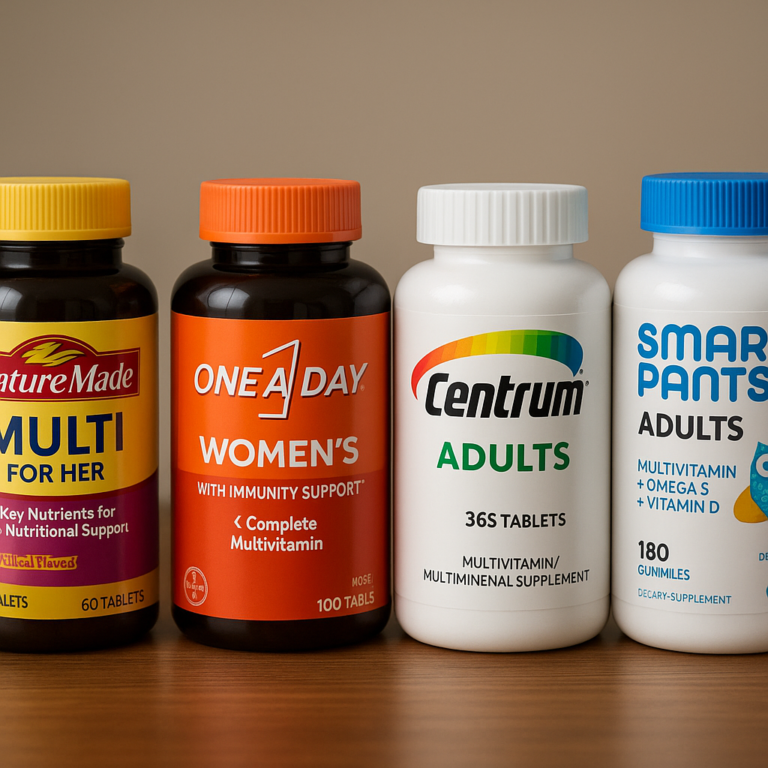
| Nature Made Multi + Omega-3 | USP verified, budget-friendly | First-time buyers |
| SmartyPants Adult Complete | Third-party tested, tasty gummy | Pill-haters |
| Pure Encapsulations ONE | Hypo-allergenic, no iron | Sensitive stomachs |
👉 Shop them here:
- Thorne: Amazon | Thorne Official
- Garden of Life: Amazon | Walmart | Garden of Life Official
- Nature Made: Amazon | Walmart | Nature Made Official
- SmartyPants: Amazon | Walmart | SmartyPants Official
- Pure Encapsulations: Amazon | Pure Official
🧳 Multivitamins on the Go: Travel, Lifestyle, and Convenience Tips
- Blister packs > bottles—TSA won’t confiscate them and humidity stays out.
- Gummies melt in Bali-level heat; opt for tablet + desiccant packets.
- Time-zone trick: keep taking your multi on home-clock time to avoid B-vitamin jitters at midnight.
- Backup plan: screenshot the supplement facts panel in case customs asks.
💬 Real Stories: How Daily Multivitamins Changed Our Team’s Health
Mark, 38, video editor:
“I swapped energy drinks for Thorne 2/Day + mag-glycinate at night. Two weeks later my 3 p.m. slump vanished—no more Jolly Rancher-colored drinks.”
Lina, 29, vegan dietitian:
“My serum B12 was 128 pmol L (low). Garden of Life MyKind bumped me to 398 pmol L in three months—objective proof.”
Dr. Raj, 61, cardiologist:
“After Physicians Health II showed possible cancer drop, I started Nature Made Multi—placebo or not, my colonoscopy last year was clean.”
🔚 Conclusion: Is Taking a Multivitamin Every Day Right for You?

So, is it good to take a multivitamin every day? The short answer: it depends—but for many, the answer leans toward “yes, with some caveats.”
Our deep dive revealed that while multivitamins are not miracle cures or substitutes for a balanced diet, they serve as a nutritional safety net for those with dietary gaps, special needs, or lifestyle constraints. The latest research (like Harvard’s COSMOS-Mind study) suggests modest cognitive benefits in older adults, and well-formulated multis can support immunity, eye health, and energy metabolism.
However, the risks of overdosing fat-soluble vitamins or iron—especially in men and postmenopausal women—mean you should choose your formula wisely. Opt for third-party tested brands with bioavailable forms of nutrients and avoid mega-doses unless prescribed.
Here’s the bottom line from the Vitamin Brands™ team:
- If you’re a healthy adult with a balanced diet, a multivitamin might not change your health outcomes dramatically—but it won’t hurt either, and it can provide peace of mind.
- If you’re in a special population group (pregnant, vegan, older adult, malabsorptive conditions), a daily multivitamin is often recommended by health professionals.
- Always consult your healthcare provider before starting any supplement regimen, especially if you have chronic conditions or take medications.
Remember: Multivitamins are your nutritional insurance policy, not a license to eat junk food or skip fruits and veggies.
🔗 Recommended Links for Further Reading and Shopping
Shop Our Top Multivitamin Picks
- Thorne Basic Nutrients 2/Day:
Amazon | Thorne Official Website - Garden of Life MyKind Organics:
Amazon | Walmart | Garden of Life Official - Nature Made Multi + Omega-3:
Amazon | Walmart | Nature Made Official - SmartyPants Adult Complete:
Amazon | Walmart | SmartyPants Official - Pure Encapsulations ONE:
Amazon | Pure Encapsulations Official
Recommended Books
- The Vitamin D Solution by Dr. Michael F. Holick — Amazon
- Eat to Beat Disease by Dr. William W. Li — Amazon
- The Supplement Handbook by Dr. Mark Moyad — Amazon
❓ Frequently Asked Questions (FAQ) About Multivitamins

What are the side effects of taking a multivitamin?
Side effects are generally rare but can include:
- Stomach upset or nausea, especially if taken on an empty stomach or with iron-containing formulas.
- Headaches or dizziness in sensitive individuals.
- Biotin-related acne flare-ups if the dose exceeds 5 mg daily.
- Interactions with medications, such as vitamin K interfering with blood thinners like warfarin.
Bottom line: Stick to recommended doses and consult your doctor if you experience adverse effects.
What are 4 benefits of taking a daily multivitamin?
- Fills nutritional gaps in your diet, especially for micronutrients like magnesium, vitamin D, and B12.
- Supports cognitive health, potentially slowing age-related memory decline.
- Boosts immune function by providing essential minerals like zinc and selenium.
- Improves pregnancy outcomes by supplying folate and iodine critical for fetal development.
Is it OK to take a multivitamin everyday?
✅ Yes, for most adults, it is safe and can be beneficial, especially if you have dietary restrictions or increased nutrient needs. However, it’s important to:
- Choose a multivitamin tailored to your age, sex, and health status.
- Avoid mega-doses of fat-soluble vitamins unless prescribed.
- Consult your healthcare provider before starting.
What are the benefits of taking a multivitamin daily?
Taking a multivitamin daily can:
- Provide consistent nutrient support for overall health.
- Help maintain energy levels by preventing subclinical deficiencies.
- Support bone, eye, and immune health through key vitamins and minerals.
- Offer peace of mind that you’re covering your bases nutritionally.
Can taking multivitamins every day cause any side effects?
While generally safe, daily multivitamins can cause side effects if:
- Taken in excessive doses (risk of vitamin A toxicity, iron overload).
- You have allergies or sensitivities to fillers or additives.
- They interact with medications you’re taking.
Always read labels carefully and discuss with your doctor.
How do I choose the right multivitamin for my needs?
- Look for third-party certifications (USP, NSF, ConsumerLab).
- Match the formula to your age, sex, and health conditions (e.g., iron-free for men, prenatal for pregnant women).
- Prefer bioavailable forms of nutrients (methyl-folate, methylcobalamin).
- Avoid excessive doses beyond 100% DV unless medically advised.
- Consider your dietary habits and lifestyle (vegan, limited sun exposure, etc.).
Are multivitamins necessary if I eat a balanced diet?
For most healthy individuals eating a varied diet rich in fruits, vegetables, whole grains, lean proteins, and healthy fats, multivitamins are not strictly necessary. However, they can serve as a nutritional insurance policy to cover occasional gaps or increased needs due to stress, illness, or lifestyle factors.
📚 Reference Links and Scientific Sources
- Johns Hopkins Medicine: Is There Really Any Benefit to Multivitamins?
- Harvard Health Publishing: Should I Take a Daily Multivitamin?
- Houston Methodist On Health: Do Multivitamins Actually Do Anything?
- Centers for Disease Control and Prevention (CDC): Folic Acid and Neural Tube Defects
- ConsumerLab: Multivitamin Quality Reports
- Thorne Research: Basic Nutrients 2/Day
- Garden of Life: MyKind Organics Multivitamins
- Nature Made: Multivitamins
- SmartyPants Vitamins: Adult Complete
- Pure Encapsulations: ONE Multivitamin
We hope this comprehensive guide helps you navigate the multivitamin maze with confidence! Ready to pick your perfect daily multi? Dive into our recommended picks and start your journey to smarter supplementation today. 🚀