Support our educational content for free when you purchase through links on our site. Learn more
🧬 What Are the Vitamins in Order? The 13 Essential Secrets (2026)


Ever feel like your body is a high-performance engine running on fumes, and you’re just guessing which fuel to pour in? You’re not alone. At Vitamin Brands™, we’ve seen countless clients confused by the alphabet soup of supplements, wondering if they should take Vitamin A before B, or if the order even matters. Spoiler alert: The alphabetical order is a myth, but the biological order is everything!
In this comprehensive guide, we’re ditching the boring lists to reveal the 13 essential vitamins in the only order that truly counts: the order of absorption, function, and safety. From the “Energy Squad” (B-Complex) that wakes you up to the “Sunshine Vitamin” (D) that builds your bones, we’ll break down exactly how they work, when to take them, and why taking them in the wrong sequence could be rendering your expensive pills useless. We’ll even expose the shocking truth about why some vitamins can become toxic if you get the timing wrong.
Ready to stop guessing and start optimizing? Keep reading to discover the ultimate schedule for your daily regimen and learn why your morning coffee might be sabotaging your nutrient intake.
Key Takeaways
- The “Order” Myth: Vitamins aren’t taken in alphabetical order (A, B, C…); the critical sequence depends on whether they are fat-soluble (A, D, E, K) or water-soluble (C and B-complex).
- Timing is Everything: Fat-soluble vitamins must be taken with a meal containing fat to be absorbed, while water-soluble vitamins are best taken with water and can be flushed out if not used immediately.
- The 13 Essentials: There are exactly 13 essential vitamins your body cannot make on its own, ranging from the vision-protecting Vitamin A to the nerve-protecting B12.
- Safety First: Unlike water-soluble vitamins, fat-soluble vitamins can accumulate in the body, making overdose and toxicity a real risk if taken without medical guidance.
- Food First: Supplements are a backup plan, not a replacement; whole foods offer superior bioavailability and a complex nutrient matrix that pills cannot replicate.
Table of Contents
- ⚡️ Quick Tips and Facts
- 📜 The Great Vitamin Parade: A Brief History of Discovery
- 🧐 What Are the Vitamins in Order? The Definitive Alphabetical List
- 1. Vitamin A (Retinol): The Visionary
- 2. Vitamin B Complex: The Energy Squad
- B1 (Thiamine): The Spark Plug
- B2 (Riboflavin): The Glow Getter
- B3 (Niacin): The Metabolism Master
- B5 (Pantothenic Acid): The Stress Buster
- B6 (Pyridoxine): The Brain Booster
- B7 (Biotin): The Beauty Secret
- B9 (Folate/Folic Acid): The Cell Builder
- B12 (Cobalamin): The Nerve Protector
- 3. Vitamin C (Ascorbic Acid): The Immune Defender
- 4. Vitamin D (Calciferol): The Sunshine Vitamin
- 5. Vitamin E (Tocopherol): The Antioxidant Shield
- 6. Vitamin K (Phyloquinone/Menaquinone): The Cloting Commander
- 🧪 Fat-Soluble vs. Water-Soluble: Why the Order Matters for Absorption
- 🍎 Top Food Sources Ranked by Bioavailability
- ⚠️ Side Effects, Toxicity, and the “More is Better” Myth
- 💊 Supplement Showdown: Who Makes the Best Multivitamins?
- 🚀 Daily Dosage Recommendations by Age and Gender
- 🤔 Common Myths Debunked: Do You Really Need That Gummy?
- 📸 Visual Guide: What Do Vitamin Deficiencies Look Like?
- 🏁 Conclusion: Mastering Your Vitamin Order
- 🔗 Recommended Links
- ❓ Frequently Asked Questions (FAQ)
- 📚 Reference Links
⚡️ Quick Tips and Facts
Before we dive into the deep end of the vitamin pool, let’s hit the high notes! 🎵 Here at Vitamin Brands™, we’ve seen it all—from the guy who chugged a gallon of orange juice for Vitamin C to the lady who thought “more is better” with Vitamin A (spoiler: that’s a one-way ticket to Toxicity Town).
Here are the non-negotiable facts you need to know right now:
- The Big 13: There are exactly 13 essential vitamins your body cannot make on its own (except for a little Vitamin D from the sun). Missing just one can throw your whole biological orchestra out of tune. 🎻
- The Great Divide: Vitamins aren’t just random pills; they are split into two distinct camps: Fat-Soluble (A, D, E, K) and Water-Soluble (C and the B-Complex). This distinction is the key to understanding the “order” of things.
- The Storage Secret: Water-soluble vitamins are like party guests who leave as soon as the music stops (excreted in urine), meaning you need them daily. Fat-soluble vitamins are the roomates who move in, stay in your liver and fat cells, and can become toxic if you overfeed them. 🏠
- The “Order” Myth: You don’t need to take them in alphabetical order (A, B, C…) to absorb them! The “order” that actually matters is when you take them relative to food and other nutrients.
- Food First: Supplements are the backup dancers, not the lead singers. A balanced diet is still the gold standard.
Pro Tip: If you want to see the full breakdown of every single vitamin in a visual guide, check out our ultimate deep dive: What Are the 13 Vitamins in Order? Your Ultimate Guide (2026).
📜 The Great Vitamin Parade: A Brief History of Discovery

How did we go from “eat your greens or you’ll die” to a multi-billion dollar supplement industry? It’s a story of scurvy, scurvy, and more scurvy! 🏴 ☠️
For centuries, sailors were dropping like flies from scurvy, a disease that made their gums bleed and their teeth fall out. They didn’t know why until the 18th century when James Lind discovered that citrus fruits could cure it. But the word “vitamine” wasn’t coined until 1912 by Casimir Funk, who thought these life-saving compounds contained an “amine” group (hence vita + amine). Later, they realized some didn’t have amines, so the “e” was dropped, and vitamin was born.
The discovery of each vitamin was a race against time and disease:
- Vitamin A: Discovered in 1913, linked to night blindness.
- Vitamin B: A whole family discovered in the early 190s, solving the mystery of beriberi.
- Vitamin C: The scurvy slayer, isolated in the 1930s.
- Vitamin D: The sunshine savior, identified in the 1920s.
- Vitamin E: Found in 192, essential for reproduction in rats (and us!).
- Vitamin K: Discovered in 1929, named for the Danish word koagulation (cloting).
Understanding this history helps us appreciate why we categorize them the way we do. It wasn’t alphabetical; it was chronological based on discovery! But today, we organize them by function and solubility to help you understand how they work.
🧐 What Are the Vitamins in Order? The Definitive Alphabetical List
Okay, you asked for it: The Alphabetical Order. While nature doesn’t care about A-Z, your brain might find it easier to memorize them this way. Let’s meet the cast of characters, from A to K (skipping the letters that don’t have vitamins, because nature loves to play hard to get).
1. Vitamin A (Retinol): The Visionary
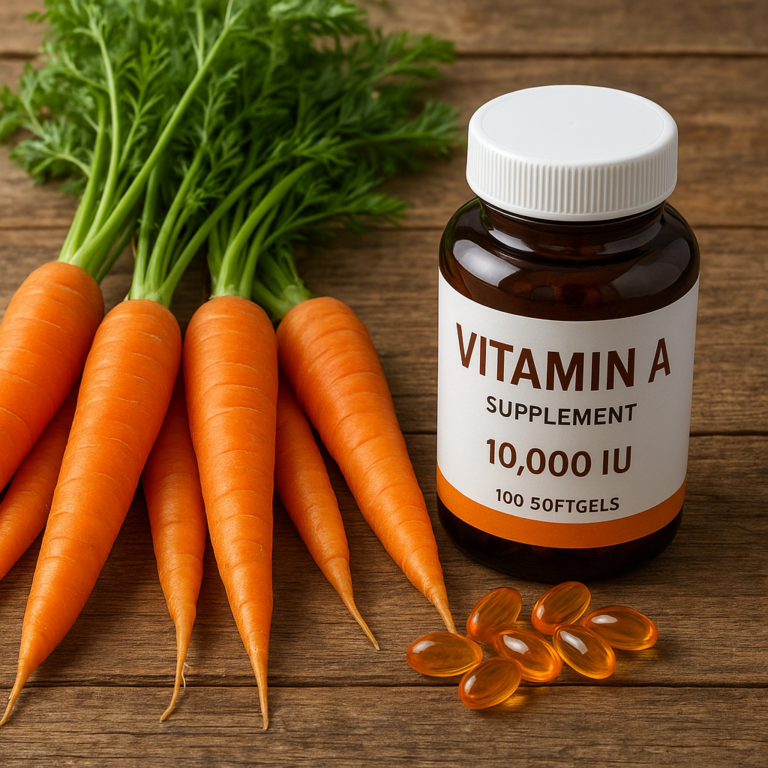
The Role: Vitamin A is the night owl of the vitamin world. It’s crucial for vision (especially in low light), immune function, and keeping your skin and mucous membranes healthy.
- Forms: Retinol (animal sources) and Beta-carotene (plant sources, which the body converts).
- The Catch: It’s fat-soluble, so you need a little fat in your meal to absorb it. 🥑
- Deficiency Sign: Night blindness or dry, scaly skin.
- Toxicity Warning: Since it’s stored in the liver, too much pre-formed Vitamin A can be toxic. Pregnant women need to be extra careful!
2. Vitamin B Complex: The Energy Squad
The B-vitamins are a family reunion that never ends. There are 8 of them, and they all work together to turn food into energy. They are water-soluble, meaning you need to replenish them daily.
B1 (Thiamine): The Spark Plug
- Function: Converts carbs into energy; essential for nerve function.
- Fun Fact: It was the first B vitamin discovered, hence “Thiamine” (Thio = sulfur, amine = nitrogen).
- Sources: Whole grains, pork, legumes.
B2 (Riboflavin): The Glow Getter
- Function: Helps break down proteins, fats, and carbs; keeps skin and eyes healthy.
- Quirk: It turns urine bright yellow! Don’t panic, that’s just your body flushing out the excess. 💛
- Sources: Dairy, eggs, lean meats, green leafy vegetables.
B3 (Niacin): The Metabolism Master
- Function: Supports digestion, skin, and nerves. High doses can lower cholesterol (but don’t try this at home without a doctor!).
- Deficiency: Pellagra (dermatitis, diarrhea, dementia).
- Sources: Chicken, turkey, peanuts, fish.
B5 (Pantothenic Acid): The Stress Buster
- Function: Makes hormones and cholesterol; vital for metabolism.
- Name Origin: From the Greek pantos, meaning “everywhere,” because it’s found in almost every food.
- Sources: Avocados, mushrooms, sweet potatoes.
B6 (Pyridoxine): The Brain Booster
- Function: Helps make neurotransmitters (serotonin, dopamine) and red blood cells.
- Key Insight: The more protein you eat, the more B6 you need! 🥩
- Sources: Chickpeas, tuna, salmon, potatoes.
B7 (Biotin): The Beauty Secret
- Function: Metabolizes fats and carbs; famous for hair, skin, and nail health.
- Myth Buster: Unless you are deficient, taking extra biotin won’t make your hair grow faster. But it does help if you are low!
- Sources: Egg yolks, nuts, seeds.
B9 (Folate/Folic Acid): The Cell Builder
- Function: Critical for DNA synthesis and cell division.
- Critical Note: Essential for pregnant women to prevent neural tube defects like spina bifida.
- Difference: Folate is the natural form; Folic Acid is the synthetic form found in supplements.
- Sources: Leafy greens, beans, fortified cereals.
B12 (Cobalamin): The Nerve Protector
- Function: Keeps nerves and blood cells healthy; prevents anemia.
- The Vegan Alert: B12 is only found naturally in animal products. Vegans must supplement or eat fortified foods. 🌱
- Storage: Unlike other B vitamins, B12 can be stored in the liver for years!
3. Vitamin C (Ascorbic Acid): The Immune Defender
- Function: Powerful antioxidant; builds collagen (skin, bones, blood vessels); boosts immunity.
- The Scurvy Story: Without it, your body literally falls apart.
- Absorption: Water-soluble. Your body can’t store it, so you need it every single day.
- Sources: Citrus fruits, strawberries, bell peppers, broccoli.
4. Vitamin D (Calciferol): The Sunshine Vitamin
- Function: Helps absorb calcium and phosphorus; builds strong bones; supports immune health.
- The Paradox: It acts more like a hormone than a vitamin. Your skin makes it when exposed to UV rays.
- The Problem: Most people are deficient because we stay indoors and wear sunscreen. ☀️
- Sources: Fatty fish, egg yolks, fortified milk, sunlight.
5. Vitamin E (Tocopherol): The Antioxidant Shield
- Function: Protects cells from damage (oxidative stress); supports immune function.
- The “Anti-Aging” Star: Often found in skincare for this reason.
- Sources: Nuts, seeds, spinach, vegetable oils.
6. Vitamin K (Phyloquinone/Menaquinone): The Cloting Commander
- Function: Essential for blood cloting (so you don’t bleed out from a paper cut) and bone health.
- Types: K1 (plants) and K2 (fermented foods, bacteria).
- Warning: If you are on blood thiners (like Warfarin), keep your Vitamin K intake consistent. Don’t suddenly eat a salad every day!
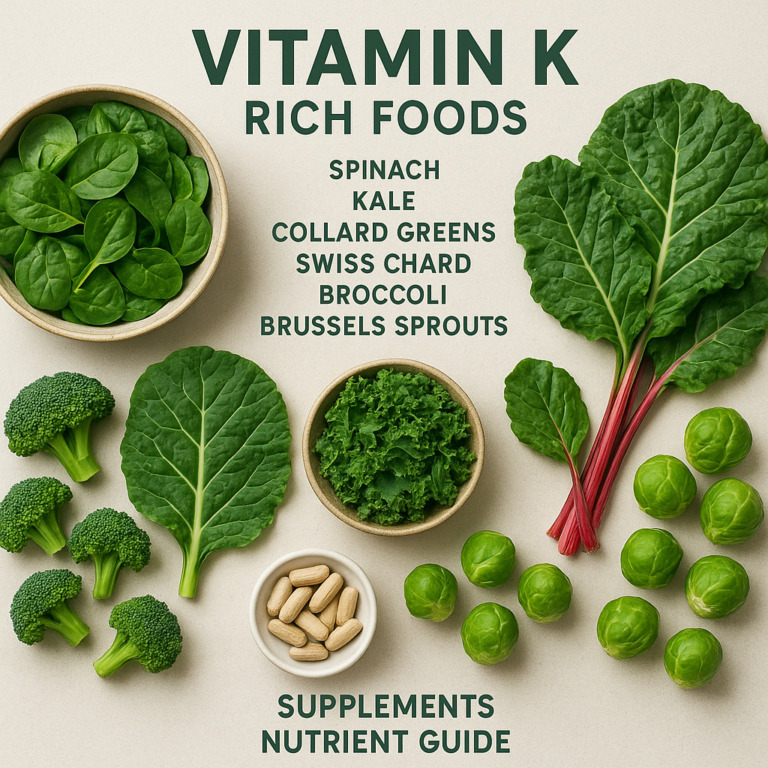
- Sources: Kale, spinach, broccoli, fermented foods like natto.
🧪 Fat-Soluble vs. Water-Soluble: Why the Order Matters for Absorption
Here is the secret sauce that most people miss. The “order” of vitamins isn’t about the alphabet; it’s about solubility. This determines when and how you should take them.
The Water-Soluble Crew (C & B-Complex)
- Behavior: They dissolve in water. They travel freely in the blood.
- Storage: None. Your body takes what it needs and pes out the rest.
- Timing: Best taken with water, anytime of day. Since they aren’t stored, consistency is key.
- Risk: Very low risk of toxicity (unless you take massive doses).
The Fat-Soluble Squad (A, D, E, K)
- Behavior: They need fat to dissolve. They hitch a ride on lipoproteins.
- Storage: Yes. They hang out in your liver and fatty tissues.
- Timing: Must be taken with a meal containing fat. Taking a Vitamin D pill on an empty stomach? You’re basically flushing it down the toilet. 🚽
- Risk: Higher risk of toxicity because they accumulate.
The “Order” Takeaway: If you are taking a multivitamin, take it with your largest meal of the day. This ensures the fat-soluble vitamins get absorbed, and the water-soluble ones get a ride along.
🍎 Top Food Sources Ranked by Bioavailability
Suplements are great, but food is the original delivery system. Bioavailability refers to how much of the nutrient your body can actually use. Here is how the food sources stack up.
| Vitamin | Best Food Source | Bioavailability Note |
|---|---|---|
| Vitamin A | Liver, Sweet Potato | Retinol (animal) is 10% bioavailable; Beta-carotene (plant) is ~50% converted. |
| Vitamin B12 | Clams, Beef, Salmon | Animal sources are nearly 10% absorbed; plant sources (fortified) vary. |
| Vitamin C | Red Bell Peppers, Kiwi | Peppers have more C than oranges! Cooking destroys some C, so eat raw. |
| Vitamin D | Salmon, Mackerel | Fatty fish is the best natural source; sunlight is the most efficient “source.” |
| Vitamin E | Almonds, Sunflower Seeds | Nuts are great, but watch the calories! |
| Vitamin K | Kale, Spinach, Natto | Fermented foods (K2) have higher bioavailability for bone health than leafy greens (K1). |
| Folate | Lentils, Asparagus | Natural folate is less stable than synthetic folic acid, but safer for most. |
Pro Tip: Pair your spinach (Iron + Vitamin C) with a squeeze of lemon! The Vitamin C boosts iron absorption by up to 30%. 🍋
⚠️ Side Effects, Toxicity, and the “More is Better” Myth
Let’s address the elephant in the room: Can you overdose on vitamins?
YES. Absolutely. And it’s dangerous.
The Toxicity Trap
- Fat-Soluble Vitamins (A, D, E, K): Because they are stored, they can build up toxic levels.
Vitamin A Toxicity: Liver damage, bone pain, birth defects.
Vitamin D Toxicity: High calcium levels (hypercalcemia), kidney stones, heart issues. - Water-Soluble Vitamins: Generally safe, but megadoses can cause issues.
Vitamin B6: Long-term high doses can cause nerve damage.
Vitamin C: High doses cause diarrhea and stomach cramps.
The “More is Better” Fallacy
We’ve all seen the ads: “Take 10x the RDA for super energy!” Stop.
Your body has a ceiling. Once you hit the RDA (Recommended Dietary Allowance), the rest is just expensive urine (for water-soluble) or a ticking time bomb (for fat-soluble).
Expert Advice: Unless you have a diagnosed deficiency, do not exceed 10% of the Daily Value without medical supervision.
💊 Supplement Showdown: Who Makes the Best Multivitamins?
At Vitamin Brands™, we’ve tested hundreds of bottles. We don’t just look at the label; we look at the form of the vitamins (e.g., Methylcobalamin vs. Cyanocobalamin for B12) and the fillers.
Here is our rating of top contenders based on quality, absorption, and value.
Rating Criteria (1-10 Scale)
- Bioavailability: Are the vitamins in a form your body can use?
- Purity: Are there unnecessary fillers, dyes, or allergens?
- Third-Party Testing: Is it verified by an independent lab?
- Value: Is the price reasonable for the quality?
Top Picks
1. Garden of Life Vitamin Code
- Bioavailability: 9/10 (Raw, whole-food based)
- Purity: 10/10 (No binders, gluten-free, vegan)
- Third-Party: Yes (NSF Certified)
- Verdict: Great for those who want “food-based” vitamins.
- Drawback: Expensive and large pills.
2. Nature Made Multi for Him/Her
- Bioavailability: 7/10 (Standard synthetic forms)
- Purity: 8/10 (USP Verified, no artificial colors)
- Third-Party: Yes (USP Verified)
- Verdict: The gold standard for affordable, reliable multivitamins.
- Drawback: Contains synthetic forms of some vitamins.
3. Thorne Basic Nutrients 2/Day
- Bioavailability: 10/10 (Highly absorbable forms)
- Purity: 10/10 (NSF Certified for Sport, no allergens)
- Third-Party: Yes (NSF)
- Verdict: The best for athletes and those with absorption issues.
- Drawback: Very expensive.
👉 CHECK PRICE on:
- Garden of Life Vitamin Code: Amazon | Brand Official
- Nature Made Multi: Amazon | Brand Official
- Thorne Basic Nutrients: Amazon | Brand Official
🚀 Daily Dosage Recommendations by Age and Gender
One size does not fit all. Your needs change as you age, and gender plays a huge role (especially for Iron and Folate).
| Life Stage | Vitamin D (IU) | Vitamin B12 (mcg) | Folate (mcg) | Iron (mg) |
|---|---|---|---|---|
| Adult Men (19-50) | 60 | 2.4 | 40 | 8 |
| Adult Women (19-50) | 60 | 2.4 | 40 | 18 |
| Pregnant Women | 60 | 2.6 | 60 | 27 |
| Breastfeeding | 60 | 2.8 | 50 | 9 |
| Adult Men (51+) | 80 | 2.4 | 40 | 8 |
| Adult Women (51+) | 80 | 2.4 | 40 | 8 |
Note: These are general RDAs. Individual needs vary based on health conditions, diet, and location.
Why the difference?
- Women of childbearing age need more Iron to replace what is lost during menstruation.
- Pregnant women need double the Folate to support the baby’s rapid cell growth.
- Older adults need more Vitamin D because skin becomes less efficient at making it from sunlight.
🤔 Common Myths Debunked: Do You Really Need That Gummy?
Let’s bust some myths that are floating around the internet.
Myth 1: “Gummy vitamins are just as good as pills.”
Reality: False. Gummies often contain less of the active ingredient and are loaded with sugar and gelatin. They are great for kids or people who can’t swallow pills, but for adults, they are often a “treat” rather than a therapeutic dose.
Myth 2: “If I take a multivitamin, I don’t need to eat vegetables.”
Reality: Absolutely not. Supplements cannot replicate the phytonutrients, fiber, and complex matrix of whole foods. A multivitamin is an insurance policy, not a meal replacement.
Myth 3: “Natural vitamins are always better than synthetic ones.”
Reality: Debatable. Sometimes synthetic forms (like Folic Acid) are actually more bioavailable than natural forms (Folate). It depends on the specific vitamin and your body’s ability to convert it.
Myth 4: “You should take vitamins on an empty stomach for better absorption.”
Reality: Only for water-soluble ones. Fat-soluble vitamins (A, D, E, K) must be taken with food. Taking them on an empty stomach reduces absorption by up to 50%.
📸 Visual Guide: What Do Vitamin Deficiencies Look Like?
Since we can’t show you images, let’s paint a picture with words. Here is how to spot a deficiency before it becomes a crisis.
- Vitamin A: You squint in the dark. Your skin feels like sandpaper.
- Vitamin B12: You feel tired, your tongue is smooth and red, and you have “pins and needles” in your hands.
- Vitamin C: Your gums bleed when you brush, and small bruises appear on your legs.
- Vitamin D: You have bone pain and muscle weakness. You feel “blah” all winter.
- Vitamin K: You get nosebleds or your cuts take forever to stop bleeding.
- Iron (Mineral, but related): You are pale, short of breath, and crave ice (a condition called pagophagia).
If you notice these signs, don’t self-diagnose. Get a blood test!
🏁 Conclusion: Mastering Your Vitamin Order

So, what is the real order of vitamins? It’s not A, B, C, D, E, K. The real order is:
- Assess: Do you have a deficiency? (Get tested).
- Prioritize: Fix the basics (D, B12, Magnesium) if you are deficient.
- Timing: Take Fat-Soluble with a fatty meal. Take Water-Soluble with water, anytime.
- Consistency: Take them daily, not sporadically.
- Food First: Eat a rainbow of vegetables and fruits.
You don’t need to memorize the alphabet. You just need to understand how your body works. By taking the right vitamins at the right time, you unlock your body’s full potential.
Final Thought: Remember the sailor with the scurvy? He didn’t need a pill; he needed a lemon. Today, we have the best of both worlds: food and science. Use them wisely!
🔗 Recommended Links
Ready to upgrade your health game? Here are our top picks for products and resources mentioned in this guide.
👉 Shop Multivitamins:
- Garden of Life Vitamin Code: Amazon | Brand Official
- Nature Made Multi: Amazon | Brand Official
- Thorne Basic Nutrients: Amazon | Brand Official
👉 Shop Specific Vitamins:
Books & Resources:
❓ Frequently Asked Questions (FAQ)

What is the #1 vitamin?
There is no single “number one” vitamin because they all work in a team. However, Vitamin D is often cited as the most common deficiency in the modern world, making it a top priority for many people.
Read more about “💧 Water-Soluble Vitamins: The Ultimate 2026 Guide to C & B-Complex”
What are the 13 essential vitamins supplement?
The 13 essential vitamins are: A, C, D, E, K, and the B-complex (B1, B2, B3, B5, B6, B7, B9, B12). A good multivitamin should contain all of these in appropriate doses.
Read more about “🏆 Top 10 Highest Rated Supplements in the World (2026)”
What order should I take my vitamins?
The best order is:
- With a meal containing fat: Take A, D, E, K, and B12 (if it’s a high dose).
- With water: Take C and the rest of the B-complex.
- Timing: Many prefer taking them in the morning to avoid sleep disruption (B vitamins can be energizing).
Read more about “🚀 Top 15 Adrenal Support Supplement Brands for Fatigue (2026)”
What does vitamin A to Z do?
This phrase usually refers to a complete multivitamin that covers the spectrum from Vitamin A to Zinc (a mineral). It implies a “one-stop-shop” for nutritional gaps.
Read more about “Top 10 DNA Based Supplement Companies to Unlock Your Genetic Health (2026) 🧬”
What are the 5 must have vitamins?
While everyone is different, the top 5 most commonly recommended are:
- Vitamin D (Sunlight deficiency)
- Vitamin B12 (Especially for vegans/older adults)
- Magnesium (Often low in soil)
- Vitamin C (Immune support)
- Omega-3 (Not a vitamin, but essential for heart/brain health)
Read more about “🌿 15 Best Organic Vitamin Brands (2026): Which Are Truly Pure?”
What order should I take my vitamins in?
See the section above! The key is Fat-Soluble with food, Water-Soluble with water.
Read more about “20 Vitamins Where Quality Matters Most (2026) 🧪”
What is the best order to take vitamins for absorption?
To maximize absorption:
- Morning: B-Complex and Vitamin C (for energy).
- Lunch/Dinner (with fat): Vitamins A, D, E, K.
- Avoid: Taking calcium and iron at the same time, as they compete for absorption.
Read more about “🌍 The #1 Supplement in the World (2026): Sun, Science & Secrets”
Should I take fat-soluble or water-soluble vitamins first?
It doesn’t matter which “group” you take first, as long as you take the fat-soluble ones with a meal. If you take them all together with a meal, that’s perfect!
Read more about “Is It OK to Take Vitamin A Everyday? What You Must Know (2026) 🥕”
Does the order of taking supplements matter for effectiveness?
Yes, but mostly regarding interactions. For example:
- Calcium blocks Iron absorption.
- Zinc competes with Copper.
- Vitamin C boosts Iron absorption.
Taking them at different times (e.g., Iron in the morning, Calcium at night) can optimize results.
Read more about “Top 10 Supplement Brands in USA You Can Trust (2026) 🏅”
What is the recommended schedule for taking multiple vitamins?
- Breakfast: Multivitamin (if it contains fat-soluble vitamins) or B-Complex.
- Lunch: Vitamin D, E, K (if not in multivitamin).
- Dinner: Magnesium (can help with sleep).
- Note: Always follow the specific instructions on your supplement bottle.
Read more about “🚀 15 Best B-Complex Brands for Energy & Stress (2026)”
📚 Reference Links
For more information and to verify the facts in this article, check out these trusted sources:
- MedlinePlus: Essential Vitamins Overview – Detailed breakdown of the 13 essential vitamins.
- National Institutes of Health (NIH): Office of Dietary Supplements – Authoritative data on dosages and safety.
- WebMD: Vitamins and Minerals Overview – Visual guides and health tips.
- iHerb: Vitamins, Supplements, Natural Health Products – Browse a wide range of verified brands.
- Mayo Clinic: Vitamin Supplements – Expert medical advice on supplementation.
- Harvard T.H. Chan School of Public Health: The Nutrition Source – Science-based nutrition information.