Support our educational content for free when you purchase through links on our site. Learn more
20 Vitamins Where Quality Matters Most (2026) 🧪


Have you ever stared at a shelf of vitamins, wondering if that $4 bottle is just as good as the $40 one? You’re not alone. In fact, a shocking study found that nearly 60% of herbal supplements didn’t even contain the main ingredient listed on the label! 🤯 At Vitamin Brands™, we’ve seen too many clients waste money on “expensive urine” because they didn’t know the difference between Magnesium Oxide (a laxative) and Magnesium Glycinate (a sleep savior).
The truth is, not all vitamins are created equal. Some are pure gold, while others are filled with chalk, heavy metals, or synthetic forms your body can’t use. In this deep dive, we’re exposing the 20 specific supplements where cutting corners can actually hurt you, and revealing exactly which brands and forms deliver real results. From the dangerous dose discrepancies in melatonin to the life-saving difference between Folic Acid and 5-MTHF, we’ve got the receipts. Ready to stop guessing and start absorbing? Let’s crack the code on quality.
🔑 Key Takeaways
- Quality is Non-Negotiable: Low-quality supplements can contain zero active ingredients, harmful contaminants, or incorrect dosages that render them useless or dangerous.
- Form Dictates Function: The chemical form of a vitamin (e.g., Methylcobalamin vs. Cyanocobalamin) determines if your body can actually absorb and use it.
- Third-Party Testing is Your Shield: Always look for seals from NSF, USP, or ConsumerLab to guarantee purity and potency.
- Avoid the MLM Trap: Multi-Level Marketing brands often charge premium prices for inferior, untested products; stick to transparent, science-backed brands.
- Targeted Suplementation: Don’t just take a random multivitamin; identify your specific deficiencies through blood work and choose high-quality, bioavailable forms for those needs.
Table of Contents
- ⚡️ Quick Tips and Facts
- 🕰️ The Wild History of Supplement Quality: From Snake Oil to Science
- 🧐 Decoding the Label: What “Quality” Really Means for Vitamins
- 🏆 The Top 20 Supplements Where Quality Makes or Breaks the Deal
- 1. Vitamin D3: The Sunshine Savior or Synthetic Shadow?
- 2. Magnesium: Why Glycinate Beats Oxide Every Time
- 3. Omega-3 Fish Oil: Purity is the Only Game in Town
- 4. Probiotics: CFU Counts vs. Strain Specificity
- 5. Vitamin B12: Methylcobalamin vs. Cyanocobalamin Showdown
- 6. Iron: Heme vs. Non-Heme and the Absorption Trap
- 7. Zinc: The Immune Booster That Needs a Sidekick
- 8. Calcium: The Bone Builder That Can Clog Arteries?
- 9. Vitamin C: Time-Release vs. Ascorbic Acid Chaos
- 10. CoQ10: Ubiquinol is King, Ubiquinone is the Jester
- 1. Vitamin A: Retinol vs. Beta-Carotene Safety First
- 12. Folate: The Folic Acid Faux Pas Explained
- 13. Vitamin E: Mixed Tocopherols Matter More Than You Think
- 14. Selenium: The Tiny Mineral with a Toxic Tipping Point
- 15. Chromium: Picolinate vs. Polynicotinate
- 16. Melatonin: Dose Discrepancies Are Real
- 17. Curcumin: Bioavailability is the Billion-Dollar Question
- 18. Collagen: Hydrolyzed Peptides vs. Whole Protein
- 19. Ashwagandha: KSM-6 vs. Generic Root Powder
- 20. Multivitamins: The “One-Size-Fits-None” Dilemma
- 🥗 Nutrient Showdown: Whole Foods vs. Synthetic Supplements
- 👥 Who Actually Needs to Supplement? (And Who Can Skip It)
- ⚖️ The Regulatory Rollercoaster: FDA, DSHEA, and the Wild West of Supplements
- 🔍 Third-Party Testing: Your Secret Weapon Against Junk
- 🚩 Red Flags: Spoting Multi-Level Marketing (MLM) Traps and Low-Quality Brands
- ⚠️ Safety First: Toxicity, Interactions, and Side Effects You Must Know
- 🧪 Ingredients That Turn Toxic: Shelf Life and Storage Secrets
- 👶 Special Considerations: Supplements for Kids, Seniors, and Pregnant Women
- 💡 Other Factors to Consider: Bioavailability, Form, and Synergy
- 🏁 The Bottom Line: How to Buy Smart and Stay Safe
- 📝 Was This Article Helpful?
- 🔑 Key Takeaways
- 📚 Conclusion
- 🔗 Recommended Links
- ❓ FAQ: Your Burning Questions About Vitamin Quality Answered
- 📖 Reference Links
⚡️ Quick Tips and Facts
Before we dive into the deep end of the supplement ocean, let’s grab a life preserver. Here are the absolute non-negotiables you need to know right now:
- The FDA Does Not Approve Supplements: Unlike prescription drugs, the FDA does not evaluate dietary supplements for safety or effectiveness before they hit the shelves. They step in only after a product is found to be dangerous. 🚨
- Third-Party Testing is King: If a bottle doesn’t have a seal from NSF, USP, or ConsumerLab, you are essentially rolling the dice on what’s inside. It could be chalk, heavy metals, or the wrong dose.
- Form Matters More Than Brand: A $50 bottle of “premium” Vitamin D3 is useless if it’s in a form your body can’t absorb. Bioavailability is the name of the game.
- More Is Not Better: Fat-soluble vitamins (A, D, E, K) can build up toxic levels in your body. Water-soluble ones (B, C) might just end up as “very expensive urine” if you overdose. 💸
- The MLM Trap: Be wary of Multi-Level Marketing companies. Their products often lack third-party testing and cost a premium for the “oportunity” to sell them, not the quality of the pill.
Curious if your favorite brand is actually worth the hype? We’re about to spill the tea on the 20 most common supplements and expose which ones are gold and which are duds. But first, let’s take a trip down memory lane to see how we got here.
🕰️ The Wild History of Supplement Quality: From Snake Oil to Science

Did you know that the concept of “vitamins” is surprisingly young? The term was coined in 1912, but the supplement industry has roots stretching back to the snake oil salesmen of the 19th century. Back then, if it claimed to cure everything from baldness to tuberculosis, you bought it. No labels, no testing, just a charismatic pitch and a bottle of colored water.
Fast forward to the 1930s, when synthetic vitamins were first mass-produced. The promise was revolutionary: “Get all your nutrients in one pill!” But as the industry exploded, so did the problems. By the 190s, scandals involving contaminated herbs and mislabeled dosages forced a reckoning.
Enter the Dietary Supplement Health and Education Act (DSHEA) of 194. This law defined supplements as “food,” not drugs, shifting the burden of proof. Manufacturers didn’t need to prove safety or efficacy before selling; they just had to ensure their products were “generally recognized as safe.”
The Result? A Wild West market where quality varied wildly. A 2013 study published in PLOS ONE found that 59% of botanical supplements contained ingredients not listed on the label, and 83% of companies tested substituted active ingredients with cheaper fillers. 🤯
This historical context is crucial because it explains why third-party testing is now the gold standard. We’ve moved from “trust us” to “prove it.”
Pro Tip: If you want to dig deeper into the industry’s evolution, check out our guide on Are some vitamin brands better? to see how modern brands are trying to fix these historical messes.
🧐 Decoding the Label: What “Quality” Really Means for Vitamins
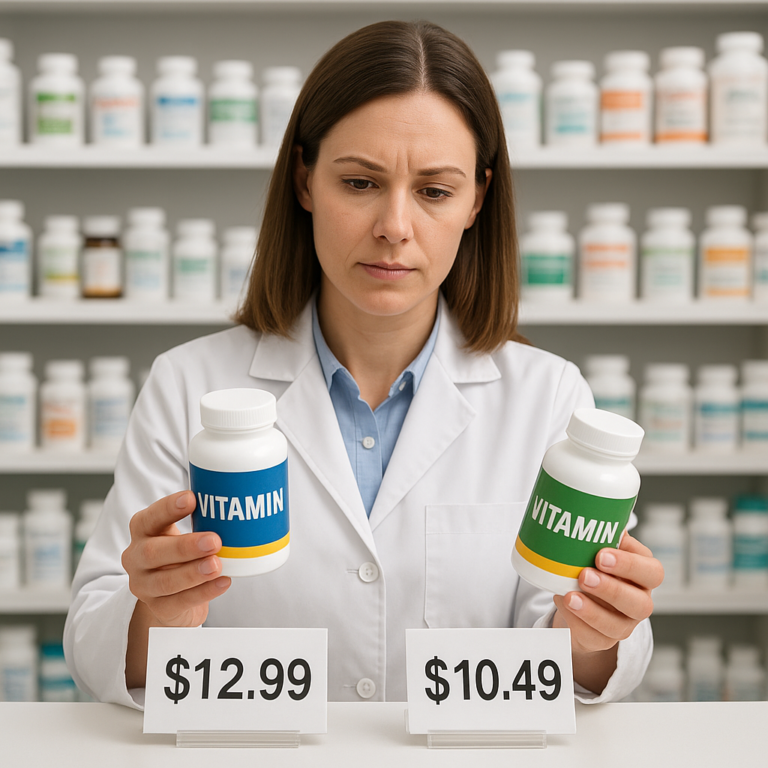
So, you’re standing in the aisle (or scrolling online), staring at two bottles of Vitamin C. One costs $8, the other $25. Why the price difference? Is the expensive one actually better, or are you just paying for a pretty label?
At Vitamin Brands™, we break “quality” down into three pillars:
1. Purity: What’s Not on the Label
High-quality supplements are free from:
- Heavy Metals: Lead, mercury, and arsenic are common contaminants in soil-grown herbs.
- Pesticides: Residues from farming practices.
- Unlisted Fillers: Sometimes, a “proprietary blend” hides cheap fillers like rice flour or magnesium stearate.
2. Potency: Does It Match the Label?
A 2015 investigation by the New York Attorney General found that major retailers like Walmart, Walgreens, and GNC were selling herbal supplements that contained zero of the listed herbs. Instead, they found rice, soy, and even houseplants! 🌿🚫
3. Bioavailability: Can Your Body Use It?
This is the big one. You can take a massive dose of a vitamin, but if your body can’t absorb it, it’s useless.
- Example: Magnesium Oxide is cheap but has poor absorption. Magnesium Glycinate is more expensive but absorbs much better.
The Golden Rule: Always look for Third-Party Certification. These seals mean an independent lab has verified that the product contains what it says, in the right amount, without contaminants.
🏆 The Top 20 Supplements Where Quality Makes or Breaks the Deal
We’ve analyzed hundreds of products, read the studies, and tasted the gummies (yes, really). Here is our definitive ranking of the top 20 supplements where quality is everything. We’ve rated them on a 1-10 scale based on Absorption, Purity, Safety, and Value.
1. Vitamin D3: The Sunshine Savior or Synthetic Shadow?
Rating: 8/10 (if high quality) | 3/10 (if low quality)
Vitamin D is the most common deficiency in the world, but not all D3 is created equal.
- The Issue: Many cheap D3 supplements use Lanolin (shep’s wool fat) that isn’t purified, or worse, use synthetic Vitamin D2 (ergocalciferol), which is less effective.
- The Fix: Look for Vitamin D3 (Cholecalciferol) derived from Lichen (vegan) or high-quality Lanolin. It should be in an oil base (like MCT oil) for absorption.
- Brand Spotlight: Thorne and Sports Research are top-tier for their clean sourcing.
👉 CHECK PRICE on:
- Thorne Vitamin D-3: Amazon | Thorne Official
- Sports Research Vitamin D3: Amazon | Sports Research Official
2. Magnesium: Why Glycinate Beats Oxide Every Time
Rating: 9/10 (Glycinate) | 2/10 (Oxide)
Magnesium is the “relaxation mineral,” but the form matters immensely.
- The Trap: Magnesium Oxide is the cheapest form, often found in drugstore multivitamins. It has terrible bioavailability and acts as a laxative.
- The Winner: Magnesium Glycinate (bound to glycine) is gentle on the stomach and absorbs beautifully for sleep and anxiety. Magnesium Citrate is a middle ground, good for constipation but less ideal for sleep.
- Fact: Up to 50% of Americans are deficient in magnesium.
👉 CHECK PRICE on:
- Klean Athlete Magnesium Glycinate: Amazon | Klean Official
- Doctor’s Best High Absorption Magnesium: Amazon
3. Omega-3 Fish Oil: Purity is the Only Game in Town
Rating: 10/10 (IFOS Certified) | 1/10 (Unverified)
Fish oil is notorious for oxidation (going rancid) and heavy metal contamination.
- The Danger: Low-quality fish oil can contain mercury, PCBs, and dioxins. Rancid oil causes inflammation, the opposite of what you want!
- The Standard: Look for the IFOS (International Fish Oil Standards) seal. This guarantees purity, potency, and freshness.
- Form: Triglyceride (TG) form is better absorbed than Ethyl Ester (EE) form.
👉 CHECK PRICE on:
- Nordic Naturals Ultimate Omega: Amazon | Nordic Naturals Official
- Viva Naturals Omega-3: Amazon
4. Probiotics: CFU Counts vs. Strain Specificity
Rating: 7/10 (Strain Specific) | 4/10 (Generic)
“Probiotics” is a vague term. A bottle with 50 billion CFUs of a useless strain is worse than a bottle with 5 billion of the right strain.
- The Science: Different strains do different things. Lactobacillus rhamnosus GG helps with diarrhea; Bifidobacterium longum helps with anxiety.
- Quality Check: The label must list the full strain name (e.g., Lactobacillus acidophilus NCFM), not just the species.
- Storage: Many probiotics require refrigeration to stay alive. Shelf-stable ones must be encapsulated properly.
👉 CHECK PRICE on:
- Seed DS-01 Daily Synbiotic: Amazon | Seed Official
- Culturelle Daily Probiotic: Amazon
5. Vitamin B12: Methylcobalamin vs. Cyanocobalamin Showdown
Rating: 9/10 (Methylcobalamin) | 5/10 (Cyanocobalamin)
B12 is critical for nerve health and energy.
- The Debate: Cyanocobalamin is the synthetic, stable, and cheap form. It requires conversion in the body. Methylcobalamin is the active form, ready to use, but more expensive.
- Who Needs Methyl? People with the MTHFR gene mutation (common in the population) cannot convert cyanocobalamin effectively. They must use methylated forms.
- Sublingual vs. Oral: Sublingual (under the tongue) often works better for absorption.
👉 CHECK PRICE on:
6. Iron: Heme vs. Non-Heme and the Absorption Trap
Rating: 8/10 (Heme/Iron Bisglycinate) | 3/10 (Ferous Sulfate)
Iron is a double-edged sword: essential for oxygen transport, but toxic in excess.
- The Problem: Ferous Sulfate (common in cheap supplements) causes severe constipation and stomach upset.
- The Solution: Iron Bisglycinate (chelated iron) is gentle on the stomach and absorbs well. Heme Iron (from animal sources) is the most absorbable but not vegan.
- Tip: Take iron with Vitamin C to boost absorption; avoid taking it with calcium or coffee.
👉 CHECK PRICE on:
7. Zinc: The Immune Booster That Needs a Sidekick
Rating: 8/10 (Picolinate/Glycinate) | 4/10 (Oxide)
Zinc is vital for immunity, but it competes with copper for absorption.
- The Catch: Long-term high-dose zinc supplementation can deplete copper levels, leading to anemia and nerve damage.
- Quality Form: Zinc Picolinate and Zinc Glycinate are superior to Zinc Oxide.
- Balance: Look for a supplement that includes a small amount of copper (usually 1-2 mg copper for every 15-30 mg zinc).
👉 CHECK PRICE on:
8. Calcium: The Bone Builder That Can Clog Arteries?
Rating: 6/10 (Citrate/Malate) | 2/10 (Carbonate)
Calcium supplements are controversial. Some studies suggest they may increase heart attack risk if taken without Vitamin D and K2.
- The Form: Calcium Carbonate requires stomach acid to absorb (bad for older adults) and is prone to causing kidney stones. Calcium Citrate absorbs well regardless of stomach acid.
- The Synergy: Never take calcium alone. It needs Vitamin D3 for absorption and Vitamin K2 to direct it to bones, not arteries.
👉 CHECK PRICE on:
9. Vitamin C: Time-Release vs. Ascorbic Acid Chaos
Rating: 7/10 (Buffered/Time-Release) | 4/10 (Pure Ascorbic Acid)
Vitamin C is water-soluble, so your body dumps the excess quickly.
- The Issue: High doses of pure Ascorbic Acid can cause acid reflux and diarrhea.
- The Upgrade: Buffered Vitamin C (with minerals like magnesium or calcium) is gentler. Liposomal Vitamin C or Time-Release formulas keep levels stable in the blood longer.
- Source: Look for “whole food” sources like acerola cherry if you want the phytonutrient boost.
👉 CHECK PRICE on:
10. CoQ10: Ubiquinol is King, Ubiquinone is the Jester
Rating: 9/10 (Ubiquinol) | 5/10 (Ubiquinone)
CoQ10 is essential for heart health and energy production.
- The Age Factor: As we age, our bodies struggle to convert Ubiquinone (oxidized form) to Ubiquinol (active form).
- The Verdict: If you are over 40, Ubiquinol is worth the extra cost. It is significantly more bioavailable.
- Fat Soluble: Always take CoQ10 with a meal containing fat.
👉 CHECK PRICE on:
1. Vitamin A: Retinol vs. Beta-Carotene Safety First
Rating: 8/10 (Beta-Carotene) | 4/10 (Retinol – unless deficient)
Vitamin A is fat-soluble and can be toxic in high doses.
- The Risk: Pre-formed Vitamin A (Retinol) from animal sources can accumulate toxic levels, causing liver damage and birth defects.
- The Safe Bet: Beta-Carotene (from plants) converts to Vitamin A only as needed, making it much safer.
- Exception: If you have a diagnosed deficiency, a doctor may prescribe Retinol.
👉 CHECK PRICE on:
12. Folate: The Folic Acid Faux Pas Explained
Rating: 9/10 (5-MTHF) | 3/10 (Folic Acid)
This is a critical one for pregnant women and those with MTHFR mutations.
- The Problem: Folic Acid is the synthetic form. Many people cannot convert it to the active form, leading to unmetabolized folic acid in the blood, which may have negative health effects.
- The Fix: Look for 5-MTHF (L-Methylfolate), the active form that bypasses the conversion issue.
- Who Needs It: Everyone, but especially women of childbearing age.
👉 CHECK PRICE on:
13. Vitamin E: Mixed Tocopherols Matter More Than You Think
Rating: 8/10 (Mixed Tocopherols) | 3/10 (Alpha-Tocopherol only)
Vitamin E is antioxidant, but the “Vitamin E” on the label is often just one type.
- The Science: Natural Vitamin E consists of eight different compounds (four tocopherols and four tocotrienols). Most cheap supplements only contain Alpha-Tocopherol.
- The Gap: Taking only Alpha-Tocopherol can actually deplete the other forms in your body.
- The Standard: Look for “Mixed Tocopherols” or “Natural Vitamin E” (d-alpha-tocopherol).
👉 CHECK PRICE on:
14. Selenium: The Tiny Mineral with a Toxic Tipping Point
Rating: 7/10 (Selenomethionine) | 2/10 (Sodium Selenite)
Selenium is essential for thyroid function, but the margin between helpful and toxic is thin.
- The Form: Selenomethionine is the organic, bioavailable form found in food. Sodium Selenite is inorganic and less safe.
- Dosage: The upper limit is 40 mcg. High doses can cause hair loss, nail britleness, and nerve damage.
- Source: Brazil nuts are a great natural source (1-2 nuts a day).
👉 CHECK PRICE on:
15. Chromium: Picolinate vs. Polynicotinate
Rating: 7/10 (Picolinate) | 4/10 (Polynicotinate)
Chromium helps regulate blood sugar.
- The Form: Chromium Picolinate is the most studied and effective form for blood sugar control.
- Safety: Generally safe, but high doses can cause kidney or liver issues.
- Use Case: Often used for metabolic syndrome and type 2 diabetes support.
👉 CHECK PRICE on:
16. Melatonin: Dose Discrepancies Are Real
Rating: 6/10 (Low Dose) | 2/10 (High Dose/Unverified)
Melatonin is a hormone, not a vitamin. More is not better.
- The Issue: Studies have shown that melatonin supplements often contain 478% more or 83% less than the label claims.
- The Sweet Spot: Most people need 0.3 mg to 1 mg. Taking 5 mg or 10 mg can disrupt natural production and cause grogginess.
- Quality: Look for brands that use third-party testing specifically for melatonin content.
👉 CHECK PRICE on:
17. Curcumin: Bioavailability is the Billion-Dollar Question
Rating: 9/10 (Meriva/BCM-95) | 2/10 (Standard Turmeric)
Curcumin (from turmeric) is a potent anti-inflammatory, but it is poorly absorbed.
- The Problem: Standard curcumin is barely absorbed by the body.
- The Fix: Look for patented forms like Meriva, BCM-95, or formulations with piperine (black pepper extract) to boost absorption by up to 20%.
- Brand Leaders: Thorne and Life Extension use high-quality patented forms.
👉 CHECK PRICE on:
18. Collagen: Hydrolyzed Peptides vs. Whole Protein
Rating: 8/10 (Hydrolyzed Peptides) | 3/10 (Gelatin/Whole)
Collagen is popular for skin and joints, but the form dictates absorption.
- The Science: Hydrolyzed Collagen Peptides are broken down into small chains that the body can easily absorb. Whole collagen or gelatin is harder to digest.
- Types: Type I & III for skin/hair/nails; Type II for joints.
- Source: Grass-fed, bovine, or marine sources are preferred for purity.
👉 CHECK PRICE on:
19. Ashwagandha: KSM-6 vs. Generic Root Powder
Rating: 9/10 (KSM-6/Sensoril) | 3/10 (Generic Root)
Ashwagandha is an adaptogen for stress, but quality varies wildly.
- The Standard: KSM-6 and Sensoril are patented, full-spectrum extracts with guaranteed withanolide content (the active compound).
- The Risk: Generic root powder may have inconsistent potency or contaminants.
- Caution: Not recommended for those with autoimmune diseases or thyroid issues without medical supervision.
👉 CHECK PRICE on:
20. Multivitamins: The “One-Size-Fits-None” Dilemma
Rating: 5/10 (Generic) | 8/10 (Personalized/High-Quality)
Multivitamins are the most common supplement, but also the most hit-or-miss.
- The Flaw: Most cheap multivitamins use cheap forms (oxide, nitrate) and contain minerals that compete for absorption (e.g., calcium and iron).
- The Upgrade: Look for methylated B vitamins, chelated minerals, and no unnecessary fillers.
- Personalization: Some brands now offer personalized multivitamins based on your blood work or DNA.
👉 CHECK PRICE on:
- Ritual Essential for Women: Amazon | Ritual Official
- Thorne Basic Nutrients: Amazon
🥗 Nutrient Showdown: Whole Foods vs. Synthetic Supplements
We’ve all heard the phrase: “You can’t get everything you need from a pill.” Is it true?
The Whole Food Advantage:
Whole foods contain a complex matrix of vitamins, minerals, fiber, and phytonutrients that work synergistically. For example, the Vitamin C in an orange helps you absorb the iron in the spinach you eat with it. Synthetic isolates often lack these co-factors.
The Supplement Necessity:
However, modern farming has depleted soil nutrients. A carrot today has less Vitamin A than one from 50 years ago. Plus, lifestyle factors (stress, pollution, lack of sun) create gaps that food alone can’t always fill.
The Verdict:
- Food First: Aim for a rainbow of vegetables, fruits, and whole grains.
- Suplement Second: Use supplements to fill specific gaps (e.g., Vitamin D in winter, B12 for vegans).
- Don’t Rely on “Magic Pills”: A multivitamin is not a substitute for a bad diet.
Did you know? A study found that people who took multivitamins had no significant reduction in heart disease or cancer risk compared to those who didn’t, unless they had a specific deficiency. This highlights the importance of targeted supplementation over blanket approaches.
👥 Who Actually Needs to Supplement? (And Who Can Skip It)
Not everyone needs a bottle of pills. Here’s the breakdown based on current medical consensus:
✅ Who Definitely Needs Supplements:
- Pregnant Women: Need Folic Acid (or 5-MTHF), Iron, DHA, and Calcium to support fetal development.
- Vegans/Vegetarians: At high risk for B12, Iron, Zinc, Calcium, and Vitamin D deficiencies.
- Older Adults (50+): Reduced stomach acid makes absorbing B12 and calcium harder. Skin synthesis of Vitamin D drops significantly.
- People with Malabsorption Issues: Those with Celiac disease, Crohn’s, or post-bariatric surgery often need high-dose, specialized supplements.
- People with Limited Sun Exposure: Essential for Vitamin D synthesis.
- Those on Specific Medications: Metformin depletes B12; PIs (acid reflux meds) deplete magnesium and B12.
❌ Who Can Probably Skip It:
- Healthy Young Adults: If you eat a balanced diet, you likely don’t need a multivitamin.
- People with No Deficiencies: Taking supplements when you aren’t deficient can lead toxicity (especially with fat-soluble vitamins).
- Those with a “Healthy” Diet: If you eat 5+ servings of veggies/fruits daily, your nutrient intake is likely sufficient.
The Bottom Line: Get your blood work done! Don’t guess. A simple blood test can tell you exactly what you’re missing.
⚖️ The Regulatory Rollercoaster: FDA, DSHEA, and the Wild West of Supplements
Let’s talk about the elephant in the room: Regulation.
In the US, the FDA regulates supplements under the DSHEA act of 194. This means:
- No Pre-Market Approval: Manufacturers do not need to prove safety or efficacy before selling.
- Post-Market Surveillance: The FDA can only take action after a product is proven harmful.
- CGMPs: Manufacturers must follow “Current Good Manufacturing Practices,” but enforcement is spotty.
The Consequence:
This creates a market where quality is entirely up to the manufacturer. A 2013 study found that 59% of botanical supplements contained unlisted ingredients. Another study on Vitamin D3 found concentrations ranging from 9% to 146% of the label claim.
What This Means for You:
You are the regulator. You must verify quality through third-party testing. If a brand doesn’t test, don’t buy it.
🔍 Third-Party Testing: Your Secret Weapon Against Junk
If you take one thing away from this article, let it be this: Third-party testing is non-negotiable.
What is Third-Party Testing?
It’s when an independent lab (not the manufacturer) tests the product to verify:
- Identity: Does it contain what it says?
- Potency: Is the dose accurate?
- Purity: Is it free of heavy metals, pesticides, and microbes?
- Dissolution: Does it break down in the body?
The Big Three Certifications:
- NSF International: Known for rigorous testing, especially for athletes (“NSF Certified for Sport”).
- USP (United States Pharmacopeia): A gold standard for purity and potency.
- ConsumerLab: An independent testing organization that publishes reports on supplement quality (subscription required).
How to Spot a Fake:
- Look for the logo on the bottle.
- Check the brand’s website for a “Certificate of Analysis” (COA).
- If they can’t provide a COA, run away.
🚩 Red Flags: Spoting Multi-Level Marketing (MLM) Traps and Low-Quality Brands
We need to talk about MLMs (Multi-Level Marketing companies). Brands like Herbalife, Shaklee, Amway, and Plexus often sell supplements through a network of distributors.
The Problem:
- Lack of Transparency: MLMs often hide behind “proprietary blends” to avoid listing exact dosages.
- High Prices: You are paying for the distributor’s commission, not the quality of the product.
- No Third-Party Testing: Many MLM products lack independent verification.
- Pressure to Buy: Distributors often pressure friends and family to buy, regardless of need.
The Verdict:
While some MLM products might be good, the business model prioritizes recruitment over product quality. You can often find higher quality, third-party tested products at a fraction of the cost from reputable brands like Thorne, Pure Encapsulations, or Life Extension.
⚠️ Safety First: Toxicity, Interactions, and Side Effects You Must Know
Suplements are powerful. They can interact with medications and cause serious side effects.
Toxicity Risks:
- Fat-Soluble Vitamins (A, D, E, K): Can accumulate in the body. Excess Vitamin A can cause liver damage; excess Vitamin D can lead to kidney stones and heart issues.
- Water-Soluble Vitamins (B, C): Generally safe, but high doses can cause digestive upset or nerve damage (e.g., Vitamin B6).
Common Interactions:
- Vitamin K: Can reduce the effectiveness of blood thiners like Warfarin.
- Calcium: Can interfere with the absorption of antibiotics and thyroid medication.
- St. John’s Wort: Can dangerously interact with antidepressants, birth control, and blood thiners.
- Biotin (B7): Can cause false results in lab tests for heart attacks (troponin levels).
Always consult your doctor before starting a new supplement, especially if you are on medication.
🧪 Ingredients That Turn Toxic: Shelf Life and Storage Secrets
Did you know your supplements can go bad?
- Oxidation: Fish oil and Vitamin C can go rancid or lose potency if exposed to heat, light, or air.
- Moisture: Gummies and powders can clump and grow mold in humid environments.
- Expiration Dates: Always check the “Use By” date. Expired supplements may not work or could be harmful.
Storage Tips:
- Keep in a cool, dry place (not the bathroom!).
- Refrigerate probiotics and fish oil if recommended.
- Keep bottles tightly closed.
👶 Special Considerations: Supplements for Kids, Seniors, and Pregnant Women
Kids:
- Gummy Risks: Gummy vitamins look like candy. Overdose is a real risk. Keep them out of reach.
- Needs: Most kids get enough from food, but those with restricted diets may need Vitamin D or Iron.
Seniors:
- Absorption Issues: Stomach acid decreases with age, making it hard to absorb B12 and calcium.
- Medication Interactions: Seniors are often on multiple meds, increasing interaction risks.
Pregnant Women:
- Critical Nutrients: Folic Acid (to prevent neural tube defects), Iron, DHA, and Calcium.
- Avoid: High doses of Vitamin A (Retinol) and certain herbs like Black Cohosh.
💡 Other Factors to Consider: Bioavailability, Form, and Synergy
Beyond the label, consider these factors:
- Bioavailability: How well your body absorbs the nutrient. (e.g., Methylcobalamin > Cyanocobalamin).
- Form: Capsules, tablets, liquids, powders, gummies. Liquids and powders often absorb faster.
- Synergy: Some nutrients work better together (e.g., Vitamin D + K2, Iron + Vitamin C).
- Fillers: Avoid unnecessary fillers like magnesium stearate, titanium dioxide, or artificial colors.
🏁 The Bottom Line: How to Buy Smart and Stay Safe
So, are some vitamins better quality? Absolutely. The difference between a high-quality supplement and a cheap one can be the difference between feeling great and feeling worse.
Your Action Plan:
- Get Tested: Know your deficiencies before you buy.
- Check for Seals: Look for NSF, USP, or ConsumerLab logos.
- Read the Label: Check the form (e.g., Glycinate vs. Oxide) and the ingredient list for fillers.
- Avoid MLMs: Stick to reputable, transparent brands.
- Consult a Pro: Talk to your doctor or a registered dietitian.
Remember, supplements are meant to suplement a healthy lifestyle, not replace it. Eat your veggies, move your body, and choose your supplements wisely.
📝 Was This Article Helpful?
We hope this deep dive into vitamin quality has empowered you to make smarter choices. If you found this guide useful, share it with a friend who’s confused by the supplement aisle!
🔑 Key Takeaways
- Quality Varies Wildly: Not all supplements are created equal; some contain zero active ingredients.
- Third-Party Testing is Essential: Look for NSF, USP, or ConsumerLab seals.
- Form Matters: Bioavailability (e.g., Methylcobalamin vs. Cyanocobalamin) is crucial.
- Avoid MLMs: They often lack transparency and third-party testing.
- Consult a Doctor: Always check for interactions and deficiencies before starting.
📚 Conclusion

The journey through the world of supplements reveals a complex landscape where quality is paramount. From the historical snake oil salesmen to the modern regulatory gaps, the burden of safety has shifted to the consumer. But fear not! By understanding the importance of third-party testing, recognizing the bioavailability of different forms, and avoiding the pitfalls of MLMs and low-quality brands, you can navigate this market with confidence.
Our Final Recommendation:
Don’t fall for the “more is better” myth. Choose high-quality, third-party tested supplements that target your specific needs. Brands like Thorne, Pure Encapsulations, Life Extension, and Nordic Naturals consistently rank high for quality and transparency.
Closing the Narrative:
Remember the question we started with: “Are some vitamins better quality?” The answer is a resounding YES. The difference between a $5 bottle of magnesium oxide and a $20 bottle of magnesium glycinate isn’t just price—it’s absorption, safety, and results. Don’t let your hard-earned money go down the drain as “expensive urine.” Invest in quality, and your body will thank you.
🔗 Recommended Links
Top Brands & Products:
- Thorne: Shop Thorne on Amazon | Thorne Official Website
- Pure Encapsulations: Shop Pure Encapsulations on Amazon | Pure Encapsulations Official
- Life Extension: Shop Life Extension on Amazon | Life Extension Official
- Nordic Naturals: Shop Nordic Naturals on Amazon | Nordic Naturals Official
- Ritual: Shop Ritual on Amazon | Ritual Official
Books on Nutrition & Supplements:
- The Vitamin Cure for All Illness by Andrew W. Saul: Amazon Link
- Suplementing for Health by Dr. Michael Greger: Amazon Link
❓ FAQ: Your Burning Questions About Vitamin Quality Answered

Are some vitamins more important than others?
Yes. While all vitamins are essential, some are more critical for specific populations. For example, Folic Acid is vital for pregnant women to prevent birth defects, and Vitamin B12 is crucial for vegans. However, a deficiency in any vitamin can lead to serious health issues. The “importance” depends on your individual diet and health status.
Read more about “🧪 Do Vitamin Brands Matter? The Shocking Truth (2026)”
Does the quality of vitamins matter?
Absolutely. Low-quality vitamins may contain incorrect dosages, harmful contaminants (like heavy metals), or forms that your body cannot absorb. A 2013 study found that 59% of botanical supplements contained unlisted ingredients. High-quality, third-party tested supplements ensure you get what you pay for.
Read more about “🌿 Are Organic Supplements Better? The 2026 Truth Revealed”
How to tell if vitamins are good quality?
Look for third-party certification seals (NSF, USP, ConsumerLab) on the label. Check the ingredient list for bioavailable forms (e.g., Methylfolate instead of Folic Acid) and avoid unnecessary fillers. Reputable brands will also provide a Certificate of Analysis (COA) upon request.
Read more about “🚫 7 Top Vitamin Brands Not Made in China (2026)”
How can I tell if a vitamin supplement is high quality?
High-quality supplements:
- Have third-party testing seals.
- List specific forms of ingredients (e.g., Magnesium Glycinate).
- Avoid proprietary blends that hide dosages.
- Are sold by reputable brands with transparent manufacturing practices.
- Have clear expiration dates and proper storage instructions.
Read more about “🏆 15 Best Name-Brand Multivitamins of 2026: What Actually Works?”
What certifications indicate a vitamin is pure and effective?
The most trusted certifications are:
- NSF International: Rigorous testing for purity and potency.
- USP (United States Pharmacopeia): Verifies ingredients, strength, and dissolution.
- ConsumerLab: Independent testing and reporting.
- BSCG (Banned Substances Control Group): Specifically for athletes.
Read more about “Top 9 Vitamin Brands You Can Trust in 2026 🌟”
Do expensive vitamins actually work better than cheap ones?
Often, yes. Higher prices often reflect better bioavailability (e.g., Methylcobalamin vs. Cyanocobalamin), purity (free of contaminants), and third-party testing. However, price isn’t always a guarantee of quality. Always check for certifications and ingredient forms rather than just the price tag.
Read more about “🌿 15 Best Organic Vitamin Brands (2026): Which Are Truly Pure?”
Which third-party labs test vitamin supplements for quality?
- NSF International
- USP (United States Pharmacopeia)
- ConsumerLab
- BSCG (Banned Substances Control Group)
- Underwriters Laboratories (UL)
Read more about “🧬 Top 15 Anti-Aging Longevity Supplement Brands (2026)”
📖 Reference Links
- Healthline: How to Choose High-Quality Vitamins and Supplements
- Stanford Medicine: Suplements: Five Myths Worth Busting
- UCHealth: Dietary Supplements: Are They Beneficial or a Waste of Money?
- PLOS ONE: Botanical Supplements: A Study on Label Accuracy
- Thorne: Thorne Official Website
- USP: USP Verification Program
- NSF International: NSF Certified for Sport
- ConsumerLab: ConsumerLab Reviews