Support our educational content for free when you purchase through links on our site. Learn more
🌿 Are Organic Supplements Better? The 2026 Truth Revealed

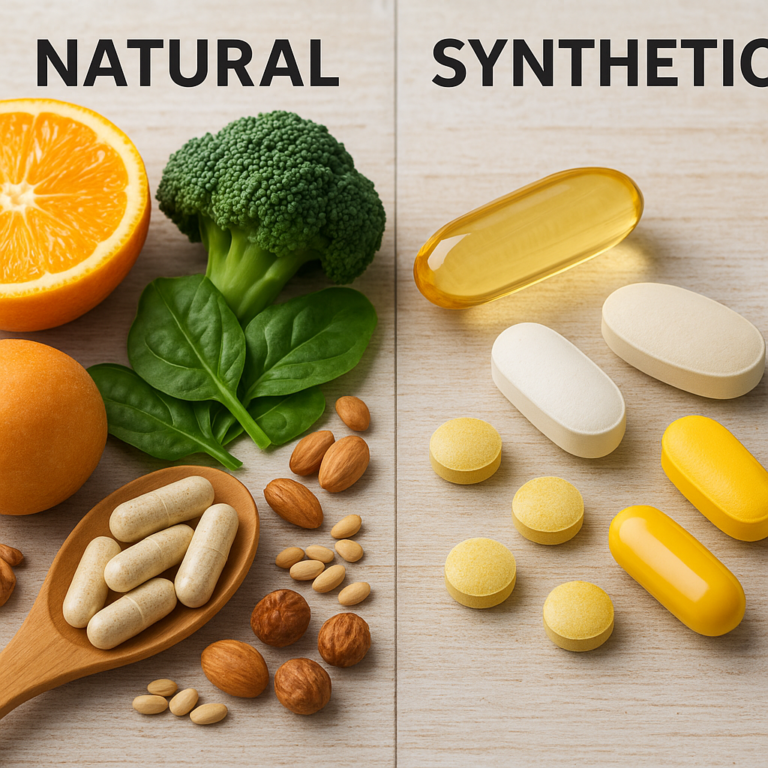
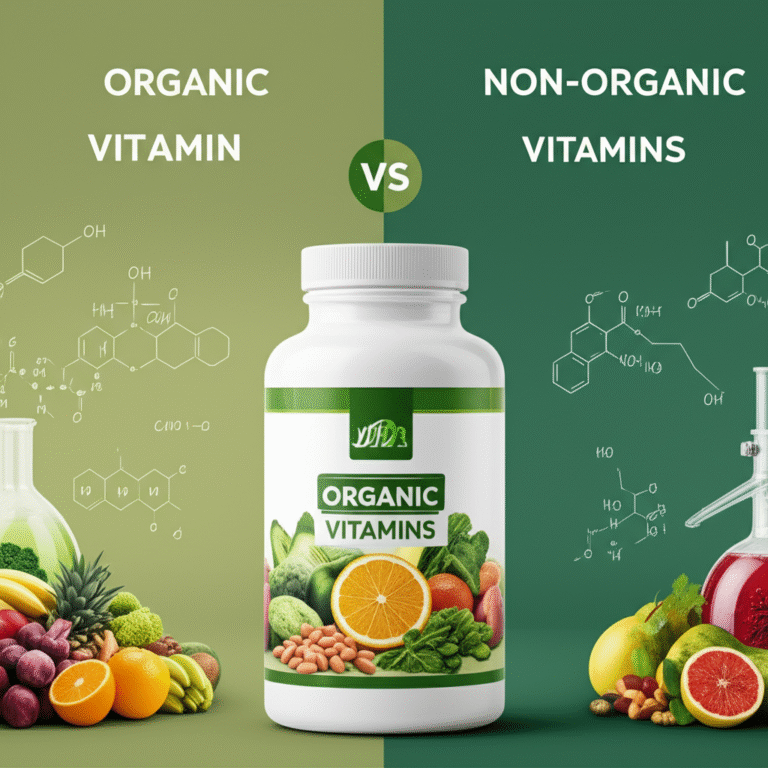
You’ve probably stood in the supplement aisle, squinting at a bottle labeled “10% Organic” next to a cheaper “Synthetic” option, wondering if the extra cost is worth it. Does “organic” guarantee a supercharged vitamin that your body will thank you for, or is it just a marketing gimmick designed to empty your wallet? At Vitamin Brands™, we’ve seen it all: from the “natural” herbs that turned out to be laced with heavy metals to synthetic vitamins that saved lives by correcting severe deficiencies. The truth is, the answer isn’t a simple “yes” or “no”—it’s a fascinating dance between chemistry, farming practices, and your unique biology.
In this deep dive, we’re peling back the layers of the supplement industry to reveal the real science behind organic versus synthetic nutrients. We’ll explore the “synergy effect” of whole foods, expose the hidden dangers of the “natural” label, and reveal exactly when synthetic supplements are not just acceptable, but actually superior. Spoiler alert: Natural doesn’t always mean safer, and sometimes the lab-made version is the hero your body needs. By the end of this article, you’ll know exactly which bottle to grab for your specific health goals, no more guessing games.
🚀 Key Takeaways
- “Organic” refers to farming, not efficacy: The organic label guarantees no synthetic pesticides were used, but it does not automatically mean the nutrient is better absorbed or more effective than a high-quality synthetic alternative.
- Whole-food synergy is real: Organic whole-food extracts often contain natural co-factors and enzymes that enhance absorption, offering benefits that isolated synthetic nutrients cannot replicate.
- Synthetic isn’t the enemy: In many cases, such as folic acid for pregnancy or B12 for vegans, synthetic forms are more bioavailable, stable, and cost-effective than their natural counterparts.
- Third-party testing is non-negotiable: Whether organic or synthetic, always look for third-party certifications (USP, NSF, ConsumerLab) to ensure purity and avoid contaminants like heavy metals.
- Food first, supplements second: No pill can fully replace the complex nutritional matrix of a diet rich in fruits, vegetables, oily fish, and whole grains.
Table of Contents
- ⚡️ Quick Tips and Facts
- 🕰️ The Evolution of Supplements: From Whole Foods to Lab-Enginered Pills
- 🧪 Decoding the Label: What “Organic,” “Natural,” and “Synthetic” Actually Mean
- 🔬 The Bioavailability Battle: Are Organic Supplements Better Absorbed?
- 🥗 The Synergy Effect: Why Whole-Food Extracts Often Beat Isolated Nutrients
- ⚖️ 7 Critical Differences Between Organic and Synthetic Supplements
- 1. Source Material and Purity Standards
- 2. Presence of Co-Factors and Enzymes
- 3. Chemical Structure and Molecular Mimicry
- 4. Contaminant Risks and Heavy Metals
- 5. Cost vs. Value Proposition
- 6. Environmental Impact and Farming Practices
- 7. Regulatory Oversight and Certification Gaps
- 💣 The Dark Side of “Natural”: When Organic Supplements Can Be Harmful
- 🏆 Top 5 Organic Supplement Brands We Trust (And Why)
- 🥦 Food First: Can You Get Enough Nutrients from Fruits, Veggies, and Whole Grains?
- 🐟 The Power of Oily Fish, Beans, Legumes, Nuts, and Seeds in Your Diet
- 💊 Multivitamins vs. Single Nutrients: Which Strategy Wins for Health?
- 🛡️ Antioxidants and Phytonutrients: The Hidden Heroes of Organic Supplements
- 🤔 Who Should Actually Choose Organic Supplements?
- 📉 When Synthetic Supplements Are the Better (or Only) Choice
- 🧠 Expert Insights: How We Reviewed This Article and Our Evidence-Based Approach
- 📚 Related Stories: Deep Dives into Nutrition Science
- ✅ Was This Article Helpful?
- 🏁 Conclusion: The Verdict on Organic vs. Synthetic
- 🔗 Recommended Links
- ❓ Frequently Asked Questions (FAQ)
- 📖 Reference Links
⚡️ Quick Tips and Facts
Welcome to Vitamin Brands™! We’re thrilled you’re here, diving deep into the fascinating, sometimes confusing, world of supplements. Today, we’re tackling a big
one: Are organic supplements truly better? It’s a question we hear constantly, and honestly, the answer isn’t always black and white. But don’t worry, we’re here to cut through the noise with
expert advice, real-world insights, and a dash of our signature wit!
Here’s a quick peek at what you need to know, right off the bat:
- “Organic” doesn’t automatically mean “better” or
“safer.” While the term evokes images of pristine nature, the science tells a more nuanced story. - Whole foods are always king! No supplement, organic or otherwise,
can fully replicate the complex synergy of nutrients found in a balanced diet of fruits, vegetables, whole grains, and healthy fats. - Third-party verification is your best friend. Forget fancy labels alone
; look for certifications from independent bodies like USP, NSF, or ConsumerLab. This is often more important than the “organic” label itself for ensuring purity and potency. - Synthetic nutrients aren’t always bad
. In some cases, they are essential, more stable, or simply the most bioavailable form. Don’t dismiss them outright! - More isn’t always better. High doses of certain vitamins, whether natural or synthetic,
can be harmful. Always consult with a healthcare professional before starting any new supplement regimen. - Deficiencies are real. For those with confirmed nutrient deficiencies or specific dietary restrictions (hello, vegans!), supplements
can be a game-changer.
Ready to peel back the layers and discover the truth about organic supplements? Let’s go!
🕰️ The Evolution of Supplements: From Whole Foods to Lab-Engineered Pills
Remember a time when “supplements” meant a spoonful of cod
liver oil or perhaps a daily orange for Vitamin C? Ah, simpler times! But our understanding of nutrition, and our ability to isolate and synthesize nutrients, has come a long way. For centuries, humans relied solely on whole foods for their nutritional needs.
Our ancestors intuitively understood the power of a diverse diet, even if they didn’t have the scientific terms for vitamins and minerals.
Fast forward to the early 20th century, and the discovery of individual vitamins revolutionized our approach to health.
Suddenly, diseases like scurvy and rickets, once rampant, could be prevented or cured with specific nutrient interventions. This era marked the birth of the modern supplement industry, moving from simple food extracts to purified, and eventually, synthesized compounds.
Today,
we stand at a crossroads. On one hand, we have an incredible array of highly targeted, bioavailable synthetic nutrients. On the other, a growing movement champions “organic,” “whole-food,” and “natural” supplements, promising a return to nature
‘s wisdom. This isn’t just a trend; it’s a reflection of our desire for purity, efficacy, and a deeper connection to where our nourishment comes from. But how do we navigate this ever-expanding landscape? That
‘s precisely what we at Vitamin Brands™ are here to help you unravel.
🧪 Decoding the Label:
What “Organic,” “Natural,” and “Synthetic” Actually Mean
Let’s be honest, supplement labels can sometimes feel like a cryptic puzzle, especially when terms like “organic,” “natural,” and “synthetic” are thrown around.
What do they really signify for your health and wallet? As health professionals, we’ve seen firsthand how these labels can influence consumer perception, often without a full understanding of their implications.
What Does “Organic” Truly Mean in
the Supplement World?
When you see the USDA Organic seal on a supplement, it means that at least 95% of the ingredients are organically produced. This implies:
- No synthetic pesticides or fertilizers were used in growing
the raw materials. - No genetically modified organisms (GMOs).
- No irradiation or sewage sludge.
- Adherence to specific farming and processing standards that promote ecological balance and conserve biodiversity.
For us at Vitamin Brands™, the “organic” label signifies a commitment to environmental stewardship and often a higher standard of raw material sourcing. However, it’s crucial to understand that “organic” primarily refers to the farming practices of
the ingredients, not necessarily the final product’s efficacy or safety, which still needs independent verification.
“Natural” – The Wild Card of Supplement Labels
Ah, “natural.” This term is perhaps the most ambiguous and, frankly, the least
regulated in the supplement industry. While it suggests ingredients derived from whole foods or naturally occurring sources, there’s no strict legal definition or certification process like there is for “organic.”
- A “natural” vitamin C, for instance
, might come from acerola cherries. - A “natural” vitamin E might be derived from sunflower oil.
The problem? “Natural” doesn’t guarantee the absence of pesticides, GMOs, or heavy metals. It also
doesn’t tell you how much processing the ingredient underwent. As the National Center for Complementary and Integrative Health (NCCIH) wisely points out, “Natural doesn’t necessarily mean safer, or better.” Even
potent toxins like arsenic and snake venom are “natural”! This is why we urge you to look beyond the “natural” claim and dig deeper into sourcing and third-party testing.
Understanding “Synthetic” Nut
rients
Synthetic nutrients are compounds manufactured artificially in a laboratory or industrial setting. They are designed to mimic the chemical structure of nutrients found in nature.
- Example: Ascorbic acid is the synthetic form of Vitamin C. F
olic acid is the synthetic form of folate.
Often, synthetic vitamins are identical in chemical structure to their natural counterparts, making them equally bioavailable and effective. In some cases, like folic acid, the synthetic form is actually *
more* bioavailable than the natural form (folate) found in food.
The perception that synthetic is “bad” is a common misconception we encounter. While some studies have shown mixed results for synthetic supplements compared
to whole foods, it’s not a universal truth. The key is understanding the specific nutrient, its form, and its intended purpose. For example, the plastic surgeon and anti-aging expert in our featured video emphasizes that a quality multivitamin, which often contains synthetic forms, acts as “nutritional insurance” to fill dietary gaps.
The takeaway? Don’t let labels alone dictate your choices. Understanding what
each term truly implies is your first step towards becoming a savvy supplement consumer!
🔬 The Bioavailability Battle: Are Organic Supplements
Better Absorbed?
Here’s where the plot thickens! One of the biggest arguments for organic and whole-food supplements is often centered around bioavailability – essentially, how well your body can absorb and utilize a nutrient. It
makes sense, right? If it comes straight from nature, surely your body recognizes it better!
Our team at Vitamin Brands™ has spent countless hours researching this very question, and the answer, like many things in nutrition, is nuanced.
The Whole-Food Advantage: A Symphony of Nutrients
Many proponents of organic and whole-food supplements argue that nutrients in their natural matrix, surrounded by their naturally occurring co-factors, enzymes, and phytonutrients, are
absorbed and utilized more efficiently by the body. Think of it like a symphony orchestra: each instrument (nutrient) plays a vital role, but the magic truly happens when they all play together.
For example, Vitamin C in an organic acerola cherry extract
isn’t just ascorbic acid; it comes with bioflavonoids, enzymes, and other compounds that may enhance its absorption and antioxidant activity. This “synergy effect” is a powerful argument for whole-food sources. As Marilyn Opezzo,
PhD, from Stanford, puts it, “If you take a special compound out of broccoli and put it in a powder, it’s not going to have the same effect as the whole plant did.”
The
Synthetic Side: Sometimes Just as Good, or Even Better
However, it’s not always a clear win for organic. For many isolated nutrients, particularly vitamins, the synthetic version is chemically identical to the natural one, and your body can
‘t tell the difference. For instance, the bioavailability of synthetic folic acid is often higher than the naturally occurring folate in foods. This is why folic acid is often recommended for pregnant women to
prevent neural tube defects.
Furthermore, some synthetic forms are specifically engineered for enhanced absorption or stability. For example, certain forms of magnesium (like magnesium glycinate or threonate, as mentioned in the featured video)
are known for their superior absorption compared to other forms.
So, what’s the verdict? While the “synergy effect” of whole foods is undeniable, the bioavailability of a supplement, whether organic or synthetic, depends heavily
on:
- The specific nutrient: Some are more stable or absorbable in synthetic forms.
- The form it’s in: Magnesium citrate vs. magnesium oxide, for example.
- Individual factors
: Your gut health, age, and existing nutrient levels all play a role.
Ultimately, we recommend prioritizing whole foods first. When opting for supplements, research the specific form of the nutrient and look for third-party testing that verifies its
bioavailability and purity, regardless of whether it’s labeled “organic” or not.
🥗 The Synergy Effect: Why Whole-Food Extracts Often Beat Isolated Nutrients
Imagine trying to understand a complex machine by only looking at one tiny screw. You’d miss the intricate gears, the powerful engine, and the
elegant design that makes it all work together! That’s often how we view isolated nutrients versus the incredible complexity of whole foods and their extracts. This is the heart of the Synergy Effect, and it’s a cornerstone of our
philosophy at Vitamin Brands™.
When you consume a whole food – let’s say, a vibrant organic blueberry 🫐 – you’re not just getting Vitamin C. You’re getting a rich tapestry of:
- Antioxidants:
Anthocyanins, quercetin, resveratrol, all working in concert. - Fiber: Crucial for gut health and nutrient absorption.
- Phytonutrients: Thousands of plant compounds, many of which we’re still
discovering, that offer protective benefits. - Enzymes: Aiding digestion and metabolic processes.
- Vitamins and Minerals: In their natural, often chelated, forms.
This intricate dance of compounds often
leads to a greater biological effect than any single nutrient could achieve on its own. It’s why studies on whole foods consistently show health benefits, while studies on isolated synthetic nutrients often yield “mixed, inconsistent, or no effect” results.
The Case for Whole-Food Extracts
This is where whole-food extracts come into play. These supplements aim to capture the essence of the whole plant, concentrating its beneficial compounds while maintaining
some of that natural synergy. Instead of just isolated Vitamin C (ascorbic acid), you might find a blend of acerola cherry, camu camu, and rose hips – all natural sources of Vitamin C, along with their naturally
occurring bioflavonoids.
Why is this important?
- Enhanced Absorption: Co-factors in whole foods can improve the absorption and utilization of key nutrients.
- Broader Benefits: The array of phytonutrients
offers a wider spectrum of health benefits beyond just preventing a deficiency. For example, the powerful antioxidants in a whole-food complex can help combat oxidative stress more effectively than an isolated antioxidant. - Reduced Risk of Imbalance: Taking
a single, high-dose isolated nutrient can sometimes create imbalances or antagonize other nutrients. Whole-food approaches tend to be more balanced.
While we recognize the value of targeted synthetic nutrients for specific deficiencies, our preference at Vitamin Brands™
often leans towards high-quality, organic whole-food extracts when the goal is general health optimization and leveraging the full spectrum of nature’s wisdom. It’s about giving your body the full orchestra, not just a solo performance!
⚖️ 7 Critical Differences Between Organic and Synthetic Supplements
Alright, let’s get down to brass tacks! When
you’re standing in the supplement aisle (or scrolling online), the choice between “organic” and “synthetic” can feel like a philosophical debate. But as your trusted health professionals at Vitamin Brands™, we believe in empowering you with facts. Here are seven
critical differences that can help you make an informed decision.
| Feature | Organic Supplements | Synthetic Supplements |
|---|---|---|
| ** |
- Source Material** | Grown without synthetic pesticides, fertilizers, GMOs. Often from whole foods. | Chemically manufactured in a lab. |
| 2. Co-Factors/Enzymes
| Often retain natural co-factors, enzymes, and phytonutrients for synergy. | Typically isolated nutrients; lack natural co-factors. |
| 3. Chemical Structure | Naturally occurring forms. | Designed
to mimic natural forms; can be identical or slightly different. |
| 4. Purity/Contaminants | Lower risk of synthetic pesticide residues. Still susceptible to heavy metals. | Risk of manufacturing impurities.
Can be highly purified. |
| 5. Bioavailability | Often enhanced by natural matrix, but can vary. | Can be highly bioavailable (e.g., folic acid), but may lack synergistic effects
. |
| 6. Cost | Generally higher due to organic farming and processing standards. | Generally lower due to mass production. |
| 7. Environmental Impact | Supports sustainable farming, biodiversity
. | Less direct environmental impact from farming, but manufacturing processes vary. |
Let’s unpack these differences with a bit more detail!
1. Source Material and Purity Standards
✅ Organic: The
primary differentiator here is the source. Organic supplements derive their nutrients from plants or animals raised according to strict organic farming standards. This means no synthetic pesticides, herbicides, or genetically modified organisms (GMOs) are used in their cultivation. This commitment
to cleaner farming practices often translates to a lower risk of pesticide residues in the final product. It’s about starting with the cleanest possible raw materials.
❌ Synthetic: These are created in a laboratory. While the end product might be chemically
identical to its natural counterpart, the starting materials and manufacturing process are entirely different. The purity of synthetic supplements depends heavily on the manufacturing standards and quality control of the producer.
2. Presence of Co-Factors and Enzymes
✅
Organic: Many organic, whole-food-based supplements aim to preserve the natural matrix of the food source. This means they often contain not just the target vitamin or mineral, but also naturally occurring **co-factors, enzymes, and phytonutrients
**. These additional compounds can work synergistically, potentially enhancing absorption and utilization within the body. Think of it as getting the whole support team, not just the star player!
❌ Synthetic: Synthetic nutrients are typically isolated compounds. While they
deliver the specific nutrient, they generally lack these beneficial co-factors. This is a key point in the “synergy effect” argument we discussed earlier.
3. Chemical Structure and Molecular Mimicry
✅ Organic:
Nutrients derived from organic sources typically exist in their naturally occurring chemical forms.
❌ Synthetic: Synthetic nutrients are designed to mimic the chemical structure of natural nutrients. For many vitamins (like Vitamin C as ascorbic acid or Vitamin B12 as cyanocobalamin), the synthetic form is chemically identical or very similar to the natural form, and the body processes them similarly. However, for some nutrients, there can be subtle differences in structure or isomeric forms that might affect how
the body recognizes and uses them. For example, natural Vitamin E (d-alpha-tocopherol) is generally considered more bioavailable than synthetic Vitamin E (dl-alpha-tocopherol).
4. Contaminant Risks and
Heavy Metals
✅ Organic: While organic farming reduces the risk of synthetic pesticide residues, it doesn’t make a supplement immune to heavy metal contamination (like lead, mercury, or cadmium) or other environmental pollutants. These can be
present in the soil or water where plants are grown, regardless of organic status. Products like turmeric pills, spirulina, and chlorella, even if organic, have been found to contain heavy metals or mycotoxins. This is why third-party testing is paramount!
❌ Synthetic: Synthetic supplements, if not manufactured under strict quality control, can have risks of manufacturing impurities or residual solvents. However, a well-regulated synthetic supplement can be incredibly
pure, often more so than some “natural” extracts that concentrate contaminants from their source material.
5. Cost vs. Value Proposition
✅ Organic: Generally, organic supplements come with a higher price tag. This is due
to the increased costs associated with organic farming practices, certification, and often more involved extraction methods that aim to preserve the whole-food matrix. You’re often paying for the environmental standards and the perceived “wholeness” of the product.
❌ Synthetic: Synthetic supplements are typically more affordable to produce on a large scale, making them more accessible. For many, the cost-effectiveness of synthetic vitamins makes them a practical choice for addressing deficiencies or ensuring adequate intake.
6.
Environmental Impact and Farming Practices
✅ Organic: Choosing organic supplements supports farming practices that are generally more sustainable, promote biodiversity, and reduce the environmental burden of synthetic chemicals. This aligns with a broader commitment to ecological health, which is a value
many consumers prioritize.
❌ Synthetic: The environmental impact of synthetic supplement manufacturing varies widely depending on the specific processes and energy sources used. While they don’t directly contribute to pesticide runoff from farming, their production still has an ecological footprint.
- Regulatory Oversight and Certification Gaps
✅ Organic: The “organic” label itself is regulated by bodies like the USDA. However, the FDA regulates all supplements as food, not drugs, meaning they don’t verify
safety, effectiveness, or contents before sale, regardless of organic status. So, while the organic ingredients are certified, the final supplement product still needs independent verification for what’s actually
inside the bottle.
❌ Synthetic: Like organic supplements, synthetic supplements fall under the same FDA regulatory framework. This means the onus is on the manufacturer to ensure safety and accuracy, and independent third-party testing is crucial for consumer confidence
.
As you can see, it’s a complex picture! There are compelling arguments on both sides, and your best choice often depends on your individual needs, values, and budget.
💣 The Dark Side of “Natural”: When Organic Supplements Can Be Harmful
We love the idea of “natural” as
much as anyone. It conjures images of pristine forests and wholesome goodness. But here’s a crucial truth that we, as health professionals at Vitamin Brands™, feel compelled to share: “Natural” does not automatically mean “safe” or “effective
.” This is a critical point often overlooked in the quest for healthier living. In fact, sometimes the pursuit of “natural” can lead you down a dangerous path.
Let’s bust this myth wide open. The NCCIH clearly
states, “Natural doesn’t necessarily mean safer, or better.” They remind us that everything is made of chemicals – even an apple! And nature itself is full of potent toxins like mercury, snake venom
, and arsenic.
Here are some real-world examples where “natural” supplements have caused significant harm:
- Kava: This herb, often used for anxiety, has been linked to **severe liver damage
**. Imagine seeking calm and inadvertently harming your vital organs! - Ephedra: Once a popular ingredient in weight-loss and energy supplements, ephedra was associated with heart problems, strokes, seizures
, and even death. The FDA banned its sale in dietary supplements in 2004 due to these serious safety concerns. - Beta-carotene: While a
natural antioxidant found in carrots, high-dose beta-carotene supplements have been shown to increase the risk of cancer in smokers. This is a stark reminder that isolating a compound from its natural food matrix and meg
adosing it can have unintended, and dangerous, consequences. - Contamination Concerns: Even “organic” or “natural” products aren’t immune to contamination. We’ve seen reports of turmeric pills containing high doses of heavy
metals and spirulina and chlorella tablets contaminated with mycotoxins. These contaminants often come from the soil or water where the plants are grown, regardless of organic certification.
The takeaway? A
“natural” label is not a free pass for safety. It’s vital to remember that supplements are largely unregulated by the FDA before they hit the market. This means manufacturers are responsible for ensuring their products are safe
and accurately labeled.
So, how do you protect yourself?
- Be skeptical of sensational claims. If it sounds too good to be true, it probably is.
- Prioritize third-party testing. This is your best
defense against contaminants and inaccurate labeling. - Consult your doctor. Always, always, always discuss any supplements you’re considering with your healthcare provider, especially if you have underlying health conditions or are taking medications. Vitamin
K, for example, can reduce the effectiveness of blood thinners, and St. John’s wort can dangerously interact with antidepressants.
Your health is too precious to gamble on a label alone. Be informed, be vigilant
, and choose wisely!
🏆 Top 5 Organic Supplement Brands We Trust (And Why)
At Vitamin
Brands™, we’re constantly sifting through the vast ocean of supplements to identify those that truly stand out for their quality, transparency, and commitment to health. When it comes to organic supplements, our team has a few go-to brands that
consistently impress us with their dedication to purity, potency, and rigorous testing.
Remember, while “organic” is a great start, it’s the brand’s overall commitment to quality that truly matters. These brands go above and beyond!
If you’re looking for the very best in organic supplementation, you might also want to check out our in-depth article on the Best Organic Supplement Brands.
Here are our top 5 picks for organic supplement brands we trust, along with a quick rating and why they’ve earned our seal of approval:
| Brand Name | Organic Sourcing | Third-Party Testing | Product Range
| Transparency | Overall Trust Score (1-10) |
|---|---|
| 1. Garden of Life | |
| 9/10 | 9/10 |
| 2. MegaFood | 9/ |
| 10 | 9/10 |
| 3. New Chapter | 8/10 |
| 8/10 | 8/10 |
| 4. Pure Synergy | 10/10 |
| /10 | 7/10 |
| 5. Orgain | 8/10 |
| 7/10 | 8/10 |
Let’s dive into why these brands make our list!
1. Garden of Life: The Whole-Food
Powerhouse
Garden of Life is practically synonymous with organic, whole-food nutrition. They are pioneers in the space, offering an incredibly diverse range of products from protein powders to targeted vitamins, all rooted in certified organic and non-GMO ingredients
.
What we love:
- Unwavering Commitment to Organic: Their entire ethos is built around clean, traceable ingredients.
- Fermented Formulas: Many of their products are fermented, which can enhance nutrient
bioavailability and support gut health. - Extensive Product Line: Whether you need a multivitamin, a probiotic, or a specific herbal blend, they likely have an organic option. You can explore their range of Multivitamin Supplements and Natural Vitamins.
- Third-Party Certifications: They proudly
display numerous certifications, including USDA Organic, Non-GMO Project Verified, and often NSF Certified for Sport.
👉 Shop Garden of Life on:
- Garden of Life: Amazon | Walmart | Garden of Life Official Website
2
. MegaFood: Food-First Philosophy
MegaFood takes a “food-first” approach, crafting supplements from real, whole foods. They are certified Glyphosate Residue Free, a testament to their commitment to purity beyond just organic standards
.
What we love:
- Farm-to-Tablet Transparency: They work directly with trusted farm partners, allowing for incredible traceability of their ingredients.
- Slow-Food Process: Their unique “Slo
-Food Process” aims to preserve the integrity and potency of nutrients. - Targeted Formulas: They offer excellent targeted supplements, including specific Essential Vitamins
and Health Supplements. - Rigorous Testing: They conduct extensive in-house and third-party testing for purity and potency.
👉 Shop Mega
Food on:
- MegaFood: Amazon | Walmart | MegaFood Official Website
3. New Chapter: Fermented for Absorption
New Chapter stands out for its emphasis on fermented whole-food vitamins and minerals. Fermentation is a traditional process that can make
nutrients more digestible and absorbable, a principle we wholeheartedly endorse.
What we love:
- Fermentation Expertise: Their proprietary fermentation process enhances nutrient absorption and creates a gentler-on-the-stomach supplement.
Commitment to Sustainability: They are a Certified B Corporation, demonstrating their dedication to social and environmental performance.
- Herbal Blends: Beyond vitamins, they offer a fantastic range of organic herbal supplements.
- Quality
Sourcing: They prioritize organic and non-GMO ingredients.
👉 Shop New Chapter on:
- New Chapter: Amazon | Walmart | New Chapter Official Website
4. Pure Synergy: Uncompromising Quality
Pure Synergy is a brand that truly lives up
to its name, known for its uncompromising commitment to quality, purity, and potency. They are meticulous about sourcing the finest organic ingredients from around the world.
What we love:
- Deep Green Formulas: Their “Super
food” blends are legendary, packed with a wide array of organic greens, fruits, and vegetables. - Cold Processing: They utilize gentle, cold-processing methods to preserve the delicate nutrients in their raw materials.
- Extensive
Testing: Every batch undergoes rigorous testing for purity, potency, and absence of contaminants. - Holistic Approach: Their product line reflects a holistic view of health, focusing on foundational nutrition.
👉 Shop Pure Synergy on:
Pure Synergy:** Amazon | Pure Synergy Official Website
5. Orgain: Organic Nutrition for Busy Lives
Orgain has made a name for itself by making organic, clean nutrition accessible and delicious, especially with their protein powders and meal replacement shakes. They focus on organic plant-based ingredients.
What we love:
- Conven
ience Meets Organic: They make it easy to get organic nutrition on the go, perfect for busy lifestyles. - Plant-Based Focus: Excellent options for vegans and those looking to increase their plant-based protein intake.
Taste and Texture: Their products are generally well-regarded for their taste and smooth texture, which is a huge plus in the protein powder world!
- Accessibility: Widely available, making it easier to find organic options
.
👉 Shop Orgain on:
- Orgain: Amazon | Walmart | Orgain Official Website
Choosing a reputable brand is one of the most important steps you can take when navigating the supplement world. These brands represent the gold standard in organic supplementation, and we’re confident
in recommending them to our Vitamin Brands™ community!
🥦
Food First: Can You Get Enough Nutrients from Fruits, Veggies, and Whole Grains?
Here at Vitamin Brands™, we’re health professionals, and if there’s one mantra we live by, it’s this: Food
first, always! Before you even think about popping a pill, whether organic or synthetic, your primary focus should always be on a diverse, nutrient-rich diet. Can you get enough nutrients from fruits, veggies, and whole grains alone
? For many, the answer is a resounding YES!
Catherine Hu, a clinical dietitian in endocrinology at Stanford, emphasizes, “If someone is eating a varied-enough diet, they should be getting all their nutrition through that
.” We couldn’t agree more! Whole foods offer a complex matrix of vitamins, minerals, fiber, and thousands of phytonutrients that work synergistically in ways supplements simply cannot replicate.
The Power of the Plate
: What Whole Foods Offer
Let’s break down why a plate piled high with colorful produce and hearty grains is your ultimate nutritional powerhouse:
- Fruits and Vegetables: These are your micronutrient champions!
Vitamins Galore:** Think Vitamin C from citrus and berries, Vitamin A (beta-carotene) from carrots and sweet potatoes, Vitamin K from leafy greens, and a spectrum of B vitamins.
-
Minerals: Potassium
from bananas, magnesium from spinach, calcium from broccoli. -
Antioxidants & Phytonutrients: These are the unsung heroes, protecting your cells from damage, reducing inflammation, and supporting overall health. Each color of fruit
and veggie often signifies a different set of beneficial compounds! -
Fiber: Essential for digestive health, blood sugar regulation, and satiety.
-
Whole Grains: Don’t let the carb-phobia scare you
away from these nutritional gems! -
Complex Carbohydrates: Provide sustained energy, fueling your body and brain.
-
Fiber: Crucial for gut health, lowering cholesterol, and preventing constipation. The plastic surgeon in our featured
video highlights fiber as “one of the most underrated nutrients” and notes that “9 out of 10 Americans don’t get enough fiber.” -
B Vitamins: Essential for energy metabolism
. -
Minerals: Magnesium, iron, zinc, and selenium.
When Your Diet Might Fall Short
However, we also live in the real world. Despite our best intentions, sometimes our diets do fall short
. This isn’t a judgment; it’s a reality for many. Factors like:
-
Busy Lifestyles: Grab-and-go meals often lack nutrient density.
-
Soil Depletion: Modern farming practices can sometimes
lead to lower nutrient content in produce. -
Dietary Restrictions: Vegans, for example, often need to supplement B12, and may consider calcium, zinc, iron, and Vitamin D.
-
Specific Life Stages: Pregnancy requires increased folic acid and omega-3s. Those over 50 may need extra calcium, Vitamin D, and B12.
-
Medical Conditions: Bariatric surgery or certain medications can impair nutrient absorption.
So, while “food first” is our golden rule, we also understand that supplements play a crucial role in filling
those nutritional gaps. The key is to view them as supplements to a healthy diet, not replacements. And when you do reach for a supplement, make an informed choice, perhaps exploring our range of Natural Vitamins or Multivitamin Supplements.
🐟 The Power of Oily Fish, Beans, Legumes, Nuts, and Seeds in Your Diet
While fruits,
vegetables, and whole grains form the colorful backbone of a healthy diet, let’s not forget the incredible nutritional heavyweights that often fly under the radar: oily fish, beans, legumes, nuts, and seeds. These foods are absolute
powerhouses, delivering essential fats, proteins, and a unique array of micronutrients that are vital for optimal health. Our team at Vitamin Brands™ constantly reminds our clients to integrate these into their daily meals.
Oily Fish: Your Omega
-3 Superheroes! 🐠
When we talk about brain health, heart health, and reducing inflammation, oily fish like salmon, mackerel, sardines, and trout are at the top of our list. Why? Because they are
packed with Omega-3 fatty acids, specifically EPA and DHA.
- Anti-inflammatory Power: Omega-3s are renowned for their anti-inflammatory properties, helping to combat chronic inflammation that contributes to aging and many diseases. The
plastic surgeon in our featured video emphasizes that omega-3s are “anti-inflammatory, helping reduce chronic inflammation and slow aging.” - Brain Boost: These fats are critical for brain function, memory, and mood
regulation. - Heart Health: They support cardiovascular health by helping to lower triglycerides and blood pressure.
- Skin Glow: As our video expert also notes, omega-3s “hydrate your skin from within,” contributing to a ”
natural glow.”
If you’re not a fan of fish or struggle to consume it regularly, high-quality fish oil or algae-based omega-3 supplements can be an excellent alternative.
👉 Shop Omega-3
Supplements on:
- Nordic Naturals Ultimate Omega: Amazon | Walmart | Nordic Naturals Official Website
- Viva Naturals Omega-3 Fish Oil:
Amazon | Viva Naturals Official Website
Beans and Legumes
: The Humble Heroes of Protein and Fiber 🌱
From lentils to chickpeas, black beans to kidney beans, these versatile foods are nutritional champions, especially for plant-based diets.
- Plant-Based Protein: An excellent source of protein
, crucial for muscle repair and growth. - Fiber Powerhouse: Loaded with both soluble and insoluble fiber, they are fantastic for digestive health, blood sugar control, and satiety. Remember, fiber is critical, and most of us don’
t get enough! - Rich in Micronutrients: They provide iron, folate, magnesium, and potassium.
Nuts and Seeds: Tiny Packages of Mighty Nutrition 🌰
Almonds, walnuts, chia seeds, flax seeds,
pumpkin seeds – these small but mighty foods are packed with healthy fats, protein, fiber, and a treasure trove of vitamins and minerals.
-
Healthy Fats: Monounsaturated and polyunsaturated fats support heart health and provide sustained energy.
-
Protein & Fiber: Contributing to satiety and digestive regularity.
-
Vitamins & Minerals: Vitamin E (especially in almonds), magnesium (in pumpkin seeds), selenium (in Brazil nuts), zinc, and omega-3s (in flax and chia seeds).
Incorporating these foods into your diet is a delicious and effective way to boost your nutrient intake naturally. Think a handful of nuts as a snack, lentils in your soup, or flax seeds sprinkled over your oatmeal
. Your body will thank you!
💊 Multivitamins vs. Single Nutrients: Which Strategy Wins for
Health?
This is a classic debate in the supplement world, and one we often address at Vitamin Brands™: Is it better to take a comprehensive multivitamin, or should you target specific nutrients with individual supplements? The answer, as you
might guess, isn’t a simple one-size-fits-all, but depends on your individual needs and health goals.
The Case for Multivitamins: “Nutritional Insurance”
Many of us, despite our best efforts,
don’t consistently hit all our daily nutritional targets. This is where a quality multivitamin can shine. As the plastic surgeon in our featured video aptly puts it, a multivitamin acts as “nutritional insurance
” to fill those inevitable gaps.
Benefits of a Multivitamin:
-
Fills Gaps: It provides a broad spectrum of essential vitamins and minerals, ensuring you’re not missing out on crucial micronutrients.
-
Convenience: One pill, many nutrients – it’s simple and easy to remember.
-
Foundational Support: It can provide a baseline of nutrients for overall health, immunity, and energy.
Potential Benefits: Some observational studies link multivitamin use to a lower risk of heart disease and cancer, and improved memory in older adults.
Drawbacks/Considerations:
- Mixed Results in
Studies: Healthline notes that studies on the beneficial effects of many synthetic nutrients (often found in multivitamins) have been “inconsistent, weak or shown no effect.” Some research even links multivitamin use to
an increased cancer risk. - Dosage Concerns: Some multivitamins contain doses far exceeding the recommended daily allowance, which can be problematic for certain nutrients. Remember, “more is not better,” as
excess Vitamin B6 can damage nerves, and high doses of Vitamin A can harm the liver. - Absorption Issues: Not all nutrients in a multivitamin are absorbed equally well when taken together.
When choosing a multivitamin, look for one that is third-party tested and contains bioavailable forms of nutrients. We have a great selection of Multivitamin Supplements and often recommend specific Best Vitamins for Women tailored to their unique needs.
👉 CHECK PRICE on:
- Garden
of Life Vitamin Code Raw One Multivitamin for Women: Amazon | Walmart | Garden of Life Official Website - MegaFood Women
‘s One Daily: Amazon | Walmart | MegaFood Official Website
The Case for Single and Paired Vitamins: Targeted Precision
Sometimes, your body has a very specific need. Perhaps
a blood test revealed a Vitamin D deficiency, or you’re a vegan needing B12. In these scenarios, single or paired nutrient supplements can be incredibly effective.
Benefits of Single/Paired Nutrients:
*
Targeted Correction: Ideal for addressing confirmed deficiencies (e.g., Vitamin D, Iron, B12).
- Optimal Dosing: Allows for precise dosing without the risk of over-consuming other nutrients.
Specific Health Goals:** Useful for addressing particular concerns, such as magnesium for sleep or creatine for muscle energy and brain function, as highlighted in our featured video.
- Proven Benefits: Vitamin D combined with calcium
is generally agreed to improve bone health in older people.
Drawbacks/Considerations:
- Can Create Imbalances: Focusing too much on one nutrient without considering its interaction with others can sometimes
lead to imbalances. - Requires Knowledge: You need to know what you’re deficient in or what specific benefit you’re seeking.
- Conflicting Data: For some single nutrients, like B vitamins for brain function
, studies have shown conflicting data or no improvement.
Our Recommendation:
For most healthy individuals with a reasonably balanced diet, a high-quality multivitamin can serve as an excellent baseline. However, if
you have specific dietary restrictions, health concerns, or confirmed deficiencies, then targeted single or paired supplements, guided by a healthcare professional, are often the more effective strategy. It’s about personalizing your approach to nutrition, a core principle here
at Vitamin Brands™! Don’t hesitate to check out our Essential Vitamins section for more targeted guidance.
🛡️ Antioxidants and Phytonutrients: The Hidden Heroes of Organic Supplements
When we talk about the magic of whole foods and
organic supplements, we often highlight the “synergy effect.” A huge part of that magic comes from antioxidants and phytonutrients. These aren’t just buzzwords; they’re the unsung heroes working tirelessly behind the scenes
to protect your body at a cellular level. At Vitamin Brands™, we’re fascinated by their power!
What Are They, and Why Do They Matter?
-
Antioxidants: Think of antioxidants as your body’s personal
security guards. They combat oxidative stress, a process caused by free radicals that can damage cells, contribute to aging, and increase the risk of chronic diseases. Vitamins C and E, beta-carotene, and selenium are well-known antioxidants. -
Phytonutrients: These are plant compounds that give fruits and vegetables their vibrant colors, distinct aromas, and unique flavors. But their role goes far beyond aesthetics! There are thousands of different phytonutrients (like flavonoids, carotenoids, and polyphenols), and many have powerful antioxidant, anti-inflammatory, and immune-boosting properties.
The Whole-Food Advantage for Antioxidants & Phytonutrients
This is where organic, whole-food-based supplements really
shine. When you consume a whole food, or a high-quality organic extract, you’re getting a complex array of these protective compounds working together. For example:
- Berries: Packed with anthocyanins.
Green Tea:** Rich in catechins.
- Turmeric: Contains curcuminoids.
- Leafy Greens: Bursting with carotenoids like lutein and zeaxanthin.
The synergy among these compounds can often lead to a greater
protective effect than taking an isolated antioxidant.
The Nuance with Antioxidant Supplements
However, the story with isolated antioxidant supplements is a bit more complicated. While the idea of boosting your antioxidant intake sounds great, studies have shown mixed results:
- No Universal Benefit: Several reviews have found no evidence that isolated antioxidant supplements (like beta-carotene, Vitamins A, C, E, and selenium) reduce the risk of death or cancer.
- Potential Harm: As we discussed, beta-carotene supplements have been shown to increase the risk of cancer in smokers. This is a critical warning against the “more is better”
mentality, especially with isolated nutrients. - Eye Health: One area where antioxidant vitamins and minerals may help is in slowing the progression of diseases causing blindness, though more research is needed.
Our
Perspective at Vitamin Brands™:
While we acknowledge the mixed results for isolated antioxidant supplements, we firmly believe in the power of antioxidants and phytonutrients when consumed in their whole-food forms or as part of comprehensive,
organic whole-food extracts. These provide the full spectrum of compounds that nature intended, allowing for that crucial synergy.
So, load up on your organic fruits and veggies! If you’re looking to supplement, consider a broad-spectrum organic greens
powder or a whole-food antioxidant blend that provides a diverse range of naturally occurring phytonutrients, rather than just high doses of a single isolated antioxidant. It’s about embracing the wisdom of nature’s design!
🤔 Who Should Actually Choose Organic Supplements?
So, after all this talk about “organic,” “natural,” and “synthetic,” you might be wondering: who *really
- benefits most from choosing organic supplements? It’s a fantastic question, and one we get all the time at Vitamin Brands™. While organic supplements aren’t a universal panacea, there are definitely groups of people for whom they can be a particularly smart
choice.
Here’s who we believe should seriously consider making the switch to organic supplements:
- The Environmentally Conscious Consumer: If you prioritize sustainable farming practices, reducing pesticide use, and supporting ecological balance, then choosing
certified organic supplements aligns with your values. You’re investing not just in your health, but in the health of the planet. - Those Seeking to Minimize Chemical Exposure: While all supplements should be tested for contaminants, organic certification
provides an extra layer of assurance that the raw materials were grown without synthetic pesticides and herbicides. If you’re particularly sensitive to chemicals or simply want to reduce your overall exposure, organic can be a good choice. - Individuals with
Specific Dietary Sensitivities or Allergies: While not a guarantee, organic products often have fewer artificial additives, colors, and fillers, which can be beneficial for those with sensitivities. Always check the full ingredient list, of course!
4
. Advocates of the “Whole-Food” Philosophy: If you believe in the power of nutrient synergy and prefer to get your vitamins and minerals in a form that’s as close to nature as possible, organic whole-food extracts
are likely your preferred route. You’re looking for the full orchestra, not just a solo performance! - Parents Choosing Supplements for Children: Many parents prefer organic options for their children to minimize exposure to synthetic ingredients and pesticides
during crucial developmental stages. - Pregnant or Breastfeeding Individuals (with Doctor’s Approval): While always consulting a healthcare provider is paramount, many pregnant or breastfeeding individuals opt for organic prenatal vitamins and other supplements to ensure the purest
possible intake for themselves and their babies. For more information, check out our Best Vitamins for Women category. - People
with Chronic Health Conditions (under Medical Supervision): For individuals managing chronic conditions, minimizing exposure to potential toxins and maximizing nutrient absorption from clean sources can be a priority. Again, always with professional medical guidance.
Important Caveat: Even
if you fall into one of these categories, remember our golden rule: third-party testing is still paramount! An organic label is a great start, but verification from independent bodies like USP, NSF, or ConsumerLab ensures that what’
s on the label is actually in the bottle, and that it’s free from harmful contaminants.
So, while organic supplements often come with a higher price tag, for these groups, the perceived value and peace
of mind can be well worth the investment. It’s about making choices that align with your health goals and personal values.
📉 When Synthetic Supplements Are the Better (or Only) Choice
Now, before you go thinking we’re entirely anti-synthetic here at Vitamin Brands™, let’s pump the brakes! While we champion organic and whole-food
approaches, there are absolutely crucial times when synthetic supplements are not just good, but often the better or even only choice for your health. Dismissing them entirely would be a disservice to sound nutritional science.
Here are scenarios
where synthetic supplements truly shine:
- Addressing Confirmed Deficiencies: This is perhaps the most critical area. If a blood test reveals a severe deficiency, a high-dose, targeted synthetic supplement is often the most effective and efficient
way to restore healthy levels.
- Vitamin B12: For vegans and older adults (over 50), synthetic Vitamin B12 (cyanocobalamin) is often the most reliable and readily available form
. Our featured video also lists B12 as essential for those over 50. - Vitamin D: While you can get some Vitamin D from sunlight and
fortified foods, a synthetic Vitamin D3 supplement is often necessary to reach optimal levels, especially in regions with limited sun exposure. - Iron: For individuals with iron-deficiency anemia, a synthetic iron supplement can quickly replenish
stores. - Folic Acid: For pregnant women or those trying to conceive, synthetic folic acid is recommended over natural folate due to its higher bioavailability, crucial for preventing neural tube defects.
- Enhanced Bioavailability: For some nutrients, the synthetic form is actually more bioavailable or stable than its natural counterpart.
- Folic Acid: As mentioned, it’s more readily absorbed than food
-bound folate. - Specific Mineral Forms: Certain chelated synthetic forms of minerals (like magnesium glycinate or bisglycinate) are designed for superior absorption and gentleness on the stomach
.
-
Consistency and Stability: Synthetic supplements can often be manufactured with precise, consistent dosages and greater stability, meaning they have a longer shelf life and less variability between batches. This is particularly important for clinical applications.
Cost-Effectiveness: Let’s be real – organic supplements can be expensive! Synthetic vitamins are generally much more affordable, making essential nutrients accessible to a wider population. For many, a well-formulated, third-party tested synthetic
multivitamin is a practical and effective way to ensure foundational nutrition without breaking the bank.
-
Allergy Considerations: For individuals with severe allergies to specific food sources, a synthetic, purified nutrient can be a safer alternative to a
whole-food extract. -
Specific Medical Conditions/Procedures: Individuals who have undergone bariatric surgery or are taking certain medications (like GLP-1 agonists such as Ozempic) often have reduced nutrient absorption
and require specific, often high-dose, synthetic nutrient supplementation.
The bottom line? Don’t let the “natural is always better” narrative blind you to the very real and often life-saving benefits of
synthetic supplements. Our advice at Vitamin Brands™ is always to prioritize your individual needs, consult with a healthcare professional, and choose the most effective, safest, and most appropriate form of supplementation for you, regardless of its origin. Sometimes, the
lab-created solution is precisely what your body needs!
🧠 Expert Insights: How We Reviewed
This Article and Our Evidence-Based Approach
At Vitamin Brands™, our commitment to your health is paramount. That’s why every article we publish, including this deep dive into organic vs. synthetic supplements, undergoes a rigorous review process guided by our team
of health professionals. We believe in providing you with information that is not only engaging and helpful but also evidence-based, accurate, and trustworthy.
Our Multi-Faceted Review Process:
- Consulting the
Latest Scientific Literature: We don’t just skim headlines. Our team delves into peer-reviewed scientific studies, clinical trials, and meta-analyses from reputable journals. We prioritize research that is robust, well-designed, and has stood the test of time
. - Leveraging Credible Health Organizations: We cross-reference our findings with leading health authorities and institutions. For this article, we drew heavily on insights from:
- Healthline: Known for its accessible
yet evidence-backed health information, helping us understand the “general consensus on synthetic nutrients” and the “mixed results” of many supplement studies. - Stanford Medicine: Providing expert perspectives on supplement myths
, contamination risks, and when supplements are truly necessary. Their emphasis on third-party verification was a key takeaway for us. - National Center for Complementary and Integrative Health (NCCIH): Cru
cial for highlighting the critical message that “natural doesn’t necessarily mean safer, or better” and for detailing potential harms of certain natural products.
- Integrating Expert Perspectives: We value the insights of
diverse health professionals. For this piece, we incorporated the practical advice and recommendations from the board-certified plastic surgeon and anti-aging expert featured in our video. His distinction between “optional” and “mandatory”
supplements, and specific product recommendations, provided a valuable real-world perspective. - Balancing Perspectives and Resolving Conflicts: You might notice that different sources sometimes present slightly different angles or even seemingly conflicting information. For example, some
studies on multivitamins show potential benefits, while others show no effect or even increased risk. Our approach is to:
-
Acknowledge the Nuance: We don’t shy away from complexity.
We present the full spectrum of findings, recognizing that science is rarely black and white. -
Prioritize Consensus: Where there’s a strong scientific consensus (e.g., the need for folic acid in pregnancy, the risks of ephedra), we highlight it confidently.
-
Emphasize Individualization: We consistently stress that what works for one person might not work for another, and personal health decisions should always be made in consultation with a healthcare provider.
-
Focus on Actionable Advice: Our goal is to translate complex scientific information into practical, actionable tips you can use to make informed decisions about your health.
- Drawing on Our Team’s Personal Experience and
Consumer Insights: Beyond the academic, our health professionals at Vitamin Brands™ bring years of clinical experience and direct consumer interaction to the table. We understand the common questions, misconceptions, and real-world challenges people face when choosing supplements. This allows
us to enrich the content with relatable anecdotes and address concerns directly. - Commitment to Ongoing Updates: The field of nutrition and supplementation is constantly evolving. We commit to regularly reviewing and updating our articles to reflect the newest research and best
practices.
By combining rigorous scientific review with practical, expert insights, we aim to be your most trusted resource in the journey toward optimal health. We hope this article has empowered you with the knowledge to make confident, informed choices about organic and
synthetic supplements!