Support our educational content for free when you purchase through links on our site. Learn more
The 9 Water-Soluble Vitamins You Need Daily (2026) 🚰


Water-soluble vitamins are the nine essential nutrients (Vitamin C and the B-Complex family) that your body cannot store, meaning you must replenish them every single day to avoid deficiency. If you’ve ever wondered, “What are the water-soluble vitamins?”, the answer lies in this daily necessity that keeps your energy high and your nerves firing. Unlike their fat-soluble cousins, these nutrients dissolve in water, travel freely through your bloodstream, and get flushed out in your urine if you don’t use them immediately.
Imagine your body as a high-performance car that burns fuel instantly; it has no gas tank for these specific nutrients. One day you eat a perfect meal, and the next you skip the veggies, and your energy levels crash because the “fuel” is gone. This rapid turnover is why a simple glass of orange juice or a slice of turkey can make a massive difference in how you feel by noon.
Here’s a mind-blowing fact: Your kidneys act as a strict bouncer for these vitamins. If you take a massive dose of Vitamin C or B-complex, your body absorbs what it needs and politely (or not so politely) dumps the rest into your bladder. This is why your urine might turn a neon yellow after a B-vitamin supplement—that’s just Riboflavin (B2) saying, “I’m out of here!”
Key Takeaways
- Daily Replenishment is Non-Negotiable: Unlike fat-soluble vitamins, water-soluble vitamins are not stored in your body, so you must consume them every day.
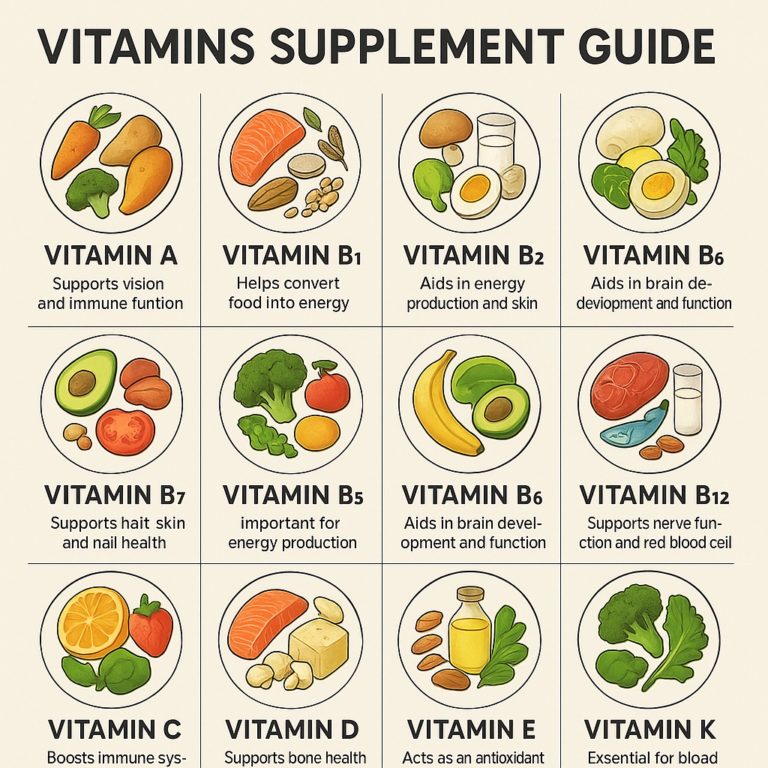
- The Big Nine: The family consists of Vitamin C and eight B vitamins (B1, B2, B3, B5, B6, B7, B9, and B12).
- Cooking Matters: These nutrients are fragile; boiling vegetables can leach up to 60% of them into the water, so steam or eat raw when possible.
- Low Toxicity Risk: Because excess amounts are excreted, toxicity is rare, but megadoses of B6 and C can still cause nerve damage or kidney stones.
- Special Needs: Vegans must supplement B12, and pregnant women need extra folate to prevent birth defects.
Table of Contents
- ⚡️ Quick Tips and Facts
- 📜 A Brief History of the Water-Soluble Revolution
- 💧 How Water-Soluble Vitamins Work in Your Body
- 🆚 Water-Soluble vs. Fat-Soluble Vitamins: The Ultimate Showdown
- 🧪 The Complete List of Water-Soluble Vitamins
- 1. Vitamin B1 (Thiamine): The Energy Spark Plug
- 2. Vitamin B2 (Riboflavin): The Glow Getter
- 3. Vitamin B3 (Niacin): The Metabolism Master
- 4. Vitamin B5 (Pantothenic Acid): The Stress Buster
- 5. Vitamin B6 (Pyridoxine): The Brain Booster
- 6. Vitamin B7 (Biotin): The Beauty & Hair Hero
- 7. Vitamin B9 (Folate/Folic Acid): The Cell Builder
- 8. Vitamin B12 (Cobalamin): The Nerve & Blood Guardian
- 9. Vitamin C (Ascorbic Acid): The Immune System’s Best Friend
- 🥗 Top Food Sources for Every Water-Soluble Vitamin
- 💊 Foods vs. Supplements: What’s the Real Deal?
- ⚠️ Deficiency Symptoms: When Your Body Screams for Help
- 🚨 Toxicity Risks: Can You Have Too Much of a Good Thing?
- 🤔 Special Considerations for Vegans, Seniors, and Athletes
- 🧬 Absorption Hacks: How to Maximize Your Vitamin Uptake
- 🔬 Common Myths Debunked About Water-Soluble Nutrients
- 📊 Daily Recommended Intakes (RDA) by Age and Gender
- 🏆 Best Water-Soluble Vitamin Brands We Actually Trust
- 🧠 Trending Topics: NAD+, B-Complex Synergy, and More
- ✅ Quick Tips and Facts Recap
- Conclusion
- Recommended Links
- FAQ
- Reference Links
⚡️ Quick Tips and Facts
Before we dive into the nitty-gritty of why your body flushes these nutrients down the toilet (literally), let’s hit the highlights. If you’re in a rush, here’s the cheat sheet for water-soluble vitamins:
- The “Flush” Factor: Unlike their fat-soluble cousins (A, D, E, K), these vitamins do not store in your body’s fat reserves. What you don’t use immediately? It hits the kidneys and ends up in your urine. 🚽
- Daily Grind: Because they aren’t stored, you need to replenish them every single day. Think of them like a daily subscription service your body can’t cancel.
- The Big Nine: We are talking about Vitamin C and the entire B-Complex family (B1, B2, B3, B5, B6, B7, B9, B12). That’s it! No B4, B8, or B10 here—they were kicked out of the club years ago.
- Cooking Caution: Heat and water are the enemies. Boiling your veggies can leach up to 50-60% of these vitamins right into the drain. Steaming or eating raw is often the smarter play. 🥦
- Toxicity Myth: While you can technically overdose on almost anything, water-soluble toxicity is rare because your body is so efficient at dumping the excess. However, megadoses can still cause kidney stones (C) or nerve damage (B6).
For a deeper dive into how these fit into the bigger picture of the 13 essential vitamins, check out our guide on What are the 13 vitamins in order?.
📜 A Brief History of the Water-Soluble Revolution

You might think vitamins were discovered in a lab coat-wearing epiphany, but the story is actually a tale of sailors, scurvy, and a lot of confusion.
For centuries, sailors on long voyages would get scurvy. Their gums would rot, their teeth would fall out, and they’d die in agony. They didn’t know why. It wasn’t until the 18th century that James Lind, a Scottish physician, noticed that sailors eating citrus fruits (lemons and limes) didn’t get sick. He didn’t know about Vitamin C yet, but he knew the cure was in the fruit.
Fast forward to the early 190s. Scientists were scratching their heads over “deficiency diseases.” They realized that food contained “accessory factors” that weren’t proteins, fats, or carbs. Casimir Funk coined the term “vitamine” (vital amine). Later, they realized not all of them were amines, so the “e” was dropped, and we got vitamins.
The distinction between water-soluble and fat-soluble became clear when researchers noticed that some vitamins dissolved in water and disappeared quickly, while others hid in fat and stayed put. This discovery revolutionized nutrition, moving us from “eat more food” to “eat the right food.”
💧 How Water-Soluble Vitamins Work in Your Body
So, how does this magic happen? Imagine your bloodstream is a river. Water-soluble vitamins are like boats that can float freely on the surface. They dissolve instantly in the water (blood plasma) and travel wherever they are needed without needing a special “fat carrier” boat.
The Journey of a Water-Soluble Vitamin
- Ingestion: You eat an orange or a slice of turkey.
- Dissolution: In your stomach and small intestine, these vitamins dissolve in the watery environment.
- Absorption: They pass directly through the intestinal wall into the bloodstream. No bile salts or micelles needed (unlike fat-soluble vitamins).
- Distribution: They zip around to your cells.
- Usage: Your cells use them as coenzymes (helpers) to turn food into energy, build DNA, or repair tissue.
- Excretion: Once the job is done, or if you have too much, the kidneys filter them out. They end up in your urine. This is why your pee might turn neon yellow after a B-complex supplement—that’s Riboflavin (B2) saying hello! 💛
Why does this matter? Because your body has no “warehouse” for these vitamins. If you skip a day of eating them, your levels drop. If you eat a massive amount, your kidneys work overtime to flush the excess. It’s a high-turnover, low-storage system.
🆚 Water-Soluble vs. Fat-Soluble Vitamins: The Ultimate Showdown
We know you’ve heard the terms, but let’s settle the score once and for all. Why does it matter if a vitamin is water-soluble or fat-soluble? It changes how you take it, how often you need it, and how dangerous an overdose can be.
| Feature | Water-Soluble Vitamins (B & C) | Fat-Soluble Vitamins (A, D, E, K) |
|---|---|---|
| Solubility | Dissolve in water | Dissolve in fat/oil |
| Storage | Not stored (mostly) | Stored in liver and fat tissue |
| Frequency | Need daily intake | Can be stored for weeks/months |
| Absorption | Direct into blood | Needs bile & fat for absorption |
| Toxicity Risk | Low (excess is ped out) | High (accumulates in body) |
| Deficiency | Happens quickly | Happens slowly over time |
| Cooking Loss | High (leaches into water) | Low (stable in heat) |
The “First Video” Perspective:
As highlighted in the educational video on polarity, “Water and oil hate each other.” This fundamental chemical difference dictates everything. Water-soluble vitamins are polar, meaning they play nice with water (blood). Fat-soluble vitamins are non-polar, meaning they need fat to move. If you have a malabsorption syndrome affecting your gut’s ability to process fat, you’ll likely struggle with A, D, E, and K, but your B and C levels might remain fine.
🧪 The Complete List of Water-Soluble Vitamins
There are exactly nine essential water-soluble vitamins. Let’s meet the cast. We’ve numbered the B-complex members because they are a family, but Vitamin C stands alone as the rockstar.
1. Vitamin B1 (Thiamine): The Energy Spark Plug
Thiamine is the gatekeeper of energy. It helps your body convert carbohydrates into glucose, which is fuel for your brain and muscles. Without it, your engine stalls.
- Key Role: Nerve function and energy metabolism.
- Deficiency: Leads to Beriberi (heart failure or nerve damage) and Wernicke-Korsakoff syndrome (often seen in chronic alcoholism).
- Fun Fact: It’s destroyed by alcohol and high heat.
2. Vitamin B2 (Riboflavin): The Glow Getter
Riboflavin is essential for breaking down fats, drugs, and steroids. It also keeps your skin and eyes healthy.
- Key Role: Antioxidant protection and energy production.
- Deficiency: Cracked lips, sore throat, and sensitivity to light.
- Visual Cue: This is the vitamin that turns your urine bright yellow.
3. Vitamin B3 (Niacin): The Metabolism Master
Niacin is crucial for DNA repair and converting food into energy. It also helps manage cholesterol levels.
- Key Role: Digestion, skin health, and nerve function.
- Deficiency: Pellagra (The 3 Ds: Diarrhea, Dermatitis, Dementia).
- Side Effect: High doses can cause a “niacin flush”—your skin turns red and itchy.
4. Vitamin B5 (Pantothenic Acid): The Stress Buster
Pantothenic Acid is part of Coenzyme A, which is vital for making fatty acids and hormones.
- Key Role: Synthesizing cholesterol and steroid hormones.
- Deficiency: Extremely rare, but can cause fatigue, numbness, and digestive issues.
- Name Origin: “Pantothen” means “from everywhere” because it’s found in almost all foods.
5. Vitamin B6 (Pyridoxine): The Brain Booster
Pyridoxine is involved in over 10 enzyme reactions. It helps make neurotransmitters like serotonin and dopamine.
- Key Role: Brain development, immune function, and hemoglobin creation.
- Deficiency: Anemia, depression, and confusion.
- Warning: Too much B6 from supplements can cause nerve damage (neuropathy).
6. Vitamin B7 (Biotin): The Beauty & Hair Hero
You’ve seen it in every hair and nail supplement. Biotin helps convert food into energy and is essential for keratin production.
- Key Role: Metabolism of fats and carbs; hair, skin, and nail health.
- Deficiency: Hair loss, skin rash, and brittle nails.
- Myth Buster: Raw egg whites contain avidin, which binds to biotin and prevents absorption. Cook your eggs! 🍳
7. Vitamin B9 (Folate/Folic Acid): The Cell Builder
Folate is the superstar of pregnancy. It’s essential for DNA synthesis and preventing neural tube defects in babies.
- Key Role: Cell division and red blood cell formation.
- Deficiency: Megaloblastic anemia and birth defects.
- Note: “Folic acid” is the synthetic form found in supplements; “folate” is the natural form in food.
8. Vitamin B12 (Cobalamin): The Nerve & Blood Guardian
B12 is the odd one out because it contains cobalt. It’s vital for nerve health and making red blood cells.
- Key Role: DNA synthesis and maintaining the myelin sheath (nerve coating).
- Deficiency: Pernicious anemia, memory loss, and irreversible nerve damage.
- Vegan Alert: B12 is only found naturally in animal products. Vegans must supplement or eat fortified foods.
9. Vitamin C (Ascorbic Acid): The Immune System’s Best Friend
Vitamin C is the antioxidant we all know and love. It builds collagen, heals wounds, and boosts immunity.
- Key Role: Collagen synthesis, iron absorption, and immune defense.
- Deficiency: Scurvy (bleding gums, loose teeth, poor wound healing).
- Fun Fact: Humans are one of the few mammals that cannot make their own Vitamin C.
🥗 Top Food Sources for Every Water-Soluble Vitamin
You can’t just eat a steak and call it a day. You need a rainbow of foods to get all nine. Here is where to find them:
| Vitamin | Top Food Sources | Serving Size | Approx. Amount |
|---|---|---|---|
| B1 (Thiamine) | Pork chops, Sunflower seeds, Fortified cereal | 3 oz / 1 cup | 0.4 – 1.2 mg |
| B2 (Riboflavin) | Beef liver, Almonds, Yogurt, Milk | 3 oz / 1 cup | 0.5 – 2.9 mg |
| B3 (Niacin) | Chicken breast, Tuna, Peanut butter | 3 oz / 1 oz | 8 – 14 mg |
| B5 (Pantothenic) | Mushrooms, Avocado, Sunflower seeds | 1/2 cup / 1/4 cup | 1 – 2.6 mg |
| B6 (Pyridoxine) | Chickpeas, Salmon, Potatoes, Banana | 1 cup / 1 medium | 0.4 – 1.1 mg |
| B7 (Biotin) | Egg yolk, Salmon, Sweet potato | 1 egg / 1/2 cup | 5 – 10 mcg |
| B9 (Folate) | Spinach, Asparagus, Lentils, Fortified cereal | 1 cup / 1/2 cup | 58 – 105 mcg |
| B12 (Cobalamin) | Clams, Beef liver, Trout, Fortified cereal | 3 oz / 1 serving | 2.5 – 70 mcg |
| C (Ascorbic Acid) | Red peppers, Oranges, Kiwi, Strawberries | 1/2 cup / 1 fruit | 60 – 95 mg |
Pro Tip: Don’t boil your veggies! Steaming or microwaving with minimal water preserves the water-soluble vitamins. If you do boil, save the water for soup or gravy to get those leached nutrients back.
💊 Foods vs. Supplements: What’s the Real Deal?
Can you just pop a pill and call it a day? Maybe, but probably not.
The Case for Food First
Whole foods are complex matrices. When you eat an orange, you aren’t just getting Vitamin C; you’re getting fiber, flavonoids, and other phytochemicals that help your body absorb and use that Vitamin C. As Dr. Matthew Goldman from Cleveland Clinic notes, “Water-soluble vitamins move through your system quickly… So, they need to be replenished frequently,” but he also emphasizes a food-first approach.
When Supplements Shine
Suplements are a lifesaver for specific groups:
- Vegans/Vegetarians: You likely need B12.
- Pregnant Women: Folate is non-negotiable for preventing birth defects.
- Older Adults: Absorption of B12 decreases with age.
- Malabsorption Issues: Conditions like Crohn’s or Celiac disease can block nutrient uptake.
- Alcohol Use Disorder: Alcohol depletes B1 (Thiamine) rapidly.
The B-Complex Synergy
Taking individual B vitamins is fine, but they often work better together. This is why B-Complex supplements are so popular. They mimic the natural balance found in food.
👉 CHECK PRICE on:
- B-Complex Supplements: Amazon | Walmart | Brand Official
⚠️ Deficiency Symptoms: When Your Body Screams for Help
Since these vitamins don’t store well, deficiencies can sneak up on you. Here’s what to watch for:
- Fatigue and Weakness: A common sign of B1, B2, B3, B5, B6, and B12 deficiency. Your body literally can’t make energy.
- Skin Issues: Cracked lips (B2), rashes (B3, B7), or pale skin (B12, B9).
- Neurological Problems: Numbness, tingling in hands/fet (B1, B6, B12), confusion, or memory loss (B1, B3, B12).
- Anemia: Pale skin, shortness of breath (B6, B9, B12).
- Immune Collapse: Getting sick constantly (Vitamin C).
- Scurvy: The classic Vitamin C deficiency—bleding gums, loose teeth, and slow healing.
Real Story: We once had a client who was a “tea and toast” eater. He complained of constant fatigue and tingling in his fingers. Turns out, he was severely deficient in B12 and B6. A simple diet change and a B-complex supplement turned his energy around in weeks.
🚨 Toxicity Risks: Can You Have Too Much of a Good Thing?
The golden rule of water-soluble vitamins is: Excess is excreted. This makes them generally safer than fat-soluble vitamins. However, “generally” doesn’t mean “never.”
- Vitamin C: Megadoses (over 2,0 mg/day) can cause kidney stones and severe diarrhea.
- Vitamin B6: Long-term high doses (over 10 mg/day) can cause permanent nerve damage. This is a real risk for people taking high-dose B6 for PMS or carpal tunnel.
- Niacin (B3): High doses can cause liver damage and severe flushing.
- Folate: Too much synthetic folic acid can mask a B12 deficiency, allowing nerve damage to progress unnoticed.
The Verdict: Stick to the Recommended Dietary Allowance (RDA) unless your doctor tells you otherwise. More is not always better.
🤔 Special Considerations for Vegans, Seniors, and Athletes
🌱 The Vegan Dilemma
If you don’t eat meat, dairy, or eggs, you are at high risk for B12 deficiency. B12 is made by bacteria and stored in animal tissues. Plants don’t have it (unless fortified).
- Solution: Take a B12 supplement or eat fortified nutritional yeast and cereals.
👴 The Senior Shift
As we age, our stomach acid decreases, making it harder to absorb B12 from food.
- Solution: Seniors often need the cyanocobalamin form of B12 in supplements, which is easier to absorb than the food-bound form.
🏃 The Athlete’s Edge
Athletes burn through B vitamins faster because they are constantly converting food to energy.
- Solution: A B-complex supplement can help maintain energy levels and support recovery, but don’t overdo it.
🧬 Absorption Hacks: How to Maximize Your Vitamin Uptake
You can eat the perfect diet, but if your body doesn’t absorb it, you’re wasting your money. Here’s how to boost uptake:
- Pair with Fat (for some): While B and C are water-soluble, some B vitamins (like B12) need intrinsic factor and a healthy gut lining.
- Don’t Overcook: Steaming, sautéing, or eating raw preserves the most nutrients.
- Watch the Coffee: Caffeine can interfere with the absorption of B vitamins. Try to wait an hour after your morning brew before taking your supplement.
- Split Your Doses: Since your body can only absorb so much at once, splitting a high-dose B-complex into morning and afternoon doses can improve absorption.
- Check Your Meds: Some drugs (like Metformin or PIs) block B12 absorption. Talk to your doctor about supplementation if you’re on these long-term.
🔬 Common Myths Debunked About Water-Soluble Nutrients
Myth 1: “If I take a B-complex, I’ll pee out all of it.”
- Truth: Your body absorbs what it needs. If you are deficient, it will hold onto it. If you have enough, the excess is flushed. It’s not a waste; it’s a safety valve.
Myth 2: “Vitamin C cures the common cold.”
- Truth: It might shorten the duration of a cold by a few hours if you take it regularly, but it won’t prevent you from getting sick.
Myth 3: “All B vitamins are the same.”
- Truth: They are distinct molecules with unique jobs. Taking B1 won’t fix a B12 deficiency.
Myth 4: “You can’t get too much Vitamin C.”
- Truth: You can. High doses cause digestive distress and kidney stones.
📊 Daily Recommended Intakes (RDA) by Age and Gender
Note: RDAs vary by age, gender, and life stage (pregnancy/breastfeeding). These are general adult averages.
| Vitamin | Men (19-50) | Women (19-50) | Pregnant | Breastfeeding |
|---|---|---|---|---|
| B1 (Thiamine) | 1.2 mg | 1.1 mg | 1.4 mg | 1.4 mg |
| B2 (Riboflavin) | 1.3 mg | 1.1 mg | 1.4 mg | 1.6 mg |
| B3 (Niacin) | 16 mg | 14 mg | 18 mg | 17 mg |
| B5 (Pantothenic) | 5 mg | 5 mg | 6 mg | 7 mg |
| B6 (Pyridoxine) | 1.3 mg | 1.3 mg | 1.9 mg | 2.0 mg |
| B7 (Biotin) | 30 mcg | 30 mcg | 30 mcg | 35 mcg |
| B9 (Folate) | 40 mcg | 40 mcg | 60 mcg | 50 mcg |
| B12 (Cobalamin) | 2.4 mcg | 2.4 mcg | 2.6 mcg | 2.8 mcg |
| C (Ascorbic Acid) | 90 mg | 75 mg | 85 mg | 120 mg |
Source: National Institutes of Health (NIH) Office of Dietary Supplements
🏆 Best Water-Soluble Vitamin Brands We Actually Trust
At Vitamin Brands™, we’ve tested dozens of supplements. We look for third-party testing, clean ingredients, and bioavailability. Here are our top picks for water-soluble vitamins:
Thorne Research – Basic B Complex
Known for purity and high-quality ingredients. Great for those with sensitivities.
- Pros: No artificial colors, methylated B12 (better absorption).
- Cons: Higher price point.
- 👉 Shop Thorne on: Amazon | Thorne Official
Nature Made – Multi for Her/Me
A reliable, affordable option found in most drugstores.
- Pros: USP verified, widely available, good value.
- Cons: Contains some fillers.
- 👉 Shop Nature Made on: Amazon | Walmart
Garden of Life – Vitamin Code Raw B-Complex
A whole-food based option for those who prefer natural sources.
- Pros: Raw, probiotic-enriched, no synthetic binders.
- Cons: Large pills, strong smell.
- 👉 Shop Garden of Life on: Amazon | Garden of Life Official
Solgar – B-Complex “50”
A classic choice for a moderate dose of B vitamins.
- Pros: Trusted brand, glass bottle (protects from light).
- Cons: Some people find the dose too high for daily maintenance.
- 👉 Shop Solgar on: Amazon | Solgar Official
🧠 Trending Topics: NAD+, B-Complex Synergy, and More
The world of water-soluble vitamins is evolving. Here’s what’s buzzing right now:
- NAD+ and B3: Niacin (B3) is a precursor to NAD+, a molecule critical for cellular energy and anti-aging. Supplements like Nicotinamide Riboside (NR) are gaining traction as a way to boost NAD+ levels without the “flush” of traditional niacin.
- Methylated B Vitamins: More people are discovering MTHFR gene mutations, which make it hard to process synthetic folic acid and B12. Methylated forms (methylfolate and methylcobalamin) are becoming the gold standard for these individuals.
- B-Complex Synergy: Research suggests that taking B vitamins together is more effective than taking them in isolation, as they work as a team in the Krebs cycle (energy production).
✅ Quick Tips and Facts Recap
Let’s wrap up the highlights before we move to the final thoughts:
- Water-soluble = Daily intake. No storage, no excuses.
- The Big Nine: B1, B2, B3, B5, B6, B7, B9, B12, and C.
- Cooking kills them. Steam, don’t boil.
- Toxicity is rare but possible (especially with B6 and C).
- Vegans need B12. Seniors need B12. Everyone needs a balanced diet.
Conclusion

So, what’s the bottom line on water-soluble vitamins? They are the daily fuel your body runs on, but they don’t have a gas tank. You have to keep filling up. While a varied diet rich in fruits, vegetables, lean meats, and whole grains is the best way to get them, supplements play a crucial role for specific populations like vegans, pregnant women, and the elderly.
Our Recommendation:
Don’t fall for the “more is better” trap. Stick to the RDA, prioritize whole foods, and use supplements to fill the gaps, not replace meals. If you suspect a deficiency, get tested! Don’t guess.
If you’re looking for a reliable starting point, a high-quality B-Complex and a Vitamin C supplement are great additions to your daily routine, especially if your diet isn’t perfect. Just remember, your body is smart—it will flush out what it doesn’t need, so you don’t have to worry about hoarding these nutrients.
Ready to optimize your health?
- 👉 Shop Water-Soluble Vitamins: Amazon | Walmart
- Explore Our Categories: Essential Vitamins | Health Supplements | Best Vitamins for Women
Recommended Links
- Books:
- The Vitamin Bible by Dr. Andrew Weil
- Nutrition for Health, Fitness and Sport by William D. McArdle
- Products:
Thorne Basic B Complex: Amazon | Thorne Official
Nature Made Multi: Amazon | Walmart
Garden of Life Raw B-Complex: Amazon | Garden of Life Official
FAQ

What are the best sources of water soluble vitamins?
The best sources are whole foods. For Vitamin C, reach for citrus fruits, bell peppers, and strawberries. For B vitamins, focus on lean meats (B12, B3), leafy greens (B9), eggs (B7), and fortified cereals (B1, B2, B3, B6, B9, B12). Cooking methods matter: steaming or eating raw preserves these nutrients better than boiling.
Read more about “The 4 Fat-Soluble Vitamins: Secrets A, D, E & K Won’t Tell You 🤫”
How much water soluble vitamins should I take daily?
The amount depends on your age, gender, and life stage. Generally, men need slightly more B1, B2, B3, and C than women. Pregnant women need more B9 (Folate) and B12. Always check the Recommended Dietary Allowance (RDA) for your specific demographic. If you are taking supplements, stick to the label instructions unless advised otherwise by a doctor.
Read more about “🥩 15+ Best Vitamin A Foods for Vision & Skin (2026)”
Can you overdose on water soluble vitamins?
It is difficult but possible. Because your body excretes excess amounts in urine, toxicity is rare. However, megadoses of Vitamin C can cause kidney stones and diarrhea, and high doses of Vitamin B6 can lead to permanent nerve damage. Always consult a healthcare provider before taking high-dose supplements.
Read more about “🏆 Best Vitamin A for Eyes: Retinol vs. Beta-Carotene (2026)”
What happens if you lack water soluble vitamins?
Deficiency can lead to a range of serious health issues. Lack of Vitamin C causes scurvy. Lack of B1 leads to Beriberi. Lack of B12 causes anemia and nerve damage. Lack of B9 can cause birth defects. Symptoms often include fatigue, weakness, skin problems, and neurological issues.
How do I know if I have a deficiency?
Symptoms vary by vitamin, but common signs include fatigue, pale skin, tingling in extremities, and mood changes. A simple blood test can confirm deficiencies in B12, Folate, and Vitamin C. If you suspect a deficiency, see your doctor for testing before starting high-dose supplements.
Read more about “🏆 Top 10 Best-Absorbed Vitamin Brands (2026)”
Reference Links
- Cleveland Clinic: Water-Soluble Vitamins
- NCBI (National Center for Biotechnology Information): Water-Soluble Vitamins
- WebMD: Water-Soluble vs. Fat-Soluble Vitamins
- National Institutes of Health (NIH): Office of Dietary Supplements – Vitamin B12
- National Institutes of Health (NIH): Office of Dietary Supplements – Vitamin C
- Thorne Research: Basic B Complex
- Nature Made: Vitamins & Supplements
- Garden of Life: Raw B-Complex