Support our educational content for free when you purchase through links on our site. Learn more
🥩 15+ Best Vitamin A Foods for Vision & Skin (2026)

The best Vitamin A foods are actually animal-based sources like beef liver and egg yolks, which provide immediate, bioavailable retinol that your body can use instantly. While colorful veggies like sweet potatoes are excellent, they require your body to convert them, a process that fails for nearly half the population due to genetics.
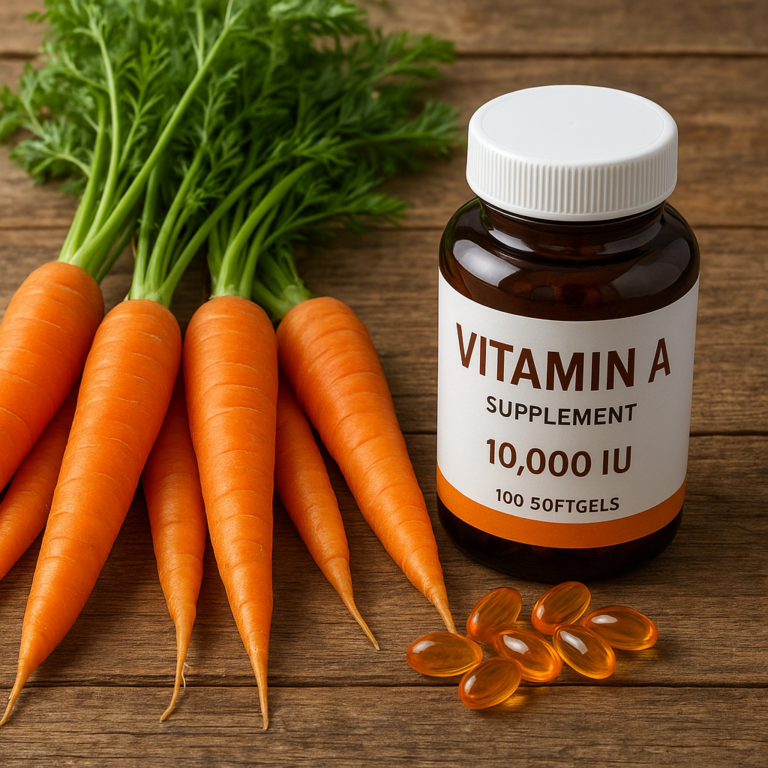
Most people assume a carrot is the ultimate source of this nutrient, but the reality is far more complex. Did you know that up to 45% of us carry a gene mutation that makes converting plant-based beta-carotene into active Vitamin A incredibly inefficient? This means that for millions of people, eating a mountain of carrots might leave them deficient while they wonder why their night vision is failing.
We’ve analyzed the data to bring you a definitive list that separates the true powerhouses from the “almost” contenders. Whether you are looking to boost your immune system, save your eyesight, or glow from the inside out, knowing the difference between preformed Vitamin A and provitamin A is the game-changer you need.
Key Takeaways
- Animal sources win: Bef liver, egg yolks, and fatty fish contain preformed Vitamin A (retinol) that your body absorbs immediately without conversion.
- The fat rule is non-negotiable: You must eat Vitamin A-rich foods with dietary fat (like olive oil or butter) to unlock absorption; otherwise, the nutrients pass right through you.
- Genetics matter: If you have the BCMO1 gene mutation, plant-based sources like carrots may provide almost zero usable Vitamin A, making animal products or supplements essential.
- Toxicity is real: Unlike plant sources, preformed Vitamin A can reach toxic levels if consumed in excess, so moderation with liver and supplements is crucial.
- Balance is key: Aim for a mix of high-potency animal sources and colorful plant sources, ensuring every meal includes a healthy fat for maximum impact.
Table of Contents
- ⚡️ Quick Tips and Facts
- 📜 The Retinol Revolution: A Brief History of Vitamin A Discovery
- 🥕 The Carotenoid Conundrum: Understanding Preformed vs. Provitamin A
- 🥩 Top 15 Animal-Based Powerhouses: The Best Vitamin A Foods for Retinol
- 🥦 The Green & Orange Army: 20 Plant-Based Sources of Beta-Carotene
- 🍓 Beyond the Carot: Surprising Fruits Packed with Vitamin A
- 🧪 Bioavailability Breakdown: Why Fat is Your Best Friend for Absorption
- ⚖️ The Daily Dilemma: How Much Vitamin A Do You Actually Need?
- 🚫 The Toxicity Trap: Recognizing Signs of Vitamin A Overdose
- 🤰 Special Considerations: Vitamin A Needs for Pregnancy and Kids
- 🥗 The Ultimate Vitamin A Meal Plan: Combining Foods for Maximum Impact
- ❓ Frequently Asked Questions
- 🏁 Conclusion
- 🔗 Recommended Links
- 📚 Reference Links
⚡️ Quick Tips and Facts
Before we dive into the deep end of the nutrient ocean, let’s hit the fast-forward button on the most critical takeaways. If you’re in a rush, here’s your cheat sheet to mastering Vitamin A without the confusion.
- It’s Not Just One Thing: Vitamin A isn’t a single nutrient; it’s a family. We have Retinol (the active form found in animals) and Carotenoids (the plant-based precursors like beta-carotene that your body must convert).
- The Fat Rule: You cannot absorb Vitamin A without fat. Eating a bowl of plain carrots is like trying to drive a car with no gas. You need dietary fat (olive oil, avocado, butter) to unlock the nutrients.
- The Genetic Lottery: Here’s a plot twist you won’t see coming: Up to 45% of the population carries a genetic mutation that makes converting plant-based beta-carotene into active Vitamin A incredibly inefficient. If you’re one of them, eating a mountain of carrots might not be enough.
- Toxicity is Real (But Rare from Plants): You can overdose on preformed Vitamin A (from animal sources or supplements), leading to liver damage and birth defects. However, it is nearly impossible to get toxic levels from eating too many carrots or sweet potatoes; your body just turns your skin orange (carotenodermia), which is harmless but looks like you’ve been marinating in Cheeto dust.
- The “Superfood” Secret: If you want the most bioavailable source of Vitamin A, skip the supplement aisle and head to the butcher. Bef liver is often called nature’s multivitamin for a reason.
For those who prefer a pill to a plate (or have trouble absorbing nutrients from food), we’ve already done the heavy lifting on the best supplements. Check out our guide on the 🏆 7 Best Vitamin A & Retinol Supplements for 2026 at https://www.vitaminbrands.org/top-rated-vitamin-a-brands/ to see if a supplement is right for your unique biology.
📜 The Retinol Revolution: A Brief History of Vitamin A Discovery

You might think Vitamin A is a modern invention, a result of some 20th-century lab coat genius. But the story goes back much further, to a time when sailors were losing their sight and children were dying from infections that should have been minor.
The “Xerophthalmia” Mystery
In the early 190s, scientists were baffled by a condition called xerophthalmia (dry eye), which often led total blindness. It was rampant in populations relying heavily on polished rice or highly processed grains. In 1913, two independent teams of researchers—one led by Elmer McCollum and Margaret Davis at the University of Wisconsin, and another by Thomas Osborne and ** Lafayette Mendel** at Yale—discovered a fat-soluble factor essential for growth and vision.
They initially called it “Fat-Soluble A.” Later, it was simply renamed Vitamin A.
The Carotenoid Connection
Fast forward to the 1930s and 40s, and the plot thickened. Researchers realized that while animals needed preformed Vitamin A, plants didn’t contain “Vitamin A” in the active sense. Instead, they contained carotenoids, pigments that gave carrots their orange hue and spinach its deep green. It was discovered that the human body could convert these pigments into retinol, but the efficiency varied wildly.
Why This History Matters to You
Understanding this history explains why modern dietary advice can sometimes feel contradictory. For decades, were told to eat more plants for Vitamin A. But as we’ve learned more about genetics and bioavailability, we now know that for many people, plant-based sources are a poor substitute for the real deal found in animal products.
Did you know? The term “Retinol” comes from the Latin word retina, because it is absolutely critical for the function of the retina in your eye. Without it, you literally cannot see in low light.
🥕 The Carotenoid Conundrum: Understanding Preformed vs. Provitamin A
Here is where things get tricky, and where most people get it wrong. If you think a carrot is the same as a piece of liver in terms of Vitamin A, you are missing a massive piece of the puzzle.
The Two Families of Vitamin A
-
Preformed Vitamin A (Retinol & Retinyl Esters):
Source: Exclusively animal products.
Bioavailability: High. Your body can use this immediately. No conversion needed.
Examples: Liver, egg yolks, dairy, fatty fish.
Risk: Can accumulate toxic levels if consumed in excess. -
Provitamin A (Carotenoids):
Source: Plants (fruits and vegetables).
Bioavailability: Low to Variable. Your body must convert beta-carotene, alpha-carotene, and beta-cryptoxanthin into retinol.
The Conversion Rate: It takes 12 mcg of dietary beta-carotene to equal just 1 mcg of Retinol Activity Equivalent (RAE). That’s a 12:1 ratio!
The Genetic Hurdle: As mentioned earlier, about 45% of people have a mutation in the BCMO1 gene that makes this conversion even less efficient. For these individuals, eating plants might provide almost zero usable Vitamin A.
The “Orange Skin” Phenomenon
If you eat a ton of carrots, your skin might turn yellow-orange. This is called carotenodermia. It’s harmless, but it’s a clear sign that your body is dumping the excess carotenoids because it can’t convert them all. It’s like a factory overflowing with raw materials it can’t process.
Pro Tip: If you are vegetarian or vegan, or if you have a family history of poor nutrient absorption, you might need to focus on fortified foods or consider a suplement that contains preformed Vitamin A (retinyl palmitate) rather than relying solely on beta-carotene.
🥩 Top 15 Animal-Based Powerhouses: The Best Vitamin A Foods for Retinol
Let’s get straight to the meat of the matter. If you want bioavailable Vitamin A that your body can actually use, animal sources are the undisputed champions. We’ve ranked these based on potency per serving, keeping in mind that “more” isn’t always “better” due toxicity risks.
Note: Values are approximate Retinol Activity Equivalents (RAE) per standard serving.
| Rank | Food Source | Serving Size | Vitamin A (mcg RAE) | % Daily Value (DV) | Why It’s a Winner |
|---|---|---|---|---|---|
| 1 | Bef Liver | 3 oz (85g) | 6,582 | 731% | The absolute king. One serving covers a week’s worth of needs. |
| 2 | Lamb Liver | 3 oz (85g) | 7,780 | 864% | Even more potent than beef, with a rich, mineral-heavy profile. |
| 3 | Chicken Liver | 3 oz (85g) | 6,30 | 70% | Milder taste than beef liver; great for pâtés. |
| 4 | Cod Liver Oil | 1 tbsp | 4,080 | 453% | Liquid gold. Also packed with Omega-3s and Vitamin D. |
| 5 | Eel (Cooked) | 3 oz | 1,0+ | 1% | A surprising powerhouse often overlooked in Western diets. |
| 6 | Salmon (Sockeye) | 3 oz | 59 | 7% | Lower than liver, but excellent because it’s a daily food. |
| 7 | Buter (Grass-Fed) | 1 tbsp | 97 | 1% | Contains retinol and fat for absorption. Grass-fed is superior. |
| 8 | Egg Yolks | 1 large | 75 | 8% | The yolk holds the nutrients; the white is just protein. |
| 9 | Cheddar Cheese | 1 oz | 74 | 8% | A tasty way to sneak in retinol, though lower in density. |
| 10 | Whole Milk | 1 cup | 78 | 9% | Fortified milk is a staple, but check labels for added A. |
| 1 | Caviar | 1 tbsp | 20+ | 2% | Luxury food with a massive nutrient punch. |
| 12 | Tuna (Bluefin) | 3 oz | 757 | 84% | High in retinol, but watch mercury levels. |
| 13 | Mackerel | 3 oz | 252 | 28% | Fatty fish that delivers retinol and healthy fats. |
| 14 | Goat Cheese | 1 oz | 82 | 9% | Great for those with dairy sensitivities to cow’s milk. |
| 15 | Clams | 3 oz | 101 | 1% | Also loaded with iron and B12. |
The Liver Debate: Friend or Foe?
You might have heard doctors tell pregnant women to avoid liver. Why? Because too much preformed Vitamin A can cause birth defects. However, as the “first video” perspective suggests, this advice is often misunderstood. The key is moderation. Eating liver once a week provides a massive nutrient boost without hitting toxic levels.
Vitamin Brands™ Insight: We recommend rotating your sources. Don’t eat liver every day. Aim for once a week for liver, and daily for eggs, dairy, and fatty fish. This balances your intake and minimizes toxicity risks.
👉 Shop for high-quality liver products:
- Organic Beef Liver Capsules: Amazon | iHerb | Thorne Official
- Pastured Egg Yolks: Amazon | Local Harvest
🥦 The Green & Orange Army: 20 Plant-Based Sources of Beta-Carotene
Okay, so you’re a vegetarian, or you just hate the taste of liver. No problem! Plants are still fantastic sources of beta-carotene, provided you eat them with fat and understand the conversion math.
Here are the top 20 plant-based powerhouses. Remember, these are Provitamin A, meaning your body has to work to turn them into retinol.
- Sweet Potato (Baked with skin): The undisputed champion of the plant world. One medium potato can provide over 1,40 mcg RAE (if converted perfectly).
- Buternut Squash: Roasted with a drizzle of olive oil, this is a winter staple.
- Carots (Raw or Cooked): The classic choice. Cooking actually increases bioavailability by breaking down cell walls.
- Spinach (Cooked): Don’t eat it raw! Boiling spinach releases more beta-carotene.
- Kale (Chopped & Sautéed): A leafy green that packs a punch when cooked with fat.
- Pumpkin: Perfect for soups and pies.
- Collard Greens: A Southern staple that’s incredibly nutrient-dense.
- Swiss Chard: Another leafy green that shines when sautéed.
- Red Bell Peppers: Surprisingly high in carotenoids, especially the red ones.
- Mangoes: A tropical treat that’s sweet and rich in beta-cryptoxanthin.
- Cantaloupe: Hydrating and full of precursors.
- Apricots (Dried): Concentrated nutrition, but watch the sugar.
- Papaya: Great for digestion and Vitamin A.
- Peaches: A summer fruit with a decent amount of beta-carotene.
- Tomatoes (Cooked): Lycopene is the star here, but they also have Vitamin A.
- Broccoli: Better steamed than raw for absorption.
- Brussels Sprouts: Roast them with bacon (or butter) for maximum effect.
- Green Peas: A humble vegie with a surprising amount of nutrients.
- Parsley: Often used as a garnish, but it’s a nutrient bomb.
- Watercress: One of the most nutrient-dense leafy greens available.
The “Fat Factor” is Non-Negotiable
If you eat a salad of raw spinach and carrots with zero fat, you might as well be eating sawdust. Your body needs lipids to absorb carotenoids.
- ✅ Do: Add olive oil, avocado, nuts, seeds, or full-fat dressing.
- ❌ Don’t: Eat these veggies fat-free.
Vitamin Brands™ Tip: Try our “Golden Salad” hack: Sauté your greens in butter or ghee, then top with pumpkin seeds. You’ll get the fat you need right in the dish.
🍓 Beyond the Carot: Surprising Fruits Packed with Vitamin A
When we think of Vitamin A, we usually think of orange veggies. But fruits? Yes, fruits! While they generally have lower concentrations than the heavy hitters like liver or sweet potatoes, some fruits are surprisingly rich in beta-cryptoxanthin and beta-carotene.
The Fruit List
- Papaya: One cup provides about 78 mcg RAE. It’s also loaded with digestive enzymes.
- Mango: A single mango can give you a solid chunk of your daily needs.
- Cantaloupe: Half a melon is a great snack.
- Apricots: Dried apricots are a concentrated source, but fresh ones are great too.
- Guava: A tropical powerhouse often overlooked.
- Pomegranate: While known for antioxidants, it has decent Vitamin A levels.
- Blackberries & Raspberries: Not the highest, but they contribute to the daily total.
Why Fruits Matter
Fruits offer a different profile of antioxidants alongside Vitamin A. For example, lycopene in tomatoes and anthocyanins in berries work synergistically with carotenoids to protect your cells.
Question: If you’re eating all these fruits and veggies, why might you still be deficient?
Answer: It could be your genetics (the BCMO1 mutation) or a lack of dietary fat. We’ll dive deeper into this in the next section.
🧪 Bioavailability Breakdown: Why Fat is Your Best Friend for Absorption
Let’s talk science, but keep it simple. Vitamin A is fat-soluble. This means it dissolves in fat, not water. If you don’t have fat in your digestive tract when you eat Vitamin A, it passes right through you.
The Absorption Mechanism
- Emulsification: Bile from your gallbladder breaks down dietary fats into tiny droplets.
- Micelle Formation: Vitamin A (and carotenoids) hitch a ride on these fat droplets.
- Absorption: The intestinal cells absorb these micelles.
- Transport: They are packaged into chylomicrons and sent to the liver.
Without fat? The Vitamin A stays in the gut and is excreted.
How Much Fat Do You Need?
You don’t need a steak to absorb a carrot. A small amount is enough.
- 1 teaspoon of olive oil or 1/4 of an avocado is usually sufficient to boost absorption by 30-40%.
- Cooking Method: Sautéing or roasting vegetables in fat is far superior to steaming them in water.
The Gallbladder Factor
If you’ve had your gallbladder removed, your body has a harder time emulsifying fats. This puts you at a higher risk for Vitamin A deficiency, even if you eat plenty of veggies. In this case, suplements or MCT oil (which doesn’t require bile for absorption) might be necessary.
⚖️ The Daily Dilemma: How Much Vitamin A Do You Actually Need?
So, how much is enough? Too little leads to blindness and immune failure. Too much leads toxicity. It’s a delicate balance.
Recommended Dietary Allowances (RDA)
The National Institutes of Health (NIH) sets the following guidelines for Retinol Activity Equivalents (RAE):
| Group | Age | RDA (mcg RAE/day) |
|---|---|---|
| Infants | 0-6 months | 40 |
| 7-12 months | 50 | |
| Children | 1-3 years | 30 |
| 4-8 years | 40 | |
| 9-13 years | 60 | |
| Tens & Adults | 14-18 years (Male) | 90 |
| 14-18 years (Female) | 70 | |
| 19+ years (Male) | 90 | |
| 19+ years (Female) | 70 | |
| Pregnancy | All ages | 70 |
| Lactation | All ages | 1,30 |
The Upper Limit (UL)
The Tolerable Upper Intake Level for preformed Vitamin A is 3,0 mcg RAE per day for adults. Exceeding this regularly can lead to:
- Liver damage
- Bone pain
- Birth defects (in pregnant women)
- Skin issues
Crucial Distinction: This limit does not apply to beta-carotene from plants. You can eat as many carrots as you want without hitting the toxicity limit, though your skin might turn orange.
🚫 The Toxicity Trap: Recognizing Signs of Vitamin A Overdose
We’ve talked about deficiency, but what happens when you go too far? Hypervitaminosis A is a serious condition, usually caused by:
- Suplements: Taking high-dose retinol pills.
- Liver Consumption: Eating liver daily.
- Fortified Foods: Consuming massive amounts of fortified cereals and drinks.
Symptoms of Toxicity
- Acute (Short-term): Nausea, vomiting, headache, dizziness, blurred vision.
- Chronic (Long-term): Dry skin, hair loss, bone pain, liver enlargement, increased intracranial pressure.
Who is at Risk?
- Pregnant Women: High doses of preformed Vitamin A are teratogenic (cause birth defects).
- Smokers: High-dose beta-carotene supplements have been linked to increased lung cancer risk in smokers.
- People with Liver Disease: They cannot process excess Vitamin A efficiently.
Vitamin Brands™ Advice: If you are taking a multivitamin, check the label. Many contain 10% or more of the DV. If you also eat liver or take a separate Vitamin A supplement, you might be overdoing it. Stick to food sources for the most part, and use supplements only if necessary.
🤰 Special Considerations: Vitamin A Needs for Pregnancy and Kids
Vitamin A is a double-edged sword during pregnancy. It’s essential for fetal development (eyes, heart, lungs), but too much can be disastrous.
Pregnancy Guidelines
- Need: 70 mcg RAE/day.
- Warning: Avoid high-dose supplements containing retinol. Stick to supplements with beta-carotene or get your Vitamin A from food (liver in moderation, eggs, dairy).
- The Liver Myth: As mentioned, avoiding liver entirely is often unnecessary. One serving a week is generally safe, but consult your doctor.
Kids and Vitamin A
Children are growing fast and need Vitamin A for vision and immune health.
- Sources: Encourage colorful veggies (carots, sweet potatoes) and dairy.
- Suplements: Many kids’ multivitamins contain Vitamin A. Ensure the dose is appropriate for their age.
- Deficiency: In developing countries, Vitamin A deficiency is a leading cause of preventable blindness. In developed nations, it’s rare but can occur in children with restrictive diets.
🥗 The Ultimate Vitamin A Meal Plan: Combining Foods for Maximum Impact
Ready to put this all together? Here’s a sample day of eating designed to maximize Vitamin A absorption while keeping toxicity in check.
Breakfast: The Golden Start
- Scrambled Eggs: 2 large eggs cooked in butter.
- Side: Sautéed spinach with a drizzle of olive oil.
- Why: Eggs provide retinol; spinach provides beta-carotene; butter and oil ensure absorption.
Lunch: The Colorful Bowl
- Roasted Sweet Potato: Tossed in conut oil.
- Salad: Mixed greens, red bell peppers, and carots.
- Dressing: Full-fat vinaigrette with avocado.
- Protein: Grilled salmon or chicken liver pâté (if you’re brave!).
Snack: The Fruit Fix
- Papaya or Mango: Sliced with a sprinkle of chia seeds (for fat).
Dinner: The Hearty Meal
- Stir-fry: Broccoli, buternut squash, and shrimp cooked in sesame oil.
- Side: A small portion of whole milk or chese.
The Strategy
- Rotate: Don’t eat liver every day.
- Fat: Ensure every meal has a fat source.
- Variety: Mix animal and plant sources to cover all bases.
❓ Frequently Asked Questions
Can I get too much vitamin A from food sources or supplements?
Yes, but it depends on the source. You can easily get toxic levels of preformed Vitamin A (retinol) from supplements or eating liver daily. However, it is virtually impossible to get toxic levels from plant-based beta-carotene. Your body simply stops converting it, and your skin turns orange (carotenodermia), which is harmless.
What are the top vitamin A rich foods for vegetarians and vegans?
For vegetarians, egs and dairy (milk, cheese, butter) are excellent sources of preformed Vitamin A. For vegans, the best sources are sweet potatoes, buternut squash, carots, spinach, and kale. However, remember that vegans must eat these with fat and may need to consume larger quantities due to the poor conversion rate of beta-carotene.
How much vitamin A do I need per day to stay healthy?
Adult men need 90 mcg RAE, and adult women need 70 mcg RAE. Pregnant women need 70 mcg, and breastfeeding women need 1,30 mcg.
What are the benefits of vitamin A for skin and eye health?
Vitamin A is essential for the production of rhodopsin, a pigment that allows your eyes to see in low light. It also maintains the mucous membranes in your eyes and skin, keeping them moist and healthy. For skin, it promotes cell turnover and is a key ingredient in anti-aging products (retinoids).
Which fruit is very rich in vitamin A?
Papaya, mango, and cantaloupe are among the fruits with the highest Vitamin A content. Apricots (especially dried) are also a great source.
What is the best natural vitamin A?
The “best” form is retinol found in animal products like liver, egg yolks, and fatty fish because it is 10% bioavailable. However, beta-carotene from plants is safer in high doses and provides additional antioxidants.
What vegetable has the most vitamin A?
Sweet potatoes (especially when baked with the skin) are the undisputed champions of the vegetable world. Carots and pumpkin are close seconds.
Which fruit is the king of vitamin A?
While “king” is subjective, papaya and mango are often cited as the top fruits due to their high beta-carotene content and excellent bioavailability when eaten with fat.
How can I increase my vitamin A fast?
The fastest way is to eat liver (bef or chicken) or take a retinol supplement. However, “fast” isn’t always safe. A balanced approach of eating liver once a week and daily servings of colorful veggies is the most sustainable method.
Which food has the most vitamin A?
Bef liver is the single most concentrated food source of Vitamin A. One 3-ounce serving can provide over 70% of your daily needs.
What are the best plant-based sources of vitamin A?
Sweet potatoes, spinach, kale, carots, buternut squash, and red bell peppers are the top plant-based sources.
How much vitamin A should I get from food daily?
Aim for 90 mcg RAE (men) or 70 mcg RAE (women) from a mix of animal and plant sources. If you rely solely on plants, you may need to eat significantly more due to the conversion inefficiency.
Can eating too many vitamin A rich foods be harmful?
Eating too many animal-based sources (like liver) can be harmful due toxicity. Eating too many plant-based sources is generally safe, though it may turn your skin orange.
Which fruits and vegetables have the highest vitamin A content?
Sweet potatoes, carots, pumpkin, spinach, kale, papaya, mango, and cantaloupe top the list.
🏁 Conclusion

We’ve journeyed from the history of Vitamin A discovery to the nitty-gritty of bioavailability, and we’ve uncovered a few hard truths along the way.
The Big Reveal: The “best” Vitamin A isn’t a one-size-fits-all answer. If you have the genetic mutation that hampers conversion, or if you’re looking for the most efficient nutrient delivery, animal-based retinol (liver, eggs, fish) is the gold standard. But if you’re plant-based, beta-carotene from colorful veggies is still a vital part of your diet, provided you eat it with fat.
Our Final Recommendation:
- For the Omnivore: Incorporate liver once a week, enjoy egs and fatty fish regularly, and don’t forget the veggies.
- For the Vegetarian: Rely on egs and dairy for retinol, and load up on sweet potatoes and leafy greens with healthy fats.
- For the Vegan: Focus on beta-carotene rich foods, ensure you eat fat with every meal, and consider a suplement with preformed Vitamin A if you suspect a deficiency or have genetic concerns.
Remember, balance is key. Don’t overdo the liver, and don’t ignore the fat. Your eyes, your skin, and your immune system will thank you.
Ready to optimize your intake? Check out our curated list of the 🏆 7 Best Vitamin A & Retinol Supplements for 2026 at https://www.vitaminbrands.org/top-rated-vitamin-a-brands/ to find the perfect match for your lifestyle.
🔗 Recommended Links
👉 Shop for Vitamin A Rich Foods & Supplements:
- Organic Beef Liver Capsules: Amazon | iHerb | Thorne Official
- Pastured Eggs: Amazon | Local Harvest
- Cod Liver Oil: Amazon | Nordic Naturals Official
- Sweet Potatoes: Amazon Fresh | Walmart
- Multivitamins with Vitamin A: Amazon | Vitamin Brands™ Essential Vitamins
Books & Resources:
- Making Sense of Vitamins and Minerals (Harvard Medical School): Amazon
- The Harvard Medical School 6-Week Plan for Healthy Eating: Amazon
📚 Reference Links
- National Institutes of Health (NIH) – Vitamin A Fact Sheet for Health Professionals: https://ods.od.nih.gov/factsheets/VitaminA-HealthProfessional/
- Healthline – Foods High in Vitamin A: https://www.healthline.com/nutrition/foods-high-in-vitamin-a
- Harvard Health – The Best Foods for Vitamins and Minerals: https://www.health.harvard.edu/healthy-aging-and-longevity/the-best-foods-for-vitamins-and-minerals
- Thorne Research: https://www.thorne.com/
- Nordic Naturals: https://www.nordicnaturals.com/
- Vitamin Brands™ – Best Vitamin A & Retinol Supplements: https://www.vitaminbrands.org/top-rated-vitamin-a-brands/
- Vitamin Brands™ – Essential Vitamins Category: https://www.vitaminbrands.org/category/essential-vitamins/
- Vitamin Brands™ – Health Supplements Category: https://www.vitaminbrands.org/best-vitamin-brand-names-for-health-supplements/
- Vitamin Brands™ – Multivitamin Supplements Category: https://www.vitaminbrands.org/multivitamin-brands-comparison/
- Vitamin Brands™ – Natural Vitamins Category: https://www.vitaminbrands.org/category/natural-vitamins/
- Vitamin Brands™ – Best Vitamins for Women Category: https://www.vitaminbrands.org/category/best-vitamins-for-women/