Support our educational content for free when you purchase through links on our site. Learn more
13 Types of Vitamins and Their Functions You Must Know (2026) 🧬


Did you know that your body relies on just 13 essential vitamins to keep everything from your vision to your mood in perfect harmony? Vitamins are like the unsung heroes of your health, quietly powering your immune system, boosting brain function, and even protecting your skin from damage. But with so many types—fat-soluble, water-soluble, B-complex, and more—how do you make sense of it all?
In this comprehensive guide, we’ll unravel the mystery behind each vitamin’s unique role, reveal the best food sources, and explain why some vitamins need to be taken with care to avoid toxicity. Plus, we’ll dive into how vitamins interact with your body at different life stages and share expert tips on choosing supplements wisely. Ready to become a vitamin virtuoso? Let’s get started!
Key Takeaways
- There are 13 essential vitamins, divided into fat-soluble (A, D, E, K) and water-soluble (C and B-complex), each with unique functions.
- Vitamins support critical body functions including immunity, energy metabolism, bone health, and brain function.
- Balanced diets rich in whole foods are the best way to meet your vitamin needs; supplements can help fill gaps but require caution.
- Vitamin deficiencies and excesses can cause serious health issues, so understanding recommended daily allowances is crucial.
- Vitamin needs vary by life stage and health status, making personalized nutrition advice important.
Curious about which vitamins boost your brain power or how to spot early deficiency symptoms? Keep reading to unlock all the secrets!
Table of Contents
- ⚡️ Quick Tips and Facts About Vitamins
- 🧬 The Fascinating History and Science of Vitamins
- 🔍 What Are Vitamins? Types and Classifications Explained
- 1️⃣ The 13 Essential Vitamins and Their Vital Functions
- 1.1 Vitamin A: Vision, Immunity, and Skin Health
- 1.2 Vitamin B Complex: Energy Boosters and Brain Support
- 1.3 Vitamin C: The Immunity Powerhouse and Antioxidant
- 1.4 Vitamin D: The Sunshine Vitamin for Bones and Mood
- 1.5 Vitamin E: Protecting Cells and Promoting Skin Health
- 1.6 Vitamin K: The Blood Clotting and Bone Strength Hero
- 🍎 Top Food Sources to Maximize Your Vitamin Intake
- 💊 Vitamin Supplements: When and How to Use Them Wisely
- ⚠️ Potential Side Effects and Toxicity of Excess Vitamins
- 🧪 How Vitamins Work in Your Body: Absorption and Metabolism
- 🧠 Vitamins and Mental Health: Boosting Brain Power Naturally
- 👶 Vitamins Across Life Stages: From Pregnancy to Senior Years
- 🌿 Natural vs Synthetic Vitamins: What’s the Difference?
- 🔗 Interactions Between Vitamins and Medications You Should Know
- 📊 Vitamin Deficiency Symptoms and How to Spot Them Early
- 📅 Recommended Daily Allowances and Optimal Intake Guidelines
- 🖼️ Visual Guide: Vitamin-Rich Foods and Their Benefits
- 🔬 Latest Research and Breakthroughs in Vitamin Science
- 🧾 Reference Links for Further Reading and Trusted Resources
- 🤔 Frequently Asked Questions About Vitamins
- 🎯 Conclusion: Mastering Your Vitamin Knowledge for Better Health
- 🔗 Recommended Links to Trusted Vitamin Brands and Health Sites
⚡️ Quick Tips and Facts About Vitamins
As health professionals at Vitamin Brands™, we’ve compiled a list of essential tips and facts about vitamins to keep you informed. Check out our related article about What Vitamins Do Doctors Recommend Most? Top 10 Picks for 2026! to learn more about the best vitamins for your health.
Here are some key facts to get you started:
- Vitamins are essential substances needed for normal cell function, growth, and development.
- There are 13 essential vitamins, divided into two categories: fat-soluble and water-soluble.
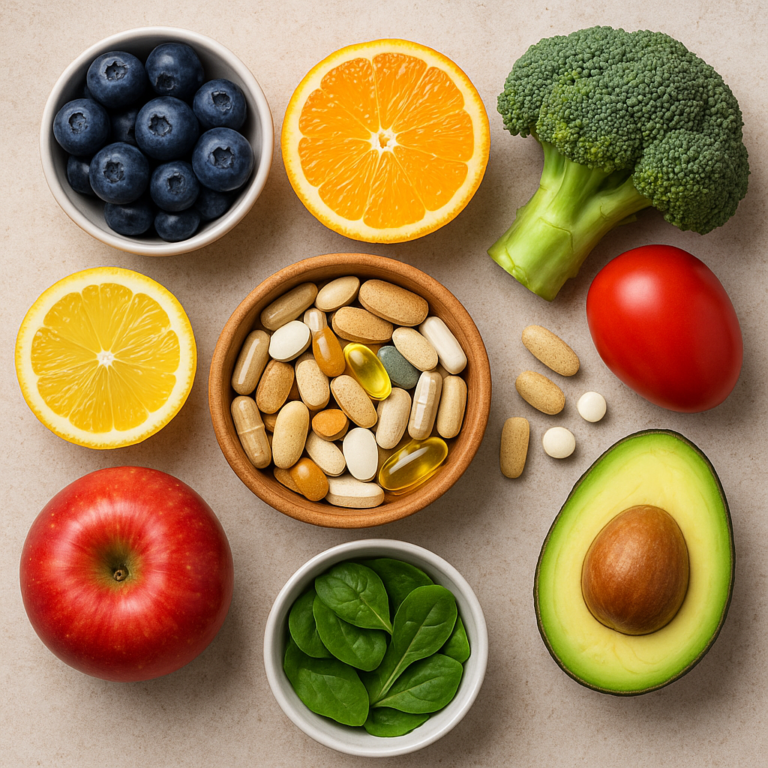
- A balanced diet rich in fruits, vegetables, dairy, legumes, and whole grains can provide all the necessary vitamins.
- Supplements can help if your diet is insufficient, but be cautious not to exceed the recommended daily intake.
🧬 The Fascinating History and Science of Vitamins

The history of vitamins dates back to the early 20th century when scientists first discovered these essential nutrients. According to MedlinePlus, vitamins are classified into two categories: fat-soluble and water-soluble.
Fat-soluble vitamins, such as Vitamin A, Vitamin D, Vitamin E, and Vitamin K, are stored in the body’s fat tissues and liver. They play a crucial role in maintaining healthy skin, bones, and vision. Water-soluble vitamins, on the other hand, are not stored in the body and need to be consumed regularly. They include Vitamin C and the B vitamins, which are essential for energy metabolism, nerve function, and heart health.
🔍 What Are Vitamins? Types and Classifications Explained
Vitamins are organic compounds that are necessary for various bodily functions. They can be classified into two main types:
- Fat-soluble vitamins: Stored in the body’s fat tissues and liver.
- Water-soluble vitamins: Not stored in the body and need to be consumed regularly.
The 13 essential vitamins are:
- Vitamin A
- Vitamin D
- Vitamin E
- Vitamin K
- Vitamin C
- Vitamin B1 (Thiamine)
- Vitamin B2 (Riboflavin)
- Vitamin B3 (Niacin)
- Vitamin B5 (Pantothenic acid)
- Vitamin B6 (Pyridoxine)
- Vitamin B7 (Biotin)
- Vitamin B9 (Folic acid)
- Vitamin B12 (Cobalamin)
1️⃣ The 13 Essential Vitamins and Their Vital Functions
Each vitamin has a unique function in the body. Here’s a brief overview of each:
1.1 Vitamin A: Vision, Immunity, and Skin Health
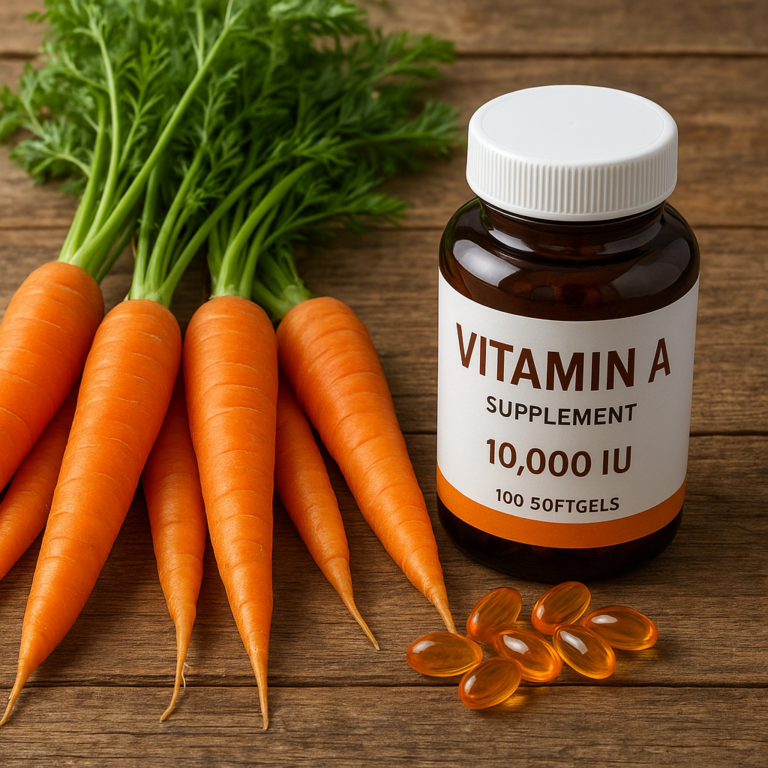
Vitamin A is essential for maintaining healthy vision, immune function, and skin health. Food sources include dark fruits and vegetables, egg yolks, and fortified dairy products. You can find Vitamin A supplements on Amazon or visit the Garden of Life official website for more information.
1.2 Vitamin B Complex: Energy Boosters and Brain Support
The Vitamin B complex includes eight B vitamins that play a crucial role in energy metabolism, nerve function, and heart health. Food sources include whole grains, nuts, and legumes. Check out Nature’s Bounty for a range of Vitamin B complex supplements.
1.3 Vitamin C: The Immunity Powerhouse and Antioxidant
Vitamin C is essential for immune function, collagen production, and iron absorption. Food sources include citrus fruits, strawberries, and leafy greens. You can find Vitamin C supplements on Walmart or visit the NOW Foods official website for more information.
1.4 Vitamin D: The Sunshine Vitamin for Bones and Mood
Vitamin D is essential for bone health, immune function, and mood regulation. Food sources include fatty fish, fortified dairy products, and sunlight exposure. Check out Vitamin D supplements on Amazon or visit the Thorne Research official website for more information.
1.5 Vitamin E: Protecting Cells and Promoting Skin Health
Vitamin E is an antioxidant that protects cells from damage and promotes skin health. Food sources include nuts, seeds, and vegetable oils. You can find Vitamin E supplements on Etsy or visit the Jarrow Formulas official website for more information.
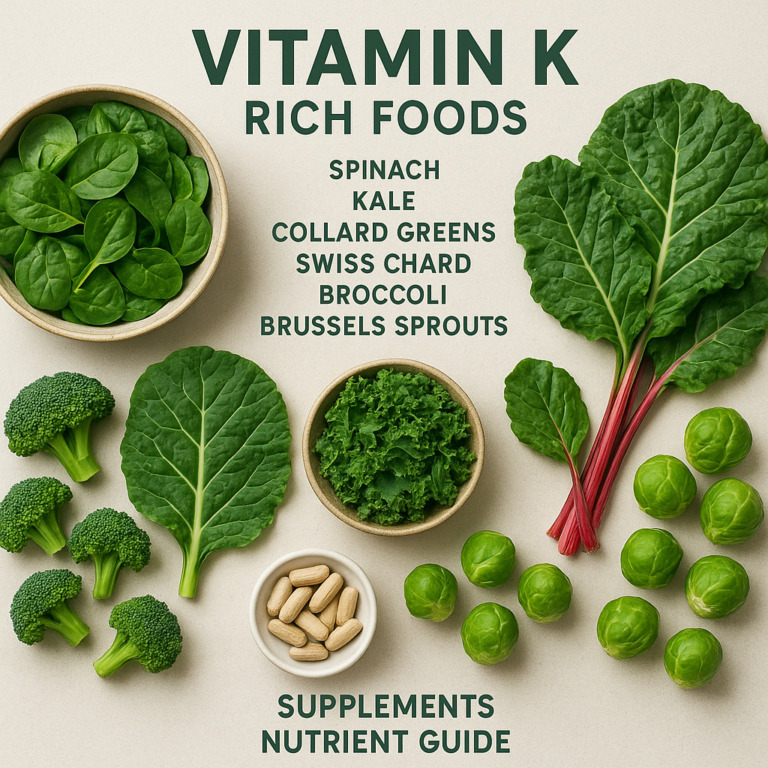
1.6 Vitamin K: The Blood Clotting and Bone Strength Hero
Vitamin K is essential for blood clotting and bone health. Food sources include leafy greens, such as kale and spinach. Check out Vitamin K supplements on Walmart or visit the Garden of Life official website for more information.
🍎 Top Food Sources to Maximize Your Vitamin Intake
Eating a balanced diet rich in whole foods can provide all the necessary vitamins. Here are some top food sources:
- Fruits: Citrus fruits, berries, and apples
- Vegetables: Leafy greens, broccoli, and bell peppers
- Proteins: Lean meats, fish, and eggs
- Dairy: Fortified milk, cheese, and yogurt
- Grains: Whole grains, brown rice, and quinoa
💊 Vitamin Supplements: When and How to Use Them Wisely
While a balanced diet can provide all the necessary vitamins, supplements can help fill nutritional gaps. Here are some tips for using vitamin supplements wisely:
- Consult a healthcare professional before taking any supplements.
- Choose high-quality supplements from reputable brands.
- Follow the recommended dosage to avoid toxicity.
⚠️ Potential Side Effects and Toxicity of Excess Vitamins
Taking too much of any vitamin can cause side effects and toxicity. Here are some potential risks:
- Fat-soluble vitamins: Can cause toxicity if taken in excess, as they are stored in the body’s fat tissues.
- Water-soluble vitamins: Generally safe, but high doses can cause side effects like diarrhea and stomach cramps.
🧪 How Vitamins Work in Your Body: Absorption and Metabolism
Vitamins are absorbed and metabolized in the body through various mechanisms. Here’s a brief overview:
- Fat-soluble vitamins: Absorbed in the small intestine with the help of bile and transported to the liver for storage.
- Water-soluble vitamins: Absorbed in the small intestine and transported to the liver for metabolism and excretion.
🧠 Vitamins and Mental Health: Boosting Brain Power Naturally
Certain vitamins play a crucial role in mental health and brain function. Here are some key vitamins:
- Vitamin B complex: Essential for energy metabolism and nerve function.
- Vitamin D: Regulates mood and cognitive function.
- Vitamin E: Acts as an antioxidant to protect brain cells from damage.
👶 Vitamins Across Life Stages: From Pregnancy to Senior Years
Vitamin needs vary across different life stages. Here’s a brief overview:
- Pregnancy: Folic acid, iron, and calcium are essential for fetal development.
- Childhood: Vitamin D, calcium, and iron are crucial for growth and development.
- Adulthood: Vitamin B complex, vitamin D, and omega-3 fatty acids support heart health and cognitive function.
- Senior years: Vitamin D, calcium, and vitamin B12 support bone health and cognitive function.
🌿 Natural vs Synthetic Vitamins: What’s the Difference
Natural and synthetic vitamins differ in their source and production process. Here’s a brief overview:
- Natural vitamins: Derived from whole foods or natural sources.
- Synthetic vitamins: Created in a laboratory using chemical processes.
🔗 Interactions Between Vitamins and Medications You Should Know
Certain vitamins can interact with medications, either enhancing or reducing their effects. Here are some key interactions:
- Vitamin K and blood thinners: Can reduce the effectiveness of blood thinners.
- Vitamin E and blood thinners: Can increase the risk of bleeding.
- Vitamin B complex and antidepressants: Can enhance the effects of antidepressants.
📊 Vitamin Deficiency Symptoms and How to Spot Them Early
Vitamin deficiencies can cause a range of symptoms, from mild to severe. Here are some common deficiency symptoms:
- Fatigue and weakness: Can be caused by deficiencies in vitamin B12, iron, or magnesium.
- Skin problems: Can be caused by deficiencies in vitamin C, vitamin E, or zinc.
- Hair loss: Can be caused by deficiencies in vitamin B complex, vitamin C, or iron.
📅 Recommended Daily Allowances and Optimal Intake Guidelines
The recommended daily allowance (RDA) for each vitamin varies based on age, sex, and other factors. Here are some general guidelines:
- Vitamin A: 700-900 μg/day
- Vitamin D: 600-800 IU/day
- Vitamin E: 15 mg/day
- Vitamin K: 90 μg/day
🖼️ Visual Guide: Vitamin-Rich Foods and Their Benefits
Here’s a visual guide to vitamin-rich foods and their benefits:
| Vitamin | Food Sources | Benefits |
|---|---|---|
| Vitamin A | Sweet potatoes, carrots, dark leafy greens | Healthy vision, immune function, and skin health |
| Vitamin D | Fatty fish, fortified dairy products, sunlight | Bone health, immune function, and mood regulation |
| Vitamin E | Nuts, seeds, vegetable oils | Antioxidant, skin health, and eye health |
| Vitamin K | Leafy greens, such as kale and spinach | Blood clotting, bone health, and cardiovascular health |
🔬 Latest Research and Breakthroughs in Vitamin Science
Recent research has shed new light on the importance of vitamins in maintaining overall health. Here are some key findings:
- Vitamin D and mental health: Vitamin D deficiency has been linked to an increased risk of depression and anxiety.
- Vitamin B complex and heart health: Vitamin B complex has been shown to reduce the risk of heart disease and stroke.
- Vitamin E and cancer prevention: Vitamin E has been found to have antioxidant properties that may help prevent cancer.
🧾 Reference Links for Further Reading and Trusted Resources
For more information on vitamins and their benefits, check out these trusted resources:
🤔 Frequently Asked Questions About Vitamins
Here are some frequently asked questions about vitamins:
- What are vitamins?: Vitamins are essential nutrients that the body needs to function properly.
- How do I get enough vitamins?: You can get enough vitamins through a balanced diet that includes a variety of whole foods.
- Can I take too many vitamins?: Yes, taking too many vitamins can cause side effects and toxicity. Always follow the recommended daily allowance and consult with a healthcare professional before taking any supplements.
Conclusion: Mastering Your Vitamin Knowledge for Better Health

Wow, what a journey through the vibrant world of vitamins! From the sunshine glow of Vitamin D to the antioxidant shield of Vitamin E, we’ve uncovered the essential roles these micronutrients play in keeping you energized, sharp, and thriving. Remember, the best way to get your daily dose of vitamins is through a balanced diet rich in colorful fruits, vegetables, whole grains, lean proteins, and fortified foods. Supplements can be a helpful safety net but should be used wisely and under professional guidance to avoid the pitfalls of toxicity, especially with fat-soluble vitamins.
If you ever wondered whether to choose natural or synthetic vitamins, or how vitamins interact with medications, now you have the insights to make informed decisions. And yes, those mysterious vitamin deficiency symptoms? You’re now equipped to spot them early and take action.
At Vitamin Brands™, we confidently recommend focusing on whole foods first, complemented by trusted supplements from reputable brands like Garden of Life, Nature’s Bounty, and Thorne Research when necessary. Your body is a complex orchestra, and vitamins are the vital instruments keeping the symphony of health in tune.
Ready to take charge of your vitamin intake? Dive into our recommended links below and explore the best products and resources to support your wellness journey!
Recommended Links to Trusted Vitamin Brands and Health Sites
-
Garden of Life Vitamin A Supplements:
Amazon | Garden of Life Official Website -
Nature’s Bounty Vitamin B Complex:
Amazon | Nature’s Bounty Official Website -
NOW Foods Vitamin C Supplements:
Walmart | NOW Foods Official Website -
Thorne Research Vitamin D:
Amazon | Thorne Research Official Website -
Jarrow Formulas Vitamin E:
Etsy | Jarrow Formulas Official Website -
Books on Vitamins and Nutrition:
🤔 Frequently Asked Questions About Vitamins
What are the 12 vitamins?
The term “12 vitamins” often refers to the classic essential vitamins excluding choline, which is sometimes considered vitamin-like. These include:
- Fat-soluble: Vitamins A, D, E, K
- Water-soluble: Vitamin C and the eight B vitamins (B1, B2, B3, B5, B6, B7, B9, B12)
Each plays a unique role in body functions such as energy metabolism, immune support, and blood clotting. For the full list including choline, see the next question.
What are the 13 key vitamins?
There are 13 essential vitamins recognized for human health:
- Fat-soluble: A, D, E, K
- Water-soluble: C, B1 (Thiamine), B2 (Riboflavin), B3 (Niacin), B5 (Pantothenic acid), B6 (Pyridoxine), B7 (Biotin), B9 (Folate), B12 (Cobalamin)
Choline is often grouped as a vitamin-like nutrient due to its importance in brain and liver function.
What are the functions of different types of vitamins?
- Fat-soluble vitamins (A, D, E, K) are stored in body fat and help with vision, bone health, antioxidant protection, and blood clotting.
- Water-soluble vitamins (C and B-complex) are not stored and must be replenished regularly; they aid in energy production, immune function, and red blood cell formation.
What are the 13 different types of vitamins?
This is another way to list the 13 essential vitamins (see above). Each vitamin is chemically distinct and vital for specific physiological processes.
What are the essential vitamins needed for overall health?
All 13 vitamins are essential, but some are particularly critical for overall health:
- Vitamin D for bone and immune health
- Vitamin C for antioxidant defense and skin health
- B vitamins for energy metabolism and nervous system support
- Vitamin A for vision and immune function
- Vitamin K for blood clotting and bone strength
How do fat-soluble and water-soluble vitamins differ in the body?
- Fat-soluble vitamins dissolve in fats and oils, stored in liver and fat tissue, and can accumulate, risking toxicity if overconsumed.
- Water-soluble vitamins dissolve in water, are not stored significantly, and excess amounts are excreted in urine, making regular intake necessary.
Which vitamins help boost the immune system?
- Vitamin C is a well-known immune booster with antioxidant properties.
- Vitamin D modulates immune responses and reduces infection risk.
- Vitamin A supports mucous membranes and immune cell function.
- Vitamin E protects immune cells from oxidative damage.
What are the signs of vitamin deficiencies and how to prevent them?
Signs of deficiency vary by vitamin but can include fatigue, poor wound healing, skin issues, neurological symptoms, and bone weakness. Prevention involves:
- Eating a balanced diet rich in diverse foods.
- Considering supplements if dietary intake is insufficient or if you have increased needs (e.g., pregnancy, age).
- Consulting healthcare providers for personalized advice and testing if symptoms arise.
🧾 Reference Links for Further Reading and Trusted Resources
- MedlinePlus: Vitamins
- MyHealth Alberta: Vitamins and Their Functions
- Better Health Channel: Vitamins and Minerals
- National Institutes of Health Office of Dietary Supplements
- Academy of Nutrition and Dietetics
- Garden of Life Official Website
- Nature’s Bounty Official Website
- NOW Foods Official Website
- Thorne Research Official Website
- Jarrow Formulas Official Website