Support our educational content for free when you purchase through links on our site. Learn more
What Vitamins Do Doctors Recommend Most? Top 10 Picks for 2026! 🌟


Ever wondered which vitamins doctors actually recommend when they’re not in their white coats? Spoiler alert: it’s not just Vitamin D! From boosting immunity to supporting brain health, the vitamins on this list have earned their place in the medical spotlight—and we’re spilling the secrets.
Here’s a little teaser: one of our team members struggled with fatigue and frequent colds until a simple blood test revealed a glaring vitamin D deficiency. After supplementing with the right combo, the difference was night and day. Curious which other vitamins made the cut and why? Stick around, because we’re unpacking the top 10 doctor-approved vitamins, the science behind them, and how to choose the best supplements tailored just for you.
Key Takeaways
- Vitamin D tops the list for its crucial role in bone health and immune support, especially in low-sunlight regions.
- B vitamins, especially B12 and folate, are essential for energy, brain function, and pregnancy health.
- Omega-3 fatty acids are widely recommended for heart and cognitive benefits.
- Minerals like magnesium, zinc, and calcium play vital roles but require careful dosing.
- “Natural” doesn’t always mean better—look for third-party tested supplements from trusted brands.
- Personalized supplementation based on testing and lifestyle is the safest and most effective approach.
Ready to discover which vitamins deserve a spot in your daily routine? Let’s dive in!
Table of Contents
- ⚡️ Quick Tips and Facts About Doctor-Recommended Vitamins
- 🧬 The Science and History Behind Vitamin Recommendations
- 1️⃣ Top 10 Vitamins Doctors Recommend Most and Why
- Vitamin D: The Sunshine Superstar
- Vitamin B12: Brain and Energy Booster
- Vitamin C: Immunity’s Best Friend
- Calcium: Building Strong Bones
- Magnesium: The Relaxation Mineral
- Omega-3 Fatty Acids: Heart and Brain Health
- Folate (Vitamin B9): Essential for Pregnancy and Beyond
- Iron: Fighting Fatigue and Anemia
- Vitamin K: The Clotting and Bone Supporter
- Zinc: Immune System and Healing Helper
- 💊 Vitamins vs. Supplements: What’s the Real Difference?
- 🛡️ When and Why Doctors Recommend Vitamin Supplements
- ⚠️ The Risks of Overdosing on Vitamins: What Doctors Warn About
- 🌿 “Natural” Vitamins: Myth vs. Reality
- 💡 How to Choose the Right Vitamin Supplement for Your Body
- 🔬 Understanding Clinical Evidence: What Doctors Look For
- 📱 Social Media and Vitamins: Separating Facts from Fiction
- 💬 Why Transparency with Your Doctor About Vitamins Matters
- 🛒 Our Favorite Doctor-Recommended Vitamin Brands and Products
- 📊 Vitamin Deficiency Testing: When Should You Get Tested?
- 👩 ⚕️ Tailoring Vitamin Intake: Personalized Nutrition Tips From Experts
- 🌍 Global Trends: How Vitamin Recommendations Vary Worldwide
- 🧳 Vitamins for Special Populations: Kids, Seniors, Pregnant Women, and Athletes
- 📅 Staying Updated: How Doctors Keep Up With Vitamin Research
- 🎯 Pearl of the Week: Behavioral Health and Vitamin Synergy
- 🧠 Curiosity Drives Discovery: The Future of Vitamins in Preventive Medicine
- ⏳ Saving Time: How to Efficiently Incorporate Vitamins Into Your Routine
- 🏥 AMA and Medical Community Insights on Vitamin Use
- 🔍 Research Spotlight: Recent Breakthroughs in Vitamin Science
- 🧾 Conclusion: What Vitamins Should You Really Trust?
- 🔗 Recommended Links for Further Reading
- 📚 Reference Links and Scientific Sources
⚡️ Quick Tips and Facts About Doctor-Recommended Vitamins
Welcome to the Vitamin Brands™ insider scoop! Wondering what vitamins doctors recommend most? You’re in the right place. Here’s a quick rundown before we dive deep:
- ✅ Vitamin D is the superstar supplement, especially in regions with limited sunlight.
- ✅ Multivitamins are popular but often just a nutritional safety net, not a magic bullet.
- ✅ B vitamins (B12, folate) are critical for energy and pregnancy health.
- ✅ Omega-3 fatty acids support heart and brain health.
- ✅ Magnesium and Zinc play underrated roles in relaxation and immunity.
- ❌ Beware of mega-doses, especially vitamin D >4,000 IU, which can cause harm.
- ❌ “Natural” doesn’t always mean safe — think of it like wild mushrooms: some are delicious, some deadly.
- ❌ Supplements are regulated as food, not drugs, so quality varies widely.
Pro tip: Always chat with your healthcare provider before starting any new supplement regimen. Transparency is key to avoid interactions and overdosing.
For more detailed insights, check out the AMA’s expert advice on vitamins and supplements and Harvard Health’s supplement scorecard.
🧬 The Science and History Behind Vitamin Recommendations

Vitamins have a fascinating history — from the discovery of scurvy’s cure with vitamin C to the modern-day explosion of supplements. Doctors’ recommendations evolved alongside scientific breakthroughs and public health needs.
Origins of Vitamin Science
- Early 20th century: Identification of vitamins as essential nutrients.
- Fortification of foods (e.g., iodine in salt, folate in flour) dramatically reduced deficiency diseases.
- Modern medicine emphasizes individualized supplementation based on lifestyle, diet, and health status.
Why Doctors Recommend Vitamins
- To correct deficiencies that cause diseases like rickets (vitamin D) or anemia (iron, B12).
- To support specific life stages such as pregnancy (folate) or aging (calcium, vitamin D).
- To complement diet when food intake or absorption is inadequate.
Regulation and Safety
Unlike drugs, vitamins and supplements are regulated as food by the FDA, meaning manufacturers don’t need to prove safety or efficacy before selling. This regulatory gap leads to a wide range of product quality and claims — some backed by science, others by marketing hype.
Vitamin Brands™ tip: Look for third-party certifications like USP or NSF to ensure quality.
1️⃣ Top 10 Vitamins Doctors Recommend Most and Why
Ready for the VIP list? Here are the top 10 vitamins and minerals doctors swear by, with the lowdown on why they matter.
Vitamin D: The Sunshine Superstar
| Aspect | Rating (1-10) |
|---|---|
| Effectiveness | 9 |
| Safety | 7 |
| Absorption | 8 |
| Popularity | 10 |
| Cost Efficiency | 8 |
Why it’s recommended:
Vitamin D regulates calcium absorption for strong bones and supports immune function. Deficiency is common, especially in northern latitudes or among people with darker skin. Doctors often recommend 800–1,000 IU daily, but caution against doses above 4,000 IU due to toxicity risks.
Real talk: One of our team members struggled with fatigue and frequent colds until a blood test revealed low vitamin D. Supplementing with Vitamin D3 + K2 (to direct calcium to bones, not arteries) made a huge difference.
Brands to consider:
- Nature Made Vitamin D3
- Thorne Research Vitamin D/K2 Complex
- Garden of Life Vitamin Code Raw D3
👉 CHECK PRICE on:
Vitamin B12: Brain and Energy Booster
| Aspect | Rating (1-10) |
|---|---|
| Effectiveness | 8 |
| Safety | 9 |
| Absorption | 6 |
| Popularity | 7 |
| Cost Efficiency | 7 |
Why it’s recommended:
Vital for nerve function and red blood cell production, B12 deficiency is common in vegetarians, older adults, and those with absorption issues. Doctors recommend supplementation especially after gastric surgery or in pernicious anemia.
Pro tip: Sublingual B12 or injections can bypass absorption problems.
Brands to consider:
- Jarrow Formulas Methyl B12
- Solgar Vitamin B12 Nuggets
- Garden of Life mykind Organic B12 Spray
👉 CHECK PRICE on:
Vitamin C: Immunity’s Best Friend
| Aspect | Rating (1-10) |
|---|---|
| Effectiveness | 7 |
| Safety | 9 |
| Absorption | 8 |
| Popularity | 9 |
| Cost Efficiency | 9 |
Doctors recommend vitamin C for immune support and antioxidant benefits. While it doesn’t cure colds, it may reduce duration and severity.
Fun fact: Our team swears by Emergen-C during cold season — fizzy, tasty, and effective.
Calcium: Building Strong Bones
Calcium is essential for bone density and muscle function. Doctors often recommend calcium with vitamin D for seniors to prevent osteoporosis.
Note: Excess calcium supplements can cause kidney stones; food sources preferred.
Magnesium: The Relaxation Mineral
Magnesium supports over 300 enzymatic processes, including muscle relaxation and sleep. Doctors recommend magnesium bisglycinate for better absorption.
Our experience: After adding magnesium supplements, one of our editors noticed fewer muscle cramps and better sleep quality.
Omega-3 Fatty Acids: Heart and Brain Health
Omega-3s reduce inflammation and support cardiovascular and cognitive health. Doctors often recommend fish oil supplements, especially for those who don’t eat oily fish regularly.
Recommended dose: At least 1,000–2,000 mg combined EPA and DHA daily.
Folate (Vitamin B9): Essential for Pregnancy and Beyond
Folate prevents neural tube defects during pregnancy and supports DNA synthesis. Doctors recommend 400 mcg daily for women of childbearing age.
Iron: Fighting Fatigue and Anemia
Iron supplements are prescribed for anemia, especially in women with heavy periods or vegetarians.
Tip: Take with vitamin C to enhance absorption and avoid taking with calcium.
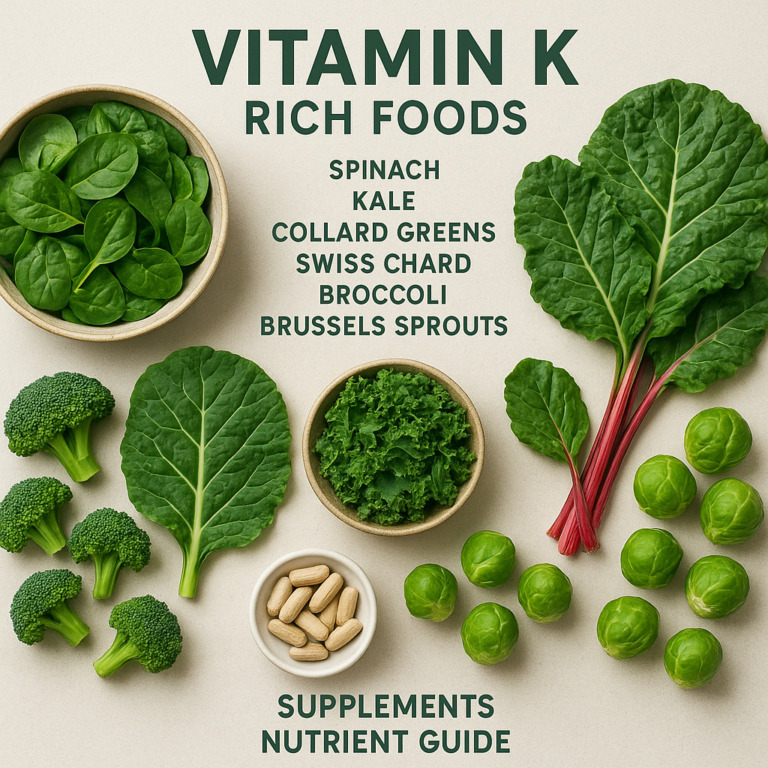
Vitamin K: The Clotting and Bone Supporter
Vitamin K helps blood clotting and bone metabolism. It works synergistically with vitamin D.
Zinc: Immune System and Healing Helper
Zinc supports immune function and wound healing. Doctors recommend 15–30 mg daily but warn against high doses that can cause copper deficiency.
💊 Vitamins vs. Supplements: What’s the Real Difference?
Let’s clear the fog: Vitamins are a subset of supplements. Supplements include herbs, minerals, amino acids, and more.
- Vitamins are organic compounds essential for bodily functions.
- Supplements can be vitamins, minerals, botanicals, or other substances.
Doctors emphasize that supplements are not regulated as drugs, so efficacy claims are often unverified. That’s why it’s crucial to rely on clinical evidence and consult your physician.
For a deeper dive, explore our Essential Vitamins and Health Supplements categories.
🛡️ When and Why Doctors Recommend Vitamin Supplements
Doctors don’t hand out vitamin bottles like candy. Here’s when they typically recommend supplements:
- ✅ Confirmed deficiency via blood tests (e.g., vitamin D, B12).
- ✅ Life stages with increased needs (pregnancy, elderly).
- ✅ Medical conditions affecting absorption (celiac disease, bariatric surgery).
- ✅ Dietary restrictions (veganism, food allergies).
- ✅ Preventive care in high-risk populations (osteoporosis, anemia).
Example: After her bariatric surgery, a patient of ours needed lifelong B12, iron, and calcium supplements to avoid deficiencies.
⚠️ The Risks of Overdosing on Vitamins: What Doctors Warn About
More isn’t always better! High doses can cause serious harm:
| Vitamin | Potential Risks of Overdose |
|---|---|
| Vitamin D | Hypercalcemia, kidney stones, bone loss |
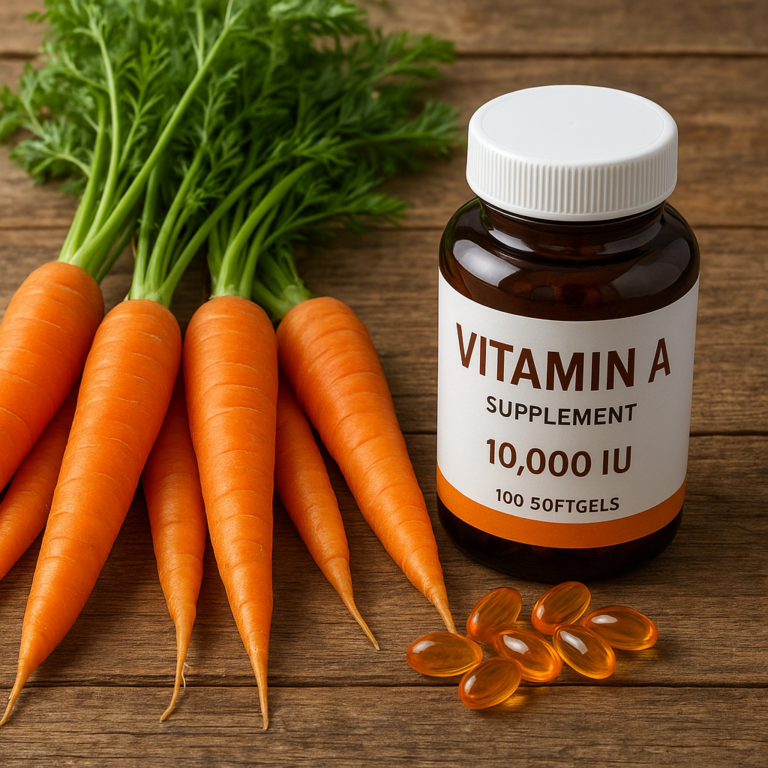
| Vitamin A | Liver damage, birth defects |
| Iron | Gastrointestinal distress, toxicity |
| Zinc | Copper deficiency, anemia, neurological issues |
Doctors caution against mega-dosing without supervision. The AMA warns: “High doses of vitamin D, over 4,000 IU per day, cause bone loss and increase the risk of falls.” (source)
🌿 “Natural” Vitamins: Myth vs. Reality
“Natural” sounds good, right? But natural doesn’t always mean safe or effective.
- Cocaine and heroin are natural but harmful.
- Natural vitamins may vary in potency and purity.
- Synthetic vitamins can be more bioavailable and consistent.
Doctors urge skepticism of “natural” claims and recommend products with third-party testing.
Explore our Natural Vitamins for vetted options.
💡 How to Choose the Right Vitamin Supplement for Your Body
Choosing vitamins can feel like navigating a jungle. Here’s a step-by-step guide:
- Assess your diet and lifestyle — Are you vegan? Limited sun exposure?
- Get tested — Blood tests for vitamin D, B12, iron, etc.
- Consult your doctor — Share your health history and medications.
- Look for quality seals — USP, NSF, ConsumerLab.
- Start with recommended doses — Avoid mega-dosing.
- Monitor effects — Track energy, mood, lab values.
- Adjust as needed — Your needs may change over time.
🔬 Understanding Clinical Evidence: What Doctors Look For
Doctors rely on randomized controlled trials (RCTs) — the gold standard for proving vitamin benefits.
- Observational studies can be misleading due to confounding factors.
- Beware of supplements claiming to “cure” diseases without evidence.
- The AMA advises: “Look for the term ‘randomized’ on studies.”
For example, vitamin E was once touted for heart health but later RCTs showed no benefit and potential harm.
📱 Social Media and Vitamins: Separating Facts from Fiction
Social media is a double-edged sword for vitamins:
- ✅ Great for awareness and education.
- ❌ Breeding ground for misinformation and hype.
- ❌ Influencers may promote unproven or unsafe products.
Doctors recommend verifying claims with trusted sources like the National Institutes of Health Office of Dietary Supplements and consulting healthcare providers.
💬 Why Transparency with Your Doctor About Vitamins Matters
Many patients don’t mention supplements during visits, but it’s crucial:
- Supplements can interact with medications.
- High doses may cause side effects.
- Doctors can tailor advice and monitor for deficiencies or excesses.
Our team’s experience: One patient’s unexplained symptoms resolved after stopping a high-dose zinc supplement.
🛒 Our Favorite Doctor-Recommended Vitamin Brands and Products
Here’s a quick rating table of some top brands based on quality, transparency, and doctor endorsement:
| Brand | Quality | Transparency | Range | Price Value | Overall |
|---|---|---|---|---|---|
| Thorne Research | 9 | 9 | 8 | 7 | 8.5 |
| Garden of Life | 8 | 8 | 9 | 7 | 8 |
| Nature Made | 7 | 7 | 8 | 8 | 7.5 |
| Jarrow Formulas | 8 | 8 | 7 | 7 | 7.5 |
| NOW Foods | 7 | 7 | 9 | 8 | 7.5 |
Why we like Thorne: Doctor-formulated, third-party tested, and clean ingredient profiles.
👉 Shop these brands on:
📊 Vitamin Deficiency Testing: When Should You Get Tested?
Testing is the cornerstone of personalized supplementation.
- Common tests: 25-hydroxy vitamin D, serum B12, ferritin (iron stores), folate.
- When to test: unexplained fatigue, bone pain, anemia symptoms, pregnancy planning.
- Frequency: annually or as advised by your doctor.
Our advice: Don’t guess your vitamin status — get tested to avoid unnecessary or harmful supplementation.
👩 ⚕️ Tailoring Vitamin Intake: Personalized Nutrition Tips From Experts
No one-size-fits-all here! Factors influencing vitamin needs:
- Age and sex
- Diet and lifestyle
- Medical conditions and medications
- Genetic factors
- Geographic location (sun exposure)
Doctors often recommend individual supplements over multivitamins to avoid nutrient imbalances.
🌍 Global Trends: How Vitamin Recommendations Vary Worldwide
Vitamin advice isn’t universal:
- Nordic countries emphasize vitamin D due to limited sunlight.
- Folate fortification policies differ by country.
- Cultural diets impact deficiency risks (e.g., B12 in vegan populations).
Understanding global trends helps us appreciate personalized care.
🧳 Vitamins for Special Populations: Kids, Seniors, Pregnant Women, and Athletes
Kids
- Vitamin D and iron are common concerns.
- Avoid megadoses; pediatric formulations preferred.
Seniors
- Calcium, vitamin D, B12 to support bone and cognitive health.
- Watch for absorption issues.
Pregnant Women
- Folate, iron, and prenatal vitamins critical for fetal development.
Athletes
- Magnesium, B vitamins, and sometimes creatine for recovery and performance.
📅 Staying Updated: How Doctors Keep Up With Vitamin Research
Doctors rely on:
- Medical journals (JAMA, NEJM)
- Professional organizations (AMA, AAFP)
- Continuing medical education (CME)
- Trusted health news sources (Harvard Health, Mayo Clinic)
Vitamin Brands™ stays on top too — bringing you the latest evidence-based insights.
🎯 Pearl of the Week: Behavioral Health and Vitamin Synergy
Did you know some vitamins impact mood and mental health? For example:
- Vitamin D deficiency is linked to depression.
- B vitamins support neurotransmitter production.
- Magnesium helps with anxiety and sleep.
Integrating behavioral health with nutrition can enhance overall well-being.
🧠 Curiosity Drives Discovery: The Future of Vitamins in Preventive Medicine
Exciting research is underway on:
- Personalized vitamin genomics
- Novel delivery systems (liposomal, sublingual)
- Vitamin roles in chronic disease prevention
Stay tuned — the future of vitamins is bright and tailored just for you.
⏳ Saving Time: How to Efficiently Incorporate Vitamins Into Your Routine
Tips from our team:
- Use pill organizers or vitamin subscription services.
- Pair supplements with daily habits (e.g., breakfast).
- Choose combined formulas when appropriate.
- Track effects in a health journal or app.
Efficiency = consistency = results!
🏥 AMA and Medical Community Insights on Vitamin Use
The American Medical Association emphasizes:
- Evidence-based supplementation.
- Patient education on risks and benefits.
- Transparency between patients and providers.
For official AMA updates, visit their Prevention & Wellness page.
🔍 Research Spotlight: Recent Breakthroughs in Vitamin Science
- Vitamin D’s role in immune modulation during COVID-19.
- Omega-3’s impact on cognitive decline prevention.
- Magnesium’s benefits for sleep disorders.
Our team monitors these studies to update our recommendations.
Up next: The Conclusion will tie it all together — which vitamins truly deserve your trust and how to navigate the supplement jungle with confidence. Stay tuned!
For more expert insights and product reviews, explore our Multivitamin Supplements and Best Vitamins for Men categories.
🧾 Conclusion: What Vitamins Should You Really Trust?

After our deep dive into the world of doctor-recommended vitamins, here’s the bottom line from the Vitamin Brands™ health pros:
- Vitamin D and multivitamins top the charts for general use, especially when diet or lifestyle limits nutrient intake. But remember, more isn’t always better — mega-doses can backfire.
- B vitamins (B12, folate) are essential for energy, brain health, and pregnancy, with supplementation often necessary for vegetarians, seniors, and those with absorption issues.
- Minerals like magnesium, zinc, and calcium play vital roles in relaxation, immunity, and bone health, and should be tailored to individual needs.
- Omega-3 fatty acids are a must-have for heart and brain support, especially if you don’t eat fish regularly.
- Beware of “natural” claims and unregulated products; always opt for third-party tested brands like Thorne Research, Garden of Life, or Nature Made.
- Consult your doctor before starting supplements, get tested if possible, and be transparent about what you take.
Our recommendation: Start with a high-quality multivitamin that covers your bases, add vitamin D3 (with K2) if you have limited sun exposure, and supplement B12 if you fall into at-risk groups. Customize further based on lab results and lifestyle.
Remember the question we teased earlier — what vitamins should you really trust? The answer is those backed by solid science, personalized to your body, and taken responsibly under medical guidance.
🔗 Recommended Links for Further Reading & Shopping
Shop Doctor-Recommended Vitamin Brands
-
Thorne Research Vitamins:
Amazon | Walmart | Thorne Official Website -
Garden of Life Vitamins:
Amazon | Walmart | Garden of Life Official Website -
Nature Made Vitamins:
Amazon | Walmart | Nature Made Official Website -
Jarrow Formulas:
Amazon | Walmart | Jarrow Formulas Official Website
Recommended Books on Vitamins and Supplements
- The Vitamin D Solution by Dr. Michael F. Holick — Amazon
- The Supplement Handbook by Dr. Mark Moyad — Amazon
- Eat, Drink, and Be Healthy by Dr. Walter Willett — Amazon
❓ Frequently Asked Questions (FAQs)

Are multivitamins necessary for overall wellness?
Multivitamins can serve as a nutritional safety net for people with dietary gaps, but they are not a substitute for a balanced diet. Most healthy adults who eat a varied diet may not need them daily. However, multivitamins are popular because they cover multiple bases and may help prevent mild deficiencies. Doctors often recommend them for older adults, pregnant women, or those with restricted diets.
What are the benefits of taking vitamin D and B12 supplements?
- Vitamin D supports bone health, immune function, and may reduce risk of certain chronic diseases. Supplementation is crucial for people with limited sun exposure or absorption issues.
- Vitamin B12 is vital for nerve function and red blood cell production. Supplements help vegetarians, seniors, and those with malabsorption avoid fatigue and neurological problems.
How do doctors determine which vitamins you need?
Doctors use a combination of:
- Medical history and diet assessment
- Blood tests (e.g., 25-hydroxy vitamin D, serum B12, ferritin)
- Symptom evaluation (fatigue, bone pain, anemia signs)
- Risk factors (age, pregnancy, surgeries, chronic diseases)
This personalized approach ensures supplementation is targeted and safe.
Which vitamins are essential for daily health according to doctors?
The essentials typically include:
- Vitamin D
- B vitamins (especially B12 and folate)
- Calcium and magnesium
- Omega-3 fatty acids
- Iron (if deficient)
These support bone, brain, immune, and cardiovascular health.
What supplements do most doctors take?
Many doctors personally take:
- Vitamin D (often with K2)
- Omega-3 fish oil
- Magnesium for relaxation and sleep
- B complex vitamins for energy
- Occasionally zinc or iron based on individual needs
They emphasize evidence-based choices and avoid unnecessary mega-doses.
What vitamins do doctors prescribe?
Doctors prescribe vitamins primarily to treat or prevent deficiencies:
- Vitamin D for bone health
- B12 for pernicious anemia or absorption issues
- Iron for anemia
- Folate during pregnancy
- Calcium for osteoporosis prevention
Prescription-strength vitamins are used when high doses or special formulations are needed.
What vitamin do doctors take?
Vitamin D is the most commonly taken vitamin among doctors themselves, reflecting its widespread deficiency and importance. Many also take B complex vitamins and omega-3 supplements.
What is the most important vitamin to take daily?
Vitamin D stands out as the most important daily vitamin for many people due to its role in calcium absorption, immune health, and common deficiency. However, individual needs vary, so testing and consultation are key.
What is the best vitamins recommended by doctors?
The best vitamins are those:
- Backed by clinical evidence
- Tailored to your individual needs
- From reputable brands with third-party testing (e.g., Thorne Research, Garden of Life)
- Taken at recommended doses, avoiding megadoses
What are the top vitamins doctors suggest for daily health?
Top daily vitamins include:
- Vitamin D3 (with K2)
- B12 (especially for vegetarians and seniors)
- Multivitamins covering essential minerals and vitamins
- Omega-3 fatty acids for heart and brain support
Which vitamins are essential for boosting the immune system?
Vitamin C, vitamin D, zinc, and certain B vitamins (like B6) play key roles in immune function. Supplementation can help if dietary intake or absorption is inadequate.
How do doctors determine which supplements are necessary?
Doctors rely on:
- Clinical guidelines and evidence-based research
- Patient-specific factors (age, health status, diet)
- Laboratory testing
- Monitoring response and side effects
Are multivitamins recommended for all age groups?
Multivitamins are not universally necessary for all ages. Children, adults, and seniors have different nutritional needs. Pediatric formulations exist for kids, while seniors may need more vitamin D and B12. Pregnant women require prenatal vitamins with folate and iron. Doctors tailor recommendations accordingly.
📚 Reference Links and Scientific Sources
- American Medical Association: What doctors wish patients knew about vitamins and supplements
- Harvard Health Publishing: Supplements: A Scorecard
- The Guardian: Five doctors on the health supplements they swear by, from Vitamin D to …
- National Institutes of Health Office of Dietary Supplements: https://ods.od.nih.gov/
- Thorne Research: https://www.thorne.com/
- Garden of Life: https://www.gardenoflife.com/
- Nature Made: https://www.naturemade.com/
- Jarrow Formulas: https://jarrow.com/
Thank you for joining Vitamin Brands™ on this vitamin voyage! Stay curious, stay informed, and always put your health first. 🌟