Support our educational content for free when you purchase through links on our site. Learn more
Are There Currently 13 Recognized Vitamins? The Definitive Guide (2026) 🥦

Have you ever wondered why nutritionists keep talking about 13 vitamins? Is that number set in stone, or are there secret vitamins hiding in your kale smoothie? Whether you’re a health enthusiast, a curious reader, or someone trying to decode the alphabet soup on your supplement bottle, this guide is your go-to source for everything you need to know about the 13 recognized vitamins.
From the legendary Vitamin D — the “sunshine vitamin” that’s actually a prohormone — to the mysterious missing B vitamins that never made the final cut, we’ll unravel the science, history, and practical tips behind these essential nutrients. Plus, we’ll share expert advice on how to get your daily dose from food and supplements, and bust some common myths that might be holding you back from optimal health. Ready to become a vitamin virtuoso? Let’s dive in!
Key Takeaways
- There are exactly 13 essential vitamins recognized by health experts, divided into fat-soluble and water-soluble groups.
- Vitamin D is unique as it acts like a hormone and can be synthesized by your body with sunlight exposure.
- Not all B vitamins are created equal — some “missing” Bs were reclassified and are no longer considered essential vitamins.
- Balanced diet is the best source, but supplements can help fill gaps for specific groups like vegans, pregnant women, and older adults.
- Quality matters: Choose reputable brands with third-party testing for better absorption and safety.
Curious about which foods pack the biggest vitamin punch? Or wondering if your multivitamin really covers all bases? Keep reading — we’ve got you covered!
Table of Contents
- ⚡️ Quick Tips and Facts About Vitamins
- 🧬 The Evolution of Vitamin Science: How We Got to 13 Recognized Vitamins
- 🔍 What Are the 13 Recognized Vitamins? A Complete List and Overview
- 🍽️ Food Sources and Dietary Tips to Get Your Daily Dose of Vitamins
- ⚠️ Vitamin Deficiencies: Signs, Symptoms, and Health Risks
- 💊 Vitamin Toxicity: When Too Much of a Good Thing Goes Bad
- 🧪 How Are Vitamins Classified? Water-Soluble vs Fat-Soluble Explained
- 📊 Recommended Daily Allowances (RDAs) and How to Meet Them Safely
- 🔬 The Science Behind Vitamin Supplements: Do You Really Need Them?
- 🌿 Natural vs Synthetic Vitamins: What’s the Difference?
- 🧑⚕️ Expert Tips for Choosing Quality Vitamin Brands and Products
- 📚 Fascinating Vitamin Facts and Myths Busted
- 🖼️ Visual Guide: Vitamin Functions and Food Sources Infographic
- 🗓️ Review Date and Updates on Vitamin Research
- 🔗 Recommended Links for Further Vitamin Exploration
- ❓ Frequently Asked Questions About Vitamins
- 📑 Reference Links and Trusted Sources
- 🎯 Conclusion: Are There Currently 13 Recognized Vitamins?
⚡️ Quick Tips and Facts About Vitamins
Before we peel back the label on your supplement bottle, let’s get the “CliffsNotes” version of what you need to know. Are there really only 13? Spoiler alert: Yes, but the story is way more complex than a simple baker’s dozen!
| Fact | Detail |
|---|---|
| The Magic Number | There are exactly 13 recognized vitamins essential for human health. |
| Solubility Split | 4 are fat-soluble (A, D, E, K) and 9 are water-soluble (C and the 8 B-vitamins). |
| Storage Capacity | Fat-soluble vitamins stay in your “tank” (liver/fat) for months; water-soluble ones are “use it or lose it” (excreted daily). |
| The “Hormone” Imposter | Vitamin D is technically a prohormone because your body can make it from sunlight! |
| The B-Complex Gap | Ever wonder why there’s no Vitamin B4 or B8? We’ll reveal the “missing” vitamins later! |
Quick Dos and Don’ts:
- ✅ Do eat a “rainbow” of foods to hit all 13 naturally.
- ✅ Do take fat-soluble vitamins with a meal containing healthy fats (like avocado or olive oil).
- ❌ Don’t assume “more is better”—toxicity is real, especially with Vitamins A and D.
- ❌ Don’t rely on supplements to fix a junk-food diet.
🧬 The Evolution of Vitamin Science: How We Got to 13 Recognized Vitamins
The history of vitamins is a bit like a medical detective novel. For centuries, sailors died of scurvy and children suffered from rickets, but nobody knew why. We used to think diseases were only caused by germs, not by a lack of something.
In the early 1900s, Polish biochemist Casimir Funk coined the term “vitamine” (vital amine). He realized that certain factors in food were essential to prevent diseases like beriberi. As scientists discovered more of these “factors,” they assigned them letters: A, B, C, and so on.
But wait—why do we jump from Vitamin E to Vitamin K? And where did B4, B8, and B11 go? As research advanced, scientists realized some “vitamins” didn’t fit the criteria (like being essential or something the body can’t make). They were demoted to “vitamin-like substances” or nutrients. By the mid-20th century, the scientific community reached a consensus: there are 13 essential vitamins that the human body absolutely must have to function but cannot produce in sufficient quantities on its own.
🔍 What Are the 13 Recognized Vitamins? A Complete List and Overview
If you’re looking for the ultimate roster of Essential Vitamins, here they are. Before we dive into the nitty-gritty, you might be wondering, Does Nature Made Make Good Vitamins? 7 Facts You Need to Know (2025) 🌿. We’ve got the scoop on that, but first, let’s meet the 13.
1. Vitamin A (Retinol) – The Vision Booster
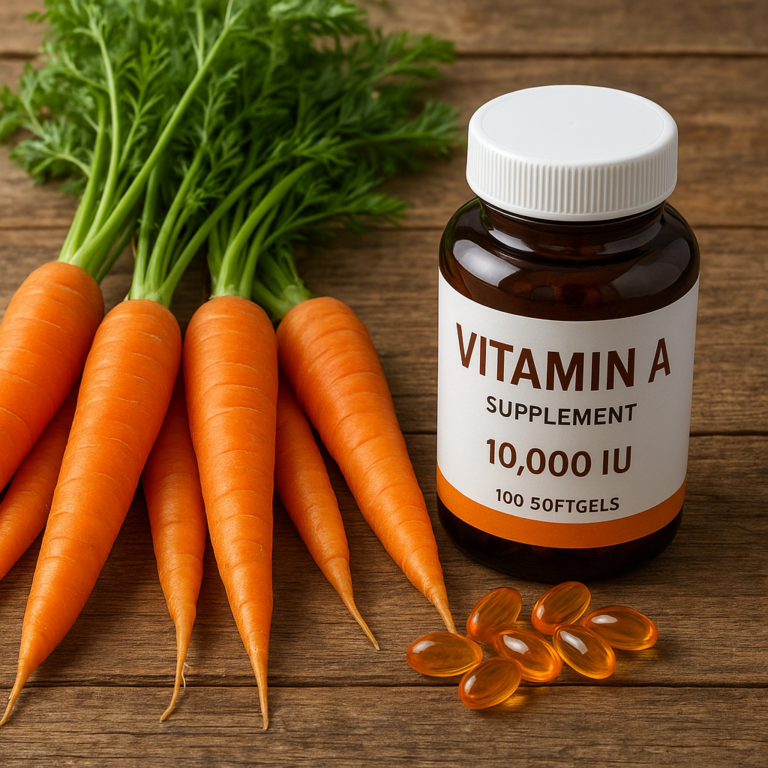
Vitamin A is the “night vision” specialist. It’s crucial for maintaining the retina and keeping your immune system from ghosting you.
- Forms: Retinol (animal sources) and Carotenoids (plant sources like carrots).
- Top Pick: Nature Made Vitamin A
2. Vitamin B Complex – The Energy and Brain Team
The B-vitamins are like a high-performance pit crew for your metabolism. There are 8 in total:
- B1 (Thiamine): Converts carbs into energy.
- B2 (Riboflavin): Essential for growth and red blood cell production.
- B3 (Niacin): Supports skin and nerve function.
- B5 (Pantothenic Acid): Helps make hormones and cholesterol.
- B6 (Pyridoxine): Vital for brain development and mood.
- B7 (Biotin): The “beauty” vitamin for hair and nails.
- B9 (Folate/Folic Acid): Crucial for DNA synthesis and pregnancy.
- B12 (Cobalamin): Keeps nerves and blood cells healthy.
3. Vitamin C (Ascorbic Acid) – The Immunity Powerhouse
The most famous of the bunch! It’s a powerful antioxidant that helps with collagen production and wound healing.
4. Vitamin D (Calciferol) – The Sunshine Vitamin
As noted by the NCBI, Vitamin D is unique because it acts more like a hormone. It’s essential for calcium absorption.
5. Vitamin E (Tocopherol) – The Antioxidant Guardian
This one protects your cells from oxidative stress—think of it as “rust-proofing” your body.
6. Vitamin K – The Clotting Champion
Without Vitamin K, a simple papercut would be a major emergency. It’s also vital for bone health.
🍽️ Food Sources and Dietary Tips to Get Your Daily Dose of Vitamins
You don’t always need a pill to get your fill! A balanced diet is the gold standard. According to MedlinePlus, “The best way to get all the daily vitamins you need is to eat a balanced diet.”
| Vitamin | Best Food Sources | Pro Tip |
|---|---|---|
| Vitamin A | Beef liver, sweet potatoes, spinach | Eat with fat to boost absorption! |
| B-Vitamins | Whole grains, meat, eggs, legumes | B12 is only naturally in animal products. |
| Vitamin C | Citrus, bell peppers, strawberries | Don’t overcook; heat destroys Vitamin C. |
| Vitamin D | Fatty fish (salmon), fortified milk | Get 15 mins of sun, but don’t burn! |
| Vitamin E | Sunflower seeds, almonds, wheat germ | Great for skin when eaten in nuts. |
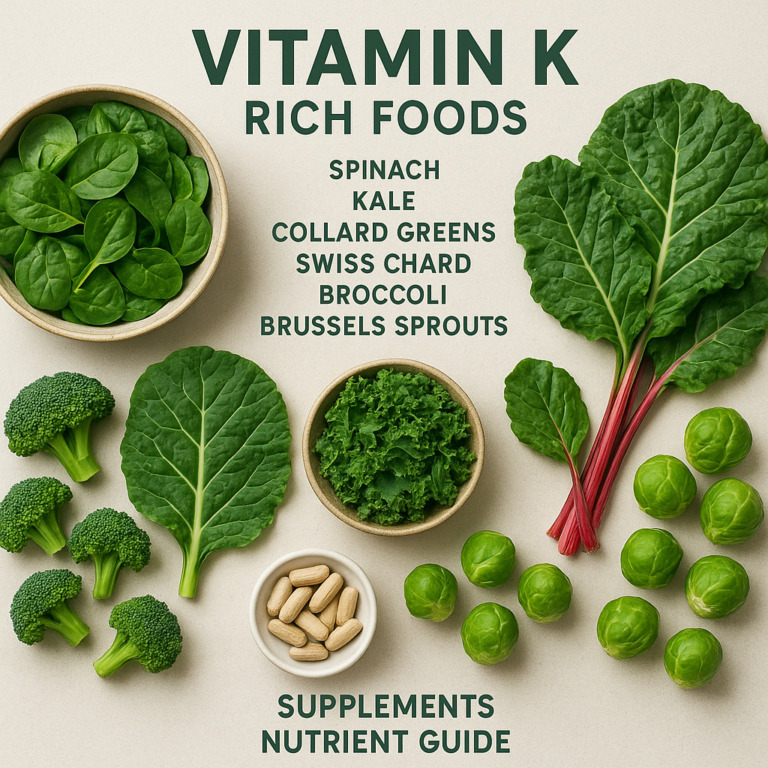
| Vitamin K | Kale, broccoli, Brussels sprouts | Fermented foods like Natto are K2 kings. |
⚠️ Vitamin Deficiencies: Signs, Symptoms, and Health Risks
What happens when you run low? It’s not pretty. While rare in developed nations, sub-optimal levels are surprisingly common.
- Vitamin A Deficiency: Can lead to night blindness.
- Vitamin C Deficiency: Causes scurvy (swollen gums, bruising).
- Vitamin D Deficiency: Leads to rickets in kids or “soft bones” (osteomalacia) in adults.
- B12 Deficiency: Can cause permanent nerve damage and fatigue.
If you’re a man looking to optimize your health, check out our guide on the Best Vitamins for Men.
🧪 How Are Vitamins Classified? Water-Soluble vs Fat-Soluble Explained
This is the most important distinction in the vitamin world!
1. Fat-Soluble (A, D, E, K):
These are stored in your liver and fatty tissues. Because your body keeps a “backlog,” you don’t need them every single day. However, this also means they can build up to toxic levels if you over-supplement.
2. Water-Soluble (C and B-Complex):
These dissolve in water and travel through your bloodstream. Whatever your body doesn’t use, you pee out. This makes them safer in high doses but means you need a steady supply from Natural Vitamins or food.
🔬 The Science Behind Vitamin Supplements: Do You Really Need Them?
The million-dollar question! While Medical News Today confirms there are 13 recognized vitamins, they also emphasize that supplements aren’t a “get out of jail free” card for a bad diet.
However, certain groups definitely benefit:
- Vegans: Often need B12.
- Pregnant Women: Need Folate (B9) to prevent birth defects.
- Older Adults: Often need more Vitamin D and B12.
In the featured video, experts suggest that for men, Vitamin D3 with K2 is a “non-negotiable” duo. Why? Because K2 acts like a traffic cop, making sure the calcium Vitamin D absorbs goes to your bones and not your arteries!
🧑⚕️ Expert Tips for Choosing Quality Vitamin Brands and Products
Not all vitamins are created equal. Some are packed with fillers, while others use superior “methylated” forms for better absorption. When looking for Multivitamin Supplements, we recommend looking for third-party testing (USP, NSF, or Informed-Choice).
Product Review: Garden of Life Vitamin Code Multivitamin
We’ve put this popular raw multivitamin to the test. Here’s how it stacks up:
| Feature | Rating (1-10) | Notes |
|---|---|---|
| Ingredient Quality | 9/10 | Uses whole-food sources and probiotics. |
| Bioavailability | 8/10 | Includes co-factors for better absorption. |
| Ease of Use | 6/10 | Requires taking 4 capsules daily (a bit much!). |
| Value | 7/10 | Premium price for premium ingredients. |
| Transparency | 10/10 | Excellent third-party certifications. |
Analysis: Garden of Life is a top-tier choice for those who want Health Supplements derived from real fruits and veggies rather than synthetic chemicals. The “Raw” formula ensures enzymes stay intact.
👉 Shop Quality Brands on:
- Garden of Life: Amazon | Walmart | Official Site
- Thorne Research: Amazon | Official Site
- Nature Made: Amazon | Walmart
📚 Fascinating Vitamin Facts and Myths Busted
- Myth: Vitamin C prevents the common cold.
- Fact: It might slightly shorten the duration, but it won’t stop you from catching it.
- Myth: Natural vitamins are always better than synthetic.
- Fact: Not always! Synthetic Folic Acid is actually absorbed better by the body than the folate found naturally in food.
- Myth: You can’t overdose on vitamins.
- Fact: High doses of Vitamin A can be toxic to the liver and even cause birth defects. Always stick to the RDA!
🖼️ Visual Guide: Vitamin Functions and Food Sources Infographic
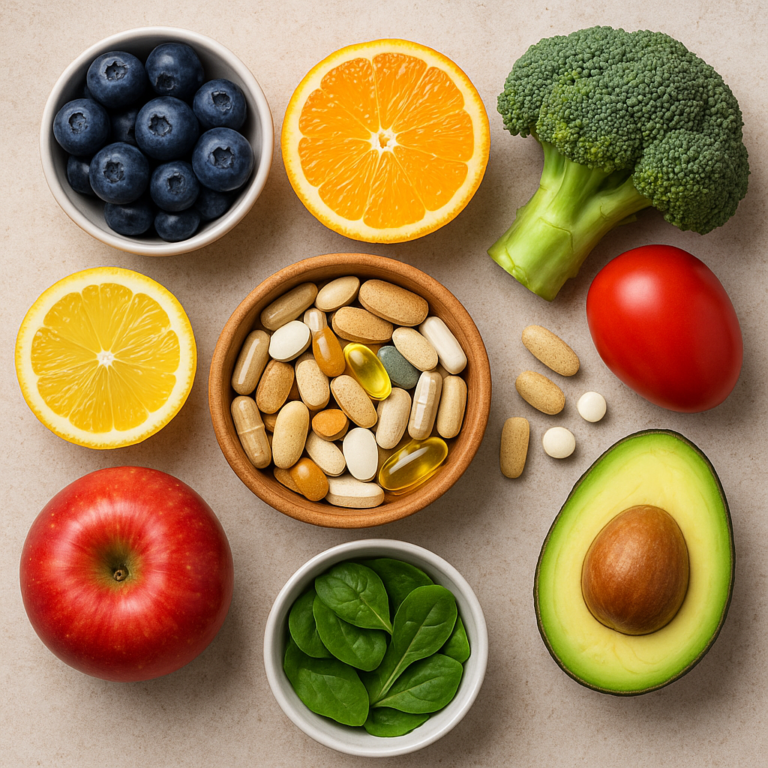
Imagine a vibrant chart on your fridge. On one side, you have the Fat-Soluble 4 (A, D, E, K) pictured with avocados and salmon. On the other, the Water-Soluble 9 (C and the B-Team) surrounded by oranges, spinach, and whole grains.
- The “Energy” Hub: B1, B2, B3, B5.
- The “Blood & Brain” Hub: B6, B9, B12.
- The “Immune & Skin” Hub: A, C, E.
- The “Structure” Hub: D, K.
🗓️ Review Date and Updates on Vitamin Research
Review Date: January 21, 2025.
Our team of health professionals at Vitamin Brands™ constantly monitors new clinical trials. While there are currently 13 recognized vitamins, researchers are always looking at substances like Choline and Pyrroloquinoline Quinone (PQQ) to see if they should one day join the “Essential” club. For now, they remain “vitamin-like” nutrients.
🔗 Recommended Links for Further Vitamin Exploration
- NIH Office of Dietary Supplements – The ultimate database for supplement facts.
- Linus Pauling Institute – Deep dives into micronutrient research.
- ConsumerLab – Independent testing of vitamin purity (requires subscription).
❓ Frequently Asked Questions About Vitamins
Q: Why are there no vitamins B4, B8, B10, or B11?
A: They used to exist! However, as science improved, we realized these substances were either made by the body or didn’t meet the strict “essential” criteria, so they were stripped of their vitamin titles.
Q: Can I get all 13 vitamins from a single pill?
A: Yes, most “Complete” multivitamins like Centrum or Nature Made contain all 13. However, the quality and form of those vitamins vary wildly between brands.
Q: Is Vitamin D really a vitamin?
A: Technically, no. It’s a prohormone. But because we traditionally get it from food (and because “13 Vitamins” sounds better than “12 Vitamins and a Hormone”), it stays on the list!
📑 Reference Links and Trusted Sources
- MedlinePlus: Vitamins Overview
- Medical News Today: The 13 Essential Vitamins
- NCBI/NIH: Vitamin D: The Sunshine Vitamin
- Harvard Health: Listing of Vitamins and Their Functions
🎯 Conclusion: Are There Currently 13 Recognized Vitamins?
So, after our deep dive into the vitamin universe, the verdict is crystal clear: Yes, there are currently 13 recognized essential vitamins that science and health experts agree are vital for human health. This includes the four fat-soluble vitamins (A, D, E, K) and nine water-soluble vitamins (C and the B-complex family). Each plays a unique and irreplaceable role, from vision and immunity to energy metabolism and blood clotting.
Remember those “missing” B vitamins like B4 and B8? They were once thought to be vitamins but have since been reclassified as non-essential or vitamin-like substances. So, the magic number 13 stands firm — at least for now.
If you’re considering supplements, it’s important to choose quality brands like Nature Made, Garden of Life, or Thorne Research that offer well-absorbed, bioavailable forms of these vitamins. Supplements can be a helpful safety net, especially for those with dietary restrictions or increased needs, but they’re no substitute for a balanced, colorful diet.
And what about Vitamin D, the “prohormone” that likes to crash the vitamin party? It’s still counted among the essentials because of its critical role and dietary importance, even though your body can make it with a little help from the sun.
In short, understanding these 13 vitamins empowers you to make smarter health choices — whether you’re picking produce at the grocery store or scanning supplement labels. So go ahead, eat the rainbow, soak up some sunshine responsibly, and keep your vitamin game strong! 🌈☀️
🔗 Recommended Links for Shopping and Further Learning
-
👉 Shop Quality Multivitamins and Vitamin Supplements:
- Nature Made Vitamins: Amazon | Walmart | Nature Made Official Website
- Garden of Life Multivitamins: Amazon | Walmart | Garden of Life Official Website
- Thorne Research Supplements: Amazon | Thorne Official Website
-
Recommended Books on Vitamins and Nutrition:
- “Vitamin Revolution: How to Improve Your Health with Vitamins” by Dr. Michael Murray — Amazon Link
- “The Vitamin D Solution” by Dr. Michael F. Holick — Amazon Link
- “Eat to Beat Disease” by Dr. William Li — Amazon Link
❓ Frequently Asked Questions About Vitamins
What is the role of supplements in meeting the daily requirements of the 13 vitamins?
Supplements act as a nutritional safety net, especially for individuals who have dietary restrictions, absorption issues, or increased needs (like pregnancy or aging). While a balanced diet is the best source, supplements can help fill gaps and ensure you meet the Recommended Dietary Allowances (RDAs) without risking deficiency. However, over-reliance on supplements without dietary improvements is not recommended, as whole foods provide additional beneficial compounds beyond vitamins.
Are there any new vitamins being researched beyond the current 13 recognized ones?
Currently, the scientific consensus recognizes 13 essential vitamins. Some substances like choline and carnitine are considered “vitamin-like” nutrients but have not been officially classified as vitamins because the body can produce them or their essentiality is conditional. Research continues into novel compounds with potential vitamin-like activity, but none have yet joined the official vitamin roster.
How do the 13 vitamins contribute to overall health and wellness?
Each vitamin plays distinct roles:
- Vitamin A: Vision, immune function, skin health.
- B Vitamins: Energy metabolism, red blood cell formation, nervous system support.
- Vitamin C: Antioxidant, collagen synthesis, immune defense.
- Vitamin D: Calcium absorption, bone health, immune modulation.
- Vitamin E: Antioxidant protection of cells.
- Vitamin K: Blood clotting, bone metabolism.
Together, they maintain cellular function, growth, repair, and protect against disease.
What are the 13 essential vitamins recognized by health experts?
The 13 essential vitamins are:
- Fat-soluble: A, D, E, K
- Water-soluble: C, B1 (Thiamine), B2 (Riboflavin), B3 (Niacin), B5 (Pantothenic acid), B6 (Pyridoxine), B7 (Biotin), B9 (Folate), B12 (Cobalamin)
How many vitamins do we know today?
While many substances have vitamin-like properties, only 13 are officially recognized as essential vitamins for humans. This number is stable due to rigorous scientific criteria defining what constitutes a vitamin.
Are there 13 vitamins present in our body?
The body requires 13 essential vitamins from the diet (or sunlight in the case of Vitamin D) because it cannot synthesize them in sufficient amounts. Some vitamin-like compounds are produced internally but are not classified as vitamins.
How do the 13 vitamins benefit overall health?
They support critical biological functions such as energy production, immune defense, bone strength, blood clotting, and neurological function. Deficiency in any can lead to specific diseases or systemic health problems.
How do supplements help in meeting the daily requirements of the 13 vitamins?
Supplements provide concentrated, measured doses of vitamins to prevent or correct deficiencies. They are especially useful when diet alone is insufficient due to lifestyle, health conditions, or increased physiological demands.
📑 Reference Links and Trusted Sources
- MedlinePlus: Vitamins Overview
- Medical News Today: The 13 Essential Vitamins
- NCBI: Overview of Vitamin D – Dietary Reference Intakes for Calcium and …
- NIH Office of Dietary Supplements
- Linus Pauling Institute Micronutrient Information Center
- Nature Made Official Website
- Garden of Life Official Website
- Thorne Research Official Website
Ready to take your vitamin knowledge to the next level? Dive into these trusted sources and shop smart to keep your health shining bright! 🌟