Support our educational content for free when you purchase through links on our site. Learn more
What Form of Vitamin A Is Best Absorbed? Discover the Truth! 🥕 (2026)

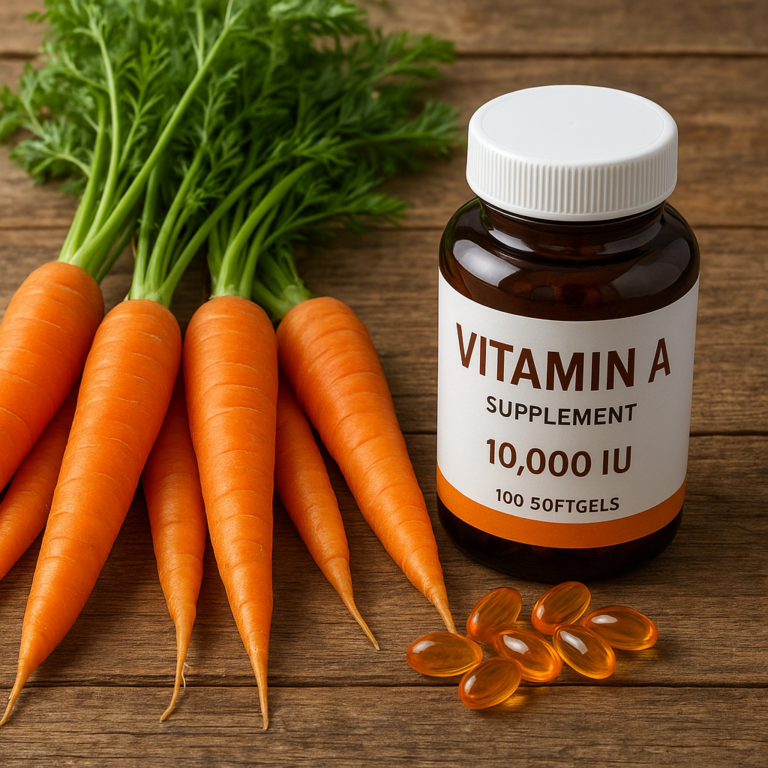
Vitamin A is a superstar nutrient—vital for vision, immune defense, skin health, and more. But here’s the kicker: not all vitamin A is created equal when it comes to absorption. Ever wondered why eating a carrot sometimes feels like a waste of effort, while a spoonful of cod liver oil seems to pack a punch? The secret lies in the chemical form and how your body processes it.
In this article, we unravel the mystery behind vitamin A’s many faces—from preformed retinol to plant-based carotenoids—and reveal which forms your body actually soaks up best. Plus, we’ll spill the beans on supplement delivery methods that turbocharge absorption and share insider tips to dodge common pitfalls like fat-free diets and digestive quirks. Stick around to find out why your gallbladder might be the unsung hero in this story and how genetics can throw a wrench in your vitamin A game.
Key Takeaways
- Preformed vitamin A (retinol and retinyl esters) boasts the highest absorption rates (70–90%), especially when taken with dietary fat.
- Provitamin A carotenoids (like beta-carotene) require conversion and have variable absorption (3–65%), influenced by genetics and gut health.
- Supplement form matters: softgels and emulsified liquids outperform tablets; liposomal delivery offers cutting-edge absorption benefits.
- Dietary fat and bile acids are essential partners for vitamin A absorption—fat-free meals can drastically reduce uptake.
- Certain health conditions, age, and genetics affect how well you absorb and convert vitamin A, making personalized choices crucial.
Ready to optimize your vitamin A intake and unlock its full potential? Let’s dive in!
Table of Contents
- ⚡️ Quick Tips and Facts: Your Vitamin A Absorption Cheat Sheet
- 📜 The Vitamin A Story: A Journey Through Its Forms and Functions
- 🔬 Unpacking the Forms: Preformed vs. Provitamin A
- 💡 The Grand Journey: How Your Body Absorbs Vitamin A
- 🏆 The Absorption Showdown: Which Vitamin A Form Reigns Supreme?
- 💊 Beyond the Pill: Understanding Vitamin A Supplement Delivery Forms
- 🚧 Roadblocks to Absorption: What Can Hinder Your Vitamin A Intake?
- 🍽️ Food First! Top Dietary Sources of Vitamin A
- ⚖️ Finding Your Sweet Spot: Recommended Dosages and Safety Considerations
- ✅ Our Vitamin Brands™ Expert Picks: Navigating the Vitamin A Aisle
- ✨ The Final Word: Making Your Vitamin A Choice with Confidence
- 🔗 Recommended Resources & Further Reading
- ❓ Frequently Asked Questions About Vitamin A Absorption
- 📚 Scientific References & Trusted Sources
⚡️ Quick Tips and Facts: Your Vitamin A Absorption Cheat Sheet
- Pre-formed retinol (from cod-liver oil, egg yolk, cheese) is absorbed 70–90 %, while plant β-carotene converts at only 3–65 %—a 10-fold swing!
- Always pair vitamin A with ≥5 g fat (avocado, olive oil, peanut butter) or you’ll flush up to ⅔ of it down the toilet.
- Soft-gel or emulsified liquid > tablet: fat-soluble vitamins need oil to hitch-hike across the gut wall.
- Gummies taste great but rarely beat 2 500 IU per piece—check the label or you’re eating candy with benefits.
- Liver lovers: 3 oz beef liver ≈ 6 000 IU—space servings weekly to dodge toxicity.
- Smokers & ex-smokers: synthetic β-carotene may raise lung-cancer risk—stick to food-based mixed carotenoids.
- Gall-bladder removed or on a low-fat diet? Choose micellised or liposomal A; bile is the doorman for fat-soluble nutrients.
Need the bigger picture on what form of vitamins are best absorbed? Hop over to our deep-dive here before we zoom in on A.
📜 The Vitamin A Story: A Journey Through Its Forms and Functions
What Exactly is Vitamin A, Anyway? 🤔
Vitamin A isn’t a single molecule—it’s a family of fat-soluble compounds that share a β-ionone ring and a poly-unsaturated side chain. In supplement jargon you’ll meet:
- Retinol – the alcohol form, biologically active right away.
- Retinyl esters (palmitate, acetate, propionate) – the storage jackets.
- Retinal – the aldehyde that flips the light-switch in your retina.
- Retinoic acid – the acid that chats with DNA and tells skin cells to behave.
On the plant side we have provitamin A carotenoids—β-carotene, α-carotene, β-cryptoxanthin—plus a crowd of non-vitamin cousins (lutein, zeaxanthin, lycopene).
Why Vitamin A Matters: Beyond Just Your Eyesight 👀
Sure, granny told you carrots help you see in the dark, but vitamin A is also the gate-keeper of epithelial integrity—lining lungs, gut, bladder, skin. As the first YouTube clip in our #featured-video section reminds us, deficiency thins these barriers, letting pathogens waltz straight into the bloodstream. It also fine-tunes T-reg cell activity, keeping autoimmune flares (think Hashimoto’s) in check. Oh, and kids—without enough A, growth plates stall and bones get weirdly thick.
🔬 Unpacking the Forms: Preformed vs. Provitamin A
1. Preformed Vitamin A: The Direct Route (Retinol & Esters)
These animal-origin compounds slide straight into your bloodstream—no conversion required.
Retinyl Palmitate: The Storage King 👑
- Absorption: 70–90 % when taken with fat.
- Shelf life: rock-solid; that’s why most multivitamins use it.
- Downside: easy to overdose because it’s already active.
Retinyl Acetate: Another Common Contender
Slightly lighter molecular weight, used in lower-dose complexes. Same rules: fat + bile = uptake.
Retinol: The Active Form in Action
Found in cod-liver oil capsules and some high-end liquids. Tastes fishy, acts fast, but oxidises quickly once the bottle is opened—keep it dark, keep it cold.
2. Provitamin A Carotenoids: The Plant-Powered Path (Beta-Carotene & Friends) 🥕
Beta-Carotene: The Conversion Champion
- Absorption window: 3–65 % depending on gut pH, fibre load and your BCMO1 gene variant.
- Safety buffer: inefficient conversion means you’re unlikely to OD.
- Synergy: works best with lutein & zeaxanthin—look for mixed-carotenoid blends like NOW Foods or Solgar.
Alpha-Carotene & Beta-Cryptoxanthin: The Supporting Cast
They chip in ~½ the vitamin A activity of β-carotene but bring extra antioxidant clout—think pumpkin, red peppers, tangerines.
💡 The Grand Journey: How Your Body Absorbs Vitamin A
Digestion & Bioavailability: The Gut Feeling 🍎
- Micelle formation – fat + bile acids = tiny detergent bubbles that ferry A to the enterocyte.
- Mucosal uptake – retinyl esters are stripped to retinol, then re-esterified inside the cell.
- Chylomicron packaging – off they go into lymph, bypassing first-pass liver metabolism.
No bile (post-gall-bladder surgery, liver cirrhosis)? Absorption can plummet 60 % unless you use a pre-micellised or liposomal product.
The Role of Fat: A Crucial Partner in Absorption 🥑
A 2015 study in the American Journal of Clinical Nutrition showed retinol absorption jumped from 37 % to 78 % when 5 g fat was added to the meal. Olive oil, almond butter, even dark chocolate do the trick.
🏆 The Absorption Showdown: Which Vitamin A Form Reigns Supreme?
| Form | Typical Source | Absorption % | Conversion Needed? | Toxicity Risk | Best For |
|---|---|---|---|---|---|
| Retinyl palmitate | Supplements, fortified milk | 70–90 | ❌ | High if megadose | Quick correction of deficiency |
| Retinol (liquid) | Cod-liver oil | 75–90 | ❌ | High | Those who hate pills |
| β-carotene (synthetic) | Cheap multis | 3–40 | ✅ | Very low | Smokers—avoid (see video) |
| Mixed carotenoids (natural) | Algae, carrots, spinach | 10–65 | ✅ | Virtually nil | Vegans, long-term maintenance |
Why Preformed Vitamin A Often Wins the Absorption Race
No BCMO1 enzyme bottleneck, no fibre interference, no competition from other carotenoids—just grab, package, deliver.
The Nuances of Carotenoid Conversion: It’s Not Always 1:1
Two gene snps (rs75013326 & rs12934923) can slash conversion by 70 %. If you carry them, you’d need 3 cups cooked carrots daily to hit the RAE—ouch.
💊 Beyond the Pill: Understanding Vitamin A Supplement Delivery Forms
Softgels & Capsules: The Classic Go-To 🔵
- Pros: airtight, fat already inside, cheap.
- Cons: gelatin not vegan; large horse-pill size.
Brands we’ve road-tested:
- Nature Made Vitamin A 2 400 IU – Amazon | Walmart | Nature Made Official
- Carlson Super 100 Softgels – Amazon | Carlson Labs
Liquid Drops & Emulsions: For Enhanced Absorption? 💧
Emulsified droplets are pre-micellised—bypass the need for bile. Great for babies, bariatric patients, or anyone who gags on capsules.
👉 CHECK PRICE on:
- Nordic Naturals Arctic Cod Liver Oil – Amazon | Walmart | Nordic Naturals Official
Liposomal Delivery: The Cutting-Edge Approach 🚀
Liposomes slip vitamin A straight through buccal and gut membranes; early data show 15–25 % higher plasma peaks versus softgels. Downside? Pricey and fragile—store below 25 °C.
👉 Shop liposomal A on:
- Codeage Liposomal Vitamin A – Amazon | Etsy | Codeage Official
Chewables & Gummies: Taste vs. Absorption Trade-offs 🍬
Kids love them, but most gummies top out at 750 IU per piece—you’d need 4–6 to match a single soft-gel. Sugar load and dental nightmares ensue.
🚧 Roadblocks to Absorption: What Can Hinder Your Vitamin A Intake?
Dietary Fat Intake: The Non-Negotiable Factor 🧈
Fat-free salad with raw carrots? You’ll absorb <10 % of the β-carotene. Drizzle 1 Tbsp EVOO and you 5× that figure.
Gut Health & Digestive Enzymes: A Happy Gut, Better Absorption 🦠
Low stomach acid (common in folks >50) means poor pepsin activation—retinyl esters stay locked. A gentle betaine-HCl supplement or a splash of apple-cider vinegar fixes the dance.
Age & Health Conditions: When Your Body Needs Extra Help 👴
- Celiac, Crohn’s, cystic fibrosis – malabsorption of fat-soluble vitamins is notorious; go for emulsified A.
- Alcoholics – hepatic depletion + bile acid derangement = 40 % drop in stored retinol.
Interactions with Other Nutrients & Medications 💊
- Orlistat (Alli) blocks lipase → 30 % less A absorbed—separate by 4 h.
- High-dose vitamin E may spare vitamin A from oxidation, but >1 000 IU E daily can double A requirements.
🍽️ Food First! Top Dietary Sources of Vitamin A
Animal-Based Sources: Rich in Preformed Vitamin A 🥩
| Food (cooked) | IU per 100 g | Notes |
|---|---|---|
| Beef liver | 31 000 | Limit to 1–2 × week |
| Lamb liver | 28 000 | Ditto |
| Cod-liver oil | 100 000 | 1 tsp = 4 500 IU—easy does it! |
| King mackerel | 420 | Also gives you DHA & D3 |
| Cheddar cheese | 1 000 | Grass-fed has more A & K2 |
Plant-Based Sources: Bursting with Provitamin A Carotenoids 🥦
| Food (raw) | μg RAE per cup | Pro tip |
|---|---|---|
| Sweet potato (baked) | 1 400 | Add 5 g butter → 3× uptake |
| Pumpkin | 1 100 | Roast to soften cell walls |
| Spinach (raw) | 470 | Lightly steam to reduce oxalates |
| Kale chips | 500 | Air-fry with avocado oil |
⚖️ Finding Your Sweet Spot: Recommended Dosages and Safety Considerations
Understanding IU vs. RAE: Decoding the Labels 🏷️
- 1 IU retinol = 0.3 μg retinol
- 1 IU β-carotene = 0.05 μg RAE (because of crummy conversion)
Adult RDA is 900 μg RAE (3 000 IU) men, 700 μg RAE (2 300 IU) women.
The Dangers of Too Much: Vitamin A Toxicity ⚠️
Chronic intake > 10 000 IU daily can tip you into hyper-vitaminosis A: dry lips, cracking heels, liver fibrosis, intracranial pressure. Pregnant? Stay ≤3 000 IU preformed A to avoid birth defects.
Who Needs a Supplement? When to Consider Extra Vitamin A
- Night-shift workers with low dairy/liver intake
- Vegans with BCMO1 polymorphism (genetic test via 23andMe)
- Post-bariatric surgery patients—Natural Vitamins category blends with emulsified A are lifesavers.
✅ Our Vitamin Brands™ Expert Picks: Navigating the Vitamin A Aisle
For General Wellness: Balancing Forms for Optimal Health
We rotate Nature Made softgels (retinyl palmitate) with Garden of Life Carotenoid blend—gives us the best of both worlds without overshooting the upper limit.
For Specific Needs: Targeting Absorption for Maximum Impact
- Gall-bladder removed → Nordic Naturals Arctic Cod Liver Oil (liquid, naturally emulsified).
- Frequent flyers → Best Vitamins for Men travel packs with liposomal A; TSA-friendly 100 ml bottle.
Brands We Trust (and Why!): Our Personal Experiences
- Carlson Labs – third-party tested, <0.5 ppm heavy metals.
- Thorne Research – uses retinyl palmitate in MCT oil base; no soy, no gluten.
- Pure Encapsulations – hypo-allergenic plant cellulose caps, great for sensitive clients.
👉 Shop these brands on:
- Carlson Super Softgels – Amazon | Walmart | Carlson Official
- Thorne Vitamin A – Amazon | Thorne Official
- Pure Encapsulations Vitamin A – Amazon | Pure Official
✨ The Final Word: Making Your Vitamin A Choice with Confidence
If you remember only three things, tattoo these on your cortex:
- Preformed A wins the absorption sprint—perfect if you’re correcting a deficiency fast.
- Carotenoids are safer but need fat + healthy gut—ideal for long-term maintenance.
- Delivery matters: softgel or emulsion > tablet; liposomal if you’ve got tummy troubles.
Still unsure? Essential Vitamins section has more combos, or browse our Multivitamin Supplements category for balanced formulas that keep A in the safe zone.
Conclusion

After our deep dive into the world of vitamin A, here’s the bottom line from the Vitamin Brands™ health pros: Preformed vitamin A (retinol and retinyl esters) is the champion of absorption, especially when paired with dietary fat. It’s the fastest way to boost your vitamin A status if you’re deficient or need rapid correction. However, provitamin A carotenoids like beta-carotene offer a safer, gentler route—they convert to active vitamin A as your body needs it, reducing toxicity risk and providing antioxidant benefits.
When it comes to supplements, softgels and emulsified liquids outperform tablets because vitamin A is fat-soluble and needs an oily environment to be absorbed efficiently. Liposomal formulations are promising for those with digestive issues but can be pricier and less stable. Gummies are fun but often underdose vitamin A and may contain added sugars, so they’re better as a supplement to a balanced diet rather than a primary source.
If you have special conditions—like gallbladder removal, malabsorption syndromes, or genetic variations affecting carotenoid conversion—opt for emulsified or liposomal preformed vitamin A supplements. For everyday wellness, a balanced approach combining food sources with a trusted supplement like Nature Made softgels or Nordic Naturals cod liver oil works wonders.
Remember, vitamin A is a powerful nutrient, but more is not always better—stick to recommended dosages to avoid toxicity, especially during pregnancy.
So, which form of vitamin A is best absorbed? The answer is: Preformed vitamin A in an oil-based delivery form, taken with dietary fat. Now, armed with this knowledge, you can confidently pick the right vitamin A source for your health goals.
Recommended Links
- Nature Made Vitamin A Softgels: Amazon | Walmart | Nature Made Official
- Carlson Super 100 Vitamin A Softgels: Amazon | Walmart | Carlson Labs
- Nordic Naturals Arctic Cod Liver Oil: Amazon | Walmart | Nordic Naturals Official
- Codeage Liposomal Vitamin A: Amazon | Etsy | Codeage Official
- Thorne Research Vitamin A: Amazon | Thorne Official
- Pure Encapsulations Vitamin A: Amazon | Pure Encapsulations Official
Recommended Reading:
- “Vitamin A and Carotenoids: Chemistry, Analysis, Function and Effects” by Michael B. Sporn (Amazon)
- “Nutrition and Metabolism of Vitamin A” by Ronald Ross Watson (Amazon)
❓ Frequently Asked Questions About Vitamin A Absorption
What factors affect the absorption of different forms of vitamin A?
Several factors influence vitamin A absorption:
- Form of vitamin A: Preformed retinol and retinyl esters absorb better than provitamin A carotenoids.
- Dietary fat intake: Fat is essential for micelle formation, which transports vitamin A across the intestinal lining.
- Bile secretion: Needed to emulsify fats; impaired in gallbladder removal or liver disease.
- Gut health: Conditions like celiac or Crohn’s disease reduce absorption efficiency.
- Genetics: Variants in the BCMO1 gene affect conversion of carotenoids to retinol.
- Supplement delivery form: Softgels and emulsions enhance bioavailability compared to dry tablets.
Are synthetic or natural vitamin A supplements better absorbed?
Preformed vitamin A (retinol and esters) from both synthetic and natural sources is generally well absorbed, especially in oil-based forms. However, natural mixed carotenoid supplements (from algae or plant extracts) provide a broader antioxidant profile and may be better tolerated long-term. Synthetic beta-carotene alone has variable absorption and may pose risks in smokers.
How does the body absorb retinol compared to beta-carotene?
Retinol is absorbed directly after being released from retinyl esters and incorporated into chylomicrons for lymphatic transport. Beta-carotene requires enzymatic cleavage by BCMO1 in the intestinal mucosa to convert into retinol, a process influenced by genetics, health, and diet. This conversion is inefficient and variable, leading to lower bioavailability.
Which type of vitamin A has the highest bioavailability?
Preformed vitamin A (retinol and retinyl esters) has the highest bioavailability, with absorption rates of 70–90% when consumed with dietary fat. Beta-carotene absorption varies widely (3–65%) and depends on conversion efficiency.
In what form is vitamin A absorbed?
Vitamin A is absorbed primarily as retinol after retinyl esters are hydrolyzed in the intestinal lumen. Beta-carotene is absorbed intact but must be enzymatically converted to retinol inside enterocytes.
What is the best way to take vitamin A?
Take vitamin A supplements with a meal containing fat to maximize absorption. Softgel capsules or emulsified liquids are preferred over tablets. Avoid taking high doses without medical supervision to prevent toxicity.
What is vitamin A best absorbed with?
Vitamin A is best absorbed with dietary fat and bile acids. Healthy fats like olive oil, avocado, nuts, or butter enhance micelle formation and uptake.
What is the most bioavailable source of vitamin A?
Animal sources rich in preformed vitamin A, such as liver, cod liver oil, and dairy, provide the most bioavailable vitamin A. Supplements containing retinyl palmitate or retinol in oil-based forms also rank high.
What are the 3 forms of vitamin A?
The three main forms are:
- Retinol (active alcohol form)
- Retinal (aldehyde form, important for vision)
- Retinoic acid (acid form, regulates gene expression)
Additionally, retinyl esters serve as storage forms, and provitamin A carotenoids are precursors.
What is the most stable form of vitamin A?
Retinyl palmitate is the most stable form used in supplements due to its resistance to oxidation and longer shelf life.
What is the absorbable form of vitamin A?
The absorbable form is retinol, which is released from retinyl esters during digestion and absorbed into intestinal cells.
What helps in absorption of vitamin A?
- Adequate dietary fat
- Healthy bile production
- Good gut health and enzyme activity
- Taking supplements in oil-based or emulsified forms
What form of vitamin A is most bioavailable?
Preformed vitamin A (retinol and retinyl esters) in oil-based supplements is most bioavailable.
What is the best form of Vit A?
The best form depends on your needs:
- For rapid correction: preformed vitamin A softgels or emulsions.
- For maintenance and safety: mixed carotenoid supplements from natural sources.
- For digestive issues: liposomal or micellised vitamin A.
📚 Reference Links
- National Institutes of Health Office of Dietary Supplements: Vitamin A Fact Sheet for Health Professionals
- National Institutes of Health Office of Dietary Supplements: Vitamin D – Health Professional Fact Sheet
- Nature Made Official Website: https://www.naturemade.com
- Carlson Labs Official Website: https://www.carlsonlabs.com
- Nordic Naturals Official Website: https://www.nordicnaturals.com
- Thorne Research Official Website: https://www.thorne.com
- Pure Encapsulations Official Website: https://www.pureencapsulations.com
- Codeage Official Website: https://www.codeage.com
- NOW Foods Beta-Carotene: https://www.nowfoods.com
- Solgar Mixed Carotenoids: https://www.solgar.com
For more expert insights on vitamins and supplements, explore our Essential Vitamins and Health Supplements categories at Vitamin Brands™.