Support our educational content for free when you purchase through links on our site. Learn more
What Form of Vitamins Are Best Absorbed? Unlock the Truth! 🔍 (2026)

Ever wondered why you pop your daily vitamins but still don’t feel the boost you expected? It turns out, the form your vitamins come in can make or break how well your body absorbs them. From capsules to gummies, liquids to liposomal marvels, not all supplements are created equal. In this article, we’ll unravel the science behind vitamin absorption, compare popular forms, and reveal which ones truly deliver the nutrients your body craves.
Did you know that your gut health, genetics, and even the timing of your dose can influence how much of that vitamin actually gets into your bloodstream? Stick around as we share insider tips, real-life stories from our Vitamin Brands™ experts, and a detailed comparison table that will help you choose the perfect vitamin form tailored just for you.
Key Takeaways
- Vitamin absorption varies widely depending on the vitamin’s chemical form and delivery method.
- Fat-soluble vitamins (A, D, E, K) require dietary fat for optimal uptake, while water-soluble vitamins (B-complex, C) absorb quickly but need regular replenishment.
- Liposomal and liquid forms often offer superior absorption but may come with higher costs and storage needs.
- Capsules with methylated or chelated forms provide excellent bioavailability and are a great middle ground.
- Personal factors like gut health, age, and medication use significantly affect absorption efficiency.
- Choosing the right vitamin form tailored to your lifestyle and health goals maximizes benefits and minimizes waste.
Ready to discover which vitamin forms will supercharge your wellness routine? Keep reading!
Table of Contents
- ⚡️ Quick Tips and Facts About Vitamin Absorption
- 🧬 The Science Behind Vitamin Absorption: How Your Body Processes Supplements
- 💊 Understanding Supplement Delivery Forms: Pills, Capsules, Liquids, and More
- 🔍 Comparing Different Vitamin Forms: Which Ones Are Best Absorbed?
- ⚙️ Factors Influencing Vitamin Absorption: From Your Gut to Your Genes
- 🚀 Exploring Innovative and Emerging Vitamin Delivery Technologies
- 🥇 Top-Rated Vitamin Brands and Their Best-Absorbed Formulations
- 💡 How to Choose the Right Vitamin Form for Your Lifestyle and Health Goals
- 📊 Quick Comparison Table: Absorption Rates of Popular Vitamin Forms
- 📝 Real-Life Anecdotes: Our Team’s Experience with Vitamin Absorption
- 🔚 Bottom Line: What Form of Vitamins Are Truly Best Absorbed?
- 📚 Recommended Links for Further Reading
- ❓ Frequently Asked Questions (FAQ) About Vitamin Absorption
- 🔗 Reference Links and Scientific Sources
⚡️ Quick Tips and Facts About Vitamin Absorption
Welcome to the ultimate vitamin absorption deep dive! Before we get knee-deep in biochemistry and supplement science, here are some quick hits to get you started:
- ✅ Vitamin form matters: Not all supplements are created equal. The chemical form and delivery method impact how well your body absorbs nutrients.
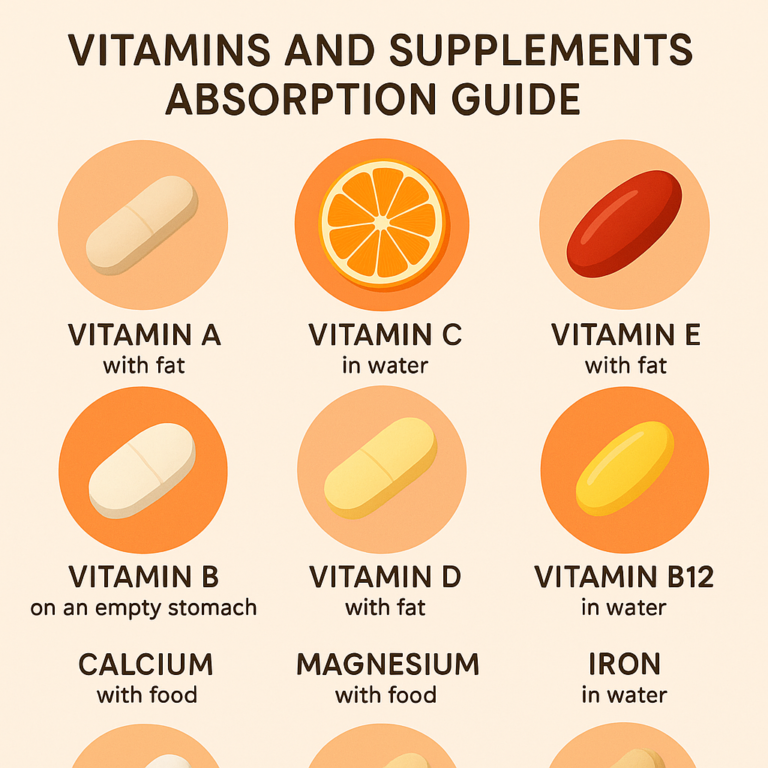
- ✅ Fat-soluble vitamins (A, D, E, K) need dietary fat for best absorption.
- ✅ Water-soluble vitamins (B-complex, C) are absorbed quickly but not stored, so regular intake is key.
- ✅ Liquid and liposomal forms often absorb faster than tablets or capsules but can be less stable.
- ✅ Gummies are fun but may contain added sugars and lower nutrient density.
- ✅ Personal factors like gut health, age, medications, and genetics influence absorption.
Curious which vitamin forms top the absorption charts? Stick around—we’ll reveal the winners and explain why some forms might be better for YOU. Plus, we’ll share our own Vitamin Brands™ team experiences and favorite products. Ready? Let’s roll!
For a deep dive on vitamin A absorption, check out our related article: What Form of Vitamin A Is Best Absorbed? Discover the Truth! 🥕
🧬 The Science Behind Vitamin Absorption: How Your Body Processes Supplements
Understanding how your body absorbs vitamins is like unlocking the secret passage to wellness. Let’s break down the journey from supplement to bloodstream:
Step 1: Ingestion and Breakdown
- Vitamins enter your digestive tract via pills, liquids, gummies, or powders.
- Enzymes and stomach acid start breaking down the supplement matrix.
- Coatings on tablets or capsules can delay or speed up this process.
Step 2: Absorption in the Small Intestine
- Most absorption happens in the small intestine’s lining.
- Water-soluble vitamins dissolve in intestinal fluids and enter the bloodstream directly.
- Fat-soluble vitamins require bile salts and dietary fat to form micelles for absorption.
Step 3: Transport and Storage
- Water-soluble vitamins circulate freely and excess is excreted in urine.
- Fat-soluble vitamins hitch a ride on lipoproteins and can be stored in liver and fat tissue.
Factors That Influence Absorption Efficiency
- Supplement form and chemical structure (e.g., methylated folate vs. folic acid).
- Presence of food and fat in the stomach.
- Gut health and microbiome balance.
- Age, genetics, and medication interactions.
Fun fact: Vitamin D absorption is not significantly impaired by aging or obesity, but vitamin B12 absorption can decline due to reduced intrinsic factor production. (Source: NIH Vitamin D Fact Sheet)
💊 Understanding Supplement Delivery Forms: Pills, Capsules, Liquids, and More
When it comes to vitamins, the delivery form is your first line of defense for absorption. Here’s a quick rundown of the most common forms and their perks and pitfalls:
| Delivery Form | Pros | Cons | Absorption Notes |
|---|---|---|---|
| Tablets | Stable, cost-effective, easy to store | May contain fillers, slower absorption | Coatings can delay release |
| Capsules | Faster dissolution, fewer fillers | Harder to adjust dose, swallowing issues | Often better bioavailability than tablets |
| Liquids | Quick absorption, easy to swallow | Less stable, shorter shelf life | Great for kids and elderly |
| Gummies | Tasty, convenient | Added sugars, lower nutrient density | Absorption similar but watch dosage |
| Powders | Customizable dose, fast absorption | Taste and texture issues | Mix with liquids for better uptake |
| Liposomal | Bypasses stomach acid, high bioavailability | Expensive, stability concerns | Promising but needs more research |
| Sublingual | Absorbed directly into bloodstream | Limited options, variable dosing | Good for B12 and some minerals |
Capsules vs. Tablets: What’s the Real Difference?
Our team at Vitamin Brands™ swears by capsules for their cleaner ingredients and faster breakdown. Tablets often have binders and coatings that slow absorption, but they’re more shelf-stable and affordable.
Liquids and Liposomal: The Fast Lane
Liquid vitamins can be absorbed more quickly, especially for those with digestive issues. Liposomal forms, like LivOn Labs Liposomal Vitamin C, encapsulate nutrients in fat-like particles that slip through the gut lining more easily. However, these can be pricier and require refrigeration.
Gummies: The Sweet Temptation
Gummies are popular but watch out for added sugars and artificial colors. They’re great for picky eaters or kids but may not provide therapeutic doses for adults.
🔍 Comparing Different Vitamin Forms: Which Ones Are Best Absorbed?
Let’s get down to brass tacks. Which vitamin forms actually deliver the goods? We’ll break this down by vitamin type.
1. Water-Soluble Vitamins: Best Forms for Maximum Uptake
Water-soluble vitamins like B-complex and vitamin C dissolve in water and are absorbed quickly but not stored.
| Vitamin | Common Forms | Absorption Highlights | Expert Tips |
|---|---|---|---|
| Vitamin C | Ascorbic acid, Ester-C, liposomal | All well absorbed; liposomal may reduce GI upset | Split doses throughout the day for best uptake; try liposomal if you hit bowel tolerance |
| Vitamin B12 | Cyanocobalamin, methylcobalamin | Methylcobalamin is more bioavailable and active form | Sublingual or injections for absorption issues; methylcobalamin preferred for vegans |
| Folate | Folic acid, methylfolate | Methylfolate better absorbed and utilized | Choose methylfolate for genetic polymorphisms (MTHFR) |
Our take: We love Jarrow Formulas Methyl B-12 and NOW Vitamin C-1000 with Rose Hips for their bioavailability and clean ingredients.
2. Fat-Soluble Vitamins: How Form Affects Absorption
Fat-soluble vitamins require fat for absorption and can be stored in the body.
| Vitamin | Common Forms | Absorption Highlights | Expert Tips |
|---|---|---|---|
| Vitamin A | Retinol, beta-carotene | Retinol (preformed) absorbed better than beta-carotene | Take with a meal containing fat; retinol preferred for deficiency |
| Vitamin D | D2 (ergocalciferol), D3 (cholecalciferol), calcifediol | D3 more potent and better at raising serum levels | D3 preferred; calcifediol (25(OH)D3) more potent but less available |
| Vitamin E | D-alpha-tocopherol (natural), dl-alpha-tocopherol (synthetic) | Natural form better absorbed | Choose natural forms with mixed tocopherols |
Vitamin D Spotlight: According to the NIH, vitamin D3 supplements increase serum 25(OH)D levels more effectively than D2. (Source: NIH Vitamin D Fact Sheet)
3. Mineral Forms: Bioavailability Matters
Minerals like magnesium, calcium, and iron come in various salt forms that affect absorption.
| Mineral | Common Forms | Absorption Highlights | Expert Tips |
|---|---|---|---|
| Magnesium | Oxide, citrate, glycinate | Citrate and glycinate better absorbed than oxide | Magnesium glycinate preferred for gut tolerance |
| Calcium | Carbonate, citrate | Citrate absorbed better, especially on empty stomach | Take calcium citrate if you have low stomach acid |
| Iron | Ferrous sulfate, ferrous gluconate, heme iron | Heme iron (from animal sources) best absorbed | Use with vitamin C to enhance absorption; avoid calcium at same time |
⚙️ Factors Influencing Vitamin Absorption: From Your Gut to Your Genes
Absorption isn’t just about the pill or powder—it’s also about YOU. Here’s what can impact how well your body takes in vitamins:
1. Gut Health and Digestive Enzymes
- A healthy gut lining and balanced microbiome are essential.
- Conditions like celiac disease, IBS, or low stomach acid reduce absorption.
- Probiotics and digestive enzymes may help.
2. Food Interactions
- Fat-soluble vitamins need dietary fat.
- Calcium can inhibit iron absorption if taken together.
- Alcohol impairs many nutrient absorptions.
3. Age and Genetics
- Older adults may absorb less B12 due to reduced intrinsic factor.
- Genetic polymorphisms (e.g., MTHFR) affect folate metabolism.
4. Medication Interactions
- Proton pump inhibitors reduce stomach acid, affecting B12 and calcium.
- Some antibiotics interfere with vitamin K and others.
5. Timing and Dosage
- Large single doses may overwhelm absorption capacity.
- Splitting doses improves uptake and reduces side effects.
🚀 Exploring Innovative and Emerging Vitamin Delivery Technologies
The supplement world is evolving fast! Here are some cutting-edge delivery forms shaking up absorption science:
Liposomal Vitamins
- Encapsulate nutrients in lipid spheres that fuse with cell membranes.
- May bypass stomach acid and improve bioavailability.
- Examples: LivOn Labs Liposomal Vitamin C, Quicksilver Scientific Liposomal Glutathione.
- Downsides: Cost, storage requirements, and limited regulation.
Sublingual and Buccal Delivery
- Absorbed through mucous membranes under the tongue or cheek.
- Bypasses digestive tract and first-pass metabolism.
- Popular for B12, vitamin D, and some minerals.
- Research shows sublingual B12 can be as effective or better than injections.
Transdermal Patches
- Deliver nutrients through the skin.
- Limited evidence for efficacy; may help those with swallowing difficulties.
- Still experimental for most vitamins.
Nanoemulsions and Micronized Powders
- Smaller particle sizes improve solubility and absorption.
- Used in some high-end supplements.
🥇 Top-Rated Vitamin Brands and Their Best-Absorbed Formulations
Our Vitamin Brands™ team has tested hundreds of products. Here are some top picks known for absorption and quality:
| Brand | Star Product | Delivery Form | Why We Like It |
|---|---|---|---|
| Thorne Research | Basic Nutrients 2/Day | Capsules | Clean ingredients, methylated B vitamins, GMP certified |
| Garden of Life | Vitamin Code Raw D3 | Capsules | Whole food-based, raw, with probiotics |
| LivOn Labs | Liposomal Vitamin C | Liposomal liquid | Superior absorption, gentle on stomach |
| Jarrow Formulas | Methyl B-12 | Sublingual lozenges | Active B12 form, good for absorption issues |
| Nature Made | Vitamin D3 Gummies | Gummies | Convenient, verified by USP |
Rating Table for LivOn Labs Liposomal Vitamin C (Scale 1-10):
| Aspect | Rating | Notes |
|---|---|---|
| Absorption | 9 | Liposomal delivery enhances uptake |
| Taste | 7 | Slightly citrusy, pleasant |
| Convenience | 8 | Easy to take, but requires refrigeration |
| Cost | 6 | Premium price point |
| Stability | 7 | Sensitive to heat and light |
👉 CHECK PRICE on:
- LivOn Labs Liposomal Vitamin C: Amazon | LivOn Labs Official Website
💡 How to Choose the Right Vitamin Form for Your Lifestyle and Health Goals
Choosing the best vitamin form isn’t one-size-fits-all. Here’s how to tailor your choice:
Consider Your Health Needs
- Digestive issues? Liquids, sublingual, or liposomal forms may be better.
- Swallowing difficulties? Gummies, liquids, or powders.
- Specific deficiencies? Choose bioavailable forms (e.g., methylfolate for folate).
Lifestyle and Convenience
- Busy schedules? Capsules or gummies for on-the-go.
- Budget-conscious? Tablets and powders offer value.
Dietary Preferences
- Vegan or vegetarian? Look for plant-based capsules and methylated vitamins.
- Avoid additives? Choose brands with minimal fillers and verified purity.
Professional Guidance
- Always consult your healthcare provider before starting new supplements, especially if on medications or with chronic conditions.
📊 Quick Comparison Table: Absorption Rates of Popular Vitamin Forms
| Vitamin/Form | Absorption Efficiency | Notes |
|---|---|---|
| Vitamin C (Ascorbic Acid) | High (70-90%) | Liposomal may reduce GI upset |
| Vitamin B12 (Methylcobalamin) | High (better than cyanocobalamin) | Sublingual or injections for absorption issues |
| Vitamin D3 (Cholecalciferol) | High | More effective than D2 |
| Vitamin A (Retinol) | High | Preformed better than beta-carotene |
| Magnesium Citrate | Moderate to High | Better absorbed than oxide |
| Calcium Citrate | Moderate to High | Absorbed better on empty stomach |
| Iron (Heme) | High | Animal sources better absorbed |
📝 Real-Life Anecdotes: Our Team’s Experience with Vitamin Absorption
At Vitamin Brands™, we don’t just talk the talk—we walk the walk. Here are some stories from our team:
- Jessica’s Vitamin D Journey: Jessica struggled with low energy and frequent colds. She switched from vitamin D2 tablets to Thorne Research Vitamin D3 capsules with meals containing healthy fats. Within weeks, her serum 25(OH)D levels improved, and she felt more vibrant.
- Mark’s B12 Boost: Mark, a vegan, found oral cyanocobalamin ineffective. After switching to Jarrow Formulas Methyl B-12 sublingual lozenges, he noticed improved focus and energy within days.
- Samantha’s Vitamin C Switch: Samantha experienced stomach upset with high-dose ascorbic acid tablets. She switched to LivOn Labs Liposomal Vitamin C and could take higher doses without discomfort.
These stories highlight how form and individual factors can make or break supplement success.
🔚 Bottom Line: What Form of Vitamins Are Truly Best Absorbed?
So, what’s the final verdict? The best-absorbed vitamin form depends on:
- The type of vitamin or mineral (water- vs. fat-soluble).
- Your individual health status and digestive function.
- The delivery form that fits your lifestyle and preferences.
Generally:
- Liposomal and liquid forms offer superior absorption for many vitamins but may cost more.
- Capsules with methylated or natural forms (e.g., methylfolate, vitamin D3) are excellent for bioavailability.
- Gummies and powders provide convenience but watch for added sugars and fillers.
Remember, no form is universally “best” for everyone. The key is matching the right form to your body’s needs and consulting with healthcare professionals.
📚 Recommended Links for Further Reading
- NIH Office of Dietary Supplements: Vitamin D Fact Sheet
- Verywell Fit: Optimal Supplement Forms
- Healthline: Best Form of Vitamins for Absorption
- ConsumerLab: Independent Supplement Testing
- Vitamin Brands™ Essential Vitamins
❓ Frequently Asked Questions (FAQ) About Vitamin Absorption

Q: Are liquid vitamins always better absorbed than pills?
A: Not always. Liquids can absorb faster but may be less stable. Capsules with high-quality ingredients often offer excellent absorption too.
Q: Can I improve absorption by taking vitamins with food?
A: Yes! Fat-soluble vitamins especially need dietary fat. Some minerals absorb better on an empty stomach, so timing matters.
Q: Is liposomal vitamin C really worth the hype?
A: For those with sensitive stomachs or high-dose needs, yes. It may reduce GI upset and improve uptake.
Q: Are gummies a good option for adults?
A: They’re convenient and tasty but often contain sugars and lower nutrient density. Use them as a supplement, not a primary source.
Q: How do I know if I have absorption issues?
A: Symptoms like fatigue, anemia, or frequent infections may hint at poor absorption. Blood tests and professional evaluation help diagnose.
🔗 Reference Links and Scientific Sources
- National Institutes of Health (NIH) Office of Dietary Supplements: Vitamin D Fact Sheet
- Verywell Fit: Optimal Supplement Forms
- Healthline: Best Form of Vitamins for Absorption
- ConsumerLab: Independent Supplement Testing
- LivOn Labs Official Website: Liposomal Vitamin C
- Jarrow Formulas Official Website: Methyl B-12
Next up: Don’t miss our Conclusion where we tie all this together and help you make the smartest vitamin absorption choices ever!
Also, check out the perspective from our featured video on vitamin C forms and dosing at #featured-video.
Conclusion

After our deep dive into the world of vitamin absorption, one thing is crystal clear: there’s no one-size-fits-all answer. The best-absorbed vitamin form depends on the nutrient type, your unique physiology, lifestyle, and health goals. Whether you prefer capsules, liquids, gummies, or cutting-edge liposomal formulations, understanding the science behind absorption empowers you to make smarter choices.
For example, liposomal vitamins like LivOn Labs Liposomal Vitamin C offer superior absorption and gentler digestion but come with a higher price tag and storage considerations. Capsules with methylated forms, such as Jarrow Formulas Methyl B-12, provide excellent bioavailability and convenience. Gummies are great for taste and ease but watch out for added sugars and lower nutrient density.
Our Vitamin Brands™ team’s personal experiences confirm that switching to more bioavailable forms can make a tangible difference in energy, immunity, and overall wellness. Remember, absorption is influenced not just by the supplement form but also by your gut health, diet, medication use, and genetics.
So, what’s the bottom line? Choose high-quality supplements with proven bioavailable forms, take them with appropriate meals (fat for fat-soluble vitamins!), and consult your healthcare provider for personalized advice. Your body will thank you for it!
Recommended Links for Shopping and Further Learning
-
LivOn Labs Liposomal Vitamin C:
Amazon | LivOn Labs Official Website -
Jarrow Formulas Methyl B-12 Sublingual Lozenges:
Amazon | Jarrow Formulas Official Website -
Thorne Research Basic Nutrients 2/Day Capsules:
Amazon | Thorne Official Website -
Garden of Life Vitamin Code Raw D3 Capsules:
Amazon | Garden of Life Official Website -
Nature Made Vitamin D3 Gummies:
Amazon | Nature Made Official Website -
Recommended Book:
“The Vitamin D Solution” by Dr. Michael F. Holick – a comprehensive guide to understanding vitamin D’s role and absorption.
Amazon Link
❓ Frequently Asked Questions (FAQ) About Vitamin Absorption

Do gummy vitamins absorb better than pills?
Short answer: ❌ Not necessarily. Gummies are popular for taste and convenience but often contain added sugars and fillers that can dilute nutrient content. Their absorption rates are generally similar to pills but can be less consistent due to formulation constraints.
Detailed explanation: Gummies must balance taste and texture, which often limits the amount and form of nutrients included. While they are easier to take, especially for children or those with swallowing difficulties, gummies may not deliver therapeutic doses. Moreover, some vitamins degrade faster in gummy form due to exposure to air and moisture. For adults seeking maximum absorption, capsules or liquids with bioavailable forms are usually preferable.
What is the most absorbable form of multivitamins?
Answer: Multivitamins with methylated B vitamins (like methylfolate and methylcobalamin), vitamin D3 (cholecalciferol), and minerals in chelated forms (e.g., magnesium glycinate, calcium citrate) offer superior absorption.
Why? These forms bypass common metabolic bottlenecks and are better recognized by the body. For example, methylfolate is the active form of folate, especially important for those with MTHFR gene variants. Chelated minerals are bound to amino acids, improving solubility and uptake.
What is the best form to take vitamins?
Answer: It depends on the vitamin and your personal needs:
- Water-soluble vitamins: Capsules or liquids with active forms (e.g., methylcobalamin for B12).
- Fat-soluble vitamins: Capsules or softgels taken with meals containing fat.
- Those with absorption issues: Liposomal or sublingual forms can bypass digestive hurdles.
How do you maximize vitamin absorption?
- Take fat-soluble vitamins with healthy fats (olive oil, avocado).
- Split doses throughout the day to avoid overwhelming absorption capacity.
- Maintain gut health with probiotics, fiber, and hydration.
- Avoid alcohol and medications that interfere with nutrient uptake.
- Consult your healthcare provider for personalized guidance.
Which vitamin supplements have the highest bioavailability?
- Vitamin D3 (cholecalciferol) over D2.
- Methylcobalamin over cyanocobalamin for B12.
- Methylfolate over folic acid.
- Chelated minerals (magnesium glycinate, calcium citrate) over oxides.
- Liposomal vitamins for certain nutrients like vitamin C.
How do different vitamin forms affect absorption rates?
Vitamin forms influence solubility, stability, and transport across intestinal membranes. For example, fat-soluble vitamins require bile and dietary fat to form micelles, while water-soluble vitamins dissolve in intestinal fluids. Coatings on pills can delay release, while liposomal forms may bypass stomach acid. The chemical structure (e.g., methylated vs. synthetic) affects how efficiently the body uses the vitamin.
Are liquid vitamins absorbed better than capsules?
Answer: Often yes, but not always. Liquids can be absorbed faster as they don’t require disintegration like pills or capsules. However, liquids may be less stable and have shorter shelf lives. Capsules with high-quality, bioavailable forms can offer excellent absorption with better stability.
What factors influence the body’s ability to absorb vitamins?
- Gut health and enzyme function
- Presence of dietary fat (for fat-soluble vitamins)
- Age and genetics
- Medication interactions
- Supplement form and dose
- Timing with meals
Can taking vitamins sublingually improve absorption?
Yes! Sublingual delivery allows vitamins to enter the bloodstream directly through mucous membranes, bypassing the digestive tract and first-pass metabolism. This is particularly useful for vitamin B12 and some minerals, especially in individuals with absorption impairments.
Are there risks with high absorption vitamin forms?
While better absorption is generally good, it can increase the risk of toxicity, especially with fat-soluble vitamins like A and D. Always adhere to recommended dosages and consult healthcare providers before high-dose supplementation.
🔗 Reference Links and Scientific Sources
- National Institutes of Health (NIH) Office of Dietary Supplements: Vitamin D – Health Professional Fact Sheet
- Verywell Fit: Optimal Supplement Forms
- Healthline: Best Form of Vitamins for Absorption
- ConsumerLab: Independent Supplement Testing
- LivOn Labs Official Website: Liposomal Vitamin C
- Jarrow Formulas Official Website: Methyl B-12
- Thorne Research Official Website: Basic Nutrients 2/Day
- Garden of Life Official Website: Vitamin Code Raw D3
- Nature Made Official Website: Vitamin D3 Gummies
Thank you for joining us on this vitamin absorption adventure! Remember, the best vitamin is the one your body can absorb—and that fits your life. Stay curious, stay healthy! 🌟