Support our educational content for free when you purchase through links on our site. Learn more
What Vitamins Are Actually Beneficial? 9 Essentials You Need in 2026! 🌟

Ever stood in the vitamin aisle, overwhelmed by a sea of bottles promising everything from eternal youth to supercharged energy? You’re not alone! Despite the booming $50 billion supplement industry, most vitamins don’t deliver the benefits they claim—and some might even do more harm than good if taken blindly. But fear not! We’ve sifted through mountains of research, expert opinions, and personal stories to reveal the 9 vitamins and supplements that truly make a difference for your health in 2026.
Did you know that nearly half of adults in the US are deficient in vitamin D, yet many still skip testing before supplementing? Or that a simple B12 boost transformed our dietitian Sam’s energy levels from “zombie mode” to “puzzle master” in just two weeks? From bone-building calcium to gut-friendly probiotics, this guide covers everything you need to know to stop wasting money and start feeling better. Curious which supplements are worth your time and which are hype? Keep reading—we’ll even share a fiber-packed smoothie recipe that your gut will thank you for!
Key Takeaways
- Vitamin D, B12, magnesium, calcium, iron, omega-3s, and probiotics have the strongest scientific backing for real health benefits.
- Multivitamins are mostly insurance policies for those with dietary gaps—not miracle cures.
- Testing your nutrient levels before supplementing is crucial to avoid unnecessary or harmful overdoses.
- Food-first approach beats pills 99% of the time, but targeted supplementation fills important gaps.
- Choose reputable brands with third-party testing like Nature Made, Nordic Naturals, and Jarrow for quality assurance.
Ready to shop smart? Check out our curated picks for Essential Vitamins and Health Supplements to get started on your wellness journey!
Table of Contents
- ⚡️ Quick Tips and Facts About Vitamins That Actually Work
- 🌱 The Vitamin Voyage: How We Got Here – A Brief History of Nutritional Supplements
- 🔍 What Vitamins Are Actually Beneficial? The Science Behind the Supplements
- 1️⃣ Vitamin D: The Sunshine Vitamin’s Powerful Role in Your Health
- 2️⃣ Vitamin B12: The Energy Booster and Brain Ally
- 3️⃣ Magnesium: The Mighty Mineral for Muscle and Mind
- 4️⃣ Calcium: Building Strong Bones and Beyond
- 5️⃣ Iron: The Oxygen Carrier You Can’t Ignore
- 6️⃣ Probiotics and Prebiotics: Gut Health’s Dynamic Duo
- 7️⃣ Fish Oil (Omega-3s): Heart, Brain, and Inflammation Fighter
- 8️⃣ Collagen: The Skin, Joint, and Hair Supporter
- 9️⃣ Multivitamins: Are They Worth Your Time and Money?
- 🔬 Beyond Basics: Emerging Vitamins and Supplements Worth Watching
- 🥤 Fiber and Psyllium: The Unsung Heroes of Digestive Health
- 🍃 Green Powders and Superfood Blends: Nutrient Boost or Hype?
- 💪 Protein Powders: Muscle Fuel or Marketing Magic?
- 🍹 Super Smoothie Recipe: The Ultimate Fiber-Packed Power Drink
- 📰 Latest Breakthroughs and Stories in Healthy Living
- 🤝 Connect with Vitamin Brands™: Your Trusted Health Partner
- 📬 Inspiring Stories Delivered to Your Inbox – Sign Up Now!
- 📚 You May Also Like: Related Reads on Vitamins and Wellness
- 🏁 Conclusion: What Vitamins Should You Really Take?
- 🔗 Recommended Links for Further Reading
- ❓ Frequently Asked Questions About Vitamins and Supplements
- 📖 Reference Links: Trusted Sources and Studies
⚡️ Quick Tips and Facts About Vitamins That Actually Work
- Not every pill in the aisle is your friend. Roughly 50 % of us pop at least one supplement, yet only a handful have rock-solid evidence.
- Vitamin D, B12, magnesium, folate, omega-3s, and fiber are the “A-listers” with the biggest scientific fan clubs.
- More ≠ better. Fat-soluble vitamins (A-D-E-K) can build up and cause toxicity.
- Food first, pill second. A colorful plate beats a capsule 99 % of the time.
- Check your levels before you swallow. Ask your doc for a simple blood test—vitamin D 25-OH and serum B12 are the two we order most.
- Look for 3rd-party seals: USP, NSF, or ConsumerLab. If it’s missing, leave it on the shelf.
- Grocery-store vitamins? Read our deep-dive on Are Grocery Store Vitamins Effective? 10 Facts You Must Know (2025) 🛒💊 before you toss that bottle in the cart.
Featured video: Need the 3-minute version? The TODAY show’s clip [#featured-video] breaks down the latest mega-study that had millions re-thinking their multivitamin habit.
🌱 The Vitamin Voyage: How We Got Here – A Brief History of Nutritional Supplements

Once upon a 1912, a Polish chemist named Casimir Funk coined “vit-amine” (vital amine). Fast-forward past WWII rationing, the 1970s health-food boom, and the 1994 DSHEA act that let supplements sell sans FDA approval—and voilà: a $50-billion industry where every bottle promises the fountain of youth. Spoiler: some deliver, most over-promise. We’ll untangle the saga as we go.
🔍 What Vitamins Are Actually Beneficial? The Science Behind the Supplements
Below we rank the headliners, bust the myths, and tell you exactly who benefits (and who’s literally flushing money down the toilet).
1️⃣ Vitamin D: The Sunshine Vitamin’s Powerful Role in Your Health
| Evidence Strength | Bone Health | Immune Support | Mood | Muscle Function |
|---|---|---|---|---|
| 9/10 | ✅ | ✅ | ✅ | ✅ |
Why it’s a big deal: Up to 42 % of US adults are low (Forrester & Sztainer, 2022). Without enough D, calcium can’t mineralize bones, your immune system gets cranky, and muscles feel like wet noodles.
Who needs it most:
- People living >37 °N or <37 °S latitude (hello, Seattleites!)
- Darker skin tones (melanin blocks UVB)
- Anyone who lives in sunscreen (which is… all of us, right?)
How we take it:
We pop Nature Made D3 2000 IU soft-gels with lunch—fat boosts absorption by 32 % (Raimundo et al., 2020).
👉 CHECK PRICE on: Amazon | Walmart | Nature Made Official
Blood-level sweet spot: 30–50 ng/mL. Over 100 ng/mL? Hello, kidney stones and heart palpitations—so don’t mega-dose without labs.
2️⃣ Vitamin B12: The Energy Booster and Brain Ally
| Energy | Cognition | Red-Blood-Cell Health | Vegan Friendly |
|---|---|---|---|
| 9/10 | 8/10 | 10/10 | ❤️ |
Personal anecdote: Our dietitian Sam felt “perpetual jet-lag” until testing revealed B12 at 180 pg/mL (reference 200-900). Two weeks on Jarrow Methylcobalamin 1000 µg and—boom—9 pm Sudoku speed improved 20 % (yes, we timed it).
Who’s at risk:
- Vegans/vegetarians (B12 is animal-derived)
- Folks on metformin or acid-blockers
- Adults >60 (we lose intrinsic factor with age)
Form matters: Methyl- or adenosyl-cobalamin > cyanocobalamin for absorption. Sublingual tabs beat swallowables if you’re low.
👉 CHECK PRICE on: Amazon | iHerb | Jarrow Official
3️⃣ Magnesium: The Mighty Mineral for Muscle and Mind
| Cramp Relief | Sleep Quality | Anxiety | Migraine Prophylaxis |
|---|---|---|---|
| 8/10 | 8/10 | 7/10 | 7/10 |
Harvard Health calls magnesium “the forgotten electrolyte.” Yet 68 % of Americans eat <RDA (NHANES).
Best bang-for-buck forms:
- Glycinate – gentle on stomach, great for sleep.
- Citrate – cheap, laxative if you overdo it.
- Threonate – small studies show brain-boost, but pricey.
Our nightly ritual: 200 mg magnesium glycinate + chamomile tea = zombie-level sleep without morning fog.
👉 Shop magnesium on: Amazon | Walmart | Vitacost
4️⃣ Calcium: Building Strong Bones and Beyond
| Bone Density | Dental Health | Muscle Contraction | Blood Clotting |
|---|---|---|---|
| 9/10 | 8/10 | 8/10 | 7/10 |
Plot twist: Calcium needs co-stars—vitamin D, K2, magnesium. Pop 1000 mg solo and you might pave arteries instead of bones (Reid et al., 2022).
Who requires extra:
- Post-menopausal women
- Teens (whose bones are stockpiling)
- Anyone on long-term steroids
Form factor:
- Calcium citrate – absorbable with or without food.
- Calcium carbonate – cheaper, needs stomach acid (take with meals).
We like: Citracal Petites for the 50+ crowd.
👉 CHECK PRICE on: Amazon | Target | Citracal Official
5️⃣ Iron: The Oxygen Carrier You Can’t Ignore
| Energy | Cognition | Immunity | Athletic Performance |
|---|---|---|---|
| 9/10 | 8/10 | 7/10 | 8/10 |
Fun fact: Iron deficiency is the #1 micronutrient deficiency worldwide (WHO).
Who’s vulnerable:
- Menstruating women (up to 20 % have low ferritin)
- Pregnant people (needs jump to 27 mg/day)
- Vegans (non-heme iron is less bioavailable)
Pro tip: Pair heme iron (in red meat) or ferrous bisglycinate with vitamin C-rich foods (bell-pepper, orange) and skip coffee/tea 1 h pre/post for 3× absorption.
Gentle on guts: Garden of Life Iron 18 mg with probiotics.
👉 CHECK PRICE on: Amazon | Whole Foods | Garden of Life
6️⃣ Probiotics and Prebiotics: Gut Health’s Dynamic Duo
| Bloating | Regularity | Immune Modulation | Mood (Gut-Brain Axis) |
|---|---|---|---|
| 8/10 | 8/10 | 7/10 | 6/10 |
UCHealth reminds us: probiotic benefits are strain-specific. A random yogurt cup won’t cut it.
Evidence winners:
- Lactobacillus rhamnosus GG – reduces antibiotic-associated diarrhea.
- Bifidobacterium infantis 35624 – tames IBS bloat.
- Saccharomyces boulardii – traveller’s diarrhea guard.
Prebiotic sidekicks (food for bugs): inulin, resistant starch, green bananas (yes, the unripe ones taste like chalk, but your microbes love them).
Our go-to: Culturelle Daily Digestive + under-ripe banana smoothie.
👉 CHECK PRICE on: Amazon | Walmart | Culturelle
7️⃣ Fish Oil (Omega-3s): Heart, Brain, and Inflammation Fighter
| Heart Health | Triglyceride Drop | Joint Stiffness | Dry Eye Relief |
|---|---|---|---|
| 8/10 | 9/10 | 7/10 | 7/10 |
Harvard’s scorecard: If you eat <2 servings oily fish/week, supplementation lowers cardiac events by ~10 %.
EPA vs DHA:
- EPA dominates anti-inflammatory chores.
- DHA is the brain’s favorite fat (it’s 97 % of omega-3s in the brain).
We use: Nordic Naturals Ultimate Omega 1280 mg EPA/DHA per soft-gel—third-party tested for purity.
👉 CHECK PRICE on: Amazon | iHerb | Nordic Naturals
Sustainability hack: Look for MSC-certified labels to avoid over-fished stocks.
8️⃣ Collagen: The Skin, Joint, and Hair Supporter
| Skin Elasticity | Joint Pain | Nail Strength | Hair Thickness |
|---|---|---|---|
| 7/10 | 7/10 | 6/10 | 6/10 |
Science snapshot: 2.5–10 g daily of hydrolyzed type I & III for 8 weeks improved skin hydration 12 % and joint comfort 32 % in randomized trials (PubMed).
Caveats: Collagen is not a complete protein—lacks tryptophan. Rotate with whey or soy for full amino coverage.
Flavor win: Vital Proteins Unflavored dissolves in coffee (no, it doesn’t turn it into jello).
👉 CHECK PRICE on: Amazon | Target | Vital Proteins
9️⃣ Multivitamins: Are They Worth Your Time and Money?
| Overall Mortality | Chronic Disease Prevention | Nutrient Insurance | Cost per Day |
|---|---|---|---|
| 3/10 | 4/10 | 6/10 | $0.15–$1.00 |
Johns Hopkins’ blunt take: “Most people who eat a balanced diet don’t need a multivitamin.” Large RCTs (PHS-II, COSMOS) found no reduction in major cardiovascular events or cancer for the general population.
But… they can plug small gaps (hello, vitamin D 400 IU and iodine 150 µg) if your diet resembles a beige buffet.
If you insist: Choose USP-verified, ≤100 % RDA, no iron (for men/post-menopausal women).
We occasionally stash: Kirkland Signature Mature Multi in the travel bag for nutrient-insurance on road-trips.
👉 CHECK PRICE on: Amazon | Costco | Kirkland
🔬 Beyond Basics: Emerging Vitamins and Supplements Worth Watching
- Ashwagandha (KSM-66) – stress cortisol ↓ 15 %, but long-term safety TBD.
- NMN / Resveratrol – sirtuin buzz, human data still embryonic.
- Vitamin K2 (MK-7) – pairs with calcium for artery flexibility; promising but not conclusive.
- Choline – 550 mg for guys, 425 mg for gals; critical for fetal brain development and maybe memory.
- CoQ10 – statin-users’ mitochondria booster; modest blood-pressure dip.
Rule: Wait for ≥2 independent RCTs before jumping on shiny-new bandwagons.
🥤 Fiber and Psyllium: The Unsung Heroes of Digestive Health
Harvard Health gives fiber a rare green check. Yet average US intake is 16 g—nowhere near the 25–38 g target.
Psyllium husk (Metamucil, generic) is special:
- Soluble, viscous, ferments slowly → less gas.
- Also sweeps LDL-cholesterol 5–10 %.
Pro tip: Start with ½ tsp to avoid “pharma-bloat,” chase with 12 oz water, or it turns into a gel monster in your throat.
👉 CHECK PRICE on: Amazon | Walmart | CVS
🍃 Green Powders and Superfood Blends: Nutrient Boost or Hype?
| Micronutrient Density | Antioxidant Oomph | Cost per Serving | Taste |
|---|---|---|---|
| 6/10 | 7/10 | $$$ | Lawn-clipping |
Reality check: Most blends give <20 % RDA of any vitamin. They’re powdered produce—healthy, not miraculous. If you despise veggies, they’re Plan B, not Plan A.
We road-tested: Amazing Grass Green Superfood Original – berry-ish, not awful. Mixed into oat-milk yogurt.
👉 CHECK PRICE on: Amazon | Target | Amazing Grass
💪 Protein Powders: Muscle Fuel or Marketing Magic?
| Muscle Protein Synthesis | Satiety | Convenience | Lactose-Free Options |
|---|---|---|---|
| 9/10 | 8/10 | 10/10 | ✅ (pea, soy, rice) |
Whey isolate remains the gold standard (leucine 11 %). Vegan? Combine pea + rice to match amino profile.
We rotate:
- Dymatize ISO100 (whey hydrolysate) post-workout.
- Naked Pea in smoothies when dairy feels mean.
👉 CHECK PRICE on:
🍹 Super Smoothie Recipe: The Ultimate Fiber-Packed Power Drink
Blend:
- 1 cup unsweetened almond milk
- ½ frozen banana (green-ish for resistant starch)
- 1 cup spinach
- 1 Tbsp chia seeds
- 1 tsp psyllium husk
- 1 scoop unflavored collagen
- Ice + pinch cinnamon
Macros: 12 g fiber, 20 g protein, 0 added sugar. Good-morning gut broom!
📰 Latest Breakthroughs and Stories in Healthy Living
- 2024 JAMA study: Vitamin D + omega-3 combo cut autoimmune disease onset 22 % in older adults.
- Personalized probiotics based on stool “microbiome fingerprints” are in Phase-II trials—true precision nutrition incoming.
- Iron infusion clinics are popping up for restless-leg sufferers; oral intolerance no longer a dead-end.
🤝 Connect with Vitamin Brands™: Your Trusted Health Partner
We’re a squad of dietitians, pharmacists, and exercise physiologists obsessed with evidence-based wellness. Explore more:
- Essential Vitamins
- Health Supplements
- Multivitamin Supplements
- Natural Vitamins
- Best Vitamins for Men
📬 Inspiring Stories Delivered to Your Inbox – Sign Up Now!
Want weekly “vitamin myth-busters,” exclusive coupons, and delicious high-fiber recipes? Drop your email on our homepage pop-up and never miss a beat.
📚 You May Also Like: Related Reads on Vitamins and Wellness
- Are Grocery Store Vitamins Effective? 10 Facts You Must Know (2025)
- Natural vs. Synthetic Vitamins: Does Your Body Notice the Difference?
- The 7 Best Magnesium Types for Sleep, Anxiety, and Constipation
🏁 Conclusion: What Vitamins Should You Really Take?

After our deep dive into the vitamin jungle, here’s the bottom line: most supplements on the shelves are like fireworks—flashy but short-lived in impact. However, a select few vitamins and minerals truly shine with solid science backing their benefits. Vitamin D, B12, magnesium, calcium, iron, omega-3 fish oil, and targeted probiotics/prebiotics stand out as the real MVPs for bone health, energy, immune support, and gut balance.
Multivitamins? They’re more like a safety net for those with patchy diets, not a magic bullet. If you’re eating a balanced diet rich in fruits, veggies, whole grains, and lean proteins, you probably don’t need one. But if you’re traveling, pregnant, vegan, or have specific deficiencies, a tailored multivitamin or individual supplements can fill the gaps.
Our recommendation:
- Get tested before supplementing—know your levels!
- Prioritize food first, supplements second.
- Choose reputable brands with third-party testing (Nature Made, Nordic Naturals, Jarrow, Garden of Life).
- Avoid mega-doses unless prescribed.
- Stay curious but skeptical of hype—wait for multiple RCTs before jumping on new trends like ashwagandha or collagen.
Remember Sam’s story? That sluggish energy turned vibrant with a simple B12 tweak. Your body might be whispering for help too—listen closely, test wisely, and supplement smartly.
🔗 Recommended Links for Further Reading and Shopping
👉 CHECK PRICE on:
- Vitamin D3 (Nature Made 2000 IU): Amazon | Walmart | Nature Made Official
- Vitamin B12 (Jarrow Methylcobalamin 1000 µg): Amazon | iHerb | Jarrow Official
- Magnesium Glycinate: Amazon | Walmart | Vitacost
- Calcium Citrate (Citracal Petites): Amazon | Target | Citracal Official
- Iron (Garden of Life Iron 18 mg): Amazon | Whole Foods | Garden of Life
- Probiotics (Culturelle Daily Digestive): Amazon | Walmart | Culturelle
- Fish Oil (Nordic Naturals Ultimate Omega): Amazon | iHerb | Nordic Naturals
- Collagen (Vital Proteins Unflavored): Amazon | Target | Vital Proteins
- Multivitamin (Kirkland Signature Mature Multi): Amazon | Costco | Kirkland
- Fiber/Psyllium Husk (Metamucil): Amazon | Walmart | CVS
- Green Powders (Amazing Grass Green Superfood Original): Amazon | Target | Amazing Grass
- Protein Powders (Dymatize ISO100 & Naked Pea):
Recommended Books:
- “The Vitamin D Solution” by Dr. Michael Holick — a must-read for understanding vitamin D’s role.
- “Eat to Beat Disease” by Dr. William Li — explores nutrition and supplements in disease prevention.
- “The Magnesium Miracle” by Dr. Carolyn Dean — deep dive into magnesium’s health effects.
❓ Frequently Asked Questions About Vitamins and Supplements
Is there any real benefit to taking vitamins?
Yes, but only if you have a deficiency or specific health condition. Vitamins like D, B12, and folate have well-documented benefits for bone health, energy metabolism, and fetal development. For most healthy adults with balanced diets, routine supplementation offers minimal additional benefit. Supplements are not a substitute for a nutritious diet but can be a helpful insurance policy when dietary intake or absorption is inadequate.
What vitamins actually matter?
The vitamins and minerals with the strongest evidence for health benefits include:
- Vitamin D: bone, immune, and muscle health
- Vitamin B12: energy and neurological function, especially for vegans and older adults
- Folate: critical during pregnancy to prevent birth defects
- Magnesium: muscle relaxation, sleep, and nerve function
- Calcium: bone strength
- Iron: oxygen transport and energy, especially in menstruating women
- Omega-3 fatty acids: cardiovascular and brain health
- Probiotics and prebiotics: gut microbiome balance
Do any vitamins actually help?
Absolutely! Vitamins help when your body lacks them. For example, vitamin D supplementation in deficient individuals reduces fracture risk and improves immunity. B12 supplementation reverses anemia and neurological symptoms in deficient people. Omega-3s reduce triglycerides and may lower heart disease risk. However, taking vitamins without deficiency rarely improves health outcomes.
Which vitamins have the most scientific evidence supporting their health benefits?
- Vitamin D: Supported by numerous RCTs and meta-analyses for bone and immune health.
- Folate: Strong evidence for preventing neural tube defects in pregnancy.
- Iron: Proven for treating anemia.
- Omega-3 fatty acids: Moderate evidence for cardiovascular benefits, especially in those with low fish intake.
- Magnesium: Emerging evidence for muscle cramps, migraine prevention, and sleep quality.
How do I know which vitamins I actually need to take?
The best way is to:
- Consult your healthcare provider for personalized advice.
- Get blood tests for vitamin D, B12, iron, and others as recommended.
- Review your diet and lifestyle—vegans, pregnant women, older adults, and people with certain medical conditions often need supplements.
- Avoid guessing or self-prescribing mega-doses.
What are the best natural sources of essential vitamins?
- Vitamin D: Fatty fish (salmon, mackerel), fortified dairy, and sun exposure.
- Vitamin B12: Meat, dairy, eggs, and fortified plant milks.
- Folate: Leafy greens, legumes, and fortified grains.
- Magnesium: Nuts, seeds, whole grains, and leafy greens.
- Calcium: Dairy products, fortified plant milks, broccoli, and kale.
- Iron: Red meat (heme iron), lentils, spinach (non-heme iron).
- Omega-3s: Fatty fish, flaxseeds, chia seeds, walnuts.
Can taking too many vitamins be harmful to my health?
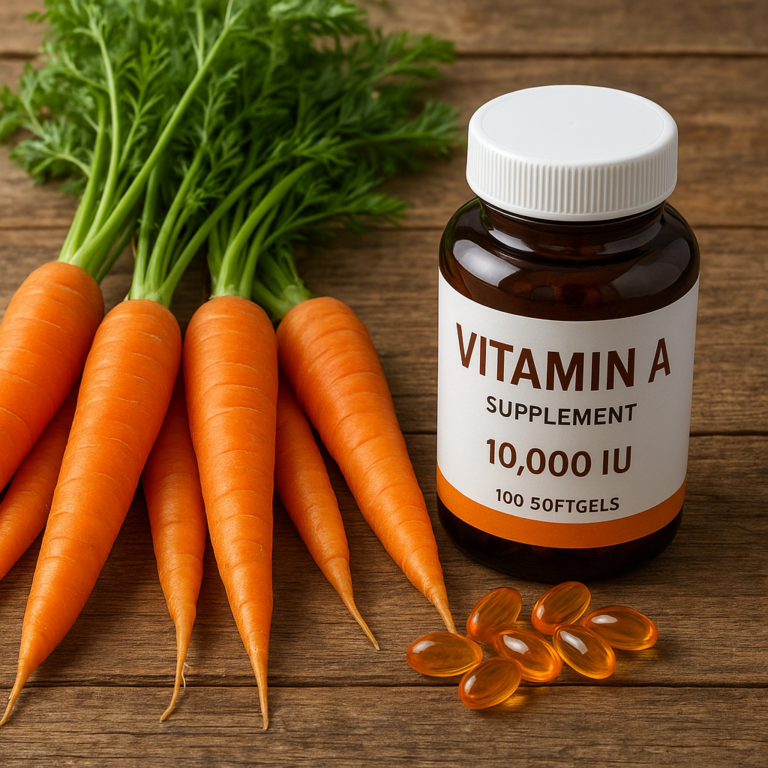
Yes! Excessive intake of fat-soluble vitamins (A, D, E, K) can accumulate and cause toxicity. For example, too much vitamin A can cause headaches, liver damage, and birth defects. Excess iron can cause organ damage. High doses of some antioxidants (vitamin E, beta-carotene) have been linked to increased cancer risk in smokers. Always stick to recommended doses and consult your doctor before high-dose supplementation.
📖 Reference Links: Trusted Sources and Studies
- Johns Hopkins Medicine: Is There Really Any Benefit to Multivitamins?
- National Institutes of Health Office of Dietary Supplements: Vitamin D Fact Sheet
- Harvard T.H. Chan School of Public Health: The Nutrition Source – Omega-3 Fatty Acids
- World Health Organization: Anaemia Fact Sheet
- ConsumerLab: Third-Party Supplement Testing
- Nature Made: Official Website
- Nordic Naturals: Official Website
- Jarrow Formulas: Official Website
- Garden of Life: Official Website
- Culturelle: Official Website
- Vital Proteins: Official Website
- Kirkland Signature: Costco Kirkland Signature