Support our educational content for free when you purchase through links on our site. Learn more
15 Ingestible Beauty Supplement Brands for Skin and Hair ✨

The best ingestible beauty supplement brands for skin and hair are Vital Proteins for collagen, Nutrafol for targeted hair support, HUM Nutrition for goal-based formulas, and OLY for convenient gummies. Choose based on transparent dosing, credible testing, ingredient fit, and realistic expectations—not the shiniest bottle on the shelf.
A collagen powder may support skin hydration and elasticity over several weeks, while a hair supplement cannot diagnose thyroid disease, iron deficiency, hormonal changes, or scalp conditions. That distinction matters: supplements can complement a smart routine, but they are not magic regrowth machines.
We have seen the same pattern repeatedly: someone buys a high-dose biotin gummy after noticing shedding, then discovers the real issue was stress, low iron, medication, or a restrictive diet. Meanwhile, a simpler formula with clearly listed collagen peptides may have been the more sensible choice for their actual goal.
This guide compares 15 leading brands, examines collagen, biotin, hyaluronic acid, ceramides, vitamins, botanicals, and probiotics, and explains how to judge safety, quality, evidence, sustainability, and value. We also separate useful “beauty from within” support from marketing that belongs in the fantasy aisle.
Key Takeaways
- Vital Proteins is a strong collagen-first choice for shoppers seeking a simple powder routine for skin support.
- Nutrafol is better suited to hair-focused concerns, but persistent or sudden shedding still deserves medical evaluation.
- HUM Nutrition offers targeted beauty formulas, while OLY emphasizes easy-to-take gummies and convenience.
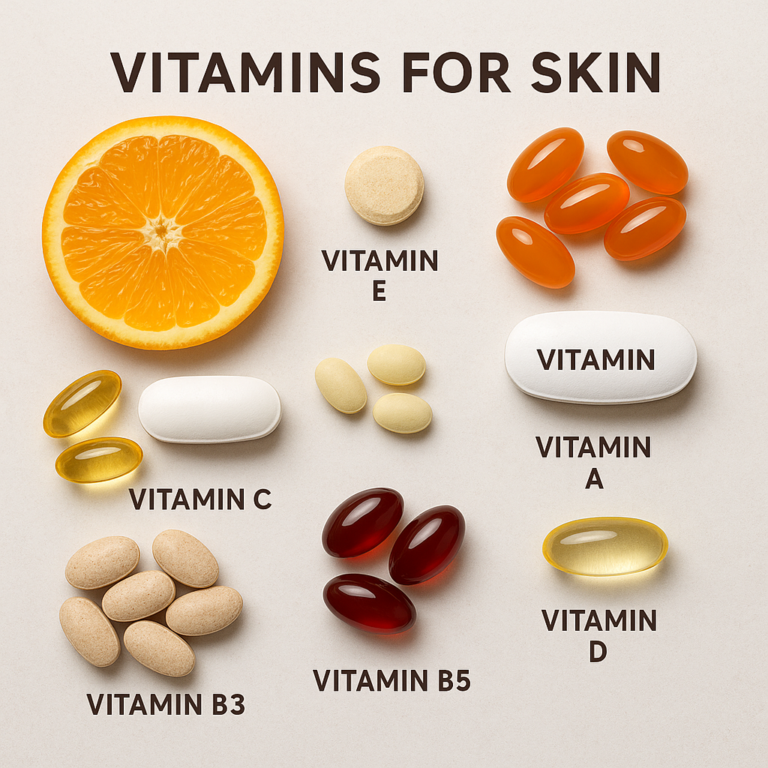
- Collagen peptides, vitamin C, hyaluronic acid, and ceramides may support selected skin goals, but results are usually modest and gradual.
- Biotin is not a universal hair-growth solution and high doses can interfere with certain laboratory tests, according to the FDA.
- Look for exact doses, allergen disclosures, third-party testing, and clear sourcing before buying.
- Topical skincare, sunscreen, adequate protein, sleep, and medical care remain essential alongside any supplement.
- Avoid miracle claims, proprietary blends with hidden amounts, and formulas that encourage unnecessary stacking.
👉 CHECK PRICE on:
- Vital Proteins Collagen Peptides: Amazon | Brand Official
- Nutrafol Hair Supplements: Amazon | Brand Official
- HUM Nutrition Beauty Supplements: Amazon | Brand Official
- OLY Hair, Skin & Nails Gummies: Amazon | Brand Official
Table of Contents
- ⚡ Quick Tips and Facts About Ingestible Beauty Supplements
- ✅ What “Beauty From Within” Really Means
- 🔍 Supplements Versus Proven Nutrition Basics
- 🌿 The Rise of Nutricosmetics: A Brief History of Beauty From Within
- Why the Ingestible Beauty Market Is Growing
- How Wellness, Social Media, and Personalization Shape Demand
- ✨ Top Ingestible Beauty Supplement Brands for Skin and Hair
- 1. Vital Proteins: Collagen Peptides for Skin and Hair Support
- 2. HUM Nutrition: Targeted Beauty Vitamins and Supplements
- 3. Nutrafol: Evidence-Informed Hair Growth Supplements
- 4. The Ordinary: Accessible Supplement Options for Skin Health
- 5. Moon Juice: Adaptogenic Beauty and Wellness Formulas
- 6. OLLY: Convenient Gummies for Hair, Skin, and Nails
- 7. Garden of Life: Organic and Whole-Food Beauty Supplements
- 8. NeoCell: Collagen and Hyaluronic Acid Supplements
- 9. SugarBearHair: Popular Hair Vitamin Gummies
- 10. Wellbel: Vegan Hair, Skin, and Nail Vitamins
- 11. NutriBiotic and Solgar: Established Beauty Nutrient Brands
- 12. Ritual: Traceable Multivitamins for Beauty and Wellness
- 13. Persona Nutrition: Personalized Beauty Supplement Packs
- 14. Needed: Nutritional Support for Hair, Skin, and Pregnancy Wellness
- 15. Vida Glow: Marine Collagen and Beauty From Within Products
- 🧴 Topical Beauty Products vs. Ingestible Beauty Supplementation
- What Topical Skincare Can Do Best
- Where Oral Beauty Supplements May Fit
- Can You Combine Topical and Ingestible Beauty Routines?
- 🧬 The Science Behind Beauty From Within
- How Skin, Hair, Nails, and Nutrition Are Connected
- What Clinical Research Says About Collagen Supplements
- Understanding Evidence Quality and Marketing Claims
- 🥤 Must-Have Ingredients in Skin and Hair Supplements
- Collagen Peptides and Hydrolyzed Collagen
- Biotin, Zinc, and Other Hair Vitamins
- Vitamin C for Collagen Formation
- Hyaluronic Acid for Skin Hydration
- Ceramides and Essential Faty Acids
- Marine Collagen, Bovine Collagen, and Vegan Alternatives
- Antioxidants, Polyphenols, and Botanical Extracts
- Probiotics and the Skin Microbiome
- 🧪 How to Choose the Best Ingestible Beauty Supplement Brand
- Ingredient Transparency and Clinically Relevant Doses
- Third-Party Testing and Quality Certifications
- Gummies, Powders, Capsules, Liquids, and Softgels
- Vegan, Gluten-Free, Organic, and Allergen-Friendly Options
- Sustainability, Traceability, and Ethical Sourcing
- Subscription Plans, Customer Service, and Brand Reputation
- ⚠️ Safety, Side Effects, and Supplement Interactions
- When Biotin Can Interfere With Lab Tests
- Allergies, Pregnancy, Breastfeeding, and Medical Conditions
- Possible Digestive Effects and Other Adverse Reactions
- When Hair Loss or Skin Changes Need Medical Attention
- 📊 Comparing Ingestible Beauty Supplement Formats
- Best Beauty Gummies
- Best Collagen Powders
- Best Hair Growth Capsules
- Best Vegan Beauty Supplements
- Best Supplements for Skin Hydration
- Best Beauty Supplements for Mature Skin
- 🛒 What Retailers Should Stock and Why It Sells
- Building a Balanced Nutricosmetic Product Mix
- Creating Curated Beauty Supplement Shopping Zones
- Using Education to Improve Customer Confidence
- From One-Time Transaction to Long-Term Wellness Routine
- 📱 Digital Discovery: Where Beauty Supplement Shoppers Search
- Influencer Marketing and Social Commerce
- Search, Reviews, and User-Generated Content
- Personalized Quizzes and Subscription Models
- 🌎 Consumer Values: Sustainability, Inclusivity, and Transparency
- Beauty Supplements for Diverse Hair and Skin Needs
- Clean Labels, Responsible Packaging, and Ethical Sourcing
- Avoiding Exaggerated Claims and “Miracle” Marketing
- 🏭 Formulating the Next Generation of Beauty Supplements
- How Contract Manufacturers Support Nutricosmetic Brands
- Vitaquest’s Role in Beauty From Within Product Development
- From Ingredient Selection to Finished Supplement
- Quality Control, Stability Testing, and Regulatory Compliance
- 💡 Smart Ways to Build a Daily Beauty Supplement Routine
- How Long Do Skin and Hair Supplements Take to Work?
- How to Read a Supplement Facts Label
- Combining Supplements Without Overdoing It
- Diet, Sleep, Hydration, and Sun Protection Still Matter
- 🏆 Best Practices for Evaluating Beauty Supplement Claims
- ✅ Claims Worth Considering
- ❌ Red Flags to Avoid
- Questions to Ask Before Buying
- Conclusion
- Recommended Links
- FAQ
- Reference Links
Quick Tips and Facts About Ingestible Beauty Supplements
Welcome to Vitamin Brands™, where our health professionals separate useful supplement science from shiny packaging and wishful thinking. Ingestible beauty supplements include oral products marketed for skin hydration, elasticity, hair strength, nail health, and related wellness goals.
⚡ Quick Takeaways
- ✅ Collagen peptides have the strongest broad appeal for skin-focused supplementation, with research suggesting improvements in hydration and elasticity after roughly 8–12 weeks in some studies.
- ✅ Vitamin C supports normal collagen formation, but taking more does not automatically produce younger-looking skin.
- ⚠️ Biotin is not a universal hair-growth solution. Deficiency is uncommon, and high-dose biotin may interfere with laboratory tests, according to the FDA.
- ✅ A trustworthy brand should disclose exact ingredient amounts, serving size, allergens, testing, and sourcing.
- ❌ No capsule, powder, or gummy can replace adequate protein, a balanced diet, sleep, medical evaluation, or sunscreen.
- ✅ Topical skincare and ingestible supplements serve different roles and may be used together.
- ⚠️ Hair shedding can reflect iron deficiency, thyroid disease, medications, hormonal changes, stress, or scalp conditions. Supplements should not delay diagnosis.
📊 Beauty Supplement Market Snapshot
Market estimates differ because researchers count different products, regions, channels, and definitions of “beauty supplement.” One industry analysis estimates the market at $3.72 billion in 2025, reaching $8.14 billion by 2035, while Vitaquest describes a broader market exceeding $7.5 billion. These figures are not necessarily contradictory: one may use a narrower category, while the other includes adjacent nutricosmetic and wellness segments. See the Global Market Insights beauty supplement analysis for its methodology.
| Market signal | What it means for shoppers |
|---|---|
| Collagen and peptide products lead many market estimates | Look for a named collagen source and a clearly stated dose |
| Gummies are highly popular | Check sugar, serving size, and whether the active dose is meaningful |
| Hair-health products are growing | Be cautious of dramatic “regrowth” promises |
| Online shopping dominates discovery | Verify claims on the official label, not only influencer content |
| Subscriptions encourage consistency | Review cancellation terms and avoid buying more than you can use |
🧭 Our Five-Minute Buying Checklist
Before pressing “add to cart,” ask:
- What outcome do I actually want? Hydration, hair breakage support, nail strength, or a diagnosed condition?
- Is the ingredient relevant to that outcome?
- Is the dose stated clearly?
- Has the finished product been tested by an independent organization?
- Could it interact with medication or lab testing?
- Can I realistically take it for at least 8–12 weeks?
- Does the brand promise support rather than a miracle?
The last question matters more than it sounds. A beautiful jar can still contain a mediocre formula. We will return to that awkward little truth when comparing brands later.
The Rise of Nutricosmetics: A Brief History of Beauty From Within
“Beauty from within” is the modern label for an older idea: nutrition influences the tissues that build skin, hair, and nails. The contemporary version packages that concept into collagen powders, beauty gummies, capsules, liquid shots, and personalized supplement subscriptions.
The category sits at the intersection of:
- Dietary supplements
- Functional nutrition
- Anti-aging skincare
- Hair-loss support
- Gut-health products
- Wellness beverages
- Personalized nutrition
The National Center for Complementary and Integrative Health emphasizes that supplements can have benefits and risks, and that “natural” does not automatically mean safe or effective. That sensible warning is particularly useful in beauty marketing, where the word “natural” sometimes arrives wearing a linen shirt and carrying no clinical evidence.
Why the Ingestible Beauty Market Is Growing
Several consumer behaviors are pushing the category forward:
- Preventive wellness: People want to support skin and hair before a concern becomes noticeable.
- Convenience: A scoop in coffee or a gummy after breakfast feels easier than redesigning an entire lifestyle.
- Visible goals: Consumers understand terms such as hydration, elasticity, shedding, and shine.
- Social discovery: Creator routines and before-and-after posts introduce products quickly.
- Holistic thinking: Skin and hair are increasingly linked with sleep, stress, gut health, hormonal changes, and protein intake.
- Recurring-use models: Subscription delivery turns a supplement into a routine rather than a one-off experiment.
The market report from Global Market Insights identifies collagen, vitamins and minerals, hyaluronic acid, probiotics, botanicals, and omega fatty acids as major ingredient categories. Its projections are useful for understanding commercial momentum, but market growth is not proof that every product works. Sales measure demand; randomized trials measure specific effects.
How Wellness, Social Media, and Personalization Shape Demand
The strongest brands increasingly sell a system, not merely a bottle:
- A quiz identifies the shopper’s concern.
- Educational content explains the ingredient.
- A subscription encourages regular use.
- Progress reminders keep expectations realistic.
- A community provides recipes, routines, or expert guidance.
That model can improve adherence, but personalization has limits. A quiz cannot diagnose thyroid disease, androgenetic alopecia, anemia, or rosacea. DNA-based recommendations may be interesting, yet they should not outrank medical history, examination, or laboratory testing.
Top Ingestible Beauty Supplement Brands for Skin and Hair
The following comparison is a practical starting point, not a promise that one brand suits everyone. Formulas change, and products may differ by country. Always verify the current Supplement Facts panel and allergen statement.
⭐ Brand Comparison and Ratings
Ratings are our editorial assessment on a 1–10 scale, considering transparency, formulation logic, convenience, evidence communication, and fit for the stated purpose. They are not clinical efficacy scores.
| Brand | Best known for | Transparency | Formula logic | Convenience | Best fit | Overall |
|---|---|---|---|---|---|---|
| Vital Proteins | Collagen peptides | 8/10 | 8/10 | 8/10 | Skin-focused collagen routines | 8.0/10 |
| HUM Nutrition | Targeted beauty formulas | 8/10 | 7/10 | 8/10 | Goal-based shoppers | 7.8/10 |
| Nutrafol | Hair wellness | 8/10 | 8/10 | 7/10 | Hair shedding concerns | 8.0/10 |
| OLY | Gummies | 7/10 | 6/10 | 9/10 | Gummy users | 7.3/10 |
| Garden of Life | Whole-food and organic-positioned formulas | 7/10 | 7/10 | 7/10 | Label-conscious shoppers | 7.0/10 |
| NeoCell | Collagen and HA products | 7/10 | 7/10 | 7/10 | Traditional collagen users | 7.0/10 |
| Ritual | Traceable multivitamins | 8/10 | 7/10 | 8/10 | Foundational nutrition | 7.6/10 |
| Moon Juice | Powders and adaptogenic wellness | 7/10 | 6/10 | 7/10 | Powder and wellness routines | 6.9/10 |
| Vida Glow | Marine collagen | 7/10 | 7/10 | 8/10 | Marine collagen users | 7.3/10 |
| Wellbel | Hair, skin, and nail capsules | 7/10 | 7/10 | 7/10 | Capsule users | 7.0/10 |
| Solgar | Established vitamin and mineral products | 8/10 | 7/10 | 7/10 | Single-nutrient needs | 7.5/10 |
| Persona Nutrition | Personalized supplement packs | 7/10 | 6/10 | 8/10 | Convenience and customization | 7.0/10 |
1. Vital Proteins: Collagen Peptides for Skin and Hair Support
Best for: People who want a straightforward collagen powder or beverage addition.
Vital Proteins is widely associated with collagen peptides, including bovine-sourced products and other formats. Hydrolyzed collagen is broken into smaller peptides to improve dispersibility and digestion; it is still animal-derived protein, not vegan collagen.
Strengths
- Familiar brand with broad availability
- Powder format works in coffee, smoothies, or water
- Simple formulas are easier to evaluate
- Some products include vitamin C or flavoring for convenience
Limitations
- Collagen is not a complete replacement for dietary protein
- Marine or bovine sourcing may matter for allergies, religious practices, or sustainability preferences
- “Collagen for hair” claims are less established than general skin-hydration research
- Unflavored powders may have a noticeable taste or texture
Our clinicians generally prefer a clearly labeled collagen peptide dose over a proprietary “beauty blend” that hides the amounts. See the Vital Proteins official product range.
👉 CHECK PRICE on:
- Vital Proteins Collagen Peptides: Amazon | Brand Official
2. HUM Nutrition: Targeted Beauty Vitamins and Supplements
Best for: Shoppers who prefer formulas organized around a goal such as skin clarity, hair support, or hydration.
HUM Nutrition uses a quiz-led approach and offers multiple beauty and wellness products. That can make selection less intimidating, though a quiz should be treated as a shopping aid rather than a health assessment.
What we like
- Clear concern-based organization
- Attractive, easy-to-understand packaging
- Several products include a blend of vitamins, minerals, and botanicals
- Strong educational marketing compared with many gummy-first brands
What to scrutinize
- Multiple products may overlap in nutrients
- Combining a beauty formula with a multivitamin can push intake unnecessarily high
- Botanical blends require attention to medication interactions
- A polished “inside scoop” does not substitute for a clinical trial
View the HUM Nutrition official collection.
3. Nutrafol: Evidence-Informed Hair Growth Supplements
Best for: Adults concerned about hair thinning, shedding, or hair quality who want a hair-specific system.
Nutrafol positions its products around multiple contributors to hair health, including stress, nutrition, aging, and hormonal factors. That broader framing is more sensible than pretending one vitamin controls every follicle.
Strengths
- Hair-specific product segmentation
- More sophisticated positioning than “biotin makes hair grow”
- Offers products aimed at different life stages and needs
- Encourages consultation and assessment
Limitations
- Hair loss has many causes, and supplements cannot address all of them
- Results require patience and consistent use
- Botanical ingredients may not suit everyone
- A supplement should not replace dermatology care for sudden or patchy loss
The American Academy of Dermatology advises evaluation when hair loss is concerning, persistent, or accompanied by scalp symptoms. Nutrafol can be part of a conversation; it should not be the entire conversation.
👉 CHECK PRICE on:
- Nutrafol Hair Wellness: Amazon | Brand Official
4. OLLY: Convenient Gummies for Hair, Skin, and Nails
Best for: People who strongly prefer a flavored gummy and can keep serving sizes consistent.
OLY makes accessible gummy products, including formulas marketed for hair, skin, and nails. Gummies may improve adherence because they are pleasant and easy to remember. The catch? Pleasant can become “I ate three servings while watching television,” which is not an evidence-based dosing strategy.
Advantages
- Easy-to-take format
- Widely available
- Clear mainstream branding
- Useful for people who avoid capsules
Drawbacks
- Gummies may contain sugar or sugar alcohols
- Serving sizes can require multiple pieces
- Some formulas use modest amounts of active ingredients
- Children may mistake them for candy, so storage matters
The FDA’s supplement guidance is a useful reminder that supplements are not approved for safety and effectiveness in the same way as prescription medications before reaching shelves.
👉 CHECK PRICE on:
- OLY Hair, Skin & Nails: Amazon | Brand Official
5. Garden of Life: Organic and Whole-Food Beauty Supplements
Best for: Consumers who prioritize organic-positioned ingredients, probiotics, or whole-food branding.
Garden of Life offers a broad portfolio, so the quality and purpose depend on the specific product. “Whole food” language may appeal to shoppers, but it does not automatically prove superior absorption or stronger outcomes.
Look for:
- Exact nutrient amounts
- Certified-organic claims where relevant
- Third-party testing
- Allergen statements
- Whether the product duplicates your existing multivitamin
Explore the Garden of Life official vitamin collection.
6. NeoCell: Collagen and Hyaluronic Acid Supplements
Best for: Shoppers interested in traditional collagen, hyaluronic acid, and combination skin formulas.
NeoCell has long been associated with collagen products and offers capsules, powders, and combination formulas. Hyaluronic acid is familiar from topical skincare, but oral HA research is still ingredient-specific; one study one branded preparation cannot validate every HA product on the shelf.
A good NeoCell-style formula should answer:
- How much collagen or HA is supplied per serving?
- Is the collagen hydrolyzed?
- What source is used?
- Does the product contain unnecessary duplicative nutrients?
- Is the claim “supports hydration” rather than “erases wrinkles”?
Browse the NeoCell official site.
7. HUM Nutrition, Ritual, and Solgar: Foundational Nutrition vs. Beauty Positioning
Not every useful product needs a “beauty” label. Nutrient deficiencies can affect hair, skin, nails, and energy, so a properly selected multivitamin or mineral supplement may be more rational than a glittery beauty blend.
- Ritual emphasizes traceability and subscription convenience.
- Solgar offers long-established single nutrients and combination products.
- HUM Nutrition focuses more heavily on targeted wellness concerns.
Explore our guides to Essential Vitamins, Health Supplements, and Multivitamin Supplements before stacking several products.
Topical Beauty Products vs. Ingestible Beauty Supplementation
A topical cream and a collagen powder are not interchangeable tools. One is applied to the skin or hair surface; the other is digested and used within the body.
What Topical Skincare Can Do Best
Topical products are often better positioned for:
- Sunscreen protection
- Retinoid-based acne and photoaging care
- Moisturization
- Barrier support
- Exfoliation
- Localized pigmentation support
- Hair-shaft conditioning
The American Academy of Dermatology recommends a practical foundation of gentle cleansing, moisturizing, and sun protection. For visible photoaging, sunscreen remains considerably less glamorous than a gummy but far more foundational.
Where Oral Beauty Supplements May Fit
Oral supplements may be considered when the goal involves:
- Correcting a documented deficiency
- Supporting overall protein intake
- Adding collagen peptides to a routine
- Supporting nutritional adequacy during restricted diets
- Using a studied ingredient for a specific, modest outcome
They are not a replacement for topical sunscreen, prescribed dermatology treatments, or evaluation of sudden hair loss.
Can You Combine Topical and Ingestible Beauty Routines?
Yes, provided the combination is sensible.
| Goal | Topical approach | Ingestible consideration |
|---|---|---|
| Dry skin | Moisturizer with barrier-supporting ingredients | Hydration, adequate protein, possible collagen routine |
| Photoaging | Broad-spectrum sunscreen and dermatologist-guided actives | Antioxidant-rich diet; supplements are secondary |
| Hair breakage | Conditioner and gentle styling | Protein adequacy; assess iron, zinc, or thyroid issues if indicated |
| Nail splitting | Moisturizer and nail protection | Consider deficiency assessment before high-dose supplements |
| Acne | Evidence-based topical or medical treatment | Avoid assuming a beauty gummy treats acne |
The Science Behind Beauty From Within
A supplement can be biologically plausible without being clinically proven. That distinction is the hinge on which responsible recommendations turn.
How Skin, Hair, Nails, and Nutrition Are Connected
Skin, hair, and nails are metabolically active tissues. They require:
- Protein and amino acids
- Essential fatty acids
- Iron
- Zinc
- Vitamin C
- Vitamin D in appropriate circumstances
- B vitamins
- Adequate calories
- Sufficient overall nutrition
Yet more is not better once nutritional needs are met. Excess vitamin A, selenium, or certain other nutrients can contribute to adverse effects, including hair changes.
The National Institutes of Health Office of Dietary Supplements provides fact sheets on nutrients, recommended intakes, deficiency risks, and upper limits.
What Clinical Research Says About Collagen Supplements
A 2019 systematic review in the Journal of Drugs in Dermatology reported promising findings for oral collagen and skin hydration, elasticity, and dermal collagen density. More recent meta-analyses have also reported improvements in skin hydration and elasticity, but study quality varies.
Why results differ:
- Different collagen sources
- Different peptide sizes
- Different doses
- Different study lengths
- Small sample sizes
- Industry sponsorship
- Variation in skin-measurement tools
- Participants with different ages and baseline nutrition
Our interpretation: collagen is reasonable to consider for modest skin-support goals, especially when the formula is transparent and the user can maintain it consistently. It is not a guaranteed wrinkle eraser.
Understanding Evidence Quality and Marketing Claims
Use this hierarchy:
- Systematic reviews and meta-analyses
- Randomized, placebo-controlled trials
- Well-designed observational studies
- Mechanistic or laboratory research
- Testimonials and influencer posts
Testimonials can describe an experience, but they cannot reveal whether the person also changed skincare, diet, sleep, medication, lighting, or styling. A before-and-after photograph is a persuasive storyteller and a poor control group.
Must-Have Ingredients in Skin and Hair Supplements
There is no universal must-have list. The better question is: which ingredient matches the goal, at what dose, with what evidence and safety profile?
Collagen Peptides and Hydrolyzed Collagen
Collagen peptides are commonly used for:
- Skin hydration
- Elasticity support
- Joint and connective-tissue goals
- Hair and nail positioning
Look for:
- “Hydrolyzed collagen peptides”
- Source: bovine, porcine, marine, or chicken
- Grams per serving
- Allergen disclosure
- Independent testing where available
Collagen is not vegan. “Vegan collagen” products usually provide nutrients or plant compounds intended to support the body’s own collagen production; they do not contain animal collagen peptides.
Biotin, Zinc, and Other Hair Vitamins
Biotin is essential for metabolism, but supplementing it helps hair primarily when deficiency exists or intake is inadequate. The Global Market Insights summary notes biotin’s strong commercial recognition while also questioning stand-alone efficacy in people without deficiency.
High-dose biotin deserves special caution because it can interfere with some laboratory tests, including certain cardiac and hormone assays. Tell your clinician and laboratory staff about supplements before testing.
Zinc may be relevant when intake is inadequate, but excessive long-term zinc can impair copper status. Iron should not be taken casually: iron deficiency requires appropriate testing and medical guidance.
Vitamin C for Collagen Formation
Vitamin C contributes to normal collagen formation and supports immune function. Food sources include:
- Citrus
- Kiwi
- Bell peppers
- Broccoli
- Strawberries
A supplement may be useful when dietary intake is poor, but mega-dosing is not a shortcut to flawless skin. The NIH vitamin C fact sheet explains recommended amounts, sources, and upper limits.
Hyaluronic Acid for Skin Hydration
Oral hyaluronic acid is marketed for skin moisture and wrinkle appearance. Some randomized research has reported improvements after approximately 12 weeks, but results depend on the specific preparation.
Ask:
- Is the molecular form identified?
- Is the dose stated?
- Is the clinical study performed on that ingredient or merely cited nearby?
- Does the formula combine HA with collagen or vitamin C?
Ceramides and Essential Faty Acids
Oral ceramides, often derived from wheat or konjac, are positioned for skin-barier support and hydration. Evidence is promising but narrower than the marketing language sometimes suggests.
Omega-3 fatty acids can support general nutritional health and may be relevant to inflammatory pathways, but a beauty claim should not imply treatment of eczema, psoriasis, or other conditions without medical evidence.
Marine Collagen, Bovine Collagen, and Vegan Alternatives
| Source | Potential advantage | Main consideration |
|---|---|---|
| Marine collagen | Appeals to some consumers seeking non-bovine sources | Fish allergy, sustainability, marine sourcing |
| Bovine collagen | Widely available and commonly studied | Animal source and dietary restrictions |
| Porcine collagen | Common in some global markets | Religious, cultural, and dietary restrictions |
| Vegan “collagen support” | Plant-based ingredients and no animal collagen | Not collagen peptides; evidence varies by formula |
Antioxidants, Polyphenols, and Botanical Extracts
Astaxanthin, vitamin E, grape-sed extract, melon extract, and other polyphenols appear in beauty formulas. They may support antioxidant capacity, but antioxidant does not mean anti-aging miracle.
Botanicals can interact with medications and may not be appropriate during pregnancy. The more complex the blend, the more important exact dosing becomes.
Probiotics and the Skin Microbiome
The gut–skin connection is an active research area. Probiotics may be relevant to digestive health and certain skin outcomes, but effects are strain-specific.
A credible probiotic label should identify:
- Genus, species, and strain
- Colony-forming units through expiration, when claimed
- Storage requirements
- Intended use
- Evidence supporting the specific strain
“Contains probiotics” is not enough information to predict a skin result.
How to Choose the Best Ingestible Beauty Supplement Brand
Ingredient Transparency and Clinically Relevant Doses
A strong label provides:
- Amount per serving
- Number of servings
- Full ingredient list
- Standardization details for botanicals
- Allergens
- Suggested use
- Manufacturer information
- Expiration or lot information
Avoid relying on “proprietary blends” that reveal only a combined total. You cannot judge a blend if the label hides the individual amounts.
Third-Party Testing and Quality Certifications
Look for credible quality signals such as:
- USP Verified
- NSF Certified for Sport
- ConsumerLab independent testing
- Good Manufacturing Practice information
- Certificates of analysis when provided transparently
A certification may verify manufacturing quality or contents, but it does not prove a product will deliver a dramatic beauty outcome.
Gummies, Powders, Capsules, Liquids, and Softgels
| Format | Advantages | Drawbacks |
|---|---|---|
| Gummies | Pleasant, portable, easy to remember | Sugar, lower active load, temptation to overconsume |
| Powders | Flexible dosing, ideal for collagen | Taste, texture, mixing inconvenience |
| Capsules | Precise, compact, often sugar-free | Swallowing difficulty, multiple capsules |
| Liquids/shots | Convenient and fast to consume | Flavor, stability, sugar, cost per serving |
| Softgels | Useful for oils and fat-soluble ingredients | Animal gelatin may be used; oxidation concerns |
Choose the format you will actually use. A theoretically perfect capsule gathering dust in a bathroom drawer has a practical efficacy score of approximately zero.
Vegan, Gluten-Free, Organic, and Allergen-Friendly Options
These labels can matter greatly, but verify them:
- “Gluten-free” should be supported by appropriate manufacturing controls.
- “Vegan” should exclude animal-derived collagen, gelatin, and some capsule materials.
- “Organic” applies to specified ingredients, not automatically the entire product.
- Marine collagen is not appropriate for people with fish allergies.
- Wheat-derived ceramides may matter for people avoiding wheat.
Sustainability, Traceability, and Ethical Sourcing
Sustainability questions include:
- Is marine collagen sourced responsibly?
- Is packaging recyclable or refillable?
- Are powders shipped in oversized containers?
- Does the brand disclose ingredient origins?
- Are claims independently verified?
Sustainability is valuable, but it should not distract from dose, testing, and safety. A recyclable jar containing an undisclosed formula is still an undisclosed formula.
Safety, Side Effects, and Supplement Interactions
When Biotin Can Interfere With Lab Tests
High-dose biotin can produce misleading results in certain laboratory tests. The FDA specifically warns about interference with some cardiac troponin assays and other tests.
Before bloodwork:
- List every supplement you take.
- Tell the ordering clinician.
- Tell the laboratory staff.
- Ask whether you should pause a product.
- Never stop a prescribed medication without medical advice.
Allergies, Pregnancy, Breastfeeding, and Medical Conditions
Consult a qualified clinician before using beauty supplements if you:
- Are pregnant, trying to conceive, or breastfeeding
- Have kidney or liver disease
- Take anticoagulants, thyroid medication, diabetes medication, or immunosuppressants
- Have a history of kidney stones
- Have a fish, shellfish, wheat, soy, or gelatin allergy
- Are preparing for surgery
- Are being evaluated for hair loss or skin disease
Our Best Vitamins for Women and Best Vitamins for Men resources can help with foundational questions, but personal medical circumstances still deserve individualized advice.
Possible Digestive Effects and Other Adverse Reactions
Potential issues include:
- Bloating
- Nausea
- Constipation
- Diarrhea
- Fishy aftertaste
- Headache
- Skin reactions
- Medication interactions
Take products with food when the label recommends it, and introduce only one new supplement at a time. That way, if your stomach stages a small rebellion, you know which product to question.
When Hair Loss or Skin Changes Need Medical Attention
Seek medical evaluation for:
- Suden or rapid shedding
- Bald patches
- Scalp pain, scaling, crusting, or inflammation
- Eyebrow or eyelash loss
- Hair loss with fatigue, weight change, or menstrual changes
- New widespread rash
- Persistent acne, redness, or pigmentation changes
- Symptoms after starting a medication
A supplement cannot diagnose alopecia areata, thyroid disease, iron deficiency, androgenetic alopecia, psoriasis, or medication-related shedding.
Comparing Ingestible Beauty Supplement Formats
Best Beauty Gummies
Gummies make sense for convenience, but compare:
- Active ingredient amount per serving
- Sugar content
- Number of gummies required
- Artificial colors or sweeteners
- Child-resistant storage
- Biotin dose
OLY and other gummy brands can be reasonable choices for adherence, but the product should still pass the label test.
Best Collagen Powders
Look for:
- Hydrolyzed collagen peptides
- Clearly stated grams per serving
- Taste and mixability
- Third-party testing
- Source and allergen information
- No unnecessary megadose vitamin additions
Vital Proteins and NeoCell are recognizable options, while Ancient Nutrition offers additional collagen-oriented products.
Best Hair Growth Capsules
Hair capsules should be judged by more than biotin. Favor formulas that explain:
- Why each ingredient is included
- Whether doses are disclosed
- Which population was studied
- What outcome is expected
- How long a trial should last
Nutrafol is a prominent hair-focused example, but medical evaluation remains essential when shedding is persistent or unusual.
Best Vegan Beauty Supplements
Vegan shoppers can consider:
- Vitamin C
- Zinc when appropriate
- Plant-based omega-3 from algae
- Botanical antioxidant formulas
- Vegan collagen-support blends
- Capsule materials free of gelatin
Remember: a vegan collagen-support product is not the same as a collagen peptide product.
Best Supplements for Skin Hydration
Potential ingredients include:
- Collagen peptides
- Oral hyaluronic acid
- Ceramides
- Essential fatty acids
- Vitamin C as part of adequate nutrition
Hydration also depends on skin-barier care, environmental exposure, and overall health. A supplement cannot compensate for chronic irritation from harsh cleansing or excessive exfoliation.
Best Supplements for Mature Skin
For mature skin, consider a conservative approach:
- Adequate protein
- Vitamin C-rich foods
- Collagen peptides if desired
- Sun protection
- Moisturizer
- Clinician-guided retinoid or other topical treatment
Avoid “anti-aging” formulas with extravagant promises. Aging is not a deficiency to be cured, and skin health is not measured by looking twenty-five forever.
What Retailers Should Stock and Why It Sells
Retailers can make beauty supplements easier to understand by arranging products around consumer goals, not a wall of mysterious ingredients.
Building a Balanced Nutricosmetic Product Mix
A useful assortment may include:
- Collagen powders
- Hair-focused capsules
- Hair–skin–nail gummies
- Hyaluronic acid products
- Ceramide and omega formulas
- Vegan options
- Foundational multivitamins
- Probiotic products
- Practitioner-oriented brands
The assortment should include both accessible products and transparent, evidence-led formulas. A shelf filled only with novelty gummies is entertaining but not especially educational.
Creating Curated Beauty Supplement Shopping Zones
Possible sections:
- Radiant Skin Reset: collagen, HA, vitamin C, ceramides
- Hair Strength and Scalp Support: targeted hair formulas, zinc-containing products where appropriate
- Glow and Calm: stress, sleep, and wellness products with careful claim language
- Beauty Basics: multivitamins, protein, omega-3, foundational nutrients
- Vegan Beauty: algae omega-3, vegan capsules, collagen-support blends
Using Education to Improve Customer Confidence
Helpful shelf education should explain:
- What the ingredient does
- What it does not do
- Expected time frame
- Who should avoid it
- How to compare doses
- Why consistency matters
QR codes can link to original studies, certificates of analysis, ingredient explainers, and medical cautions. Education builds trust more effectively than calling every product “premium.”
From One-Time Transaction to Long-Term Wellness Routine
Because many beauty outcomes require weeks, retailers should support realistic adherence:
- Recommend one primary product.
- Explain how to take it.
- Set a sensible review point, often 8–12 weeks for collagen-oriented goals.
- Warn against stacking overlapping formulas.
- Encourage medical assessment when symptoms suggest a condition.
Digital Discovery: Where Beauty Supplement Shoppers Search
Influencer Marketing and Social Commerce
Creators can make a routine feel achievable, but sponsored content may not show:
- The full ingredient list
- The creator’s baseline nutrition
- Other products used
- How long the product was taken
- Adverse effects
- Whether the result was independently measured
Use creator content for discovery, then verify with official labels and reputable medical sources.
Search, Reviews, and User-Generated Content
User reviews are valuable for practical details:
- Taste
- Mixability
- Capsule size
- Digestive tolerance
- Packaging
- Subscription experience
They are weaker evidence for clinical efficacy. A review saying “my hair grew faster” cannot establish whether the supplement caused the change because hair grows naturally and styling, shedding cycles, and photography can alter perception.
Personalized Quizzes and Subscription Models
Personalized quizzes can improve product matching and reduce decision fatigue. However:
- They should not diagnose conditions.
- Recommendations should show the reasoning.
- Users should be able to decline unnecessary add-ons.
- Subscriptions should be easy to pause or cancel.
- Reminder systems should not encourage unsafe stacking.
Consumer Values: Sustainability, Inclusivity, and Transparency
Beauty Supplements for Diverse Hair and Skin Needs
Beauty messaging should represent:
- Different skin tones
- Different curl patterns and hair textures
- Different ages
- Men, women, and nonbinary consumers
- Diverse cultural and dietary preferences
- People with disabilities and swallowing difficulties
“Beauty belongs to everyone” is a useful principle, but inclusivity should appear in product design, research participation, imagery, and customer service, not only in a campaign slogan.
Clean Labels, Responsible Packaging, and Ethical Sourcing
Consumers often use “clean label” to mean fewer artificial ingredients, recognizable components, and transparent sourcing. Because the term lacks one universal legal definition, inspect the actual label.
Prioritize:
- Recyclable or refillable packaging
- Responsible marine sourcing
- Reduced excess packaging
- Clear allergen statements
- Honest serving sizes
- Transparent testing
Avoiding Exaggerated Claims and “Miracle” Marketing
Red flags include:
- “Grows hair overnight”
- “Erases wrinkles”
- “Detoxes your skin”
- “Clinically proven” without identifying the study
- Before-and-after photos without time frames
- “Doctor approved” without naming the doctor or evidence
- A proprietary blend with no individual quantities
Vitaquest’s description of ingestible beauty as “a long game” is closer to reality than rapid-result advertising. Skin and hair biology are not vending machines: insert gummy, receive transformation.
Formulating the Next Generation of Beauty Supplements
How Contract Manufacturers Support Nutricosmetic Brands
Contract manufacturers may assist with:
- Ingredient sourcing
- Formula development
- Flavor and texture
- Stability testing
- Packaging
- Scale-up
- Quality systems
- Regulatory review
- Finished-product testing
Brands still need to make responsible claim and evidence decisions. Manufacturing capability does not automatically make a product clinically effective.
Vitaquest’s Role in Beauty From Within Product Development
Vitaquest describes capabilities for tablets, capsules, powders, and stick packs, alongside formulation, sourcing, packaging, compliance, and scalable manufacturing.
Its article calls the category “the next generation of self-care” and emphasizes that the beauty-from-within shopper is an “engaged explorer.” That perspective is helpful for understanding why brands increasingly provide ingredient education and routine support. It is also a manufacturer’s perspective, so we should read market enthusiasm alongside independent clinical evidence.
From Ingredient Selection to Finished Supplement
A responsible development pathway looks like this:
- Define the consumer need: hydration, hair quality, nail strength, or general nutrition.
- Review the evidence: identify human trials and realistic outcomes.
- Select the ingredient form: source, standardization, dose, and stability.
- Design the format: capsule, powder, gummy, shot, or softgel.
- Check interactions and populations: pregnancy, medication, allergies, and age.
- Test stability: flavor, potency, moisture, oxidation, and shelf life.
- Validate the label: exact amounts and legally appropriate claims.
- Test the finished product: identity, purity, contaminants, and potency.
- Monitor complaints: adverse reactions, quality issues, and consumer feedback.
- Improve the formula: only when new evidence supports the change.
Quality Control, Stability Testing, and Regulatory Compliance
Beauty supplements should be protected against:
- Heavy-metal contamination
- Microbial contamination
- Oxidation in oil-based products
- Potency loss
- Mislabeling
- Cross-contact with allergens
- Moisture damage in powders and gummies
The FDA Current Good Manufacturing Practices for dietary supplements outline manufacturing requirements in the United States.
Smart Ways to Build a Daily Beauty Supplement Routine
How Long Do Skin and Hair Supplements Take to Work?
A realistic timeline varies:
| Goal | Practical review window |
|---|---|
| Skin hydration | Often several weeks; some studies assess around 8–12 weeks |
| Skin elasticity | Usually measured over weeks to months |
| Nail strength | Often requires several months because nails grow slowly |
| Hair quality | At least one hair-growth cycle may be needed |
| Hair shedding | Depends on cause; supplements cannot fix every trigger |
Do not judge a product after three days, but do not continue indefinitely if it causes side effects or offers no credible rationale.
How to Read a Supplement Facts Label
Follow this sequence:
- Find the serving size.
- Count how many capsules or gummies that represents.
- Review each active ingredient and amount.
- Identify proprietary blends.
- Check added sugars and allergens.
- Compare duplicate nutrients with other supplements.
- Check warnings and storage instructions.
- Confirm the expiration date and lot information.
Combining Supplements Without Overdoing It
Create a simple inventory:
| Product | Nutrients/actives | Potential overlap |
|---|---|---|
| Multivitamin | Biotin, zinc, vitamin A, vitamin C | May overlap with hair gummy |
| Collagen powder | Collagen, possibly vitamin C | Usually less overlap, but check additions |
| Hair capsule | Biotin, zinc, botanicals | May overlap with multivitamin |
| Omega-3 softgel | EPA/DHA | Medication interaction considerations |
A pharmacist can help review the list. More bottles do not equal more beauty.
Diet, Sleep, Hydration, and Sun Protection Still Matter
The unglamorous foundation includes:
- Adequate protein
- Fruits and vegetables
- Healthy fats
- Sufficient calories
- Regular sleep
- Stress management
- Gentle hair care
- Sunscreen
- Treatment of diagnosed conditions
For practical foundational guidance, visit our Health Supplements category.
Best Practices for Evaluating Beauty Supplement Claims
✅ Claims Worth Considering
Reasonable wording tends to sound like:
- “Supports skin hydration”
- “Helps maintain normal collagen formation”
- “Supports healthy hair as part of a balanced diet”
- “Provides nutrients involved in normal skin function”
- “May support nail strength in people with inadequate intake”
These statements are narrower, but narrower claims are often more honest.
❌ Red Flags to Avoid
Be cautious when a product:
- Guarantes regrowth
- Promises permanent wrinkle removal
- Uses “detox” without defining the mechanism
- Hides all active doses
- Relies solely on testimonials
- Discourages medical care
- Requires many overlapping products
- Uses urgency and fear to drive a subscription
Questions to Ask Before Buying
- What is the exact goal?
- Is there human evidence for this ingredient?
- Is the study relevant to this dose and form?
- Does the product disclose the full formula?
- Could it interact with my medication?
- Does it contain an allergen?
- Is the expected result modest and realistic?
- How will I judge whether it is helping?
- What will I do if hair loss or skin changes continue?
🎥 A Clinician’s Skeptical View of Hair, Skin, and Nail Gummies
In the featured video, a doctor discusses Nature’s Bounty Hair, Skin & Nails Gummies and argues that the popular belief that biotin helps hair is an “old wives’ tale.” He says biotin may help nails and possibly skin in some circumstances, notes the presence of vitamins C and E, and states, “I wouldn’t recommend” the product for hair and nails.
We agree with the core caution, but we would phrase it more precisely: biotin is not a reliable hair-growth treatment for people who are not deficient. That does not mean biotin is biologically useless; it means marketing often outruns evidence. If hair shedding is substantial, investigating the cause is more valuable than simply buying a higher-dose gummy.
A Practical Decision Tree
-
Are you treating a diagnosed deficiency?
Follow clinician-guided treatment. -
Are you seeking general skin support?
Consider diet, sunscreen, moisturizer, and perhaps a transparent collagen or HA product. -
Are you experiencing hair loss?
Seek evaluation before relying on supplements. -
Do you dislike pills?
Choose a format you can use consistently, but check sugar and dose. -
Are you stacking products?
Compare labels and review the total nutrient intake. -
Does the product promise a miracle?
Put it back on the shelf. Your hair follicles will not be impressed by typography.
Conclusion

Ingestible beauty supplements can be useful adjuncts, especially when they address nutritional gaps or use reasonably studied ingredients such as hydrolyzed collagen peptides. Our strongest recommendation is to prioritize transparent dosing, third-party quality signals, realistic timelines, and a clear purpose.
Our Final Brand Recommendations
- Best overall collagen routine: Vital Proteins for a simple, widely available collagen format.
- Best targeted hair approach: Nutrafol, particularly when paired with medical evaluation for ongoing shedding.
- Best gummy convenience: OLY, provided you review sugar, serving size, and overlapping nutrients.
- Best goal-based beauty range: HUM Nutrition, with careful attention to stacking.
- Best established collagen alternative: NeoCell.
- Best foundational nutrition angle: Ritual or Solgar when the real need is nutritional adequacy rather than a narrowly marketed beauty promise.
The unfinished question from the beginning was simple: Can a supplement make you look dramatically different? Usually, no. Can a well-chosen product modestly support skin hydration, nutritional adequacy, or a consistent wellness routine? Yes, sometimes. The difference lies in evidence, expectations, and whether the formula matches your actual need.
Recommended Links
Shop Featured Brands and Products
- Vital Proteins Collagen Peptides: Amazon | Vital Proteins Official Website
- Nutrafol Hair Supplements: Amazon | Nutrafol Official Website
- OLY Hair, Skin & Nails Gummies: Amazon | OLY Official Website
- Nature’s Bounty Hair, Skin & Nails: Amazon
- NeoCell Collagen Products: Amazon | NeoCell Official Website
- HUM Nutrition Beauty Supplements: Amazon | HUM Nutrition Official Website
- Garden of Life Beauty Supplements: Amazon | Garden of Life Official Website
- Vida Glow Marine Collagen: Amazon | Vida Glow Official Website
- Solgar Hair, Skin & Nails Products: Amazon | Solgar Official Website
Explore More Vitamin Brands™ Guides
- Essential Vitamins
- Health Supplements
- Multivitamin Supplements
- Best Vitamins for Women
- Best Vitamins for Men
Recommended Books
- The Beauty of Fermentation on Amazon
- The Skinytaste Cookbook on Amazon
- The Science of Beauty on Amazon
FAQ
How long does it take to see results from beauty vitamins and supplements?
For skin hydration or elasticity, studies commonly assess outcomes after 8–12 weeks, although individual responses vary. Hair and nail changes may take longer because growth cycles are slow. If a product claims visible transformation within days, treat that as a marketing alarm bell rather than a biological breakthrough.
Read more about “Which Vitamin Brands Do Pharmacists Avoid? 💊”
Can ingestible beauty supplements replace topical skincare products?
No. Supplements cannot replace sunscreen, moisturizers, gentle cleansing, or prescribed topical treatments. Oral products may complement skincare by supporting nutritional adequacy or selected goals, but they work through a different route.
What ingredients should I look for in beauty supplements for anti-aging?
Consider formulas with:
- Hydrolyzed collagen peptides
- Vitamin C in an appropriate amount
- Oral hyaluronic acid
- Ceramides
- Omega-3 fatty acids when appropriate
- Antioxidant-rich ingredients with human evidence
The goal should be supporting hydration, elasticity, and barrier function, not “stopping aging.” Sunscreen remains the essential anti-photoaging product.
Read more about “🏆 7 Best Vitamin A & Retinol Supplements for 2026”
How do collagen supplements improve skin and hair health?
Digested collagen provides peptides and amino acids. Clinical studies suggest some hydrolyzed collagen products may support skin hydration and elasticity. Hair evidence is less direct because hair is made primarily from keratin, not collagen. Collagen can contribute protein to the diet, but it is not a guaranteed hair-growth treatment.
Read more about “15 Vitamin D Benefits, Risks & Safe Sun Tips ☀️ (2026)”
Are ingestible beauty supplements safe for all skin types?
Skin type does not determine supplement safety by itself. Safety depends on the ingredients, dose, allergies, medications, pregnancy status, health conditions, and product quality. People with acne, rosacea, psoriasis, or persistent rashes should not assume a beauty supplement will treat the condition.
Which vitamins are essential in beauty supplements for hair growth?
Relevant nutrients include protein, iron, zinc, vitamin D, vitamin C, and selected B vitamins, but supplementation is most useful when intake is inadequate or deficiency exists. Biotin is not a universal hair-growth vitamin, and high doses can interfere with laboratory testing.
Read more about “12 Vitamin E Benefits Backed by Science 🌟”
What are the top ingestible beauty supplement brands for glowing skin?
Strong options to compare include:
- Vital Proteins for collagen peptides
- NeoCell for collagen and HA products
- HUM Nutrition for targeted formulas
- Vida Glow for marine collagen
- Garden of Life for broad wellness and beauty options
“Glowing skin” is a marketing phrase, so compare hydration, elasticity, barrier support, and ingredient transparency rather than relying on the word glow alone.
Read more about “🌟 12 Best Vitamins for Skin: The Ultimate 2026 Glow Guide”
What are the best ingestible beauty supplement brands for skin and hair?
Our leading comparisons are:
- Vital Proteins: best for simple collagen routines
- Nutrafol: best for targeted hair support
- HUM Nutrition: best for goal-based product selection
- OLY: best for gummy convenience
- NeoCell: best for established collagen and HA products
- Ritual or Solgar: best when foundational nutrition is the priority
The best brand is the one with a suitable formula that you can take safely and consistently.
Which vitamins and supplements support healthier skin, hair, and nails?
Adequate protein, vitamin C, zinc, iron when deficient, essential fatty acids, and overall nutritional sufficiency support these tissues. Collagen peptides may support some skin outcomes. Nail and hair concerns require more caution because deficiencies, illness, medications, and mechanical damage can look similar.
Are ingestible beauty supplements effective for improving skin and hair?
Some ingredients show modest, outcome-specific evidence, especially certain collagen preparations for skin hydration and elasticity. Evidence is weaker for dramatic hair regrowth claims and stand-alone biotin in people without deficiency. Product quality, dose, study design, and consistency all matter.
What ingredients should you look for in a skin and hair supplement?
Start with the goal:
- Skin hydration: collagen peptides, hyaluronic acid, ceramides
- General collagen formation: vitamin C
- Hair nutrition: adequate protein, zinc or iron only when appropriate, selected botanicals with evidence
- Nails: adequate protein and correction of relevant deficiencies
- Gut–skin positioning: clearly identified probiotic strains
Avoid formulas that hide every dose in a proprietary blend.
Read more about “🧠 Top 10 Nootropic Brands for Brain Health in 2026”
Are ingestible beauty supplements safe to take every day?
Some are designed for daily use, but safety depends on the formula. Review total intake across all products, especially vitamin A, zinc, selenium, iron, and biotin. Ask a pharmacist or clinician if you take medication, have a chronic condition, are pregnant, or are preparing for surgery.
What is the difference between collagen supplements and other beauty vitamins?
Collagen supplements provide collagen-derived peptides, usually from animal sources. Beauty vitamins typically provide nutrients such as biotin, zinc, vitamin C, or vitamin E, sometimes with botanicals. Collagen is a protein ingredient; a vitamin formula is a micronutrient product. Neither category is automatically superior.
Read more about “💊 Pharmacist Vitamins: Are They Worth the Premium?”
Can biotin make hair grow faster?
Usually not if you already consume enough biotin. Biotin supplementation is most clearly relevant to deficiency, which is uncommon in many healthy adults. High-dose products can also interfere with laboratory tests.
Read more about “🚀 15 Best B-Complex Brands for Energy & Stress (2026)”
Should I take collagen with vitamin C?
Vitamin C participates in normal collagen formation, so combining adequate dietary vitamin C with collagen is reasonable. However, adding more vitamin C does not guarantee a larger cosmetic effect. Follow the label and avoid unnecessary megadoses.
Read more about “7 Surprising Vitamin A Benefits You Need to Know (2026) 🥕”
Are gummy beauty supplements better than capsules or powders?
Not inherently. Gummies may improve adherence, while powders can provide more collagen per serving and capsules can offer precise dosing. Choose the format you will use consistently, then compare dose, sugar, allergens, and testing.
Read more about “💎 Top 10 Expensive Vitamin Brands Worth Your Money in 2025”
What should I do if my hair keeps shedding after taking a supplement?
Stop assuming the supplement is the solution. Arrange a medical evaluation, particularly for sudden, patchy, painful, or rapidly worsening loss. Possible causes include iron deficiency, thyroid disease, hormonal changes, stress, medication effects, scalp disease, and autoimmune conditions.
Reference Links
Medical and Government Sources
- U.S. Food and Drug Administration: Dietary Supplements
- FDA Warning About Biotin and Lab Tests
- NIH Office of Dietary Supplements Fact Sheets
- National Center for Complementary and Integrative Health: Using Dietary Supplements Wisely
- American Academy of Dermatology: Hair Loss
- American Academy of Dermatology: Skin-Care Basics
- FDA Dietary Supplement Current Good Manufacturing Practices
- USP Verified Mark and Dietary Supplement Verification
- NSF Certified for Sport
Research and Industry Sources
- Journal of Drugs in Dermatology
- ConsumerLab Independent Supplement Testing
- Vitaquest: Ingestible Beauty Supplements
- Intermountain Nutrition: Beauty Supplement Manufacturing
- Global Market Insights: Beauty Supplement Market Size & Trends, 2026–2035
Brand Sources