Support our educational content for free when you purchase through links on our site. Learn more
💊 Pharmacist Vitamins: Are They Worth the Premium?

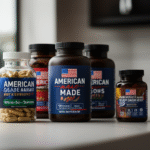
Pharmacist-recommended brands are often more expensive than store brands, but not automatically better. To answer “How do pharmacist-recommended brands compare in price to other vitamin brands?”, compare the daily dose, nutrient form, testing, and days of supply—not just the bottle’s sticker price.
A basic vitamin D or B12 supplement from Nature Made, Kirkland Signature, or a reputable store brand may deliver excellent value. Premium names such as Thorne or Pure Encapsulations can justify a higher cost when you need specialized forms, allergen-free ingredients, practitioner guidance, or more extensive quality controls.
One of our pharmacists once helped a customer replace a four-capsule “premium wellness” blend with a simpler, independently verified single-nutrient product. The customer saved money, reduced pill fatigue, and finally took the supplement consistently. The glamorous bottle lost; the boring math won. 🧮
Key Takeaways
- Pharmacist-recommended vitamins often cost more, but the premium varies by nutrient and brand.
- Store brands can offer excellent value when the ingredient, dose, form, serving size, and quality testing are comparable.
- Calculate cost per day and cost per active nutrient, not merely cost per bottle.
- Third-party verification, such as USP Verified or NSF Certified, may justify a higher price, but it does not prove you need the supplement.
- Premium brands are most defensible for specialized formulations, improved tolerability, allergen-free products, or clinically appropriate nutrient forms.
- The cheapest product is not always the best value if it contains an unsuitable dose, requires many capsules, or causes side effects.
- Ask a pharmacist before combining supplements with medicines, especially blood thinners, thyroid medication, antibiotics, or diabetes drugs.
Table of Contents
- ⚡️ Quick Tips and Facts: Pharmacist-Recommended Vitamins vs. Other Brands
- 🧭 Pharmacist-Recommended Vitamin Brands: What the Label Really Means
- Pharmacist endorsement, professional-grade supplements, and third-party testing
- Prescription drugs, over-the-counter vitamins, and dietary supplements
- Why two bottles with similar ingredients can have different prices
- 💰 How Pharmacist-Recommended Brands Compare in Price
- Retail, online, wholesale-club, and subscription pricing
- Cost per serving vs. cost per bottle
- Price per active ingredient and clinically relevant dose
- Budget, mid-range, and premium supplement categories
- 📊 1. Multivitamins: Pharmacy Brands vs. Mainstream Alternatives
- One-a-day formulas, women’s vitamins, men’s vitamins, and senior multivitamins
- Comparing Centrum, One A Day, Nature Made, Kirkland Signature, and Thorne
- Dosage, nutrient forms, and unnecessary add-ons
- 🦴 2. Calcium, Vitamin D, and Bone Health Supplements
- Comparing Caltrate, Citracal, Nature Made, and store-brand products
- Absorption, formulation, and cost per usable dose
- When a cheaper vitamin D supplement may be perfectly adequate
- 🧠 3. Specialty Supplements: Magnesium, Omega-3, Probiotics, and More
- Magnesium glycinate, citrate, and oxide price comparisons
- Fish oil quality, EPA/DHA content, and oxidation testing
- Probiotic strains, colony-forming units, and refrigeration costs
- Iron, B12, folate, and prenatal vitamin pricing
- 🏷️ 4. Store Brands and Generic Vitamins: Are They Cheaper Without Being Worse?
- CVS Health, Walgreens, Rite Aid, Walmart, Target, and Costco options
- When generic vitamins match name-brand products
- When a low price can signal a meaningful difference
- 🔬 What Are You Paying For? Quality, Testing, and Manufacturing Standards
- USP Verified, NSF Certified, ConsumerLab, and Informed-Choice seals
- Good Manufacturing Practices and supplement quality control
- Third-party testing vs. marketing claims
- Bioavailability, ingredient sourcing, and patented nutrient forms
- 🧾 Reading Supplement Labels Like a Pharmacist
- Serving size, dosage, and daily value percentages
- Active ingredients, excipients, fillers, and allergens
- Expiration dates, lot numbers, and storage instructions
- Proprietary blends and misleading “high potency” claims
- 🛒 Where You Buy Vitamins Can Change the Final Cost
- Pharmacy counters and pharmacist consultations
- Online marketplaces, direct-to-consumer websites, and auto-delivery
- Amazon vitamin shopping: authorized sellers, counterfeits, and storage
- Coupons, loyalty programs, rebates, and warehouse-club savings
- ⚖️ Are Pharmacist-Recommended Vitamins Worth the Premium?
- When paying more may make sense
- When a less expensive brand is the smarter choice
- Value, convenience, tolerability, and adherence
- 🚩 Red Flags: When a Cheap or Expensive Supplement Is a Bad Buy
- Unproven health claims and miracle-cure language
- Megadoses, stacking products, and nutrient toxicity
- Unclear sellers, counterfeit products, and tampered packaging
- Expired, heat-damaged, or improperly stored supplements
- 💊 Safety, Drug Interactions, and Pharmacist Guidance
- Common medication and vitamin interactions
- Blood thinners, thyroid medicine, antibiotics, and diabetes drugs
- Kidney disease, liver disease, pregnancy, and surgery precautions
- How to build a complete medication and supplement list
- 🧮 How to Compare Vitamin Prices Fairly: A Pharmacist’s Checklist
- Step 1: Match the ingredient and daily dose
- Step 2: Compare servings, capsules, and days of supply
- Step 3: Check certifications and testing evidence
- Step 4: Calculate the true monthly cost
- Step 5: Factor in tolerability, convenience, and adherence
- 🧪 How Much Do Pharmacist-Recommended Brands Cost Compared With Other Vitamin Brands?
- A practical price-comparison framework without misleading sticker prices
- Why premium brands may cost more per capsule
- Why store brands often deliver strong value
- The hidden cost of ineffective or unnecessary supplements
- ✅ Smart Ways to Save Money on High-Quality Vitamins
- Buy only nutrients you actually need
- Choose simple formulas oversized blends
- Use pharmacist advice before upgrading to a premium brand
- Compare independent testing instead of flashy packaging
- 📋 Quick Comparison: Pharmacist-Recommended, Name-Brand, and Store-Brand Vitamins
- Quality and testing
- Ingredient forms and dosage options
- Convenience and availability
- Typical value for money
- ❓ FAQ: Pharmacist-Recommended Vitamin Brand Pricing
- Are pharmacist-recommended vitamins more expensive than store brands?
- Are expensive vitamins better than cheap vitamins?
- What vitamin brands do pharmacists commonly recommend?
- Is Nature Made a pharmacist-recommended brand?
- Are Centrum and One A Day worth the cost?
- Are Costco and Walmart vitamins safe and effective?
- What does USP Verified mean on a vitamin bottle?
- Should I buy vitamins from Amazon or a pharmacy?
- How can I compare the cost per serving of supplements?
- Can a pharmacist help me choose a cheaper equivalent?
- When should I stop taking a vitamin or ask my doctor?
- 🏁 Conclusion
- 🔗 Recommended Links
- 📚 Reference Links
⚡️ Quick Tips and Facts: Pharmacist-Recommended Vitamins vs. Other Brands
Our first practical takeaway: pharmacist-recommended vitamins can cost more, but the premium is not automatically proof of better nutrition. For a useful starting point, see our guide to pharmacist-recommended vitamin brands, then compare the label, dose, testing, and cost per day rather than judging the bottle by its glossy armor.
- ✅ Compare cost per serving, not just the bottle price.
- ✅ Look for transparent labeling and credible quality verification, such as USP Verified.
- ✅ Check the actual nutrient form. Magnesium glycinate and magnesium oxide are not interchangeable for every purpose.
- ✅ A store brand can be excellent when it supplies the same nutrient, dose, and quality controls.
- ❌ “Pharmacist recommended” is not an FDA approval category.
- ❌ More ingredients, brighter gummies, and “mega potency” do not automatically mean more benefit.
- ⚠️ Supplements can interact with medicines. The FDA explains that dietary supplements may affect medicines and medical conditions.
A fast value formula
Use this simple calculation:
Cost per day = purchase cost ÷ number of daily servings
Then ask:
- Does one serving contain the nutrient you actually need?
- Is the dose clinically sensible?
- Is the product independently tested?
- Will you take it consistently?
- Is the premium buying meaningful quality, or merely clever packaging?
That last question is where the plot thickens. A $12 bottle can be expensive if you need four tablets daily and receive a weak dose. A premium capsule can be reasonable if one daily serving solves a specific problem and has strong quality documentation.
🧭 Pharmacist-Recommended Vitamin Brands: What the Label Really Means
“Pharmacist recommended” usually describes professional familiarity, clinical practicality, and product availability, not a formal certification. Pharmacists may favor brands that provide clear labels, consistent manufacturing, appropriate doses, and reliable distribution.
That is rather different from a product being “FDA approved.” The FDA explains that dietary supplements are regulated differently from prescription medicines and are generally not approved for safety and effectiveness before marketing.
Pharmacist endorsement, professional-grade supplements, and third-party testing
Pharmacists commonly assess:
- Ingredient identity: Is the listed nutrient actually present?
- Dose accuracy: Does the product deliver what its label promises?
- Manufacturing quality: Does the company follow current good manufacturing practices?
- Tolerability: Is it likely to cause stomach upset, constipation, reflux, or unpleasant aftertaste?
- Drug interactions: Could it interfere with warfarin, levothyroxine, antibiotics, or other medicines?
- Practicality: Can you find it again, swallow it, and afford it long enough to matter?
Brands frequently encountered in U.S. pharmacies include Nature Made, Centrum, One A Day, NOW Foods, Thorne, and Solgar. Their products differ considerably, so the brand name alone is not enough.
Prescription drugs, over-the-counter vitamins, and dietary supplements
The word “generic” also causes confusion. A generic prescription medicine must meet FDA requirements for active ingredient, strength, dosage form, route, and bioequivalence. The FDA’s generic-drug explanation says generic drugs must meet the same quality standards as brand-name drugs.
Vitamins do not work under precisely the same framework. A store-brand vitamin is not automatically a pharmaceutical generic equivalent. It may be a perfectly sensible alternative, but you should compare:
| What to compare | Why it matters |
|---|---|
| Nutrient identity | “Magnesium” does not tell you whether it is oxide, citrate, glycinate, or another form |
| Dose | A larger tablet may contain a smaller usable dose |
| Serving size | Two products may require different numbers of capsules |
| Quality verification | Independent testing can increase confidence in contents and purity |
| Excipients | Dyes, sweeteners, allergens, and binders may affect tolerability |
| Storage | Heat and humidity can affect some products, especially probiotics and oils |
Why two bottles with similar ingredients can have different prices
Price differences may reflect:
- Third-party testing
- Specialized nutrient forms
- Organic certification
- Smaller production batches
- Practitioner distribution
- Better packaging for moisture or oxidation control
- Research and formulation work
- Retail markups, subscriptions, or convenience
But sometimes the difference is simply branding. A gold cap does not improve absorption. Neither does a leaf illustration, an inspirational mountain, or the phrase “advanced wellness matrix.”
The NIH Office of Dietary Supplements recommends looking beyond marketing claims and checking the Supplement Facts panel, serving size, and evidence behind the ingredient.
💰 How Pharmacist-Recommended Brands Compare in Price
The honest answer is: pharmacist-recommended brands often sit in the middle-to-premium range, but not consistently. Nature Made, for example, combines broad retail availability with USP verification on many products, while Thorne and some practitioner brands often charge more for specialized formulations and professional distribution.
A price comparison becomes meaningful only when the products are genuinely comparable.
Retail, online, wholesale-club, and subscription pricing
The same supplement may be sold through:
- Community pharmacies
- Grocery stores
- Warehouse clubs
- Brand websites
- Authorized online retailers
- Subscription programs
Nature Made states that eligible subscriptions offer 10% off and free shipping, with delivery intervals of 30, 45, 60, or 90 days on its subscription page. That may improve value, but only if you actually use the product and remember to pause shipments.
| Buying channel | Typical advantage | Potential drawback |
|---|---|---|
| Pharmacy | Pharmacist access and immediate availability | Convenience markup |
| Warehouse club | Larger bottles and lower unit cost | Upfront commitment and possible waste |
| Brand website | Subscription savings and product details | Auto-renewal risk |
| Major online retailer | Selection and reviews | Seller authenticity and storage concerns |
| Grocery store | Easy routine purchase | Fewer specialist options |
Cost per serving vs. cost per bottle
A bottle containing 120 capsules sounds like a bargain until the label says four capsules daily. That is a 30-day supply, not a four-month supply.
Use this worksheet:
| Calculation | Example method |
|---|---|
| Daily servings | Capsules in bottle ÷ serving size |
| Days supplied | Daily servings ÷ servings taken per day |
| Daily cost | Total purchase cost ÷ days supplied |
| Monthly estimate | Daily cost × 30 |
| Active-dose cost | Daily cost ÷ amount of target nutrient per day |
Do not compare a once-daily multivitamin with a four-capsule practitioner formula without acknowledging the convenience difference. Conversely, do not assume the four-capsule product is superior because the label looks busier.
Price per active ingredient and clinically relevant dose
For magnesium, compare elemental magnesium, not the total compound weight. For omega-3 products, compare combined EPA plus DHA, not “total fish oil.” For probiotics, compare the named strains and guaranteed colony-forming units through the expiration date.
This is where less expensive products can surprise you. A simple Nature Made vitamin D product may provide excellent value if you need vitamin D alone. A premium multivitamin containing vitamin D, herbs, enzymes, and adaptogens may be poor value if you only need vitamin D.
Budget, mid-range, and premium supplement categories
| Category | Common examples | What you may receive | What to scrutinize |
|---|---|---|---|
| Budget/store brand | Kirkland Signature, Walmart Equate, Target up&up | Basic nutrients and broad availability | Dose, form, testing, serving size |
| Mainstream name brand | Nature Made, Centrum, One A Day | Familiar formulations and retail access | Whether marketing exceeds meaningful differences |
| Premium/practitioner | Thorne, Pure Encapsulations, Designs for Health | Specialized forms and targeted formulas | Evidence, necessity, and ongoing affordability |
📊 1. Multivitamins: Pharmacy Brands vs. Mainstream Alternatives
Multivitamins are the classic comparison trap. The bottles look similar, yet formulas can differ in nutrient forms, iron content, serving size, and “bonus” ingredients.
Multivitamin comparison ratings
These are editorial value ratings, not clinical effectiveness scores. A product can score well for convenience while still being unsuitable for a particular person.
| Product/line | Label transparency | Convenience | Formula breadth | Value potential | Overall fit for general use |
|---|---|---|---|---|---|
| Nature Made Multivitamin | 9/10 | 9/10 | 8/10 | 9/10 | 9/10 |
| Centrum Adults | 8/10 | 9/10 | 8/10 | 8/10 | 8/10 |
| One A Day Multivitamin | 8/10 | 9/10 | 8/10 | 8/10 | 8/10 |
| Kirkland Signature Daily Multi | 8/10 | 8/10 | 8/10 | 9/10 | 8/10 |
| Thorne Basic Nutrients 2/Day | 9/10 | 8/10 | 8/10 | 7/10 | 8/10 |
| Pure Encapsulations O.N.E. Multivitamin | 9/10 | 8/10 | 8/10 | 7/10 | 8/10 |
One-a-day formulas, women’s vitamins, men’s vitamins, and senior multivitamins
“Women’s” and “men’s” formulas may differ in iron, zinc, vitamin K, or nutrient amounts, but the labels deserve scrutiny. A women’s multivitamin is not automatically better for every woman, and a men’s formula does not need an expensive “performance” halo.
Our internal guides to multivitamin supplements, best vitamins for women, and best vitamins for men can help organize those comparisons.
What to check
- Iron: Useful for some people, unnecessary or problematic for others.
- Vitamin A: Retinol and beta-carotene are not identical.
- Vitamin K: Relevant if you use warfarin.
- B12: Forms vary, but dose and need matter more than clever wording.
- Calcium: Many multivitamins contain little because calcium tablets become bulky.
- Botanicals: Extra herbs may add interaction risk without adding proven value.
Comparing Centrum, One A Day, Nature Made, Kirkland Signature, and Thorne
The first video’s perspective, available at #featured-video, criticizes mass-market gummies and some mainstream tablets for relying on sweeteners, synthetic ingredients, and packaging psychology. That criticism raises a useful question, but it should not be treated as a blanket scientific verdict that every mainstream product is ineffective.
For example:
- Nature Made highlights USP testing and broad availability.
- Centrum offers many age- and sex-specific formulations, but formulas vary by product.
- One A Day emphasizes convenient demographic-specific options.
- Kirkland Signature often competes strongly on value and larger package sizes.
- Thorne generally offers more specialized formulations and practitioner-oriented positioning.
A brand comparison should therefore be product-specific, not personality-based. The phrase “synthetic” alone does not prove a nutrient is unsafe or useless. The NIH explains that nutrient effects depend on dose, form, biology, and the health question being asked.
Dosage, nutrient forms, and unnecessary add-ons
A common mistake is choosing the multivitamin with the longest ingredient list. In practice, a shorter formula may be easier tolerate and easier to evaluate.
✅ Favor:
- Clearly listed nutrient amounts
- Sensible doses
- Appropriate iron content
- Independent quality verification
- A serving size you can maintain
❌ Be cautious with:
- Huge doses of vitamin B6
- Multiple overlapping “energy” products
- Herbal blends without standardized amounts
- Gummy formulas that add sugar but omit important minerals
- Claims that the product “detoxes” or “boosts immunity” without meaningful evidence
🦴 2. Calcium, Vitamin D, and Bone Health Supplements
Bone-health products demonstrate why formulation can affect price and convenience. Calcium carbonate is usually best absorbed with food, while calcium citrate can be taken with or without food and may be preferable for some people with reduced stomach acid.
Calcium and vitamin D product ratings
| Product/line | Formulation clarity | Ease of use | Value potential | Tolerability considerations | Overall |
|---|---|---|---|---|---|
| Nature Made Vitamin D3 | 9/10 | 9/10 | 9/10 | 9/10 | 9/10 |
| Citracal Calcium Citrate | 9/10 | 8/10 | 8/10 | 9/10 | 9/10 |
| Caltrate Calcium + D3 | 8/10 | 8/10 | 8/10 | 8/10 | 8/10 |
| Kirkland Signature Calcium | 8/10 | 7/10 | 9/10 | 7/10 | 8/10 |
Comparing Caltrate, Citracal, Nature Made, and store-brand products
The NIH calcium fact sheet explains that absorption is generally best when calcium is taken in amounts of 500 mg or less at one time. That detail can matter more than the logo on the bottle.
| Product type | Potential strength | Potential weakness |
|---|---|---|
| Calcium carbonate | Often compact and economical | Best taken with food; may cause constipation |
| Calcium citrate | Useful with or without food; often easier for some people | More tablets may be required |
| Vitamin D3 alone | Simple if vitamin D is the only need | Does not supply calcium |
| Combination calcium plus D | Convenient | May encourage unnecessary calcium intake |
Absorption, formulation, and cost per usable dose
Take these steps:
- Identify the calcium form.
- Find the elemental calcium amount.
- Check how many tablets make one serving.
- Determine whether food is required.
- Check for interactions with thyroid medicine and certain antibiotics.
- Calculate the daily cost based on the actual recommended dose.
One of our pharmacists recalls a patient who bought a bargain calcium bottle, then stopped after a week because the tablets caused constipation. The “cheap” option became wasted money. A better-tolerated product taken consistently can be the better value, even if its unit cost is higher.
When a cheaper vitamin D supplement may be perfectly adequate
If your clinician recommends vitamin D and you do not need calcium, a straightforward vitamin D3 product may be all you need. The NIH vitamin D fact sheet explains vitamin D’s role in calcium absorption and bone health, but testing and individualized advice matter, particularly for people with kidney disease, malabsorption, or conditions affecting calcium balance.
🧠 3. Specialty Supplements: Magnesium, Omega-3, Probiotics, and More
Specialty supplements are where price comparisons become especially slippery. “Magnesium” is not one product. “Fish oil” is not one dose. “Probiotic” is not one organism.
Magnesium glycinate, citrate, and oxide price comparisons
The video linked at #featured-video recommends magnesium glycinate over magnesium oxide, but the best choice depends on the goal.
| Magnesium form | Common reason people choose it | Common drawback |
|---|---|---|
| Magnesium glycinate | Often well tolerated; popular for evening use | May cost more; marketing can outrun evidence |
| Magnesium citrate | Often used when a laxative effect is useful | Can cause loose stools |
| Magnesium oxide | High elemental magnesium per tablet and often inexpensive | Lower absorption than several other forms; may cause gastrointestinal effects |
| Magnesium malate | Used in some specialty formulas | Less robust evidence for broad claims |
The NIH magnesium fact sheet notes that supplement forms vary in absorption and laxative effects. Compare elemental magnesium, not the total weight of the magnesium compound.
Fish oil quality, EPA/DHA content, and oxidation testing
A bottle may advertise 1,000 mg of fish oil but contain far less than 1,000 mg of combined EPA and DHA. Check the Supplement Facts panel.
| Label detail | What it tells you |
|---|---|
| Total fish oil | Weight of the entire oil mixture |
| EPA | One important omega-3 fatty acid |
| DHA | Another important omega-3 fatty acid |
| Serving size | Number of capsules needed |
| IFOS or other testing | May provide information on purity and oxidation |
| Enteric coating | May reduce fishy aftertaste for some users |
The NIH omega-3 fact sheet provides evidence-based context and cautions that high-dose omega-3 use deserves medical guidance, especially with anticoagulants.
Probiotic strains, colony-forming units, and refrigeration costs
A probiotic’s identity should include the genus, species, and strain, such as Lactobacillus rhamnosus GG. A giant CFU number without strain information is not automatically impressive.
Look for:
- Strain-specific research
- Guaranteed CFUs through expiration
- Storage instructions
- Clear allergen statements
- A reason for taking that particular organism
Probiotics may be more expensive because of stability requirements, but the premium is only worthwhile if the strain is relevant to your goal. The NIH probiotics fact sheet emphasizes that effects vary by strain and health condition.
Iron, B12, folate, and prenatal vitamin pricing
These nutrients deserve individualized selection:
- Iron: Can cause constipation and is not appropriate for everyone.
- B12: Deficiency risk rises with certain diets, gastrointestinal conditions, and medications.
- Folate: People who can become pregnant need appropriate folate intake, but prenatal products should be selected carefully.
- Iodine: Important in pregnancy, yet not every product contains the same amount.
- Choline: Often overlooked in prenatal formulas.
For pregnancy, ask a clinician or pharmacist rather than selecting a product based on influencer enthusiasm. The American College of Obstetricians and Gynecologists provides nutrition guidance for pregnancy.
🏷️ 4. Store Brands and Generic Vitamins: Are They Cheaper Without Being Worse?
Often, yes. A store brand may offer strong value when it matches a name-brand product on nutrient, dose, serving size, and quality verification.
CVS Health, Walgreens, Rite Aid, Walmart, Target, and Costco options
Common store brands include:
- CVS Health vitamins
- Walgreens vitamins
- Walmart Equate vitamins
- Target up&up vitamins
- Kirkland Signature vitamins
- Rite Aid’s vitamin selection, where available
Availability and formulas change, so inspect the current label rather than relying on an old review.
When generic vitamins match name-brand products
A store brand may be a sensible substitute when:
- The active ingredient is the same.
- The dose is the same.
- The serving size is comparable.
- The form is appropriate.
- The product has credible manufacturing or testing information.
- It fits your dietary restrictions.
- You can tolerate it.
For a simple vitamin D3 or basic B12 supplement, paying extra may not provide a meaningful advantage.
When a low price can signal a meaningful difference
A lower-cost product deserves extra scrutiny when:
- The serving requires many more pills.
- The formula uses a less suitable nutrient form.
- The product omits relevant EPA/DHA amounts.
- The expiration-date guarantee is unclear.
- Testing information is vague.
- The product is sold by an unfamiliar third party.
- Gummies contain substantial sugar and little of the nutrient you need.
The correct lesson from the video’s criticism of mass-market supplements is not “all inexpensive vitamins are bad.” It is read the label and verify the product.
🔬 What Are You Paying For? Quality, Testing, and Manufacturing Standards
When a premium supplement costs more, ask what the premium buys. “Clinically formulated” sounds impressive, but it can mean many things.
USP Verified, NSF Certified, ConsumerLab, and Informed-Choice seals
These programs are not identical:
| Verification or certification | What it may assess |
|---|---|
| USP Verified | Product quality, potency, contaminants, and manufacturing controls |
| NSF Certified | Testing and facility standards, depending on program |
| ConsumerLab | Independent product testing and comparative reviews |
| Informed-Choice | Focus on prohibited-substance testing for sports products |
A seal can increase confidence, but it does not prove that the supplement will improve your health. It answers “does the product meet specified quality criteria?” rather than “do you personally need it?”
Good Manufacturing Practices and supplement quality control
The FDA’s current good manufacturing practice guidance addresses identity, purity, strength, composition, and contamination control.
Look for companies that explain:
- Where products are manufactured
- How ingredients are verified
- Whether finished products are tested
- How complaints and recalls are handled
- How lot numbers can be traced
Third-party testing vs. marketing claims
A logo printed by the manufacturer is not the same as an independent certificate you can verify. Follow the seal to the certifier’s database when possible.
✅ Stronger evidence:
- Public verification database
- Batch or lot transparency
- Clear testing methodology
- Certificate tied to the actual product
❌ Weaker evidence:
- “Pharmaceutical grade” without documentation
- “Doctor formulated” without named clinical evidence
- “Clean” without a defined standard
- Testimonials replacing testing data
Bioavailability, ingredient sourcing, and patented nutrient forms
Some branded forms have research behind them, but a patented ingredient is not automatically more effective. Consider:
- Is the study on the exact ingredient?
- Was the study performed in humans?
- Was the dose comparable?
- Did it measure a meaningful health outcome?
- Is the claimed advantage large enough to justify the premium?
This is one place where our team tends to be conservative. If a standard form works, is tolerated, and is well tested, we do not recommend paying extra merely because the alternative has a trademark symbol.
🧾 Reading Supplement Labels Like a Pharmacist
The label is where a vitamin brand must stop performing and start proving.
Serving size, dosage, and daily value percentages
Read in this order:
- Serving size
- Servings per container
- Amount per serving
- Percent Daily Value
- Other ingredients
- Directions and warnings
The FDA explains how to read a Supplement Facts label and why serving size matters.
A product showing 200% Daily Value is not necessarily twice as beneficial as one showing 100%. Some nutrients have established upper limits, and fat-soluble vitamins can accumulate.
Active ingredients, excipients, fillers, and allergens
“Other ingredients” may include:
- Capsule materials
- Rice flour
- Magnesium stearate
- Silicon dioxide
- Colors
- Sweeteners
- Preservatives
- Dairy, soy, wheat, or gelatin
Most excipients are used in small quantities and are not inherently harmful, but they can matter for allergies, intolerances, vegan diets, and personal preferences.
Expiration dates, lot numbers, and storage instructions
Avoid products with:
- Missing expiration dates
- Damaged seals
- Smudged lot numbers
- Unusual odors
- Moisture or clumping
- Foreign-language labels without proper U.S. labeling
- Sellers who cannot explain storage conditions
This is particularly important for probiotics, fish oil, and products shipped during hot weather.
Proprietary blends and misleading “high potency” claims
A proprietary blend may list total blend weight but hide each ingredient’s amount. That makes both value and safety difficult to assess.
“High potency” can also be misleading:
- A high dose may be unnecessary.
- A high percentage Daily Value may increase side effects.
- A large botanical blend may contain too little of each ingredient to matter.
- A larger number is not a quality certificate.
🛒 Where You Buy Vitamins Can Change the Final Cost
A product’s final value includes more than its label. Shipping, subscriptions, returns, storage, and seller reliability all matter.
Pharmacy counters and pharmacist consultations
Buying from a pharmacy can provide:
- Immediate access to a pharmacist
- Medication-interaction screening
- Help selecting a lower-cost alternative
- Clarification about timing and dose
- Advice on whether supplementation is necessary
That professional input may prevent a more expensive mistake, such as buying calcium when your diet already supplies plenty or combining several products containing vitamin B6.
Online marketplaces, direct-to-consumer websites, and auto-delivery
Online shopping offers selection and convenience, but check:
- Seller identity
- “Ships from” and “sold by” information
- Product seal
- Expiration date
- Return policy
- Storage history
- Subscription terms
A low price is not a bargain if the product arrives damaged or the seller is untraceable.
Amazon vitamin shopping: authorized sellers, counterfeits, and storage
For products such as Thorne Basic Nutrients, Nature Made Vitamin D, or Nordic Naturals Omega-3, prefer the manufacturer or an authorized seller when possible.
Do not rely solely on reviews. Reviews can reflect shipping, expectations, or an older formula rather than laboratory quality.
Coupons, loyalty programs, rebates, and warehouse-club savings
Savings strategies include:
- Comparing the same product across retailers
- Checking manufacturer coupons
- Using subscriptions only when genuinely useful
- Buying a reasonable supply, not an enormous one
- Avoiding duplicate products
- Asking a pharmacist about store-brand equivalents
The cheapest bottle is not always the lowest annual cost. Unused supplements have a remarkable talent for becoming expensive kitchen décor.
⚖️ Are Pharmacist-Recommended Vitamins Worth the Premium?
Sometimes. The answer depends on what problem the premium solves.
When paying more may make sense
A higher-cost product may be reasonable when it offers:
- A clinically relevant nutrient form
- Better tolerability
- Independent verification
- A dose that reduces the number of pills
- Allergen-free or vegetarian construction
- Reliable cold-chain or stability protection
- A specialized formulation recommended by your clinician
For example, someone who cannot tolerate standard iron may reasonably pay more for a better-tolerated formulation, provided their clinician agrees.
When a less expensive brand is the smarter choice
Choose the lower-cost option when:
- The active nutrient and dose match.
- Testing and manufacturing information are comparable.
- The product is appropriate for your needs.
- You tolerate it well.
- You can take it consistently.
A basic, verified vitamin D supplement can beat a luxurious “whole-body wellness” blend if vitamin D is the only identified need.
Value, convenience, tolerability, and adherence
We have seen people buy premium supplements, take them sporadically, then conclude that “vitamins do not work.” The product may not have failed; the plan did.
The best value is the product that is:
- Appropriate
- Safe
- Tolerable
- Affordable
- Taken consistently
That five-part definition is more useful than a simplistic budget-versus-premium argument.
🚩 Red Flags: When a Cheap or Expensive Supplement Is a Bad Buy
Unproven health claims and miracle-cure language
Be wary of claims to:
- Cure disease
- Replace prescription medicine
- Melt fat without lifestyle changes
- Detox the liver
- Reverse aging
- Balance every hormone
- Guarantee immunity
The Federal Trade Commission warns that health claims require appropriate substantiation.
Megadoses, stacking products, and nutrient toxicity
Stacking a multivitamin, energy drink, beauty supplement, and “immune” product can produce excessive intake of vitamin A, B6, niacin, zinc, or selenium.
Keep a complete list of:
- Prescription medicines
- Over-the-counter medicines
- Vitamins
- Powders
- Gummies
- Herbal teas
- Fortified drinks
Unclear sellers, counterfeit products, and tampered packaging
Do not use a product if:
- No prescription is required for a medicine that normally requires one.
- The seller refuses to identify the manufacturer.
- The packaging is unsealed.
- The label lacks a lot number or expiration date.
- The product makes dramatic claims without evidence.
- The product arrives hot, wet, or visibly damaged.
Expired, heat-damaged, or improperly stored supplements
Heat and humidity can reduce quality, especially for oils, probiotics, and some botanical products. Store supplements according to label directions and avoid leaving them in a hot car or steamy bathroom.
💊 Safety, Drug Interactions, and Pharmacist Guidance
Common medication and vitamin interactions
Examples include:
| Supplement | Medication or situation | Concern |
|---|---|---|
| Vitamin K | Warfarin | Can affect anticoagulation |
| Calcium | Levothyroxine, some antibiotics | Can reduce absorption if taken too close together |
| Iron | Levothyroxine, certain antibiotics | Timing interaction and gastrointestinal effects |
| Magnesium | Some antibiotics and bisphosphonates | May bind medicines and reduce absorption |
| Fish oil | Anticoagulants or bleeding disorders | Discuss higher doses with a clinician |
| St. John’s wort | Many medicines | Can alter drug metabolism |
| High-dose vitamin E | Anticoagulants | May increase bleeding concern |
The NHS levothyroxine guidance and MedlinePlus warfarin information provide practical medication-specific examples.
Blood thinners, thyroid medicine, antibiotics, and diabetes drugs
Separate minerals from medications when instructed, and never assume “natural” means interaction-free. Bring the bottle or a photograph of the label to your pharmacist.
Kidney disease, liver disease, pregnancy, and surgery precautions
Extra caution is needed with:
- High-dose vitamin A
- Potassium
- Magnesium
- Calcium
- Herbal products
- Weight-loss supplements
- Products containing multiple stimulants
Before surgery, ask your surgical team which supplements to stop and when. Do not discontinue a prescribed medicine without medical advice.
How to build a complete medication and supplement list
Include:
- Product name
- Strength
- Form
- Number taken
- Time taken
- Reason for use
- Start date
- Prescriber or retailer
This list turns a vague conversation into a useful clinical review.
🧮 How to Compare Vitamin Prices Fairly: A Pharmacist’s Checklist
Step 1: Match the ingredient and daily dose
Do not compare:
- Magnesium oxide with magnesium glycinate without noting the form.
- Fish oil with EPA/DHA.
- A children’s dose with an adult dose.
- A prenatal vitamin with a general multivitamin.
- A one-capsule serving with a four-capsule serving.
Step 2: Compare servings, capsules, and days of supply
Calculate the actual number of days. Then account for missed doses, expiration, and whether you will realistically finish the container.
Step 3: Check certifications and testing evidence
Verify seals on the certifier’s website. A claim that cannot be checked is a claim, not proof.
Step 4: Calculate the true monthly cost
Include:
- Product cost
- Shipping
- Subscription commitments
- Required companion products
- Number of capsules
- Replacement due to intolerance or spoilage
Step 5: Factor in tolerability, convenience, and adherence
The “best” value is not the least expensive tablet. It is the product that delivers the intended nutrient safely and consistently.
🧪 How Much Do Pharmacist-Recommended Brands Cost Compared With Other Vitamin Brands?
A practical price-comparison framework without misleading sticker prices
In broad terms:
- Basic store brands often have the lowest unit cost.
- Mainstream pharmacist-familiar brands often cost modestly more, especially when third-party verification and convenient formulations are included.
- Premium practitioner brands commonly cost more per serving, particularly for specialized forms, allergen-free formulas, and professional distribution.
But there is no universal “pharmacist premium.” Nature Made may be competitively priced for a USP-verified basic vitamin, while Thorne may cost more for a multi-ingredient formula. A Costco product may have a low cost per serving but a larger purchase quantity.
Why premium brands may cost more per capsule
Possible reasons include:
- More rigorous testing
- Specialized raw materials
- Smaller batches
- Fewer excipients
- Practitioner distribution
- More expensive packaging
- Higher customer-support or research costs
These reasons should be documented, not assumed.
Why store brands often deliver strong value
Store brands can be excellent for:
- Vitamin D
- Basic B12
- Simple multivitamins
- Calcium products
- Straightforward vitamin C
The savings are most meaningful when the store product matches the desired dose and quality standard.
The hidden cost of ineffective or unnecessary supplements
The greatest waste is not always a cheap product. It is buying:
- A supplement you do not need
- A formula you cannot tolerate
- A product you cannot take consistently
- Multiple overlapping products
- A product whose claims exceed its evidence
A pharmacist consultation can save more than a coupon when it prevents unnecessary shopping.
✅ Smart Ways to Save Money on High-Quality Vitamins
Buy only nutrients you actually need
Use diet history, symptoms, laboratory testing, medical conditions, and clinician advice. More testing is not always necessary, but guessing can become expensive.
Choose simple formulas oversized blends
A single nutrient often makes comparison easier and reduces overlap. This approach is especially useful for vitamin D, B12, magnesium, and iron.
Use pharmacist advice before upgrading to a premium brand
Ask:
- Is there a verified store-brand equivalent?
- Does the premium form have evidence for my specific goal?
- Do I need this dose?
- Could the product interact with my medicine?
- Is there a simpler option?
Compare independent testing instead of flashy packaging
A plain bottle with transparent testing may provide better value than a beautiful bottle with vague “clean wellness” language.
📋 Quick Comparison: Pharmacist-Recommended, Name-Brand, and Store-Brand Vitamins
| Category | Pharmacist-recommended option | Mainstream name brand | Store brand |
|---|---|---|---|
| Quality | Often selected for transparency and consistency | Usually standardized within product lines | Varies by product and retailer |
| Price | Moderate to premium | Low to moderate, sometimes premium | Often lowest unit cost |
| Availability | Pharmacy, online, practitioner channels | Broad retail availability | Retailer-specific |
| Formulation | May offer targeted nutrient forms | Broad demographic options | Often simpler formulas |
| Testing | May include USP, NSF, or company testing | Varies by product | Must be checked individually |
| Best use | Specific needs and professional guidance | Convenience and familiarity | Budget-conscious basics |
| Main risk | Paying for extras you do not need | Assuming a famous brand guarantees quality | Assuming low cost means equivalence |
❓ FAQ: Pharmacist-Recommended Vitamin Brand Pricing

Are pharmacist-recommended vitamin brands worth the higher price?
Sometimes. The premium is more defensible when it provides verified quality, a useful nutrient form, better tolerability, or a clinically appropriate dose. It is not automatically justified by professional-sounding language.
What should justify the premium?
Look for:
- Independent verification
- Clear ingredient forms
- Useful dose
- Fewer unnecessary ingredients
- Better tolerability
- Reliable availability
If a lower-cost product offers the same features, choose it confidently.
Read more about “🌟 Nature Made Magnesium: The Ultimate 2026 Guide to Sleep & Recovery”
How do pharmacist-recommended supplements compare with store-brand vitamins?
Store brands can match or outperform pharmacist-familiar brands for straightforward nutrients. The comparison depends on the exact product, not the retailer’s logo.
When is a store brand a reasonable choice?
Choose it when the dose, form, serving size, quality information, and allergen profile meet your needs. Ask your pharmacist to compare labels side by side.
Read more about “Are Nature Made Vitamins 3rd Party Tested? The Truth (2026) ✅”
Which vitamin brands offer the best value for money?
For many basic supplements, Nature Made, Kirkland Signature, NOW Foods, and selected store brands can offer strong value. For specialized formulations, Thorne, Pure Encapsulations, and Solgar may be worth considering when their specific features matter.
Is there one best brand?
No. The best value depends on:
- Nutrient
- Dose
- Form
- Testing
- Tolerability
- Supply length
- Your medical context
Read more about “🌟 12 Best Personalized Vitamin Subscription Brands (2026)”
Are expensive vitamin supplements more effective than budget alternatives?
Usually not simply because they are expensive. Price may reflect quality controls or specialized ingredients, but effectiveness depends on the nutrient, dose, formulation, and your need for it.
What evidence matters most?
Prefer human clinical evidence on the exact ingredient and dose. Independent testing improves confidence that you are receiving what the label says, but it does not prove a health benefit for every user.
Read more about “🏆 15 Top Vitamin Brands & What Makes a Great Name (2026)”
Does USP verification mean a vitamin works better?
No. USP verification supports confidence in identity, potency, purity, and manufacturing controls. It does not establish that a person needs the product or that it will produce a particular health outcome.
Read more about “🇺🇸 15 Top Vitamin Brands Made in USA (2026)”
Are gummies a good value compared with tablets or capsules?
Gummies may improve adherence for people who cannot swallow pills, but they can contain sugar, require multiple servings, and omit minerals such as magnesium or calcium. Compare nutrient amounts and added ingredients rather than assuming gummies are more enjoyable and therefore better.
Read more about “Best Multivitamins for Women: Top 7 Picks to Boost Your Health (2026) 🌟”
Should I buy a multivitamin or individual vitamins?
A multivitamin can be convenient, while individual nutrients allow more precise dosing and less overlap. If you need only vitamin D or B12, a targeted product may be more economical and clinically sensible.
Read more about “Do Pharmacists Play Favorites with Vitamins?”
Can a pharmacist help me find a cheaper equivalent?
Yes. Bring the product label and ask the pharmacist to compare:
- Active ingredient
- Dose
- Form
- Serving size
- Testing
- Interactions
- Storage requirements
This is often the fastest way to identify a lower-cost alternative without sacrificing important features.
What should I do if a supplement causes side effects?
Stop and seek advice promptly if symptoms are severe, unexpected, or worsening. For milder symptoms, contact a pharmacist or clinician before restarting. Record the product, dose, lot number, and timing of symptoms, and report suspected serious problems through the FDA Safety Reporting Portal.
Read more about “🚫 No FDA-Approved Vitamin Brands? The 7 Truths You Need (2026)”
🏁 Conclusion

Pharmacist-recommended vitamin brands are often more expensive than basic store brands, but not automatically better. Their value depends on what you are buying: a verified dose, a more tolerable form, clearer testing, or simply a familiar label.
Our confident recommendation is simple:
- Start with your actual nutrient need.
- Compare the form, dose, serving size, and days of supply.
- Look for credible independent testing.
- Ask a pharmacist about medication interactions.
- Choose the least expensive product that meets those standards and that you will take consistently.
The unresolved mystery from earlier has a pleasantly unglamorous answer: the best vitamin value is rarely hidden in the fanciest bottle. It is usually found in the label’s small print, the pharmacist’s questions, and the product you can safely use every day.
🔗 Recommended Links
Vitamin and supplement shopping
- Nature Made: Amazon | Nature Made Official Website
- Centrum: Amazon | Centrum Official Website
- One A Day: Amazon | One A Day Official Website
- Kirkland Signature Vitamins: Amazon | Costco Official Website
- Thorne: Amazon | Thorne Official Website
- Pure Encapsulations: Amazon | Pure Encapsulations Official Website
- Solgar: Amazon | Solgar Official Website
- NOW Foods: Amazon | NOW Foods Official Website
- Nordic Naturals Omega-3: Amazon | Nordic Naturals Official Website
Vitamin Brands™ resources
- Essential Vitamins
- Health Supplements
- Multivitamin Supplements
- Best Vitamins for Women
- Best Vitamins for Men
- Pharmacist-Recommended Vitamin Brands
Related books
📚 Reference Links
- FDA: Dietary Supplements
- FDA: Dietary Supplement Labeling
- FDA: Current Good Manufacturing Practices for Dietary Supplements
- FDA: Generic Drugs: Questions & Answers
- NIH Office of Dietary Supplements
- NIH: Calcium Fact Sheet
- NIH: Vitamin D Fact Sheet
- NIH: Magnesium Fact Sheet
- NIH: Omega-3 Faty Acids Fact Sheet
- NIH: Probiotics Fact Sheet
- USP Verified Products
- NSF Dietary Supplement Certification
- ConsumerLab
- Informed-Choice Certification
- Federal Trade Commission: Health Products Compliance Guidance
- MedlinePlus: Warfarin
- NHS: Levothyroxine
- ACOG: Nutrition During Pregnancy