Support our educational content for free when you purchase through links on our site. Learn more
Daily Vitamin Intake Recommendations: 12 Essentials You Need Daily! 🌟

When it comes to daily vitamin intake recommendations, the truth is simple: you need a balanced mix of 12 essential vitamins tailored to your age, lifestyle, and health status to thrive. Skipping this can leave you feeling sluggish, vulnerable to illness, or worse—unaware of hidden deficiencies quietly sabotaging your wellbeing.
Did you know that nearly 40% of adults in the U.S. don’t get enough vitamin D, a key player in bone and immune health? That’s just one example of why understanding your daily vitamin needs isn’t just smart—it’s vital. Whether you’re a busy parent, an athlete, or someone who just wants to feel their best, knowing exactly how much of each vitamin to take can transform your health journey.
Let’s cut through the confusion and get you the facts you need to make confident, informed choices about your daily vitamin intake.
Key Takeaways
- 12 essential vitamins including A, B-complex, C, D, E, and K form the foundation of daily vitamin intake recommendations.
- Daily Values (DVs) on labels provide a helpful baseline but personal needs vary by age, sex, and health conditions.
- Fat-soluble vitamins (A, D, E, K) require careful dosing to avoid toxicity, while water-soluble vitamins (B, C) need regular replenishment.
- Whole foods are the best source, but quality supplements like Garden of Life and Thorne Research can fill nutritional gaps.
- Timing and pairing (e.g., vitamin D with magnesium) can maximize absorption and effectiveness.
- Emerging science points toward personalized vitamin plans based on genetics and lifestyle for optimal health.
Table of Contents
- ⚡️ Quick Tips and Facts on Daily Vitamin Intake
- 🌱 The Evolution of Vitamin Recommendations: A Nutritional Backstory
- 🧬 Understanding Daily Values vs. Recommended Dietary Allowances (RDAs)
- 🔢 12 Essential Vitamins and Their Daily Intake Recommendations
- 1. Vitamin A: The Vision and Immunity Booster
- 2. Vitamin B Complex: Energy and Brain Power
- 3. Vitamin C: The Antioxidant Superstar
- 4. Vitamin D: The Sunshine Vitamin’s Role in Bone Health
- 5. Vitamin E: Protecting Your Cells
- 6. Vitamin K: The Cloting and Bone Strength Ally
- 🥦 How Minerals Complement Your Vitamin Intake: Calcium, Magnesium & More
- 👶 Special Populations: Vitamin Needs for Kids, Pregnant Women, and Seniors
- 💊 Supplements vs. Whole Foods: What’s the Best Way to Meet Your Vitamin Goals?
- ⚠️ Signs of Vitamin Deficiency and Toxicity: When to Worry
- 📅 Timing and Frequency: When Should You Take Your Vitamins?
- 🔍 Reading Nutrition Labels: Decoding Vitamin Percentages and Daily Values
- 🛒 Top Trusted Vitamin Brands and Products for Daily Use
- 💡 Pro Tips for Maximizing Vitamin Absorption and Effectiveness
- 🧪 Emerging Research: The Future of Personalized Vitamin Recommendations
- 🎯 Conclusion: Crafting Your Perfect Daily Vitamin Intake Plan
- 🔗 Recommended Links for Vitamin Intake and Nutrition
- ❓ Frequently Asked Questions About Daily Vitamin Intake
- 📚 Reference Links and Scientific Sources
⚡️ Quick Tips and Facts on Daily Vitamin Intake
Welcome to the vitamin jungle! Before we get tangled in the details, here are some quick, expert-backed nuggets from the Vitamin Brands™ team to kickstart your vitamin wisdom:
- Your body needs 13 essential vitamins daily to keep the engine running smoothly. Curious which ones? Check out our detailed guide on What are the 13 vitamins in order? for a quick refresher.
- Vitamins are split into fat-soluble (A, D, E, K) and water-soluble (C and B-complex). Fat-soluble vitamins can hang around in your body longer, so watch those doses!
- Daily Values (DVs) on labels are your best friends to understand how much of a vitamin you’re getting per serving. A 5% DV or less means low; 20% or more means high.
- Deficiencies can sneak up on you—think scurvy (vitamin C) or rickets (vitamin D)—but so can overdoses, especially with fat-soluble vitamins.
- Supplements can fill gaps but aren’t magic bullets. A diet rich in colorful fruits, veggies, whole grains, and lean proteins is your first line of defense.
- Pro tip: Timing matters! Some vitamins absorb better with food (hello, vitamin D and E), while others prefer an empty stomach.
Ready to get into the nity-gritty? Let’s unravel the story behind these daily vitamin intake recommendations.
🌱 The Evolution of Vitamin Recommendations: A Nutritional Backstory
Vitamins weren’t always household names. Back in the early 20th century, diseases like scurvy and beriberi puzzled doctors until the discovery of vitamins changed the game. Today, thanks to decades of research and public health efforts, we have Dietary Reference Intakes (DRIs) that guide us on how much of each vitamin we need.
- Food fortification milestones:
- Iodized salt to prevent goiter.
- Folic acid in grains to reduce birth defects.
- The rise of vitamin supplements in the 1930s and 1950s introduced “bottled sunshine” (vitamin D) and cod-liver oil to the masses.
- Modern recommendations come from institutions like the National Academy of Medicine and the FDA, balancing adequate intake with upper limits to avoid toxicity.
This history reminds us that vitamin intake recommendations are a product of evolving science and public health priorities. So, the numbers you see today are the result of a century-long quest to keep us healthy.
🧬 Understanding Daily Values vs. Recommended Dietary Allowances (RDAs)
Here’s where things get a little technical but stay with us—it’s worth it!
- Recommended Dietary Allowance (RDA): The average daily intake level sufficient to meet the nutrient requirements of nearly all (97–98%) healthy individuals in a particular life stage and sex group.
- Adequate Intake (AI): Used when there isn’t enough data to set an RDA; it’s a best guess based on observed intakes.
- Daily Value (DV): The number you see on nutrition labels, designed for the general public, based on RDIs (Reference Daily Intakes). It helps you compare nutrient content across foods and supplements.
| Term | Purpose | Who Sets It | Usage |
|---|---|---|---|
| RDA | Meets needs of most healthy people | National Academy of Medicine | Clinical guidelines, nutrition planning |
| AI | Estimated intake when RDA isn’t available | National Academy of Medicine | Guidance when data is limited |
| DV | Labeling standard for consumers | FDA | Food and supplement labels |
Why does this matter? Because your personal needs might differ based on age, sex, health status, and lifestyle. The DV is a helpful baseline but not a one-size-fits-all prescription.
🔢 12 Essential Vitamins and Their Daily Intake Recommendations
Let’s break down the 12 essential vitamins you need daily, with expert insights and recommended amounts based on the latest science from sources like Harvard’s Nutrition Source and the FDA Daily Values.
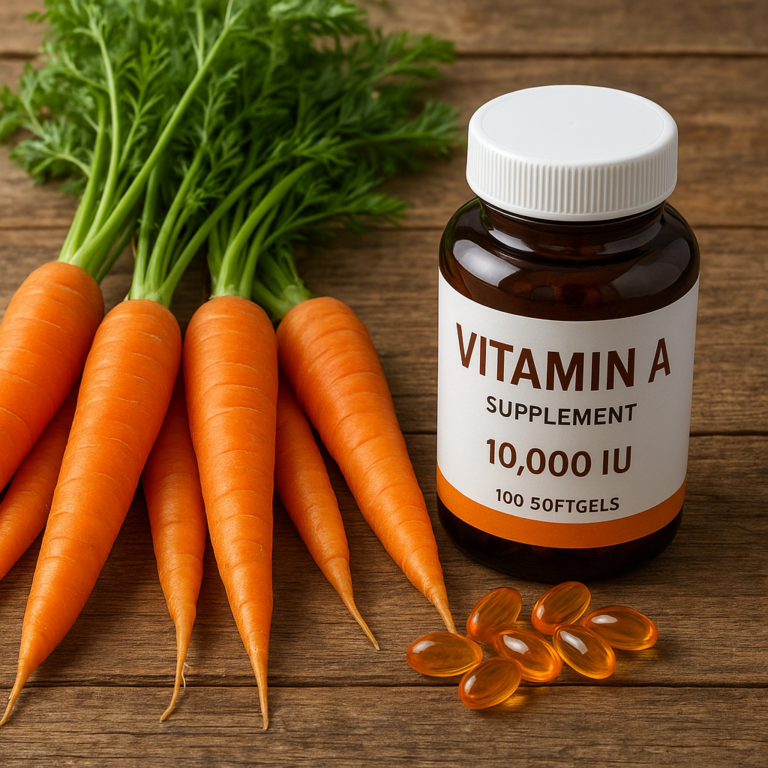
1. Vitamin A: The Vision and Immunity Booster
- Recommended Intake:
- Women: 700 mcg RAE (retinol activity equivalents)
- Men: 900 mcg RAE
- Upper Limit: 3,000 mcg RAE
- Why it matters: Supports eye health, immune function, and skin integrity.
- Sources: Liver, carrots, sweet potatoes, spinach.
- Watch out: Excessive intake can cause toxicity (headaches, nausea). Beta-carotene from plants is safer as the body converts it as needed.
2. Vitamin B Complex: Energy and Brain Power
This group includes B1 (thiamin), B2 (riboflavin), B3 (niacin), B5 (pantothenic acid), B6, B7 (biotin), B9 (folate), and B12.
| Vitamin | RDA (Women) | RDA (Men) | Key Functions | Sources |
|---|---|---|---|---|
| B1 (Thiamin) | 1.1 mg | 1.2 mg | Energy metabolism, nerve function | Whole grains, pork |
| B2 (Riboflavin) | 1.1 mg | 1.3 mg | Energy production, antioxidant | Milk, almonds |
| B3 (Niacin) | 14 mg | 16 mg | DNA repair, metabolism | Poultry, fish |
| B5 (Pantothenic acid) | 5 mg (AI) | 5 mg (AI) | Hormone synthesis | Avocado, eggs |
| B6 | 1.3–1.7 mg | 1.3–1.7 mg | Neurotransmitter synthesis | Banas, chickpeas |
| B7 (Biotin) | 30 mcg (AI) | 30 mcg (AI) | Hair, skin, nail health | Egg yolks, nuts |
| B9 (Folate) | 400 mcg | 400 mcg | DNA synthesis, pregnancy health | Leafy greens, legumes |
| B12 | 2.4 mcg | 2.4 mcg | Red blood cells, nerve function | Meat, dairy |
Vitamin B12 alert: Vegans and older adults often need supplements due to absorption issues.
3. Vitamin C: The Antioxidant Superstar
- RDA: 75 mg (women), 90 mg (men), smokers +35 mg
- Benefits: Immune support, collagen synthesis, antioxidant defense.
- Sources: Citrus fruits, strawberries, bell peppers.
- Fun fact: Vitamin C deficiency causes scurvy, historically a sailor’s nightmare!
4. Vitamin D: The Sunshine Vitamin’s Role in Bone Health
- RDA: 600 IU (15 mcg) for adults up to 70, 800 IU (20 mcg) for 71+
- Upper Limit: 4,000 IU (100 mcg)
- Why it’s crucial: Regulates calcium absorption, bone strength, immune modulation.
- Sources: Sunlight, fatty fish, fortified milk.
- Expert tip: Many modern diets and lifestyles cause deficiency—consider supplements like Nature Made Vitamin D3 after consulting your doctor.
5. Vitamin E: Protecting Your Cells
- RDA: 15 mg (alpha-tocopherol)
- Sources: Nuts, seeds, vegetable oils.
- Role: Antioxidant protecting cell membranes.
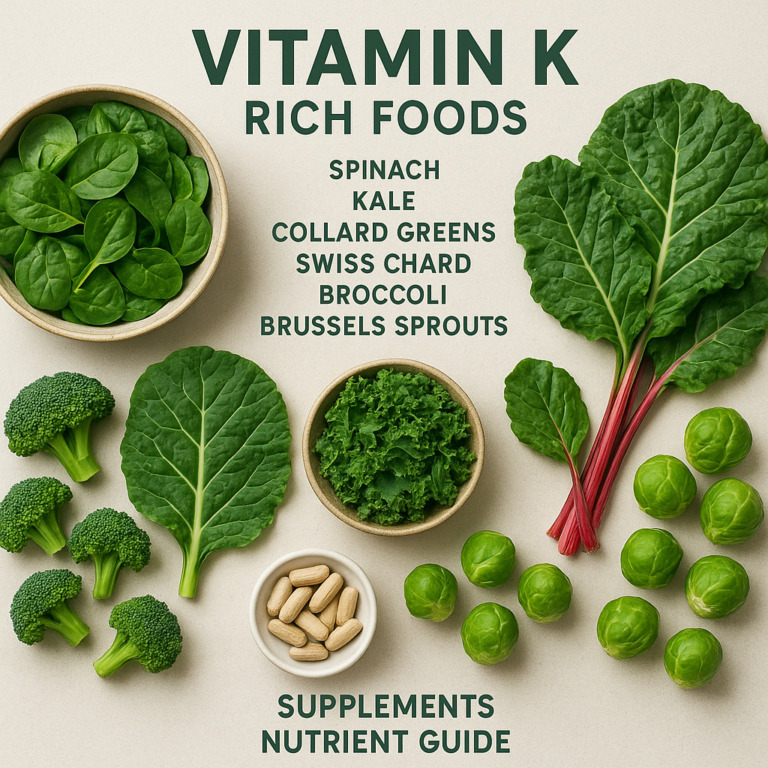
6. Vitamin K: The Cloting and Bone Strength Ally
- AI: 90 mcg (women), 120 mcg (men)
- Sources: Leafy greens, broccoli, fermented foods.
- Function: Blood cloting, bone metabolism.
🥦 How Minerals Complement Your Vitamin Intake: Calcium, Magnesium & More
Vitamins don’t work alone! Minerals like calcium, magnesium, potassium, and zinc are essential partners.
| Mineral | Daily Intake (Women) | Daily Intake (Men) | Notes |
|---|---|---|---|
| Calcium | 1,000–1,200 mg | 1,000–1,200 mg | Bone health; beware excess supplements post-menopause |
| Magnesium | 310–320 mg | 400–420 mg | Energy production, vitamin D activation |
| Potassium | 2,600 mg | 3,400 mg | Electrolyte balance, heart function |
| Zinc | 8 mg | 11 mg | Immune function, wound healing |
Magnesium spotlight: The first YouTube video we featured (#featured-video) highlights magnesium glycinate as the best-absorbed form—something we’ve tested ourselves at Vitamin Brands™! It’s a must-have for energy and vitamin D synergy.
👶 Special Populations: Vitamin Needs for Kids, Pregnant Women, and Seniors
Vitamin needs aren’t one-size-fits-all. Here’s how they shift:
- Children: Need age-appropriate doses; vitamin D and iron are common concerns.
- Pregnant women: Increased folate (600 mcg) to prevent neural tube defects; iron needs also rise.
- Seniors: Higher vitamin D (800 IU) and B12 due to absorption changes; calcium needs increase to protect bones.
Always consult a healthcare provider for personalized advice.
💊 Supplements vs. Whole Foods: What’s the Best Way to Meet Your Vitamin Goals?
We’re often asked: “Should I just take a multivitamin or focus on food?” Here’s the scoop:
Whole Foods ✅
- Provide a complex matrix of nutrients, fiber, and phytochemicals.
- Better absorption and synergy.
- Lower risk of overdose.
Supplements ✅❌
- Great for filling gaps (e.g., vitamin D in winter, B12 for vegans).
- Beware of synthetic fillers, poor absorption, and mega-doses.
- Some multivitamins are better than others—brands like Garden of Life, Thorne Research, and MegaFood offer clean, bioavailable options.
Our take:
Start with a nutrient-rich diet, then supplement smartly based on your lifestyle and lab tests.
👉 Shop Multivitamin Supplements on:
⚠️ Signs of Vitamin Deficiency and Toxicity: When to Worry
Deficiency symptoms can be subtle or dramatic: fatigue, brittle nails, poor immunity, or neurological issues. Common examples:
- Vitamin D: bone pain, muscle weakness.
- Vitamin B12: numbness, memory problems.
- Vitamin C: bleeding gums, slow wound healing.
Toxicity signs usually come from over-supplementation, especially fat-soluble vitamins:
- Vitamin A overdose: dizziness, nausea, liver damage.
- Vitamin D overdose: hypercalcemia, kidney damage.
If you suspect either, get blood tests and consult your doctor.
📅 Timing and Frequency: When Should You Take Your Vitamins?
Here’s a little secret: when you take vitamins can affect how well they work.
- Fat-soluble vitamins (A, D, E, K): Take with meals containing fat for better absorption.
- Water-soluble vitamins (B-complex, C): Can be taken on an empty stomach, ideally morning for energy boost.
- Magnesium: Often better at night for relaxation and sleep support.
Consistency is key—daily intake at roughly the same time helps your body maintain steady levels.
🔍 Reading Nutrition Labels: Decoding Vitamin Percentages and Daily Values
Nutrition labels can be a maze, but here’s how to decode them like a pro:
- Look at the % Daily Value (%DV) to see how much a serving contributes to your daily needs.
- 5% DV or less = low, 20% DV or more = high for that nutrient.
- Check if the vitamin or mineral is listed—FDA mandates vitamin D, calcium, iron, and potassium on labels. Others may be voluntary.
- Beware of “added” vitamins—sometimes foods are fortified, which can be helpful or confusing.
For a deep dive, visit the FDA’s guide on Daily Value on Nutrition and Supplement Facts Labels.
🛒 Top Trusted Vitamin Brands and Products for Daily Use
We’ve rated some popular vitamin brands based on design, ingredient quality, bioavailability, and consumer trust:
| Brand | Design | Ingredient Quality | Bioavailability | Consumer Rating | Overall Score |
|---|---|---|---|---|---|
| Garden of Life | 9 | 10 | 9 | 9 | 9.3 |
| Thorne Research | 8 | 9 | 10 | 8 | 8.8 |
| MegaFood | 9 | 9 | 8 | 9 | 8.8 |
| Nature Made | 7 | 7 | 7 | 8 | 7.3 |
Why these brands?
- Garden of Life: Whole food-based, organic, non-GMO, and third-party tested.
- Thorne Research: Clinical-grade, hypoallergenic, excellent absorption.
- MegaFood: Farm-fresh ingredients, gentle on the stomach.
- Nature Made: Widely available, USP verified, budget-friendly.
👉 CHECK PRICE on:
- Garden of Life on Amazon | Walmart | Garden of Life Official Website
- Thorne Research on Amazon | Thorne Official Website
- MegaFood on Amazon | MegaFood Official Website
- Nature Made on Amazon | Nature Made Official Website
💡 Pro Tips for Maximizing Vitamin Absorption and Effectiveness
Here’s the insider scoop from our Vitamin Brands™ pros:
- Pair vitamin D with magnesium to optimize activation and function.
- Avoid taking calcium and iron supplements together; they compete for absorption.
- Cook veggies lightly to preserve vitamin C and B vitamins.
- Stay hydrated—water-soluble vitamins need fluid to circulate effectively.
- Consider liposomal or methylated forms for better absorption of vitamins like B12 and C.
- Regularly review your vitamin intake with blood tests, especially if you take supplements.
🧪 Emerging Research: The Future of Personalized Vitamin Recommendations
The one-size-fits-all approach is fading. Cutting-edge research is exploring:
- Genetic testing to tailor vitamin needs based on your DNA.
- Microbiome influence on vitamin synthesis and absorption.
- Wearable tech to monitor nutrient status in real-time.
- Precision nutrition integrating lifestyle, environment, and health data.
Imagine a future where your daily vitamin intake is customized to your unique biology—no guesswork, just science. Stay tuned!
Don’t miss the first YouTube video embedded above, where the host highlights the five foundational supplements nearly everyone benefits from: Vitamin D3 + K2, Magnesium, Electrolytes (Potassium), Omega-3, and Trace Minerals. They caution against generic multivitamins and emphasize quality forms like magnesium glycinate. This perspective aligns with our Vitamin Brands™ experience and adds a practical layer to your vitamin strategy.