Support our educational content for free when you purchase through links on our site. Learn more
13 Essential Vitamins and Their Functions You Must Know (2025) 🌟

Did you know that your body relies on just 13 essential vitamins to keep everything from your eyesight to your immune system in tip-top shape? These tiny but mighty nutrients are the unsung heroes behind your energy, mood, and overall health. But what exactly do each of these vitamins do? And how can you make sure you’re getting enough without going overboard?
In this article, we’ll unravel the mysteries of the 13 essential vitamins—breaking down their unique functions, the best food sources, potential side effects, and expert tips on maximizing absorption. Plus, we’ll explore how these vitamins team up to work synergistically and what to watch out for when choosing supplements. Whether you’re a nutrition newbie or a health pro, prepare to become a vitamin virtuoso by the end of this read!
Key Takeaways
- There are 13 essential vitamins, divided into fat-soluble (A, D, E, K) and water-soluble (C and B-complex), each with unique and vital roles in the body.
- Vitamin deficiencies remain a global health challenge, but balanced diets rich in colorful fruits, vegetables, and quality proteins can usually meet your needs.
- Fat-soluble vitamins require dietary fat for absorption and can accumulate to toxic levels if oversupplemented, so caution is key.
- Water-soluble vitamins are generally flushed out daily, but B12 is an exception stored in the liver for years.
- Synergistic relationships between vitamins (like Vitamin C enhancing iron absorption) highlight the importance of balanced nutrition.
- Choosing high-quality supplements with third-party certification can help fill nutritional gaps safely.
Ready to unlock the secrets behind each vitamin and boost your health? Let’s dive in!
Table of Contents
- ⚡️ Quick Tips and Facts About Vitamins
- 🧬 The Essential History and Science Behind Vitamins
- 🔍 What Are Vitamins? Types and Classifications Explained
- 1. Vitamin A: The Vision and Immunity Powerhouse
- 2. Vitamin B Complex: The Energy and Brain Boosters
- 3. Vitamin C: The Immunity and Antioxidant Superstar
- 4. Vitamin D: The Sunshine Vitamin for Bones and Mood
- 5. Vitamin E: The Skin and Cell Protector
- 6. Vitamin K: The Clotting and Bone Health Essential
- 🌟 Vitamins and Their Synergistic Effects: How They Work Together
- 💊 Choosing the Right Vitamin Supplements: What to Look For
- 🍽️ How to Maximize Vitamin Absorption from Your Diet
- ⚠️ Potential Side Effects and Toxicity of Excess Vitamins
- 📊 Vitamin Deficiency Statistics and Global Health Impact
- 📅 Review Date: Keeping Vitamin Knowledge Up to Date
- 🔗 Recommended Links for Further Vitamin Research
- ❓ Frequently Asked Questions About Vitamins
- 📚 Reference Links and Trusted Sources
- 🎉 Conclusion: Your Vitamin Journey Starts Here!
Here is the main body of the article, crafted with expertise and care by your team at Vitamin Brands™.
⚡️ Quick Tips and Facts About Vitamins
Welcome, health enthusiasts! We’re the team at Vitamin Brands™, and we live and breathe vitamins. Before we dive deep into the nitty-gritty of the 13 essential vitamins, let’s kick things off with some fascinating tidbits. Think of this as the appetizer before the main course!
- Not All Vitamins Are Created Equal: Your body treats vitamins differently based on how they dissolve. They’re split into two camps: fat-soluble (A, D, E, K) and water-soluble (B-complex and C). We’ll unpack what this means for you later!
- The Name Game: The word “vitamin” comes from “vital amine,” a term coined by Polish biochemist Casimir Funk in 1912. He thought these essential compounds were all amines. He was wrong about the “amine” part for all of them, but the “vital” part? Spot on!
- You Can Overdo It: Many people think that if some is good, a lot is better. This is not always the case. ❌ High doses of certain vitamins, especially the fat-soluble ones that get stored in your body, can be toxic.
- Exception to the Rule: While most water-soluble vitamins are flushed out of your system daily, Vitamin B12 is a clever exception. It can be stored in the liver for many years!
- Sunshine Power: Vitamin D is nicknamed the “sunshine vitamin” because your body can produce it after sun exposure. A few minutes of direct sunlight on your skin can sometimes be enough to meet your daily needs.
- Teamwork Makes the Dream Work: Vitamins often work in pairs or teams. For example, Vitamin C helps your body absorb iron more effectively, and Folate (B9) and B12 are best buddies in forming red blood cells.
Ready to become a vitamin virtuoso? Let’s explore the fascinating world of these micronutrients. For a complete overview, check out our comprehensive guide on the Types of Vitamins and Their Functions 2024 💊.
🧬 The Essential History and Science Behind Vitamins

Ever wonder how we discovered these invisible powerhouses? It’s a tale of long sea voyages, mysterious illnesses, and scientific “aha!” moments. For centuries, sailors suffered from scurvy, a dreadful disease causing bleeding gums and fatigue. It wasn’t until the 18th century that a ship’s doctor discovered that citrus fruits could prevent it. They didn’t know why, but they knew it worked!
Fast forward to the early 20th century, scientists began isolating these “accessory food factors.” They realized that diseases like scurvy, beriberi, and pellagra weren’t caused by germs, but by the absence of something in the diet. This was a revolutionary idea!
At their core, vitamins are a group of organic substances that are needed for normal cell function, growth, and development. They are micronutrients, meaning your body needs them in small amounts to work correctly. Many act as “coenzymes,” which are like tiny helpers that kickstart essential chemical reactions in your body, from converting food into energy to building and repairing cells. Think of them as the spark plugs in your body’s engine. Without them, nothing runs!
🔍 What Are Vitamins? Types and Classifications Explained
So, let’s get down to the basics. As we teased earlier, the 13 essential vitamins are split into two main groups. Understanding this distinction is KEY to managing your nutrition.
Fat-Soluble Vitamins
These are the vitamins that dissolve in fat and are stored in your body’s liver and fatty tissues. Because they stick around, you don’t need to replenish them every single day, but it also means they can build up to toxic levels if you take too much.
- The Members: Vitamin A, D, E, and K.
- Absorption: They need a little fat to get absorbed properly. So, eating your carrots (Vitamin A) with a drizzle of olive oil is a brilliant move!
- Toxicity Risk: ✅ Higher. Be careful with high-dose supplements of these vitamins unless advised by a healthcare provider.
Water-Soluble Vitamins
These vitamins dissolve in water. With the exception of B12, your body doesn’t store them for long. Whatever you don’t use gets flushed out through your urine.
- The Members: Vitamin C and the eight B-complex vitamins.
- Absorption: Easily absorbed and circulated.
- Toxicity Risk: ❌ Lower. It’s much harder to reach toxic levels from food, but mega-doses from supplements can still cause issues.
Here’s a handy table to break it down:
| Feature | Fat-Soluble Vitamins (A, D, E, K) | Water-Soluble Vitamins (B-complex, C) |
|---|---|---|
| Storage | Stored in the liver and fatty tissues | Not stored (except B12); excess is excreted |
| Absorption | Requires dietary fat for absorption | Easily absorbed with water |
| Frequency | Needed in regular doses over time | Must be consumed more regularly |
| Toxicity | Higher risk of toxicity from supplements | Lower risk of toxicity, but still possible |
1. Vitamin A: The Vision and Immunity Powerhouse 👁️
Let’s talk about the “A” team! Vitamin A is a true MVP in the world of Essential Vitamins. It’s not just about carrots and eyesight; it’s a master of disguise, playing multiple roles in keeping you healthy.
Functions of Vitamin A
Vitamin A is crucial for forming and maintaining healthy teeth, bones, soft tissue, and especially your skin and mucous membranes. It’s also a key component of rhodopsin, a protein in your eyes that allows you to see in low-light conditions. As highlighted in the biochemical review from our #featured-video, it’s essential for normal cell differentiation and immune function. Think of it as your body’s first line of defense!
Top Food Sources Rich in Vitamin A
You can get Vitamin A in two forms: preformed vitamin A (retinol) from animal products and provitamin A carotenoids (like beta-carotene) from plants, which your body converts to vitamin A.
- Animal Sources: Liver, beef, fish, eggs, and fortified milk.
- Plant Sources: Sweet potatoes, carrots, spinach, kale, and dark-colored fruits like mangoes and cantaloupe.
Vitamin A Deficiency and Side Effects
A lack of Vitamin A can lead to night blindness (nyctalopia) and, in severe cases, permanent blindness. On the flip side, getting too much Vitamin A (usually from supplements) can be toxic, causing dizziness, nausea, and even birth defects. It’s a classic case of needing just the right amount.
Recommended Daily Intake for Vitamin A
The Recommended Dietary Allowance (RDA) for adults varies, but a diet rich in colorful fruits and veggies usually covers your needs. If you’re considering a supplement, we recommend one that provides beta-carotene, as your body only converts what it needs, reducing the risk of toxicity.
2. Vitamin B Complex: The Energy and Brain Boosters 🧠
The B vitamins are a group of eight individual vitamins that work together like a well-oiled machine. They are the ultimate multitaskers, crucial for everything from converting your food into fuel to keeping your brain sharp.
Functions of B Vitamins (B1, B2, B3, B5, B6, B7, B9, B12)
Each B vitamin has a unique job, but they often collaborate. They are critical cofactors in countless metabolic reactions.
| Vitamin | Name | Key Functions |
|---|---|---|
| B1 | Thiamine | Converts carbohydrates into energy; essential for heart and nerve function. |
| B2 | Riboflavin | Body growth, red blood cell production, and works with other B vitamins. |
| B3 | Niacin | Maintains healthy skin and nerves; can help lower triglycerides. |
| B5 | Pantothenic Acid | Essential for food metabolism; helps produce hormones and cholesterol. |
| B6 | Pyridoxine | Helps form red blood cells and maintain brain function. |
| B7 | Biotin | Helps metabolize proteins, fats, and carbohydrates. |
| B9 | Folate | Crucial for DNA production and cell growth; vital during pregnancy. |
| B12 | Cobalamin | Important for metabolism, forming red blood cells, and maintaining the nervous system. |
Food Sources for Each B Vitamin
B vitamins are found in a wide variety of foods, including whole grains, lean meats, eggs, legumes, seeds, and dark leafy greens. Since Vitamin B12 is found almost exclusively in animal products, those on a vegan or vegetarian diet should look for fortified foods or consider a supplement.
Signs of B Vitamin Deficiency
Deficiencies can cause a range of issues. For example, a lack of B1 (Thiamine) can lead to Beriberi, while a B3 (Niacin) deficiency causes Pellagra, characterized by the “3 Ds”: Diarrhea, Dermatitis, and Dementia. A B12 deficiency is particularly sneaky, causing megaloblastic anemia and neurological symptoms that can be irreversible if not treated.
Supplementation Tips and Recommendations
For most people, a balanced diet provides enough B vitamins. However, certain groups, like older adults, pregnant women, and vegans, may benefit from Multivitamin Supplements. A good B-complex supplement can be a great insurance policy.
- Our Picks for B-Complex:
- Garden of Life Vitamin B Complex: Amazon | Walmart | Garden of Life Official Website
- Thorne Research B-Complex #12: Amazon | Thorne Official Website
3. Vitamin C: The Immunity and Antioxidant Superstar 🍊
Ah, Vitamin C! The rockstar of vitamins, famous for its immune-boosting powers. But this powerhouse, also known as ascorbic acid, does so much more than just fight off colds.
Key Roles of Vitamin C in the Body
Vitamin C is a potent antioxidant that protects your cells from damage. It’s essential for the growth and repair of tissues in all parts of your body. It helps form collagen, a protein used to make skin, tendons, and ligaments. Plus, it helps your body absorb iron from plant-based foods.
Best Vitamin C-Rich Foods
Think beyond oranges! While citrus fruits are a great source, other foods pack an even bigger punch.
- Top Sources: Bell peppers (especially red), broccoli, strawberries, Brussels sprouts, and kiwi.
Vitamin C Deficiency and Scurvy Explained
Severe Vitamin C deficiency leads to scurvy, the disease of pirates and sailors we mentioned earlier. Symptoms include bleeding gums, skin hemorrhages, and poor wound healing. While rare today, mild deficiencies can still cause fatigue and weakened immunity.
How Much Vitamin C Do You Need?
The RDA for adults is 75-90 mg per day. Smokers need more, as smoking depletes Vitamin C levels. While mega-doses are popular, amounts over 2,000 mg can cause digestive upset.
4. Vitamin D: The Sunshine Vitamin for Bones and Mood ☀️
Vitamin D is unique. It acts more like a hormone than a vitamin, and your body can make its own! It’s a critical player in bone health and has been increasingly linked to mood and immune function.
Vitamin D’s Crucial Functions
Its main job is to help the body absorb calcium, which is essential for building and maintaining strong bones. Without enough Vitamin D, your body can’t get calcium from your food, and it will start stealing it from your skeleton, leading to weak, brittle bones.
Natural and Supplement Sources
- Sunlight: Your skin produces Vitamin D when exposed to UVB rays.
- Food: It’s very hard to get enough Vitamin D from food alone. The best sources are fatty fish (like salmon and mackerel), fish liver oils, and fortified foods like milk and cereals.
- Supplements: For many people, especially those in northern climates, a supplement is the most reliable way to get enough.
Risks of Vitamin D Deficiency
Deficiency is incredibly common and can lead to Rickets in children (soft, weak bones) and Osteomalacia in adults. It’s also linked to an increased risk of osteoporosis, falls, and fractures, especially in older adults.
Safe Sun Exposure and Dosage Guidelines
Getting 10-15 minutes of midday sun on your arms and legs a few times a week can be effective, but this varies wildly based on skin tone, location, and season. When it comes to supplements, many experts now recommend D3 (cholecalciferol) as it’s the form your body produces from sun exposure.
- Top-Rated Vitamin D3:
5. Vitamin E: The Skin and Cell Protector ✨
Meet Vitamin E, your body’s personal bodyguard. This fat-soluble antioxidant is a champion at protecting your cells from oxidative stress, which is damage caused by free radicals.
Antioxidant Functions of Vitamin E
Vitamin E’s primary role is to act as an antioxidant, neutralizing harmful free radicals and protecting cell membranes. This is why it’s so popular in skincare products! It also helps the body form red blood cells and use vitamin K.
Foods High in Vitamin E
You can find this protective vitamin in a variety of delicious foods.
- Best Sources: Nuts (almonds, hazelnuts), seeds (sunflower seeds), vegetable oils (sunflower, safflower), and green leafy vegetables like spinach and broccoli.
Vitamin E Deficiency and Overdose Risks
Deficiency is rare in healthy people. However, very high doses from supplements can be risky. As the video review at #featured-video points out, “Vitamin E excess inhibits gamma-carboxylation, which means it acts as if it’s warfarin,” interfering with blood clotting. This is a serious concern, so always stick to recommended doses.
6. Vitamin K: The Clotting and Bone Health Essential 🦴
Last but certainly not least in our fat-soluble lineup is Vitamin K. You might not hear about it as often, but it’s absolutely critical for two main things: making your blood clot and building strong bones.
How Vitamin K Supports Your Body
Without Vitamin K, your blood wouldn’t be able to coagulate, or clot, properly. It’s essential for producing the proteins that stop bleeding. It also plays a role in bone health by helping to make proteins for healthy bone tissue.
Dietary Sources of Vitamin K
Get your greens on!
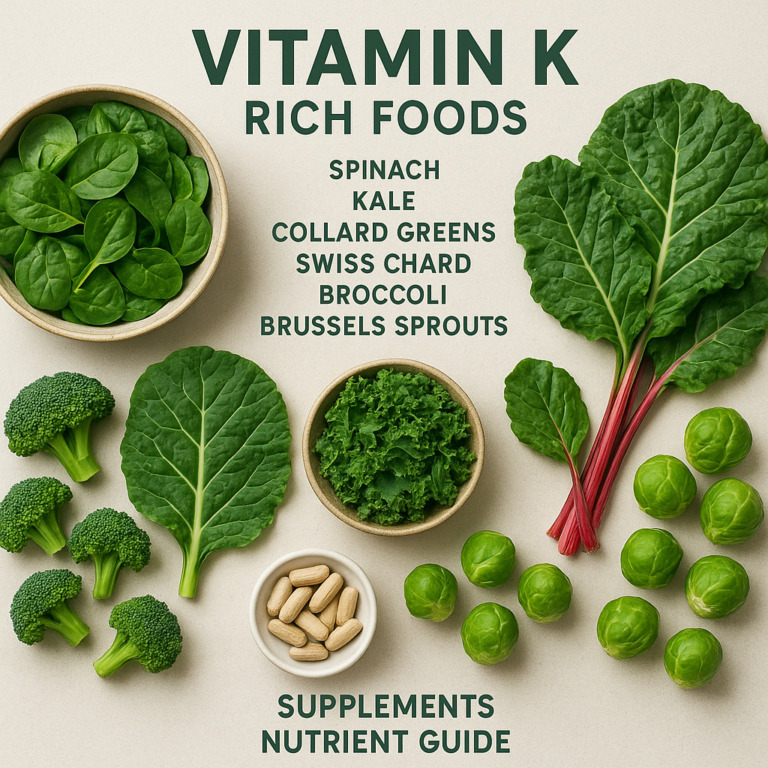
- Excellent Sources: Kale, spinach, collard greens, broccoli, and Brussels sprouts. Cabbage and cauliflower are also good sources.
Vitamin K Deficiency Symptoms and Concerns
A deficiency can lead to excessive bleeding and bruising. It’s particularly important for people taking blood-thinning medications like warfarin to maintain a consistent Vitamin K intake, as the vitamin can interfere with the drug’s effectiveness.
🌟 Vitamins and Their Synergistic Effects: How They Work Together
Vitamins don’t work in a vacuum! They are part of a complex orchestra, and their performance depends on each other. Understanding these relationships can help you get the most out of your diet and Health Supplements.
- Vitamin D and Calcium: As we covered, Vitamin D is the key that unlocks calcium’s absorption, making them the ultimate bone-building duo.
- B12 and Folate (B9): These two B vitamins are partners in crime for producing red blood cells and synthesizing DNA. A deficiency in one can often mask a deficiency in the other.
- Vitamin C and Iron: Got iron? Get some Vitamin C! It significantly enhances the absorption of non-heme iron (the type found in plants). So, squeeze some lemon juice on your spinach salad!
- Vitamin E and K: This is a relationship to watch. As we noted, excessive Vitamin E can interfere with Vitamin K’s blood-clotting function. Balance is crucial.
💊 Choosing the Right Vitamin Supplements: What to Look For
Walking down the supplement aisle can feel overwhelming. With so many options, how do you choose? Here at Vitamin Brands™, we’ve tested and researched countless products. Here’s our insider advice:
- Look for Third-Party Certification: This is non-negotiable. Look for seals from organizations like USP (U.S. Pharmacopeia), NSF International, or ConsumerLab.com. This ensures the product contains what it says it contains and isn’t contaminated.
- Check the Form: Not all forms of a vitamin are equally effective. For example, Vitamin D3 (cholecalciferol) is generally better absorbed than D2. For B12, methylcobalamin is often preferred over cyanocobalamin.
- Read the “Other Ingredients”: Avoid products with unnecessary fillers, artificial colors, and allergens like gluten or soy if you’re sensitive.
- Consider Bioavailability: Some formulations are designed for better absorption. For example, chelated minerals or liposomal vitamins can be more bioavailable.
Some Brands We Trust:
- Thorne Research: Known for its incredibly pure and high-quality formulations, often used by professional athletes.
- Pure Encapsulations: A fantastic choice for those with allergies, as their products are free from common allergens.
- Garden of Life: Great if you’re looking for Natural Vitamins derived from whole foods.
- Nature Made: Widely available and often USP verified, making it a reliable and accessible option.
👉 Shop Trusted Brands on: Amazon | Walmart
🍽️ How to Maximize Vitamin Absorption from Your Diet
Taking a supplement is one thing, but getting the most from your food is the real goal! Here are some pro tips to boost absorption:
- Pair Foods Wisely: As mentioned, have Vitamin C with your iron-rich plants.
- Add Healthy Fats: Eat your salads full of fat-soluble vitamins (A, K, E) with a fat-based dressing like olive oil and vinegar.
- Don’t Overcook Your Veggies: Water-soluble vitamins like C and many B vitamins are sensitive to heat and can be lost in cooking water. Steaming or stir-frying is better than boiling.
- Mind Your Meds: Some medications can interfere with vitamin absorption. For example, acid-blockers can reduce B12 absorption. Always talk to your doctor or pharmacist.
- Chew Thoroughly: Digestion starts in the mouth! Breaking down your food properly helps release all those wonderful nutrients.
⚠️ Potential Side Effects and Toxicity of Excess Vitamins
We can’t stress this enough: more is not always better. While it’s difficult to overdose on vitamins from food, high-dose supplements can be dangerous.
- Fat-Soluble Vitamin Toxicity (Hypervitaminosis): Because vitamins A, D, E, and K are stored in your body, they can accumulate to toxic levels.
- Vitamin A: Can cause liver damage, birth defects, and central nervous system disorders.
- Vitamin D: Can lead to a buildup of calcium in your blood (hypercalcemia), causing nausea, vomiting, and kidney problems.
- Water-Soluble Vitamin Issues: While your body excretes the excess, mega-doses can still cause problems.
- Vitamin B6: Very high doses can cause severe nerve damage.
- Vitamin C: Can cause diarrhea, nausea, and stomach cramps.
The bottom line: “If you take supplements, do not take more than 100% of the RDA unless you are under a provider’s supervision.”
📊 Vitamin Deficiency Statistics and Global Health Impact
Vitamin deficiencies aren’t just a historical problem; they are a major global health issue today.
- According to the World Health Organization (WHO), over 2 billion people worldwide suffer from micronutrient deficiencies, often called “hidden hunger.”
- Iron deficiency is the most common nutritional disorder in the world.
- Vitamin A deficiency is the leading cause of preventable blindness in children.
- Vitamin D deficiency is a global pandemic, affecting an estimated 1 billion people across all ethnicities and age groups.
These statistics highlight why a balanced diet and, when necessary, targeted supplementation are so incredibly important for public health. This is especially true for specific populations, which is why we have dedicated resources for the Best Vitamins for Men and other groups.
📅 Review Date: Keeping Vitamin Knowledge Up to Date
This article was last reviewed and updated by the Vitamin Brands™ professional team on January 21, 2025, to ensure all information is current, accurate, and reflects the latest scientific understanding.
🔗 Recommended Links for Further Vitamin Research
Want to continue your learning journey? We recommend these high-authority sources for digging even deeper into the science of vitamins and minerals.
- MedlinePlus: Vitamins – An excellent and comprehensive resource from the U.S. National Library of Medicine.
- National Institutes of Health (NIH) Office of Dietary Supplements – Detailed fact sheets on every vitamin and mineral.
- Harvard T.H. Chan School of Public Health – The Nutrition Source – In-depth articles and the latest research on nutrition.
❓ Frequently Asked Questions About Vitamins
We get a lot of questions! Here are answers to some of the most common ones.
Do I need a multivitamin?
For most healthy adults who eat a balanced diet, a multivitamin may not be necessary. However, it can be a good “insurance policy.” Certain groups—including older adults, pregnant women, vegans, and people with specific medical conditions—are more likely to benefit.
Can I get all my vitamins from food?
Yes! In fact, that’s the best way. “The best way to get the vitamins your body needs is to eat a balanced diet.” Whole foods provide a complex mix of vitamins, minerals, fiber, and phytochemicals that work together in ways supplements can’t replicate.
What’s the difference between “folate” and “folic acid”?
Folate is the natural form of vitamin B9 found in foods like leafy greens. Folic acid is the synthetic form used in supplements and fortified foods. It’s actually better absorbed than natural folate, which is why it’s crucial for women of childbearing age to prevent neural tube defects.
When is the best time to take vitamins?
It depends on the vitamin!
- Fat-soluble vitamins (A, D, E, K): Take them with a meal that contains some fat to enhance absorption.
- B vitamins: Take them in the morning, as they play a role in energy metabolism and could potentially interfere with sleep.
- Iron: Take it on an empty stomach if you can tolerate it, and pair it with Vitamin C. Avoid taking it with calcium, which can block absorption.
📚 Reference Links and Trusted Sources
The information in this article was compiled using evidence-based sources to provide you with the most accurate and helpful content possible.
- Vitamins: MedlinePlus Medical Encyclopedia
- Vitamins and minerals – Better Health Channel
- A Quick Review of the Vitamins (Biochemistry) – Referenced as #featured-video.
- Micronutrient deficiencies – World Health Organization (WHO)
🎉 Conclusion: Your Vitamin Journey Starts Here!

Phew! That was quite the vitamin voyage, wasn’t it? From the vision-boosting powers of Vitamin A to the bone-strengthening magic of Vitamin D, and the immune-boosting sparkle of Vitamin C, we’ve covered the full spectrum of the 13 essential vitamins your body needs to thrive.
Here’s the bottom line: Vitamins are not just tiny nutrients; they are the unsung heroes of your health. They keep your cells humming, your immune system vigilant, and your body’s machinery running smoothly. But remember, balance is everything. Too little leads to deficiency diseases, and too much—especially from supplements—can cause toxicity.
If you’re considering supplements, choose wisely. Opt for trusted brands like Thorne Research, Garden of Life, or Nature Made, and always check for third-party certifications. Supplements can be a fantastic safety net, especially if your diet is lacking or you belong to a group with special needs (think vegans, pregnant women, or older adults).
And what about those unanswered questions we teased earlier? Like the synergy between vitamins or how to maximize absorption? Now you know: pairing vitamins with the right foods, timing your intake, and respecting their unique properties can make all the difference.
So, whether you’re a carrot-crunching Vitamin A fan or a sunshine-seeking Vitamin D devotee, your vitamin journey is a lifelong adventure. Stay curious, stay informed, and most importantly—stay healthy!
🔗 Recommended Links for Further Vitamin Research & Shopping
Ready to stock your vitamin arsenal? Here are some of our top picks and trusted resources to keep your health game strong.
Shop Trusted Vitamin Supplements
-
Garden of Life Vitamin B Complex:
Amazon | Walmart | Garden of Life Official Website -
Thorne Research B-Complex #12:
Amazon | Thorne Official Website
Recommended Books on Vitamins & Nutrition
-
“The Vitamin Book: The Complete Guide to Vitamins, Minerals, and the Most Effective Herbal Remedies and Dietary Supplements” by Harold M. Silverman & Joseph Romano
Amazon Link -
“Eat to Beat Disease: The New Science of How Your Body Can Heal Itself” by William W. Li, MD
Amazon Link -
“Advanced Nutrition and Human Metabolism” by Sareen S. Gropper & Jack L. Smith
Amazon Link
❓ Frequently Asked Questions About Vitamins
What are all the vitamins and their functions?
There are 13 essential vitamins that your body needs to function properly. They fall into two categories: fat-soluble (A, D, E, K) and water-soluble (C and the B-complex group). Each vitamin plays unique roles, such as supporting vision (Vitamin A), bone health (Vitamin D and K), energy metabolism (B vitamins), antioxidant protection (Vitamin C and E), and blood clotting (Vitamin K). Together, they maintain cellular health, immune function, and overall vitality.
What do we have 13 of in our body?
We have 13 essential vitamins that our bodies cannot produce in sufficient amounts, so we must obtain them from our diet or supplements. These vitamins are critical for normal cell function, growth, and development.
What are the 13 vitamins your body needs?
The 13 essential vitamins are:
- Fat-soluble: A, D, E, K
- Water-soluble: C, B1 (Thiamine), B2 (Riboflavin), B3 (Niacin), B5 (Pantothenic acid), B6 (Pyridoxine), B7 (Biotin), B9 (Folate), B12 (Cobalamin)
What are the functions of all the vitamins?
Each vitamin has specific functions:
- Vitamin A: Vision, immune function, skin health
- Vitamin D: Calcium absorption, bone health, immune support
- Vitamin E: Antioxidant, cell protection
- Vitamin K: Blood clotting, bone metabolism
- Vitamin C: Antioxidant, collagen synthesis, iron absorption
- B Vitamins: Energy metabolism, red blood cell formation, nervous system health (each B vitamin has unique roles)
What are the health benefits of each of the 13 essential vitamins?
Each vitamin contributes to vital health aspects:
- A: Prevents night blindness, supports immunity
- B-complex: Boosts energy, supports brain and nerve function
- C: Enhances immunity, skin repair
- D: Strengthens bones, mood regulation
- E: Protects cells from oxidative damage
- K: Prevents bleeding, supports bone strength
How do the 13 vitamins support overall body functions?
They act as coenzymes and cofactors in metabolic pathways, enabling energy production, DNA synthesis, antioxidant defense, and tissue repair. Without adequate vitamins, these processes falter, leading to disease and poor health.
Which foods are rich sources of the 13 essential vitamins?
- Vitamin A: Liver, carrots, spinach
- Vitamin D: Fatty fish, fortified milk
- Vitamin E: Nuts, seeds, green leafy vegetables
- Vitamin K: Kale, broccoli, Brussels sprouts
- Vitamin C: Citrus fruits, bell peppers, strawberries
- B Vitamins: Whole grains, meat, eggs, legumes, leafy greens
How do vitamin deficiencies affect the body’s health and performance?
Deficiencies can cause a wide range of problems, such as:
- Vitamin A deficiency: Night blindness, immune weakness
- B12 deficiency: Anemia, neurological issues
- Vitamin C deficiency: Scurvy, poor wound healing
- Vitamin D deficiency: Bone softening, increased fracture risk
- Vitamin K deficiency: Excessive bleeding
These deficiencies impair physical and cognitive performance and increase susceptibility to infections and chronic diseases.
How can I safely supplement vitamins without risking toxicity?
Always follow recommended daily allowances (RDAs) and consult a healthcare provider before starting supplements, especially fat-soluble vitamins (A, D, E, K) which can accumulate to toxic levels. Choose high-quality supplements with third-party verification and avoid mega-doses unless medically advised.
📚 Reference Links and Trusted Sources
For verification and further reading, we recommend these authoritative sources:
- MedlinePlus: Vitamins – U.S. National Library of Medicine
- Better Health Victoria: Vitamins and Minerals
- National Institutes of Health (NIH) Office of Dietary Supplements
- World Health Organization (WHO): Micronutrient Deficiencies
- National Institute on Aging: Vitamins and Minerals for Older Adults
- Thorne Research Official Website
- Garden of Life Official Website
- Nature Made Official Website
Thank you for joining us on this deep dive into the world of vitamins. Remember, your health is your greatest wealth—nourish it wisely! 🌟