Support our educational content for free when you purchase through links on our site. Learn more
🥕 Who Is the Best Source of Vitamin A? (2026)

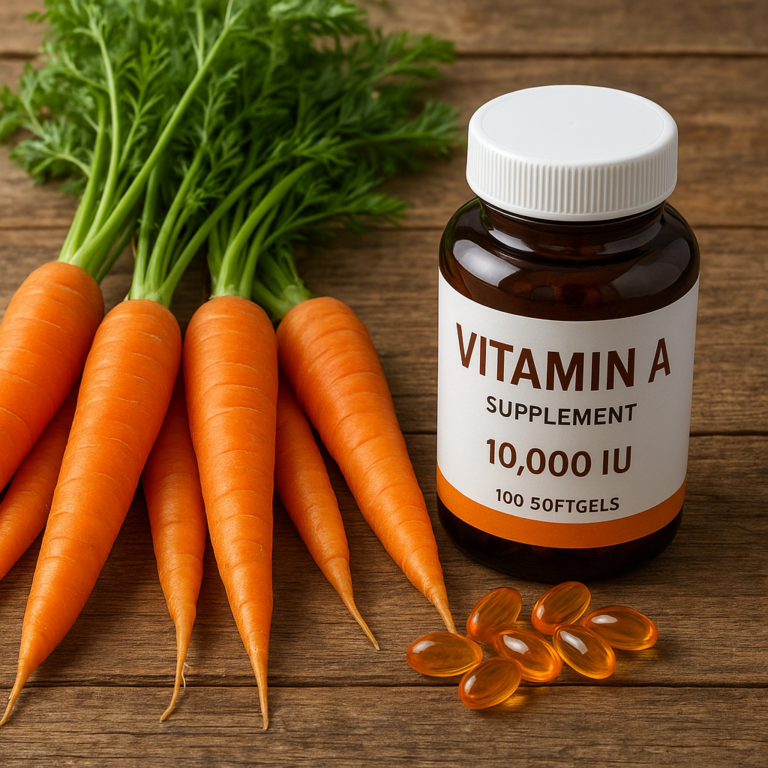
Ever heard the old wives’ tale that eating carrots gives you superhuman night vision? While your eyes might thank you, the reality is a bit more complex—and far more delicious. At Vitamin Brands™, we’ve dug deep into the science to answer the burning question: Who is the best source of vitamin A? Is it the humble carrot, the nutrient-dense liver, or a cleverly formulated supplement? The answer isn’t a single food, but a strategic balance between preformed retinol from animals and beta-carotene from plants.
Here’s a twist you might not expect: roughly 45% of the population carries a genetic mutation that makes them terrible at converting plant-based beta-carotene into active Vitamin A. For these individuals, a diet of only carrots and spinach might leave them deficient despite eating “healthy.” Conversely, eating too much beef liver can lead toxicity. In this guide, we’ll reveal exactly which foods deliver the most bioavailable nutrients, how to avoid the dangers of overdose, and why your genetics might dictate your perfect Vitamin A source.
Key Takeaways
- Animal sources like beef liver and cod liver oil provide preformed Vitamin A (retinol) that your body can use immediately, making them the most potent sources for correcting deficiencies.
- Plant sources like sweet potatoes and leafy greens offer beta-carotene, a safer precursor that your body converts only as needed, though conversion rates vary by genetics.
- Fat is essential for absorption; eating Vitamin A-rich foods without a source of dietary fat (like olive oil or avocado) can waste up to 90% of the nutrients.
- Toxicity is real with preformed Vitamin A, so avoid high-dose supplements if you are pregnant or consume liver frequently, while plant-based sources generally pose no overdose risk.
- The best strategy is a hybrid diet combining colorful vegetables with moderate animal products, tailored to your specific health needs and genetic profile.
Table of Contents
- ⚡️ Quick Tips and Facts
- 📜 The Ancient Glow: A Brief History of Vitamin A Discovery
- 🥕 The Great Debate: Who is the Best Source of Vitamin A?
-
- 🥩 The Power Players: Top Animal-Based Sources of Preformed Vitamin A (Retinol)
-
- 🌿 The Plant Powerhouse: Best Carotenoid-Rich Foods for Beta-Carotene Conversion
-
- 🥣 The Fortified Frontier: Are Cereals and Milk the Hidden Champions?
-
- 🧬 The Supplement Showdown: Retinyl Palmitate vs. Beta-Carotene Supplements
- 🧪 Retinol vs. Beta-Carotene: Decoding the Vitamin A Family Tree
- 📉 The Silent Crisis: Understanding Vitamin A Deficiency and Its Symptoms
- 🚨 High-Risk Groups: Who Needs to Worry About Vitamin A Inadequacy?
- 👶 Premature Infants and Newborns: The Critical First Days
- 🤰 Pregnant and Lactating Women: Balancing Needs and Safety
- 🌍 Low-Income Populations: The Global Battle Against Night Blindness
- 🦠 Cystic Fibrosis and GI Disorders: When Absorption Fails
- 👁️ Vision, Immunity, and Skin: The Real Health Benefits of Vitamin A
- 🌙 Night Vision and Eye Health: Beyond the Myth of Carots
- 🛡️ Immune System Boost: How Vitamin A Fights Infections
- 🧴 Skin Health and Acne: The Role of Retinoids in Dermatology
- 🧬 Cancer Prevention and Age-Related Macular Degeneration: What the Science Says
- ⚠️ The Double-Edged Sword: Risks of Excessive Vitamin A Intake
- 🤰 Teratogenic Effects: Why Pregnant Women Must Watch Their Retinol
- 🦴 Bone Health Concerns: Can Too Much Vitamin A Weaken Your Skeleton?
- 🧠 Liver Toxicity: Understanding Hypervitaminosis A
- 💊 Tolerable Upper Intake Levels (UL): How Much is Too Much?
- 💊 Drug Interactions: When Vitamin A Mets Your Meds
- 🥗 Building a Vitamin A-Rich Diet: Practical Tips for Every Palate
- 🏆 Conclusion: The Verdict on the Best Source
- 🔗 Recommended Links
- ❓ Frequently Asked Questions (FAQ)
- 📚 Reference Links
⚡️ Quick Tips and Facts
Before we dive into the deep end of the vitamin pool, let’s hit the high notes with some rapid-fire truths that might just change how you eat your dinner.
- The “Carot Myth” is Half-True: Yes, carrots are great, but your body has to work overtime to turn that orange pigment into usable Vitamin A. It’s like buying a car that needs assembly before you can drive it! 🚗🔧
- Fat is Your Friend: Vitamin A is fat-soluble. Eating a giant bowl of raw spinach with zero dressing? You’re wasting most of the nutrients. Add some olive oil or avocado, and you’ll boost absorption by up to 30%! 🥑🥗
- The “Liver” Lophole: One serving of beef liver contains more Vitamin A than you need for an entire week. In fact, it’s so potent that eating it daily can actually make you sick. 🐮⚠️
- Genetics Matter: Did you know roughly 45% of the population has a genetic mutation that makes them terrible at converting plant-based beta-carotene into active Vitamin A? If you’re one of them, plants might not be enough. 🧬
- The Toxicity Trap: You can overdose on preformed Vitamin A (from animals/suplements), but you generally cannot overdose on beta-carotene (from plants). Your body just turns the excess into harmless orange skin (carotenemia) rather than liver damage. 🍊🚫
For those wondering which specific brands actually deliver on these promises, we’ve done the heavy lifting. Check out our deep dive on What Vitamin A brand is best? to see which supplements survive our rigorous testing.
📜 The Ancient Glow: A Brief History of Vitamin A Discovery

Long before we had fancy lab coats and “Retinol” serums, humans were stumbling around in the dark—literally. The story of Vitamin A is a tale of night blindness and the discovery of the “anti-night-blindness factor.”
In the 18th century, sailors and soldiers often suffered from nyctalopia (night blindness). They noticed that eating certain animal livers could cure this condition almost instantly. But it wasn’t until 1913 that scientists Elmer McCollum and Marguerite Davis at the University of Wisconsin finally isolated this mysterious fat-soluble substance. They originally called it “Fat-Soluble A,” which eventually got the snazy name Vitamin A.
Fast forward to the 1930s, and we discovered that plants contained a precursor, beta-carotene, which the body could convert. This was a game-changer, especially for vegetarians and those in developing nations where meat was scarce. However, the history also holds a dark chapter: the realization that too much of a good thing (specifically preformed Vitamin A) could be toxic, leading to the establishment of the Tolerable Upper Intake Level (UL) we rely on today.
“The body might absorb up to 75% to 10% of retinol and, in most cases, 10% to 30% of beta-carotene from foods.” — National Institutes of Health (NIH)
🥕 The Great Debate: Who is the Best Source of Vitamin A?
So, here is the million-dollar question (or at least the million-mcg question): Who is the best source of Vitamin A?
Is it the humble carrot? The glorious liver? Or a pill you swallow with your morning coffee? The answer isn’t a single food; it’s a strategic balance based on your biology, your diet, and your goals.
We at Vitamin Brands™ have analyzed the data, and the verdict is split. If you need imediate, 10% bioavailable Vitamin A, animal sources win. If you want safety and antioxidant benefits without the risk of toxicity, plant sources take the crown. But let’s break it down, shall we?
1. 🥩 The Power Players: Top Animal-Based Sources of Preformed Vitamin A (Retinol)
Let’s be honest: if you want Vitamin A now, you need preformed Vitamin A (retinol). This is the “ready-to-use” form that your body doesn’t have to convert. It’s like having a fully charged battery versus a solar panel on a cloudy day.
The Undisputed Champion: Beef Liver
Bef liver is the MVP of Vitamin A. A mere 3-ounce serving packs a staggering 6,582 mcg RAE (Retinol Activity Equivalents). That is 731% of your daily value!
- Pros: Instant absorption, no conversion needed, packed with iron and B12.
- Cons: Extremely high risk of toxicity if eaten daily. Not vegetarian/vegan.
- The Catch: As the first video summary we reviewed pointed out, “None of those things [plants] have any real vitamin A in them at all” if you are a poor converter. For those who need a quick fix, liver is the only true “real” source in the sense of immediate bioavailability.
Other Heavy Hitters:
- Cod Liver Oil: A tablespoon contains over 4,0 mcg. It’s a liquid gold mine, but be careful not to overdo it!
- Egg Yolks: A single large egg gives you about 75 mcg. It’s a gentle, consistent source.
- Dairy: Milk, cheese, and butter are fortified or naturally contain retinol, making them reliable staples.
Pro Tip: If you’re considering liver supplements, look for brands like Nordic Naturals or Ancestral Supplements. They often source grass-fed liver to ensure purity.
👉 CHECK PRICE on:
- Nordic Naturals Cod Liver Oil: Amazon | Brand Official
- Ancestral Supplements Grass Fed Beef Liver: Amazon | Brand Official
2. 🌿 The Plant Powerhouse: Best Carotenoid-Rich Foods for Beta-Carotene Conversion
Now, let’s talk about the plant kingdom. Plants don’t contain Vitamin A; they contain provitamin A carotenoids (like beta-carotene). Your body has to play the role of a chef, chopping and cooking these precursors into retinol.
The King of Plants: Sweet Potato
Forget the carrot for a second. A single baked sweet potato (with skin) delivers a massive 1,403 mcg RAE. That’s 156% of your daily needs!
- The Conversion Problem: Here’s the rub. Your body only converts about 10% to 30% of dietary beta-carotene into retinol. Plus, if you have that genetic mutation mentioned earlier, your conversion rate might be even lower.
- The Safety Net: The beauty of plants is that you can eat tons of them without getting toxic. Your body only converts what it needs.
Top Plant Contenders:
- Spinach & Kale: Dark leafy greens are packed with carotenoids, but you need to cook them to release the nutrients.
- Carots: The classic choice. Raw carrots are okay, but cooked carrots are better.
- Pumpkin & Squash: Winter squash is a seasonal powerhouse.
Fun Fact: The video summary we analyzed claimed, “The truth is that there is no plant base source of vitamin A.” While technically true that plants don’t contain retinol, they are the primary source of provitamin A for billions of people. The debate is about efficiency, not existence.
3. 🥣 The Fortified Frontier: Are Cereals and Milk the Hidden Champions?
In the modern world, we often get our Vitamin A from fortified foods. In the U.S., these account for 34%–40% of Vitamin A intake in children and adolescents.
- Breakfast Cereals: Many are fortified with retinyl palmitate. A single bowl can give you 10% to 10% of your daily value.
- Milk & Margarine: Often fortified to replace nutrients lost during processing.
- The Downside: You might be getting a mix of synthetic retinoids that don’t come with the natural co-factors found in whole foods.
4. 🧬 The Supplement Showdown: Retinyl Palmitate vs. Beta-Carotene Supplements
When you can’t get enough from food, supplements step in. But which form is best?
| Feature | Retinyl Palmitate (Preformed) | Beta-Carotene (Provitamin) |
|---|---|---|
| Bioavailability | High (70-90% absorbed) | Variable (8-65% absorbed) |
| Toxicity Risk | High (Can cause liver damage) | Low (Body regulates conversion) |
| Best For | Deficiency correction, poor converters | General maintenance, antioxidants |
| Smokers Warning | Avoid high doses | Avoid (Linked to lung cancer) |
Our Verdict: If you are a smoker, avoid beta-carotene supplements entirely. If you are pregnant, avoid high-dose preformed Vitamin A. For everyone else, a balanced multivitamin is usually the safest bet.
👉 Shop Multivitamins on:
- Ritual Essential for Women: Amazon | Brand Official
- Thorne Basic Nutrients 2/Day: Amazon | Brand Official
🧪 Retinol vs. Beta-Carotene: Decoding the Vitamin A Family Tree
Let’s get nerdy for a second. Why do we have two forms? It’s all about evolution and survival.
Retinol (Preformed Vitamin A):
- Source: Animals (Liver, Fish, Dairy, Eggs).
- Function: Ready-to-use. It binds to proteins in your blood and travels straight to your tissues.
- The Risk: Because it’s so efficient, it accumulates in your liver. Too much leads to Hypervitaminosis A.
Beta-Carotene (Provitamin A):
- Source: Plants (Carots, Sweet Potatoes, Leafy Greens).
- Function: A precursor. Your body converts it only when it needs Vitamin A.
- The Bonus: It’s also a powerful antioxidant, fighting free radicals even before it converts.
- The Risk: Low toxicity, but high doses can turn your skin orange (harmless, but maybe not the look you’re going for).
The Conversion Equation:
- 1 mcg RAE = 1 mcg Retinol
- 1 mcg RAE = 12 mcg Dietary Beta-Carotene
- 1 mcg RAE = 2 mcg Supplemental Beta-Carotene
This means you need 12 times as much beta-carotene from food to get the same amount of active Vitamin A as retinol. That’s why a carrot isn’t a “quick fix” for deficiency!
📉 The Silent Crisis: Understanding Vitamin A Deficiency and Its Symptoms
While we worry about toxicity in the West, Vitamin A deficiency is a silent killer globally. It’s the leading cause of preventable blindness in children.
Symptoms to Watch For:
- Night Blindness (Nyctalopia): The earliest sign. You struggle to see in dim light.
- Dry Eyes (Xerophthalmia): Your tear ducts stop working, leading to corneal ulcers.
- Weakened Immunity: You catch every cold and flu that goes around.
- Skin Issues: Dry, scaly skin (hyperkeratosis).
- Growth Stunting: In children, it can halt physical development.
“Concentrations of preformed vitamin A are highest in liver, fish, eggs, and dairy products.” — NIH
If you suspect a deficiency, do not just start chugging liver pills. Get your levels checked. Serum retinol levels below 20 mcg/dL indicate moderate deficiency.
🚨 High-Risk Groups: Who Needs to Worry About Vitamin A Inadequacy?
Not everyone is created equal when it comes to Vitamin A. Some groups are walking on a tightrope.
👶 Premature Infants and Newborns
Babies born early often lack the liver stores of Vitamin A they would have gotten in the womb. They are at high risk for bronchopulmonary dysplasia (lung issues). In hospitals, they are often given supplements to bridge the gap.
🤰 Pregnant and Lactating Women
Pregnancy is a balancing act. You need enough Vitamin A for the baby’s development, but too much can cause birth defects.
- The Danger Zone: Exceeding 3,0 mcg RAE daily of preformed Vitamin A can be teratogenic (causing malformations).
- The Safe Zone: Beta-carotene from plants is generally safe because the body regulates conversion.
🌍 Low-Income Populations
In developing countries, diets are often grain-based with little meat or colorful vegetables. Here, fortified foods and suplements are life-saving interventions.
🦠 Cystic Fibrosis and GI Disorders
If your gut can’t absorb fat, you can’t absorb Vitamin A. People with Cystic Fibrosis, Crohn’s disease, or Celiac disease often need specialized, water-miscible forms of Vitamin A supplements.
👉 Shop Fat-Soluble Vitamins on:
- Thorne Vitamin A (Water-Miscible): Amazon | Brand Official
👁️ Vision, Immunity, and Skin: The Real Health Benefits of Vitamin A
Why do we care so much about this vitamin? Because it’s the Swiss Army Knife of nutrients.
🌙 Night Vision and Eye Health
The old adage “carots help you see in the dark” is a semi-myth. Vitamin A doesn’t give you superpowers, but it is essential for producing rhodopsin, the pigment in your eyes that allows you to see in low light. Without it, you literally go blind in the dark.
🛡️ Immune System Boost
Vitamin A is often called the “anti-infective” vitamin. It maintains the integrity of your skin and mucous membranes (your body’s first line of defense) and helps white blood cells fight off invaders.
🧴 Skin Health and Acne
This is where it gets exciting for your vanity! Retinoids (Vitamin A derivatives) are the gold standard in dermatology.
- Tretinoin: A prescription retinoid that speeds up cell turnover, reducing wrinkles and acne.
- Over-the-Counter: Retinol creams help with fine lines and texture.
- Caution: Topical retinoids can cause irritation and sun sensitivity. Always wear sunscreen!
🧬 Cancer Prevention and Age-Related Macular Degeneration (AMD)
- AMD: The AREDS2 study showed that specific carotenoids (Lutein and Zeaxanthin) can slow AMD progression. Beta-carotene, however, was not found to be protective and was actually risky for smokers.
- Cancer: Diets rich in carotenoids are linked to lower cancer risk, but suplements in smokers have been linked to higher lung cancer risk. Context is everything!
⚠️ The Double-Edged Sword: Risks of Excessive Vitamin A Intake
We’ve talked about the benefits, but let’s address the elephant in the room: Toxicity.
🤰 Teratogenic Effects
High doses of preformed Vitamin A during pregnancy can cause birth defects. This is why prenatal vitamins usually contain Vitamin A primarily as beta-carotene or in very low retinol doses.
🦴 Bone Health Concerns
Some studies suggest that long-term high intake of preformed Vitamin A can increase the risk of hip fractures and osteoporosis. It seems to interfere with Vitamin D and calcium metabolism.
🧠 Liver Toxicity
Your liver stores Vitamin A. If you overload it, you get Hypervitaminosis A. Symptoms include:
- Nausea and vomiting
- Headaches and dizziness
- Blurred vision
- Liver damage
- Bone pain
Key Takeaway: You can’t get toxic from eating too many carrots (your skin might turn orange, but you won’t die). You can get toxic from eating too much liver or taking high-dose retinol supplements.
💊 Tolerable Upper Intake Levels (UL): How Much is Too Much?
Let’s do the math. The Tolerable Upper Intake Level (UL) for adults is 3,0 mcg RAE per day of preformed Vitamin A.
- Men (19+): RDA is 90 mcg.
- Women (19+): RDA is 70 mcg.
- Pregnant Women: RDA is 70 mcg.
- Lactating Women: RDA is 1,30 mcg.
The Math of Danger:
If you eat one serving of beef liver (6,582 mcg), you have already exceeded your UL for the day by more than double. If you do this daily, you are courting disaster.
Beta-Carotene Exception: There is no UL for beta-carotene from food or supplements (unless you are a smoker, in which case avoid high-dose supplements).
💊 Drug Interactions: When Vitamin A Mets Your Meds
Vitamin A doesn’t play nice with everyone.
- Orlistat (Weight Loss Drugs): Can reduce the absorption of fat-soluble vitamins, including Vitamin A.
- Retinoids (Acne Meds): Taking oral Vitamin A supplements while on isotretinoin (Accutane) can lead to severe toxicity.
- Anticoagulants: High doses of Vitamin A might increase the risk of bleeding when taken with blood thiners like Warfarin.
Always tell your doctor about your supplement regimen!
🥗 Building a Vitamin A-Rich Diet: Practical Tips for Every Palate
How do you get the best of both worlds without the risk? Variety and Strategy.
- Eat the Rainbow: Aim for a mix of orange, yellow, and dark green vegetables.
- Add Fat: Always cook your veggies with a little oil, butter, or avocado to boost absorption.
- Liver Moderation: Enjoy liver once a week, not every day.
- Suplement Wisely: Choose a multivitamin with a mix of retinol and beta-carotene, or just beta-carotene if you eat a lot of plants.
- Know Your Genetics: If you have a family history of poor conversion, lean more on animal sources or high-quality supplements.
👉 Shop Vitamin A Supplements on:
- Garden of Life Vitamin Code Raw A: Amazon | Brand Official
- Life Extension Two-Per-Day Multivitamin: Amazon | Brand Official
🏆 Conclusion: The Verdict on the Best Source

So, who is the best source of Vitamin A?
If you are looking for maximum efficiency and immediate bioavailability, bef liver and cod liver oil are the undisputed champions. They provide preformed Vitamin A that your body can use instantly. However, they come with a high risk of toxicity if consumed in excess.
If you are looking for safety, antioxidant benefits, and long-term health, sweet potatoes, carrots, and leafy greens are the winners. They provide beta-carotene, which your body converts as needed, eliminating the risk of overdose (unless you are a smoker taking high-dose supplements).
The Ultimate Strategy:
For most people, the best source is a hybrid approach.
- Eat a variety of colorful vegetables daily.
- Include moderate amounts of animal products (egs, dairy, occasional liver).
- Use supplements only to fill gaps, preferably in a balanced multivitamin form.
Final Recommendation:
Don’t rely on a single food. Diversity is the key to nutrition. If you are a smoker, avoid beta-carotene supplements. If you are pregnant, avoid high-dose retinol. And if you are just trying to see better in the dark, maybe just turn on the lights first! 😉
For those ready to upgrade their regimen, check out our curated list of the Best Vitamin A Brands to ensure you’re getting high-quality, bioavailable nutrients.
Explore Top-Rated Vitamin A Supplements
🔗 Recommended Links
Books & Resources:
Top Brands to Check:
- Nordic Naturals: Cod Liver Oil
- Thorne: Basic Nutrients
- Garden of Life: Vitamin Code
- Ritual: Essential for Women
❓ Frequently Asked Questions (FAQ)

Which is the following is the best source of vitamin A?
The “best” source depends on your needs. Bef liver is the most potent source of preformed Vitamin A (retinol), offering immediate bioavailability. However, sweet potatoes and leafy greens are the best sources of beta-carotene, which are safer for long-term consumption and provide antioxidant benefits. For most people, a combination of both is ideal.
Read more about “🚫 7 Top Vitamin Brands Not Made in China (2026)”
Which food is highest in vitamin A?
Bef liver is the highest food source, containing over 6,50 mcg RAE per 3-ounce serving. This is more than 70% of the daily value. Cod liver oil is also extremely high, followed by sweet potatoes and carrots (in terms of beta-carotene).
Read more about “🥇 7 Best Vitamin A Supplements to Buy in 2026”
What are the best food sources of vitamin A for vegetarians?
Vegetarians should focus on beta-carotene-rich foods since they cannot consume preformed Vitamin A from animal sources. Top choices include:
- Sweet Potatoes (baked with skin)
- Spinach and Kale (cooked with oil)
- Carots
- Pumpkin and Winter Squash
- Cantaloupe and Mango
- Fortified cereals and plant milks
Read more about “12 Best Thorne Supplements You Need to Try in 2026 💊”
How much vitamin A should I take daily from supplements?
The Recommended Dietary Allowance (RDA) is 90 mcg RAE for men and 70 mcg RAE for women. Most multivitamins provide around 750–1,050 mcg. Avoid standalone supplements with high doses of preformed Vitamin A unless prescribed by a doctor, as the Tolerable Upper Intake Level (UL) is 3,0 mcg.
Read more about “🦴 7 Best Vitamin D3 K2 Brands for Bone Health (2026)”
What are the side effects of taking too much vitamin A?
Excessive intake of preformed Vitamin A (retinol) can lead to Hypervitaminosis A, causing symptoms like:
- Nausea and vomiting
- Headaches and dizziness
- Liver damage
- Bone pain and increased fracture risk
- Birth defects (in pregnant women)
- Skin dryness and hair loss
Read more about “🏆 What is the Most Tested Supplement in the World? (2026)”
Can I get enough vitamin A from my diet without supplements?
Yes, absolutely. A diet rich in colorful vegetables, fruits, and moderate amounts of animal products (like eggs and dairy) can easily meet your daily requirements. Supplements are generally only necessary for specific groups (e.g., those with malabsorption issues, pregnant women with deficiencies, or people in developing nations).
Read more about “🏆 What Is the Healthiest Supplement? (2026 Top 10 List)”
📚 Reference Links
- National Institutes of Health (NIH): Vitamin A Fact Sheet for Health Professionals
- Harvard T.H. Chan School of Public Health: The Nutrition Source – Vitamin A
- Healthline: Foods High in Vitamin A
- American Academy of Dermatology: Retinoids and Skin Health
- Nordic Naturals: Cod Liver Oil Benefits
- Thorne Research: Vitamin A Research
- Garden of Life: Vitamin Code Raw A
- Ritual: Essential for Women Multivitamin