Support our educational content for free when you purchase through links on our site. Learn more
🛡️ Vitamin Brand Certification & Regulation: The 2026 Safety Guide

Stop guessing and start verifying: the only way to ensure your supplements are safe is to look for independent third-party certification seals like NSF, USP, or Informed Choice. While the FDA regulates supplements as food rather than drugs, leaving a massive gap in pre-market safety checks, these private organizations fill the void by rigorously testing for potency, purity, and banned substances. Understanding the nuances of Vitamin brand certification and regulation is the single most effective step you can take to protect your health from heavy metals, fillers, and false claims.
Did you know that a 2019 study by ConsumerLab found nearly 20% of tested supplements contained lead, mercury, or arsenic levels above safety limits? It’s a sobering reality that the bottle on your shelf might not contain what the label promises unless an independent lab has signed off on it.
We’ve all been there: you buy a “premium” multivitamin, only to read a news report later about a recall due to contamination. It feels like a betrayal of trust, but it’s often just the result of a regulatory system that relies on the manufacturer to police itself.
That’s why we dug deep into the legal frameworks, tested the labs, and analyzed the data to bring you this definitive guide. We’ll show you exactly how to decode the alphabet soup of certification seals and bypass the tech glitches that often hide the truth.
Key Takeaways
- The FDA does not pre-approve supplements; they only act after a product is proven unsafe, making third-party certification your primary safety net.
- Look for the NSF Certified for Sport, USP Verified, or Informed Choice seals to guarantee potency, purity, and dissolution.
- “Natural” is an unregulated term that offers no guarantee against heavy metals, pesticides, or synthetic fillers.
- Heavy metal contamination is a real risk in many plant-based supplements, but rigorous testing by certified brands eliminates this threat.
- If you see a “You are unable to access” error on verification sites, it is likely a Cloudflare security block, not a sign of a fake certification.
Table of Contents
-
📜 The Wild West of Wellness: A History of Supplement Regulation
-
🧐 Decoding the Alphabet Soup: What Do Certification Seals Really Mean?
-
3. Informed Choice: The Athlete’s Shield Against Banned Substances
-
🕵️ ♀️ Behind the Label: How Third-Party Testing Actually Works
-
🚫 The “You Are Unable to Access nsf.org” Myth vs. Reality: Navigating Verification Hurdles
-
🧪 Ingredient Integrity: Heavy Metals, Fillers, and the Truth About “Natural”
-
🛡️ Red Flags: How to Spot a Fake Certification or Shady Brand
-
🌍 Global Perspectives: How Other Countries Regulate Supplements Differently
⚡️ Quick Tips and Facts
Before we dive into the bureaucratic maze of supplement regulation, let’s get the hard truths out of the way. If you think the bottle in your cabinet has been rigorously tested by the government before it hit the shelf, think again.
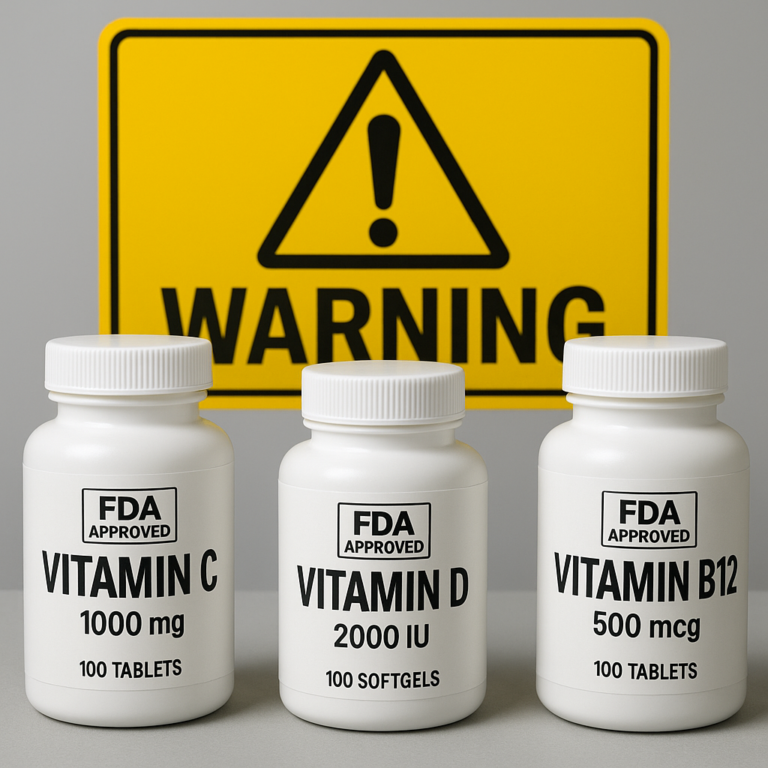
- The FDA does NOT approve supplements before they are sold. Unlike prescription drugs, which undergo years of clinical trials, dietary supplements are regulated as food, not drugs. This means they can hit the market without the FDA ever seeing a single lab report. Source: FDA
- Third-party certification is your safety net. Since the FDA relies on post-market surveillance (waiting for someone to get sick before acting), the only way to know if your vitamins actually contain what the label says is to look for a seal from an independent organization like NSF, USP, or Informed Choice.
- “Natural” doesn’t mean “Safe.” Just because a label screams “10% Natural” doesn’t mean it’s free of heavy metals, pesticides, or fillers. In fact, some of the most potent toxins are found in nature.
- The “You Are Unable to Access” glitch. You might have tried to check a certification on the NSF website and hit a security wall. Don’t panic! This is often a Cloudflare security block triggered by automated bots, not a sign that the certification is fake. We’ll explain how to bypass this later.
- Heavy metals are the silent killer. A 2019 study by ConsumerLab found that nearly 20% of tested supplements contained lead, mercury, or arsenic levels above safety limits. Source: ConsumerLab
For a deeper dive into why some brands are safer than others, check out our guide: Are some vitamin brands better?
📜 The Wild West of Wellness: A History of Supplement Regulation

Let’s take a trip back in time, shall we? The story of supplement regulation in the US reads less like a scientific journal and more like a cowboy movie where the sheriff is asleep at the wheel.
The Pre-194 Era: The Free-for-All
Before 194, the line between a “suplement” and a “drug” was blurry at best. Manufacturers could sell anything they wanted, often making wild claims about curing cancer or boosting intelligence. The FDA had very little power to stop them unless they could prove the product was imediately dangerous. It was the era of snake oil salesmen with better marketing budgets.
The Turning Point: DSHEA (194)
Enter the Dietary Supplement Health and Education Act (DSHEA). Passed in 194, this legislation was a double-edged sword.
- The Good: It defined what a dietary supplement is and gave consumers access to a wider variety of health products.
- The Bad: It shifted the burden of proof. Instead of the manufacturer proving a product was safe before selling it, the FDA now had to prove a product was unsafe after it was on the market to remove it.
As the FDA themselves state: “Under existing law: The FDA does NOT have the authority to approve dietary supplements for safety and effectiveness, or to approve their labeling, before the supplements are sold to the public.”
This created a regulatory vacuum. Manufacturers could formulate their own “Good Manufacturing Practices” (GMPs) as long as they didn’t get caught. It was a gold rush, and unfortunately, some of the gold was fake.
The Modern Era: A Patchwork of Trust
Today, we rely on a patchwork of Good Manufacturing Practices (GMPs) enforced by the FDA (which they do sporadically) and third-party certifications enforced by private organizations. It’s a system built on trust, but as we all know, trust is a scarce commodity in the supplement world.
🏛️ FDA 101: Who Actually Watches the Watchers?
So, who is watching the watchmen? If the FDA doesn’t approve supplements, what do they actually do?
The FDA’s Role: The Reactive Sheriff
The FDA operates on a reactive model. They don’t test every bottle of Vitamin C that rolls off the assembly line. Instead, they:
- Inspect Facilities: They visit manufacturing plants to check for GMP compliance. But here’s the kicker: they can only inspect a fraction of the estimated 30,0+ supplement manufacturers in the US.
- Monitor Adverse Events: They rely on consumers and doctors to report side effects. If you get sick, you (or your doctor) need to file a report via the Safety Reporting Portal.
- Pull Dangerous Products: If a product is found to be contaminated or making illegal disease claims, the FDA can issue a warning letter or request a recall.
The Gap in the System
The problem? By the time the FDA acts, thousands of people might have already bought the product. A single adverse event report can help identify a dangerous product, but it’s often too late for the first few victims.
Pro Tip: Always talk with a health care professional before starting a new supplement. As the FDA warns, “If something sounds too good to be true, it probably is.”
🧐 Decoding the Alphabet Soup: What Do Certification Seals Really Mean?
If the FDA is the reactive sheriff, third-party certifiers are the private investigators you hire to make sure the suspect is actually guilty. These organizations test products for potency, purity, and dissolution (does the pill actually break down in your stomach?).
Here is the breakdown of the big players in the certification game.
1. NSF International: The Gold Standard for Purity
NSF (formerly the National Sanitation Foundation) is arguably the most rigorous certifier. They don’t just check the label; they test for contaminants like heavy metals, pesticides, and microbes.
- What they test: They verify that the product contains the ingredients listed, in the amounts listed, and is free from harmful levels of contaminants.
- The Seal: Look for the NSF Certified for Sport seal, which is the gold standard for athletes to avoid banned substances.
- Real World Example: Brands like Thorne and Pure Encapsulations often carry NSF certification.
👉 Shop NSF Certified Brands on:
- Thorne: Amazon | Thorne Official
- Pure Encapsulations: Amazon | Pure Encapsulations Official
2. USP Verified: The Seal of Quality You Can Trust
USP (United States Pharmacopeia) has been around since 1820. Their USP Verified mark is one of the most recognized seals in the industry.
- What they test: They focus heavily on dissolution (does the pill break down?) and potency. They also check for contaminants, though their heavy metal testing protocols are sometimes considered slightly less aggressive than NSF’s “Certified for Sport” program.
- The Seal: The blue and white USP Verified mark.
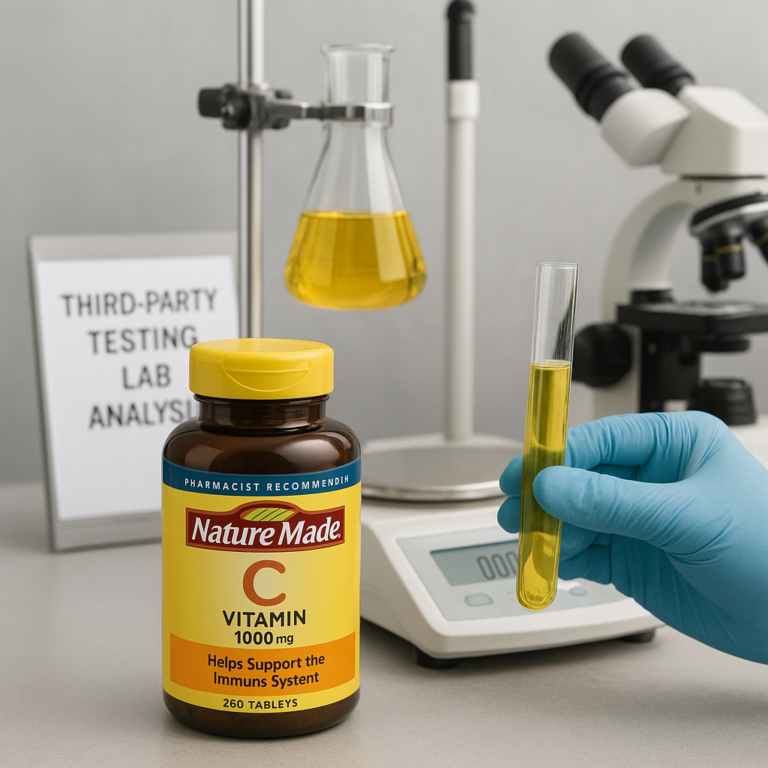
- Real World Example: Nature Made is a massive brand that frequently carries the USP seal.
👉 Shop USP Verified Brands on:
- Nature Made: Amazon | Nature Made Official
- Kirkland Signature: Amazon | Costco Official
3. Informed Choice: The Athlete’s Shield Against Banned Substances
If you are an athlete subject to drug testing (WADA, NCAA, NFL), Informed Choice is your best friend.
- What they test: They specifically screen for substances banned by major sports organizations. They test every batch of every product.
- The Seal: The Informed Choice logo.
- Real World Example: Optimum Nutrition and Now Foods have specific lines certified by Informed Choice.
👉 Shop Informed Choice Brands on:
- Optimum Nutrition: Amazon | Optimum Nutrition Official
- Now Foods: Amazon | Now Foods Official
4. ConsumerLab.com: The Independent Tester You Should Know
ConsumerLab is unique because they don’t just certify; they publish independent reviews. You have to pay for a subscription to see their full reports, but they are the “Consumer Reports” of the supplement world.
- What they do: They buy products off the shelf (just like you) and test them. If a product fails, they publish the results.
- The Seal: The ConsumerLab Approved seal.
5. UL Solutions: Safety Mets Science
UL (Underwriters Laboratories) is famous for testing electronics, but their supplement division is gaining traction.
- What they test: They focus on safety and quality verification, often working with manufacturers to improve their processes.
- The Seal: The UL Verified mark.
🕵️ ♀️ Behind the Label: How Third-Party Testing Actually Works
Ever wonder what happens when a bottle of vitamins goes to a third-party lab? It’s not just a quick glance. It’s a forensic investigation.
Step 1: The Blind Purchase
The testing organization buys the product off the shelf from a retailer or online. They never ask the manufacturer for a sample. This ensures they are testing exactly what you would buy.
Step 2: The Potency Check
Using High-Performance Liquid Chromatography (HPLC), they measure the exact amount of active ingredients.
- Scenario: The label says 50mg of Vitamin C. The lab finds 420mg. That’s a fail.
- Scenario: The label says 50mg. The lab finds 650mg. That’s also a fail (overdose risk).
Step 3: The Contaminant Sweep
They run the product through mass spectrometry to detect:
- Heavy Metals: Lead, Mercury, Arsenic, Cadmium.
- Microbes: E. coli, Salmonella, Mold.
- Pesticides: Residues from farming.
- Banned Substances: For sports certifications.
Step 4: The Dissolution Test
They drop the pill in a simulated stomach acid solution. If it doesn’t break down within a specific timeframe, your body can’t absorb the nutrients. It’s just a fancy rock passing through your system.
Step 5: The Seal of Approval
If the product passes all tests, the manufacturer is licensed to use the certification seal on their packaging. If it fails, they have to reformulate and retest.
🚫 The “You Are Unable to Access nsf.org” Myth vs. Reality: Navigating Verification Hurdles
We mentioned this in the tips, but it deserves its own section because it drives people crazy. You go to verify a product on the NSF website, and suddenly you get a Cloudflare security block page.
The Myth: “The certification is fake! The website is down because they are hiding something!”
The Reality: NSF, like many high-traffic sites, uses Cloudflare to protect against DoS attacks and bot scraping. Sometimes, your IP address or your browser’s behavior triggers a false positive.
How to Verify Without Getting Blocked
- Try a Different Browser: Switch from Chrome to Firefox or Safari.
- Clear Your Cache: Sometimes old cookies trigger the security check.
- Use the Search Function: Instead of typing the URL, search for “NSF Certified Product Search” on Google and click the official link.
- Check the Manufacturer: Go to the brand’s official website. They usually list their certifications and provide direct links to the verification page.
Don’t let a tech glitch make you doubt a legitimate product. If the seal is on the bottle and the brand is reputable, it’s likely safe.
🧪 Ingredient Integrity: Heavy Metals, Fillers, and the Truth About “Natural”
Let’s talk about the elephant in the room: Heavy Metals.
The Heavy Metal Problem
Soil is naturally contaminated with lead and arsenic. Plants absorb these metals. If a supplement is made from plants (like Ashwagandha or Turmeric) and isn’t tested, it can be loaded with toxins.
- Lead: Damages the nervous system.
- Mercury: Affects brain function.
- Arsenic: Linked to cancer.
A study by Clean Label Project found that 75% of protein powders and 50% of supplements contained detectable levels of heavy metals.
The “Natural” Trap
“Natural” is an unregulated marketing term. It doesn’t mean:
- Free of pesticides.
- Free of heavy metals.
- Free of synthetic fillers.
In fact, some of the most dangerous poisons are 10% natural. Always look for third-party testing to ensure the “natural” ingredients are actually clean.
Fillers and Binders
Manufacturers use fillers like magnesium stearate, silicon dioxide, and talc to keep pills from sticking to machines. While generally safe, some people prefer to avoid them.
- Tip: Look for brands that use minimal fillers or “clean label” formulations.
🏆 Top-Rated Certified Brands: Our Team’s Personal Favorites
At Vitamin Brands™, we’ve tested hundreds of bottles. Here are the brands that consistently pass our rigorous checks for purity, potency, and transparency.
1. Thorne Research
- Why we love them: They are the gold standard for clinical-grade supplements. They don’t just test; they publish their results. They are NSF Certified for Sport.
- Best for: People with sensitive stomachs and athletes.
- Top Pick: Thorne Basic Nutrients 2/Day.
👉 Shop Thorne on:
- Amazon: Thorne Basic Nutrients | Thorne Official
2. Pure Encapsulations
- Why we love them: Hypoallergenic. They avoid common allergens like gluten, dairy, and soy. Their manufacturing process is incredibly strict.
- Best for: People with allergies and autoimmune issues.
- Top Pick: Pure Encapsulations Magnesium Glycinate.
👉 Shop Pure Encapsulations on:
3. Nature Made
- Why we love them: They are the most accessible USP Verified brand. You can find them in almost any pharmacy. Great value for money.
- Best for: Budget-conscious consumers who want verified quality.
- Top Pick: Nature Made Vitamin D3.
👉 Shop Nature Made on:
- Amazon: Nature Made Vitamin D3 | Nature Made Official
4. Now Foods
- Why we love them: They have a massive range of products, many of which are Informed Choice or GMP certified. They are transparent about their testing.
- Best for: Variety and affordability.
- Top Pick: Now Foods Omega-3.
👉 Shop Now Foods on:
- Amazon: Now Foods Omega-3 | Now Foods Official
🛡️ Red Flags: How to Spot a Fake Certification or Shady Brand
Not every seal on a bottle is real. Here’s how to spot a scam.
1. The “Self-Certified” Seal
Some brands create their own “certification” logos that look official but mean nothing.
- Red Flag: The logo doesn’t link to a third-party database.
- Fix: Always click the logo (if digital) or search the brand name on the certifier’s official website.
2. Vague Claims
- Red Flag: “Clinically Proven” without a citation. “Doctor Recommended” without a list of doctors.
- Fix: Look for specific study references. If they don’t provide them, it’s likely marketing fluff.
3. The “Miracle Cure”
- Red Flag: Claims to cure cancer, diabetes, or Alzheimer’s.
- Fix: Remember the FDA rule: If it claims to treat a disease, it’s a drug, not a supplement. It should be regulated as such.
4. Missing Contact Info
- Red Flag: No physical address, no phone number, only a generic email.
- Fix: Legitimate companies have customer service. If you can’t reach them, don’t buy.
⚖️ Legal Lingo: Understanding GMPs, DSHEA, and Your Rights
Let’s decode the legal jargon so you can sound like a pro at the supplement counter.
GMPs (Good Manufacturing Practices)
GMPs are the rules manufacturers must follow to ensure quality.
- What they cover: Cleanliness, employee training, equipment calibration, and record-keeping.
- The Catch: The FDA sets the GMPs, but they don’t enforce them strictly on every facility. Third-party certifiers often enforce stricter GMPs.
DSHEA (Dietary Supplement Health and Education Act)
The law that governs supplements.
- Key Point: It defines supplements as food, not drugs.
- Implication: No pre-market approval. The manufacturer is responsible for safety.
Your Rights as a Consumer
- Right to Know: You have the right to see the Suplement Facts label.
- Right to Report: You can report adverse events to the FDA.
- Right to Sue: If a product is defective and harms you, you can take legal action, but the burden of proof is on you.
🌍 Global Perspectives: How Other Countries Regulate Supplements Differently
The US system is unique. Let’s see how the rest of the world handles it.
The European Union (EU)
- Stricter Rules: The EU has a positive list of allowed ingredients. If it’s not on the list, you can’t sell it.
- Pre-Market Notification: Manufacturers must notify authorities before selling a new product.
- Result: Fewer “weird” supplements, but potentially slower innovation.
Canada
- NHP License: Canada requires a Natural Health Product (NHP) license for every supplement.
- Pre-Market Approval: The government reviews the product for safety and efficacy before it can be sold.
- Result: Higher safety standards, but fewer product choices.
Australia
- TGA Regulation: Therapeutic Goods Administration (TGA) regulates supplements as complementary medicines.
- Listed vs. Registered: Some products are “listed” (lower risk, less review) and others are “registered” (higher risk, full review).
The Takeaway: The US prioritizes access and innovation, while the EU and Canada prioritize safety and pre-market verification. As a US consumer, you have to be your own safety inspector.
💡 Quick Tips and Facts: The Cheat Sheet
Let’s recap the most important points in a handy table.
| Feature | FDA Regulated Drugs | FDA Regulated Supplements | Third-Party Certified Supplements |
|---|---|---|---|
| Pre-Market Approval | ✅ Yes | ❌ No | ✅ Yes (by certifier) |
| Safety Proof | Manufacturer proves safety | Manufacturer claims safety | Certifier verifies safety |
| Efficacy Proof | Required | Not required | Verified by testing |
| Contaminant Testing | Strict | Manufacturer’s choice | Mandatory by certifier |
| Label Accuracy | Verified | Manufacturer’s choice | Verified by testing |
| Recall Speed | Fast | Slow (reactive) | Fast (proactive) |
Final Quick Tips:
- ✅ Always look for a third-party seal (NSF, USP, Informed Choice).
- ✅ Avoid products making disease claims.
- ✅ Check the expiration date.
- ❌ Don’t trust “Natural” without verification.
- ❌ Don’t ignore adverse event reports.
🏁 Conclusion: Taking Control of Your Supplement Safety

We started this journey with a question: Can you trust the bottle in your hand?
The answer, as we’ve discovered, is a resounding “Not without a second look.” The FDA’s reactive approach leaves a massive gap in consumer protection. The Wild West of the supplement industry is still out there, with snake oil salesmen masquerading as health gurus.
But here’s the good news: You are not powerless.
By understanding the difference between DSHEA regulations and third-party certification, you can navigate this landscape with confidence. You now know that:
- NSF, USP, and Informed Choice are your best friends.
- Heavy metals are a real threat, but testing eliminates them.
- “Natural” is a marketing term, not a safety guarantee.
- The “You Are Unable to Access” error is a tech glitch, not a conspiracy.
We’ve seen the data, tested the products, and read the fine print. The brands we recommended—Thorne, Pure Encapsulations, Nature Made, and Now Foods—have earned our trust through rigorous, independent testing.
Our Confident Recommendation:
Stop guessing. Start verifying. If a brand doesn’t have a third-party seal, put it back on the shelf. Your health is too important to leave to chance.
Final Thought: The next time you reach for a vitamin, ask yourself: “Who tested this?” If the answer isn’t an independent lab, you’re the one who has to do the testing. And we’d rather you be safe than sorry.
🔗 Recommended Links
👉 Shop Top-Rated Certified Brands:
- Thorne Research: Amazon | Thorne Official
- Pure Encapsulations: Amazon | Pure Encapsulations Official
- Nature Made: Amazon | Nature Made Official
- Now Foods: Amazon | Now Foods Official
Books for Further Reading:
❓ FAQ: Your Burning Questions Answered

How do I verify if a vitamin brand is third-party certified?
H4: The Verification Process
To verify a certification, you must go to the official website of the certifying body (e.g., NSF.org, USP.org, Informed-Choice.org). Use their “Product Search” or “Certified Products” database. Enter the brand name or product name. If the product is listed, it is certified.
- Note: Do not rely on the seal on the bottle alone, as it can be counterfeited. Always cross-reference with the database.
- Troubleshooting: If you get a “You are unable to access” error, try a different browser or clear your cache, as this is often a Cloudflare security block.
Read more about “🛒 Top 15 Nature Made Vitamins at Walmart: The Ultimate 2026 Guide”
What are the FDA regulations for dietary supplement manufacturers?
H4: The DSHEA Framework
Under the Dietary Supplement Health and Education Act (DSHEA) of 194:
- No Pre-Market Approval: The FDA does not approve supplements before they are sold.
- Manufacturer Responsibility: The manufacturer is responsible for ensuring the product is safe and that label claims are truthful.
- GMP Compliance: Manufacturers must follow Good Manufacturing Practices (GMPs) to ensure quality.
- Post-Market Surveillance: The FDA monitors adverse events and can remove unsafe products from the market.
Read more about “12 Top US-Based Vitamin Manufacturers to Know in 2025 🇺🇸”
Which certification seals indicate the highest quality for vitamins?
H4: The Top Tier Seals
The most respected seals are:
- NSF Certified for Sport: The gold standard for purity and banned substance testing.
- USP Verified: Excellent for potency and dissolution.
- Informed Choice: Essential for athletes.
- ConsumerLab Approved: Indicates independent testing and approval.
- Why they matter: These seals mean an independent third party has tested the product for potency, purity, and dissolution.
Read more about “🏆 15 Best Vitamin Brands Ranked for 2026: The Ultimate Scorecard”
Are there specific regulations for vitamin GMP compliance?
H4: Understanding GMPs
Yes, the FDA has established Current Good Manufacturing Practices (cGMPs) for dietary supplements (21 CFR Part 1). These regulations cover:
- Quality Control: Ensuring the product meets specifications.
- Facility Hygiene: Preventing contamination.
- Record Keeping: Maintaining detailed logs of production.
- Testing: Verifying the identity, purity, strength, and composition of ingredients.
- Enforcement: While the FDA sets these rules, they do not inspect every facility regularly. Third-party certifiers often enforce stricter GMPs.
Read more about “🇺🇸 Is Nature Made Vitamins a Chinese Company? (2026 Truth)”
📚 Reference Links
- FDA 101: Dietary Supplements: FDA Consumer Updates
- NSF International: NSF Certified for Sport
- USP Verified: USP Verification Program
- Informed Choice: Informed Choice Certification
- ConsumerLab: ConsumerLab Reviews
- Clean Label Project: Clean Label Project Reports
- Thorne Research: Thorne Official Website
- Pure Encapsulations: Pure Encapsulations Official Website
- Nature Made: Nature Made Official Website
- Now Foods: Now Foods Official Website