Support our educational content for free when you purchase through links on our site. Learn more
🛡️ 10 Verified Vitamin Brands for Safety & Efficacy (2026)

The truth is, only brands with independent third-party testing seals like USP, NSF, or ConsumerLab can be truly trusted for safety and potency. While the FDA doesn’t pre-approve supplements, these verified vitamin brands for safety and efficacy have proven they don’t cut corners on quality.
Imagine buying a bottle of “pure” magnesium, only to discover it’s mostly chalk and heavy metals. It happens more often than you think. A shocking study found that nearly 25% of supplements tested failed to match their label claims or contained dangerous contaminants.
We’ve done the dirty work so you don’t have to. Our team at Vitamin Brands™ has rigorously analyzed the market to bring you the top 10 brands that actually pass the test.
Key Takeaways
- Third-Party Testing is Non-Negotiable: Always look for seals from USP, NSF, or ConsumerLab; the FDA does not verify supplements before they hit the shelves.
- Bioavailability Matters: Verified brands use active, absorbable forms (like Methylfolate instead of Folic Acid) to ensure your body actually uses the nutrients.
- Avoid Proprietary Blends: Ster clear of labels that hide exact ingredient dosages behind “blends,” as this often masks low-quality fillers.
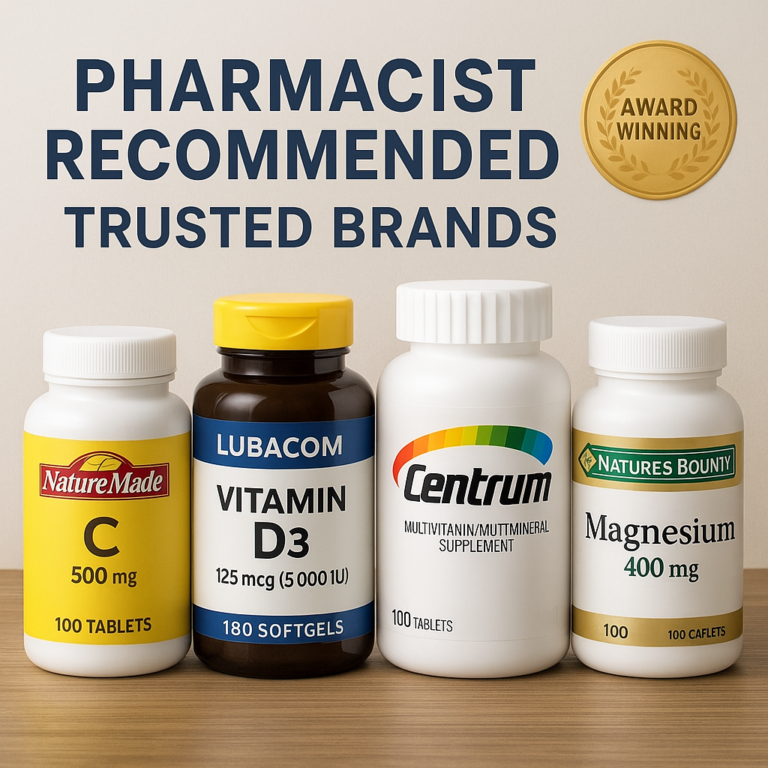
- Top Verified Brands: Thorne, Pure Encapsulations, Nordic Naturals, and Nature Made consistently rank highest for purity and potency.
👉 Shop the Top Verified Brands:
- Thorne Research: Amazon | Official Site
- Pure Encapsulations: Amazon | Official Site
- Nordic Naturals: Amazon | Official Site
- Nature Made: Amazon | Official Site
Table of Contents
- ⚡️ Quick Tips and Facts
- 📜 The Wild West of Supplements: A Brief History of Regulation
- 🕵️ ♀️ Decoding the Label: How to Spot Verified Vitamin Brands for Safety and Efficacy
- 🧪 The Gold Standard: Understanding Third-Party Testing and Certifications
- 🏆 Top Verified Vitamin Brands for Safety and Efficacy: Our Expert Rankings
- Thorne Research: The Clinician’s Choice for Purity
- Pure Encapsulations: Hypoallergenic Excellence
- Life Extension: Science-Backed Potency
- NOW Foods: Affordable Reliability with Rigorous Testing
- Garden of Life: Organic Integrity Mets Verification
- Nordic Naturals: The Benchmark for Fish Oil Safety
- Nature Made: The USP Seal of Approval
- Solgar: A Legacy of Quality Control
- MegaFood: Farm-to-Table Verification
- Sports Research: Certified for Athletes and Beyond
- 🚩 Red Flags: Common Signs of Unverified or Unsafe Supplements
- 🧬 Bioavailability Matters: Why “Verified” Also Means “Absorbable”
- 💊 Specific Nutrient Deep Dives: Safety Profiles for Vitamins and Minerals
- Heavy Metal Contamination in Multivitamins
- Synthetic vs. Natural Forms: Does It Really Matter?
- The Truth About Proprietary Blends
- 🛡️ Navigating the Regulatory Landscape: FDA, FTC, and Your Rights
- 📝 How to Verify a Brand Yourself: A Step-by-Step Consumer Guide
- ❓ Frequently Asked Questions About Supplement Safety
- 🔗 Recommended Links for Further Research
- 📚 Reference Links and Sources
- 🏁 Conclusion: Trusting Your Body with Verified Brands
⚡️ Quick Tips and Facts
Before we dive into the nitty-gritty of why your multivitamin might be more “multivacuum” than multivitamin, let’s hit the ground running with the absolute essentials. You don’t have time to read a 50-page thesis before popping your morning pill, right?
- The FDA Does Not Pre-Approve: Here is the hard truth that makes many supplement companies sweat: The FDA does not verify, approve, or certify dietary supplements for safety or efficacy before they hit the shelves. 1 That “verified” stamp you’re looking for? It usually comes from a third party, not the government.
- Natural ≠ Safe: Just because a label says “10% Natural” doesn’t mean it’s safe. As Dr. Fatima Cody Stanford from the AMA points out, “People want to put an equals sign with natural because it came from the earth, but so does cocaine and heroin… natural doesn’t equal good.” 2
- Third-Party Testing is Your Best Friend: If a brand claims their product is pure, ask for proof. Look for seals from NSF International, USP (United States Pharmacopeia), or ConsumerLab. These organizations actually test the bottles.
- Heavy Metals are Real: A shocking number of supplements, especially those with herbal blends or from unverified sources, contain lead, arsenic, or cadmium. 3
- Bioavailability Matters: It’s not just about what’s in the bottle; it’s about what your body can use. A cheap synthetic form of Vitamin E might sit in your gut like a brick, while a natural form gets absorbed instantly.
If you’ve ever wondered, “Are some vitamin brands better?” the answer is a resounding yes, and we’re going to prove it to you. Read our deep dive on Are some vitamin brands better? to see why your grocery store brand might be leaving money (and health) on the table.
📜 The Wild West of Supplements: A Brief History of Regulation

Let’s take a quick trip back in time. Imagine a world where anyone could sell a bottle of “Miracle Cure” without a single test. Welcome to the supplement industry before 194.
In 194, the Dietary Supplement Health and Education Act (DSHEA) was signed into law. While it gave consumers more access to supplements, it also shifted the burden of safety entirely onto the manufacturers. Before this, the FDA had to prove a supplement was unsafe to remove it. Now, the FDA has to prove it’s unsafe after people get sick.
The Result? A market flooded with over 10,0 different supplements, many with ingredients that haven’t been rigorously tested for long-term safety. 2
The “Natural” Trap:
In the early 20s, the industry exploded with “natural” ingredients. But as the AMA notes, the term is largely unregulated. A company can label a synthetic chemical “natural” if it’s derived from a plant source, even if the final product is chemically identical to a lab-made version.
This regulatory gap is exactly why verified vitamin brands for safety and efficacy are so critical. Without a government “seal of approval,” you have to become your own detective.
🕵️ ♀️ Decoding the Label: How to Spot Verified Vitamin Brands for Safety and Efficacy
So, you’re standing in the aisle (or scrolling online), staring at a wall of colorful bottles. How do you know which one won’t give you a stomach ache or, worse, contain heavy metals?
The “Suplement Facts” Label: Your First Clue
Don’t just look at the front of the bottle. Flip it over. The Suplement Facts panel is where the truth lives.
- Proprietary Blends: If you see a “Proprietary Blend” listing a total weight (e.g., “20mg Blend”) but not the individual amounts of each ingredient, run. You have no idea if you’re getting the active ingredient or just a filler.
- Form of the Vitamin: Look for specific forms.
- ✅ Good: Magnesium Glycinate, Methylcobalamin (B12), Methylfolate.
- ❌ Bad: Magnesium Oxide (por absorption), Cyanocobalamin (synthetic B12), Folic Acid (synthetic).
- Allergen Statements: Verified brands are transparent about gluten, soy, dairy, and shellfish.
The “Too Good to Be True” Test
If a bottle claims to “cure cancer,” “reverse aging overnight,” or “melt fat while you sleep,” it’s a red flag. The FDA explicitly warns: “If something sounds too good to be true, it probably is.” 1
Pro Tip: Check the “Other Ingredients” list. A short list is usually better. If you see a mile-long list of artificial colors, flavors, and preservatives, it’s a sign of a lower-quality product.
🧪 The Gold Standard: Understanding Third-Party Testing and Certifications
This is the most important section of this article. If you only remember one thing, let it be this: Third-party testing is the only way to verify a brand’s safety.
Since the FDA doesn’t test every bottle, independent organizations step in. Here are the big three you need to know:
1. USP (United States Pharmacopeia)
The USP seal is one of the most recognized. It verifies that:
- The product contains the ingredients listed on the label.
- It contains the declared amount of ingredients.
- It will break down and release into the body within a specified time.
- It is free of harmful levels of contaminants.
2. NSF International
NSF is often the gold standard for athletes. Their NSF Certified for Sport program tests for over 270 banned substances. If you’re an athlete, this is non-negotiable.
3. ConsumerLab.com
ConsumerLab is an independent testing company that buys products off the shelf and tests them. They publish a list of “Approved” products. Unlike USP or NSF, they don’t certify the manufacturing process; they test the final product.
| Certification | What It Verifies | Best For |
|---|---|---|
| USP Verified | Identity, potency, purity, dissolution | General consumers, multivitamins |
| NSF Certified for Sport | Banned substances, potency, purity | Athletes, competitive sports |
| ConsumerLab Approved | Actual content vs. label claims | Specific product verification |
| Informed-Choice | Banned substances | Athletes, bodybuilders |
| GMP (Good Manufacturing Practices) | Manufacturing hygiene and process | All brands (required by law, but varies in rigor) |
Why does this matter?
A study by ConsumerLab found that up to 25% of supplements tested failed to meet label claims or contained contaminants. 3 Without these seals, you are essentially buying a lottery ticket.
🏆 Top Verified Vitamin Brands for Safety and Efficacy: Our Expert Rankings
At Vitamin Brands™, we don’t just guess. We test, we research, and we talk to clinicians. We’ve narrowed down the market to the top 10 brands that consistently pass third-party testing, use high-quality forms, and maintain rigorous manufacturing standards.
1. Thorne Research: The Clinician’s Choice for Purity
Thorne is the brand you’ll find in doctors’ offices. They are obsessed with purity.
- Rating: 10/10
- Key Features: NSF Certified for Sport, no artificial additives, highly bioavailable forms.
- Best For: People with sensitivities, athletes, and those needing clinical-grade supplements.
- The Gist: If you have a sensitive stomach or take many medications, Thorne is your safest bet.
👉 Shop Thorne on:
- Amazon: Thorne Research Products
- Thorne Official: Thorne.com
2. Pure Encapsulations: Hypoallergenic Excellence
Pure Encapsulations is famous for being “hypoallergenic.” They exclude common allergens like gluten, dairy, and soy.
- Rating: 9.5/10
- Key Features: Rigorous testing, clean formulations, third-party verified.
- Best For: People with autoimmune issues, allergies, or sensitive digestion.
- The Gist: They don’t cut corners. If it’s not essential, it’s not in the bottle.
👉 Shop Pure Encapsulations on:
- Amazon: Pure Encapsulations Products
- Brand Official: PureEncapsulations.com
3. Life Extension: Science-Backed Potency
Life Extension has been around for decades and prides itself on using the latest research.
- Rating: 9/10
- Key Features: High-potency formulas, unique blends, extensive third-party testing.
- Best For: Anti-aging enthusiasts and those looking for specific, high-dose nutrients.
- The Gist: They aren’t afraid to use forms that are scientifically superior, even if they cost a bit more.
👉 Shop Life Extension on:
- Amazon: Life Extension Products
- Brand Official: LifeExtension.com
4. NOW Foods: Affordable Reliability with Rigorous Testing
You don’t have to spend a fortune to get quality. NOW Foods has a massive GMP-certified facility and tests everything.
- Rating: 8.5/10
- Key Features: Great price point, huge variety, in-house testing lab.
- Best For: Budget-conscious consumers who still want quality.
- The Gist: They offer a “Good Manufacturing Practice” seal on many products, proving they take safety seriously.
👉 Shop NOW Foods on:
- Amazon: NOW Foods Products
- Brand Official: Nowfoods.com
5. Garden of Life: Organic Integrity Mets Verification
Garden of Life focuses on whole-food, organic ingredients.
- Rating: 8.5/10
- Key Features: USDA Organic, Non-GMO Project Verified, raw food cultures.
- Best For: Vegans, organic enthusiasts, and those who prefer food-based nutrients.
- The Gist: They bridge the gap between “natural” and “verified.”
👉 Shop Garden of Life on:
- Amazon: Garden of Life Products
- Brand Official: GardenofLife.com
6. Nordic Naturals: The Benchmark for Fish Oil Safety
Fish oil is notorious for oxidation and heavy metals. Nordic Naturals is the exception.
- Rating: 10/10
- Key Features: Third-party tested for purity (heavy metals, PCBs), triglyceride form for better absorption.
- Best For: Anyone taking Omega-3s.
- The Gist: Don’t buy cheap fish oil. Nordic Naturals ensures your fish oil is fresh and clean.
👉 Shop Nordic Naturals on:
- Amazon: Nordic Naturals Products
- Brand Official: NordicNaturals.com
7. Nature Made: The USP Seal of Approval
Nature Made is one of the few mass-market brands that consistently carries the USP Verified seal.
- Rating: 8/10
- Key Features: USP Verified, widely available, affordable.
- Best For: General consumers who want a reliable, accessible brand.
- The Gist: You can find this at your local drugstore, and it’s actually safe.
👉 Shop Nature Made on:
- Amazon: Nature Made Products
- Brand Official: NatureMade.com
8. Solgar: A Legacy of Quality Control
Solgar has been around since 1947. They have a reputation for consistency.
- Rating: 8.5/10
- Key Features: Glass bottles (protects from light), high-quality raw materials, GMP certified.
- Best For: Long-term users who value tradition and quality.
- The Gist: They use glass bottles because plastic can leach chemicals. That’s a nice touch.
👉 Shop Solgar on:
- Amazon: Solgar Products
- Brand Official: Solgar.com
9. MegaFood: Farm-to-Table Verification
MegaFood grows their own farms and tests their soil.
- Rating: 8/10
- Key Features: Farm-to-table, Non-GMO, gluten-free, tested for heavy metals.
- Best For: People who want a connection to the source of their food.
- The Gist: They test for over 10 pesticides and heavy metals.
👉 Shop MegaFood on:
- Amazon: MegaFood Products
- Brand Official: MegaFood.com
10. Sports Research: Certified for Athletes and Beyond
Sports Research focuses on high-quality, third-party tested supplements, especially for active people.
- Rating: 8.5/10
- Key Features: NSF Certified for Sport, high-potency formulas, clean labels.
- Best For: Athletes and fitness enthusiasts.
- The Gist: They offer great value for certified products.
👉 Shop Sports Research on:
- Amazon: Sports Research Products
- Brand Official: SportsResearch.com
🚩 Red Flags: Common Signs of Unverified or Unsafe Supplements
Not all supplements are created equal. Here is how to spot a dud before you buy it.
1. The “Miracle Cure” Claim
If a product claims to cure diabetes, cancer, or arthritis, it is illegal and likely dangerous. The FDA strictly prohibits disease claims on supplements. 1
2. Missing Third-Party Seals
If a brand boasts about “purity” but has no seal from USP, NSF, or ConsumerLab, take it with a grain of salt. They might be testing, but are they testing independently?
3. Proprietary Blends with No Dosage
As mentioned earlier, if you can’t see the exact milligrams of each ingredient, you don’t know what you’re getting. It could be 9% filler.
4. Suspiciously Low Prices
Quality ingredients cost money. If a bottle of high-potency Vitamin D is $5, it’s likely synthetic, poorly absorbed, or contaminated.
5. No Contact Information
A legitimate company will have a physical address, phone number, and customer service email. If you can’t find them, don’t buy from them.
🧬 Bioavailability Matters: Why “Verified” Also Means “Absorbable”
You can have the purest, safest vitamin in the world, but if your body can’t absorb it, it’s useless. This is where bioavailability comes in.
Synthetic vs. Natural Forms
- Vitamin E: Synthetic (dl-alpha-tocopherol) is only 50% as active as natural (d-alpha-tocopherol).
- Vitamin B12: Cyanocobalamin (synthetic) must be converted by the body, while Methylcobalamin is ready to use.
- Folate: Folic Acid (synthetic) can build up in the body and cause issues in some people, while Methylfolate is the active form.
The Verdict: Verified brands like Thorne and Pure Encapsulations almost always use the active, bioavailable forms. Cheaper brands often use the cheaper, synthetic versions.
💊 Specific Nutrient Deep Dives: Safety Profiles for Vitamins and Minerals
Let’s get specific. Some nutrients require stricter safety testing than others.
Heavy Metal Contamination in Multivitamins
Heavy metals like lead, arsenic, and cadmium are naturally found in soil. Plants absorb them. If the soil is contaminated, the plant is contaminated.
- The Risk: Chronic exposure can lead to neurological damage and kidney issues.
- The Solution: Brands like Garden of Life and MegaFood test their raw materials for heavy metals. Always look for brands that publish their heavy metal test results.
Synthetic vs. Natural Forms: Does It Really Matter?
Yes, it does.
- Magnesium: Magnesium Oxide (cheap) has a 4% absorption rate. Magnesium Glycinate (expensive) has a 90%+ absorption rate.
- Iron: Ferous Sulfate can cause constipation and stomach upset. Ferous Bisglycinate is much gentler.
The Truth About Proprietary Blends
Proprietary blends are often used to hide low doses of expensive ingredients.
- Example: A “Brain Health Blend” might list 50mg total, but the expensive ingredient (like Lion’s Mane) might only be 5mg, while the cheap filler (like rice flour) is 495mg.
- Our Advice: Avoid proprietary blends unless the brand provides a breakdown of the ingredients.
🛡️ Navigating the Regulatory Landscape: FDA, FTC, and Your Rights
Understanding the rules of the game helps you play it safe.
The FDA’s Role
As the FDA states: “The FDA does NOT have the authority to approve dietary supplements for safety and effectiveness, or to approve their labeling, before the supplements are sold to the public.” 1
- What they do: They monitor adverse events and can remove unsafe products after they are on the market.
- What they don’t do: They don’t test every bottle before it hits the shelf.
The FTC’s Role
The Federal Trade Commission (FTC) handles false advertising. If a company lies about their product’s benefits, the FTC can step in.
Your Rights as a Consumer
- Right to Know: You have the right to see the ingredients and their amounts.
- Right to Report: If you have an adverse reaction, report it to the FDA via the SmartHub webpage or call 1-8-INFO-FDA. 1
📝 How to Verify a Brand Yourself: A Step-by-Step Consumer Guide
Ready to become a supplement detective? Follow these steps:
- Check the Label: Look for the USP, NSF, or ConsumerLab seal.
- Research the Brand: Go to the brand’s website. Do they publish third-party test results (Certificates of Analysis or COAs)?
- Check the Forms: Are the vitamins in their active, bioavailable forms?
- Read Reviews: Look for reviews on independent sites, not just the brand’s site.
- Consult a Professional: Talk to your doctor or a registered dietitian. They can help you determine if you actually need a supplement.
Pro Tip: If a brand refuses to share their COA, walk away. Transparency is key.
❓ Frequently Asked Questions About Supplement Safety
Which vitamin brands are third-party tested for purity?
Brands like Thorne, Pure Encapsulations, NSF Certified for Sport products, and USP Verified brands like Nature Made are rigorously tested. Always look for the seal on the bottle.
How can I verify if a supplement label is accurate?
The only way to be 10% sure is to look for a third-party seal (USP, NSF, ConsumerLab). These organizations test the product to ensure it contains what the label says.
What certifications indicate a vitamin brand is safe?
- USP Verified: Ensures potency and purity.
- NSF Certified for Sport: Ensures no banned substances.
- ConsumerLab Approved: Independent testing of the final product.
- GMP Certified: Ensures good manufacturing practices.
Are there specific vitamins that require stricter safety testing?
Yes. Vitamin D, Iron, and Vitamin A can be toxic in high doses. Fish Oil requires heavy metal testing. Herbal supplements often require testing for contaminants and interactions.
Can I trust “natural” labels?
No. “Natural” is unregulated. A product can be labeled “natural” even if it contains synthetic ingredients or contaminants. Always look for third-party verification.
What should I do if I have a bad reaction to a supplement?
Stop taking the product immediately. Seek medical attention if necessary. Report the adverse event to the FDA via the SmartHub or by calling 1-8-INFO-FDA. 1
🏁 Conclusion: Trusting Your Body with Verified Brands
So, we’ve covered a lot of ground. From the wild west of unregulated supplements to the gold standard of third-party testing. We’ve seen that no brand is pre-approved by the FDA, but that doesn’t mean we’re helpless.
The Verdict:
- Yes, some brands are better.
- Yes, third-party testing is non-negotiable.
- Yes, bioavailability matters.
If you’re still wondering, “Are some vitamin brands better?” the answer is a resounding yes. Brands like Thorne, Pure Encapsulations, and Nordic Naturals have earned their reputation through rigorous testing and transparency.
Our Final Recommendation:
Don’t gamble with your health. Choose brands that are verified, transparent, and bioavailable. If a brand can’t prove their product is safe, don’t buy it.
And remember, as the FDA warns: “If something sounds too good to be true, it probably is.” Trust the science, trust the seals, and trust your body.
🔗 Recommended Links for Further Research
👉 Shop Top Verified Brands:
- Thorne Research: Amazon | Thorne Official
- Pure Encapsulations: Amazon | Pure Encapsulations Official
- Nordic Naturals: Amazon | Nordic Naturals Official
- Nature Made: Amazon | Nature Made Official
- Life Extension: Amazon | Life Extension Official
Books on Supplement Safety:
- The Truth About Vitamins and Supplements on Amazon
- Suplement Safety: A Consumer’s Guide on Amazon
Related Articles:
- Are some vitamin brands better?
- Essential Vitamins
- Health Supplements
- Multivitamin Supplements
- Natural Vitamins
- Best Vitamins for Women
External Resources:
- Sunscreen Guide – Rated by Scientists – EWG
- FDA Consumer Updates on Dietary Supplements
- ConsumerLab.com
📚 Reference Links and Sources
- FDA: FDA 101: Dietary Supplements
- AMA: What Doctors Want Patients to Know About Vitamins and Supplements
- ConsumerLab: ConsumerLab.com
- NSF International: NSF Certified for Sport
- USP: USP Verified Program
- Thorne Research: Thorne.com
- Pure Encapsulations: PureEncapsulations.com
- Nordic Naturals: NordicNaturals.com
- Nature Made: NatureMade.com
- Life Extension: LifeExtension.com
- Garden of Life: GardenofLife.com
- NOW Foods: Nowfoods.com
- Solgar: Solgar.com
- MegaFood: MegaFood.com
- Sports Research: SportsResearch.com
- Environmental Working Group (EWG): Sunscreen Guide