Support our educational content for free when you purchase through links on our site. Learn more
Vitamin A Capsules vs Softgels: Which Is Better? 🥊 (2025)


Choosing the right Vitamin A supplement can feel like navigating a maze—capsules, softgels, tablets, oh my! But here’s a juicy tidbit: because Vitamin A is fat-soluble, the form it’s delivered in can make a huge difference in how well your body absorbs and uses it. We’ve all been there—staring at the supplement aisle, wondering if that shiny softgel is really worth the hype or if the trusty capsule will do the trick.
In this article, the health pros at Vitamin Brands™ break down everything you need to know about Vitamin A capsules versus softgels. We’ll reveal which form packs the best punch for absorption, stability, ease of swallowing, and dietary needs. Plus, we’ll bust some popular myths (yes, those viral pill-dissolving tests are misleading!) and share insider tips on picking the perfect Vitamin A supplement tailored just for you. Ready to uncover the truth behind the shell? Let’s dive in!
Key Takeaways
- Softgels generally provide superior absorption of Vitamin A due to their oil-based liquid fill, aligning perfectly with Vitamin A’s fat-soluble nature.
- Capsules offer versatility and vegan-friendly options but may require taking with dietary fats to optimize absorption.
- Tablets, while cost-effective, often have lower bioavailability and may contain more fillers and binders.
- Choosing the right form depends on your dietary preferences, ease of swallowing, and lifestyle needs.
- Always consult your healthcare provider before starting Vitamin A supplements to avoid toxicity risks.
Ready to shop? Check out top Vitamin A softgels and capsules from NOW Foods, Solgar, and Sports Research for quality you can trust!
Table of Contents
- ⚡️ Quick Tips and Facts
- 🧐 Unpacking Vitamin A: A Brief History of a Vital Nutrient
- Why Vitamin A Matters: More Than Just Good Vision! 👀
- The Great Vitamin A Showdown: Softgels, Hard Capsules, and Tablets – A Head-to-Head Battle! 🥊
- Beyond the Shell: Key Factors Influencing Your Vitamin A Choice 🤔
- Absorption & Bioavailability: Getting the Most Out of Your Vitamin A Dose 🚀
- Stability & Shelf Life: Keeping Your Vitamin A Potent 💪
- Ingredients & Fillers: What Else Are You Swallowing? 🧐
- Dietary Considerations: Vegan, Vegetarian, and Allergen-Friendly Options 🌱
- Ease of Swallowing & Personal Preference: Comfort is Key! 😌
- Behind the Shine: Understanding Softgel Technology and Vitamin A Stability 🔬
- Navigating the Supplement Jungle: Quality Certifications and Third-Party Testing for Your Vitamin A 🏆
- Our Expert Verdict: Which Vitamin A Form Reigns Supreme for You? 👑
- Vitamin A Dosage & Safety: A Word of Caution from the Experts ⚠️
- Conclusion: Your Vitamin A Journey, Illuminated! ✨
- Recommended Links 🔗
- FAQ: Your Burning Vitamin A Questions Answered! 🔥
- Reference Links 📚
⚡️ Quick Tips and Facts
Welcome, health enthusiasts, to the Vitamin Brands™ lab! We’re about to dissect one of the most common questions we get: when it comes to Vitamin A, what’s the deal with capsules versus softgels? Before we dive deep, here’s the skinny:
- Fat is Your Friend! 🥑 Vitamin A is a fat-soluble vitamin, which means your body needs a little fat to absorb it properly. This is a major clue in our investigation!
- Softgels Often Take the Crown 👑: For fat-soluble nutrients like Vitamin A, softgels are frequently the superior choice. They typically contain the vitamin in an oil base, which can significantly boost absorption. As one industry analysis notes, “Softgels are particularly well-suited for fat-soluble vitamins like Vitamin A, D, E, and K, as these nutrients are often delivered in an oil base.”
- Bioavailability is King 🤴: It’s not just what you take, but what your body absorbs. This concept, called bioavailability, is at the heart of the capsule vs. softgel debate.
- Don’t Judge a Pill by its Cover (or its ability to dissolve in vinegar!): We’ll get into why those viral home-dissolving experiments are misleading later on. What matters is how a supplement breaks down in the complex environment of your stomach.
- Read the Label, Always! 🧐 Pay attention to the form of Vitamin A (like retinyl palmitate or beta-carotene) and the “other ingredients.” This tells you a lot about the quality and suitability of the supplement for your needs.
- What Vitamin A brand is best? That’s a whole other can of worms, but understanding the delivery system is the first step. For a deeper dive into brands, check out our comprehensive guide.
🧐 Unpacking Vitamin A: A Brief History of a Vital Nutrient
Let’s hop in the time machine for a second! 🕰️ The story of Vitamin A is a fascinating medical detective tale. It all started in the early 20th century when scientists like Elmer McCollum and Marguerite Davis discovered a “fat-soluble factor A” that was essential for growth and preventing night blindness in rats. This groundbreaking work, conducted around 1913, paved the way for our understanding of Essential Vitamins.
They figured out that without this mysterious “factor A,” things go haywire—vision fails, growth stunts, and the immune system waves a white flag. This wasn’t just some lab curiosity; it explained why ancient Egyptians used liver (a rich source of Vitamin A) to cure night blindness. They were onto something big! This discovery kicked off the entire era of vitamin research and highlighted that our health depends on these tiny but mighty micronutrients.
Why Vitamin A Matters: More Than Just Good Vision! 👀
When you think Vitamin A, you probably think carrots and eagle-eyed vision, right? And you’re not wrong! It’s a crucial component of rhodopsin, a protein in your eyes that absorbs light. But believe us, that’s just the opening act.
This vitamin is a true multitasker, a veritable Swiss Army knife for your body:
- Immune System Superhero 🦸♀️: Vitamin A helps regulate your immune system, keeping your defenses strong against infections.
- Skin Health Guru ✨: It’s vital for cell growth and differentiation, which is why it’s a star ingredient in many skincare products (hello, retinoids!). It helps keep your skin firm and healthy.
- Reproductive Health & Development Champion 👶: It plays a key role in healthy reproduction and fetal development.
- Bone Health Buddy 🦴: It’s also involved in keeping your bones strong.
The Different Faces of Vitamin A: Retinol vs. Beta-Carotene
Here’s where things get interesting. “Vitamin A” isn’t a single substance. It’s a group of related compounds that come in two main forms:
- Preformed Vitamin A (Retinoids): Found in animal products like liver, fish oils, eggs, and dairy. Retinyl palmitate is the form you’ll most often find in Health Supplements and fortified foods. Your body can use this form directly.
- Provitamin A Carotenoids: Found in plant foods like carrots, sweet potatoes, and spinach. Beta-carotene is the most common type. Your body needs to convert these into the active form of Vitamin A.
This distinction is crucial when choosing a supplement, as the dosage and absorption can differ significantly.
The Great Vitamin A Showdown: Softgels, Hard Capsules, and Tablets – A Head-to-Head Battle! 🥊
Alright, let’s get to the main event! You’re standing in the supplement aisle, staring at a wall of bottles. Softgel, capsule, tablet… what’s a health-conscious person to do?! Let’s break down the contenders.
| Feature | Softgels | Hard Capsules | Tablets |
|---|---|---|---|
| Best For | Oils, liquids, fat-soluble vitamins (like A, D, E, K) | Powders, granules, herbs | Powders, can be chewable or timed-release |
| Absorption | Generally fast and high, especially for oils | Can be slower, depends on contents | Varies widely by formulation (immediate vs. extended-release) |
| Ease of Swallowing | Usually very easy, smooth texture | Easy for most, can be opened | Can be difficult for some, but coatings help |
| Taste/Odor | Excellent at masking | Good at masking | Can sometimes have a taste or chalky texture |
| Dietary Options | Gelatin (animal) or vegetarian (tapioca, seaweed) | Gelatin (animal) or vegetarian (HPMC) | Often contains binders/fillers, check labels |
| Shelf Life | Generally shorter | Generally longer | Generally long |
1. Softgels: The Oily Embrace for Optimal Vitamin A Absorption 💧
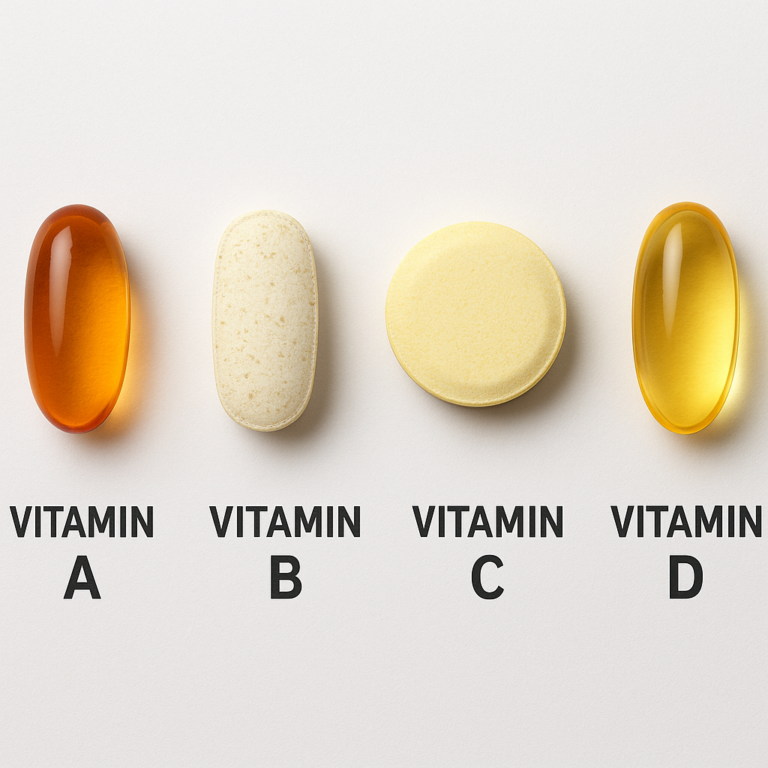
Picture a tiny, smooth, sealed pod containing liquid gold. That’s a softgel. They are a single, bonded piece of gelatin or vegetarian polymer encasing a liquid or oil-based fill.
For a fat-soluble nutrient like Vitamin A, this is a huge advantage. As one manufacturer points out, “The primary advantage of softgels is their ability to deliver liquid or semi-solid ingredients, which can lead to enhanced bioavailability and faster absorption.” This means your body gets more of the nutrient, more efficiently.
Pros of Vitamin A Softgels ✅
- Enhanced Bioavailability: The oil base helps your body absorb the Vitamin A. It’s like serving it up on a silver platter for your digestive system.
- Superior Stability: The airtight seal protects the sensitive Vitamin A from oxidation and degradation from air and light, keeping it potent.
- Easy to Swallow: Their smooth, flexible texture makes them a breeze to take, even for those who struggle with pills.
- Taste & Odor Masking: They effectively seal in any unpleasant tastes or smells (like fish oil-derived Vitamin A).
Cons of Vitamin A Softgels ❌
- Dietary Restrictions: Many softgels are made from bovine or porcine gelatin, making them unsuitable for vegans or vegetarians. However, brands like Sports Research are now offering excellent plant-based options.
- Fewer Ingredient Options: Softgels are “incompatible with powdered ingredients.”
- Shorter Shelf Life: They can have a shorter shelf life compared to their powdered counterparts.
Popular Vitamin A Softgel Brands:
👉 Shop Vitamin A Softgels on: Amazon | Walmart
2. Hard Capsules: The Versatile Shell for Your Vitamin A Needs 💊
Hard capsules are the classic two-piece (cap and body) design you’re probably familiar with. They are typically filled with dry, powdered ingredients, though they can sometimes contain oil-based formulations.
Pros of Vitamin A Hard Capsules ✅
- Versatility: They can hold a wide variety of ingredients, making them a staple in the Natural Vitamins world.
- Vegan/Vegetarian Friendly: Many brands use HPMC (hydroxypropyl methylcellulose), a plant-derived material, making them a great choice for those with dietary restrictions.
- Longer Shelf Life: Dry powders are generally more stable than liquids, giving capsules a longer shelf life.
- Can Be Opened: As noted in the featured video, a great tip for those who can’t swallow pills is that you can often pull the capsule apart and mix the powdered contents into a smoothie or applesauce.
Cons of Vitamin A Hard Capsules ❌
- Potentially Lower Absorption: If the Vitamin A is in a dry, powdered form without any fatty acids, its absorption might be less efficient than an oil-based softgel.
- Slower Onset: The body has to break down the capsule and then dissolve and absorb the powder, which can be a slower process.
Popular Vitamin A Capsule Brands:
👉 Shop Vitamin A Capsules on: Amazon | Walmart
3. Tablets: The Compressed Contender in the Vitamin A Arena 🧱
Tablets are essentially powdered ingredients that have been compressed into a solid pill. They are often the most cost-effective to produce.
Pros of Vitamin A Tablets ✅
- Cost-Effective: They are generally the least expensive option.
- High Doses: They can pack a high concentration of an ingredient into a small space.
- Variety of Release Forms: As one guide explains, tablets can be formulated for “Immediate-Release,” “Extended-Release,” or even as chewables, offering “pinpoint timing of effect activation.”
- Long Shelf Life: They are very stable and have a long shelf life.
Cons of Vitamin A Tablets ❌
- Absorption Issues: Tablets can have inconsistent disintegration and dissolution. Some may pass through the system without fully breaking down.
- More Binders and Fillers: They often require a host of other ingredients (binders, glidants, coatings) to hold them together and help them break down.
- Harder to Swallow: For many, tablets are the most difficult form to swallow, though modern coatings have improved this.
- Potential for Lower Bioavailability: Like powdered capsules, the absorption of fat-soluble Vitamin A from a dry tablet can be less efficient.
Popular Vitamin A Tablet Brands:
- Source Naturals Vitamin A (Often part of their Multivitamin Supplements)
Beyond the Shell: Key Factors Influencing Your Vitamin A Choice 🤔
So, we’ve met the contenders. But the “best” choice isn’t just about the outer shell. Here’s what our team at Vitamin Brands™ always considers:
Absorption & Bioavailability: Getting the Most Out of Your Vitamin A Dose 🚀
This is the big one. You could be taking the highest dose in the world, but if your body can’t absorb it, what’s the point?
One source notes, “Since they often contain liquid active ingredients, softgels might activate faster than hard-shell capsules.” This is because “liquids are absorbed faster than powders in your digestive tract.” For Vitamin A, being suspended in an oil (like soybean, olive, or MCT oil) gives it a significant head start on absorption.
And a quick word on those home science experiments you see online: As the expert in our featured video points out, dropping a pill in a glass of water or vinegar to see if it dissolves is a “bogus” test. Your stomach is a highly complex, acidic environment with powerful enzymes designed to break things down. A simple water test tells you almost nothing about a supplement’s true bioavailability.
Stability & Shelf Life: Keeping Your Vitamin A Potent 💪
Vitamin A is sensitive to light and air. An opaque, sealed softgel provides excellent protection against oxidation, ensuring the vitamin stays potent from the day it’s made until the day you take it. Capsules and tablets also offer good protection, but the airtight seal of a softgel is often superior for preserving oils.
Ingredients & Fillers: What Else Are You Swallowing? 🧐
Always play detective with the ingredient list!
- Softgels: Check the source of the gelatin (bovine, porcine, or fish) or if it’s a vegetarian alternative like carrageenan or tapioca. Also, look at the type of oil used.
- Capsules: Is it gelatin or a vegan alternative like HPMC?
- Tablets: Look out for binders, fillers, and coloring agents like magnesium stearate, silicon dioxide, or titanium dioxide. While generally safe, some people prefer to avoid them.
Dietary Considerations: Vegan, Vegetarian, and Allergen-Friendly Options 🌱
Twenty years ago, if you were vegan, your options were limited. Today, the market is fantastic!
- ✅ Vegan Capsules: Look for HPMC or “veggie caps.”
- ✅ Vegan Softgels: Brands are increasingly using tapioca or seaweed-derived shells.
- ❌ Watch Out For: Gelatin (animal-derived), and be sure to check the source of the Vitamin A itself (some is derived from fish liver oil). Beta-carotene from plants is always a safe vegan bet.
Ease of Swallowing & Personal Preference: Comfort is Key! 😌
Let’s be real, if you dread taking a supplement, you’re going to “forget.” For many, the smooth, pliable nature of softgels makes them the clear winner. However, as the video expert mentions, modern coated tablets can also “slide down your throat” easily. Ultimately, as one health blog wisely states, “The best form of Vitamin D [and we’d add Vitamin A] is the one you will consistently take.”
Behind the Shine: Understanding Softgel Technology and Vitamin A Stability 🔬
Ever wonder how they get that liquid inside that little gel pod? It’s pretty cool! The process, called rotary die encapsulation, creates two ribbons of gelatin (or a non-animal alternative) that are fused together. As they fuse, the liquid fill—in our case, Vitamin A suspended in a carrier oil—is precisely injected, creating a seamless, airtight seal.
This isn’t just for looks. This hermetic seal is a fortress that protects the Vitamin A from its arch-nemesis: oxygen. Oxidation can degrade the nutrient, reducing its potency and effectiveness. By keeping oxygen out, the softgel ensures that the dose on the label is the dose you actually get.
Navigating the Supplement Jungle: Quality Certifications and Third-Party Testing for Your Vitamin A 🏆
The supplement industry can feel like the Wild West. That’s why we always recommend looking for brands that voluntarily submit their products for third-party testing. This means an independent organization has verified that the product contains what it says it contains and is not contaminated with harmful substances.
Look for these seals of approval on the label:
- USP (U.S. Pharmacopeia): Verifies identity, potency, purity, and performance.
- NSF International: Tests for harmful levels of contaminants and certifies that the label claims are accurate.
- ConsumerLab.com: An independent testing organization that publishes results on a wide range of supplements.
These certifications give you peace of mind that you’re getting a high-quality product, whether it’s a softgel, capsule, or tablet.
Our Expert Verdict: Which Vitamin A Form Reigns Supreme for You? 👑
So, after all this, what’s the final word from the Vitamin Brands™ team?
For most people seeking a Vitamin A supplement, we confidently recommend a high-quality, oil-based softgel.
The science is clear: as a fat-soluble vitamin, Vitamin A’s absorption is significantly enhanced when delivered in a lipid base. The sealed softgel also offers superior protection against oxidation, ensuring potency. It’s a one-two punch of bioavailability and stability that’s hard to beat. This is especially true for women, who often seek out Vitamin A for its skin and reproductive health benefits, making it a staple among the Best Vitamins for Women.
However, “best” is never one-size-fits-all!
- If you are vegan or vegetarian, a veggie softgel or a powder-filled HPMC capsule is your best bet. Just be sure to take it with a meal that contains some healthy fats (like avocado or olive oil) to aid absorption.
- If you have difficulty swallowing pills, you might prefer opening a hard capsule and mixing it into food, or finding a chewable Vitamin A tablet.
- If budget is your primary concern, tablets or capsules are often more economical.
Ultimately, as one source wisely puts it, “the best choice depends on your individual needs, preferences, and any specific health conditions you may have.”
Vitamin A Dosage & Safety: A Word of Caution from the Experts ⚠️
Before you rush out to buy a bottle, we need to have a serious chat. Vitamin A is fantastic, but it’s not a “more is better” nutrient. Because it’s fat-soluble, your body stores the excess, primarily in the liver.
Taking excessively high doses of preformed Vitamin A (retinoids) can lead to a dangerous condition called hypervitaminosis A, with symptoms ranging from dizziness and nausea to liver damage and birth defects. The Tolerable Upper Intake Level (UL) for adults is 10,000 IU (3,000 mcg) per day.
Provitamin A (beta-carotene) is generally considered safer, as the body only converts what it needs. However, very high doses can cause a harmless but startling condition called carotenemia, where your skin turns a yellowish-orange color! 🍊
Our professional advice is non-negotiable: Always consult with your healthcare provider before starting any new supplement, including Vitamin A. They can assess your individual needs, check for potential interactions with medications, and recommend a safe and appropriate dosage for you.
Conclusion: Your Vitamin A Journey, Illuminated! ✨
After our deep dive into the world of Vitamin A capsules versus softgels, the verdict is crystal clear: softgels generally take the lead for most users seeking optimal absorption and ease of use. Their oil-based fill enhances Vitamin A’s bioavailability, while the airtight gelatin or vegetarian shell protects the delicate nutrient from oxidation. Plus, their smooth texture makes swallowing a breeze—no more dry, chalky tablets to wrestle with!
That said, hard capsules and tablets still have their place, especially for those with dietary restrictions or budget concerns. Vegan-friendly capsules made with HPMC or tapioca-based softgels are excellent alternatives. Tablets offer chewable or extended-release options for those who prefer them.
Remember our earlier teaser about home pill-dissolving tests? Now you know those experiments don’t reflect real digestive conditions. What truly matters is the formulation’s ability to deliver Vitamin A efficiently inside your body, and softgels excel at this.
So, what’s our confident recommendation? If you want the most effective, convenient, and reliable Vitamin A supplement, go for a high-quality softgel from reputable brands like NOW Foods, Solgar, or Sports Research. If you prefer capsules, choose vegan-friendly options and pair them with a healthy fat-containing meal for best absorption.
Your Vitamin A journey is personal, but armed with this knowledge, you’re ready to make the smartest choice for your health. Cheers to brighter vision, glowing skin, and a stronger immune system! 🥂
Recommended Links 🔗
Ready to shop? Here are some top Vitamin A supplements and resources to get you started:
- NOW Foods Vitamin A Softgels: Amazon | Walmart | NOW Official Website
- Solgar Vitamin A Softgels: Amazon | Walmart | Solgar Official Website
- Sports Research Vegan Vitamin A Softgels: Amazon | Sports Research Official Website
- Pure Encapsulations Vitamin A Capsules: Amazon | Pure Encapsulations Official Website
- Thorne Research Vitamin A Capsules: Amazon | Thorne Official Website
Books for deeper understanding:
- The Vitamin A Story: Lifting the Shadow of Death by Alfred Sommer — Amazon
- Vitamins and Minerals Demystified by Steve Blake — Amazon
FAQ: Your Burning Vitamin A Questions Answered! 🔥
What are the differences between vitamin A capsules and softgels?
Vitamin A capsules typically contain powdered or granulated Vitamin A, enclosed in a two-piece shell usually made of gelatin or a vegetarian alternative like HPMC. Softgels, on the other hand, are a one-piece, sealed gelatin or vegetarian shell filled with liquid or oil-based Vitamin A.
Why does this matter? Because Vitamin A is fat-soluble, the liquid oil inside softgels enhances absorption, while capsules may have slower or less efficient absorption if the powder isn’t combined with fats. Softgels also tend to mask taste and odor better and are easier to swallow.
Which form of vitamin A is absorbed better, capsules or softgels?
Softgels generally offer better absorption of Vitamin A. This is because the vitamin is suspended in an oil base inside the softgel, which aligns with Vitamin A’s fat-soluble nature. The liquid form allows your digestive system to absorb it more readily and quickly.
Capsules containing powdered Vitamin A may have lower bioavailability unless taken with dietary fats. Tablets often have even lower absorption rates unless specially formulated.
Are vitamin A softgels more effective than capsules for skin health?
Yes, softgels are often more effective for skin health because they deliver Vitamin A in a form that your body can absorb more efficiently. Since Vitamin A supports skin cell regeneration and repair, better absorption means more of the nutrient is available to your skin cells.
That said, the form of Vitamin A (retinol vs. beta-carotene) and dosage also play critical roles. Softgels containing preformed Vitamin A (retinol or retinyl palmitate) are typically preferred for skin benefits.
What are the pros and cons of vitamin A capsules versus softgels?
Vitamin A Capsules:
-
Pros:
- Often vegan-friendly (HPMC shells)
- Longer shelf life for powders
- Can be opened to mix with food
- Usually less expensive
-
Cons:
- Potentially lower absorption if not taken with fats
- May be harder to swallow for some
- Less effective at masking taste/odor
Vitamin A Softgels:
-
Pros:
- Superior absorption due to oil base
- Easier to swallow
- Better taste and odor masking
- Protects Vitamin A from oxidation
-
Cons:
- Often contain animal-derived gelatin (though vegan options exist)
- Shorter shelf life
- Usually more expensive
How should I choose the best vitamin A supplement for me?
Consider your dietary preferences (vegan vs. omnivore), ease of swallowing, budget, and whether you want maximum absorption. If you’re vegan, look for HPMC capsules or tapioca-based softgels. If absorption and convenience are your priorities, softgels are usually best.
Can I take vitamin A supplements on an empty stomach?
Since Vitamin A is fat-soluble, it’s best taken with a meal containing some healthy fats to improve absorption. Taking it on an empty stomach may reduce its effectiveness.
Is it safe to take high doses of vitamin A supplements?
No. Excessive intake of preformed Vitamin A can cause toxicity. Always follow recommended dosages and consult your healthcare provider before starting supplementation.
Reference Links 📚
- U.S. National Library of Medicine: Vitamin A Fact Sheet
- USP Verified Dietary Supplements
- NSF International Dietary Supplement Certification
- ConsumerLab Independent Supplement Testing
- NOW Foods Vitamin A Softgels
- Solgar Vitamin A Softgels
- Sports Research Vegan Vitamin A Softgels
- Pure Encapsulations Vitamin A Capsules
- Thorne Research Vitamin A Capsules
- Capsules vs. Tablets vs. Softgels: Which is Best with FAQs
We hope this guide lights the way on your Vitamin A supplement journey! Remember, the best supplement is the one you take consistently and safely. Cheers to your health! 🥕✨