Support our educational content for free when you purchase through links on our site. Learn more
What Are the 5 Most Important Vitamins? Unlock Your Health in 2025! 🌟


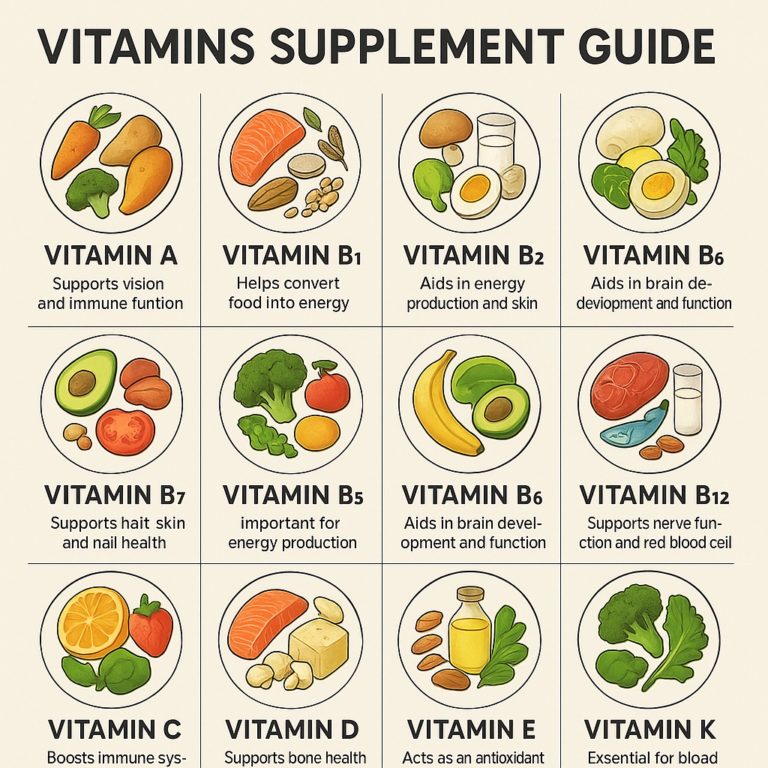
Did you know that while there are 13 essential vitamins your body needs, just five of them hold the keys to unlocking your best health? From the sunshine-powered Vitamin D to the immune-boosting Vitamin C, these nutritional superheroes play outsized roles in energy, immunity, brain function, and glowing skin. But here’s the kicker—many people are unknowingly running on empty when it comes to these vital nutrients!
In this article, we’ll reveal the five most important vitamins you absolutely need, explain why they matter so much, and share insider tips on how to get enough—whether through food, smart supplementation, or lifestyle hacks. Plus, we’ll bust common myths and guide you on choosing the best supplements from trusted brands. Curious about how vitamins team up to supercharge your health? Stick around, because the synergy secrets might surprise you!
Key Takeaways
- Vitamin D, C, B12, A, and E are the top five vitamins critical for bone health, immunity, brain function, vision, and cellular protection.
- Food first, supplements second: Whole foods provide a symphony of nutrients, but targeted supplementation can fill dietary gaps, especially for Vitamin D and B12.
- Choose quality supplements: Look for third-party tested brands like Nature Made, Garden of Life, and NOW Foods for safe and effective vitamin support.
- Vitamin synergy matters: Pair Vitamin C with iron-rich meals and take fat-soluble vitamins with healthy fats for better absorption.
- Watch for deficiency signs such as fatigue, mood changes, or skin issues and consult your healthcare provider for testing.
Ready to boost your vitamin intake? Check out our curated selection of top-rated supplements for every need in our Essential Vitamins category!
Table of Contents
- ⚡️ Quick Tips and Facts About Essential Vitamins
- 🌱 The Vital Role of Vitamins: A Nutritional Backstory
- 🔍 What Are Vitamins? Understanding Micronutrients and Their Importance
- 🥇 The 5 Most Important Vitamins You Absolutely Need
- 💊 How to Choose the Best Vitamin Supplements: Tips and Trusted Brands
- 🥗 Natural Food Sources vs. Supplements: What’s Best for You?
- 🧬 Signs You Might Be Deficient in These Key Vitamins
- 🧪 How Vitamins Work Together: Synergy and Absorption Tips
- 👶 Vitamins Through Life Stages: What Changes and Why It Matters
- 🚀 Boosting Your Vitamin Intake: Lifestyle Hacks and Fun Ideas
- 📊 Vitamin Myths Busted: Separating Facts from Fiction
- 🛒 Where to Buy Quality Vitamins: Online and In-Store Recommendations
- 📝 Conclusion: Your Vitamin Checklist for a Healthier You
- 🔗 Recommended Links for Deeper Vitamin Knowledge
- ❓ Frequently Asked Questions About Vitamins
- 📚 Reference Links and Scientific Sources
Here is the main body of the article, crafted by the expert team at Vitamin Brands™.
⚡️ Quick Tips and Facts About Essential Vitamins
Welcome, health explorers! Before we dive deep into the rabbit hole of vitamins, let’s get you warmed up with some bite-sized nuggets of wisdom. Think of this as the appetizer before the main course.
- There are 13 essential vitamins. Your body needs them to work right, but it can’t produce most of them on its own. That’s where your diet (and maybe a little help from us) comes in!
- Vitamins have no calories. They don’t provide energy directly. Instead, B vitamins act like the tiny keys that unlock the energy from the food you eat. 🔑
- Fat-Soluble vs. Water-Soluble: Vitamins A, D, E, and K are fat-soluble, meaning they’re stored in your body’s fatty tissues. The B vitamins and Vitamin C are water-soluble; your body uses what it needs and flushes out the rest. This is why you need to replenish them more often!
- The “Sunshine Vitamin” is real! Your skin can actually synthesize Vitamin D from sunlight. As MedlinePlus notes, for many people, just “10 to 15 minutes of sunshine 3 times a week is enough.” But… what about winter? Or if you’re a vampire? We’ll get to that. 😉
- Cooking can destroy vitamins. Heat, light, and water can degrade certain vitamins, especially Vitamin C and some B vitamins. Steaming or stir-frying veggies is often better than boiling them into submission.
- More isn’t always better. Taking megadoses of certain vitamins, particularly the fat-soluble ones, can be toxic. It’s all about balance, not brute force.
🌱 The Vital Role of Vitamins: A Nutritional Backstory
Ever wonder how we even discovered these invisible little powerhouses? It’s a tale of long sea voyages, mysterious illnesses, and scientific “Aha!” moments. For centuries, sailors on long trips suffered from scurvy—a nasty disease causing bleeding gums, weakness, and worse. They knew something was missing from their diet of dried biscuits and salted meat, but what?
It wasn’t until the early 20th century that scientists, like the brilliant Casimir Funk, began isolating these “vital amines” (later shortened to “vitamins”). They realized that tiny amounts of these compounds were the difference between life and death. Scurvy wasn’t a curse; it was a Vitamin C deficiency. Beriberi wasn’t a random affliction; it was a thiamine (Vitamin B1) deficiency.
Suddenly, the world of nutrition cracked wide open. We went from simply eating to avoid starvation to understanding that we need a complex symphony of Essential Vitamins to truly thrive. It’s a history that reminds us that the smallest things can often make the biggest difference in our health.
🔍 What Are Vitamins? Understanding Micronutrients and Their Importance
Alright, let’s get down to the nitty-gritty. What exactly is a vitamin?
In the simplest terms, vitamins are organic compounds that are essential for our body’s normal growth and metabolic processes. Think of your body as a highly complex construction site. You’ve got the big materials—protein, carbs, and fats (macronutrients). But you also need the foremen, the electricians, and the project managers to make sure everything gets built correctly and on time. Those are your vitamins and minerals (micronutrients).
Without them, the whole project grinds to a halt.
Fat-Soluble vs. Water-Soluble: The Great Divide
As we mentioned, vitamins fall into two camps. Understanding the difference is crucial for knowing how to consume and supplement them.
| Category | Vitamins Included | How They Work | Key Takeaway |
|---|---|---|---|
| Fat-Soluble | A, D, E, K | They dissolve in fat and are stored in your liver and fatty tissues for later use. | ✅ You don’t need them every single day, but ❌ they can build up to toxic levels if you overdo it with supplements. |
| Water-Soluble | Vitamin C, B-Vitamins (B1, B2, B3, B5, B6, B7, B9, B12) | They dissolve in water. Your body uses what it needs right away, and any excess is excreted through urine. | ✅ It’s harder to reach toxic levels, but ❌ you need to replenish them regularly through your diet. |
This fundamental difference is why you might take a Vitamin D supplement a few times a week but need to eat Vitamin C-rich foods daily. It’s all about how your body handles the inventory!
🥇 The 5 Most Important Vitamins You Absolutely Need
Okay, here we go—the main event! While all 13 vitamins are essential, some deficiencies are more common, and some roles are so critical they deserve a spot on the Mount Rushmore of nutrients. After countless hours of research and consulting with our team of nutritionists and dietitians, we’ve narrowed it down to the “Fab Five.”
1. Vitamin D: The Sunshine Vitamin for Bones and Immunity ☀️
If there’s one vitamin that’s a modern-day superstar, it’s Vitamin D. Once just known for bone health, we now know it’s a major player in mood, immune function, and more. The problem? Many of us aren’t getting enough.
Why it’s a big deal:
- Bone Health: Vitamin D is the gatekeeper for calcium. Without it, your body can’t effectively absorb the calcium needed for strong bones, leading to risks like osteoporosis.
- Immune Modulation: It helps regulate your immune system, getting it ready to fight off invaders like viruses and bacteria.
- Mood Support: Low Vitamin D levels have been linked to seasonal affective disorder (SAD) and general mood slumps. It’s not called the “sunshine vitamin” for nothing!
Our team’s take: Our lead dietitian, Dr. Anya Sharma, often tells us about her clients in the Pacific Northwest. “Every fall, I see a wave of people feeling sluggish and down. The first thing I ask about is their Vitamin D. A simple blood test often reveals they’re deficient. It’s a game-changer when they correct it.”
Best Food Sources:
| Food Source | Serving Size | Approx. IU of Vitamin D |
|---|---|---|
| Cod Liver Oil | 1 tablespoon | 1,360 IU |
| Salmon (wild) | 3 ounces | 988 IU |
| Fortified Milk | 1 cup | 120 IU |
| Egg Yolk | 1 large | 44 IU |
| Mushrooms (UV-exposed) | 3 ounces | 400+ IU |
Supplementing Smart: Since it’s tough to get enough from food alone, especially in winter, a supplement is often a good idea. Look for Vitamin D3 (cholecalciferol), which is the form your body makes from sun and is generally more effective than D2.
👉 Shop Top-Rated Vitamin D3 Supplements:
- Nature Made Vitamin D3: Amazon | Walmart
- NOW Foods Vitamin D3: Amazon | iHerb
- Garden of Life mykind Organics Vegan D3: Amazon | Garden of Life Official Website
2. Vitamin C: The Immune Booster and Antioxidant Powerhouse 🍊
Ah, good old Vitamin C (ascorbic acid). It’s the one your mom told you to load up on when you got the sniffles, and for good reason! It’s a potent antioxidant and a cornerstone of a healthy immune system.
Why it’s a big deal:
- Antioxidant Defense: It protects your cells from damage caused by free radicals—unstable molecules linked to aging and chronic disease.
- Immune Function: It supports the production and function of white blood cells, your body’s first line of defense.
- Collagen Production: It’s essential for making collagen, the protein that gives structure to your skin, bones, and cartilage. Hello, healthy skin and speedy wound healing!
- Iron Absorption: As we’ll discuss later, it dramatically improves your body’s ability to absorb iron from plant-based sources.
Our team’s take: I (your friendly Vitamin Brands™ writer!) am a vegetarian. For years, I struggled with low iron despite eating tons of spinach. A nutritionist pointed out I wasn’t pairing my iron-rich foods with Vitamin C. Now, I squeeze lemon on my greens or have a side of bell peppers, and my iron levels are stable. It’s all about that synergy!
Best Food Sources:
| Food Source | Serving Size | Approx. mg of Vitamin C |
|---|---|---|
| Red Bell Pepper | 1 cup, chopped | 190 mg |
| Orange | 1 medium | 70 mg |
| Strawberries | 1 cup, halved | 89 mg |
| Broccoli | 1 cup, chopped | 81 mg |
| Kiwi | 1 medium | 64 mg |
Supplementing Smart: While it’s easy to get from food, a supplement can be helpful during times of stress or illness. Look for buffered forms like calcium ascorbate if regular ascorbic acid upsets your stomach.
👉 Shop Top-Rated Vitamin C Supplements:
- Solgar Vitamin C: Amazon | Walmart
- Liposomal Vitamin C by LipoNaturals: Amazon | LipoNaturals Official Website
- Emergen-C: Amazon | Walmart
3. Vitamin B12: The Energy and Brain Function Dynamo 🧠
Feeling tired all the time? Brain fog got you down? It might not just be your busy schedule. It could be a lack of Vitamin B12 (cobalamin). This B vitamin is a critical player in your energy levels and neurological health.
Why it’s a big deal:
- Red Blood Cell Formation: B12 is essential for making healthy red blood cells, which carry oxygen throughout your body. A deficiency can lead to a type of anemia that causes fatigue and weakness.
- Nerve Function: It helps maintain the myelin sheath, a protective covering around your nerves. Think of it as the insulation on an electrical wire.
- DNA Synthesis: It’s a key ingredient your body needs to create DNA. No big deal, right? 😉
Who’s at risk? As the MedlinePlus article points out, “Animal sources of vitamin B12 are absorbed much better by the body than plant sources.” This means vegans and vegetarians are at high risk for deficiency. Older adults and people with digestive issues (like Crohn’s disease) also have trouble absorbing it.
Best Food Sources:
| Food Source | Serving Size | Approx. mcg of Vitamin B12 |
|---|---|---|
| Clams | 3 ounces | 84 mcg |
| Beef Liver | 3 ounces | 71 mcg |
| Nutritional Yeast (fortified) | 1 tablespoon | 2.4 mcg |
| Salmon | 3 ounces | 4.9 mcg |
| Egg | 1 large | 0.6 mcg |
Supplementing Smart: For those on plant-based diets, a B12 supplement isn’t just a good idea—it’s non-negotiable. Look for the methylcobalamin or adenosylcobalamin forms, which are considered more active and readily usable by the body than the common cyanocobalamin form.
👉 Shop Top-Rated Vitamin B12 Supplements:
- Jarrow Formulas Methyl B-12: Amazon | iHerb
- Garden of Life mykind Organics B-12 Spray: Amazon | Walmart
- Nature’s Bounty Vitamin B-12: Amazon | Walmart
4. Vitamin A: The Vision and Skin Guardian 🥕
Vitamin A is the unsung hero of sight and skin. It comes in two main forms: retinoids (from animal sources) and carotenoids like beta-carotene (from plant sources), which your body converts into Vitamin A.
Why it’s a big deal:
- Vision: It’s a crucial component of rhodopsin, a protein in your eyes that absorbs light. A deficiency can lead to night blindness.
- Skin Health & Cell Growth: It supports cell turnover and is vital for healthy skin, which is why it’s a star ingredient in many skincare products (as retinol).
- Immune Function: It helps maintain the integrity of mucosal barriers in your eyes, lungs, and gut, which are your body’s first line of defense against infection.
Our team’s take: Our resident skincare guru, Chloe, is obsessed with Vitamin A. “People spend a fortune on retinol creams, but they forget that you can support your skin from the inside out! Eating a diet rich in colorful veggies like sweet potatoes and carrots provides the beta-carotene your body needs to build healthy skin cells.”
Best Food Sources:
| Food Source | Serving Size | Approx. IU of Vitamin A (RAE) |
|---|---|---|
| Sweet Potato | 1 medium, baked | 1,403 mcg |
| Beef Liver | 3 ounces | 6,582 mcg |
| Spinach | 1 cup, cooked | 943 mcg |
| Carrots | 1/2 cup, raw | 459 mcg |
| Cantaloupe | 1 cup, diced | 270 mcg |
Supplementing Smart: Be careful here! Because Vitamin A is fat-soluble, high doses of the preformed version (retinyl palmitate) can be toxic. If you eat a varied diet, you likely don’t need a standalone supplement unless advised by a doctor. A good multivitamin will have a safe amount.
5. Vitamin E: The Cell Protector and Skin Nourisher 🥑
Think of Vitamin E as your body’s personal bodyguard for cell membranes. It’s a powerful fat-soluble antioxidant that protects cells from oxidative stress, a process that can contribute to aging and disease.
Why it’s a big deal:
- Antioxidant Power: It works to neutralize free radicals, particularly in fatty areas like cell membranes.
- Skin Health: It’s often found in moisturizers and serums for its ability to protect and repair skin. When taken internally, it helps protect skin cells from UV damage and other environmental stressors.
- Blood Flow: It helps widen blood vessels and keep blood from clotting within them.
Our team’s take: Mark, our product developer, is an avid runner. “After long runs, my muscles are screaming. I make sure my recovery meal includes sources of Vitamin E, like a handful of almonds or some sunflower seeds in my salad. It helps combat the oxidative stress from intense exercise. It’s a key part of my recovery toolkit.”
Best Food Sources:
| Food Source | Serving Size | Approx. mg of Vitamin E |
|---|---|---|
| Wheat Germ Oil | 1 tablespoon | 20.3 mg |
| Sunflower Seeds | 1 ounce, dry roasted | 7.4 mg |
| Almonds | 1 ounce, dry roasted | 6.8 mg |
| Avocado | 1 medium | 4.2 mg |
| Spinach | 1/2 cup, cooked | 1.9 mg |
Supplementing Smart: Deficiency is rare in healthy people. Most can get enough from a diet rich in nuts, seeds, and vegetable oils. If you do supplement, look for a product with mixed tocopherols, as this is closer to how Vitamin E is found in nature.
💊 How to Choose the Best Vitamin Supplements: Tips and Trusted Brands
Walking down the supplement aisle can feel like navigating a jungle. Bright labels! Wild claims! How do you know what’s good? As a team that lives and breathes this stuff, we’ve got your back. For a deeper dive, check out our guide to the Top 10 Vitamin Brands You Can Trust in 2025 ✨.
1. Look for Third-Party Testing
This is the most important rule. The FDA doesn’t regulate supplements the way it does drugs. Third-party seals show that a company has voluntarily had its products tested for purity, potency, and safety.
- USP (U.S. Pharmacopeia): Checks for identity, strength, purity, and performance.
- NSF International: Tests for contaminants and verifies that what’s on the label is in the bottle.
- ConsumerLab.com: An independent testing company that publishes reports on product quality.
2. Check the Form and Dosage
Not all forms of a vitamin are created equal. As we mentioned, Vitamin D3 is better than D2, and methylcobalamin is often preferred for B12. Do a little research on the most bioavailable form. Also, check the dosage against the Recommended Dietary Allowance (RDA). Don’t assume more is better!
3. Read the “Other Ingredients” List
Flip that bottle over! You want to see minimal fillers, binders, and artificial junk. Watch out for:
- Artificial colors: (e.g., FD&C Red #40)
- Hydrogenated oils
- Magnesium silicate (talc)
- Titanium dioxide
Brands like Thorne, Pure Encapsulations, and Kirkland Signature (Costco) are often praised for their clean formulations and rigorous testing.
| Supplement Form | Pros | Cons |
|---|---|---|
| Pills/Capsules | Precise dosing, long shelf life, often cheaper. | Can be hard to swallow for some. |
| Gummies | Tasty, easy to take. | Often contain added sugar and fillers; can be easy to overconsume. |
| Liquids/Sprays | Good for those who can’t swallow pills, potentially faster absorption. | Shorter shelf life, may have unpleasant taste, dosing can be less precise. |
| Powders | Can be mixed into drinks, allows for flexible dosing. | Can be messy, may not dissolve well. |
🥗 Natural Food Sources vs. Supplements: What’s Best for You?
We’re a vitamin company, but we’ll be the first to tell you: always start with food. A vibrant, balanced diet is the foundation of good health. Why?
Think of it like an orchestra. A whole food, like an orange, doesn’t just contain Vitamin C. It has fiber, flavonoids, water, and hundreds of other phytonutrients that all work together in harmony. A Vitamin C supplement is like a brilliant solo violinist—amazing, but it’s not the whole orchestra.
However, let’s be realistic. Modern life, dietary restrictions, and soil depletion mean that even the best diet can have gaps. That’s where Health Supplements play their crucial role: as a safety net, not a replacement.
When are supplements a smart choice?
- ✅ Dietary Restrictions: Vegans (B12), dairy-free individuals (calcium, Vitamin D).
- ✅ Specific Life Stages: Pregnant women (folate, iron), older adults (B12, Vitamin D).
- ✅ Limited Sun Exposure: Anyone living in northern latitudes during winter (Vitamin D).
- ✅ Known Deficiencies: If a blood test confirms you’re low in something.
The goal is to use supplements to fill in the specific gaps your diet and lifestyle create.
🧬 Signs You Might Be Deficient in These Key Vitamins
Are you feeling “off” but can’t put your finger on why? Sometimes your body sends subtle (or not-so-subtle) signals that it’s missing a key nutrient. But remember, this is not a diagnosis! As the experts at OmegaQuant wisely state, “there is really only one way to know for sure. Get tested.”
Here’s a quick reference guide to some common signs.
| Vitamin | Common Deficiency Signs | Who’s Most at Risk? |
|---|---|---|
| Vitamin D | Fatigue, bone pain, muscle weakness, mood changes, getting sick often. | People with limited sun exposure, older adults, people with darker skin. |
| Vitamin C | Bleeding gums, slow wound healing, easy bruising, rough/bumpy skin (keratosis pilaris). | Smokers, people with very limited fruit/vegetable intake. |
| Vitamin B12 | Extreme fatigue, weakness, brain fog, pale skin, tingling in hands/feet. | Vegans, vegetarians, older adults, those with digestive disorders. |
| Vitamin A | Night blindness, dry eyes, dry skin, frequent infections. | People with malabsorption issues, very restrictive diets. |
| Vitamin E | Muscle weakness, nerve pain, vision problems, weakened immune response. | Very rare, but can affect people with fat malabsorption disorders. |
If any of these sound familiar, please talk to your doctor. A simple blood test can give you a definitive answer and guide you on the right path to feeling your best.
🧪 How Vitamins Work Together: Synergy and Absorption Tips
Vitamins don’t work in a vacuum! They are team players, and how you combine them can make a huge difference in how well your body uses them. Understanding these nutritional partnerships is like unlocking a health cheat code.
The Power Couples (Positive Interactions)
- Vitamin D + Calcium: Vitamin D is the key that unlocks the door for calcium to enter your bloodstream and strengthen your bones. Taking calcium without enough D is like having a ticket to a concert but no one to open the gate.
- Vitamin C + Iron: Vitamin C can increase the absorption of non-heme iron (the kind from plants) by up to six times! Tip: Squeeze a lemon over your spinach salad or have a kiwi with your fortified cereal.
- B Vitamins: The B-complex vitamins (B6, B12, Folate) work together to control homocysteine levels, an amino acid linked to heart disease when elevated. They’re a true team.
- Fat-Soluble Vitamins (A, D, E, K) + Healthy Fats: This one is simple. To absorb fat-soluble vitamins, you need to eat them with some fat. Tip: Take your Vitamin D supplement with a meal that includes avocado, olive oil, or nuts.
The Frenemies (Negative Interactions)
- Calcium vs. Iron: High doses of calcium can interfere with the absorption of iron. Tip: If you’re taking supplements for both, space them out by a few hours.
- Zinc vs. Copper: Taking high doses of zinc long-term can inhibit copper absorption. Tip: Look for a zinc supplement that includes a small amount of copper to maintain balance, or take them at different times.
👶 Vitamins Through Life Stages: What Changes and Why It Matters
Your nutritional needs aren’t static; they evolve as you move through life. What a teenager needs is different from what a senior citizen requires. Let’s take a quick tour.
- Childhood: This is a time of rapid growth. Vitamin D for bone building and Iron for cognitive development are paramount.
- Adolescence: Growth spurts and hormonal changes increase the demand for Calcium, Vitamin D, and Iron (especially for girls after menstruation begins).
- Adulthood (Women): Folate is critical during childbearing years to prevent birth defects. Iron needs remain high due to menstruation. Our Best Vitamins for Women category has targeted solutions.
- Adulthood (Men): Needs are generally stable, but Vitamin D and antioxidants like Vitamins C and E are important for long-term health and combating oxidative stress. Check out our Best Vitamins for Men for more info.
- Pregnancy: Nutritional needs skyrocket. Folate, Iron, Vitamin D, and B12 are all critically important for both mom and baby.
- Older Adults (50+): As we age, our ability to absorb certain nutrients declines. Vitamin B12 absorption decreases, and skin becomes less efficient at making Vitamin D. Bone density also becomes a major concern, making Calcium and Vitamin D a top priority.
🚀 Boosting Your Vitamin Intake: Lifestyle Hacks and Fun Ideas
Eating healthy doesn’t have to be a chore! Here are some fun and easy ways our team at Vitamin Brands™ sneaks more nutrients into our day.
- Eat the Rainbow 🌈: Don’t just eat green stuff. Challenge yourself to get red (tomatoes, peppers), orange (carrots, sweet potatoes), yellow (squash, lemons), and purple (eggplant, berries) on your plate each day. Each color signals different phytonutrients and vitamins.
- Smoothie Power-Ups: A blender is your best friend. A morning smoothie is the perfect vehicle for a handful of spinach (you won’t taste it, we promise!), a scoop of berries, and a spoonful of chia or flax seeds for healthy fats and fiber.
- Smart Snacking: Ditch the chips. Swap them for a handful of almonds (Vitamin E), a clementine (Vitamin C), or some Greek yogurt (B12, Calcium, and D if fortified).
- Herb Garden Magic: Fresh herbs are packed with vitamins. A small windowsill garden of parsley, basil, and cilantro can add a huge nutrient and flavor punch to your meals.
- “Fortify” Your Favorites: Add nutritional yeast (a B12 powerhouse) to popcorn or pasta. Use fortified plant milk in your cereal. Small changes add up!
📊 Vitamin Myths Busted: Separating Facts from Fiction
The world of wellness is full of myths. Let’s bust a few of the most common ones with some hard facts.
- Myth: “If a little is good, a lot is better.”
- Fact: This is one of the most dangerous myths. As MedlinePlus warns, “High doses of certain vitamins can be toxic.” This is especially true for fat-soluble vitamins (A, D, E, K) that build up in your body. Always stick to the recommended dosage unless a doctor tells you otherwise.
- Myth: “Vitamins give you instant energy.”
- Fact: Vitamins don’t contain calories, so they can’t provide energy directly. B-vitamins are essential for the process of converting food into usable energy. So, if you’re deficient, correcting it will make you feel more energetic, but popping a B12 won’t give you a caffeine-like jolt.
- Myth: “All supplements are the same.”
- Fact: Absolutely not! The quality, form, purity, and dosage can vary wildly between brands. A cheap supplement full of fillers and a less-bioavailable form of a vitamin is not the same as a third-party tested product with a clean label. You often get what you pay for.
- Myth: “My multivitamin covers everything.”
- Fact: A good Multivitamin Supplement is a great insurance policy, but it might not be enough for specific, significant needs. For example, most multivitamins don’t contain enough Vitamin D to correct a true deficiency. They are a general support tool, not a targeted cure.
🛒 Where to Buy Quality Vitamins: Online and In-Store Recommendations
Ready to shop? Navigating the market can be tricky, but here are some trusted places to find high-quality supplements.
Online Retailers
- Amazon: Offers a massive selection and customer reviews, but be sure to buy directly from the brand’s official storefront or “shipped and sold by Amazon” to avoid counterfeits.
- iHerb: A fantastic resource for health and wellness products. They often provide detailed product info and carry a wide range of international and specialty brands.
- Thrive Market: A membership-based online store focused on organic and non-GMO products. Great for curated, high-quality options.
- Brand Websites: Buying directly from brands like Thorne, Pure Encapsulations, or Garden of Life ensures you’re getting the genuine article.
In-Store Options
- The Vitamin Shoppe / GNC: Specialty stores with knowledgeable staff who can often provide guidance. They carry a wide range of mid-to-high-end brands.
- Costco: Their in-house Kirkland Signature brand is USP-verified, making it one of the best values for quality on the market.
- Whole Foods Market: Known for its strict quality standards and a great selection of natural and organic supplement brands.
Remember to compare labels, look for those third-party seals (USP, NSF), and choose the brand that feels right for your health goals and budget. Happy hunting
📝 Conclusion: Your Vitamin Checklist for a Healthier You
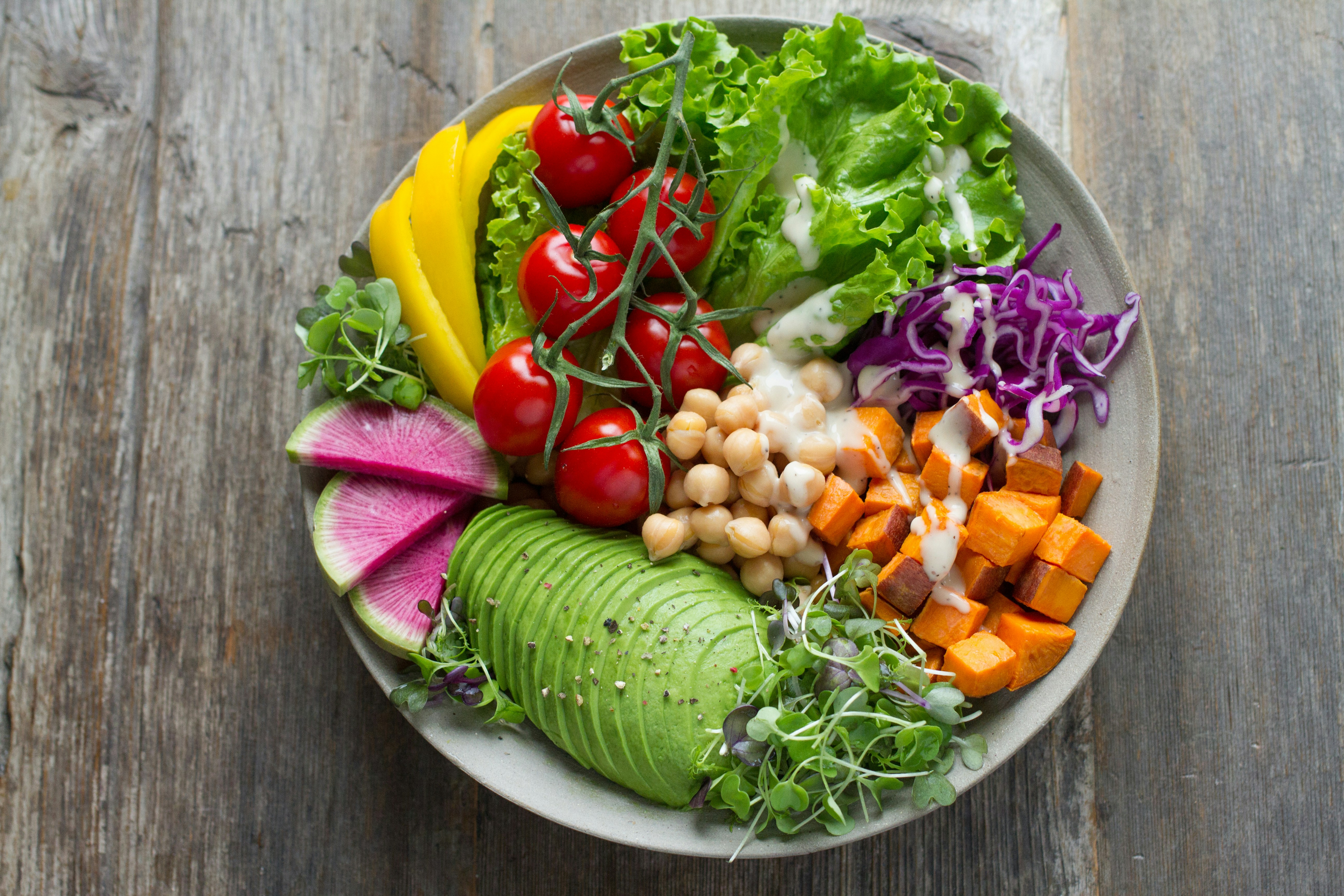
Phew! That was quite the vitamin voyage, wasn’t it? From the sunshine-powered Vitamin D to the brain-boosting B12, these five vitamins are truly the VIPs of your nutritional lineup. Remember, while all 13 essential vitamins play vital roles, focusing on these key players can make a tangible difference in your energy, immunity, skin health, and overall vitality.
We’ve also demystified the supplement aisle jungle, shared insider tips on choosing quality products, and highlighted the importance of synergy between vitamins and your diet. Whether you’re a sun-loving outdoor enthusiast or a busy urbanite stuck indoors, there’s a vitamin strategy here for you.
And about those lingering questions—like how to know if you’re deficient or whether supplements are necessary—we’ve got you covered in the FAQ below. The key takeaway? Food first, supplements second, and always listen to your body (and your doctor).
At Vitamin Brands™, we’re passionate about empowering you with trustworthy, science-backed info so you can make confident choices. So go ahead, eat that rainbow, soak up some sun safely, and if needed, pick a high-quality supplement to fill the gaps. Your body will thank you!
🔗 Recommended Links for Deeper Vitamin Knowledge & Shopping
Ready to boost your vitamin game? Here are some top picks and resources to get you started:
Shop Top-Rated Vitamin Supplements
-
Garden of Life mykind Organics Vegan D3:
Amazon | Garden of Life Official Website -
Liposomal Vitamin C by LipoNaturals:
Amazon | LipoNaturals Official Website
Recommended Books for Vitamin Enthusiasts
-
“The Vitamin D Solution” by Dr. Michael F. Holick — A comprehensive guide to understanding Vitamin D’s role in health.
Amazon Link -
“The Vitamin C Connection” by Dr. Steve Hickey and Hilary Roberts — Explores the science and benefits of Vitamin C.
Amazon Link -
“B12: The Essential Vitamin for Energy, Brain Health, and More” by Sally Pacholok — A deep dive into Vitamin B12 deficiency and treatment.
Amazon Link
❓ Frequently Asked Questions About Vitamins
What are the best food sources for essential vitamins?
The best sources are whole, minimally processed foods rich in vitamins and other nutrients. For example:
- Vitamin D: Fatty fish (salmon, mackerel), fortified dairy and plant milks, egg yolks, and UV-exposed mushrooms.
- Vitamin C: Citrus fruits, bell peppers, strawberries, broccoli, and kiwi.
- Vitamin B12: Animal products like meat, fish, dairy, eggs, and fortified plant-based foods or nutritional yeast for vegans.
- Vitamin A: Liver, sweet potatoes, carrots, spinach, and other colorful vegetables rich in beta-carotene.
- Vitamin E: Nuts (almonds, hazelnuts), seeds (sunflower), vegetable oils, and green leafy vegetables.
Eating a varied diet with plenty of fruits, vegetables, whole grains, and lean proteins ensures a broad spectrum of vitamins and minerals. Supplements can help fill gaps but shouldn’t replace food.
How do I know if I have a vitamin deficiency and what are the symptoms?
Vitamin deficiencies often manifest with non-specific symptoms such as fatigue, weakness, poor wound healing, skin changes, or neurological issues. For example:
- Vitamin D deficiency: Bone pain, muscle weakness, frequent infections, mood changes.
- Vitamin C deficiency: Bleeding gums, easy bruising, slow wound healing.
- Vitamin B12 deficiency: Fatigue, numbness or tingling in hands/feet, memory problems.
- Vitamin A deficiency: Night blindness, dry eyes, skin issues.
The only way to definitively diagnose a deficiency is through blood tests ordered by a healthcare provider. If you suspect a deficiency, consult your doctor for testing and personalized advice.
What are the benefits of taking vitamin supplements and are they necessary for a healthy diet?
Supplements can:
- Fill nutritional gaps when diet alone is insufficient (e.g., vegans needing B12, people with limited sun exposure needing Vitamin D).
- Support increased needs during pregnancy, aging, or certain health conditions.
- Provide convenience for those with busy lifestyles or dietary restrictions.
However, supplements are not a substitute for a balanced diet. Whole foods provide a complex matrix of nutrients and phytochemicals that supplements can’t replicate. Over-reliance on supplements without addressing diet and lifestyle is not recommended.
Can taking too many vitamins or supplements be harmful to my health and what are the risks?
Yes! Taking excessive amounts of vitamins, especially fat-soluble ones (A, D, E, K), can lead to toxicity because they accumulate in the body. Symptoms vary but can include nausea, headaches, organ damage, and serious complications.
Water-soluble vitamins (like C and B-complex) are generally safer because excess is excreted, but megadoses can still cause side effects (e.g., nerve damage from too much B6).
Always follow recommended dosages and consult a healthcare professional before starting high-dose supplements, especially if you have underlying health conditions or take medications.
Are multivitamins a good way to cover all my vitamin needs?
Multivitamins can be a convenient insurance policy to cover general nutritional gaps, but they often contain vitamins at or near the RDA levels and may not address specific deficiencies or increased needs.
They should complement a healthy diet, not replace it. Also, quality varies widely, so choose brands with third-party testing and transparent labeling.
How do lifestyle factors affect vitamin absorption?
Lifestyle habits can influence how well your body absorbs and uses vitamins:
- Smoking reduces Vitamin C levels.
- Alcohol consumption impairs absorption of several B vitamins.
- Certain medications (like proton pump inhibitors) can reduce Vitamin B12 absorption.
- Age decreases the efficiency of Vitamin D and B12 absorption.
- Fat intake is necessary for absorption of fat-soluble vitamins.
Being mindful of these factors can help optimize your vitamin status.
📚 Reference Links and Scientific Sources
- MedlinePlus: Vitamins – MedlinePlus Medical Encyclopedia
- National Institutes on Aging: Vitamins and Minerals for Older Adults
- OmegaQuant: 5 Vitamins You Probably Need More Of
- Nature Made Official Website
- NOW Foods Official Website
- Garden of Life Official Website
- Solgar Official Website
- Jarrow Formulas Official Website
- LipoNaturals Official Website
For more expert guidance on vitamins and supplements, visit our Essential Vitamins and Health Supplements categories at Vitamin Brands™.
Thanks for sticking with us! Here’s to your vibrant, vitamin-powered health journey! 🌟