Support our educational content for free when you purchase through links on our site. Learn more
10 Best Supplement Brands for Athletes (2026) 🏋️

The best supplement brands for athletes on our shortlist include Thorne, Klean Athlete, Momentous, Optimum Nutrition, Garden of Life Sport, Legion, NOW Sports, Transparent Labs, Muscle Milk, and Ascent. But no brand earns a blanket gold medal: the right choice depends on your nutrition goal, ingredient needs, and whether your sport requires banned-substance screening.
We’ve seen athletes spend more time comparing pre-workout labels than eating lunch before training. The better move is less glamorous—and usually more useful: identify a real gap, choose a clearly labeled product, and verify the exact item if you’re subject to drug testing.
Key Takeaways
- Match the supplement to a specific need. Protein powder, creatine, caffeine, and electrolytes serve different purposes; many athletes may not need them all.
- Check products, not just brand reputations. Certification and testing can vary across a company’s catalog.
- Look for transparent labels and sensible ingredients. Disclosed doses make products easier to compare.
- Food, training, hydration, and sleep come first. Supplements can help fill a gap, not replace the basics.
- For tested athletes, verify the exact product in a recognized sport-certification directory and consult your sport’s anti-doping guidance.
👉 Shop the brands: Thorne | Optimum Nutrition | Garden of Life Sport | Legion | Klean Athlete | NOW Sports | Momentous | Transparent Labs | Muscle Milk | Ascent
Table of Contents
- ⚡️ Quick Tips and Facts
- 🏋️ What Makes a Supplement Brand Athlete-Ready?
- Sports nutrition supplements worth considering
- Supplements that need extra caution
- 📚 Sports Supplement Brand Background: How the Market Evolved
- 🔎 How We Evaluated the Best Supplement Brands for Athletes
- Third-party testing and banned-substance screening
- Ingredient quality, transparency, and evidence
- Product range, usability, and athlete needs
- 🏆 Best Supplement Brands for Athletes: Expert Picks
- 1. Thorne: Premium sports nutrition and rigorous testing
- 2. Optimum Nutrition: Widely available protein and performance staples
- 3. Garden of Life Sport: Certified organic and plant-based options
- 4. Legion Athletics: Transparent formulas and evidence-led ingredients
- 5. Klean Athlete: Certified supplements for tested athletes
- 6. NOW Sports: Broad selection of everyday sports supplements
- 7. Momentous: Performance-focused products with third-party testing
- 8. Transparent Labs: Clearly labeled workout and recovery formulas
- 9. Muscle Milk by Hormel Health Labs: Convenient protein products
- 10. Ascent Protein: Straightforward protein for training and recovery
- 🥇 Best Athlete Supplement Brands by Goal
- Best brands for protein powder and muscle recovery
- Best brands for creatine and strength training
- Best brands for endurance and hydration
- Best brands for plant-based athletes
- Best brands for athletes who must avoid banned substances
- 🧪 How to Choose Safe, High-Quality Sports Supplements
- What NSF Certified for Sport and Informed Sport mean
- How to read supplement labels and serving sizes
- Proprietary blends, contaminants, and misleading claims
- 🍽️ Food First: Where Supplements Fit in an Athlete’s Diet
- 💊 Common Sports Supplements: Benefits, Evidence, and Caveats
- Protein powder
- Creatine monohydrate
- Caffeine and pre-workout supplements
- Electrolytes and sports drinks
- Vitamins, minerals, and omega-3s
- ⚠️ Supplement Safety, Medication Interactions, and Anti-Doping Risks
- 🛒 Where to Buy Sports Supplements and Spot Counterfeits
- 📋 Quick Tips for Building a Smarter Supplement Routine
- ✅ Conclusion
- 🔗 Recommended Links
- ❓ FAQ
- What is the best supplement brand for athletes?
- Which supplement brands are third-party tested for sport?
- What supplements are most useful for athletes?
- Are sports supplements safe for high school athletes?
- How can athletes check whether a supplement is banned?
- Should athletes take supplements every day?
- 📖 Reference Links
⚡️ Quick Tips and Facts
The best supplement brand for an athlete is the one that matches your actual nutrition gap, sport, dietary needs, and drug-testing risk. A flashy tub can’t outlift a sensible training plan, enough food, and sleep.
For a broader look at reputable manufacturers, see our guide to the top 10 supplement brands in the USA.
| Quick fact | What it means for you |
|---|---|
| Food and training come first | Supplements can help fill a specific gap; they don’t replace a well-planned diet or recovery. |
| Certification is product-specific | Check the exact product and, where possible, the current batch. A certified brand doesn’t mean every product it sells is certified. |
| Creatine monohydrate is among the best-studied performance supplements | For healthy adults, commonly studied maintenance amounts are 3–5 g daily. Ask a clinician first if you have a medical condition or take medication. |
| Protein needs vary | Total daily intake matters more than a narrow “anabolic window.” A sports dietitian can help set a target for your training and health needs. |
| More ingredients don’t mean more results | Transparent labels and meaningful doses beat kitchen-sink blends with undisclosed amounts. |
| Athletes can face contamination and anti-doping risks | Third-party sport certification can reduce risk, but no supplement is a guarantee against a positive test. |
✅ Fast shortlist: Consider Thorne, Klean Athlete, Momentous, Optimum Nutrition, Garden of Life Sport, Legion, NOW Sports, Transparent Labs, Muscle Milk, and Ascent. Verify certifications for the specific product before buying.
❌ Skip the “secret formula” sales pitch. Proprietary blends can make it impossible to tell whether a product supplies effective amounts of its ingredients.
For foundational nutrition, explore our guides to essential vitamins, health supplements, and multivitamin supplements.
🏋️ What Makes a Supplement Brand Athlete-Ready?
A credible sports nutrition brand does more than put “performance” on the label. We look for clear formulas, sound manufacturing practices, evidence-aware claims, and testing appropriate to the athlete’s risk.
A supplement is not automatically safe or effective because it’s popular, expensive, “natural,” or sold by a familiar company. In the United States, the FDA does not approve dietary supplements for safety and effectiveness before they are marketed.
Sports nutrition supplements worth considering
Evidence is strongest for a relatively short list of products in specific settings. The International Olympic Committee consensus statement on dietary supplements stresses that athletes should assess both the evidence and the risk of use.
| Supplement | Potential use | What to check |
|---|---|---|
| Protein powder | Convenient way to help meet protein needs when food isn’t practical | Protein per serving, allergens, sweeteners, sport certification if relevant |
| Creatine monohydrate | May support repeated high-intensity efforts and strength-training adaptations | Plain monohydrate, clear serving amount, appropriate medical advice |
| Caffeine | May improve alertness and performance for some athletes | Total caffeine from all sources, timing, tolerance, sleep impact |
| Sports drink or electrolytes | Useful during prolonged, intense exercise, heat exposure, or heavy sweat loss | Carbohydrate and sodium amounts suited to the session |
| Vitamin or mineral supplement | May help address a diagnosed deficiency or an intake gap | Whether testing or clinician guidance is appropriate |
The NIH Office of Dietary Supplements (ODS) fact sheets offer practical, evidence-reviewed information on ingredients such as creatine, caffeine, vitamins, and minerals.
Supplements that need extra caution
Some products are marketed heavily despite limited or mixed evidence, while others may carry extra safety concerns.
- Pre-workouts: Check caffeine and stimulant totals; avoid stacking several stimulant products.
- Fat burners and “test boosters”: Claims may exceed the evidence, and multi-ingredient formulas can complicate safety checks.
- BCAs: If your overall protein intake is adequate, isolated branched-chain amino acids may add little.
- High-dose vitamins and minerals: More is not automatically better; excess intake can be harmful.
- Anything promising instant muscle gain, extreme fat loss, or a “legal steroid” effect: Treat that promise as a red flag.
The Australian Institute of Sport supplement framework also reminds athletes to consider whether a supplement is necessary, effective, safe, and permitted before using it.
📚 Sports Supplement Brand Background: How the Market Evolved
Sports nutrition has grown from a niche of protein powders and basic sports drinks into a crowded category spanning recovery products, hydration mixes, vitamins, creatine, and elaborate pre-workouts. More choice sounds lovely until you’re standing in front of 47 tubs all promising “clean energy.” 🥴
That growth has made independent quality testing and label transparency more important. The FDA explains that dietary supplements are regulated differently from conventional drugs, so shoppers shouldn’t assume every marketing claim has been preapproved.
The history of sport certification matters, too. Programs such as NSF Certified for Sport and Informed Sport screen products for substances prohibited in sport. Their marks can help athletes make a more informed choice, but they do not prove a product will improve performance, and certification status should be checked for the specific item.
🔎 How We Evaluated the Best Supplement Brands for Athletes
We compared the brands using criteria that matter in real life: testing, transparent labels, useful product selection, evidence-aware formulations, dietary fit, and practical usability. We did not treat brand reputation alone as proof of product quality.
A useful counterpoint comes from Best Brands HQ, which says the supplement market can “feel like a maze” and assesses brands on quality, transparency, science, athlete focus, and reputation. We agree with the need for a structured checklist, but brand-level claims must be verified at product level. A company may make certified products alongside products that are not certified.
Third-party testing and banned-substance screening
We look for an identifiable program, not just vague wording such as “lab tested.” Examples include:
- NSF Certified for Sport: Product testing and screening intended for athletes concerned about prohibited substances. Search the NSF Certified for Sport directory.
- Informed Sport: Batch testing for substances prohibited in sport. Search the Informed Sport product directory.
- USP verification: A quality program that may verify aspects of a supplement’s identity, potency, and manufacturing. It is not the same thing as sport-specific banned-substance certification; see USP’s verification program.
Important: Certification can change, and not every product from a participating company carries the same mark. Search the exact product name and check the package.
Ingredient quality, transparency, and evidence
We give more weight to products that:
- Name each active ingredient.
- Disclose its amount per serving.
- Avoid hiding important quantities in a proprietary blend.
- Use a formulation with a plausible purpose and evidence.
- Avoid exaggerated claims about medical treatment or instant results.
In its brand review, Garage Gym Reviews highlights Transparent Labs for published testing information and ingredient transparency, while also noting that certification varies and some products may not be available through every retailer. That’s a useful reminder: judge the label and verification record, not the logo on the website alone.
Product range, usability, and athlete needs
A good brand for a vegan endurance athlete may be a poor fit for someone with dairy allergies or an athlete subject to frequent drug testing. We considered:
- Sport: Endurance, team sports, strength training, or general fitness.
- Dietary fit: Vegan, vegetarian, dairy-free, gluten-free, or allergen needs.
- Convenience: Powder, ready-to-drink shake, capsules, or single-ingredient product.
- Tolerance: Taste, digestion, caffeine sensitivity, and serving size.
- Testing needs: Competitive or occupational drug-testing requirements.
Our picks are not a medical endorsement or a guarantee of safety. If you’re a minor, pregnant, managing a health condition, taking medication, or subject to anti-doping rules, consult an appropriate health professional before starting a supplement.
🏆 Best Supplement Brands for Athletes: Expert Picks
These are brand-level recommendations, not a claim that every product from each company is ideal. We recommend checking the exact product, serving size, ingredient panel, certification status, and current testing information.
The ratings below are our editorial comparison of brand characteristics, not clinical scores or laboratory results.
| Brand | Best suited for | Transparency | Sport-testing focus | Product variety | Overall fit |
|---|---|---|---|---|---|
| Thorne | Broad wellness and sport-focused options | 8/10 | 9/10 | 9/10 | 9/10 |
| Optimum Nutrition | Widely available everyday protein and training staples | 7/10 | 7/10 | 9/10 | 8/10 |
| Garden of Life Sport | Organic-minded and plant-based athletes | 8/10 | 8/10 | 7/10 | 8/10 |
| Legion Athletics | Clear ingredient doses and performance formulas | 9/10 | 7/10 | 8/10 | 8/10 |
| Klean Athlete | Athletes prioritizing sport certification | 8/10 | 9/10 | 7/10 | 9/10 |
| NOW Sports | Broad selection and simple staples | 7/10 | 6/10 | 9/10 | 8/10 |
| Momentous | Performance-focused formulations | 8/10 | 9/10 | 7/10 | 8/10 |
| Transparent Labs | Published formulas and testing resources | 9/10 | 8/10 | 8/10 | 9/10 |
| Muscle Milk | Convenient ready-to-drink protein | 6/10 | 5/10 | 7/10 | 7/10 |
| Ascent Protein | Protein-focused athletes seeking sport-tested options | 8/10 | 8/10 | 6/10 | 8/10 |
Testing scores are not interchangeable. Verify current certification for the individual product. A certification score in a brand comparison does not certify every item that brand sells.
1. Thorne: Premium sports nutrition and rigorous testing
Best for: Athletes looking for a broad health-and-performance range, with some products carrying sport certification.
Thorne makes a wide range of products, including protein, creatine, micronutrients, and general wellness supplements. It publishes a NSF Certified for Sport product collection and information about its testing and quality systems on its official website.
Strengths
- Broad range beyond sports nutrition.
- Some products are NSF Certified for Sport.
- Useful option when an athlete needs to consider both general nutrition and training.
Limitations
- Certification is product-specific, so don’t assume the entire catalog is certified.
- A broad catalog makes ingredient-overlap checks especially important.
Our take: A strong contender for athletes who want to compare several product categories in one place. Check the NSF listing before purchase if drug-testing risk matters.
👉 Shop Thorne: Thorne Official Website | Amazon search
2. Optimum Nutrition: Widely available protein and performance staples
Best for: Everyday gym-goers seeking familiar staples and broad retail availability.
Optimum Nutrition’s best-known product is Gold Standard 100% Whey, alongside creatine, amino-acid products, and pre-workouts. Its Gold Standard Whey page lists product details and nutrition information.
Strengths
- Widely available.
- Large range of protein flavors and formats.
- A recognizable option for shoppers who want basic products rather than a boutique stack.
Limitations
- Retail availability is not proof of sport certification.
- Flavored products may include sweeteners and ingredients some athletes prefer to avoid.
- Compare the exact formula and allergen statement, especially for dairy sensitivity.
Our take: A practical protein choice for many recreational athletes; competitive athletes should verify the specific product’s status rather than rely on the brand name.
👉 Shop Optimum Nutrition: Official Website | Amazon search
3. Garden of Life Sport: Certified organic and plant-based options
Best for: Plant-based athletes and shoppers who prioritize organic ingredients.
Garden of Life Sport offers plant protein and other sport-positioned products. Its Sport Organic Plant-Based Protein provides product-specific ingredient and certification details.
Strengths
- Plant-based protein option.
- Organic-oriented range.
- A useful brand to compare for athletes avoiding dairy.
Limitations
- Plant protein flavor and texture vary by formula and personal preference.
- Check the label for allergens and any added ingredients.
- Confirm the exact product’s certification; don’t generalize from one Sport product to another.
Our take: A candidate for vegan athletes, but compare the protein amount and amino-acid profile with your needs. A plant-based label alone doesn’t guarantee that one serving meets your full recovery goals.
👉 Shop Garden of Life Sport: Official Website | Amazon search
4. Legion Athletics: Transparent formulas and evidence-led ingredients
Best for: Shoppers who want to see ingredient amounts and the rationale behind performance formulas.
Legion offers products including Whey+, Pulse, and creatine. Its official site publishes product labels and supporting information. As with any brand, assess the quality of the evidence for each ingredient, not just the presence of study citations.
Strengths
- Clearer ingredient-dose disclosure than many proprietary blends.
- Broad selection for strength and training goals.
- Useful label detail for comparing pre-workouts.
Limitations
- Formulas may include several active ingredients, so check total caffeine and overlapping ingredients.
- A fully disclosed formula does not establish that every ingredient is necessary or effective for you.
- Certification status varies by product.
Our take: Transparency is a real advantage. Best Brands HQ praises Legion for “being completely transparent,” but our view is that transparency is the starting line, not the finish line: the doses, evidence, and safety still matter.
👉 Shop Legion: Legion Official Website | Amazon search
5. Klean Athlete: Certified supplements for tested athletes
Best for: Athletes who want a range built around sport-specific testing considerations.
Klean Athlete offers products such as protein, creatine, and micronutrients. The brand presents its testing information and product range on the Klean Athlete website. Check the current certification directory for each specific item.
Strengths
- Athlete-focused product positioning.
- A useful brand to consider when prohibited-substance risk is a priority.
- Straightforward product categories.
Limitations
- Not every athlete needs a broad supplement routine.
- Verify current product certification; certification status can change.
- A certified product still should be checked for allergens, medications, and individual suitability.
Our take: A serious option for tested athletes, provided the product you select appears in the relevant directory and fits a genuine need.
👉 Shop Klean Athlete: Klean Athlete Official Website | Amazon search
6. NOW Sports: Broad selection of everyday sports supplements
Best for: Athletes comparing single-ingredient staples and a wide range of sports nutrition products.
NOW Sports is part of NOW Foods, a long-established supplement company. Its NOW Sports product catalog includes products such as protein, amino acids, and creatine.
Strengths
- Broad selection.
- Useful for comparing basic ingredients and formats.
- Offers product and quality information through the company website.
Limitations
- GMP or general quality claims are not the same as sport-specific banned-substance certification.
- Testing and certification vary by product.
- Large catalogs can make it easy to buy products you don’t need.
Our take: A reasonable brand to investigate for everyday products; athletes in tested sports should independently confirm the specific product in an appropriate sport-certification directory.
👉 Shop NOW Sports: NOW Sports Official Website | Amazon search
7. Momentous: Performance-focused products with third-party testing
Best for: Athletes who want performance-oriented products and detailed educational material.
Momentous offers products including whey protein, creatine, and supplements for sleep and recovery. The brand’s official product range provides current product and testing details.
Strengths
- Performance-centered range.
- Testing information is available for shoppers to review.
- Product selection can suit athletes looking for more than protein alone.
Limitations
- A quality brand does not mean you need every product in a stack.
- Check product-specific certification, formulation, and allergens.
- Individual response and tolerance still vary.
Our take: A useful brand to compare for athletes who value product information and a sport-focused approach. Supplements Scored identifies Momentous among brands with products commonly certified in multiple categories; still, verify the exact product and batch.
👉 Shop Momentous: Momentous Official Website | Amazon search
8. Transparent Labs: Clearly labeled workout and recovery formulas
Best for: Athletes who prioritize disclosed ingredient amounts and accessible testing information.
Transparent Labs sells products such as whey isolate, creatine, hydration mixes, and pre-workouts. The brand shares product and testing information on its official website.
Strengths
- Clear ingredient and dose information across many products.
- A substantial range for training and recovery.
- Useful option for shoppers comparing multi-ingredient formulas.
Limitations
- A transparent label does not mean a complex formula is necessary.
- Certification may differ by product.
- Multi-ingredient pre-workouts make it especially important to track caffeine and other stimulants.
Our take: A strong option for ingredient transparency, especially when you want to inspect a formula before buying. Garage Gym Reviews selected Transparent Labs as its best vitamin brand for athletes, citing testing information and product transparency; its review also notes that testing and certification should be checked product by product.
👉 Shop Transparent Labs: Transparent Labs Official Website | Amazon search
9. Muscle Milk by Hormel Health Labs: Convenient protein products
Best for: Athletes who value ready-to-drink convenience or easy-to-mix protein.
Muscle Milk offers shakes and powders. The official Muscle Milk site provides current product information. Its ready-to-drink format can be handy after a workout or while traveling, but it is not automatically a better recovery choice than a meal.
Strengths
- Convenient shake format.
- Familiar retail presence.
- Useful when food preparation isn’t practical.
Limitations
- Check the nutrition facts, protein amount, added sugars, allergens, and serving size.
- Ready-to-drink convenience may not fit every budget or dietary preference.
- Do not treat a shake as a substitute for a varied diet.
Our take: Convenient, not magical. Compare the label with other protein options, including food, whey powders, and plant-based blends.
👉 Shop Muscle Milk: Muscle Milk Official Website | Amazon search
10. Ascent Protein: Straightforward protein for training and recovery
Best for: Athletes whose main supplement goal is a convenient protein source.
Ascent offers whey protein and other products through its official website. Product labels and any sport certifications should be checked for the specific flavor and format.
Strengths
- Focused protein range.
- Useful for athletes who want a post-training or on-the-go protein option.
- Offers details about its products and ingredients online.
Limitations
- Whey is not suitable for vegans and may not suit people with dairy allergies.
- Taste and mixability are personal.
- Verify certification for the exact product if you are subject to drug testing.
Our take: A focused protein brand worth comparing against Optimum Nutrition and other whey options. Don’t pay extra for claims you can’t connect to a useful ingredient or a verifiable test.
👉 Shop Ascent: Ascent Official Website | Amazon search
🥇 Best Athlete Supplement Brands by Goal
The “best” brand shifts with the job. Protein convenience, sport certification, vegan ingredients, and a third-party-tested multivitamin are different needs; one label can’t win all four.
| Your priority | Brands to compare | What matters most |
|---|---|---|
| Protein and recovery | Optimum Nutrition, Ascent, Momentous, Muscle Milk | Protein per serving, taste, allergens, convenience |
| Sport testing | Thorne, Klean Athlete, Momentous, selected Transparent Labs products | Exact product listing and current certification |
| Plant-based protein | Garden of Life Sport | Complete protein profile, serving size, tolerance |
| Ingredient transparency | Legion, Transparent Labs | Disclosed ingredients and amounts; useful evidence |
| Broad product range | NOW Sports, Thorne | Individual product quality and avoiding unnecessary overlap |
Best brands for protein powder and muscle recovery
Compare Optimum Nutrition Gold Standard Whey, Ascent Native Fuel Whey, Momentous Essential Whey, Garden of Life Sport plant protein, and Muscle Milk based on dietary fit and convenience.
When comparing powders, ask:
- How much protein do you get per serving?
- Does the source fit your diet and allergy needs?
- Is the amino-acid profile appropriate for your overall eating pattern?
- Is the product certified for your sport if you need that assurance?
- Will you use it consistently—or will the tub become expensive kitchen décor?
A supplement can help fill a gap, but protein-rich foods such as dairy, eggs, beans, tofu, fish, and meat can also support intake. See the NIH ODS protein and exercise information.
Best brands for creatine and strength training
Look for creatine monohydrate with a clearly disclosed amount per serving. Thorne, Klean Athlete, NOW Sports, Momentous, and Transparent Labs all offer creatine products; certification and formulation vary.
Research supports creatine monohydrate for some strength and high-intensity training outcomes. The International Society of Sports Nutrition position stand summarizes the evidence and commonly used approaches. A common maintenance pattern is 3–5 g daily, but individual advice may differ.
What to check
- Plain creatine monohydrate rather than an expensive blend with unclear advantages.
- A serving size you can measure accurately.
- A current sport-certification listing if you compete in a tested sport.
- Medical advice if you have kidney disease, take relevant medication, or have other health concerns.
Best brands for endurance and hydration
For long or demanding sessions, hydration and carbohydrate intake may matter more than a stack of recovery capsules. Compare sports drinks and electrolyte products from brands such as NOW Sports, Transparent Labs, and Garden of Life Sport, but read the label carefully.
The American College of Sports Medicine position stand on exercise and fluid replacement explains that fluid needs depend on exercise duration, intensity, environment, and individual sweat losses.
| Training situation | Possible focus |
|---|---|
| Short, easy session | Water and normal meals may be enough |
| Long session or heavy sweating | Consider fluid and sodium needs |
| Endurance event | Carbohydrate intake and hydration strategy may need practice in training |
| Hot environment | Personal sweat rate and access to fluids become more relevant |
A drink with electrolytes isn’t required for every gym visit. If your session is brief and you’ve eaten normally, plain water may do the job.
Best brands for plant-based athletes
Garden of Life Sport is a natural brand to compare for plant-based protein. Other brands may offer vegan products too, but confirm the exact product’s ingredients, manufacturing information, and certification.
Plant-based athletes should consider:
- Total daily protein and distribution across meals.
- Protein variety from legumes, soy foods, grains, nuts, and seeds.
- Vitamin B12, iron, calcium, vitamin D, iodine, and omega-3 intake where relevant.
- Whether a supplement is needed based on diet, labs, and professional advice.
For more on micronutrients, browse our essential vitamins and multivitamin supplement guides. A multivitamin is not a substitute for a well-planned diet or diagnosis of a deficiency.
Best brands for athletes who must avoid banned substances
Start with the product directory, not the brand homepage. Thorne, Klean Athlete, Momentous, and selected products from other brands may be relevant options, but certification must be confirmed for the exact item.
A sensible check takes a few minutes:
- Search the product in the NSF Certified for Sport directory or Informed Sport directory.
- Match the product name and format to the package.
- Check whether the certification is current and applies to your country or batch.
- Save the product label and batch details.
- Ask your team’s sports dietitian or anti-doping officer if anything is unclear.
Certification lowers risk; it doesn’t remove an athlete’s responsibility under anti-doping rules. Consult USADA’s supplement 411 guidance and the applicable rules for your sport.
🧪 How to Choose Safe, High-Quality Sports Supplements
A reliable purchase starts with a question, not a cart: What problem am I trying to solve? If you can’t name the gap, pause before adding another tub to your stack.
What NSF Certified for Sport and Informed Sport mean
Sport certifications are designed to help athletes identify products screened for substances of concern in sport. They do not establish that a product is effective, necessary, or suitable for your medical situation.
| Check | Why it matters |
|---|---|
| Exact product listing | Certification usually applies to specific products, not necessarily a full brand catalog |
| Batch or lot information | Testing programs may provide batch-level details |
| Current status | Formulas and certification can change |
| Label match | Flavor, format, or product version may differ |
| Applicable sport rules | Prohibited-substance lists and policies vary by organization |
The NSF Certified for Sport program and Informed Sport explain their respective programs. If you’re an athlete in a tested sport, don’t rely on social media comments or a retailer’s broad “third-party tested” badge.
How to read supplement labels and serving sizes
Use this step-by-step label check before buying:
- Read the serving size. A product’s front label may advertise an amount that requires several scops or capsules.
- Check the active ingredient amounts. Look for milligrams or grams per serving, not just a long ingredient list.
- Review the “other ingredients.” Check sweeteners, colors, flavors, allergens, and capsule materials.
- Add up overlapping ingredients. Two products may both contain caffeine, vitamin D, or magnesium.
- Compare claims with evidence. “Clinically studied” does not mean the exact product was studied.
- Check storage and expiry details. Follow the label; don’t use damaged, expired, or improperly stored products.
- Check sport certification if needed. Verify the product in a current directory.
For label basics and consumer protections, see the FDA’s guide to using dietary supplements.
Proprietary blends, contaminants, and misleading claims
A proprietary blend may list its combined total without showing how much of each ingredient it contains. That makes it difficult to compare the formula with research or know how much you’re taking.
Watch for:
- Hidden doses
- Unsupported disease-treatment claims
- “Secret” or “proprietary” performance formulas
- Stimulant-heavy products marketed as harmless
- Testimonials presented as proof
- Products sold through unfamiliar marketplaces with questionable storage or authenticity
The FDA’s supplement notification information and USADA supplement guidance are useful starting points. If a product makes a claim that sounds like a shortcut to extraordinary results, your skepticism is doing useful work.
🍽️ Food First: Where Supplements Fit in an Athlete’s Diet
Supplements are best treated as targeted tools, not the foundation of athletic nutrition. Before shopping, consider whether regular meals, snacks, fluids, sleep, and recovery are already doing their jobs.
| Foundation | Practical questions |
|---|---|
| Energy intake | Are you eating enough to support training and recovery? |
| Carbohydrate | Do you have adequate fuel for your sport and session length? |
| Protein | Are protein-rich foods distributed through the day? |
| Hydration | Are you replacing fluid appropriately for your conditions and sweat losses? |
| Recovery | Are sleep and rest days adequate? |
| Micronutrients | Is there a likely intake gap or a deficiency confirmed by a clinician? |
A sports dietitian can help turn these questions into a plan that fits your schedule and sport. The Academy of Nutrition and Dietics offers guidance on sports nutrition and energy drinks, while the NIH ODS exercise and athletic performance fact sheet reviews evidence for common supplements.
Anecdotally, the most common “supplement mistake” we hear about isn’t choosing the wrong brand. It’s buying a pre-workout to fix low energy while skipping lunch and sleeping five hours. The scoop gets blamed when the basics were the real plot twist.
💊 Common Sports Supplements: Benefits, Evidence, and Caveats
Protein powder
Protein powder can help when a convenient food source is useful, but it is not mandatory for muscle growth. Compare whey, casein, soy, pea, and blended plant proteins according to dietary needs and tolerance.
Use it thoughtfully
- Check total protein per serving.
- Count protein from food and supplements together.
- Choose a product that fits your allergies and sport-testing requirements.
- Don’t assume a protein shake immediately after exercise is essential if you have eaten a suitable meal.
The International Society of Sports Nutrition protein position stand reviews protein and exercise. Individual requirements depend on body size, age, training, diet, and health.
Creatine monohydrate
Creatine monohydrate is among the most studied sports supplements for strength and high-intensity exercise. A typical maintenance amount often discussed in research is 3–5 g daily, though a health professional should help assess whether it is appropriate for you.
Useful points
- Consistency matters more than taking it at a precise minute.
- Loading is optional, not compulsory.
- Choose a clearly labeled product with a disclosed amount.
- Some people notice water-weight changes or stomach discomfort.
- Ask a clinician first if you have kidney concerns, take medication, or have a health condition.
The NIH ODS fact sheet and ISSN position stand summarize the research and considerations.
Caffeine and pre-workout supplements
Caffeine may support exercise performance for some people, but individual tolerance varies. Coffee, tea, energy drinks, caffeine tablets, and pre-workouts all contribute total intake.
Before using a pre-workout:
- Check the total caffeine per serving.
- Consider caffeine from drinks, gels, and other supplements.
- Avoid taking it late if it disrupts sleep.
- Be cautious with additional stimulants and multi-ingredient blends.
- Do not use a product to mask persistent fatigue or inadequate recovery.
The International Society of Sports Nutrition caffeine position stand reviews performance evidence and safety considerations. People who are pregnant, have certain medical conditions, or take medication should consult a clinician about caffeine.
Electrolytes and sports drinks
Electrolytes can be useful during prolonged activity, heavy sweating, or challenging heat conditions. They’re not automatically needed for every short workout.
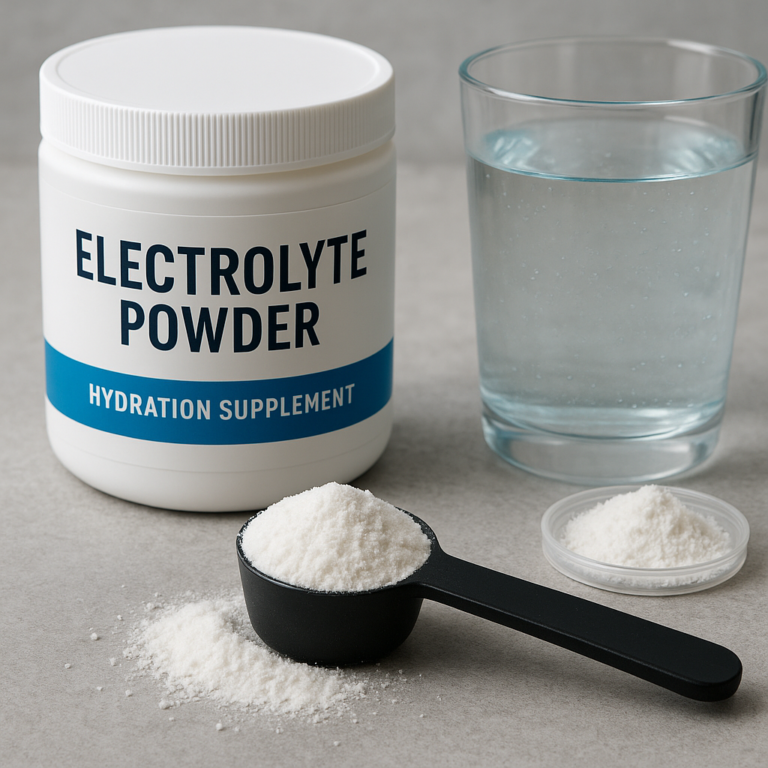
A sports drink may provide fluid, sodium, and carbohydrate, while a low- or no-sugar electrolyte product may provide minerals without much fuel. Pick based on the session, your sweat losses, and your nutrition plan—not the most dramatic label.
For exercise hydration guidance, refer to the American College of Sports Medicine position stand and the Australian Institute of Sport sports drink guidance.
Vitamins, minerals, and omega-3s
Athletes may need to pay attention to nutrients such as iron, vitamin D, calcium, vitamin B12, and iodine, depending on diet, health, training, and life stage. But testing and professional guidance are preferable to guessing with high-dose products.
| Nutrient | Why it may matter | Caution |
|---|---|---|
| Iron | Supports oxygen transport; low status can affect health and performance | Don’t supplement without assessing need; excess iron can be harmful |
| Vitamin D | Supports bone and other body functions | Testing and clinician advice may be appropriate |
| Calcium | Important for bones and normal muscle function | Consider food intake and individual needs |
| Vitamin B12 | Especially relevant for vegan diets | Intake and form should fit individual circumstances |
| Omega-3 fats | Found in fatty fish and some supplements | Product quality, dose, and health context matter |
The NIH ODS vitamin and mineral fact sheets provide trusted nutrient overviews. For vitamin-specific guidance, browse our essential vitamins and multivitamin supplements resources.
⚠️ Supplement Safety, Medication Interactions, and Anti-Doping Risks
Supplements can interact with medication, affect medical conditions, or expose athletes to prohibited substances. Tell your doctor or pharmacist about every supplement you use, including powders, pre-workouts, herbal products, and “wellness” capsules.
Take extra care if you:
- Are under 18.
- Are pregnant, breastfeeding, or trying to become pregnant.
- Have kidney, liver, heart, thyroid, or bleeding disorders.
- Take prescription medication or several supplements.
- Compete under anti-doping rules.
- Experience unexpected symptoms after starting a product.
If you suspect an adverse reaction, stop using the product and contact a healthcare professional. In the United States, the FDA explains how to report a problem with a dietary supplement.
For athletes, USADA’s supplement 411 resource explains contamination risks and the limits of supplement testing. No certification can guarantee a product is risk-free or remove responsibility under sport rules.
🛒 Where to Buy Sports Supplements and Spot Counterfeits
Buy from the brand, a known retailer, or a seller you can verify. Marketplace listings can be convenient, but confirm who is selling and fulfilling the product.
Before checkout
- Compare the listing with the product on the brand’s official site.
- Check the seller name and return policy.
- Avoid damaged seals, altered labels, or unusually vague product descriptions.
- Match the certification and flavor to the exact product.
- Keep the receipt and lot number.
- Don’t buy a product if you can’t verify its ingredients or source.
A marketplace’s presence does not certify a supplement. For tested athletes, verify the product independently through the NSF directory or Informed Sport directory.
📋 Quick Tips for Building a Smarter Supplement Routine
- Name the goal. “I need a portable protein option” is clearer than “I need the best stack.”
- Check food and training first. A supplement cannot compensate for inadequate meals, hydration, or sleep.
- Pick one product for one purpose. Avoid starting several new products at once.
- Read the complete label. Include serving size, active ingredients, allergens, and other ingredients.
- Check certification product by product. Especially important for tested athletes.
- Look for medication or health-condition risks. Ask a clinician or pharmacist when in doubt.
- Track your response. Note timing, tolerance, sleep, digestion, and training outcomes.
- Reassess regularly. If a product doesn’t address a real need, you may not need to keep taking it.
The Institute of Human Anatomy video, “The Most Effective Supplements for Fitness and Athletic Performance”, can be a helpful visual overview of common performance supplements. Use it as an educational starting point—not a substitute for individualized advice or product-specific certification checks.