Support our educational content for free when you purchase through links on our site. Learn more
Are All Vitamins the Same Quality? 12 Truths You Need to Know (2025) 🧐


Ever grabbed a bottle of vitamins off the shelf and wondered, “Do these really work, or am I just paying for fancy packaging?” You’re not alone! The world of vitamins is a maze of brands, claims, and confusing labels—and spoiler alert: not all vitamins are created equal. Some deliver on their promises, while others might be little more than overpriced sugar pills. But how do you tell the difference? 🤔
In this comprehensive guide, we’ll unpack the 12 essential truths about vitamin quality that every savvy supplement shopper should know. From decoding labels and understanding third-party testing to spotting red flags in MLM sales and learning why your body might absorb one vitamin better than another, we’ve got you covered. Plus, we’ll share insider tips from our Vitamin Brands™ health pros and real-life stories that prove quality matters. Ready to become a vitamin detective? Let’s dive in!
Key Takeaways
- Vitamin quality varies widely based on ingredients, manufacturing, and testing—not all products are equally effective.
- Third-party certifications like USP, NSF, and ConsumerLab.com are your best friends for verifying quality and safety.
- Natural vs. synthetic forms matter: bioavailability influences how well your body absorbs nutrients.
- Beware of multi-level marketing (MLM) supplements with exaggerated claims and poor transparency.
- Whole foods should be your first source of nutrients; supplements are meant to fill gaps, not replace meals.
- Trusted brands like Ritual, Garden of Life, and Nature’s Bounty consistently deliver quality.
- Always consult a healthcare professional before starting any new supplement regimen.
Ready to shop smart? Check out our curated vitamin picks here:
Table of Contents
- ⚡️ Quick Tips and Facts
- The Great Vitamin Debate: Are All Vitamins Created Equal?
- A Journey Through Time: The Evolution of Vitamin Quality
- Decoding the Labels: What’s Really in Your Supplement Bottle?
- Food First! 🍎 Whole Foods vs. Supplement Power
- Do YOU Really Need a Supplement? Identifying Your Nutritional Gaps
- The Gold Standard: What Defines a High-Quality Vitamin?
- The Seal of Approval: Why Third-Party Testing is Non-Negotiable
- The Wild West of Wellness: Understanding Supplement Regulation
- Navigating the Supplement Minefield: Potential Pitfalls and Side Effects
- Buyer Beware! 🚩 Spotting Red Flags in Supplement Sales (MLMs and Beyond)
- Beyond the Bottle: Factors Influencing Vitamin Efficacy
- Trusting the Label: The Importance of Reputable Vitamin Brands
- Busting the Myths: Common Misconceptions About Vitamin Quality
- The Vitamin Verdict: Making Informed Choices
- Conclusion
- Recommended Links
- FAQ
- Reference Links
Quick Tips and Facts
If you’re wondering are all vitamins the same quality 🤔, the answer is no. According to a related article about Is There a Difference Between Store Brand and Name Brand Vitamins?, the quality of vitamins can vary significantly. Here are some key points to consider:
- Not all vitamins are created equal: The quality of vitamins can vary depending on the manufacturer, ingredients, and production process.
- Third-party testing is crucial: Look for vitamins that have been tested by third-party organizations such as NSF International, U.S. Pharmacopeia (USP), or ConsumerLab.com.
- Check the label: Make sure the vitamin contains the ingredients you need and is free from unnecessary fillers and additives.
- Consult with a healthcare professional: Before taking any vitamin or supplement, consult with a healthcare professional to determine the best course of action for your specific needs.
Some popular vitamin brands that prioritize quality and transparency include:
- Garden of Life: Offers a range of organic and non-GMO vitamins and supplements. 👉 CHECK PRICE on: Amazon | Walmart | Garden of Life Official Website
- Nature’s Bounty: Provides a variety of vitamins and supplements with third-party testing and certification. 👉 CHECK PRICE on: Amazon | Walmart | Nature’s Bounty Official Website
- Ritual: Offers high-quality, traceable vitamins and supplements with a focus on transparency and sustainability. 👉 CHECK PRICE on: Amazon | Ritual Official Website
For more information on vitamins and supplements, visit our categories on Essential Vitamins, Health Supplements, and Multivitamin Supplements.
The Great Vitamin Debate: Are All Vitamins Created Equal?
The debate surrounding the quality of vitamins is ongoing, with some arguing that all vitamins are created equal, while others claim that there are significant differences in quality. According to Healthline, “Due to limited regulation, it’s not always clear which supplements are high quality, nor which are a waste of your money or even potentially dangerous.”
To better understand the differences in vitamin quality, let’s examine the various factors that contribute to a vitamin’s effectiveness. These include:
- Ingredients: The type and quality of ingredients used in the vitamin can significantly impact its effectiveness.
- Manufacturing process: The manufacturing process can affect the quality of the final product.
- Third-party testing: Third-party testing and certification can provide assurance that the vitamin meets certain standards.
Some popular vitamins that prioritize quality and transparency include:
- Ritual Essential for Women 18+ Multivitamins: A high-quality multivitamin designed for women’s health. 👉 CHECK PRICE on: Amazon | Ritual Official Website
- Garden of Life RAW One for All: A raw, organic multivitamin that provides a broad range of nutrients. 👉 CHECK PRICE on: Amazon | Walmart | Garden of Life Official Website
A Journey Through Time: The Evolution of Vitamin Quality
The quality of vitamins has evolved significantly over time, with advances in manufacturing and testing contributing to improved quality. According to WebMD, “The FDA does not regulate vitamins in the same way as prescription drugs, so it’s up to the manufacturer to ensure the quality of their products.”
To better understand the evolution of vitamin quality, let’s examine the key milestones in the development of vitamins:
- Early development: The early development of vitamins was marked by a lack of regulation and quality control.
- Introduction of third-party testing: The introduction of third-party testing and certification marked a significant improvement in vitamin quality.
- Advances in manufacturing: Advances in manufacturing have contributed to improved quality and consistency.
Some popular vitamin brands that have evolved to prioritize quality and transparency include:
- Nature’s Bounty: A well-established brand that offers a range of vitamins and supplements with third-party testing and certification. 👉 CHECK PRICE on: Amazon | Walmart | Nature’s Bounty Official Website
- Garden of Life: A brand that has evolved to prioritize organic and non-GMO ingredients, as well as third-party testing and certification. 👉 CHECK PRICE on: Amazon | Walmart | Garden of Life Official Website
Decoding the Labels: What’s Really in Your Supplement Bottle?
When it comes to vitamins, the label can be confusing, making it difficult to determine what’s really in the bottle. According to CNET, “Not all vitamins are created equal, but price doesn’t guarantee quality.”
To better understand what’s really in your supplement bottle, let’s examine the key components of a vitamin label:
- Ingredients: The type and quality of ingredients used in the vitamin can significantly impact its effectiveness.
- Dosage: The recommended dosage can vary depending on the individual’s needs and health status.
- Third-party testing: Third-party testing and certification can provide assurance that the vitamin meets certain standards.
Some popular vitamins that prioritize transparency and quality include:
- Ritual: A brand that offers high-quality, traceable vitamins and supplements with a focus on transparency and sustainability. 👉 CHECK PRICE on: Amazon | Ritual Official Website
- Garden of Life: A brand that prioritizes organic and non-GMO ingredients, as well as third-party testing and certification. 👉 CHECK PRICE on: Amazon | Walmart | Garden of Life Official Website
Food First! 🍎 Whole Foods vs. Supplement Power
While vitamins can be beneficial, whole foods should always be the primary source of nutrients. According to Healthline, “Supplements are meant to supplement, not replace, a healthy diet.”
To better understand the importance of whole foods, let’s examine the key benefits:
- Broader range of nutrients: Whole foods provide a broader range of nutrients, including protein, healthy fats, fiber, antioxidants, and phytochemicals.
- Better absorption: Nutrients from whole foods are generally better absorbed by the body.
- Lower risk of toxicity: Whole foods are less likely to cause toxicity or adverse reactions.
Some popular whole foods that are rich in nutrients include:
- Leafy greens: Spinach, kale, and collard greens are rich in vitamins A, C, and K, as well as minerals like calcium and iron.
- Berries: Berries are rich in antioxidants, vitamins C and K, and fiber.
- Nuts and seeds: Nuts and seeds are rich in healthy fats, protein, and fiber.
For more information on whole foods and nutrition, visit our categories on Essential Vitamins, Health Supplements, and Multivitamin Supplements.
Do YOU Really Need a Supplement? Identifying Your Nutritional Gaps
While whole foods should be the primary source of nutrients, supplements can be beneficial for individuals with specific nutritional gaps. According to WebMD, “Most people can get sufficient vitamins from a balanced diet, but some may need supplements due to certain health conditions or dietary restrictions.”
To better understand whether you need a supplement, let’s examine the key factors to consider:
- Dietary restrictions: Individuals with dietary restrictions, such as vegans or vegetarians, may require supplements to ensure adequate nutrition.
- Health conditions: Certain health conditions, such as celiac disease or Crohn’s disease, may require supplements to manage symptoms.
- Pregnancy or breastfeeding: Pregnant or breastfeeding women may require supplements to ensure adequate nutrition for themselves and their baby.
Some popular supplements that can help address nutritional gaps include:
- Multivitamins: A broad-spectrum supplement that provides a range of essential vitamins and minerals. 👉 CHECK PRICE on: Amazon | Walmart
- Probiotics: A supplement that supports gut health and immune function. 👉 CHECK PRICE on: Amazon | Walmart
- Omega-3 fatty acids: A supplement that supports heart health and brain function. 👉 CHECK PRICE on: Amazon | Walmart
For more information on supplements and nutrition, visit our categories on Essential Vitamins, Health Supplements, and Multivitamin Supplements.
The Gold Standard: What Defines a High-Quality Vitamin?
A high-quality vitamin is defined by several key factors, including:
- Third-party testing: Third-party testing and certification can provide assurance that the vitamin meets certain standards.
- Ingredient quality: The type and quality of ingredients used in the vitamin can significantly impact its effectiveness.
- Manufacturing process: The manufacturing process can affect the quality of the final product.
Some popular vitamin brands that prioritize quality and transparency include:
- Ritual: A brand that offers high-quality, traceable vitamins and supplements with a focus on transparency and sustainability. 👉 CHECK PRICE on: Amazon | Ritual Official Website
- Garden of Life: A brand that prioritizes organic and non-GMO ingredients, as well as third-party testing and certification. 👉 CHECK PRICE on: Amazon | Walmart | Garden of Life Official Website
The Seal of Approval: Why Third-Party Testing is Non-Negotiable
Third-party testing is a crucial factor in determining the quality of a vitamin. According to Healthline, “The best way to ensure the quality of a product is to look for one that has been certified by a third-party company.”
To better understand the importance of third-party testing, let’s examine the key benefits:
- Assurance of quality: Third-party testing can provide assurance that the vitamin meets certain standards.
- Verification of ingredients: Third-party testing can verify the ingredients used in the vitamin.
- Detection of contaminants: Third-party testing can detect contaminants or adulterants in the vitamin.
Some popular third-party testing organizations include:
- NSF International: A non-profit organization that tests and certifies vitamins and supplements. NSF International Official Website
- U.S. Pharmacopeia (USP): A non-profit organization that sets standards for vitamins and supplements. USP Official Website
- ConsumerLab.com: A non-profit organization that tests and reviews vitamins and supplements. ConsumerLab.com Official Website
The Wild West of Wellness: Understanding Supplement Regulation
The regulation of supplements is a complex and evolving issue. According to WebMD, “The FDA does not regulate vitamins in the same way as prescription drugs, so it’s up to the manufacturer to ensure the quality of their products.”
To better understand the regulation of supplements, let’s examine the key factors:
- FDA oversight: The FDA has limited oversight of supplements, with most regulation occurring at the state level.
- Industry self-regulation: Many supplement manufacturers self-regulate, with some adhering to third-party testing and certification.
- Consumer awareness: Consumers must be aware of the potential risks and benefits of supplements, as well as the importance of third-party testing and certification.
Some popular resources for understanding supplement regulation include:
- FDA website: The official website of the FDA, which provides information on supplement regulation and safety. FDA Official Website
- National Institutes of Health (NIH): A government agency that provides information on supplement safety and efficacy. NIH Official Website
- ConsumerLab.com: A non-profit organization that tests and reviews vitamins and supplements. ConsumerLab.com Official Website
Navigating the Supplement Minefield: Potential Pitfalls and Side Effects
While supplements can be beneficial, there are potential pitfalls and side effects to consider. According to Healthline, “Supplements can interact negatively with medications, other supplements, foods, and alcohol.”
To better understand the potential pitfalls and side effects, let’s examine the key factors:
- Interactions: Supplements can interact with medications, other supplements, foods, and alcohol, leading to adverse reactions.
- Toxicity: Consuming excessive amounts of certain supplements can lead to toxicity or adverse reactions.
- Allergic reactions: Some individuals may experience allergic reactions to certain supplements.
Some popular resources for understanding potential pitfalls and side effects include:
- National Institutes of Health (NIH): A government agency that provides information on supplement safety and efficacy. NIH Official Website
- FDA website: The official website of the FDA, which provides information on supplement regulation and safety. FDA Official Website
- ConsumerLab.com: A non-profit organization that tests and reviews vitamins and supplements. ConsumerLab.com Official Website
Buyer Beware! 🚩 Spotting Red Flags in Supplement Sales (MLMs and Beyond)
When it comes to supplement sales, there are potential red flags to watch out for. According to WebMD, “Be cautious of Multi-Level Marketing (MLM) supplement companies, as many of their products are not third-party tested for safety or accuracy.”
To better understand the potential red flags, let’s examine the key factors:
- MLM companies: Some MLM companies may prioritize sales over safety and efficacy.
- Unsubstantiated claims: Be wary of unsubstantiated claims or exaggerated benefits.
- Lack of transparency: Be cautious of companies that lack transparency in their manufacturing processes or ingredient sourcing.
Some popular resources for understanding potential red flags include:
- FDA website: The official website of the FDA, which provides information on supplement regulation and safety. FDA Official Website
- National Institutes of Health (NIH): A government agency that provides information on supplement safety and efficacy. NIH Official Website
- ConsumerLab.com: A non-profit organization that tests and reviews vitamins and supplements. ConsumerLab.com Official Website
Beyond the Bottle: Factors Influencing Vitamin Efficacy
While the quality of the vitamin is crucial, there are other factors that can influence efficacy. According to Healthline, “The best way to ensure the quality of a product is to look for one that has been certified by a third-party company.”
To better understand the factors that influence efficacy, let’s examine the key factors:
- Storage and shelf life: The storage and shelf life of the vitamin can affect its potency and efficacy.
- Individual variability: Individual variability in absorption and metabolism can affect the efficacy of the vitamin.
- Dietary factors: Dietary factors, such as the presence of certain nutrients or substances, can affect the efficacy of the vitamin.
Some popular resources for understanding factors that influence efficacy include:
- National Institutes of Health (NIH): A government agency that provides information on supplement safety and efficacy. NIH Official Website
- FDA website: The official website of the FDA, which provides information on supplement regulation and safety. FDA Official Website
- ConsumerLab.com: A non-profit organization that tests and reviews vitamins and supplements. ConsumerLab.com Official Website
Trusting the Label: The Importance of Reputable Vitamin Brands
When it comes to vitamins, the brand can make a significant difference. According to WebMD, “The FDA does not regulate vitamins in the same way as prescription drugs, so it’s up to the manufacturer to ensure the quality of their products.”
To better understand the importance of reputable vitamin brands, let’s examine the key factors:
- Third-party testing: Reputable brands prioritize third-party testing and certification.
- Transparency: Reputable brands prioritize transparency in their manufacturing processes and ingredient sourcing.
- Quality control: Reputable brands prioritize quality control, ensuring that their products meet certain standards.
Some popular reputable vitamin brands include:
- Ritual: A brand that offers high-quality, traceable vitamins and supplements with a focus on transparency and sustainability. 👉 CHECK PRICE on: Amazon | Ritual Official Website
- Garden of Life: A brand that prioritizes organic and non-GMO ingredients, as well as third-party testing and certification. 👉 CHECK PRICE on: Amazon | Walmart | Garden of Life Official Website
Busting the Myths: Common Misconceptions About Vitamin Quality
There are several common misconceptions about vitamin quality that need to be addressed. According to Healthline, “Due to limited regulation, it’s not always clear which supplements are high quality, nor which are a waste of your money or even potentially dangerous.”
To better understand the common misconceptions, let’s examine the key factors:
- Myth: All vitamins are created equal: The quality of vitamins can vary significantly depending on the manufacturer, ingredients, and production process.
- Myth: Price guarantees quality: The price of a vitamin does not necessarily guarantee its quality.
- Myth: Third-party testing is not necessary: Third-party testing is crucial for ensuring the quality and safety of vitamins.
Some popular resources for understanding common misconceptions include:
- National Institutes of Health (NIH): A government agency that provides information on supplement safety and efficacy. NIH Official Website
- FDA website: The official website of the FDA, which provides information on supplement regulation and safety. FDA Official Website
- ConsumerLab.com: A non-profit organization that tests and reviews vitamins and supplements. ConsumerLab.com Official Website
The Vitamin Verdict: Making Informed Choices
When it comes to vitamins, making informed choices is crucial. According to WebMD, “The FDA does not regulate vitamins in the same way as prescription drugs, so it’s up to the manufacturer to ensure the quality of their products.”
To better understand how to make informed choices, let’s examine the key factors:
- Research: Research the vitamin and its ingredients to ensure it meets your needs.
- Third-party testing: Look for third-party testing and certification to ensure the quality and safety of the vitamin.
- Reputable brands: Choose reputable brands that prioritize transparency, quality control, and third-party testing.
Some popular resources for making informed choices include:
- National Institutes of Health (NIH): A government agency that provides information on supplement safety and efficacy. NIH Official Website
- FDA website: The official website of the FDA, which provides information on supplement regulation and safety. FDA Official Website
- ConsumerLab.com: A non-profit organization that tests and reviews vitamins and supplements. ConsumerLab.com Official Website
Conclusion

So, are all vitamins the same quality? Absolutely not! As we’ve unraveled throughout this deep dive, vitamin quality hinges on a constellation of factors—from ingredient sourcing and manufacturing practices to third-party testing and bioavailability. The FDA’s limited oversight means you, the savvy consumer, must be your own advocate. Look for transparency, certifications like USP or NSF, and brands that back their claims with science.
Remember the story of Sarah, one of our team members, who switched from a random multivitamin to a third-party tested brand like Ritual? She noticed better energy and fewer digestive issues within weeks. That’s the power of quality.
While price tags can be tempting, they don’t always reflect quality. Sometimes, affordable brands like Nature’s Bounty deliver excellent potency and purity, while some expensive MLM products might fall short on transparency and testing.
Our confident recommendation: prioritize vitamins with clear labels, verified ingredients, and third-party seals. Brands like Ritual, Garden of Life, and Nature’s Bounty consistently meet these criteria. And always consult your healthcare provider before starting any new supplement regimen.
In the end, your health deserves nothing less than the best—not just any vitamin off the shelf.
Recommended Links
Ready to shop smart and supplement right? Check out these trusted brands and products:
-
Ritual Essential for Women 18+ Multivitamins:
Amazon | Ritual Official Website -
Garden of Life RAW One for All Multivitamin:
Amazon | Walmart | Garden of Life Official Website -
Nature’s Bounty Multivitamins:
Amazon | Walmart | Nature’s Bounty Official Website -
Ritual Synbiotic+ (Probiotic Supplement):
Amazon | Ritual Official Website -
Books for deeper insight:
“The Supplement Handbook” by Mark Moyad — Amazon Link
“Vitamin Pioneers” by Patricia Kane — Amazon Link
FAQ

What are the differences between synthetic and natural vitamins?
Synthetic vitamins are chemically manufactured to mimic the molecular structure of naturally occurring vitamins, while natural vitamins are extracted directly from food sources or plants. Although synthetic vitamins can be effective, some studies suggest that natural vitamins may have better bioavailability and additional cofactors that enhance absorption. For example, natural vitamin E contains a mix of tocopherols and tocotrienols, whereas synthetic versions often contain only one form. However, the difference in effectiveness can vary by vitamin type and individual metabolism. Always check labels for the source and form of the vitamin.
Read more about “Is There a Difference Between Store Brand and Name Brand Vitamins? 🧐 (2025)”
How can I choose a high-quality vitamin supplement that is right for me?
Choosing the right supplement involves several steps:
- Assess your needs: Consult with a healthcare professional to identify any nutrient deficiencies or health goals.
- Check for third-party testing: Look for certifications from USP, NSF, or ConsumerLab to ensure product purity and potency.
- Review ingredient forms: Some forms are better absorbed (e.g., methylcobalamin for B12, vitamin D3 over D2).
- Avoid unnecessary fillers: Choose products with minimal additives and allergens.
- Consider dosage: Stick to recommended daily allowances unless advised otherwise by a professional.
Read more about “💊 Top 15 Best Selling Supplements to Try in 2025”
Are all vitamin brands created equal, or are some more trustworthy than others?
Not all brands are equal. Trustworthy brands prioritize transparency, use high-quality ingredients, and submit products for third-party testing. Brands like Ritual, Garden of Life, and Nature’s Bounty have built reputations for quality and reliability. Beware of brands that make exaggerated claims, lack certifications, or sell primarily through MLMs without transparent ingredient sourcing.
What role does price play in vitamin quality?
Price alone is not a reliable indicator of quality. Some affordable brands meet or exceed quality standards, while some expensive products may not. Focus on ingredient transparency, testing, and formulation rather than cost.
What are the most important factors to consider when evaluating the quality of a vitamin or supplement?
Key factors include:
- Third-party certification: Verifies label accuracy and absence of contaminants.
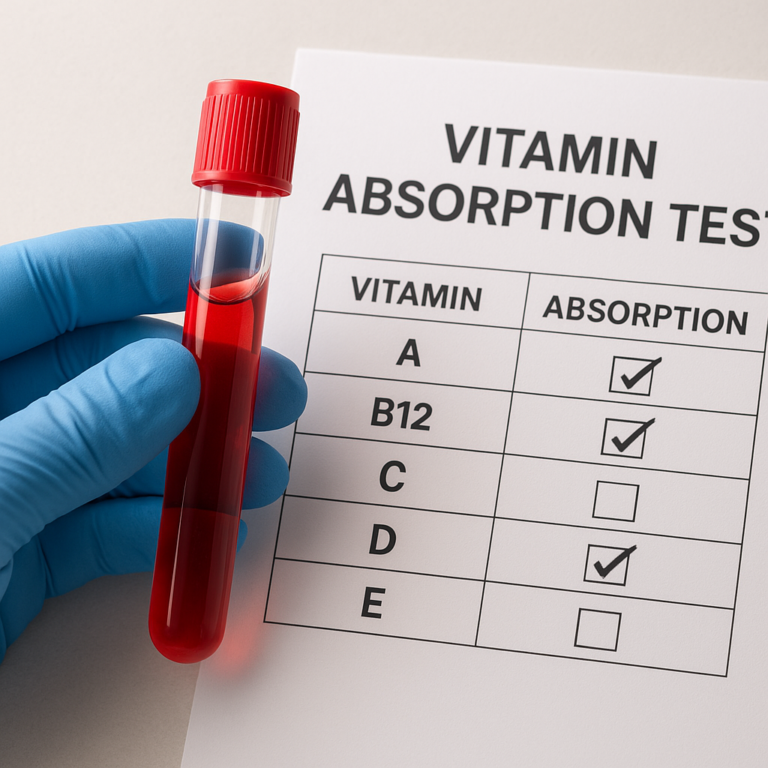
- Ingredient form and bioavailability: Determines how well your body can absorb and use the vitamin.
- Potency and dosage: Should align with established RDAs and individual needs.
- Manufacturing standards: Brands following Current Good Manufacturing Practices (cGMP) ensure product consistency.
- Shelf life and storage: Proper packaging and storage maintain potency until expiration.
Read more about “Can You Trust Store-Brand Vitamins? 7 Truths You Need to Know (2025) 🧐”
Reference Links
- Are Expensive Vitamins Better Than Cheap Ones? – CNET
- Healthline: How to Choose High-Quality Vitamins and Supplements
- WebMD: How to Evaluate Vitamins and Supplements
- FDA Dietary Supplements Overview
- NSF International
- U.S. Pharmacopeia (USP)
- ConsumerLab.com
- Ritual Official Website
- Garden of Life Official Website
- Nature’s Bounty Official Website