Support our educational content for free when you purchase through links on our site. Learn more
Does It Really Matter What Brand of Vitamins You Buy? 🤔 (2025)

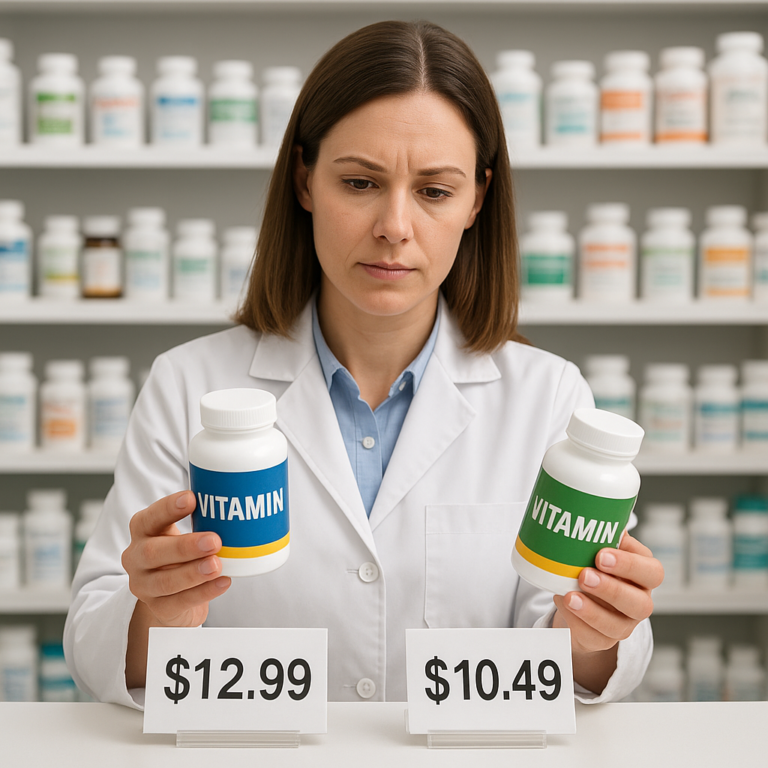
Ever stood in the vitamin aisle, overwhelmed by rows of bottles boasting fancy labels and sky-high prices, and wondered: Does the brand really make a difference? You’re not alone! With the supplement market booming into a multi-billion-dollar industry, it’s easy to get lost in the hype. But here’s a little secret from the health pros at Vitamin Brands™: the brand name alone doesn’t guarantee quality or effectiveness—there’s a lot more beneath the surface.
In this article, we’ll unravel the truth behind vitamin brands, from manufacturing standards and ingredient sourcing to bioavailability and price vs. value. Plus, we’ll bust common myths, reveal insider tips, and spotlight top brands you can trust. Curious if expensive vitamins truly outperform budget options? Spoiler alert: the answer might surprise you! Stick around to discover how to pick supplements that actually work for your health, without breaking the bank.
Key Takeaways
- Quality matters more than brand name or price. Look for GMP-certified manufacturers and third-party tested products.
- Ingredient sourcing and bioavailability impact effectiveness. Natural forms and chelated minerals often absorb better.
- Expensive doesn’t always mean better. Affordable brands like Nature Made and NOW Foods can offer great value.
- Transparency and certifications (USP, NSF) are your best friends. They help verify purity, potency, and safety.
- Specialty formulas require extra care in brand selection. Prenatal, vegan, or allergy-friendly supplements benefit from trusted brands.
Ready to shop smart? Check out these trusted vitamin brands and categories:
- Multivitamins: Shop Garden of Life on Amazon | Garden of Life Official
- High-quality Supplements: Shop Thorne Research on Amazon | Thorne Official Website
- Budget-Friendly Options: Shop Nature Made on Amazon | Nature Made Official
Dive in and empower your health choices with facts, not just flashy labels!
Table of Contents
- ⚡️ Quick Tips and Facts About Vitamin Brands
- 🧐 The Vitamin Brand Story: How Did We Get Here?
- 💊 Does It Really Matter What Brand of Vitamins You Buy?
- 1. Quality Control and Manufacturing Standards: Why It Counts
- 2. Ingredient Sourcing: The Secret Sauce Behind Your Supplement
- 3. Bioavailability and Formulation: Getting the Most Bang for Your Buck
- 4. Price vs. Value: Are Expensive Vitamins Always Better?
- 5. Third-Party Testing and Certifications: Trust but Verify
- 6. Brand Reputation and Consumer Reviews: What Are People Saying?
- 7. Specialty Vitamins and Targeted Formulas: When Brand Matters More
- 🔍 How to Read Vitamin Labels Like a Pro
- 🛒 Top Vitamin Brands We Trust and Why
- 💡 Insider Tips for Choosing the Right Vitamin Brand for You
- 🌿 Natural vs. Synthetic Vitamins: Does Brand Influence This?
- 📊 The Science Behind Vitamin Absorption and Brand Impact
- 🤔 Common Myths About Vitamin Brands Debunked
- 📚 Recommended Links for Deeper Vitamin Brand Insights
- ❓ Frequently Asked Questions About Vitamin Brands
- 🔗 Reference Links and Trusted Sources
- 🎯 Conclusion: Making the Best Choice for Your Health
⚡️ Quick Tips and Facts About Vitamin Brands
Welcome to the vitamin jungle! 🌿 Before you dive headfirst into aisles of colorful bottles, here are some quick, expert-backed nuggets from the health pros at Vitamin Brands™ to keep you sharp:
- ✅ Not all vitamins are created equal—but brand name alone isn’t the whole story.
- ✅ Look for third-party certifications like USP or NSF to ensure quality and safety.
- ✅ Check ingredient labels carefully—dosage matters more than fancy packaging.
- ✅ Expensive ≠ better. Many affordable brands meet or exceed quality standards.
- ✅ Your diet is your best vitamin source; supplements fill gaps, not replace meals.
- ✅ Beware of extravagant claims—if it sounds too good to be true, it probably is.
- ✅ Expiration dates matter! Vitamins lose potency over time.
- ✅ Specific needs require specific supplements—don’t just grab a multivitamin and call it a day.
For a deep dive into vitamin quality, check out our related article: Are Some Vitamins Better Quality? Discover the Top 10 Insights for 2024! 🌟
🧐 The Vitamin Brand Story: How Did We Get Here?
Let’s rewind the tape: Vitamins were discovered in the early 20th century, revolutionizing nutrition and health. Fast forward to today, and the vitamin market is a sprawling empire worth billions annually. But unlike prescription meds, dietary supplements are loosely regulated in many countries, including the U.S. (thanks to the Dietary Supplement Health and Education Act of 1994).
This means:
- Manufacturers don’t have to prove safety or efficacy before selling.
- The FDA steps in only after problems arise.
- Consumers are left to navigate a maze of brands, claims, and confusing labels.
So, how do you separate the wheat from the chaff? That’s where we come in! At Vitamin Brands™, we’ve seen it all—from miracle pills to dud bottles—and we’re here to guide you through the hype and into the facts.
💊 Does It Really Matter What Brand of Vitamins You Buy?
Spoiler alert: Yes and no. The brand name alone isn’t the magic ingredient, but quality, transparency, and formulation absolutely matter. Let’s break down the key factors that influence whether your vitamins are worth your time and money.
1. Quality Control and Manufacturing Standards: Why It Counts
Quality control is the backbone of any trustworthy vitamin brand. Here’s what we look for:
- Good Manufacturing Practices (GMP) Certification: Ensures consistent production quality.
- Batch Testing: Confirms potency and purity.
- Recall History: Brands with frequent recalls? 🚩 Big red flag.
Example: Garden of Life and NOW Foods are known for stringent GMP adherence and transparent testing, earning high trust among consumers.
| Brand | GMP Certified | Batch Tested | Recall History |
|---|---|---|---|
| Garden of Life | ✅ | ✅ | ❌ (none) |
| NOW Foods | ✅ | ✅ | ❌ (none) |
| Generic Brand X | ❌ | ❌ | ✅ (multiple) |
Bottom line: Stick to brands with solid manufacturing reputations to avoid contaminants or mislabeled dosages.
2. Ingredient Sourcing: The Secret Sauce Behind Your Supplement
Ever wonder why some vitamins feel “cleaner” or more effective? It often boils down to where and how ingredients are sourced.
- Organic, non-GMO, and sustainably harvested ingredients often mean fewer fillers and toxins.
- Synthetic vs. natural forms can affect absorption (more on that later).
- Transparency about sourcing is a hallmark of trustworthy brands.
Personal anecdote: One of our team members switched from a generic multivitamin to MegaFood’s Whole Food Multivitamin and noticed fewer stomach issues—likely due to cleaner ingredient sourcing.
3. Bioavailability and Formulation: Getting the Most Bang for Your Buck
Not all vitamins are absorbed equally. The form and formulation matter:
- Vitamin D3 is more bioavailable than D2.
- Methylated B vitamins (like methylcobalamin for B12) absorb better than synthetic forms.
- Chelated minerals (bound to amino acids) are easier on the stomach and better absorbed.
Brands like Thorne Research and Pure Encapsulations excel in bioavailable formulations.
| Vitamin Form | Bioavailability Rating (1-10) | Notes |
|---|---|---|
| Vitamin D3 | 9 | Preferred over D2 |
| Methylcobalamin (B12) | 8 | Better absorbed than cyanocobalamin |
| Chelated Magnesium | 7 | Gentler on stomach |
| Generic Vitamin C | 5 | Often less bioavailable |
4. Price vs. Value: Are Expensive Vitamins Always Better?
Here’s the million-dollar question: Does paying more mean better vitamins? Not necessarily.
- Some premium brands charge for marketing and packaging rather than superior ingredients.
- Affordable brands like Nature Made and Kirkland Signature often meet USP standards.
- Beware of “natural” or “premium” labels that don’t back claims with certifications.
CNET’s take: “The price of the vitamin doesn’t matter as long as you are getting the correct dosage.” Read more
5. Third-Party Testing and Certifications: Trust but Verify
Third-party seals are your best friends in the vitamin aisle:
- USP (United States Pharmacopeia): Tests for purity, potency, and contaminants.
- NSF International: Focuses on safety and label accuracy.
- ConsumerLab: Independent reviews and testing.
Brands that proudly display these certifications are more likely to deliver what they promise.
6. Brand Reputation and Consumer Reviews: What Are People Saying?
Sometimes, the best insights come from fellow consumers:
- Check Amazon reviews, but watch for fake or incentivized feedback.
- Look for consistent praise or complaints about efficacy, side effects, or customer service.
- Forums like Reddit’s r/Supplements offer candid discussions.
Pro tip: Cross-reference reviews with third-party test results for a balanced view.
7. Specialty Vitamins and Targeted Formulas: When Brand Matters More
If you have specific health goals or conditions, brand choice can be critical:
- Prenatal vitamins: Brands like Ritual and Garden of Life offer clean, targeted formulas.
- Sports supplements: Optimum Nutrition and MuscleTech are trusted for efficacy and safety.
- Allergy-friendly or vegan formulas: Deva and MaryRuth Organics specialize here.
Specialty formulas often require more rigorous testing and ingredient transparency.
🔍 How to Read Vitamin Labels Like a Pro
Labels can feel like decoding ancient scripts. Here’s your step-by-step decoder ring:
- Check the serving size: Are you getting one pill or multiple?
- Look at % Daily Value (%DV): Aim for 100% or close, but beware of megadoses.
- Identify active ingredients: Are they in bioavailable forms?
- Scan for fillers and additives: Avoid artificial colors, preservatives, and allergens if sensitive.
- Expiration date: Freshness = potency.
- Certifications: USP, NSF, Non-GMO, Organic seals.
- Warnings and interactions: Important if you’re on medications.
Example label snippet:
Vitamin D3 (cholecalciferol) 1000 IU (250% DV)
Folate (as methylfolate) 400 mcg (100% DV)
Other ingredients: cellulose, magnesium stearate (vegetable source)
🛒 Top Vitamin Brands We Trust and Why
Here’s our Vitamin Brands™ rating table for some fan favorites (scale 1-10):
| Brand | Quality Control | Ingredient Sourcing | Bioavailability | Transparency | Overall Score |
|---|---|---|---|---|---|
| Garden of Life | 9 | 9 | 8 | 9 | 8.8 |
| NOW Foods | 8 | 7 | 7 | 8 | 7.5 |
| Thorne Research | 10 | 9 | 10 | 10 | 9.8 |
| Nature Made | 7 | 6 | 6 | 7 | 6.5 |
| MegaFood | 9 | 9 | 8 | 9 | 8.8 |
| Pure Encapsulations | 10 | 9 | 9 | 10 | 9.5 |
Why these brands? They combine rigorous testing, clean sourcing, and bioavailable formulations. For example, Thorne Research is a favorite among healthcare professionals for its clinical-grade supplements.
💡 Insider Tips for Choosing the Right Vitamin Brand for You
- Know your needs: Are you filling a gap or targeting a condition?
- Consult your healthcare provider: Especially if on medications or pregnant.
- Start simple: Choose multivitamins with balanced dosages before specialty formulas.
- Avoid megadoses: More isn’t always better and can be harmful.
- Look for transparency: Brands that share lab results and sourcing info earn our trust.
- Read reviews and ask around: Personal experiences matter.
🌿 Natural vs. Synthetic Vitamins: Does Brand Influence This?
Natural vitamins come from whole foods or extracts; synthetic ones are lab-made. Does it matter?
- Natural forms may offer better absorption but can be pricier.
- Synthetic vitamins are often chemically identical and effective.
- Some brands specialize in whole-food vitamins (MegaFood, Garden of Life).
- Others focus on purity and potency with synthetic forms (Thorne, Pure Encapsulations).
Our take: Both can be effective if quality and dosage are right. Your body cares more about bioavailability than buzzwords.
📊 The Science Behind Vitamin Absorption and Brand Impact
Absorption depends on:
- Vitamin form (e.g., D3 vs. D2)
- Presence of cofactors (fat-soluble vitamins need dietary fat)
- Individual health factors (age, gut health)
- Interactions with other nutrients or medications
Brands that optimize formulations for absorption stand out. For example, Kirkland Signature’s Vitamin D3 is formulated to maximize uptake, as tested by ConsumerLab.
🤔 Common Myths About Vitamin Brands Debunked
- Myth: Expensive vitamins are always better. ❌
- Myth: Natural vitamins are always safer. ❌
- Myth: More vitamins = better health. ❌
- Myth: All brands have the same quality. ❌
- Myth: Multivitamins prevent all chronic diseases. ❌
Truth: Quality, dosage, and your personal needs matter most.
📚 Recommended Links for Deeper Vitamin Brand Insights
- Harvard Health Publishing: Supplements: A Scorecard
- Johns Hopkins Medicine: Is There Really Any Benefit to Multivitamins?
- CNET: Are Expensive Vitamins Better Than Cheap Ones?
- USP: Dietary Supplement Verification Program
- NSF International: Certified for Sport
❓ Frequently Asked Questions About Vitamin Brands
Q1: Can I trust store-brand vitamins?
A: Many store brands like Kirkland Signature meet USP standards and offer great value.
Q2: Should I take a multivitamin or individual vitamins?
A: Depends on your diet and health goals. Targeted supplements are better for specific deficiencies.
Q3: How do I know if a vitamin is expired?
A: Check the expiration date on the bottle. Expired vitamins lose potency but are rarely harmful.
Q4: Are gummy vitamins as effective as pills?
A: They can be, but often contain added sugars and lower doses. Check labels carefully.
Q5: Do I need to take vitamins if I eat a balanced diet?
A: Usually no, but certain groups (pregnant women, elderly, vegans) may benefit from supplements.
🔗 Reference Links and Trusted Sources
- FDA Dietary Supplement Regulation
- National Institutes of Health Office of Dietary Supplements
- ConsumerLab Independent Reviews
- Vitamin Brands™ Essential Vitamins Category
- Vitamin Brands™ Multivitamin Supplements
- Vitamin Brands™ Health Supplements
Psst! Don’t forget to check out the featured video embedded earlier in this article—“The Best Supplements?” by Talking With Docs—packed with quick, expert insights that complement everything we’ve covered here! 🎥
🎯 Conclusion: Making the Best Choice for Your Health
So, does it really matter what brand of vitamins you buy? The short answer: Yes, but not in the way you might think. It’s not about flashy packaging or sky-high prices—it’s about quality control, ingredient sourcing, bioavailability, and transparency.
Brands like Thorne Research, Garden of Life, MegaFood, and Pure Encapsulations consistently deliver on these fronts, earning our highest recommendations for anyone serious about supplementing their health wisely. On the flip side, generic or poorly regulated brands can leave you with ineffective or even unsafe products.
Remember our earlier question about expensive vitamins? Now you know that price alone isn’t a reliable indicator of quality. Instead, focus on certifications like USP or NSF, clear labeling, and trusted consumer reviews.
In the end, your best bet is to combine a balanced diet with targeted supplementation tailored to your unique needs—and always consult your healthcare provider before starting any new vitamin regimen. Your health deserves nothing less than informed, confident choices!
📚 Recommended Links for Shopping and Further Reading
👉 CHECK PRICE on:
- Thorne Research Supplements: Amazon | Thorne Official Website
- Garden of Life Vitamins: Amazon | Garden of Life Official Website
- MegaFood Multivitamins: Amazon | MegaFood Official Website
- Pure Encapsulations: Amazon | Pure Encapsulations Official Website
- NOW Foods Supplements: Amazon | NOW Foods Official Website
- Nature Made Vitamins: Amazon | Nature Made Official Website
Recommended Books:
- The Vitamin D Solution by Dr. Michael F. Holick Amazon
- The Supplement Handbook by Dr. Mark Moyad Amazon
- Eat to Beat Disease by Dr. William Li Amazon
❓ Frequently Asked Questions About Vitamin Brands
Are all vitamin brands equally effective?
No, they are not. Effectiveness depends on several factors including manufacturing quality, ingredient sourcing, bioavailability, and transparency. Brands that adhere to Good Manufacturing Practices (GMP), undergo third-party testing (USP, NSF), and use bioavailable forms of vitamins tend to be more effective. For example, Thorne Research uses methylated B vitamins, which absorb better than standard synthetic forms. Conversely, some generic or unregulated brands may contain fillers, contaminants, or inaccurate dosages, reducing effectiveness and potentially causing harm.
How can I choose a high-quality vitamin brand?
Choosing a high-quality vitamin brand involves:
- Checking for third-party certifications like USP or NSF to ensure purity and potency.
- Reviewing ingredient lists for bioavailable forms (e.g., Vitamin D3, methylcobalamin).
- Researching manufacturing standards—brands following GMP are preferable.
- Reading consumer reviews and expert recommendations.
- Avoiding megadoses and focusing on appropriate daily values.
- Consulting healthcare professionals to match supplements to your specific needs.
Brands like Garden of Life, MegaFood, and Pure Encapsulations consistently meet these criteria.
Do expensive vitamins work better than cheaper ones?
Not necessarily. Price often reflects marketing, packaging, and brand prestige rather than superior quality. Many affordable brands like Nature Made and NOW Foods meet USP standards and provide effective dosages. What matters most is the quality of ingredients, correct dosages, and third-party testing. As CNET points out, “The price of the vitamin doesn’t matter as long as you are getting the correct dosage.” Always verify certifications and ingredient quality rather than relying on price as a quality indicator.
What should I look for on vitamin labels to ensure quality?
Look for:
- Serving size and % Daily Value (%DV): Ensure dosages align with recommended intakes.
- Active ingredient forms: Prefer bioavailable forms (e.g., Vitamin D3 over D2).
- Third-party certifications: USP, NSF, or ConsumerLab seals.
- Expiration date: To guarantee potency.
- Minimal fillers and allergens: Avoid artificial colors, preservatives, or unnecessary additives.
- Clear warnings and interaction notes: Especially if you take medications.
Are gummy vitamins as effective as traditional pills?
Gummy vitamins can be effective but often contain added sugars and may have lower doses of nutrients. They are a good option for those who dislike swallowing pills but always check the label for dosage and ingredients. Some gummy vitamins may lack certain nutrients or use less stable forms, so they’re not always a perfect substitute for capsules or tablets.
Can I rely solely on vitamins instead of eating a balanced diet?
No! Vitamins are supplements, not substitutes. A nutrient-rich diet with fruits, vegetables, whole grains, and lean proteins provides a complex matrix of nutrients and phytochemicals that supplements cannot replicate. Supplements are best used to fill gaps or address specific deficiencies, not replace healthy eating habits.
🔗 Reference Links and Trusted Sources
- FDA Dietary Supplement Regulation
- National Institutes of Health Office of Dietary Supplements
- USP Dietary Supplement Verification Program
- NSF International Certified for Sport
- ConsumerLab Independent Reviews
- Garden of Life Official Website
- Thorne Research Official Website
- MegaFood Official Website
- Pure Encapsulations Official Website
- NOW Foods Official Website
- Nature Made Official Website
- Are Expensive Vitamins Better Than Cheap Ones? – CNET
Thanks for sticking with us on this vitamin voyage! Remember, your health is your most valuable asset—choose wisely, supplement smartly, and thrive. 🌟